
Cottar's Safaris occupies a rare position in the Maasai Mara, operating from one of the conservancy's most historically rooted safari camps. The property draws on a colonial-era design vocabulary, canvas, teak, and lantern light, that places it in a distinct tier from the region's newer glass-and-infinity-pool lodges. For travellers prioritising authentic bush immersion over resort-scale amenities, it represents a considered alternative.
Pearl is the En Primeur Club membership app — saves, bookings, and concierge access live there. Same editors, same standards.
- Address
- Maasai Mara, Kenya
- Phone
- +254 733 773377
- Website
- cottars.com
- Directions
- Get directions
 Saves & bookings on Pearl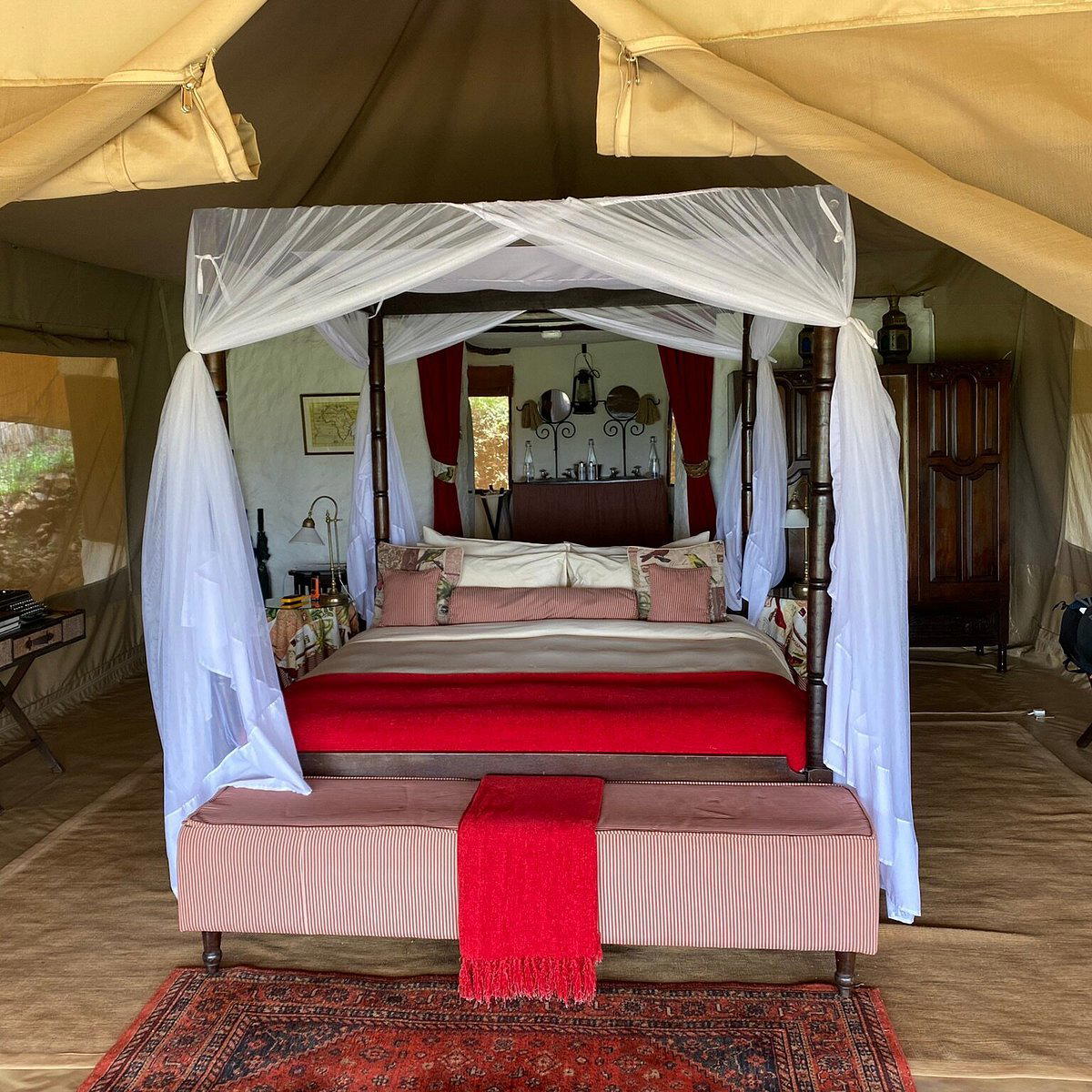
A Different Kind of Mara Camp
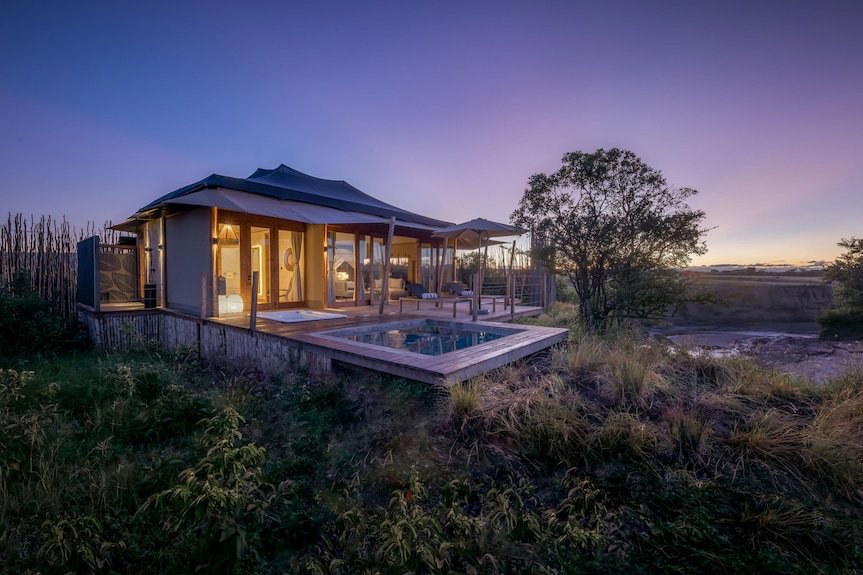
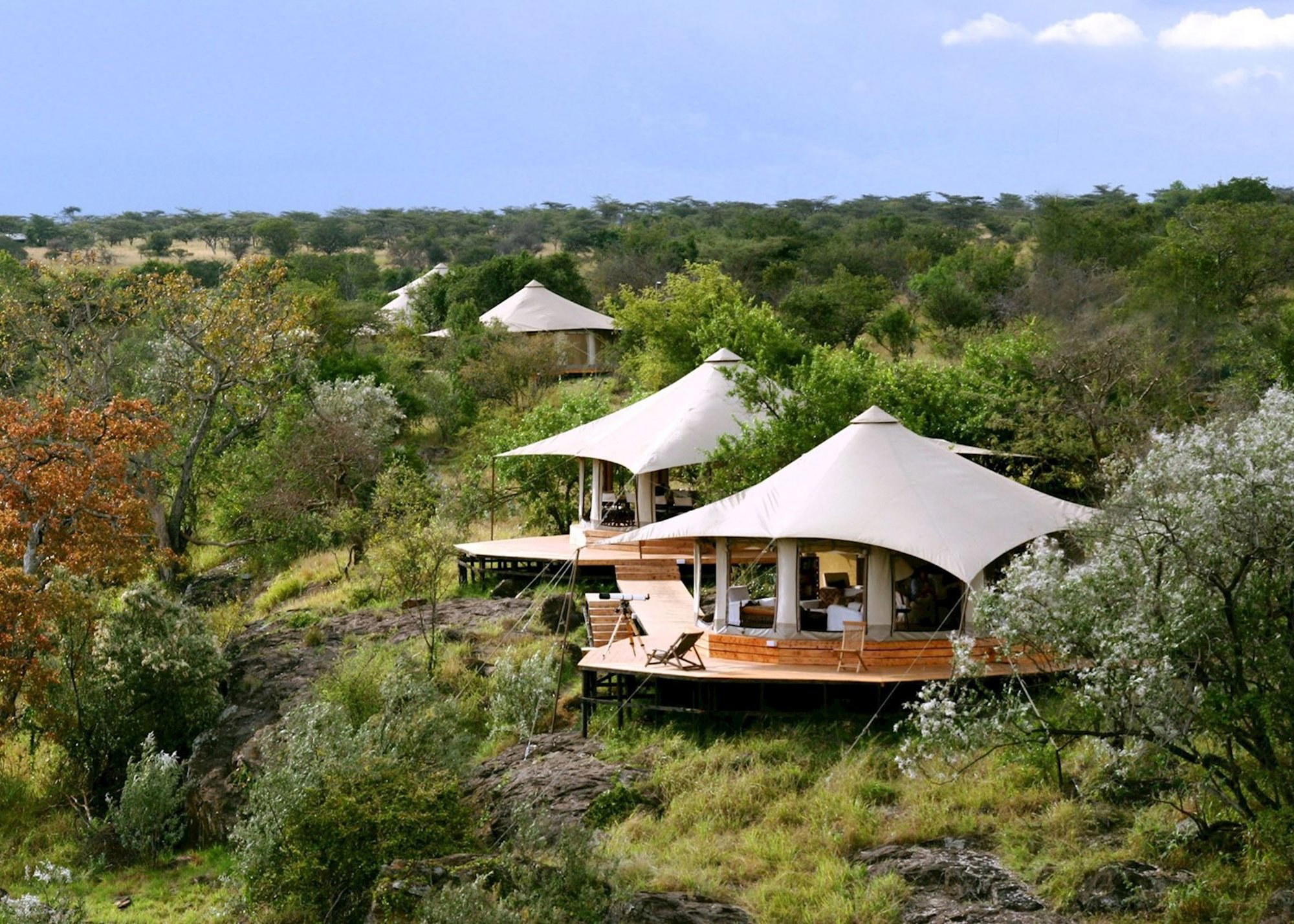
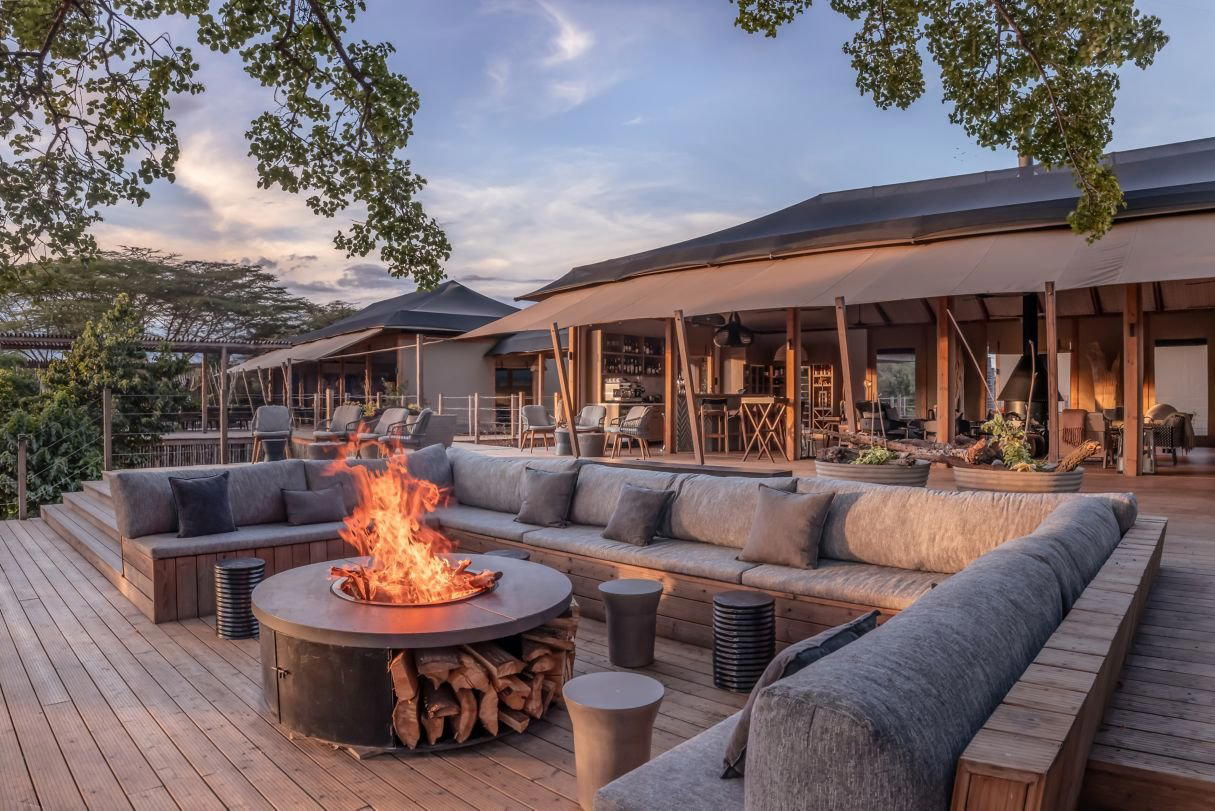
The Maasai Mara's premium accommodation tier has fractured into two clear camps over the past decade. On one side sit the newer lodges, built around panoramic glass architecture, infinity pools, and the kind of design language borrowed from Southeast Asian resort hotels. On the other sits a smaller cohort of properties that have doubled down on the original East African safari aesthetic: canvas, timber, oil lamps, and an intentional absence of visual noise. Cottar's Safaris belongs firmly to the second group, and its positioning within that cohort is shaped as much by historical depth as by design intent.
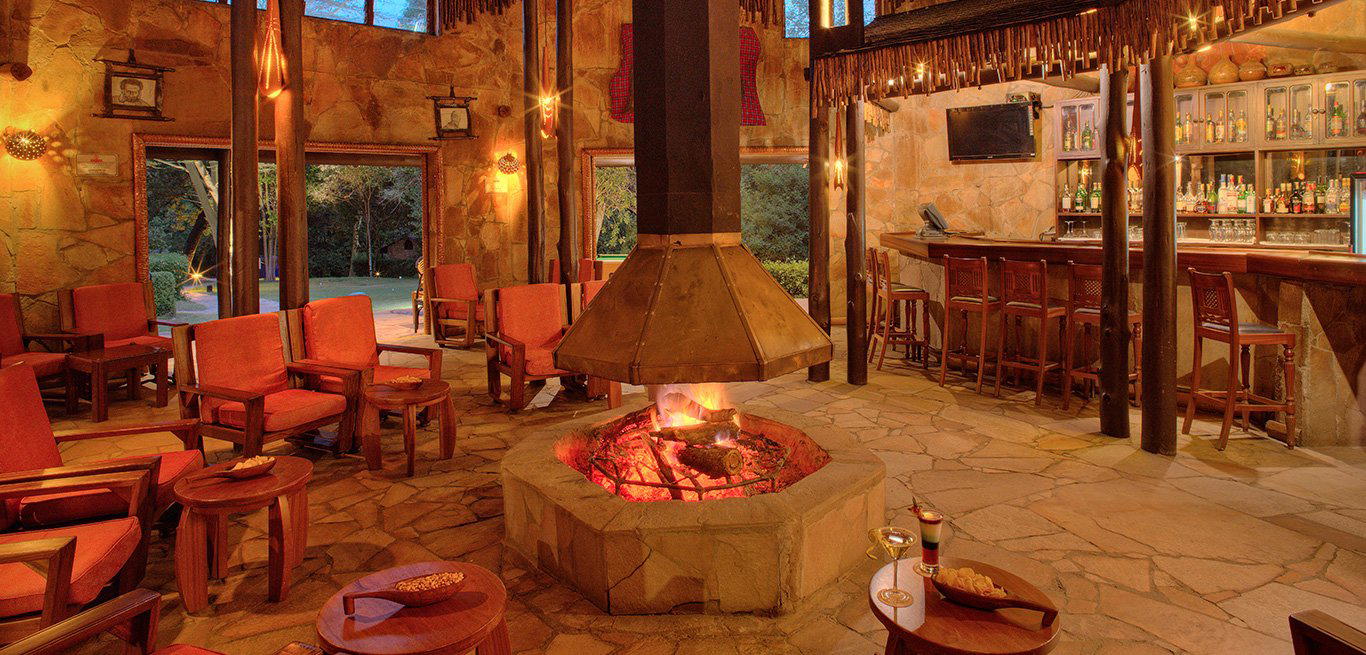
The Cottar family name has been attached to safari operations in East Africa since the 1920s, which places this property in a different genealogy from the majority of Mara camps that opened in the last two decades. That lineage matters architecturally. Where newer builds tend to express luxury through volume and visibility, large open structures designed to frame the view, Cottar's operates with a quieter spatial philosophy. Tents sit with more separation than most camps permit, the communal areas feel proportioned for small groups rather than large turnovers, and the material palette reads deliberately period. This is not vintage-as-styling exercise; it is a camp that has genuinely grown into its own history.
The Architecture of Restraint
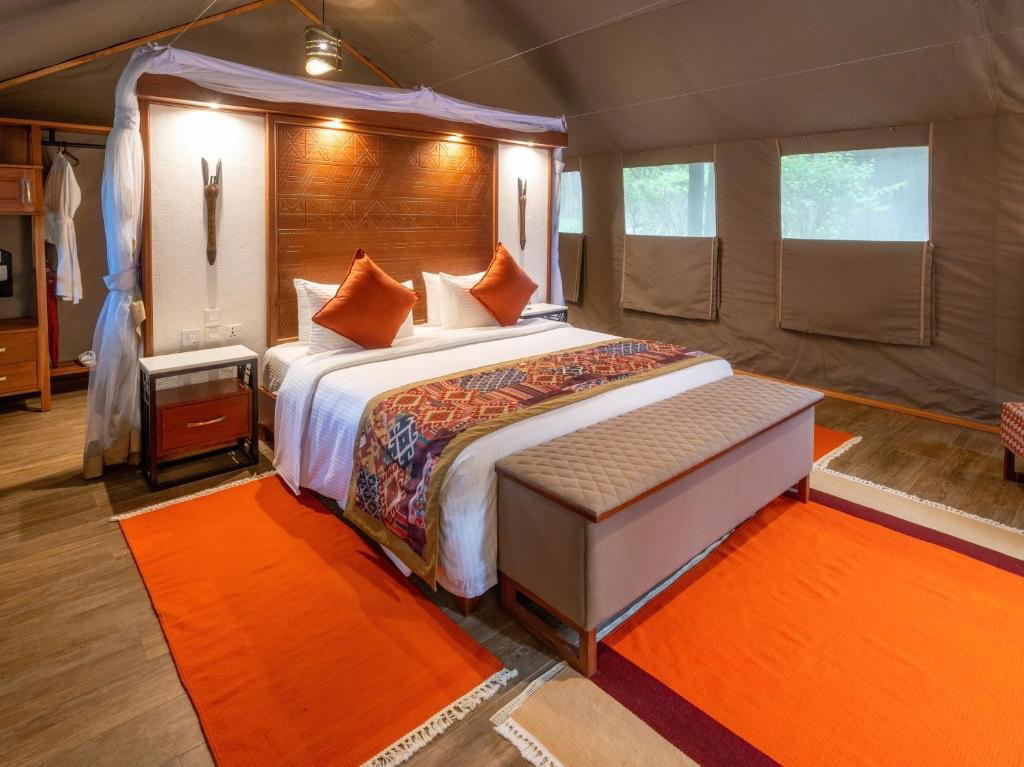
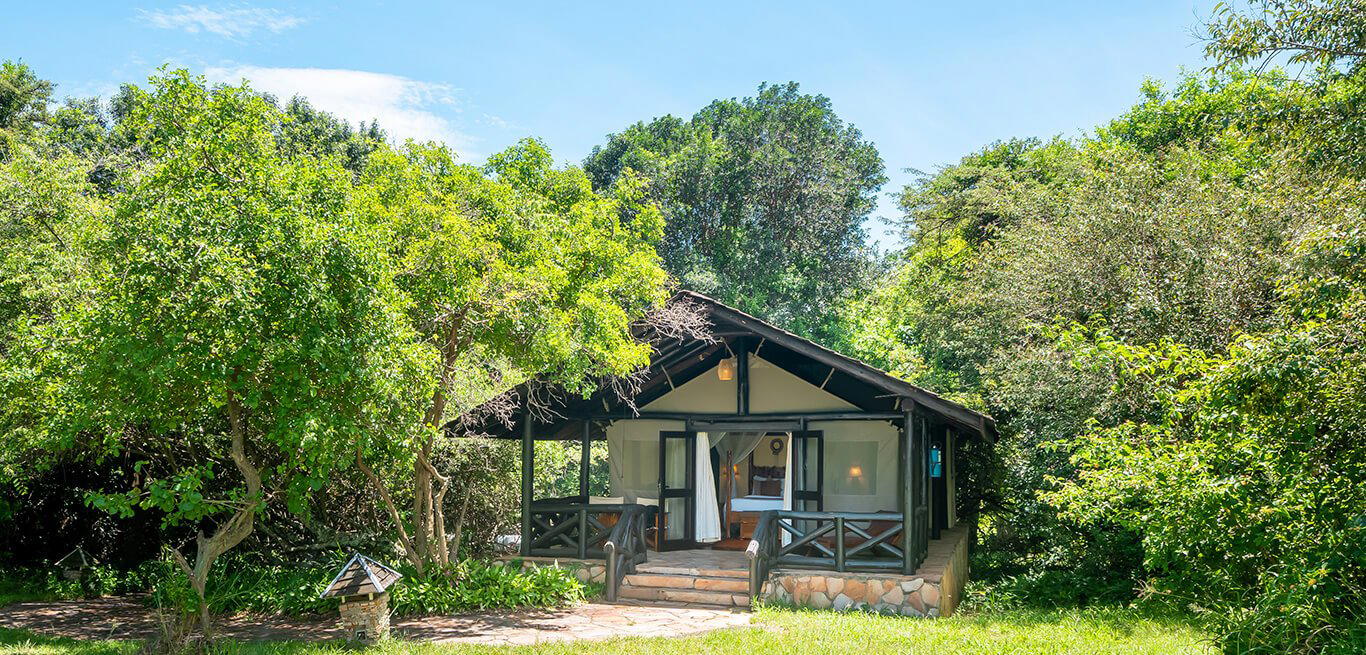
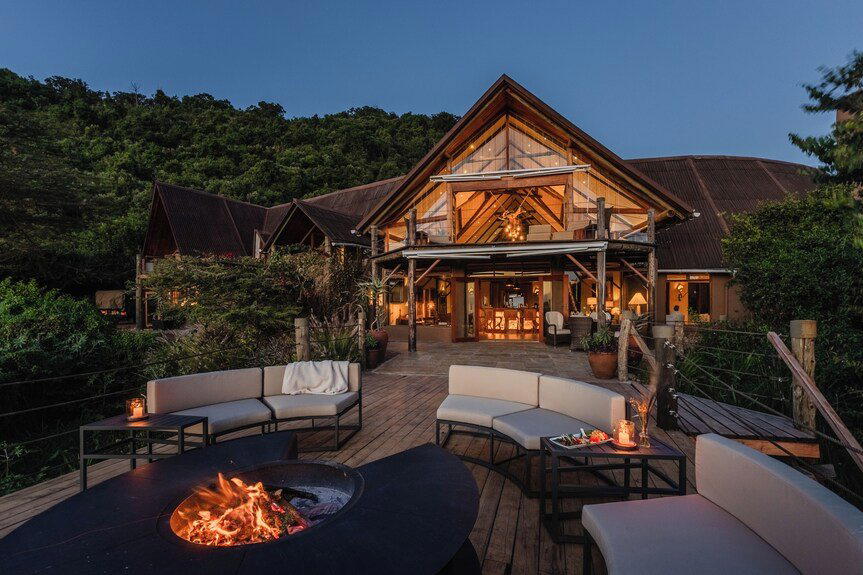
East African safari design has followed a recognisable arc. The earliest camps were functional, then came the great lodge era of permanent stone and cedar structures in the 1970s and 1980s, then the tented-camp renaissance of the 1990s, which tried to reconcile portability with comfort. What emerged in the 2000s and 2010s was a genre of semi-permanent luxury tent that became the dominant idiom across the Mara: kingsize beds, copper bathtubs, hardwood decks cantilevered over water or grassland. Cottar's operates within that tradition but with a more compressed, less theatrical expression. The tents are large without feeling maximalist. The furnishings read like the contents of a well-edited colonial-era house, campaign furniture, maps, brass fittings, rather than a set-dressed fantasy.
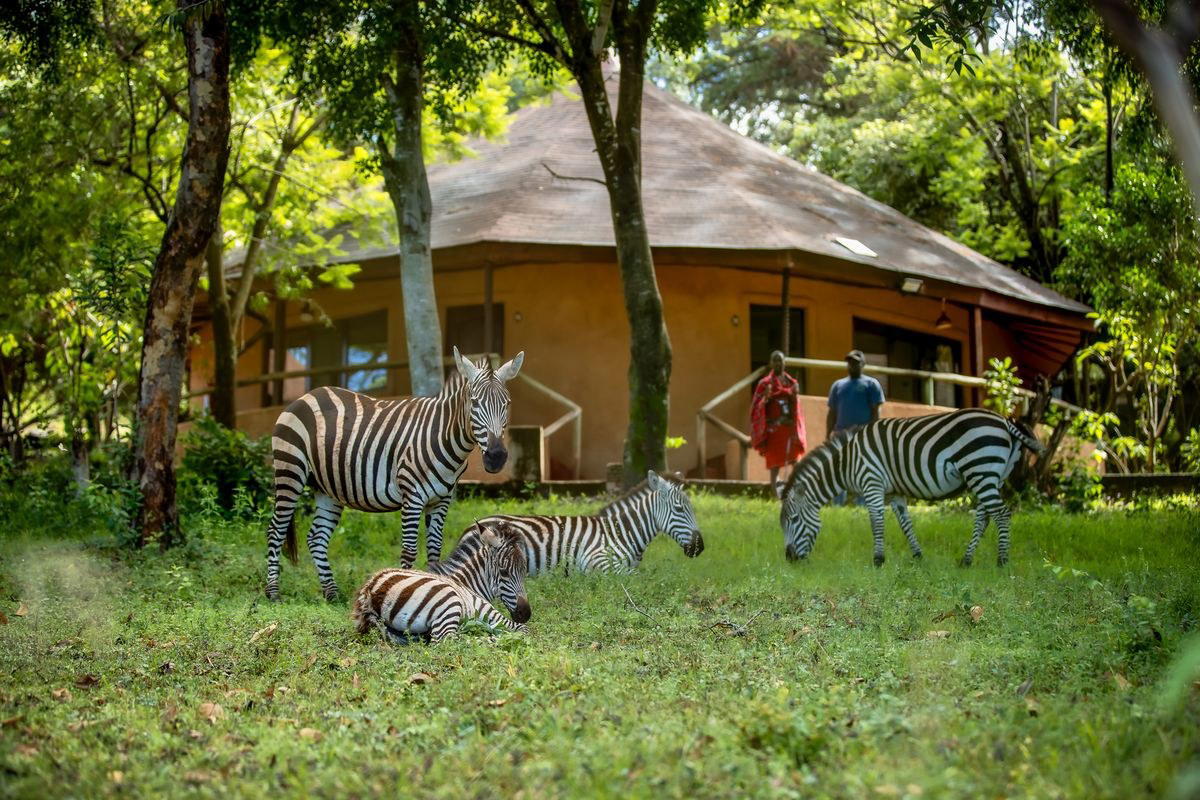
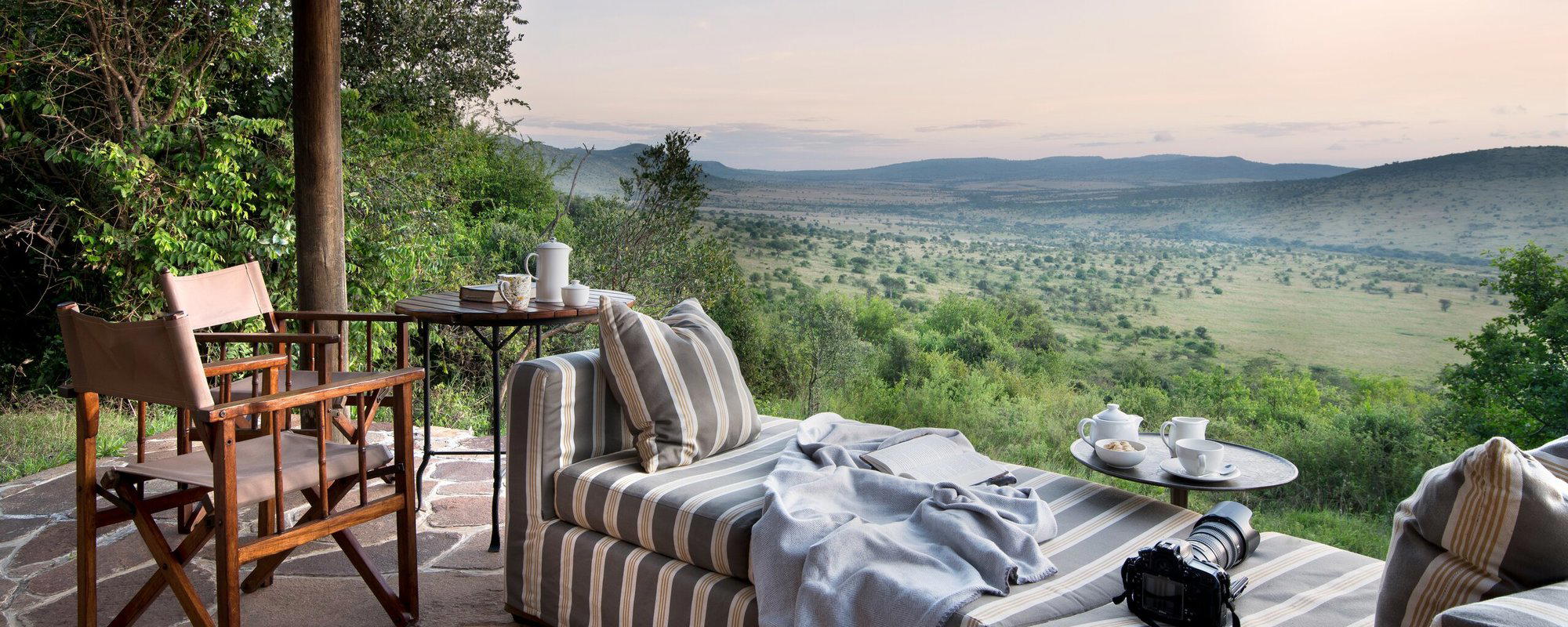
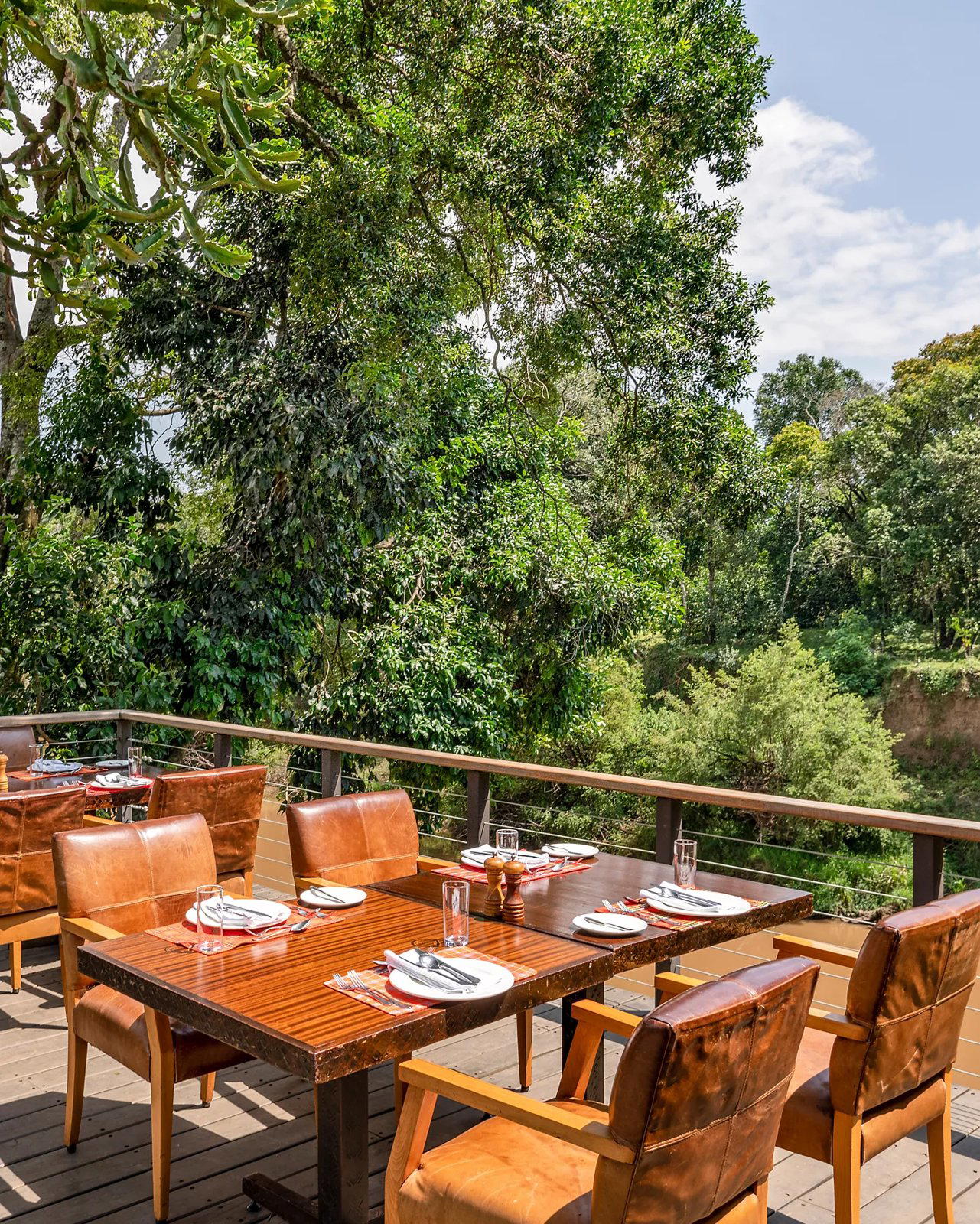
This matters in practical terms because the spatial experience of a safari camp is inseparable from the experience of the bush itself. Camps that prioritise panoramic visual access tend to sit exposed on ridgelines or open plains, which can mean midday heat and wind. More enclosed arrangements, where the landscape is glimpsed through gaps in tree cover rather than displayed as backdrop, produce a different kind of immersion. Cottar's sits closer to the latter model, which suits guests who want to feel inside the ecosystem rather than positioned above it.
For comparison, Angama Mara takes the ridge-leading, panoramic approach, dramatic views of the Rift Valley escarpment, large glazed openings, a deliberately theatrical arrival. Mara Plains Camp sits in the more intimate, riparian-forest tradition. Cottar's shares more DNA with the latter, though its colonial-archive aesthetic sets it apart from both.
The Conservancy Context
The Maasai Mara is not a single place. The National Reserve itself sits at the centre, flanked by a series of private conservancies that have grown significantly since the early 2000s. Most of the premium camps in the Mara now operate within these conservancies, Olare Motorogi, Naboisho, Ol Kinyei, and others, which charge higher rates partly because they limit vehicle numbers and allow off-road driving, two factors that materially affect game-viewing quality. Cottar's operates in a private conservancy setting, which places it in the tier of camps where exclusivity of access is a feature of the experience, not just a marketing point.
This is relevant context for understanding the price position of camps in this category. The conservancy fee structure, combined with the cost of maintaining low guest-to-land ratios, means that rates at camps like Cottar's occupy the upper band of the Mara market. Guests are effectively paying for reduced competition at sightings and the ability to venture off the main tracks, a meaningful distinction during peak season, when the National Reserve's main roads can carry dozens of vehicles at a single lion sighting. Comparable properties like Mahali Mzuri in Olare Motorogi Conservancy and andBeyond Bateleur Camp operate in the same broad tier.
Timing and Planning
The Maasai Mara's game-viewing calendar splits into two distinct windows. The Great Migration, when wildebeest cross the Mara River from Tanzania's Serengeti, runs roughly from July through October, with the river crossings concentrated between August and September. This is the period when the Mara draws its largest visitor numbers, when conservancy camps fill months in advance, and when the experience, if you secure access, is as dramatic as African wildlife watching gets. Outside those months, the Mara quiets considerably. Green-season stays (November through April) offer lower rates, fewer vehicles, and landscapes that read entirely differently, lush, water-heavy, with bird life at its richest.
Guests considering Cottar's should plan bookings well ahead of any migration-season travel, as camps at this tier in private conservancies typically operate at near-capacity from July through September. Early booking also opens up better tent selection within the camp's limited inventory. The camp's Kenyan location is accessible from Nairobi via light aircraft to the Mara's network of small airstrips, with flight times of roughly 45 minutes, or by road in approximately five to six hours. Most guests at this price tier choose the air route.
For travellers building longer Kenya itineraries around the Mara, the country's other premium properties worth considering span a range of ecosystems: Borana Lodge in Laikipia offers a highland plateau alternative with rhino tracking, Elewana Elsa's Kopje in Meru National Park sits in a less-visited ecosystem with strong big-cat populations, and Saruni Samburu accesses the northern dry country with its distinct species mix including reticulated giraffe and Grevy's zebra. For those extending to the coast, Sirai Beach in Kilifi and Chale Island represent the boutique end of Kenya's Indian Ocean options. See our full Narok guide for deeper regional context.
Planning Your Stay
Access is most practical via light aircraft from Nairobi's Wilson Airport, with multiple operators running scheduled and charter services to Mara airstrips. Ground transfers from the airstrip to camp are typically arranged through the property. The majority of guests at camps in this category book on an all-inclusive or full-board basis that covers meals, game drives, and conservancy fees, though the specific inclusions vary by booking arrangement. Travellers arriving from international gateways into Nairobi should factor in an airport night, for which Villa Rosa Kempinski in Nairobi offers a reliable city-centre option before the early-morning flight to the Mara.
In Context: Similar Options
Comparable venues nearby, for context on price, style, and recognition.
| Venue | Cuisine | Price | Awards | Notes |
|---|---|---|---|---|
| Cottar's SafarisThis venue — the venue you are viewing | Heritage luxury safari camp blending five generations of family safari expertise with sustainable conservation practices and authentic 1920s colonial design. | $$$$ | 5-Star | Not listed |
| Mara Plains Camp | safari-chic conservation lodge | $$$$ | 5-Star | Maasai Mara |
| Angama Mara | luxury tented safari camp | $$$$ | 5-Star | Oloololo Escarpment |
| Great Plains Mara | classic luxury safari tented camp | $$$$ | 5-Star | Olare Motorogi Conservancy |
| andBeyond Kichwa Tembo Tented Camp | Luxury safari camp combining timeless canvas tents with modern amenities, grounded in Maasai-inspired design and natural materials set within a private concession. | $$$$ | 5-Star | Kawai |
| Fairmont Mara Safari Club | luxury tented safari camp blending Maasai heritage with modern comforts | $$$$ | 5-Star | Maasai Mara Game Reserve |
Recognition history
Dated appearances from independent guides and award organizations, with the underlying list record or original source where available.
Travel + Leisure 100 Favorite Hotels in the World #77 · No. 77
Travel + Leisure · 2026 Travel + Leisure 100 Favorite Hotels in the World
At a Glance
- Romantic
- Classic
- Scenic
- Elegant
- Intimate
- Well Known
- Honeymoon
- Romantic Getaway
- Family Vacation
- Anniversary
- Celebration
- Private Villa
- Butler Service
- Panoramic View
- Private Dining
- Garden
- Historic Building
- Wi Fi
- Pool
- Spa
- Concierge
- Room Service
- Mountain
- Wi Fi
- Pool
- Spa
- Concierge
- Room Service
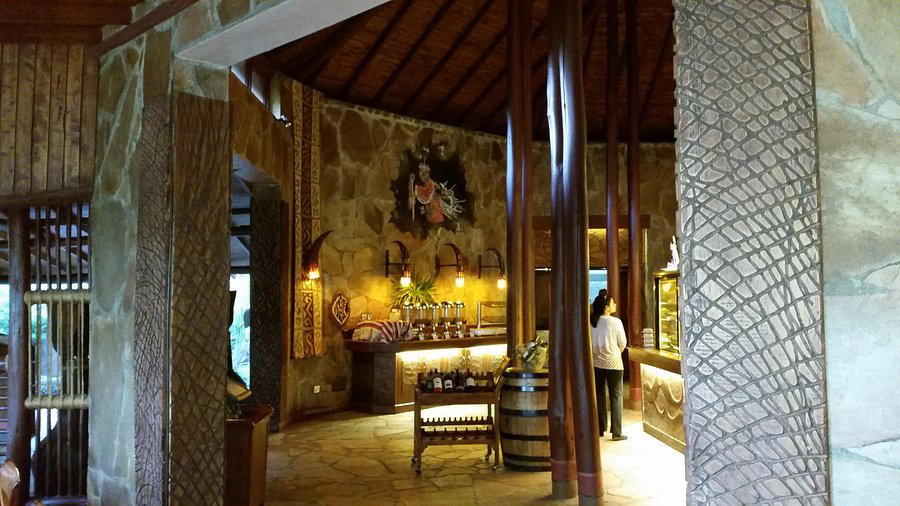
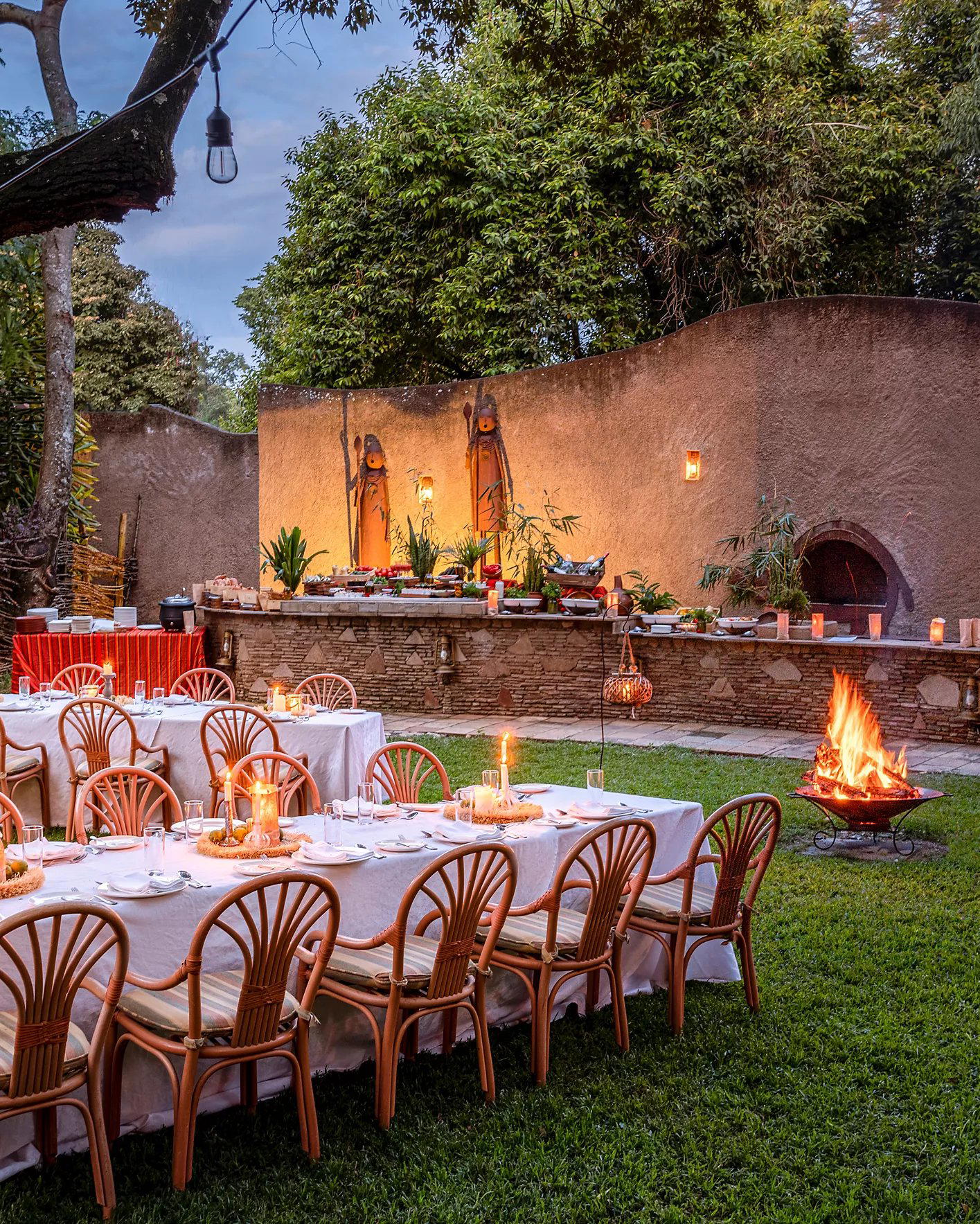
Vintage colonial safari atmosphere with antique furnishings, brass fittings, and four-poster beds creating an 'Out of Africa' experience; intimate and tranquil with emphasis on disconnect from modern world.