
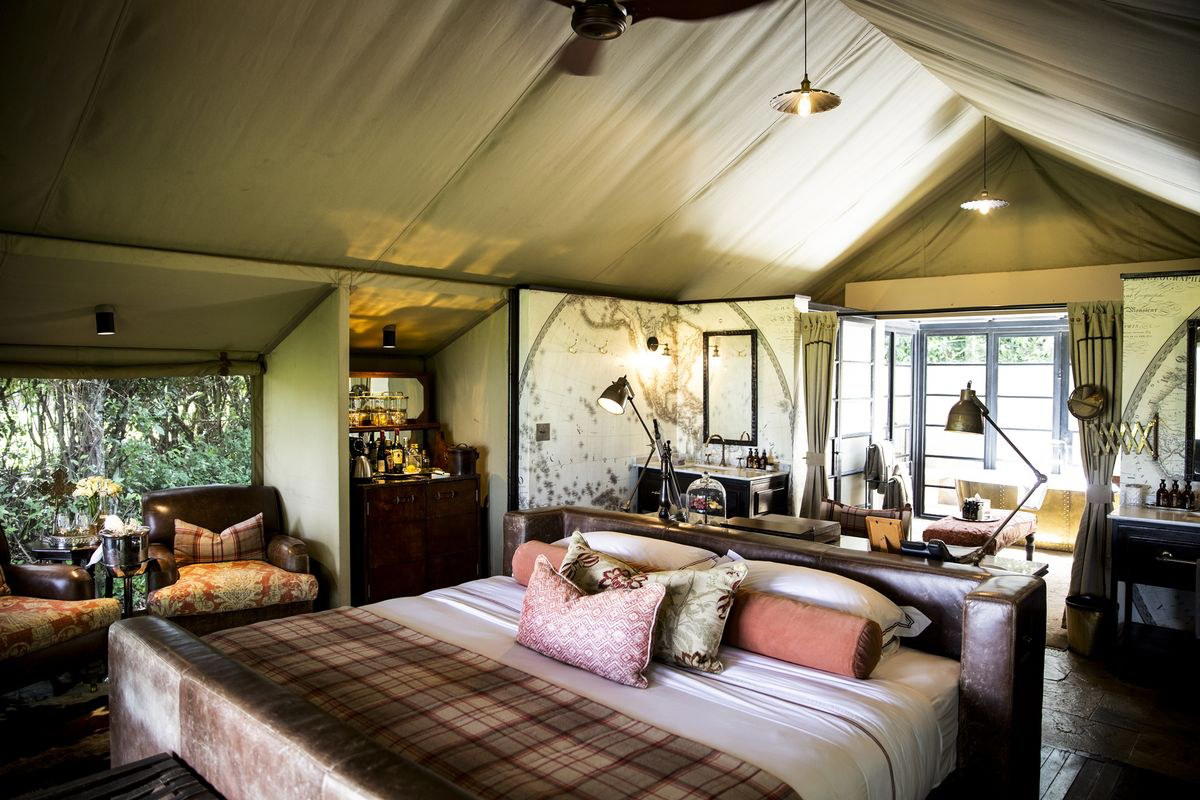
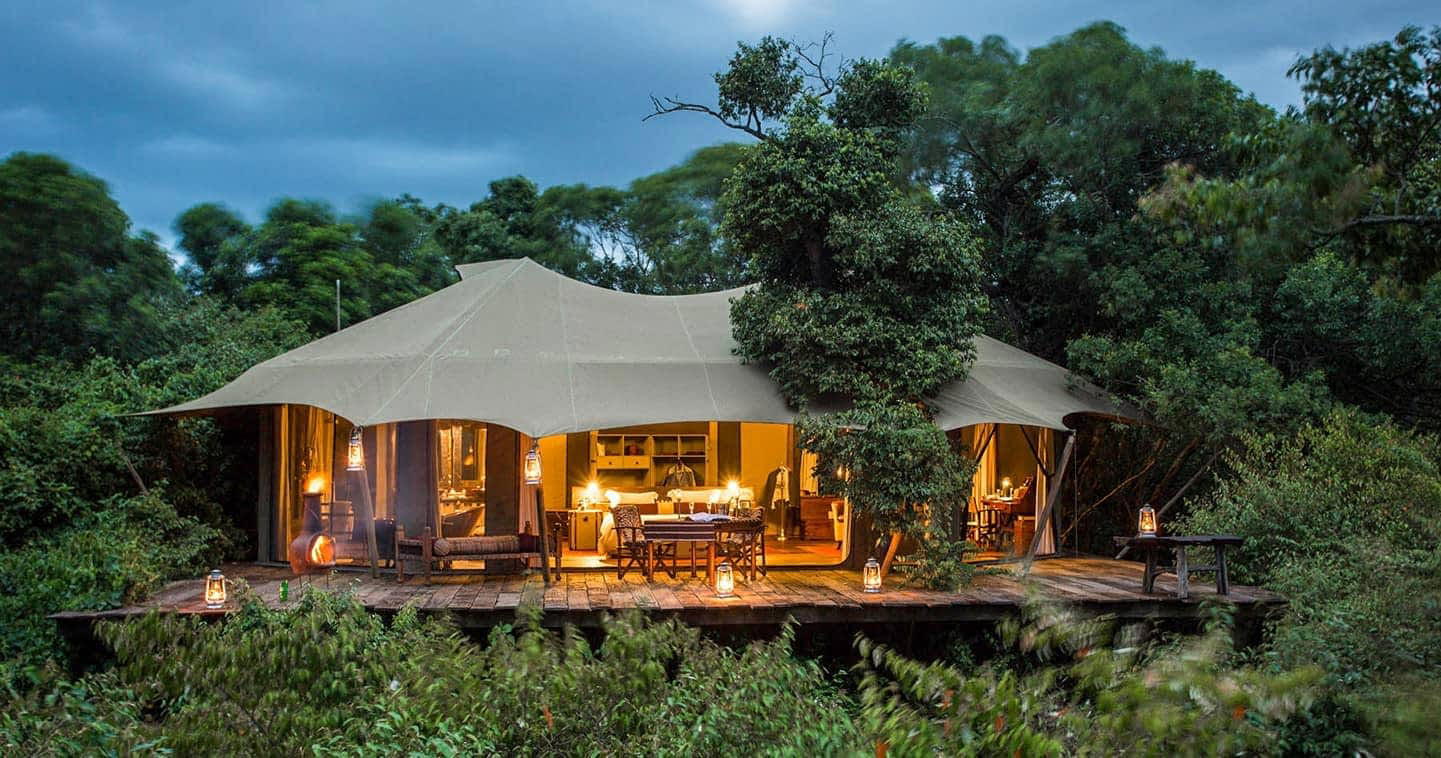
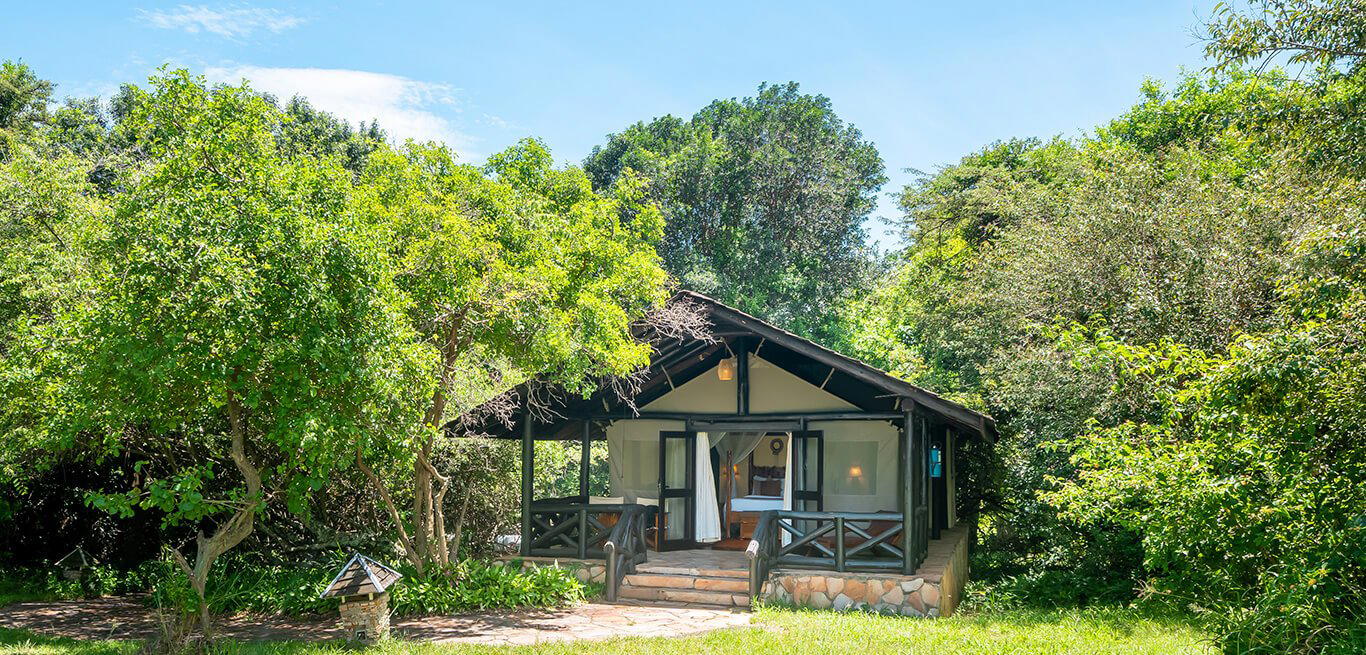
andBeyond Kichwa Tembo Tented Camp sits inside the Masai Mara National Reserve with 40 tented rooms designed around the rhythms of one of Africa's most significant wildlife corridors. The camp places guests close to the annual wildebeest migration without sacrificing the structural quality expected from the andBeyond portfolio. It occupies a tier of East African safari accommodation where canvas and permanence are in deliberate tension.
Pearl is the En Primeur Club membership app — saves, bookings, and concierge access live there. Same editors, same standards.
- Address
- Masai Mara National Reserve, Kenya
- Phone
- +27 11 809 4300
- Website
- go.andbeyond.com
- Directions
- Get directions
 Saves & bookings on Pearl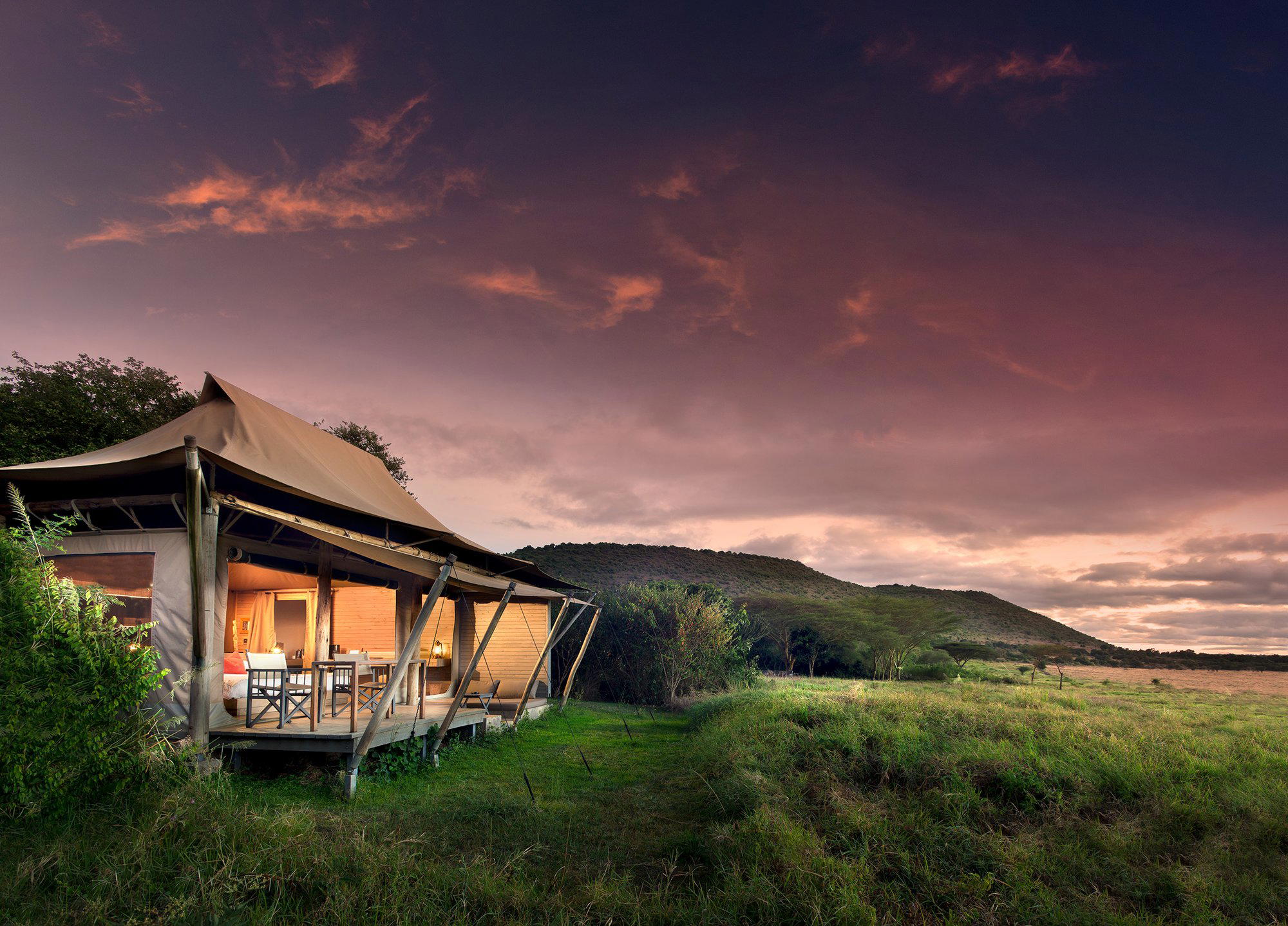
Canvas, Acacia, and the Architecture of Presence
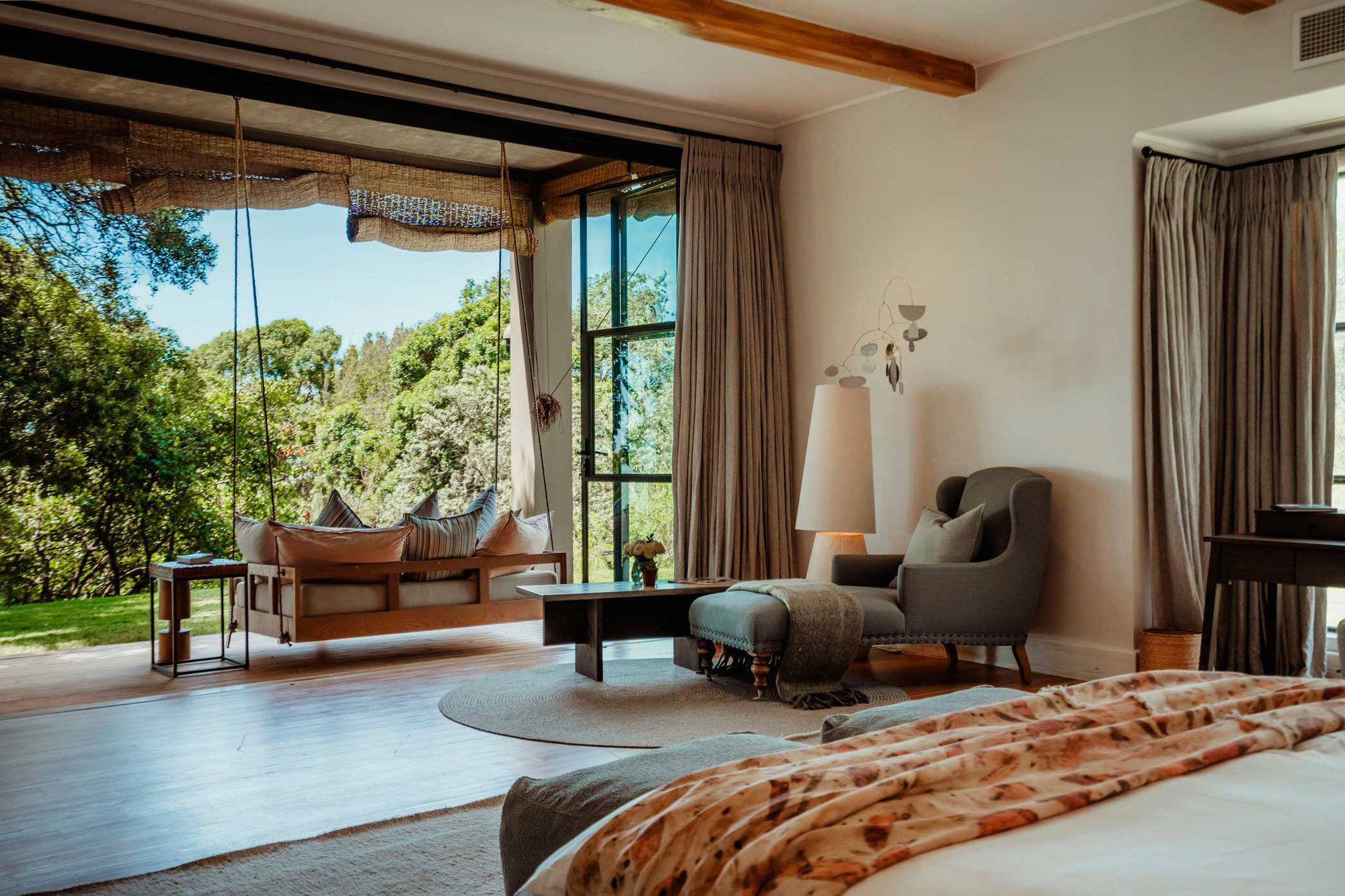
In the Masai Mara, the physical design of a camp is not decorative, it is functional in the deepest sense. How a property is sited, how canvas meets frame, how open or closed each sleeping space feels relative to the surrounding bush: these decisions determine whether guests experience the reserve or observe it from a comfortable remove. At andBeyond Kichwa Tembo Tented Camp, the 40-room configuration places it in a different tier of Mara camps, a scale that creates a different architectural logic than the smaller conservancy-fringe operations. Larger camp footprints require more deliberate design discipline to preserve the sense of immersion that the Mara's smaller private properties achieve through sheer isolation.
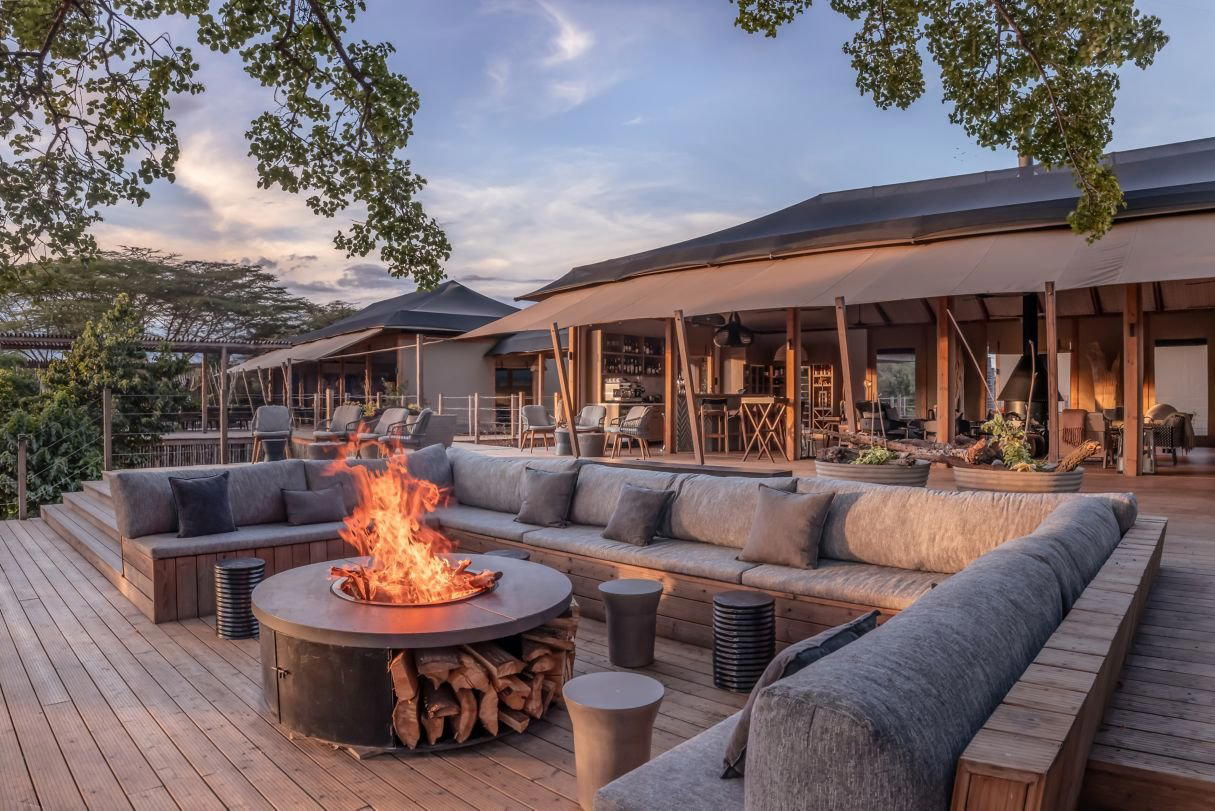
The tension between scale and intimacy is a defining challenge across East African tented accommodation. Properties in the Masai Mara National Reserve itself, as opposed to the surrounding private conservancies, operate within a different land-use framework. Kichwa Tembo sits within that tradition, and the design response to that scale is worth understanding before arrival. The camp's canvas-and-timber vocabulary draws from a lineage of East African bush architecture that prioritised material honesty: nothing that would look wrong in context, nothing that interrupts sightlines unnecessarily. That is a harder achievement at 40 rooms than it appears.
The Mara Setting and What It Means Logistically
The Masai Mara National Reserve occupies the northern extension of the Serengeti ecosystem, and its western corridor, where Kichwa Tembo is positioned near the Oloololo Escarpment, receives different wildlife pressure than the central or eastern sections of the reserve. The escarpment edge concentrates animal movement during certain seasons, and that geography is inseparable from the camp's siting rationale. For camps whose design depends on what guests see from the tent or the main area, location within the Mara is as consequential as any interior decision.
Access is typically by light aircraft into one of the Mara's airstrips, with a road transfer completing the journey. Guests planning around the wildebeest migration should account for peak-season camp demand across the entire reserve and surrounding conservancies. Comparable properties including andBeyond Bateleur Camp in Maasai Mara National Reserve and Enaidura Camp in Masai Mara fill early for the same migration window, making advance planning a practical necessity rather than a preference.
40 Rooms: What That Scale Implies
The 40-room count is the single most informative data point about Kichwa Tembo's design logic and guest experience. In the Mara's premium tier, that figure places the camp well above the intimate conservancy-model properties, such as Mahali Mzuri in Olare Motorogi Conservancy, and in a different competitive bracket from the large lodge formats represented by Fairmont Mara Safari Club in Maasai Mara or JW Marriott Masai Mara Lodge in Talek. At 40 tents, the operation is substantial enough to maintain full camp facilities and staffing depth, while the tented format keeps the architectural footprint lighter than a permanent-structure property of equivalent size.
For travellers accustomed to Kenya's smaller bush operations, camps such as Saruni Samburu in Samburu or Elewana Loisaba Tented Camp in Loisaba Conservancy, which operate at a fraction of this capacity, the experience at Kichwa Tembo will feel more orchestrated and less solitary. That is not a criticism; it reflects a different model of delivery. The andBeyond group's operational standards are documented across its broader African portfolio, and the camp benefits from that infrastructure. What it trades in exclusivity of scale, it compensates with reliability of service and the depth of activity programming that a larger operation can sustain.
The andBeyond Approach in East Africa
The andBeyond portfolio in Kenya spans multiple ecosystems and camp types. Within that network, Kichwa Tembo occupies the Mara pillar alongside andBeyond Bateleur Camp, while other properties address different geographies: andBeyond Suyian Lodge in Nanyuki covers the Laikipia plateau, a fundamentally different landscape and wildlife context. Travellers building multi-destination Kenya itineraries often move between these nodes, using Nairobi as a hub, a city where Villa Rosa Kempinski in Nairobi provides a reliable pre- or post-safari base. The broader Kenya safari circuit also draws comparisons with independent lodges: Borana Lodge in Laikipia, ol Donyo Lodge in Chyulu Hills, and Solio Lodge in Nyeri each represent the owner-operated model that competes on specificity of place rather than portfolio breadth.
The distinction matters architecturally. Owner-operated properties in Kenya often push harder on site-specific design, material sourcing, spatial relationships to water or escarpment, idiosyncratic layout decisions, because those choices reflect singular vision. Group-managed camps like Kichwa Tembo work to a brand standard that ensures consistency across a guest's experience of multiple properties. Neither approach is categorically superior; they answer different questions about what a traveller wants from the physical environment of a camp.
Planning a Stay
Kichwa Tembo is bookable through the andBeyond group's reservation channels, with the standard recommendation to secure dates well ahead of the July-to-October migration peak. The camp's position within the national reserve means game drives operate under reserve rules. Travellers for whom that distinction matters should weigh it alongside the camp's other merits. Alternatives with conservancy-based positioning include Cottar's Safaris in Narok and Mahali Mzuri in Olare Motorogi Conservancy. For travellers extending beyond the Mara to Kenya's coast, Sirai Beach in Kilifi and Sarova Whitesands Beach Resort and Spa in Mombasa represent the coastal options that complete a common bush-and-beach itinerary structure.
Comparison Snapshot
Comparable venues nearby, for context on price, style, and recognition.
| Venue | Cuisine | Price | Awards | Notes |
|---|---|---|---|---|
| andBeyond Kichwa Tembo Tented CampThis venue — the venue you are viewing | Luxury safari camp combining timeless canvas tents with modern amenities, grounded in Maasai-inspired design and natural materials set within a private concession. | $$$$ | 5-Star | Not listed |
| Great Plains Mara | classic luxury safari tented camp | $$$$ | 5-Star | Olare Motorogi Conservancy |
| Fairmont Mara Safari Club | luxury tented safari camp blending Maasai heritage with modern comforts | $$$$ | 5-Star | Maasai Mara Game Reserve |
| Cottar's Safaris | Heritage luxury safari camp blending five generations of family safari expertise with sustainable conservation practices and authentic 1920s colonial design. | $$$$ | 5-Star | Olderkesi Conservancy, Narok |
| Novotel Nairobi Westlands | Contemporary urban hotel with business and leisure facilities | $$$ | 5-Star | Westlands |
| Villa Rosa Kempinski | Grand European luxury hotel positioned as a global village emulating a Tuscan aesthetic with rich warm colors, sophisticated urban complex design | $$$$ | 5-Star | Kilimani |
Recognition history
Dated appearances from independent guides and award organizations, with the underlying list record or original source where available.
Preferred Hotels Member
Preferred Hotels
At a Glance
- Romantic
- Scenic
- Elegant
- Sophisticated
- Intimate
- Honeymoon
- Romantic Getaway
- Family Vacation
- Anniversary
- Destination Wedding
- Butler Service
- Private Dining
- Garden
- Panoramic View
- Destination Spa
- Wi Fi
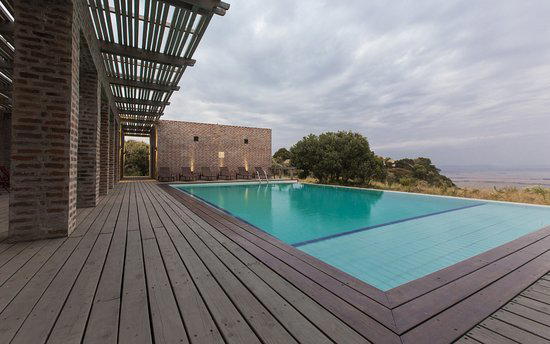
- Pool
- Spa
- Kids Club
- Restaurant
- Bar
- Laundry Service
- Concierge
- Garden
- Mountain
- Wi Fi
- Pool
- Spa
- Kids Club
- Restaurant
- Bar
- Laundry Service
- Concierge
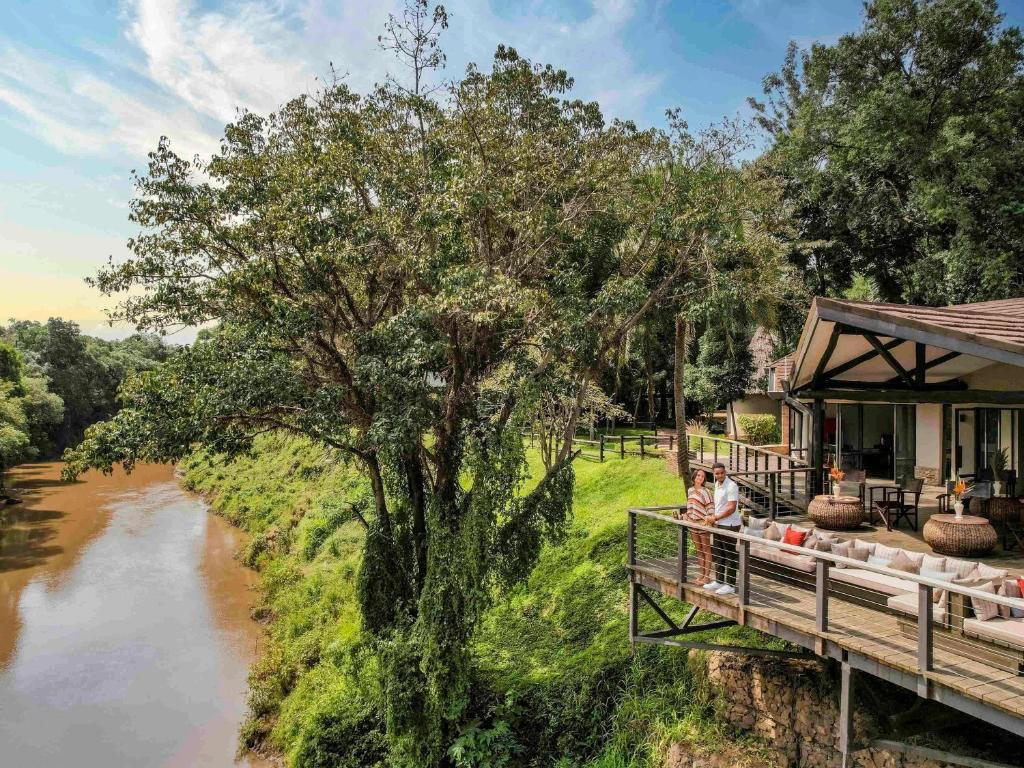
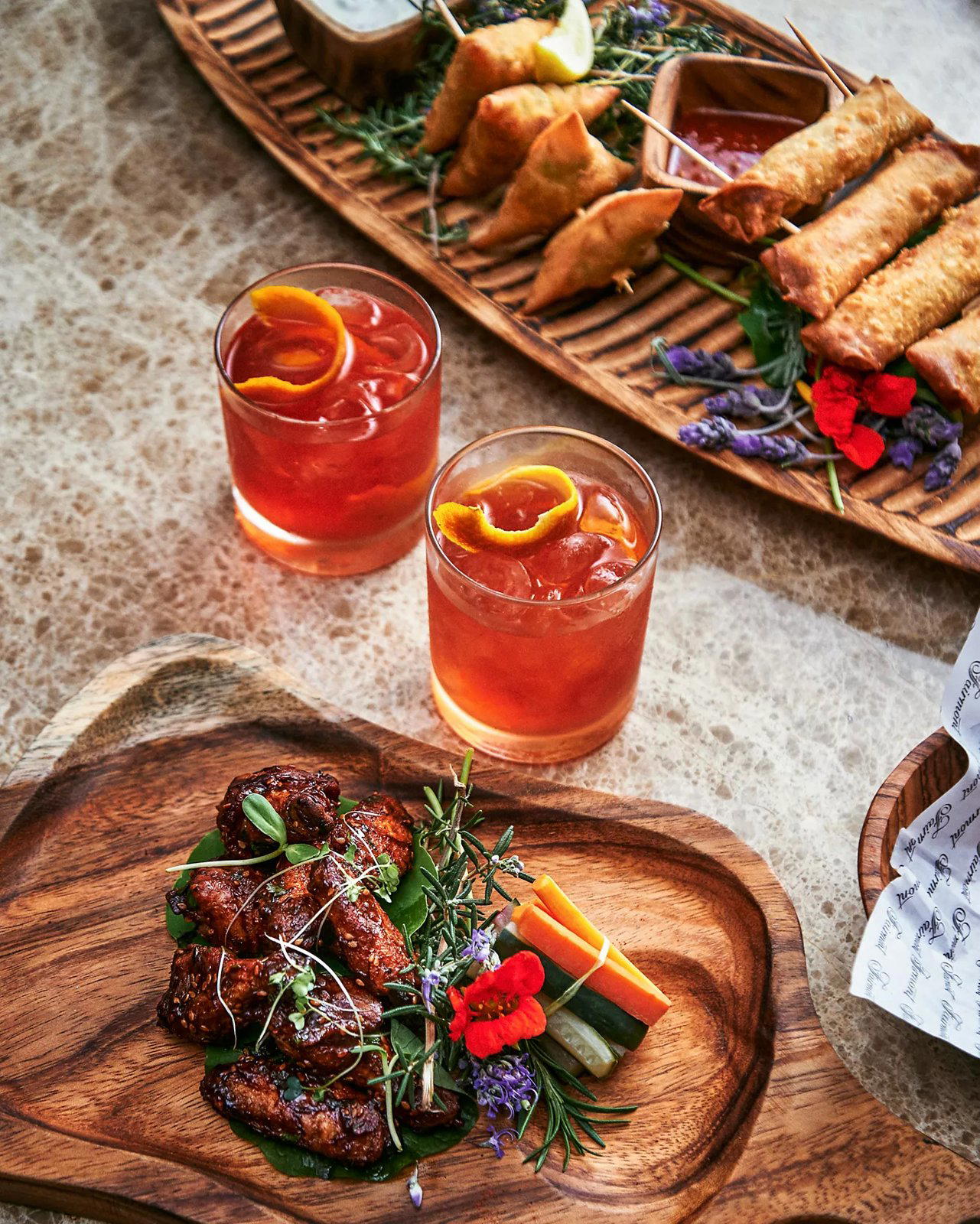
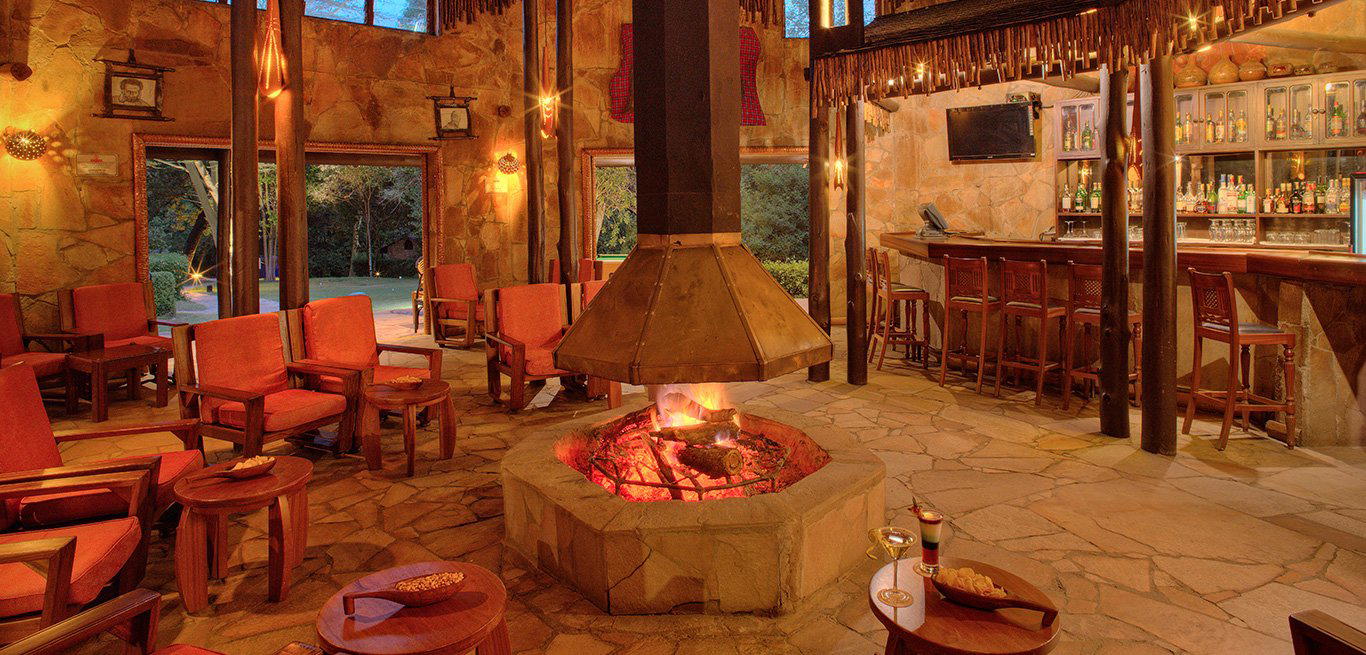
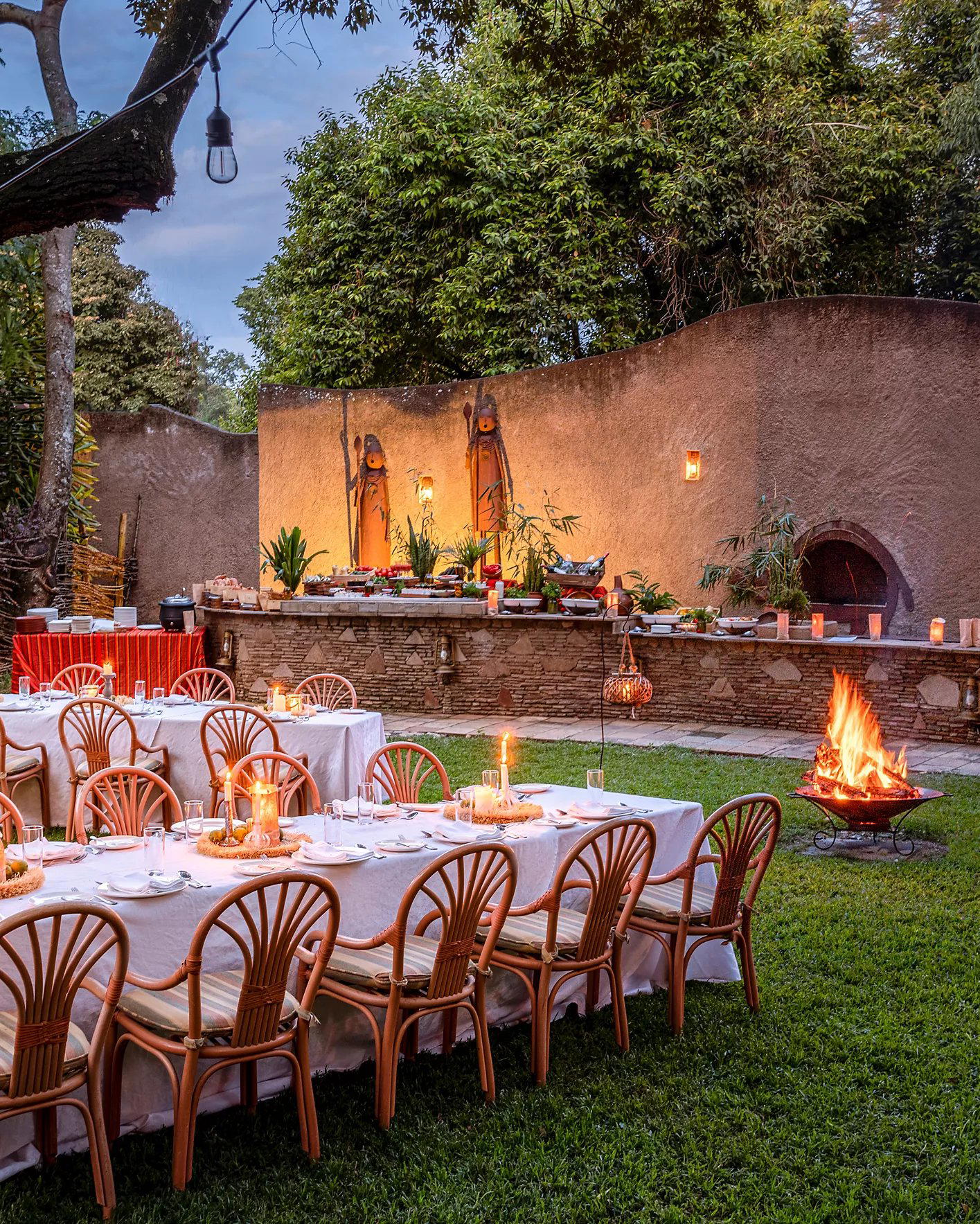
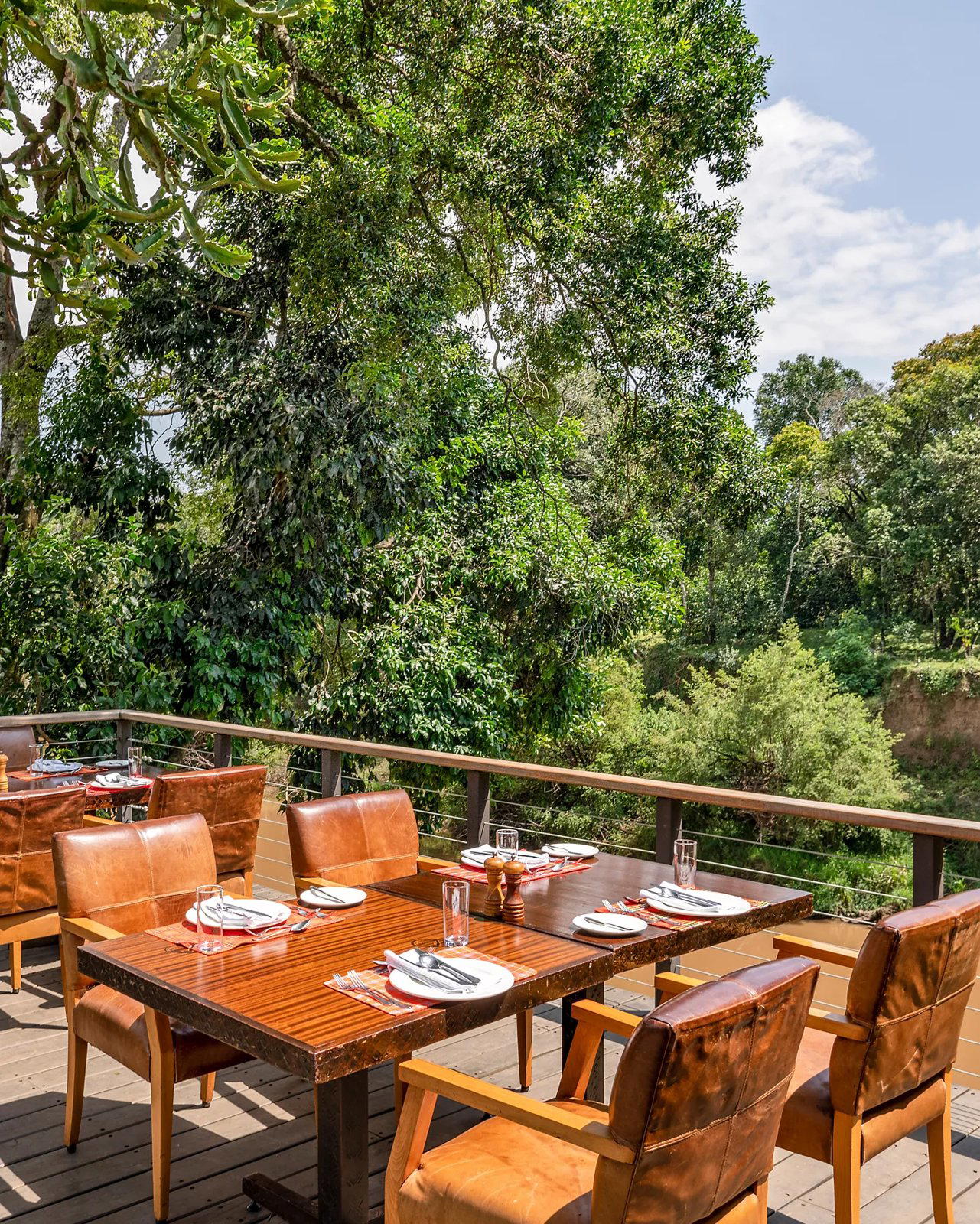
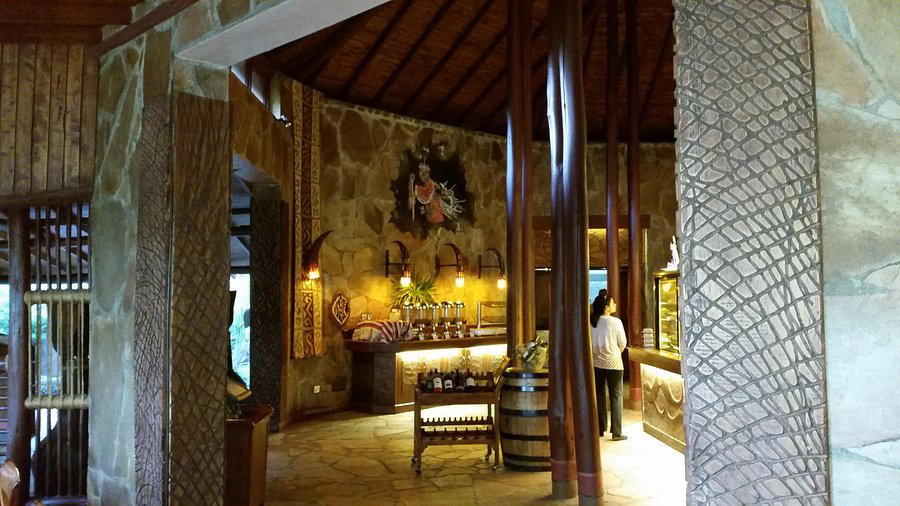
Tranquil and sophisticated with warm, organic textures; candlelit bush dinners, firepit gatherings, and open-air boma dining create an intimate yet lively atmosphere enhanced by traditional Maasai entertainment and the sounds of wildlife at night.