Enaidura Camp

Enaidura Camp sits in Kenya's Masai Mara ecosystem, occupying the smaller-footprint, design-led tier of safari accommodation that La Liste recognised with a 90.5-point score in its 2026 Top Hotels ranking. The camp's positioning in the Serena area of the Mara places it within reach of the reserve's core wildlife corridors, making it a reference point for travellers comparing intimate tented camps against larger lodge formats.
Pearl is the En Primeur Club membership app — saves, bookings, and concierge access live there. Same editors, same standards.
- Address
- H3FC+W35, Serena
- Phone
- +254700616616
- Directions
- Get directions
 Saves & bookings on Pearl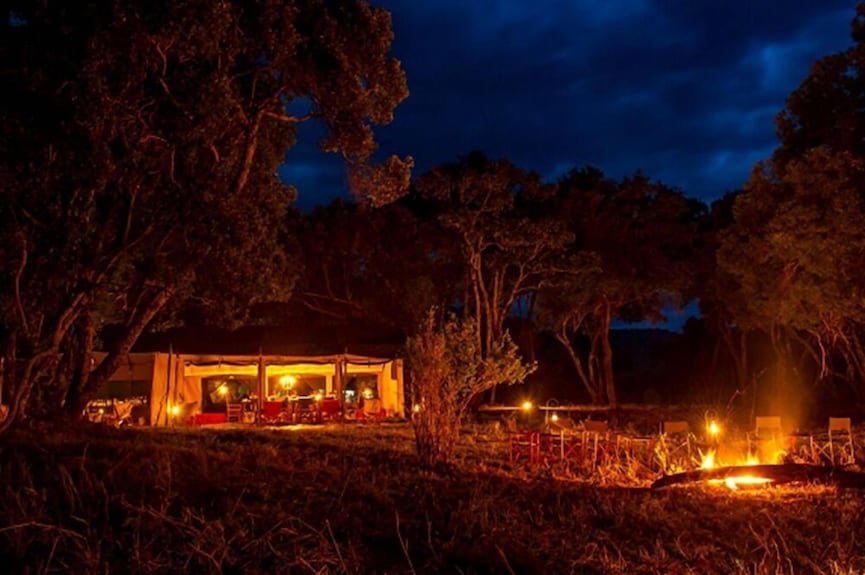
Where the Mara Begins Before You Unpack
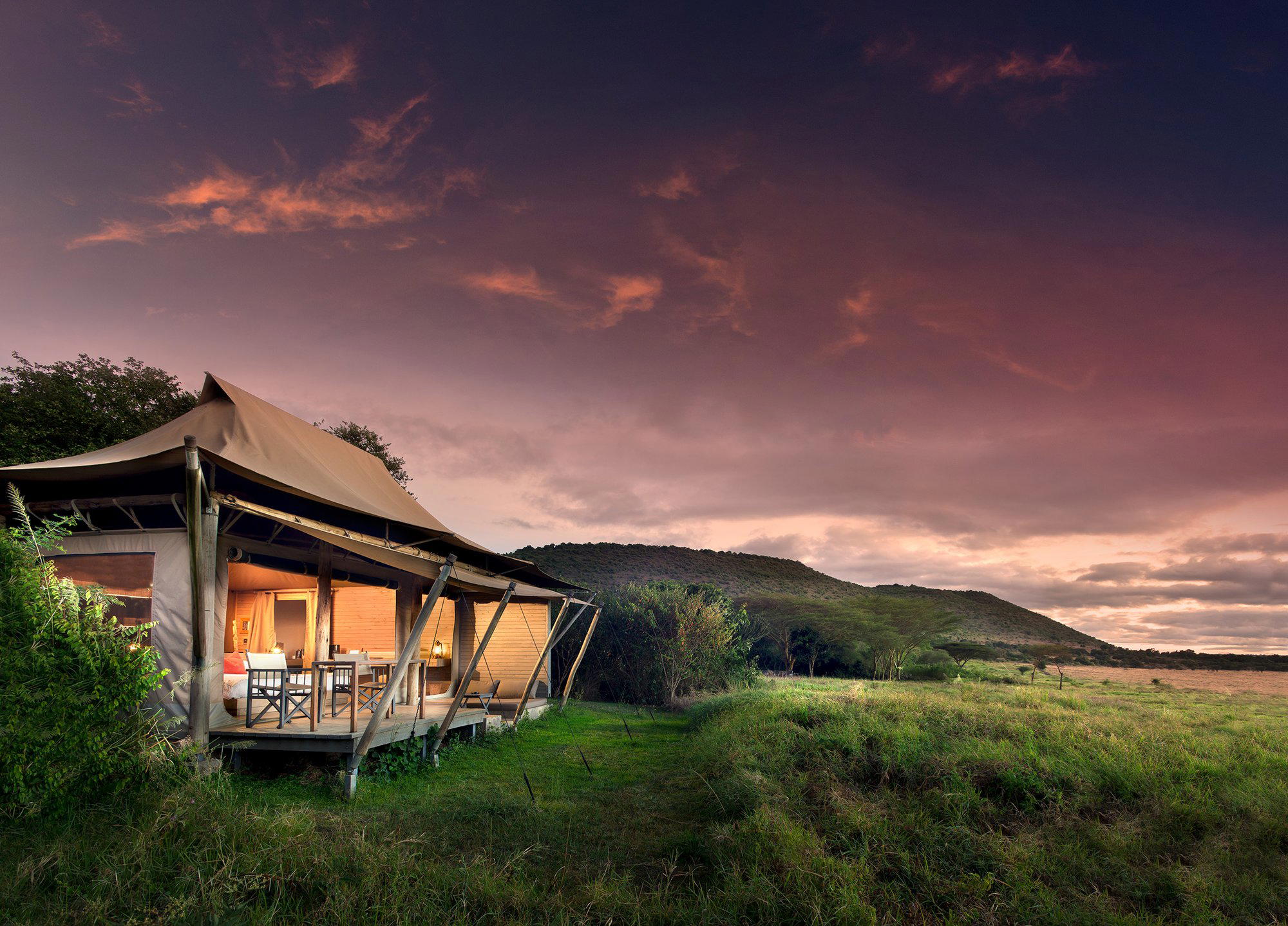
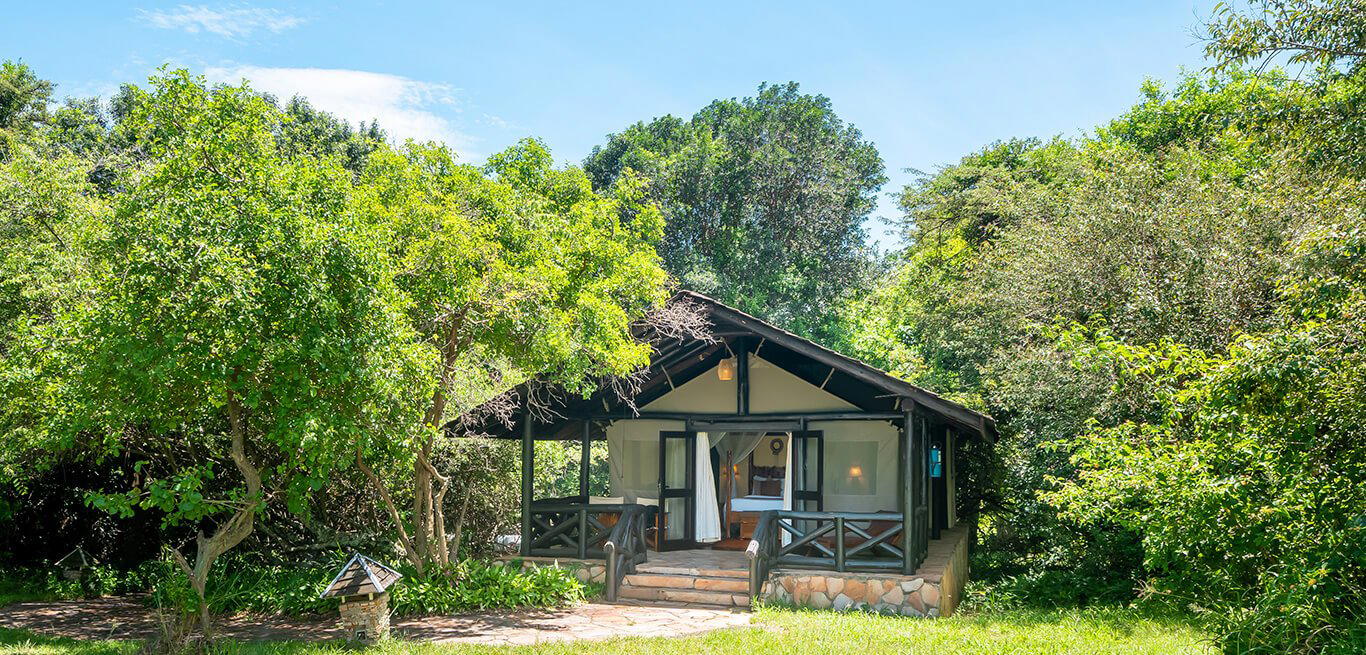
The first thing the Masai Mara teaches any arriving guest is scale. The ecosystem covers roughly 1,500 square kilometres of open savannah, riverine forest, and seasonal flood plain, and the manner in which a camp sits within that scale is its first design statement. Enaidura Camp, located in the Serena area of the Mara, makes an early argument for restraint. Rather than commanding the landscape through volume or infrastructure, it reads as a structure that acknowledges the surrounding terrain rather than competing with it. That approach places it within a specific and increasingly competitive tier of Kenyan safari accommodation: low-footprint camps that treat their physical integration with the environment as both an aesthetic and an ethical position.
That tier has grown more sophisticated over the past decade. Across East Africa, the shift away from large lodge formats toward smaller, design-conscious camps has been consistent enough to constitute a genre shift rather than a trend. Enaidura Camp's La Liste Leading Hotels recognition, 90.5 points in the 2026 ranking, positions it alongside properties that compete on spatial intelligence and experiential depth rather than room count or amenity breadth. La Liste's methodology draws on critical sources globally, which means that score reflects external assessment rather than self-reported marketing claims.
The Architecture of Openness
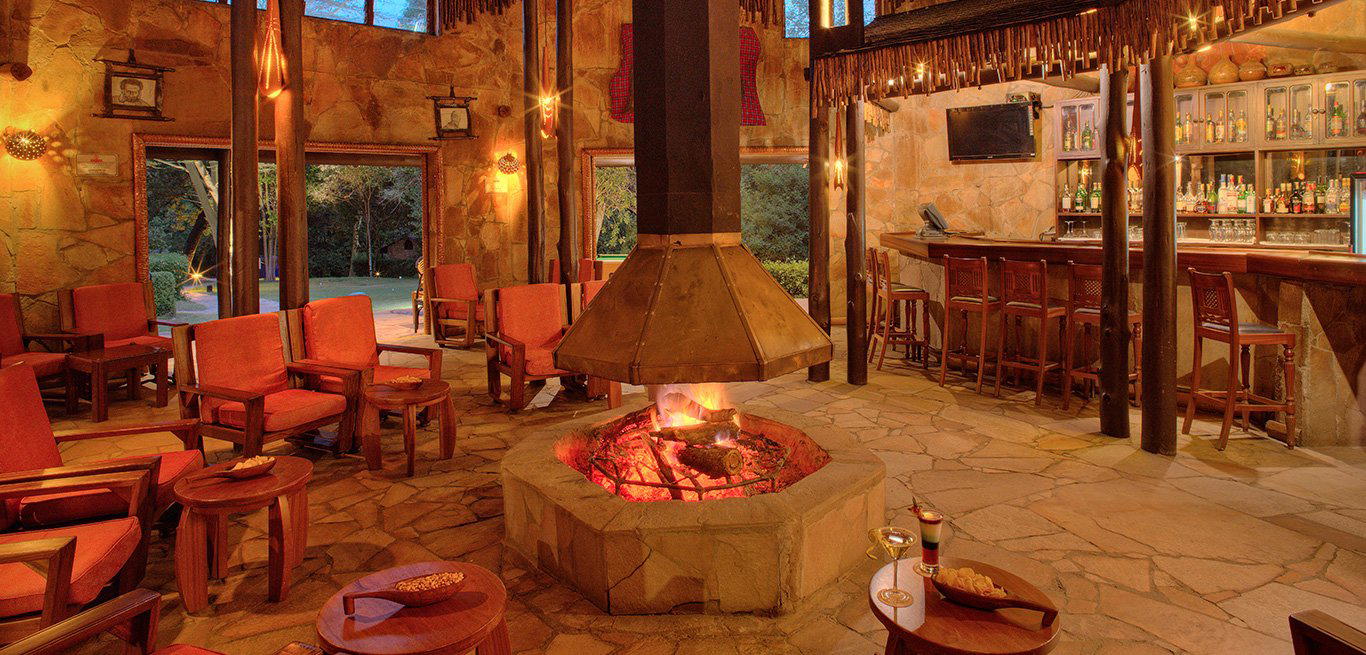
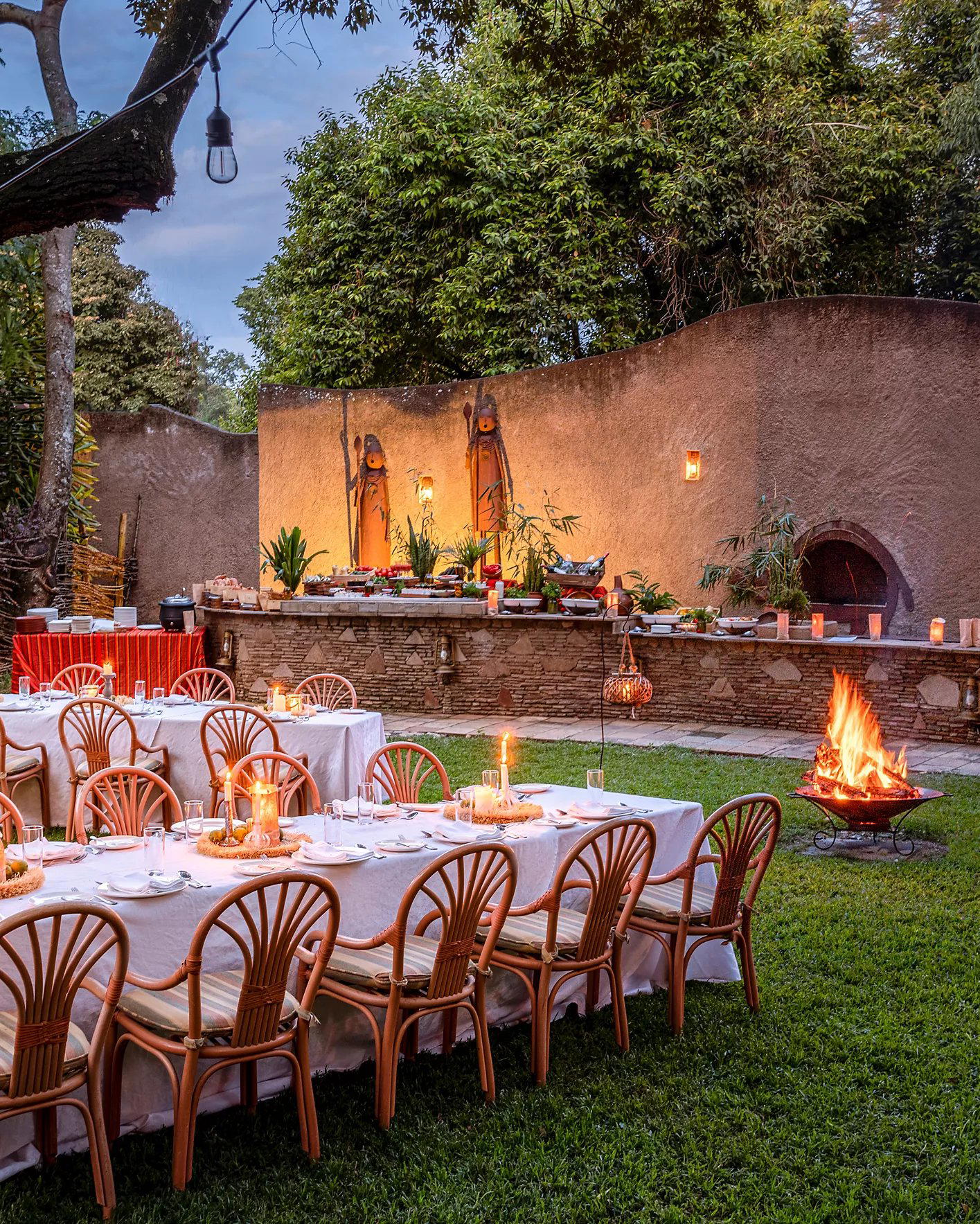
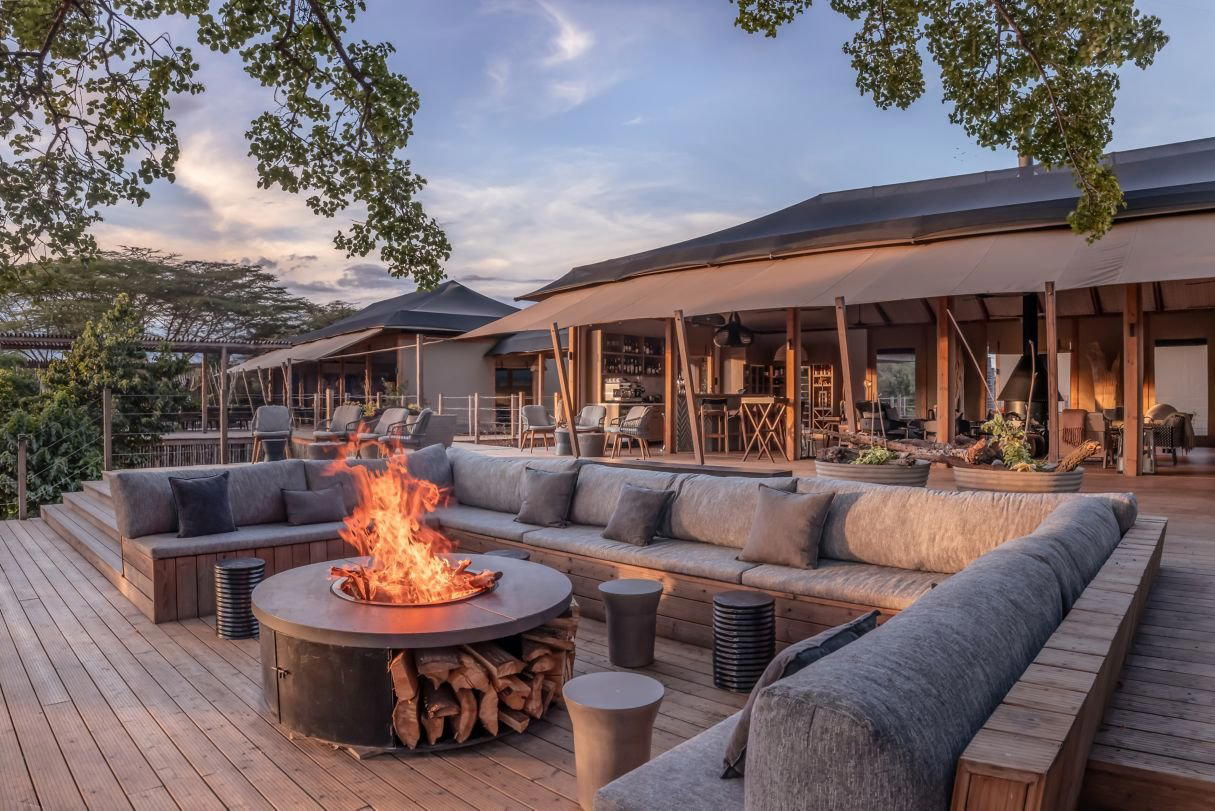
Tented camp design in the Mara operates within a set of inherited conventions: canvas walls, raised timber platforms, open-fronted living spaces that allow air circulation and unobstructed sight lines across the grass. The leading examples of the format use those conventions not as constraints but as a design grammar, one that forces specificity in detail because there is nowhere to hide behind scale. At Enaidura Camp, the Serena location within the Mara positions the structures against a backdrop that rewards that kind of attention: the light in this part of Kenya shifts from gold to flat white to deep amber across the course of a single day, and accommodation that frames rather than blocks those transitions earns its keep.
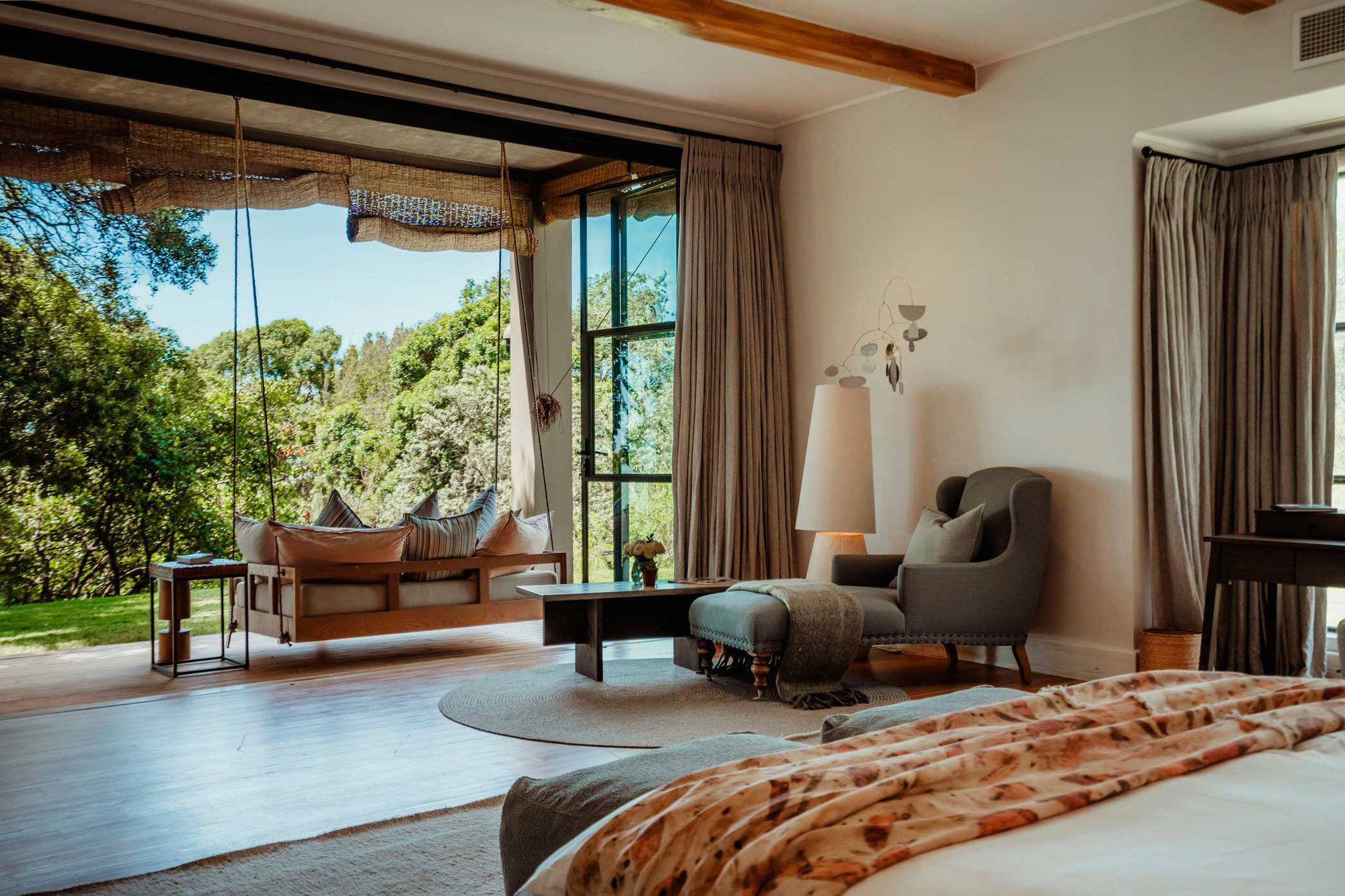
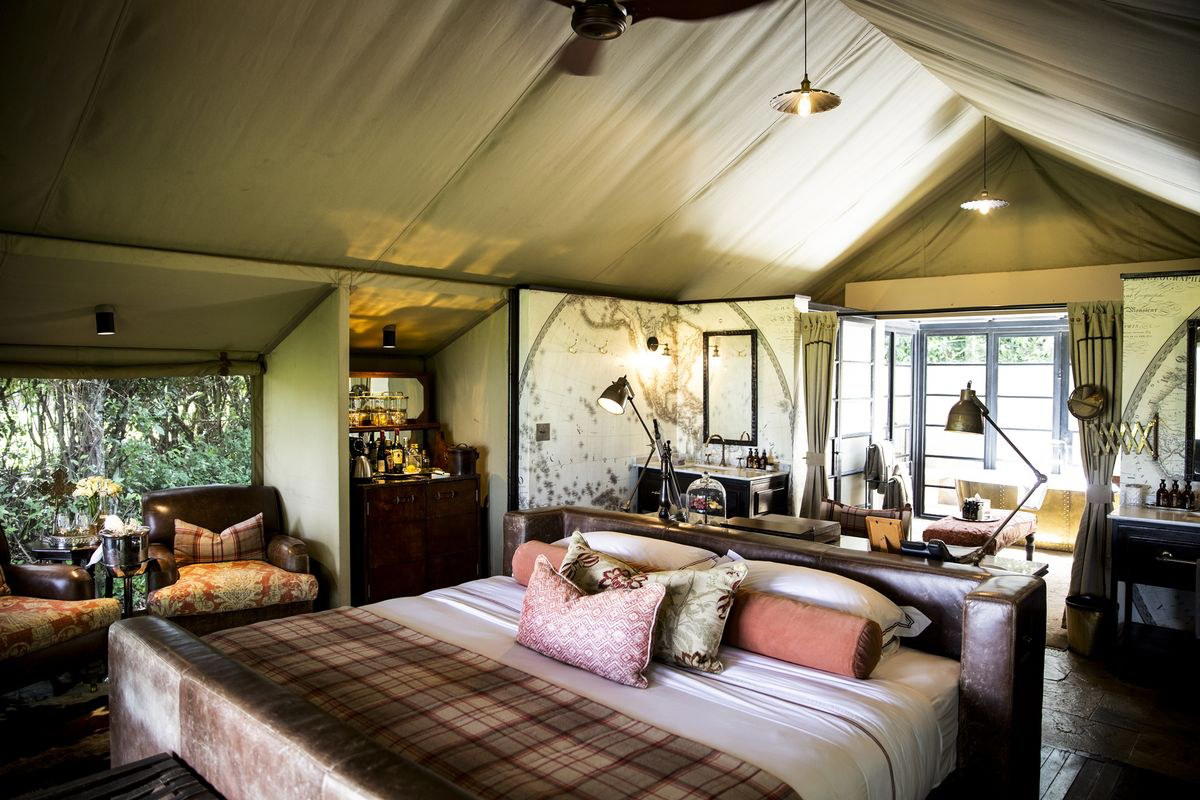
What distinguishes Enaidura within this design conversation is the degree to which the camp appears to treat the threshold between interior and exterior as the primary architectural concern. In most premium tented camps, considered space is the main communal area, the dining pavilion or the lounge deck that functions as a social anchor. The better-designed properties extend that thinking into the individual sleeping tents, where the relationship between bed orientation, canvas opening, and bush view becomes deliberate rather than incidental. This is the detail that separates camps that photograph well from camps that feel genuinely resolved as places to inhabit.
Travellers comparing Enaidura against its Mara peers should note that the conservancy and reserve ecosystem around Serena supports a different rhythmic experience from the high-traffic zones near the Talek River. Properties like Fairmont Mara Safari Club in Maasai Mara and JW Marriott Masai Mara Lodge in Talek operate at a different scale and market position, they offer infrastructure and brand consistency that suits a particular traveller profile. Enaidura, by contrast, belongs to the cohort that prioritises spatial intimacy and proximity to wildlife movement over amenity breadth.
Positioning Within Kenya's Premium Safari Tier
Kenya's premium safari accommodation has fragmented into several distinct comparable venues. At one end, large lodges affiliated with international hotel groups offer predictable service standards and loyalty programme integration. At the other, a smaller cluster of independently conceived camps competes on design authorship, guide quality, and the degree to which their physical form is specific to their exact location. Enaidura Camp's La Liste score places it in conversation with that second group.
Comparable camps in the Mara ecosystem include Mara Bushtops Luxury Camp and Mahali Mzuri in Olare Motorogi Conservancy, both of which operate within the same low-capacity, design-led framework. Further afield within Kenya's premium circuit, andBeyond Bateleur Camp in Maasai Mara National Reserve and andBeyond Kichwa Tembo Tented Camp in Kawai represent the established operator end of that spectrum, camps where group expertise and conservation track record function as the primary differentiators. Outside the Mara, the pattern repeats across Kenya's other major wildlife areas: Borana Lodge in Laikipia, Saruni Samburu in Samburu, and Elewana Elsa's Kopje in Meru National Park each occupy analogous niches in their respective ecosystems, small-footprint properties where design and location specificity carry the argument for premium pricing.
For travellers building a multi-destination Kenya itinerary, Enaidura in the Mara pairs logically with a Nairobi stay before or after. Villa Rosa Kempinski in Nairobi handles the urban transition well, offering a level of service and infrastructure that smooths the shift between city and bush. Those extending further into Kenya's coast or interior might consider ol Donyo Lodge in Chyulu Hills or Finch Hattons Luxury Safari Camp in Tsavo as natural extensions, both of which operate in a similar design register.
When to Go and How to Approach a Stay
The Masai Mara's seasonal structure is well-documented: the wildebeest migration passes through the reserve between July and October, with river crossings concentrated in August and September. That window draws the highest demand across all Mara camps, and pricing at Enaidura's peer properties typically reflects that concentration. The shoulder months, June and November, offer a meaningful trade-off: quieter game-viewing conditions, reduced vehicle congestion at sightings, and in many cases more negotiable rates. The long rains in April and May bring a different visual register entirely, with the grass intensely green and bird life at its most active, though some camps reduce operations during this period.
La Liste's 2026 recognition suggests the camp has an established external profile, which typically correlates with reliable booking infrastructure even when that infrastructure isn't immediately visible online.
Other properties across Kenya's spectrum, from Cottar's Safaris in Narok and Solio Lodge in Nyeri to the coast-facing Sirai Beach in Kilifi and Chale Island, illustrate how Kenya's premium accommodation has diversified beyond the Mara alone. Enaidura's La Liste recognition places it within that broader national conversation while anchoring it firmly in the Mara's most specific design tradition: small, considered, and oriented outward toward the grass.
Comparable Venues
Comparable venues nearby, for context on price, style, and recognition.
| Venue | Cuisine | Price | Awards | Notes |
|---|---|---|---|---|
| Enaidura CampThis venue — the venue you are viewing | Hotel | Not listed | Not listed | Not listed |
| Mara Bushtops Luxury Camp | luxury tented safari camp | $$$$ | 5-Star | Isaaten Conservancy |
| El Karama Lodge | handcrafted eco-safari retreat on private conservancy | $$$ | Not listed | Laikipia |
| Borana Lodge | rustic ranch-style eco-lodge built with local materials | $$$$ | Not listed | Laikipia |
| Ol Jogi Wildlife Conservancy | Exclusive private wildlife conservancy home | $$$$ | Not listed | Nanyuki |
| Sirai Beach | Contemporary Swahili coastal villa with lush tropical gardens and oceanfront perch | $$$$ | Not listed | Kilifi |
Recognition history
Dated appearances from independent guides and award organizations, with the underlying list record or original source where available.
La Liste Top Hotels
La Liste
Continue exploring
More in Maasai Mara
Hotels in Maasai Mara
Browse all →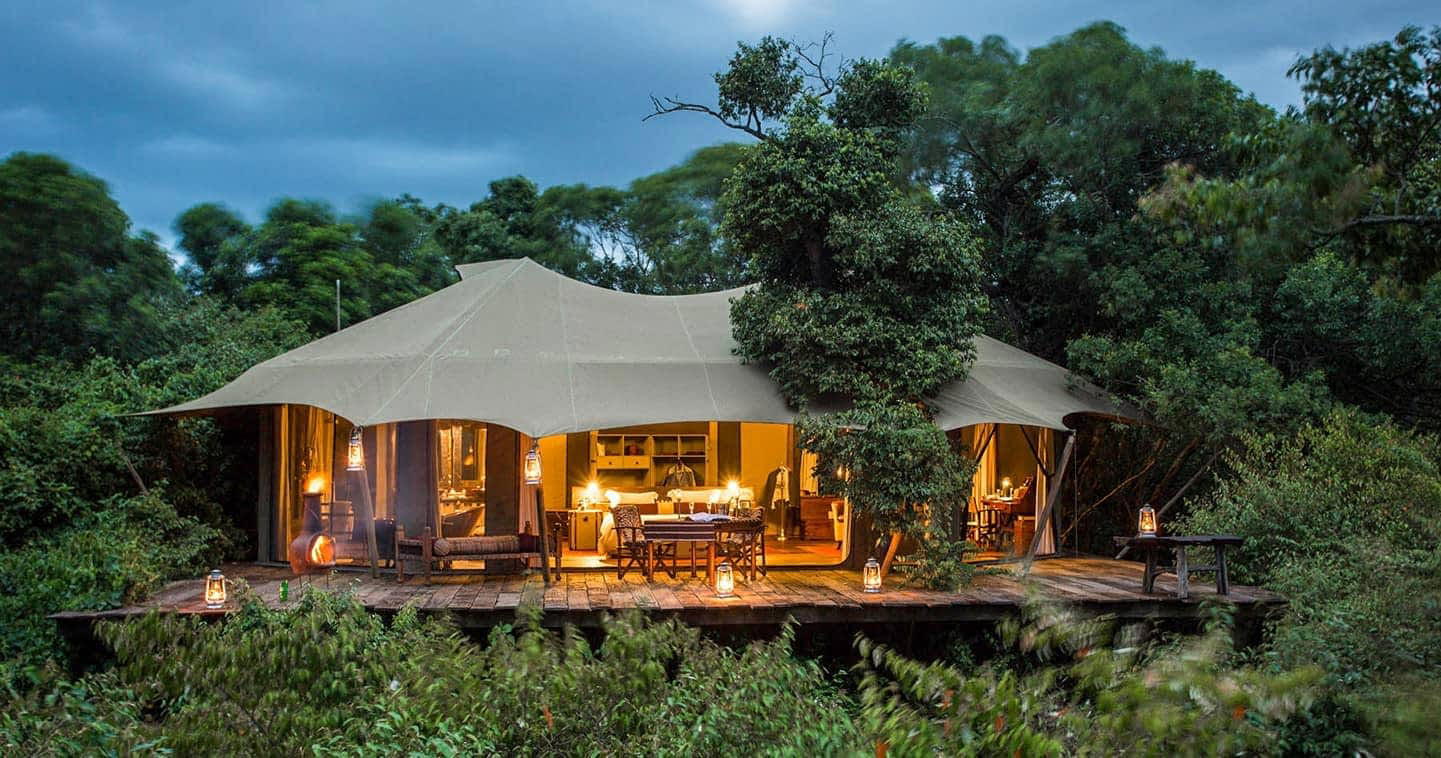
Bars in Maasai Mara
Browse all →
At a Glance
- Scenic
- Intimate
- Rustic
- Sophisticated
- Group Retreat
- Weekend Escape
- Romantic Getaway
- Family Vacation
- Panoramic View
- Private Dining
- Historic Building
- Wi Fi
- Restaurant
- Garden
- Airport Shuttle
- Waterfront
- Wi Fi
- Restaurant
- Garden
- Airport Shuttle
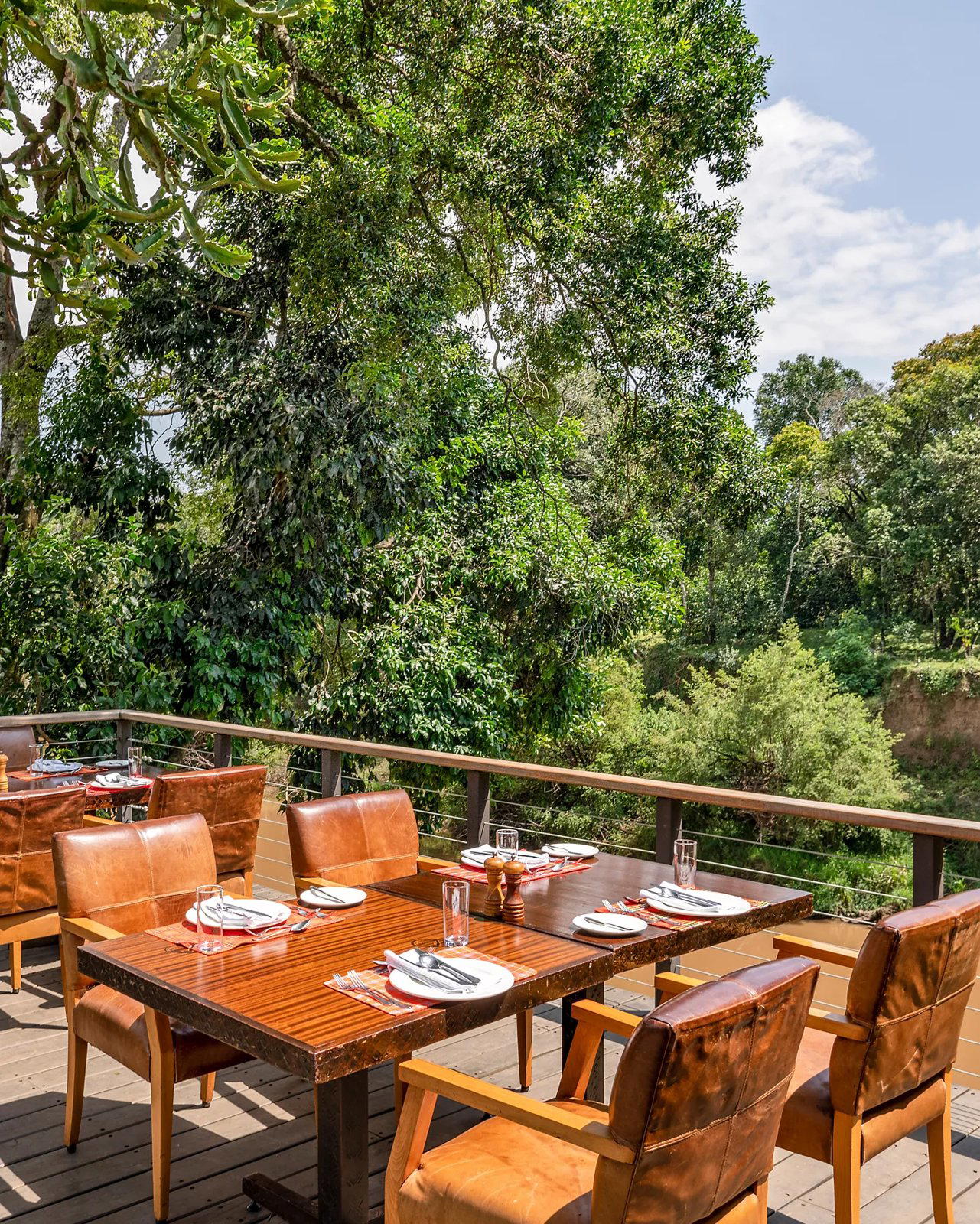
An intimate, low-footprint safari camp with a classic canvas-tent feel, a shady dining-and-lounge tent, and an atmosphere shaped by expert guiding and close access to migration and predator action.