



1 Michelin Key · Virtuoso Luxury Hotel Partner · World Travel Awards
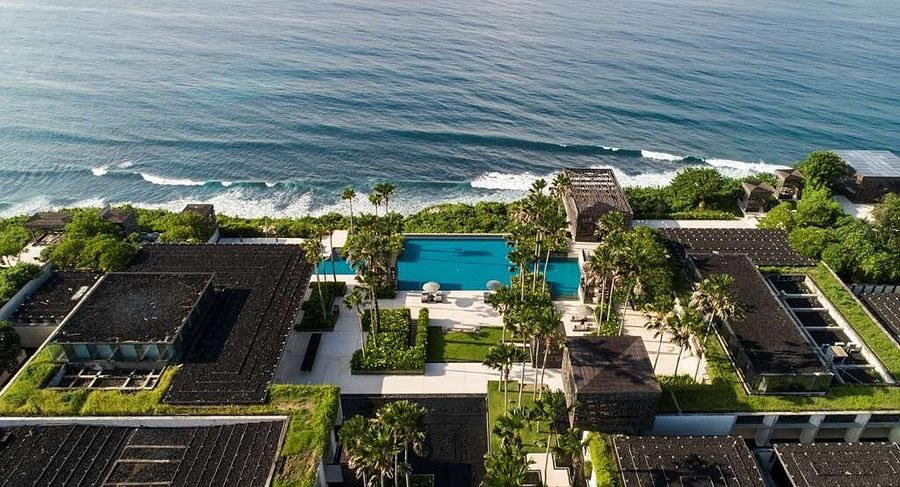
Positioned on Bali's Bukit Peninsula above the Indian Ocean, Jumeirah Bali spans 123 villas across one- and two-bedroom configurations, each with a private pool and dedicated butler service. The property draws on Hindu-Javanese architectural language and won Bali's Leading Luxury Resort at the 2025 World Travel Awards. The emphasis on ritual, from blessing ceremonies to sunset meditation, places it among the island's more culturally grounded resort formats.

Pearl is the En Primeur Club membership app — saves, bookings, and concierge access live there. Same editors, same standards.
- Address
- Kawasan Pecatu Indah Resort, Jl. Raya Uluwatu, Pecatu, Kuta Selatan, Badung Province
- Phone
- +62 361 2015000
- Website
- jumeirah.com
- Directions
- Get directions
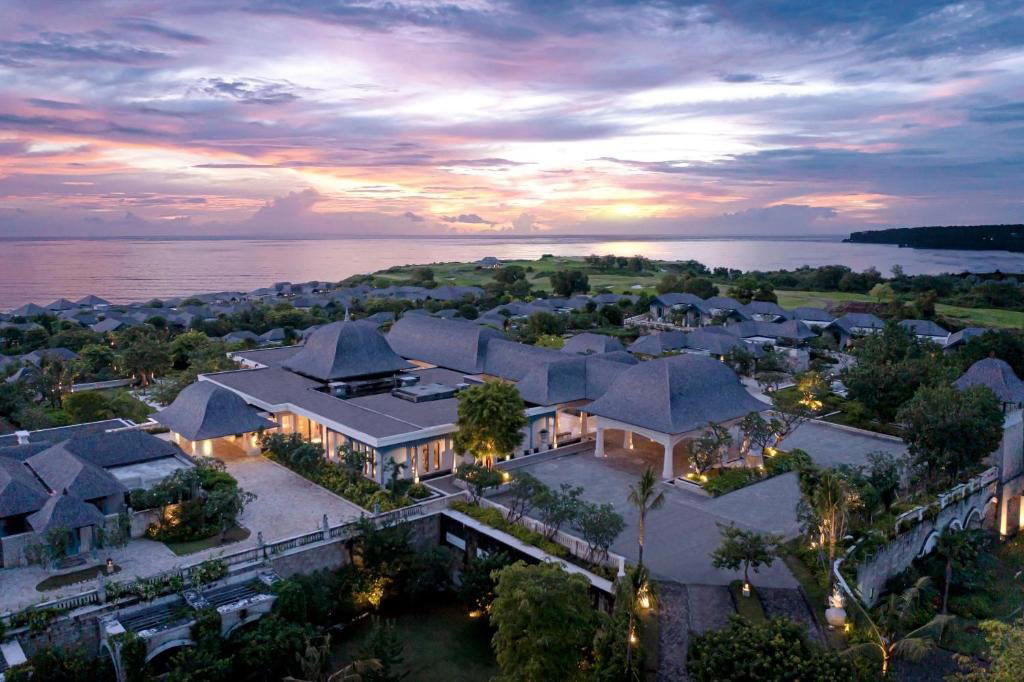
Cliff Edge and Temple Gate: Arriving at Pecatu
The Bukit Peninsula operates by different rules than Seminyak or Ubud. Where the island's northern and central resort corridors compete on rice-field romanticism or beach-club spectacle, the southern cliffs above Uluwatu trade in something starker: Indian Ocean light that shifts from silver to amber between late afternoon and dusk, limestone promontories that drop sharply to the water, and a silence at altitude that the coast roads below rarely allow. Arriving at Jumeirah Bali, along Jalan Raya Uluwatu through Kawasan Pecatu Indah Resort, the transition from the road's noise to the property's ceremonial entrance marks a shift in register that Bali's more urban properties cannot replicate.
The architectural grammar here draws explicitly from Hindu-Javanese temple forms: tiered pavilions, carved stone detailing, and a spatial hierarchy that organises the property around arrival sequences rather than pool decks. That design choice puts Jumeirah Bali in a specific tradition of Balinese resort-making, one that treats the built environment as a frame for spiritual and sensory orientation rather than a backdrop for lifestyle photography.
The Villa Format and What It Produces
Bali's premium villa market has stratified sharply over the past decade. At the lower end, the standalone private-villa rental model proliferated across Seminyak and Canggu, offering pool access and kitchen facilities with minimal service infrastructure. At the upper end, integrated resort-villas have moved toward fully staffed formats, where butler service, in-villa dining, and daily rituals are built into the rate rather than itemised separately. Jumeirah Bali occupies this upper tier with 123 villas in one- and two-bedroom configurations, plus a four-bedroom Royal Walter Palace unit for extended stays or larger parties requiring a single coherent private footprint.
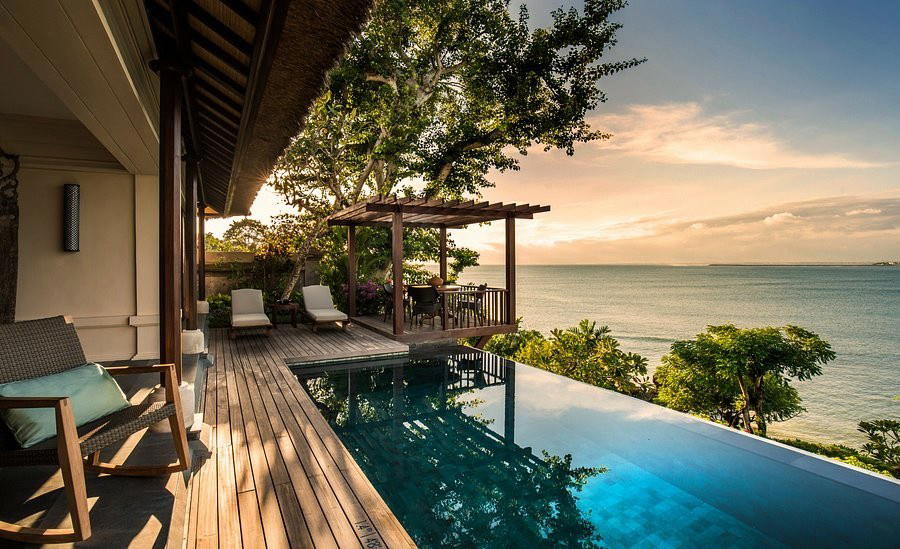
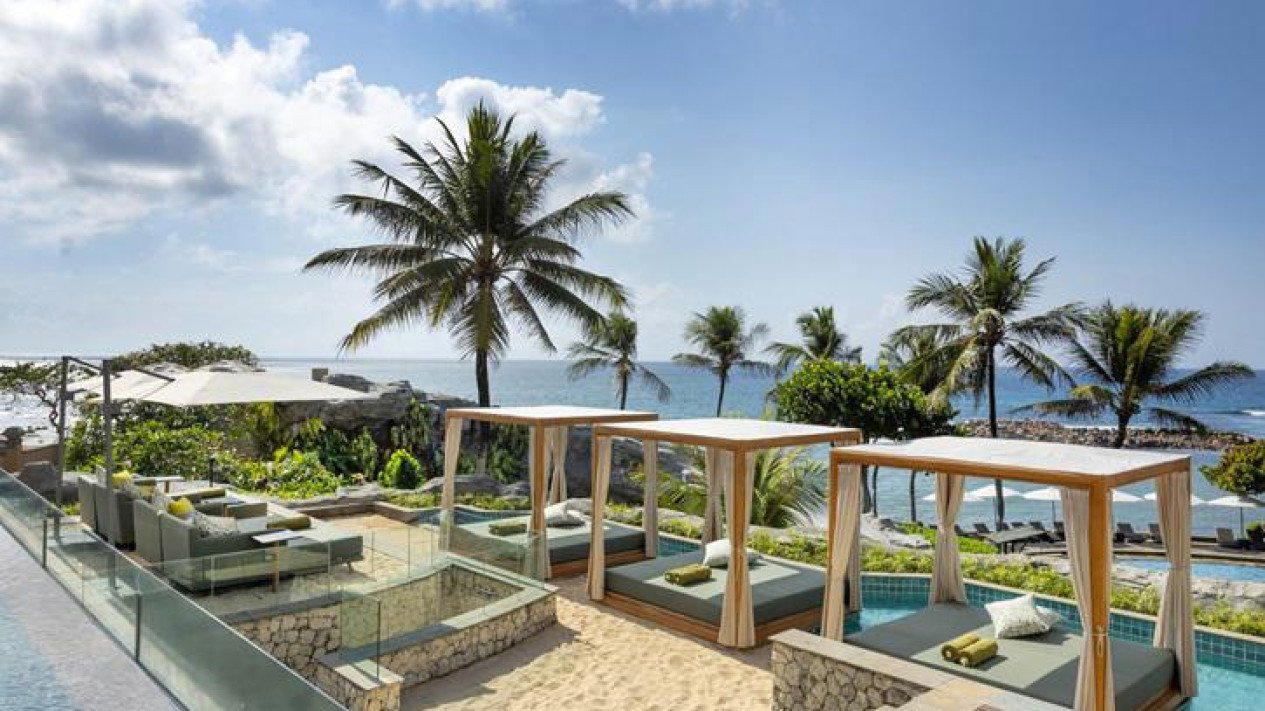
Every villa carries a private pool and Indian Ocean views, which sounds like a category standard but carries more weight at elevation on the Bukit than it does at sea level. The orientation toward the water means the quality of the view changes with the time of day in ways that ground-level ocean-view rooms rarely demonstrate. At this tier, dedicated butler service is not a novelty but an operational requirement: a 123-villa property with this service density implies a staffing ratio that drives much of the operational cost and, consequently, the positioning.
For comparable villa-integrated resort formats elsewhere on the island, Amarterra Villas Resort Bali Nusa Dua, Autograph Collection offers a reference point in the Nusa Dua corridor, while Andaz Bali represents the design-hotel approach to the same price tier. The Ubud alternative for those prioritising jungle and river gorge settings over coastal cliff drama is Anantara Ubud Bali Resort.
The Dining Ritual: Pacing and Place
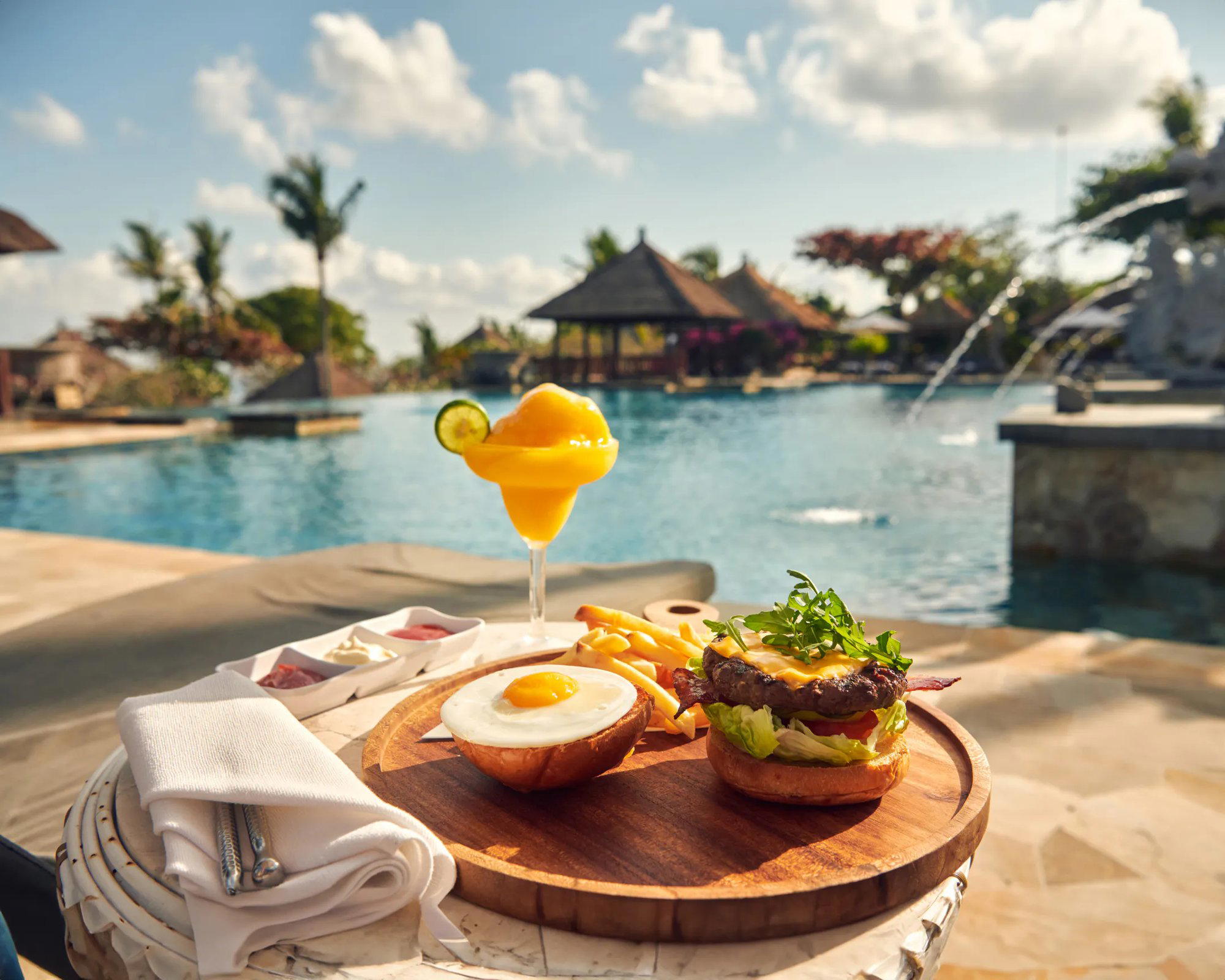
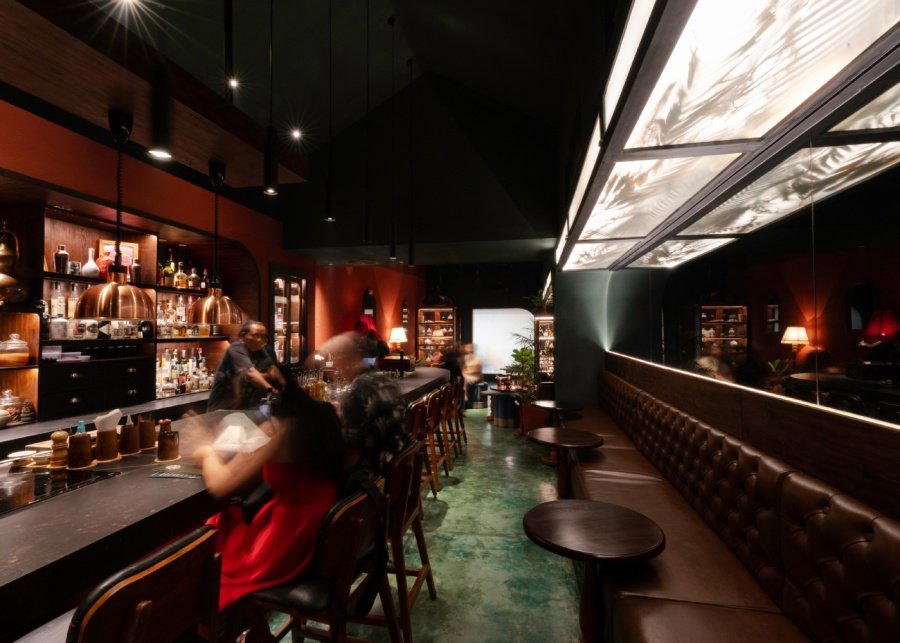
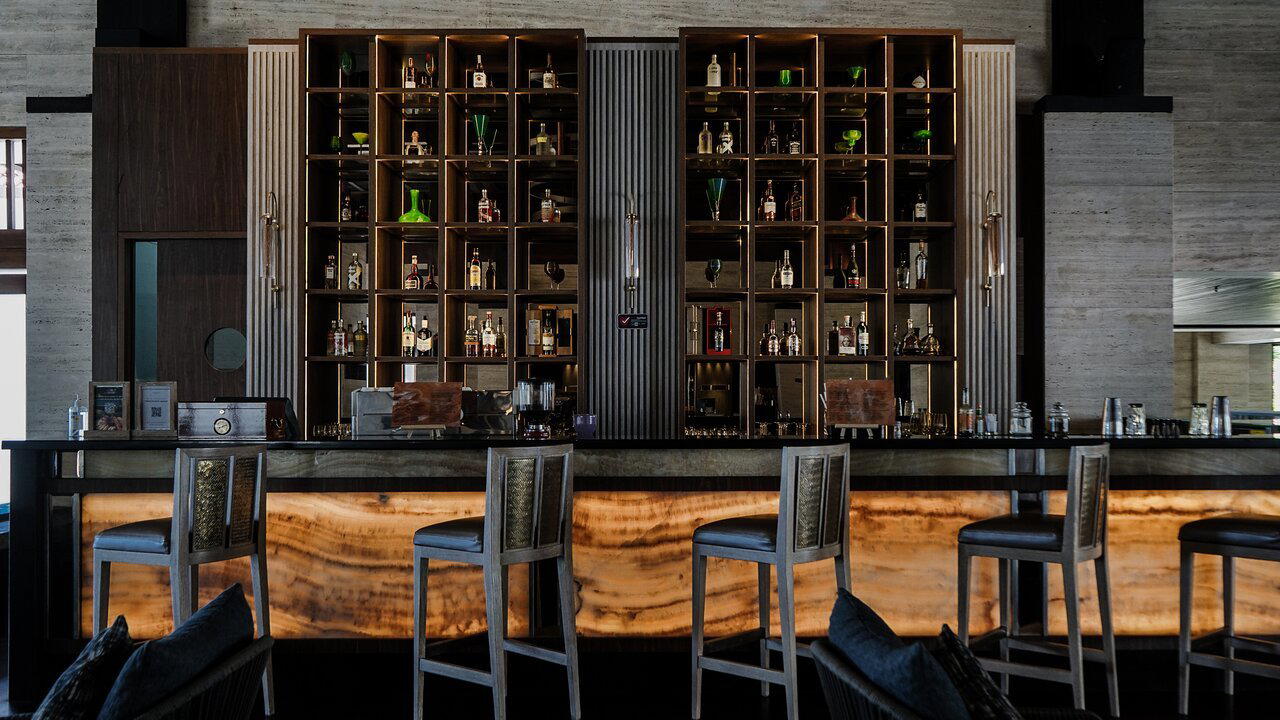
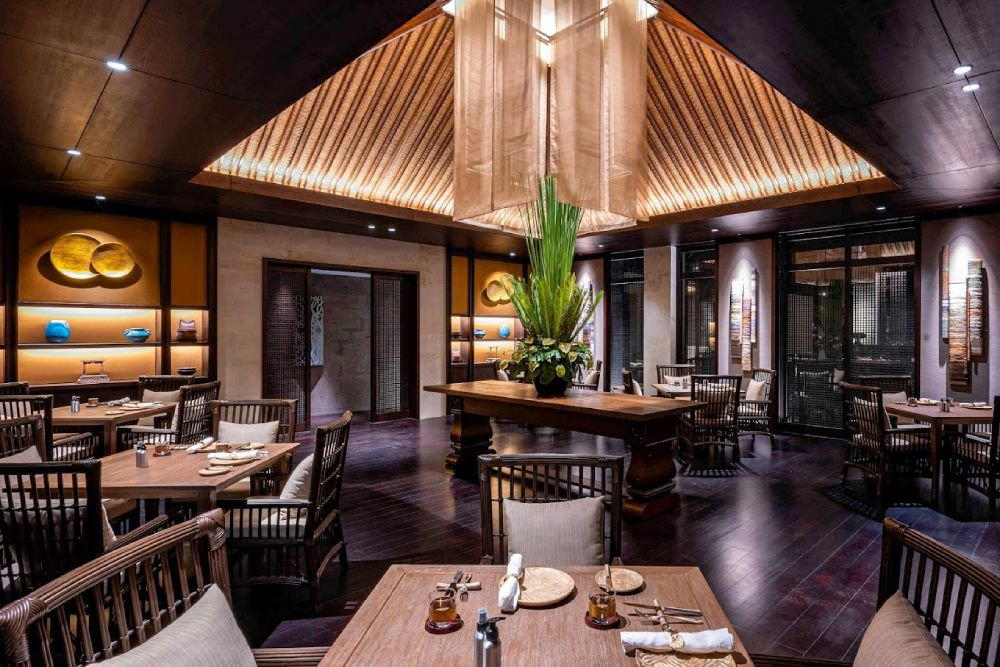
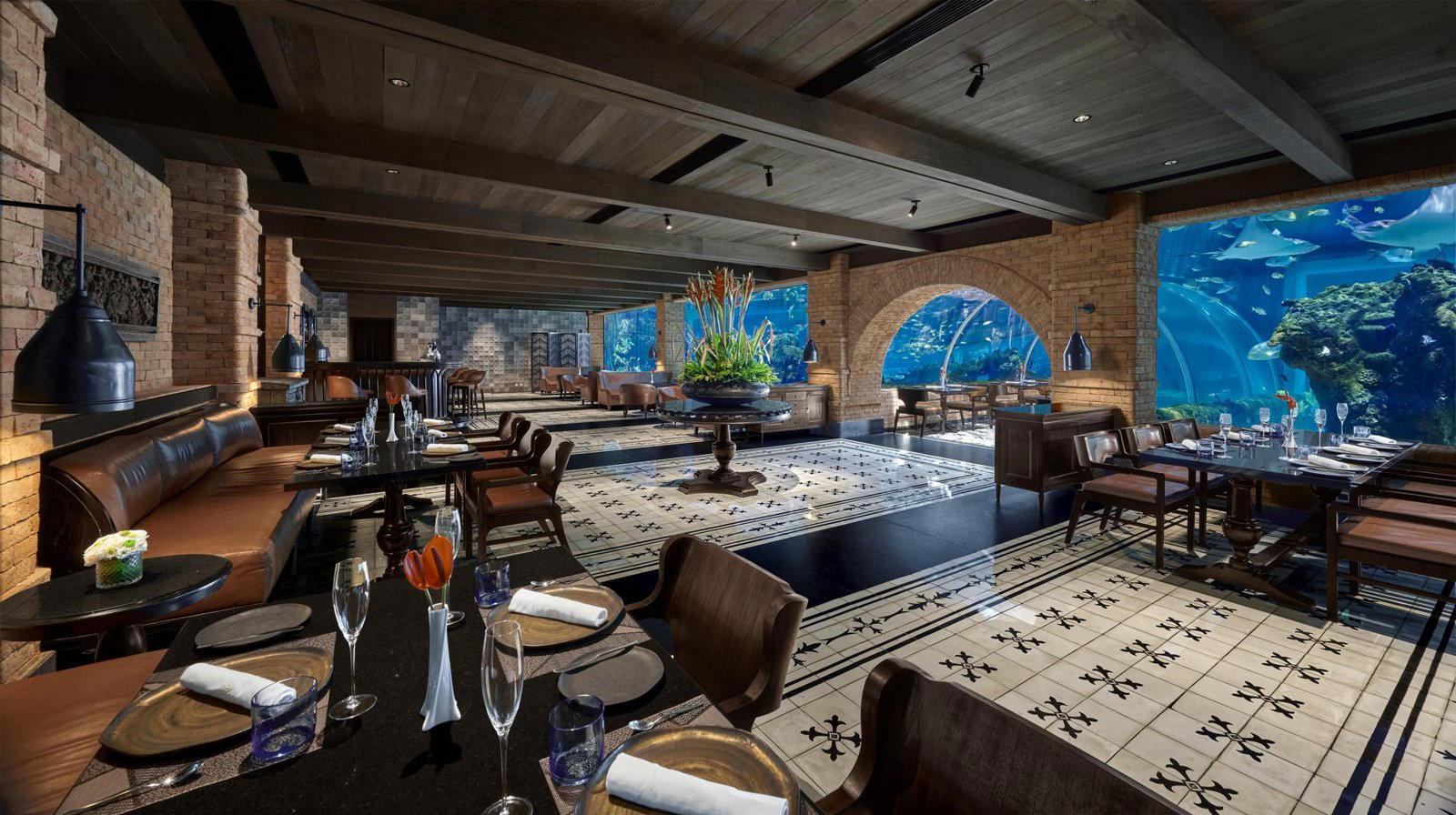
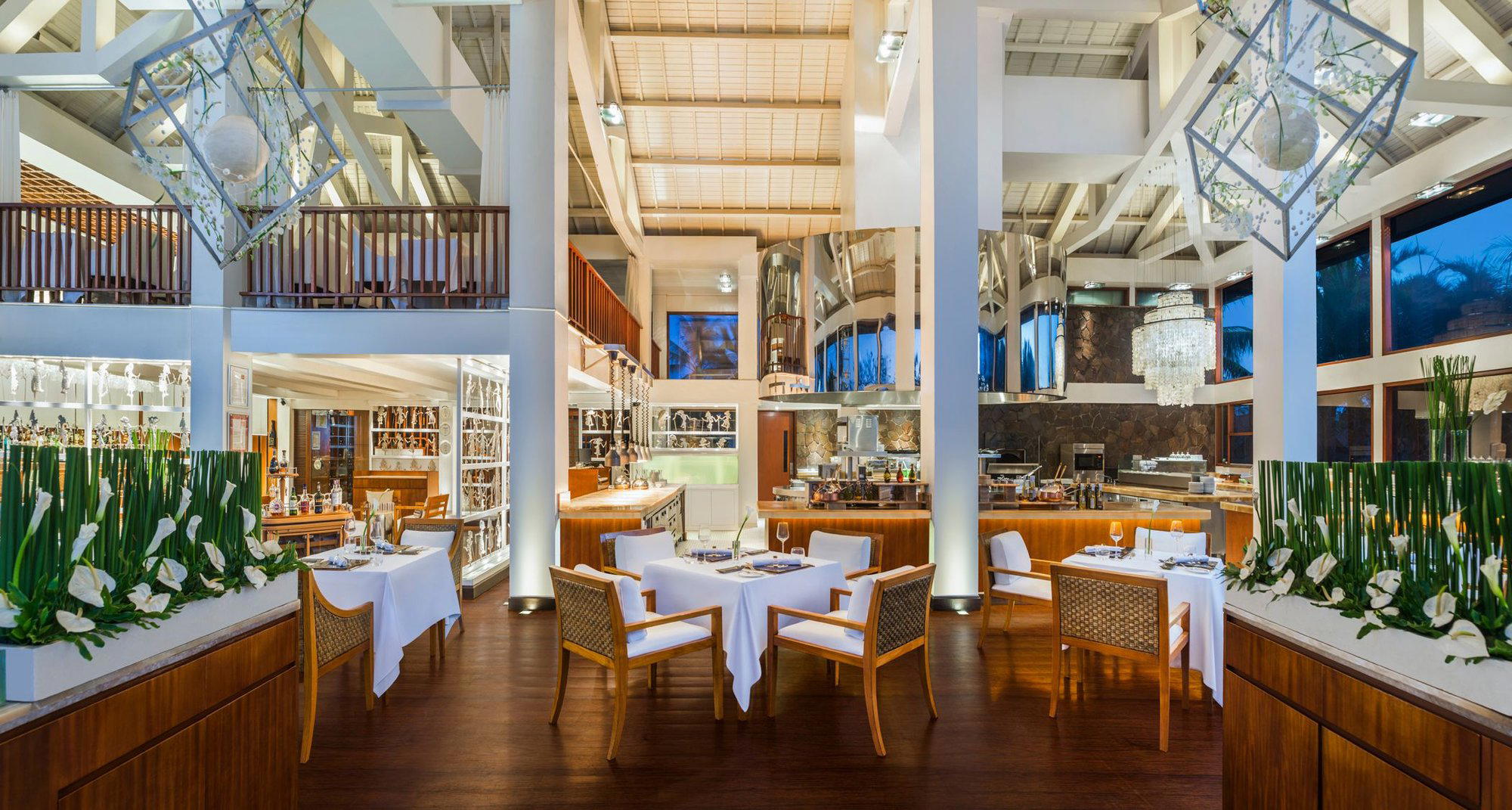
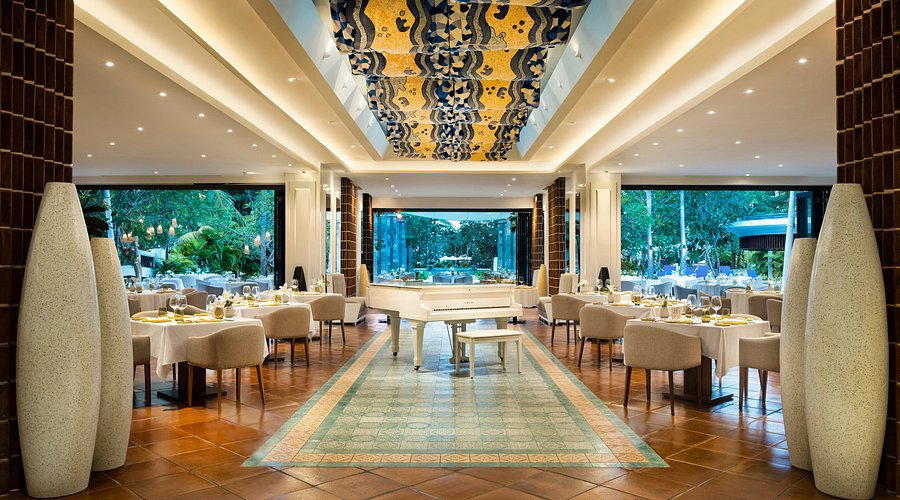
Dining at a cliff-leading Balinese resort carries its own set of conventions, and Jumeirah Bali leans into the ceremonial dimension rather than treating meals as fuel stops between spa appointments. The property's intimate dining venues are positioned to maximise the Indian Ocean horizon, which means the physical experience of sitting down to eat is calibrated around the light conditions outside as much as the food arriving at the table. In this format, the meal's pacing tends to slow naturally: the view creates a reason to pause between courses, the butler model means service is attentive without being rushed, and the villa option for in-room dining removes the ambient noise of a full dining room entirely.
This approach to dining, where the setting performs as much work as the kitchen, is a Balinese resort tradition with real depth. The island's most considered properties have long understood that meals eaten with a volcano or ocean panorama in the middle distance carry emotional weight that the food alone cannot generate. The question for properties operating in this mode is whether the kitchen quality holds up when the sun goes down and the view disappears. Jumeirah Bali's positioning as Bali's Leading Luxury Resort (World Travel Awards, 2025) implies a consistency of execution across the full dining programme rather than a single signature venue doing the heavy lifting.
For those whose Bali itinerary extends beyond a single base, our full Bali restaurants guide maps the island's dining options by neighbourhood and format.
Mindfulness as Programme, Not Amenity
In Bali's premium resort market, wellness programming has moved from add-on to core proposition. Properties that treated the spa as a revenue centre bolted onto a beach hotel have largely been overtaken by those that treat ritual, ceremony, and physical practice as structural elements of the guest experience. Jumeirah Bali sits clearly in the latter category: blessing ceremonies, sunset meditation sessions, and healing spa rituals are framed as the primary experience, with the accommodation and dining as the container rather than the point.
This positions the property differently from Seminyak's lifestyle-resort cohort, where pool bars and beach clubs drive the guest day, or from Canggu's surf-and-wellness hybrid format. The Pecatu location reinforces the distinction: there is no beach club strip below the cliff, no high-volume restaurant row within walking distance. The property creates its own gravitational field.
For guests whose approach to Bali is more ecologically oriented, Bambu Indah in Banjar Badung and Desa Seni Baturiti in Tabanan represent the island's sustainable-luxury niche. For those drawn to water-centric settings in a smaller format, Villa Waru Nusa Lembongan offers a different island geography entirely. The broader Indonesian archipelago offers further contrasts: Nihi Sumba in Sumba occupies the far end of the wilderness-luxury spectrum.
The 2025 World Travel Awards designation as Bali's Leading Luxury Resort places Jumeirah Bali at the top of a competitive field that includes long-established Nusa Dua properties and newer design-led entrants across the island. That peer field has expanded significantly over the past five years, with international groups increasing their Bali footprints alongside independent boutique operators. Within the Jumeirah group's global portfolio, the Bali property competes on a different axis than urban city properties such as Aman New York or heritage conversions like Aman Venice, where architecture and art collection drive the proposition. Here, nature and ceremony do that work.
Elsewhere on the island, Mandapa, a Ritz-Carlton Reserve in Ubud, represents the jungle-river format in the same general price tier, while Ayodya Resort Bali offers a Nusa Dua alternative at a different scale. For guests who prefer boutique credentials, Asvara Villa and Goddess Retreats operate with far fewer keys and a different staffing model. Design-conscious travellers comparing options might also consider Potato Head Suites & Studios in Seminyak or Desa Potato Head in Denpasar, both operating in a distinctly different cultural register.
Planning Your Stay
The Bukit Peninsula's position at Bali's southern tip means access to Ngurah Rai International Airport is relatively direct compared to the longer transfers required for Ubud or Amed. Bali's peak seasons, July through August and the Christmas-to-New-Year window, compress availability across the island's top-tier properties, and the 123-villa scale at Jumeirah Bali means demand from groups and extended-family bookings can absorb significant inventory. Booking three to four months ahead for peak-season dates is a reasonable baseline; shoulder-season travellers in May, June, and September typically find more flexibility. The property's butler service model means the quality of a stay is partly a function of communicating preferences early, before arrival, so that dietary requirements, ceremony participation, and dining timing can be arranged without friction.
Additional properties worth considering as part of a broader Bali itinerary include Grand Seminyak for a Seminyak base, Hotel Komune and Beach Club Bali in Gianyar for a surf-oriented eastern corridor stay, and Batur Natural Hot Spring in Kintamani for a volcanic highland contrast. For those whose travels extend to the broader region, Kampung Sampireun Resort & Spa in Garut offers a West Java comparison point, and VOUK Hotel & Suites Bali in Nusa Dua presents a five-star alternative within the same southern Bali geography. The Further Hotel, o in Badung, and Padangbai in Karangasem round out the range of formats available to travellers building a multi-stop Bali itinerary.
Awards and Standing
Comparable venues nearby, for context on price, style, and recognition.
| Venue | Cuisine | Price | Awards | Notes |
|---|---|---|---|---|
| Jumeirah BaliThis venue — the venue you are viewing | Luxury villa-only beach resort inspired by Javanese-Hindu water palace architecture amid tropical gardens. | Not listed | 1 Michelin Key · Virtuoso Luxury Hotel Partner | Not listed |
| Jannata Resort & Spa | Contemporary Balinese luxury resort | Not listed | World Luxury Hotel Awards WLHA Continent Winner | Ubud |
| Andaz Bali | Contemporary luxury resort interpreting traditional Balinese village architecture with modern amenities and sustainable design principles. | $300–500 | Michelin Selected · Virtuoso Luxury Hotel Partner | Sanur |
| The Amala | Modern tropical villa resort with Japanese-inspired design elements and streamlined contemporary architecture integrated with lush natural landscaping. | $100–200 | Michelin Selected · World Luxury Hotel Awards WLHA Global Winner | Seminyak |
| The Menjangan by LifestyleRetreats | Nature-inspired luxury retreat | Not listed | Michelin Selected | West Bali National Park |
| Sini Vie Resort | Contemporary luxury boutique resort with modern tropical architecture and Balinese design elements, positioned as an intimate escape for couples. | $200–300 | World Luxury Hotel Awards WLHA Regional Winner | Seminyak |
Recognition history
Dated appearances from independent guides and award organizations, with the underlying list record or original source where available.
Michelin 1 Key
Michelin
Travel + Leisure 100 Favorite Hotels in the World #26 · No. 26
Travel + Leisure · 2026 Travel + Leisure 100 Favorite Hotels in the World
Virtuoso Luxury Hotel Partner
Virtuoso
World Travel Awards
World Travel Awards
Full recognition history (5 entries)
Michelin Selected
Michelin
Details
- Elegant
- Scenic
- Sophisticated
- Ornate
- Honeymoon
- Romantic Getaway
- Family Vacation
- Wellness Retreat
- Beachfront
- Infinity Pool
- Private Villa
- Panoramic View
- Wi Fi
- Pool
- Spa
- Fitness Center
- Room Service
- Concierge
- Kids Club
- Beach Access
- Waterfront
- Garden
- Wheelchair Accessible
- Step Free Entrance
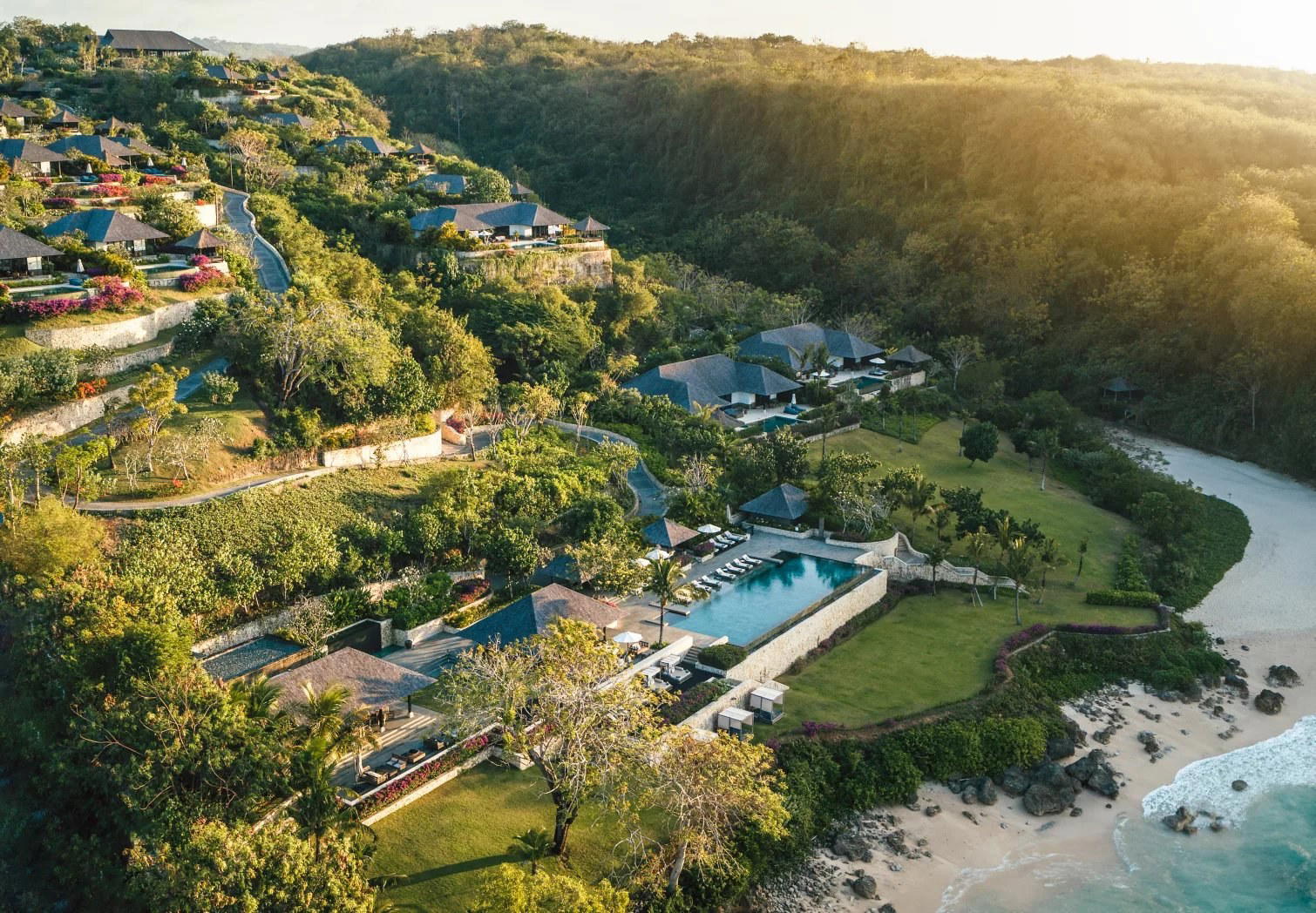
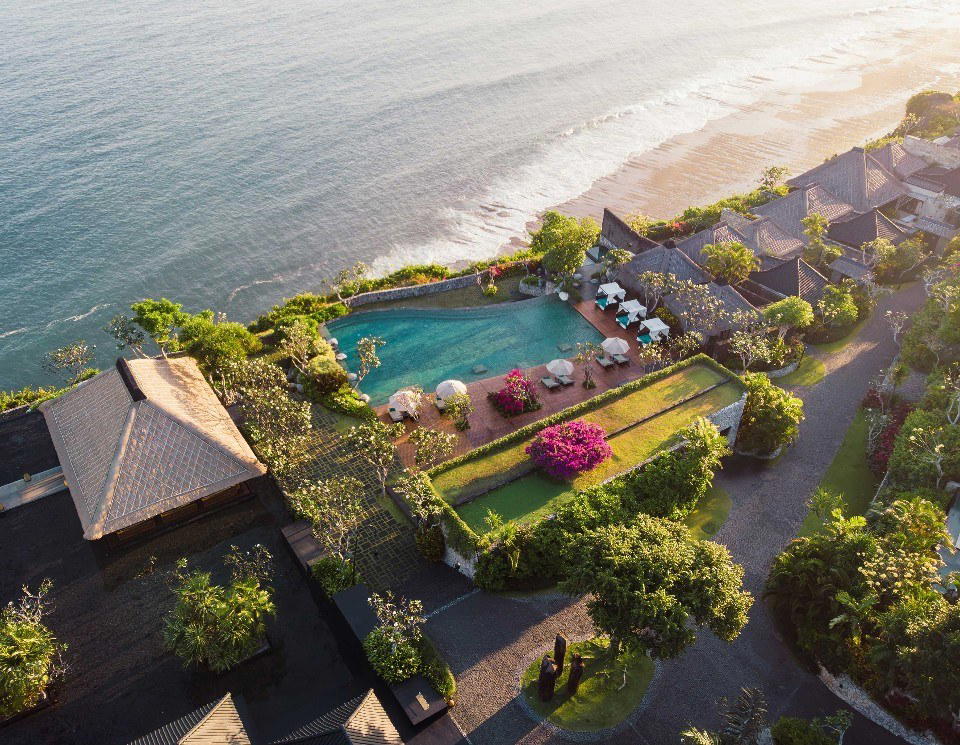
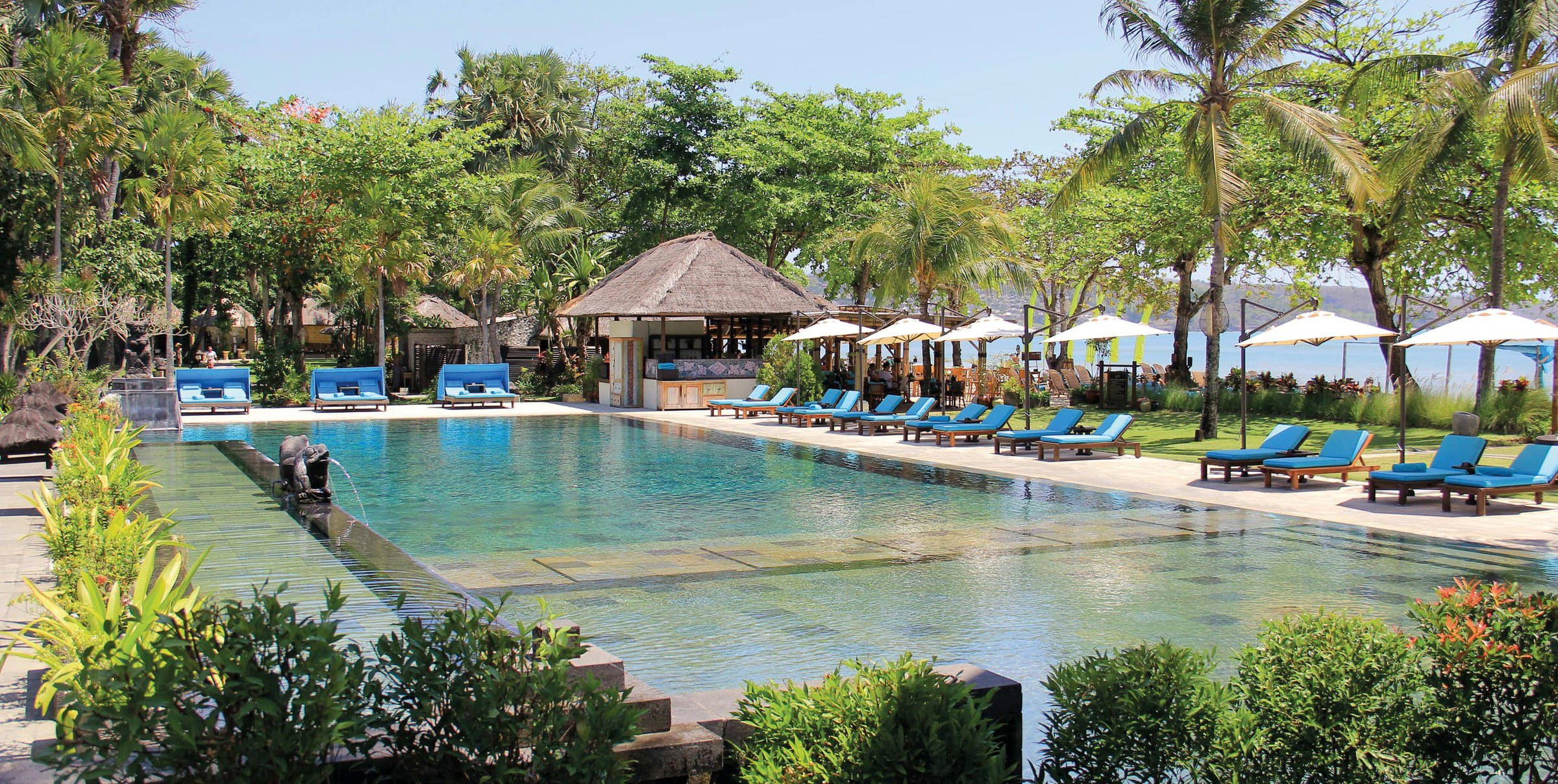
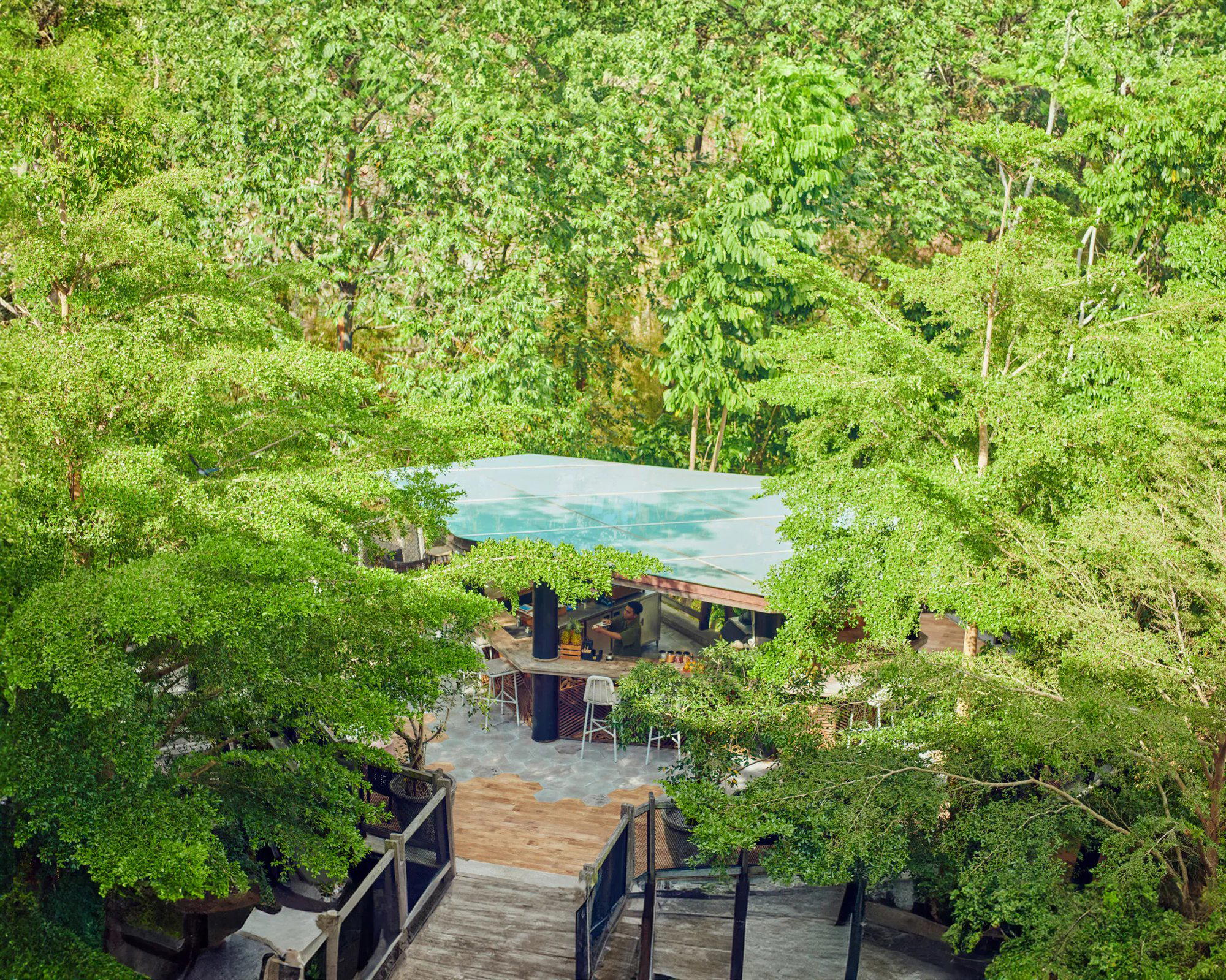
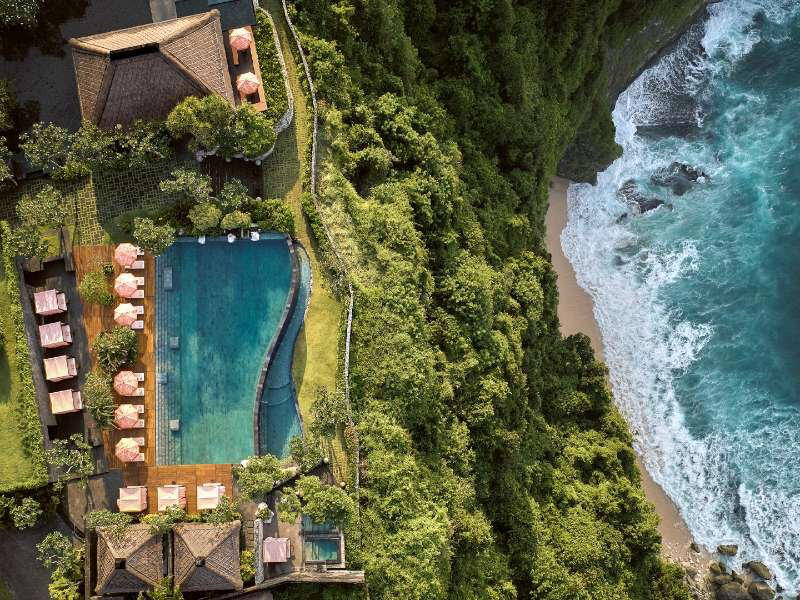
Light-toned, spacious villas with lush tropical gardens, infinity pools blending into the ocean horizon, and a serene, pampered atmosphere.