
Michelin Selected
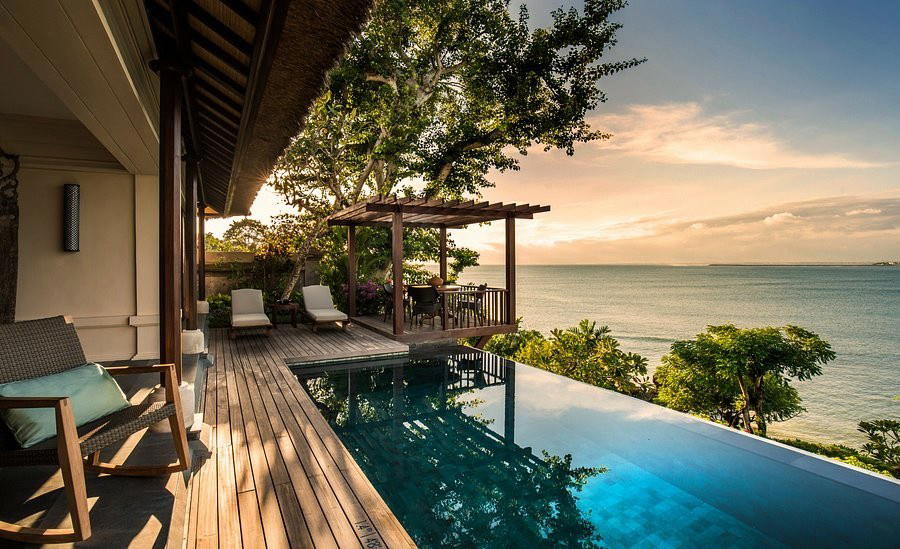
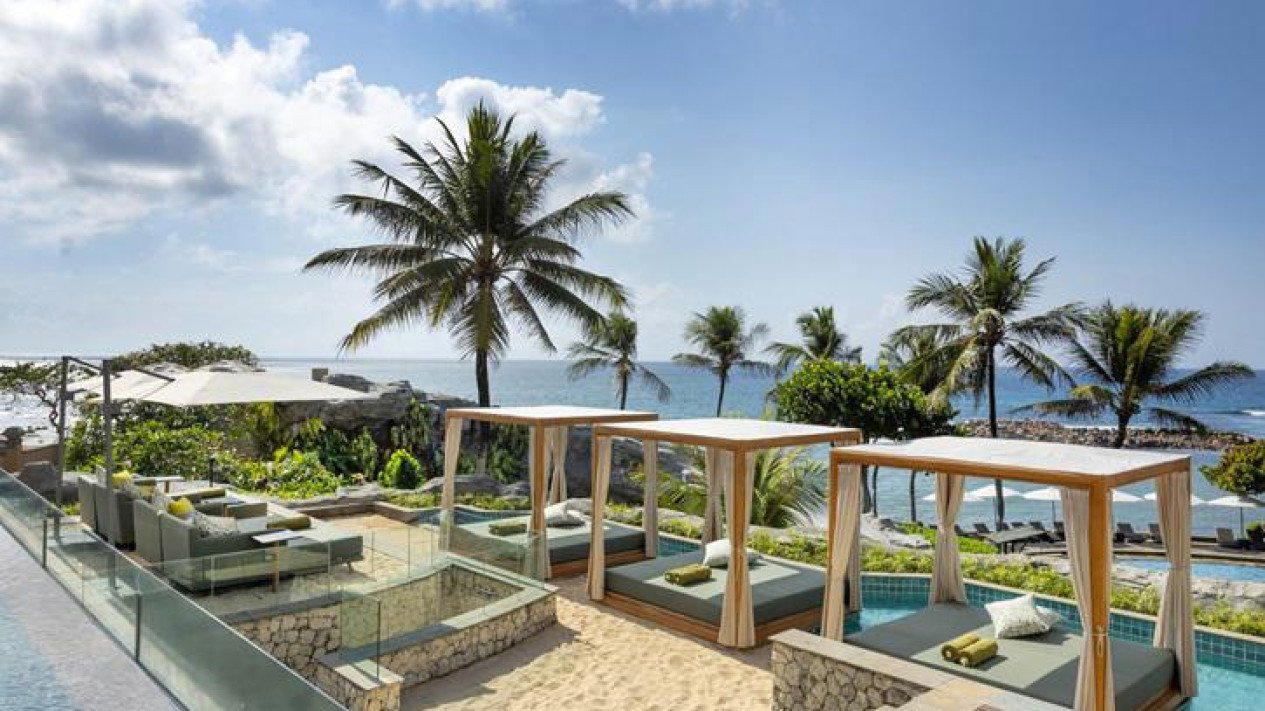
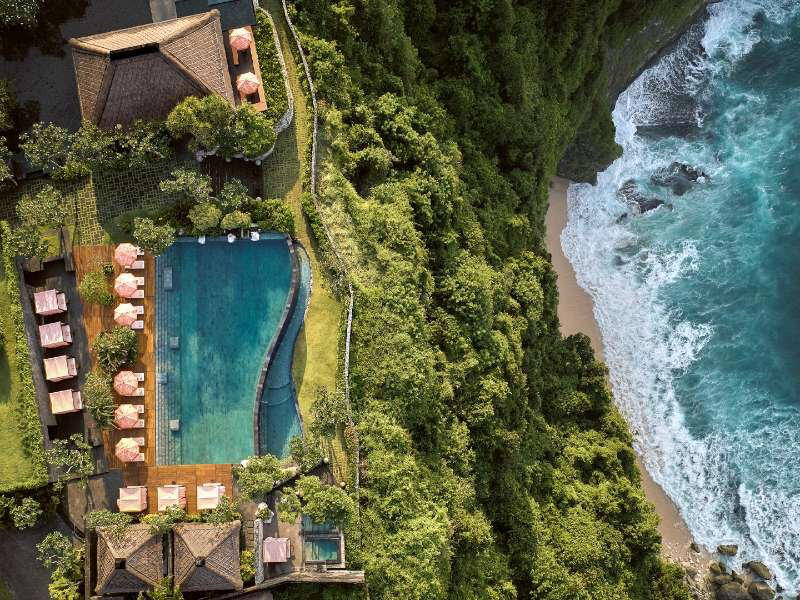
Perched above the Indian Ocean on Uluwatu's southern cliffs, Six Senses Uluwatu Bali earned Michelin Selected recognition in 2025, placing it among a small cohort of Balinese properties where design, wellness programming, and dramatic site conditions converge. The clifftop position frames every public space against open water, and the property's architecture draws directly from that elevation rather than working around it.

Pearl is the En Primeur Club membership app — saves, bookings, and concierge access live there. Same editors, same standards.
- Address
- Jl. Penaga, Pecatu, Kec. Kuta Sel., Kabupaten Badung, Uluwatu, Indonesia
- Phone
- +62 361 2090300
- Directions
- Get directions
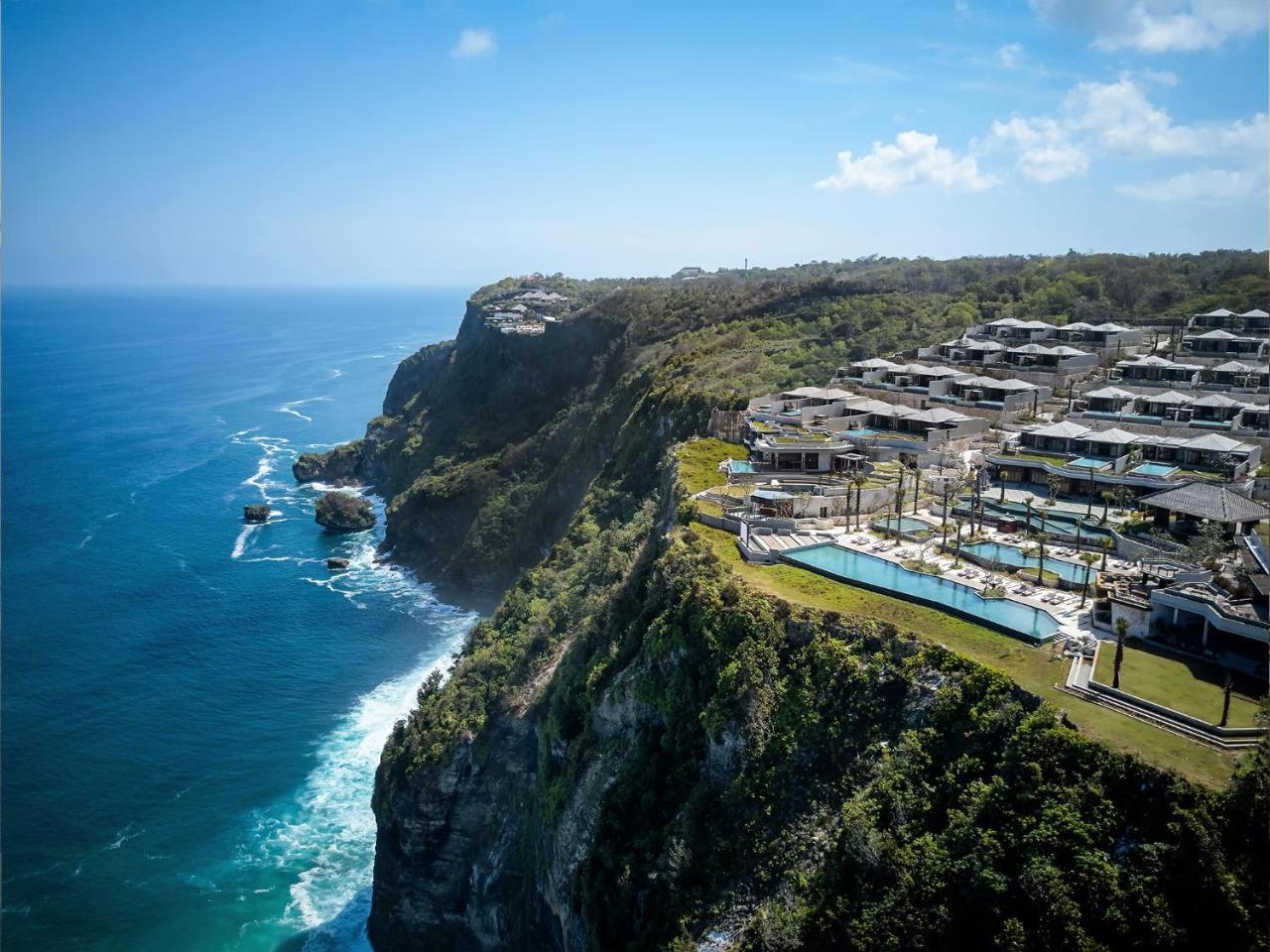
Cliff Edge by Design
Uluwatu's southern peninsula has become one of Southeast Asia's most contested addresses for premium resort development, and the reason is purely geological. The limestone cliffs drop sharply into the Indian Ocean, surf breaks roll in from deep water, and the horizon reads unobstructed for as far as the eye can travel. Across this strip, a cluster of properties has staked out clifftop positions, each making a different architectural argument about what that site demands. Six Senses Uluwatu Bali, reached via Jl. Penaga in Pecatu, sits inside that conversation as a property where the physical conditions of the edge were treated as the primary design brief, not a scenic backdrop to work around.
The Six Senses group has consistently positioned its properties at the intersection of site-specific architecture and wellness infrastructure. At Uluwatu, that means a layout that follows the cliff contour rather than imposing a conventional resort grid. Structures step down toward the water, sightlines are preserved across villa clusters, and the palette draws from the bleached limestone and volcanic earth of the Bukit Peninsula rather than importing aesthetic references from elsewhere. This approach places the property in a distinct tier from neighbouring resorts that treat the cliff primarily as a view amenity. Here, the terrain is structural.
The southern Bukit has attracted several significant hospitality investments, and comparing their design philosophies reveals real differences in strategy. Alila Villas Uluwatu works within a WOHA-designed framework that emphasises angular modernism and spatial openness. Anantara Uluwatu Bali Resort orients its programming around surf culture and the adjacent break. Jumeirah Bali references Majapahit architectural vocabulary in a more explicitly historical register. Hidden Hills Villas and Ulu Cliffhouse operate at smaller scales with different ownership structures entirely.
Globally, Six Senses properties are benchmarked on the depth of their spa and biohacking programming, and Uluwatu follows that template. The Michelin Selected distinction, awarded in the 2025 hotels guide, positions the property within a broader editorial recognition tier that includes properties across Indonesia and across the Six Senses global network, situating it alongside properties demanding close scrutiny from travellers in the premium and ultra-premium bracket.
Wider afield on Bali, the Bvlgari Resort Bali operates in its own design register, drawing on Bulgari's Italian luxury identity while working with a similar Bukit cliff site. Both properties share a commitment to architecture that responds to topography, though they arrive at that position from very different brand lineages. In the Ubud interior, Mandapa, a Ritz-Carlton Reserve offers the riverine valley alternative to coastal cliff drama, while COMO Uma Canggu and Desa Potato Head anchor the island's northern and creative-culture end of the market. The Uluwatu clifftop bracket remains its own category.
The Architecture as Experience
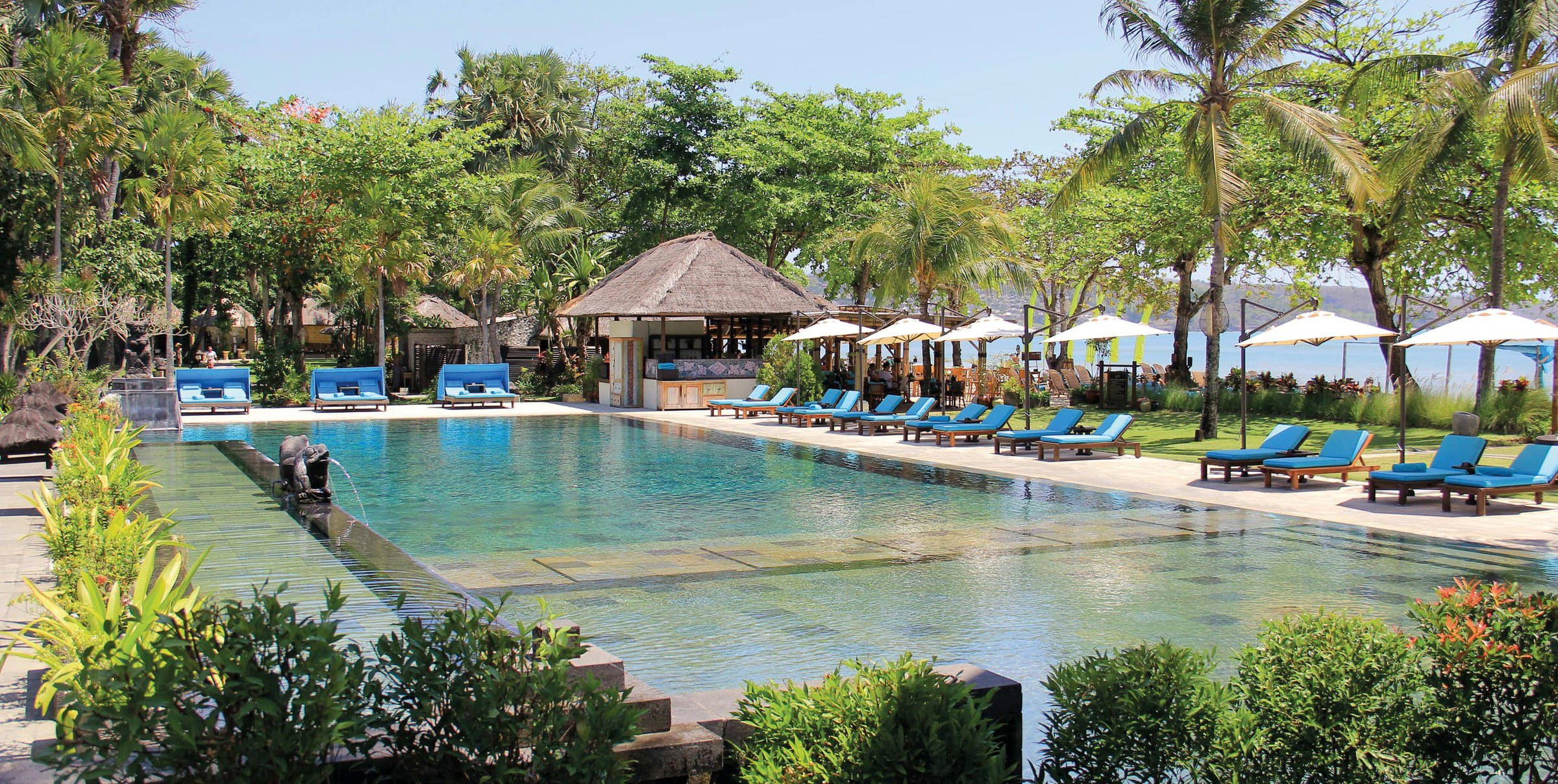
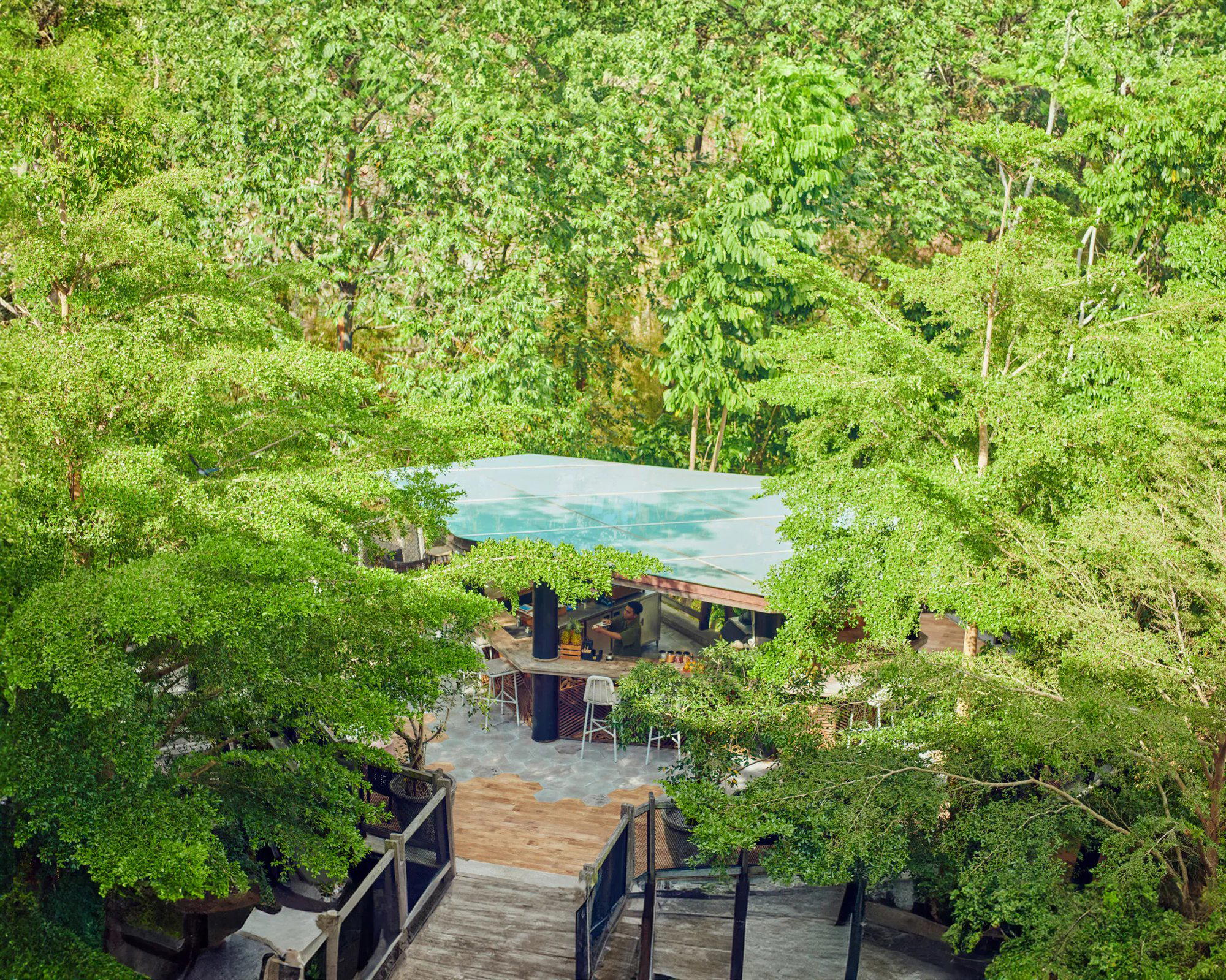
In Balinese resort design, the question of how to handle transition, the movement from arrival sequence to villa, from interior to exterior, from cultivated garden to raw cliff, has defined the reputation of the leading properties for decades. Six Senses Uluwatu approaches this through a series of terraced moves that gradually reveal the ocean as you descend through the property. The effect is deliberate pacing rather than immediate spectacle: you earn the view by moving through the resort's layered spaces, which also happen to contain the wellness facilities, dining venues, and communal areas that give the property its program depth.
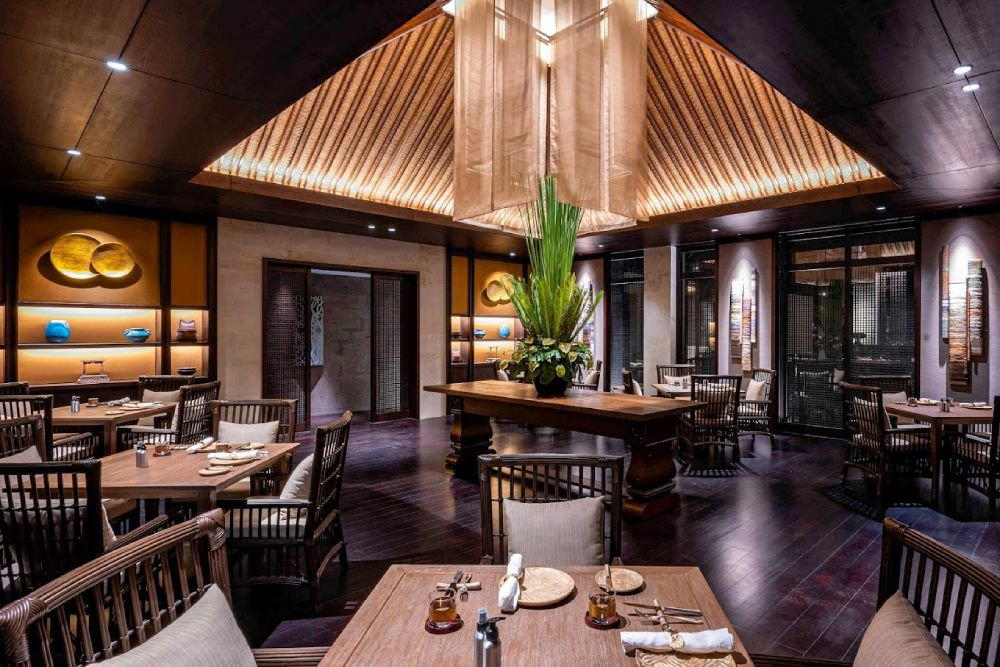
The villa architecture sits within that progression. Balinese design vocabulary, the attention to threshold, to the balance between enclosed and open space, between covered pavilion and sky, works naturally with the Six Senses preference for materials drawn from the immediate landscape. Stone, timber, and water features read locally rather than generically, which distinguishes this from resort properties that deploy a pan-Asian luxury language without specific geographic roots.
Wellness as the Structural Program
Across the Six Senses portfolio globally, wellness is not supplementary. It drives room night length, repeat visits, and positioning relative to peers. Properties like Six Senses Douro Valley, Six Senses Ibiza, and Six Senses Ninh Van Bay have established the template: the spa program is large relative to room count, the sleep and biohacking programming is proprietary, and the food and beverage operation supports wellness objectives rather than operating independently of them. Six Senses Uluwatu Bali follows this model, meaning that guests selecting the property primarily for design or location are nonetheless buying into a programmatic framework that shapes everything from dining philosophy to bedroom specifications. This distinguishes the property from design-led competitors whose wellness offering is more conventional.
For context across Indonesia, Nihi Sumba in East Nusa Tenggara operates in a comparable register of committed wellness and remote site drama, though it deploys a savanna-and-surf aesthetic entirely different from Uluwatu's limestone cliff geometry. REVĪVŌ Wellness Resort Nusa Dua Bali in Badung targets the wellness-first traveller with a more explicitly clinical program, without the Six Senses emphasis on design integration. Both illustrate how the Indonesian wellness resort market has moved beyond the diffuse spa-and-yoga model toward more specific, credentialed programming.
Planning Your Stay
Uluwatu sits at the southern tip of the Bukit Peninsula, approximately forty minutes from Ngurah Rai International Airport depending on traffic conditions, which can be significant during the dry season (roughly April through October) when southern Bali attracts the heaviest visitor volumes. That window also corresponds to the leading surf conditions at Uluwatu's reef break, which draws a specific visitor cohort that creates peak demand at the peninsula's premium properties. Booking well in advance of the dry season is the practical response: properties at this tier on the Bukit do not hold inventory loosely. For travellers exploring the broader Bali premium circuit, Mulia Villas in Nusa Dua and Potato Head Suites and Studios in Seminyak serve different geographic and experiential poles on the island. For a complete picture of dining and hospitality across the peninsula, our full Uluwatu guide covers the broader scene. Those extending through the archipelago should consider Plataran Komodo Resort and Spa in Labuan Bajo or Innit Lombok in Ekas for a complete Indonesian itinerary at comparable quality levels.
At-a-Glance Comparison
Comparable venues nearby, for context on price, style, and recognition.
| Venue | Cuisine | Price | Awards | Notes |
|---|---|---|---|---|
| Six Senses Uluwatu BaliThis venue — the venue you are viewing | Cliffside Balinese-inspired luxury resort integrated with nature. | Not listed | Michelin Selected | Not listed |
| Ulu Cliffhouse | Luxury boutique hotel designed as a spinoff of an exclusive beach club, blending high-end hospitality with laid-back clifftop living. | Not listed | Michelin Selected | Uluwatu |
| Anantara Uluwatu Bali Resort | Contemporary clifftop resort blending Balinese artistry with minimalist architecture | $300–500 | Michelin Selected · World Travel Awards | Uluwatu |
| Hidden Hills Villas | Boutique villa estate with voyage-inspired themes | $200–300 | Mr & Mrs Smith Seal of Approval · Small Luxury Hotels of the World Member | Uluwatu |
| Alila Villas Uluwatu | Contemporary eco-friendly luxury resort with minimalist design philosophy and open-concept architecture that embraces the natural clifftop environment. | $500–750 | Michelin Guide New Hotels New Hotel · Michelin Selected | Pecatu, Bukit Peninsula |
| Jumeirah Bali | Luxury all-villa resort designed as a contemporary interpretation of a classical Javanese-Hindu water palace inspired by the Majapahit Empire. | Not listed | 1 Michelin Key · Virtuoso Luxury Hotel Partner | Uluwatu, Pecatu |
Recognition history
Dated appearances from independent guides and award organizations, with the underlying list record or original source where available.
Michelin Selected
Michelin
Details
- Scenic
- Elegant
- Sophisticated
- Quiet
- Ornate
- Honeymoon
- Romantic Getaway
- Wellness Retreat
- Family Vacation
- Infinity Pool
- Private Villa
- Destination Spa
- Panoramic View
- Pool
- Spa
- Fitness Center
- Room Service
- Concierge
- Kids Club
- Beach Access
- Waterfront
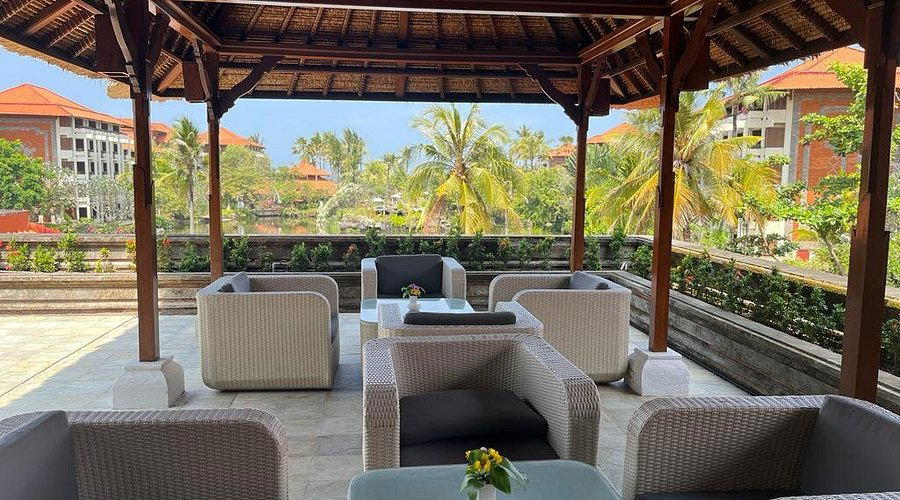
Serene and tranquil with natural light, lush landscaping, and uninterrupted ocean vistas from villas and public spaces.