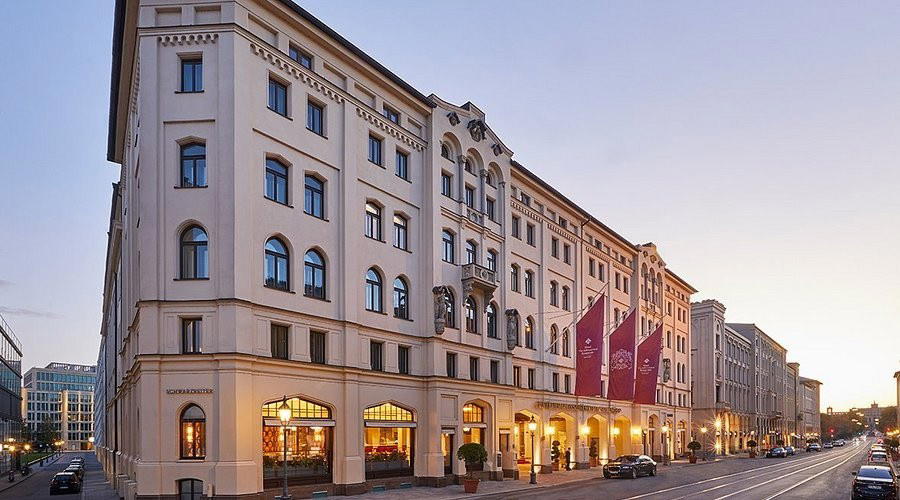
Hotel Lux occupies a central Munich address on Ledererstraße, placing guests within the medieval street grid between Marienplatz and the Isar river. The property sits in a city that has steadily repositioned its hospitality tier over the past decade, with a growing cohort of design-led, independently minded hotels competing alongside the established grand-hotel names. Rates and room format details are available directly through the hotel.
Pearl is the En Primeur Club membership app — saves, bookings, and concierge access live there. Same editors, same standards.
- Address
- Ledererstraße 13, 80331 München, Germany
- Phone
- +49 89 45207300
- Website
- hotel-lux-muenchen.de
- Directions
- Get directions
 Saves & bookings on Pearl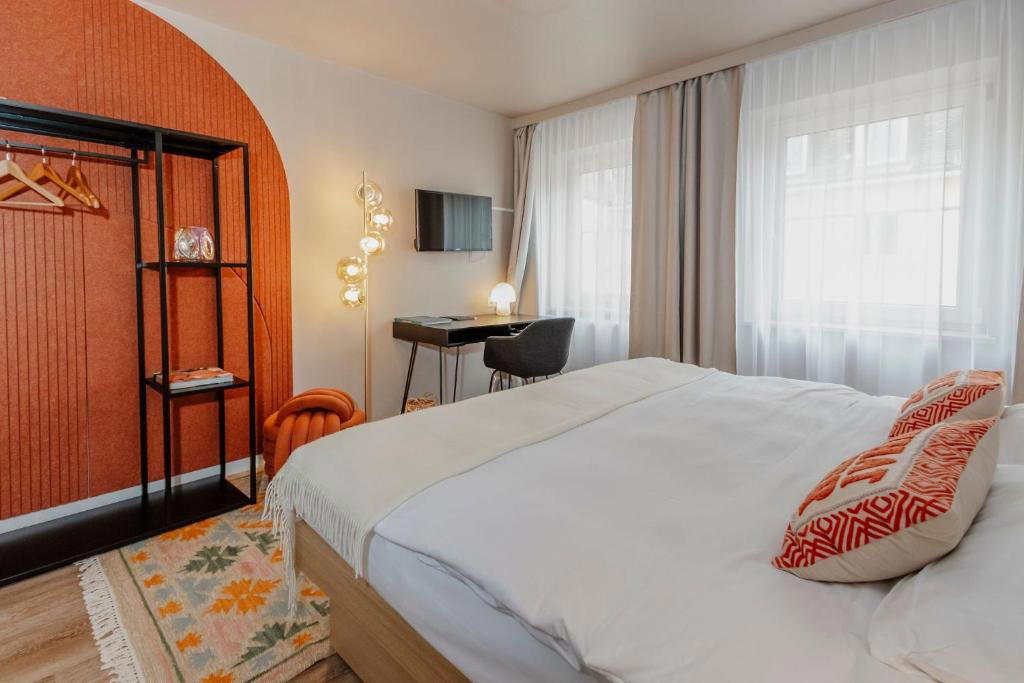
A Central Munich Address, and What That Means in Practice
Ledererstraße 13 is not a peripheral address. The street runs through Munich's Altstadt, the medieval core that Marienplatz anchors to the west and the Isar defines to the east. In a city where location determines whether a guest walks to the Viktualienmarkt in four minutes or takes a taxi, Hotel Lux lands in the tier where most of the city's significant cultural, culinary, and commercial life is reachable on foot. That positioning is its clearest structural advantage, and it shapes how the property competes in Munich's mid-to-upper hotel market.
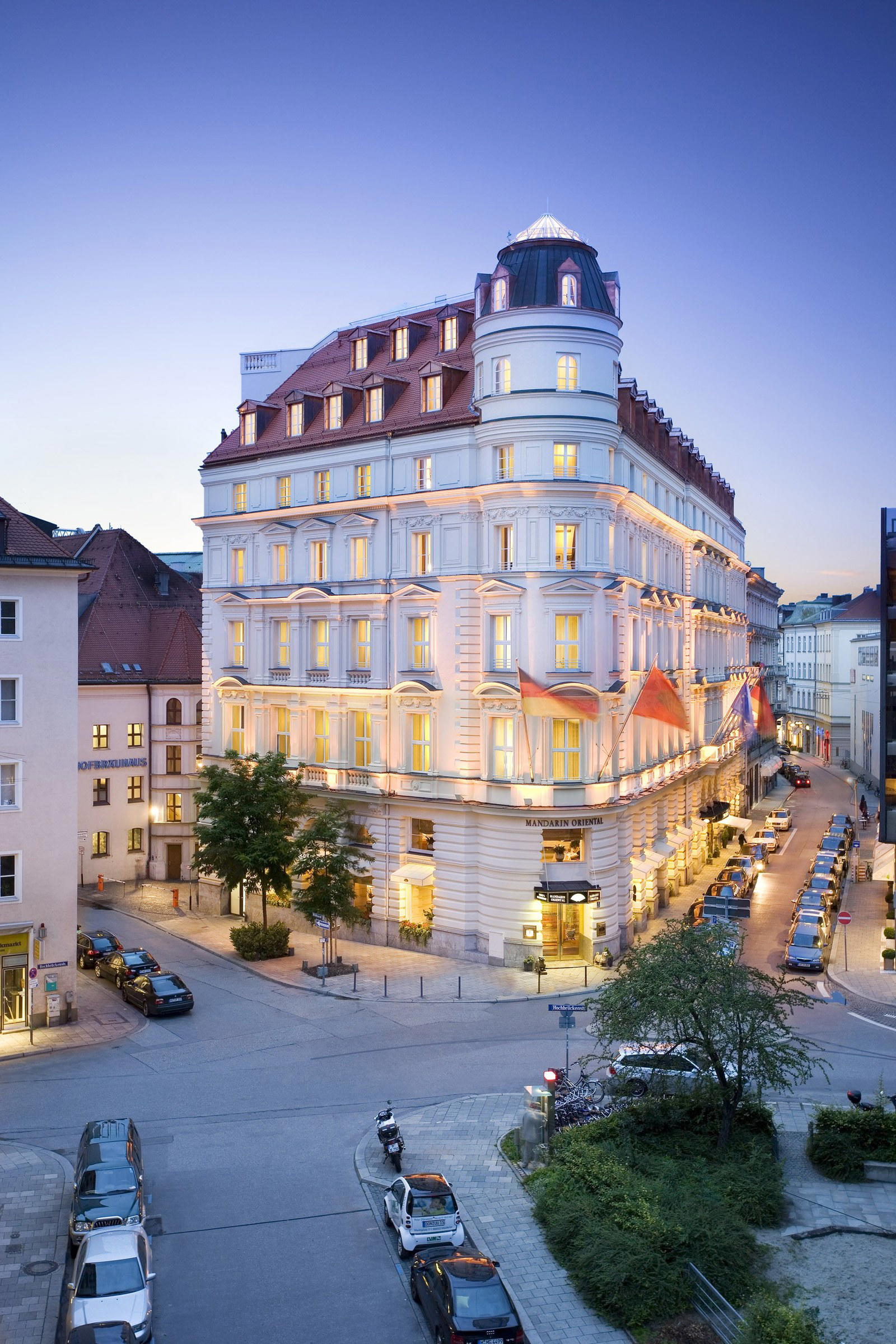
On one side sit the established grand institutions: Bayerischer Hof Munich, with its multi-decade identity as the city's civic hotel, and properties like the Mandarin Oriental Munich, which operates at the summit of the international-brand tier. On the other side, a smaller cohort of independently minded and design-led properties has developed, including Cortiina Hotel and BEYOND by Geisel, which compete on atmosphere and specificity rather than scale. Hotel Lux's Altstadt address places it alongside this second cohort geographically, even if its programmatic identity, dining format, room count, brand affiliation, requires direct verification with the property.
The Altstadt as Dining Context
For a hotel operating under the editorial angle of its dining programme, the surrounding neighbourhood does significant work. The Altstadt-Lehel district around Ledererstraße is not Munich's most concentrated fine-dining zone, that distinction belongs to the area around Maximilianstrasse and, increasingly, the Schwabing quarter north of the English Garden, but it is among the more historically dense for Bavarian food culture. The Viktualienmarkt, Munich's principal open-air market and the source of much of the city's serious cooking, sits within ten minutes' walk. The covered market halls and specialist food vendors there have supplied the city's kitchens for over two centuries.
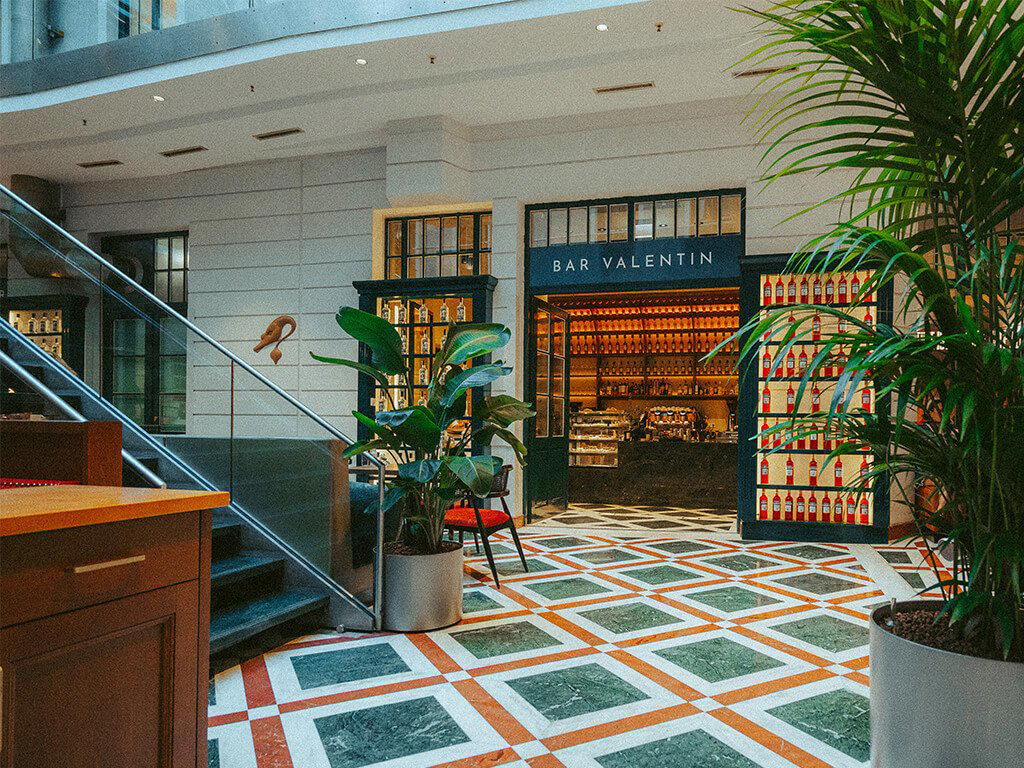
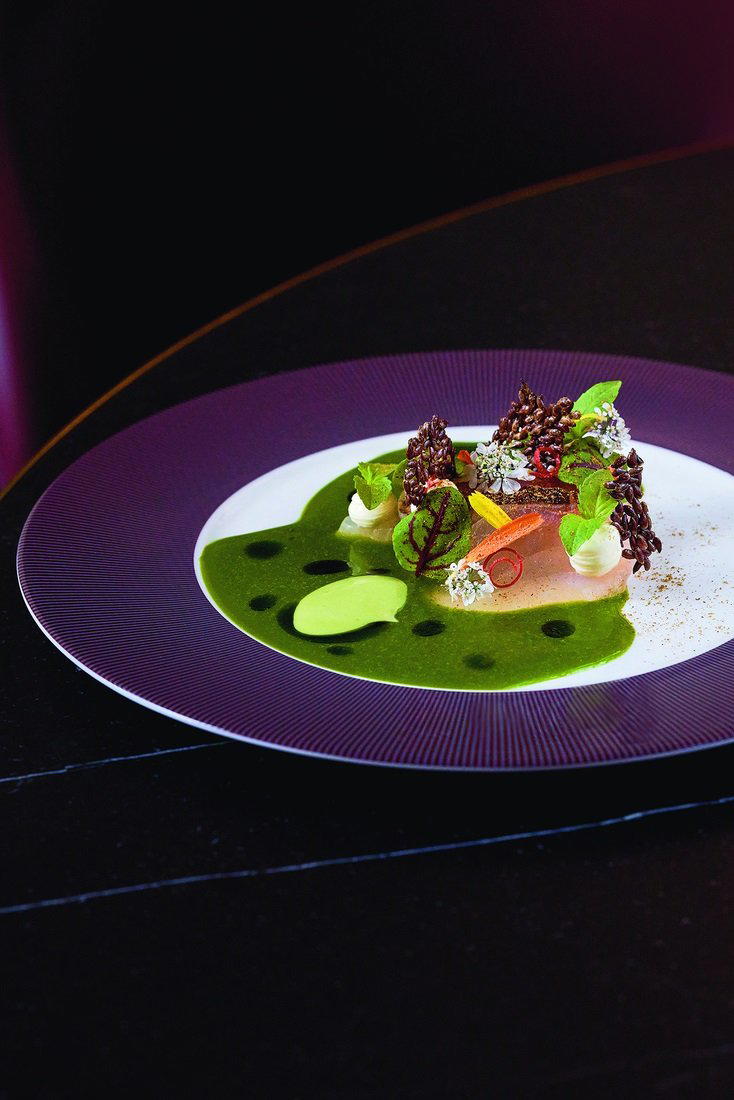
Hotels in this part of Munich face a particular challenge when programming their restaurants: the immediate neighbourhood already offers strong competition at every price point, from the long-standing Weisswurst tradition at traditional breakfast counters to the cellar dining of the Ratskeller beneath the Neues Rathaus. A hotel dining room that engages with Bavarian culinary identity rather than defaulting to international hotel cuisine tends to hold more credibility in this context. Whether Hotel Lux's restaurant takes that approach is something the property's current programming would confirm.
How Hotel Lux Sits Within the Munich Competitive Set
Comparing properties in Munich's upper-mid and luxury tiers reveals a clear split between those with international group backing and those operating independently or within smaller collections. The Rocco Forte Charles Hotel represents the former model, bringing a European-group identity and a specific bar and dining programme tied to that brand. The Rosewood Munich and Andaz Munich Schwabinger Tor occupy the design-led end of the international-brand spectrum, with interiors and programming that foreground Munich's contemporary identity over its postcard version.
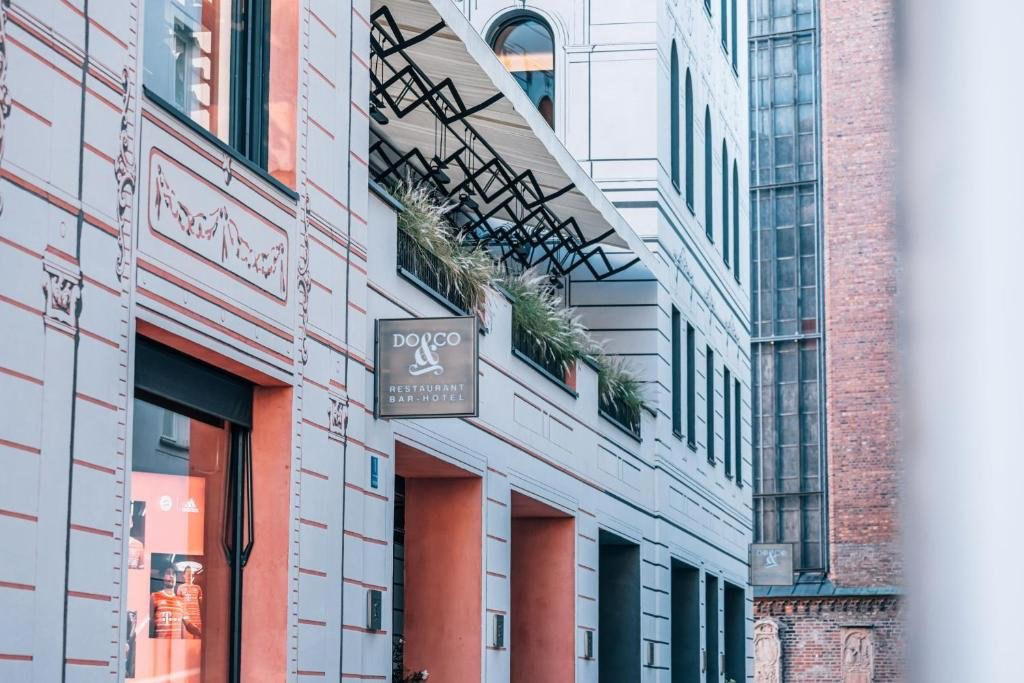
The hotel sits in a different category by default. Independent properties in German cities, a category that includes the Do & Co Hotel Munich in its operational model, tend to have more flexibility in their food and beverage programming, and often develop stronger local identities as a result. The trade-off is typically in scale of amenities and the depth of loyalty programmes. For guests whose primary criterion is location and room quality rather than brand ecosystem, that trade-off generally resolves in favour of independent properties in central positions.
Germany's Broader Hotel Tier for Reference
Munich is the entry point for a wider Bavaria that contains some of Germany's most considered hotel properties. Guests extending travel beyond the city might consider Althoff Seehotel Überfahrt in Rottach-Egern, which operates on the Tegernsee with a Michelin-recognised dining room, or Schloss Elmau Luxury Spa Retreat & Cultural Hideaway in Elmau, the Alpine retreat that has hosted G7 summits and maintains multiple dining formats across its estate. Hotel Bareiss in Baiersbronn, in the Black Forest, holds a different position, a family-run property with three Michelin stars in its main restaurant, representing the German model of long-tenure independent hotel dining at its most developed.
Elsewhere in Germany, Fairmont Hotel Vier Jahreszeiten in Hamburg, Excelsior Hotel Ernst in Cologne, and Breidenbacher Hof Düsseldorf represent the grand-hotel tradition in their respective cities, each with dining identities that have evolved considerably since their founding eras. Hotel de Rome in Berlin and Bülow Palais in Dresden offer comparison points in cities with distinct hospitality characters. For those whose travel extends to spa-focused retreats, Das Kranzbach Hotel & Wellness Retreat in Kranzbach and Gut Steinbach Hotel Chalets Spa in Reit im Winkl are both within the Bavarian orbit. Der Öschberghof in Donaueschingen, BUDERSAND Hotel in Hörnum, and Esplanade Saarbrücken round out the regional German map for travellers building multi-city itineraries. Beyond Germany, guests comparing Munich to other European city-centre propositions might reference Aman Venice for the ultra-luxury end, or Aman New York and The Fifth Avenue Hotel in New York City for the North American comparison set.
Planning a Stay
The hotel's address at Ledererstraße 13 places it within the postal zone 80331, Munich's central Altstadt district.
Cost and Credentials
Comparable venues nearby, for context on price, style, and recognition.
| Venue | Cuisine | Price | Awards | Notes |
|---|---|---|---|---|
| Hotel LuxThis venue — the venue you are viewing | Not listed | $$ | 3-Star | Not listed |
| Schwabinger Wahrheit by Geisel | Schwabing, hybrid concept hotel | $$$ | 3-Star | Not listed |
| Design-Hotel JAMS | Not listed | $$$ | 4-Star | Au, Award-winning design-driven boutique hotel with retro aesthetics and music-inspired vibe. |
| AMERON München Motorworld | Not listed | $$$ | 4-Star | Freimann, Contemporary automotive-themed boutique hotel housed within a repurposed historic industrial complex, designed for informed travelers with automotive passion. |
| Schwan Locke, Munich | Not listed | $$ | 4-Star | Theresienwiese, Contemporary aparthotel blending German modernism with functional design; residential-style studios and suites with shared living areas and self-sufficient amenities. |
| Eurostars Grand Central | Not listed | $$$ | 4-Star | Neuhausen, contemporary design hotel with innovative architecture |
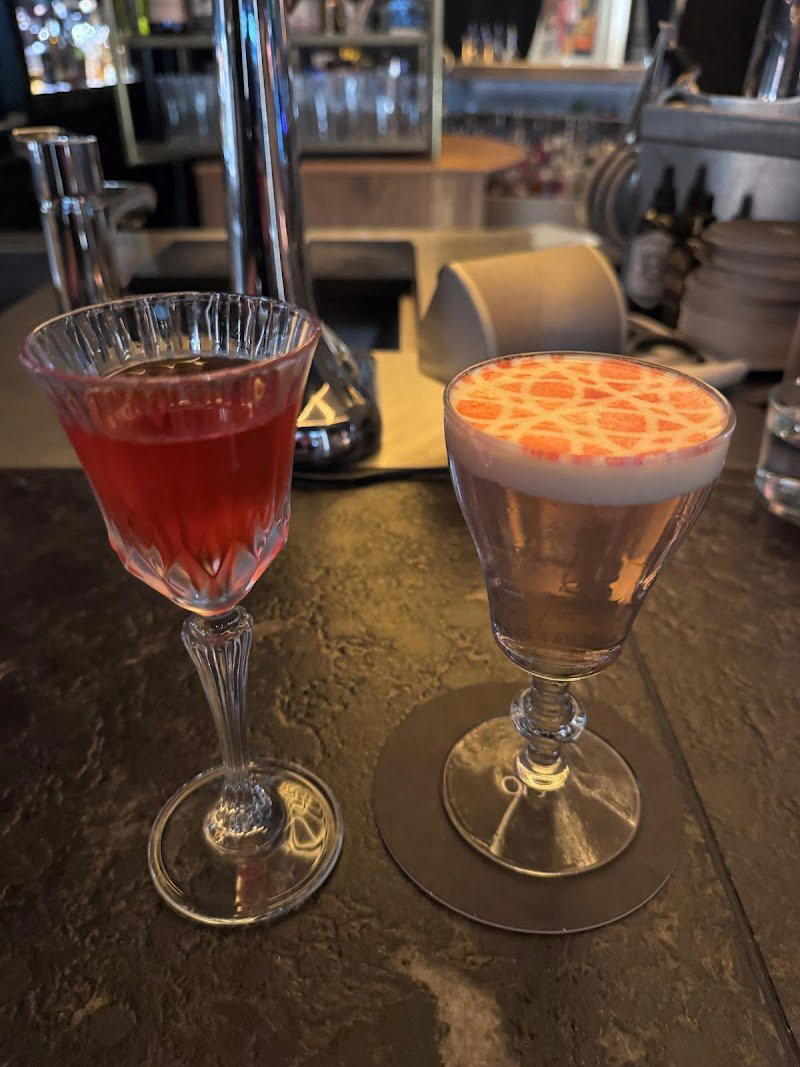
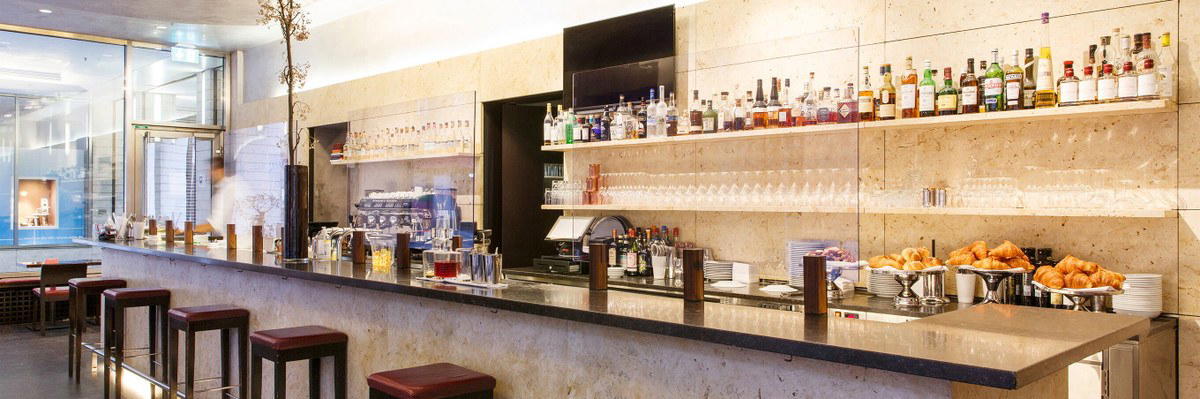
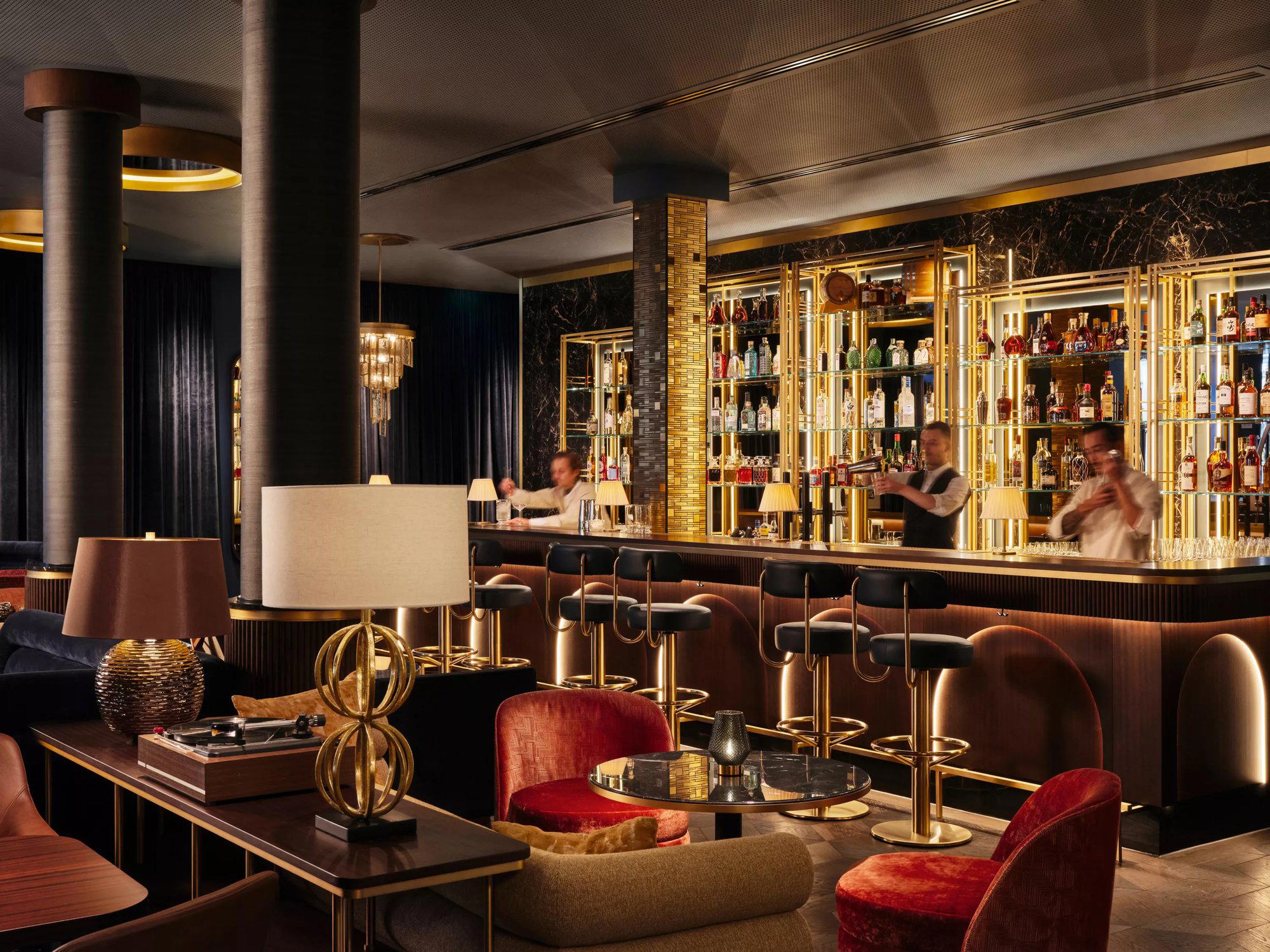
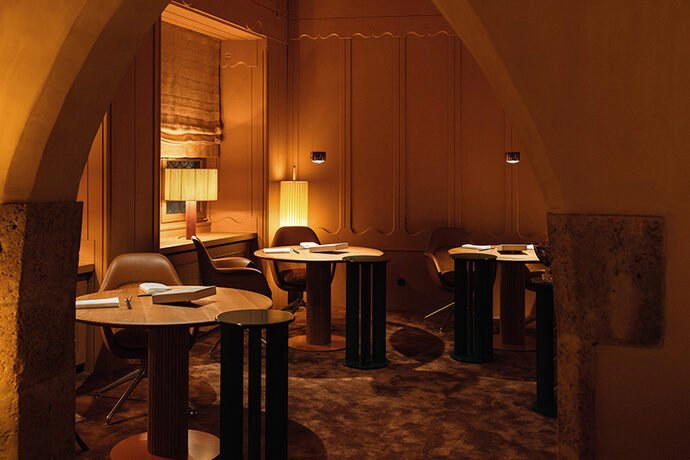
At a Glance
- Modern
- Cozy
- Elegant
- Weekend Escape
- Business Trip
- Historic Building
- Wi Fi
- Room Service
- Concierge
- Restaurant
- Bar
- Street Scene
- Wi Fi
- Room Service
- Concierge
- Restaurant
- Bar
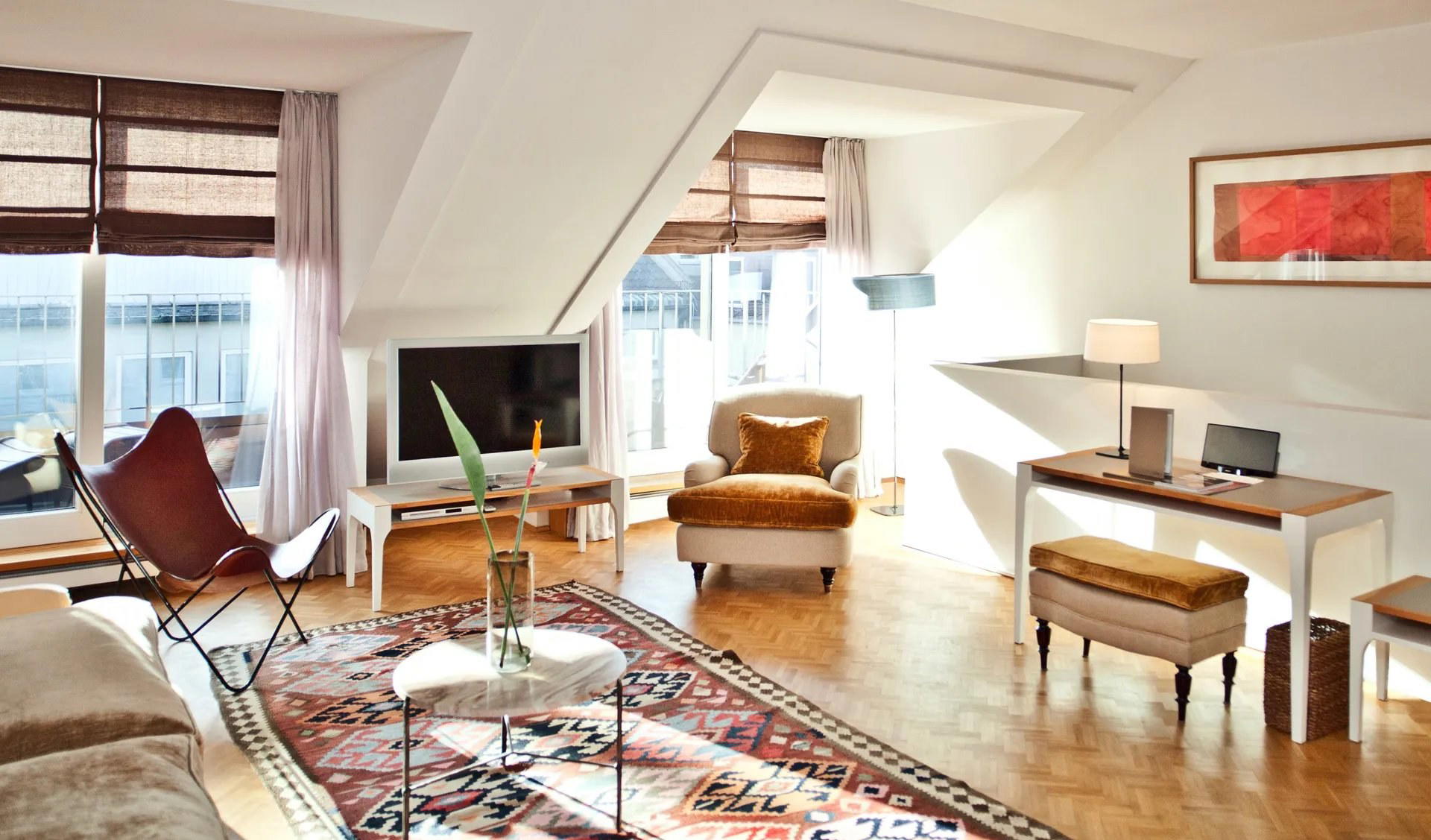
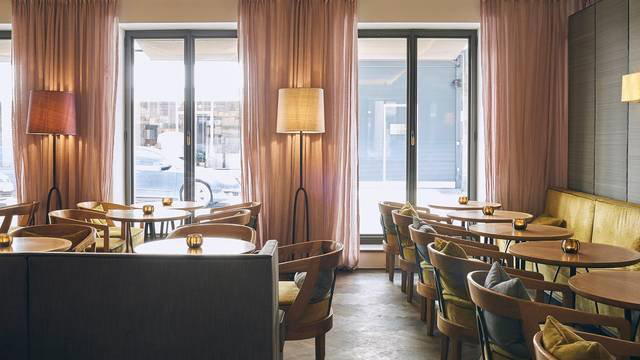
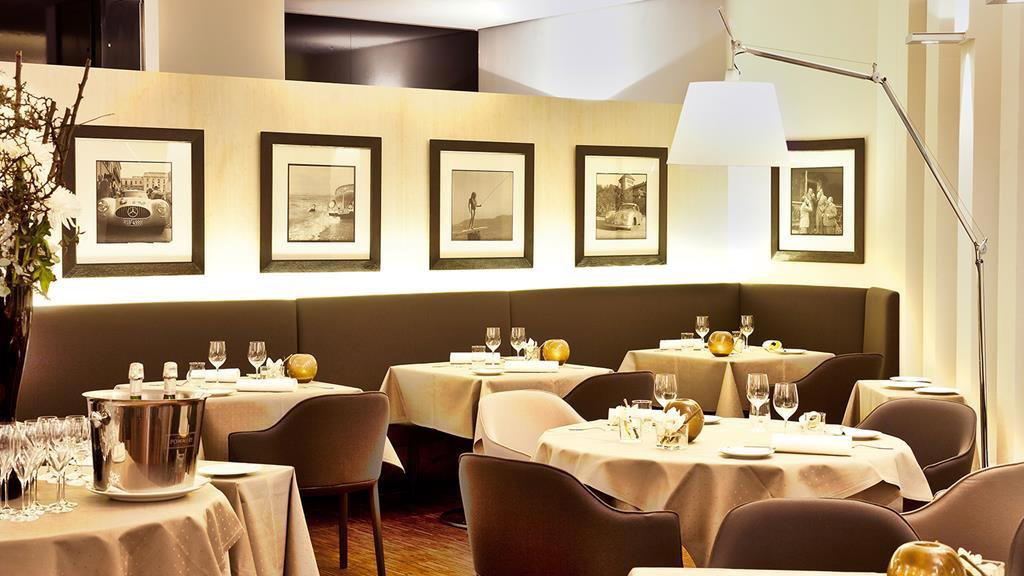
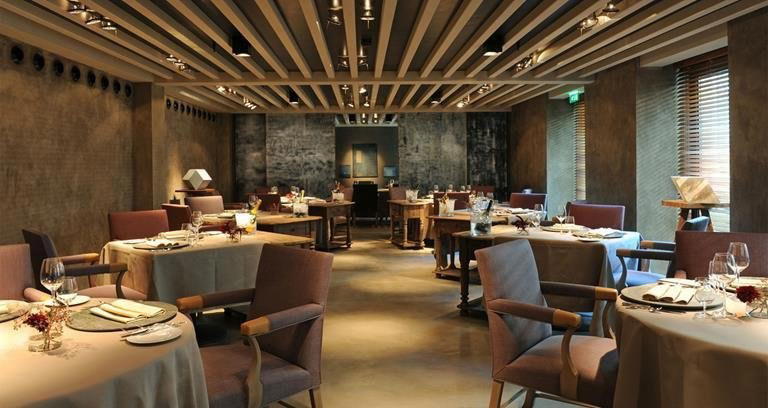
Modern and cozy rooms with vintage chic decor, warm atmosphere in a small family-run property.