Hotel Distrito Capital
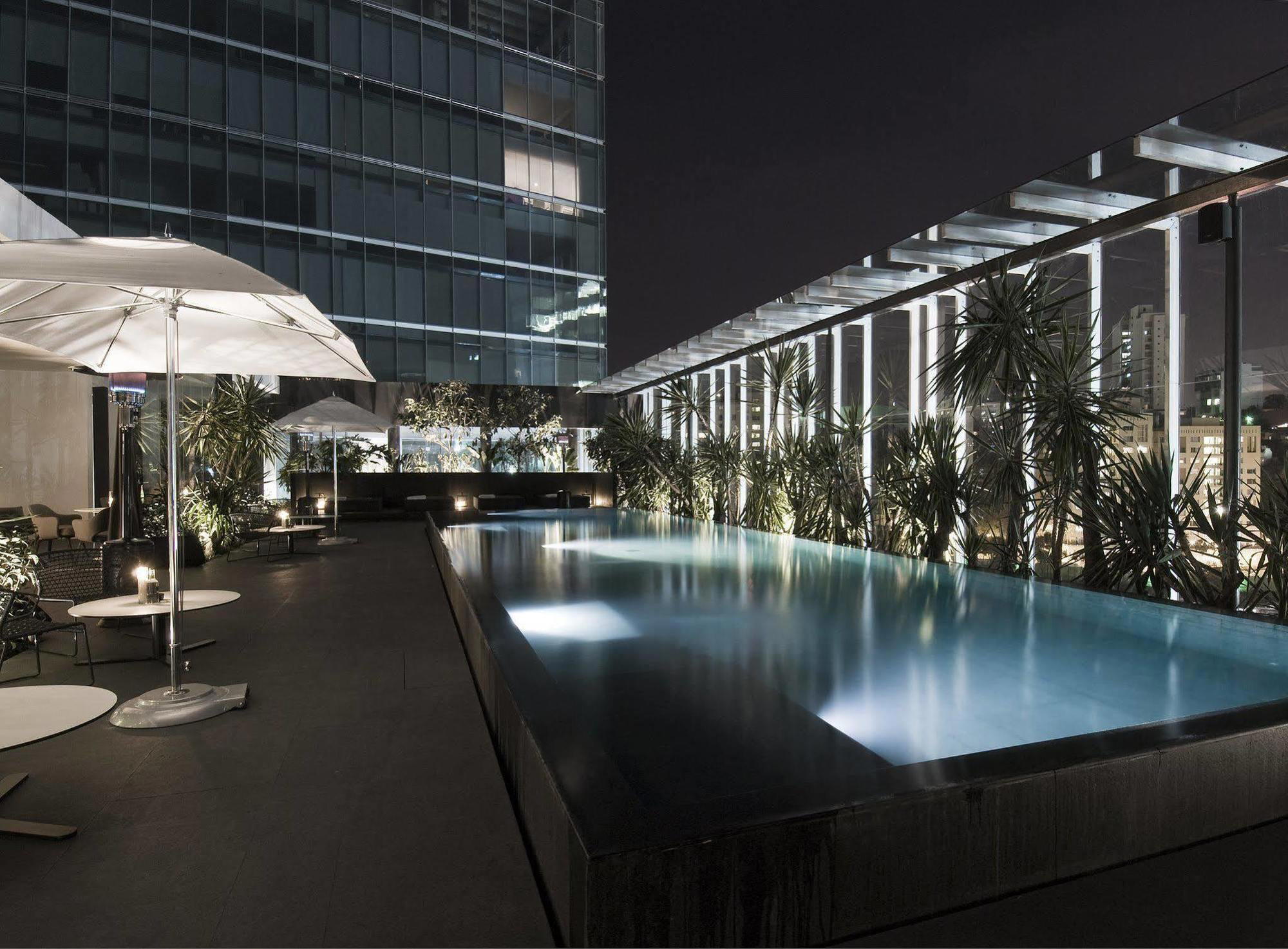
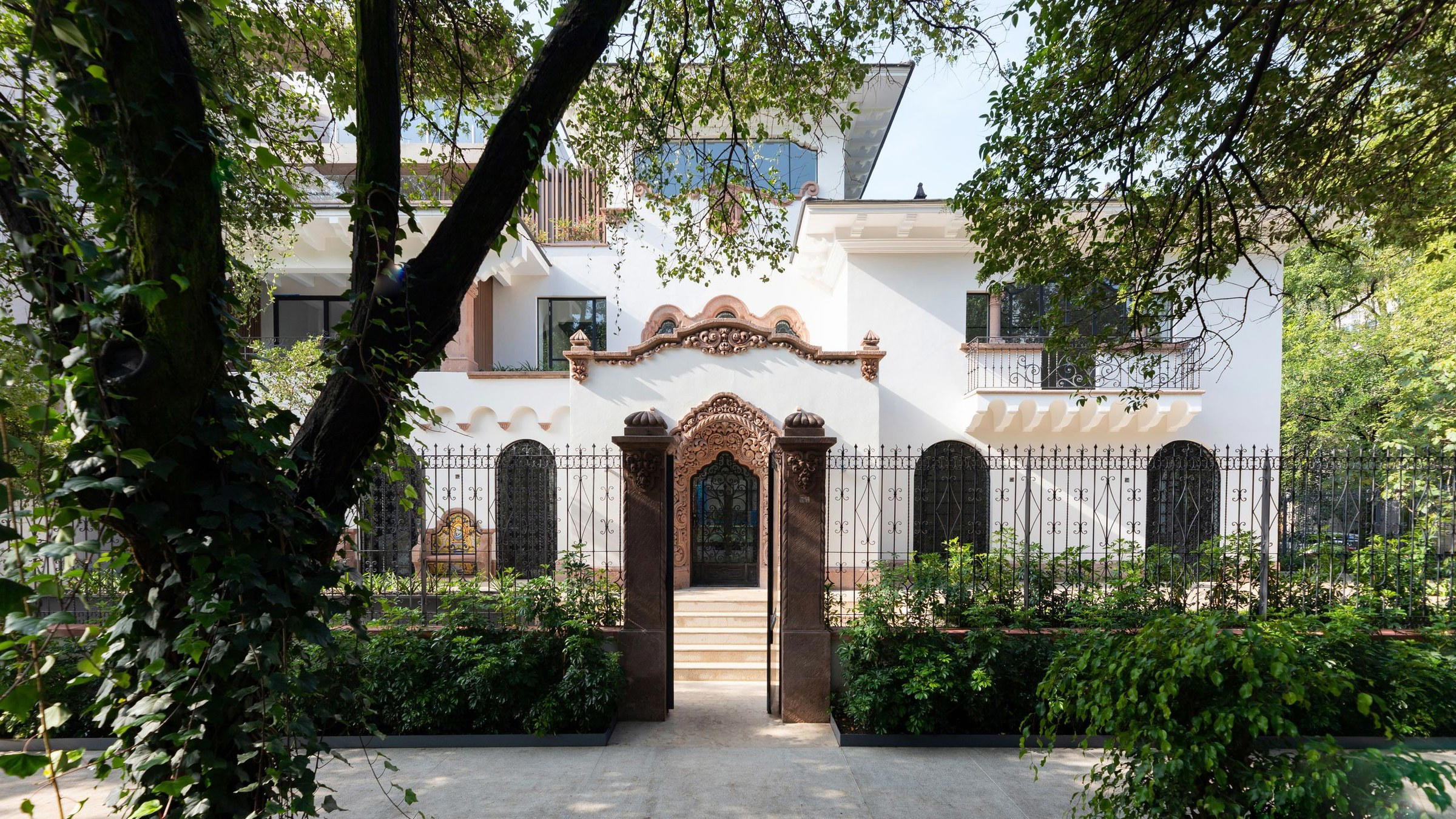
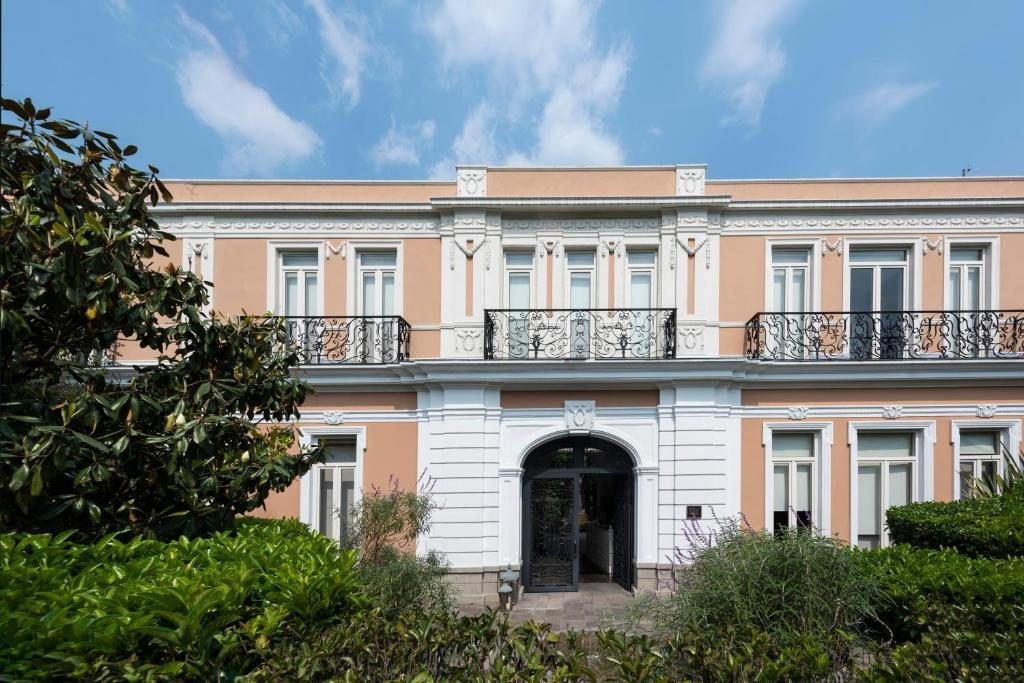
Hotel Distrito Capital sits in Contadero, Cuajimalpa de Morelos, on the western edge of Mexico City where the urban fabric gives way to the pine-forested slopes of the Desierto de los Leones. The property occupies a distinct position in the city's accommodation map, removed from the central Polanco-Roma-Condesa triangle and oriented instead toward travelers who want proximity to Santa Fe's corporate corridor alongside access to quieter, greener terrain.
- Address
- Juan Salvador Agraz 37, Contadero, Cuajimalpa de Morelos, 05300 Ciudad de México, CDMX, Mexico
- Phone
- +52 55 5257 1300
- Website
- hoteldistritocapital.com
- Directions
- Get directions
West of the Centro: What Cuajimalpa Signals About Mexico City Lodging
Mexico City's hotel geography has long been defined by a familiar axis: Polanco for corporate luxury, Roma and Condesa for design-led boutique options, and the historic centre for proximity to monuments. Cuajimalpa de Morelos, the borough that climbs into the pine-forested hills west of the city, sits well outside that conventional map. Hotel Distrito Capital, addressed on Juan Salvador Agraz 37 in the Contadero neighbourhood, occupies this outlying position deliberately. The air is cooler up here, the tree cover denser, and the distance from central traffic measurable in both kilometres and decibels. For a certain traveller — one whose itinerary centres on Santa Fe's financial district or whose preference runs toward greener, quieter surroundings rather than the sensory density of Colonia Polanco — that position is not a compromise. It is the point.
That geography also frames the environmental conversation that runs through any honest assessment of responsible lodging in Mexico City. Urban hotels in dense boroughs inherit a baseline carbon load from the infrastructure around them. A property set against the Bosque de las Lomas and the protected woodlands of Contadero starts from a different premise, one where relationship to the surrounding ecosystem is inherent rather than retrofitted. Whether Hotel Distrito Capital converts that premise into active sustainability commitments is information the venue's public record does not yet confirm in granular detail, but the locational logic is worth stating clearly.
The Contadero Position in Context
Within Mexico City's broader accommodation market, properties at the western edge occupy a niche that sits apart from the Polanco-Reforma corridor dominated by brands like Four Seasons, The St. Regis, and The Ritz-Carlton. Those addresses trade on centrality, brand recognition, and proximity to Bosque de Chapultepec. Cuajimalpa properties, by contrast, appeal to travellers who are either working in Santa Fe, Mexico City's principal corporate and financial campus, roughly five to ten minutes by car from Contadero, or seeking a deliberate buffer from the city's density. Properties in this micro-market often carry a lower-key profile than their Paseo de la Reforma counterparts, which tends to attract guests for whom discretion and environmental setting outweigh brand-name visibility.
Across Mexico more broadly, the luxury segment has seen growing demand for properties that can articulate a relationship with local ecology. Coastal examples include Hotel Esencia in Tulum, Maroma in Riviera Maya, and Chablé Yucatán in Merida, each of which has made ecological positioning central to its identity. Inland and urban properties face a harder version of this challenge, proximity to a metropolis of twenty-plus million people limits how far any single hotel can push sustainability credentials. The ones that make the strongest case tend to focus on sourcing, waste reduction, and energy management rather than on landscape alone.
What Responsible Luxury Looks Like at City Altitude
In the Mexico City market, sustainability discourse among premium hotels has concentrated on several measurable areas: local food sourcing within hotel restaurants, water recycling systems (a pointed issue in a city that has experienced chronic aquifer depletion), energy sourcing, and engagement with surrounding communities. The city sits atop a drained lake basin, and water stewardship carries particular weight here beyond standard green-certification language. Properties that treat it seriously invest in recirculation systems and greywater reuse rather than treating it as a checkbox.
Community impact is the other dimension that separates rhetorical sustainability from practised sustainability. Cuajimalpa is not a tourist borough, and a hotel that operates in genuine relationship with its local area, sourcing from nearby markets, employing from within the borough, supporting local cultural initiatives, contributes differently to the neighbourhood than one that functions as a sealed enclave. That distinction matters to a growing segment of premium travellers, particularly those who make Mexico City a secondary base rather than a once-in-a-decade destination.
For detailed comparative context on hotels that have built verifiable sustainability frameworks in Mexico, the coastal properties offer useful benchmarks: Xinalani in Quimixto operates in a remote off-grid context, One&Only Mandarina in Riviera Nayarit leans on biosphere adjacency, and Las Alamandas in Costalegre has long traded on ecological intimacy. Urban comparisons require a different lens, but the underlying questions are the same.
Mexico City's Boutique and Independent Hotel Tier
The independent and semi-independent hotel tier in Mexico City has expanded substantially over the past decade, with the strongest concentration in Roma Norte, Condesa, and Polanco. Properties like Casa Polanco, Casona Roma Norte, Brick Hotel, Alexander, Campos Polanco, Casa Nuevo León Hotel, CASA TEO, Casapani, and others have built their identities around neighbourhood immersion, the ability to walk to markets, mezcalerías, and taquizas that define daily life in those colonias. Hotel Distrito Capital operates at a remove from that walkable urban fabric, which is a real trade-off for travellers whose primary interest is the city's food and cultural programming. What it offers in return is a different relationship to the capital: quieter, more residential in character, with quick access to Bosque de Lomas and the motorway network that connects to Toluca and the west.
Travellers who base themselves here and want to engage with the central city's dining and cultural scene should expect to rely on car or ride-share. The upside is that Santa Fe's own restaurant and entertainment offer has grown considerably, and the commute into Polanco or Roma, while traffic-dependent, is manageable outside peak hours. Our full Mexico City restaurants guide covers the broader dining picture across boroughs.
Planning Your Stay
Prospective guests should approach Hotel Distrito Capital with the Santa Fe business corridor or a preference for western Mexico City as the primary use case. Those comparing this property against centrally located options should weigh the trade-off between environmental setting and proximity to central neighbourhoods consciously rather than treating location as a neutral variable. For comparable Mexico properties in resort contexts, Four Seasons Resort Punta Mita, Zadun, A Ritz-Carlton Reserve in Los Cabos, Montage Los Cabos, Las Ventanas al Paraíso, A Rosewood Resort in San José del Cabo, Etéreo, Auberge Resorts Collection in Punta Maroma, and Casa de Sierra Nevada, A Belmond Hotel, San Miguel de Allende offer benchmarks for what premium Mexican hospitality looks like with full verified data. Internationally, Aman New York, The Fifth Avenue Hotel in New York City, Aman Venice, and Casa Silencio in San Pablo Villa de Mitla illustrate the range of design-led independents operating at the premium end of the market.
Price and Recognition
| Venue | Price |
|---|---|
| Hotel Distrito CapitalThis venue — the venue you are viewing | This venue |
Continue exploring
More in Mexico City
Hotels in Mexico City
Browse all →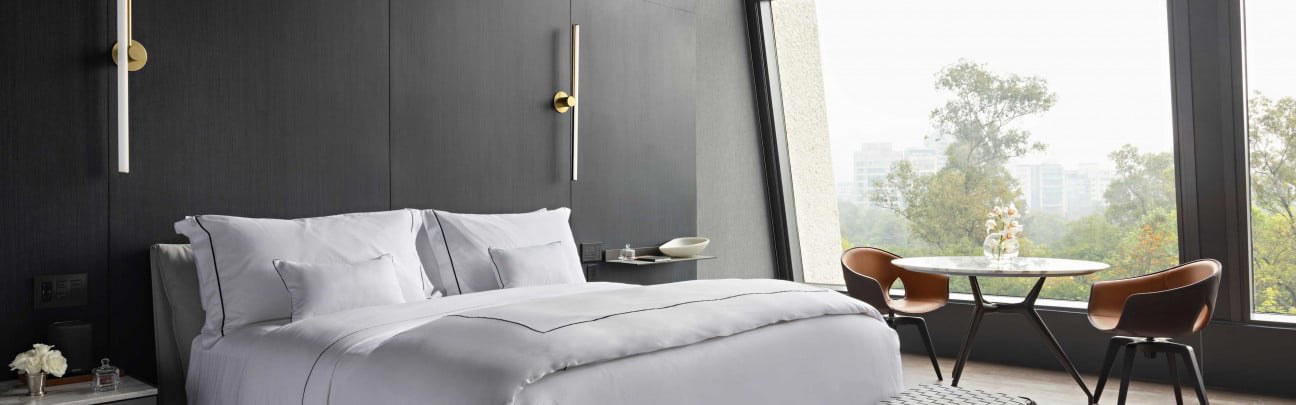

Bars in Mexico City
Browse all →

At a Glance
- Modern
- Sophisticated
- Minimalist
- Business Trip
- Weekend Escape
- Rooftop Pool
- Panoramic View
- Wi Fi
- Pool
- Fitness Center
- Room Service
- Concierge
- Restaurant
- Bar
- Valet Parking
- Skyline
- Wi Fi
- Pool
- Fitness Center
- Room Service
- Concierge
- Restaurant
- Bar
- Valet Parking
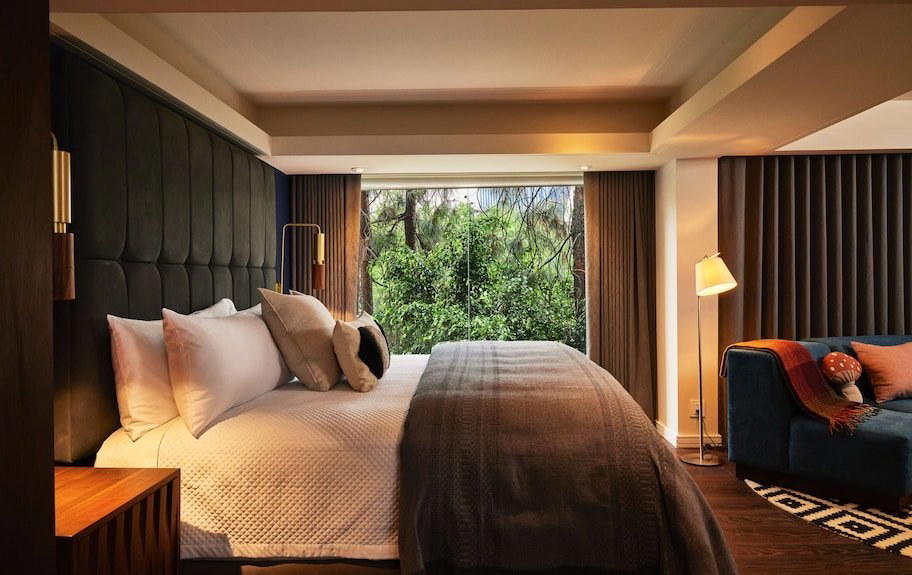
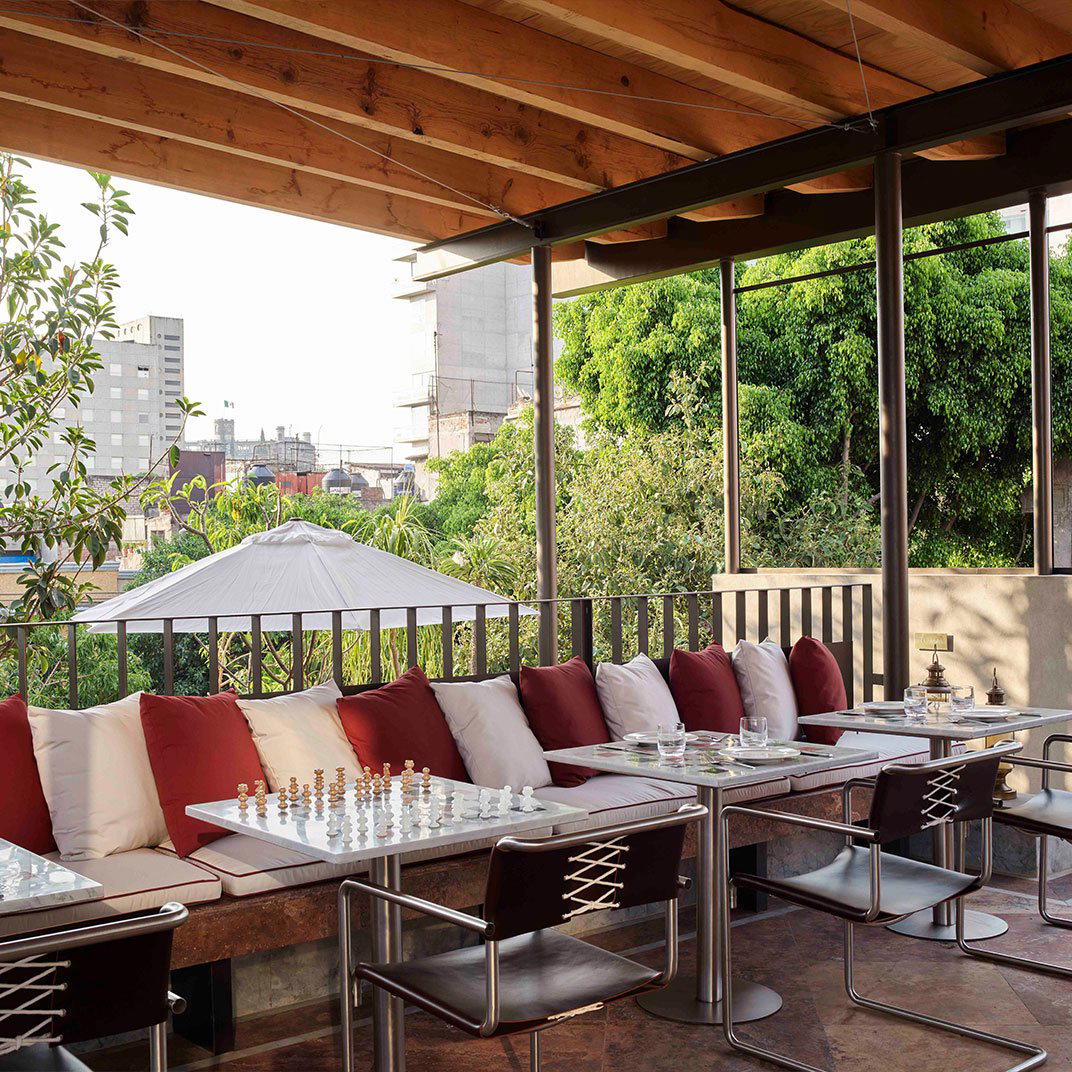
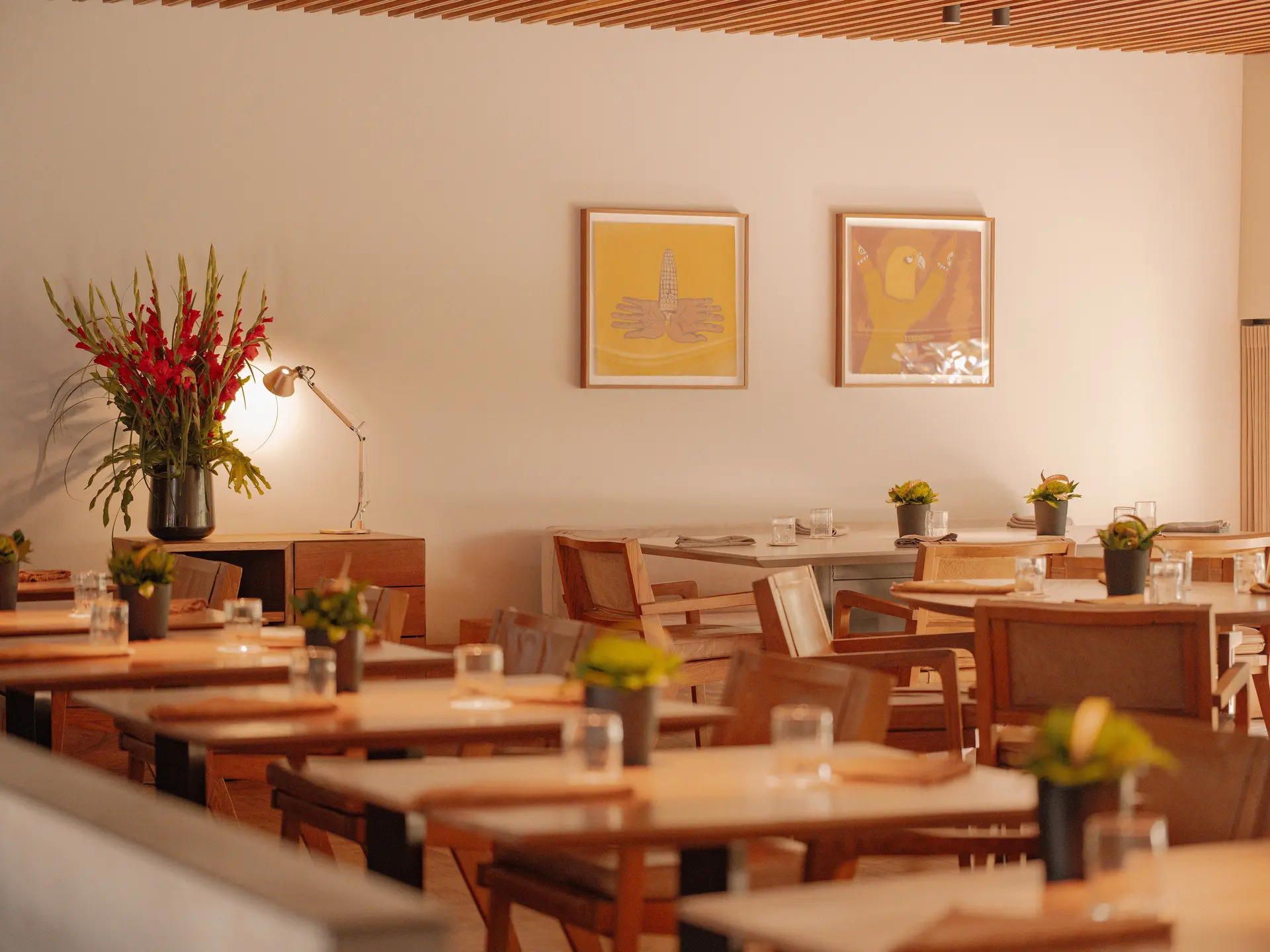
Minimalist glamour with fine finishes, tall ceilings, large windows, white walls, and dramatic skyline views.
Know Before You Go
- Getting there
- Juan Salvador Agraz 37, Contadero, Cuajimalpa de Morelos, 05300 Ciudad de México, CDMX, Mexico