19 Duke Street
A Duke Street address in Liverpool's Georgian Quarter puts 19 Duke Street at the intersection of the city's independent hospitality scene and its Victorian commercial heritage. The property occupies a position in a neighbourhood where boutique stays have gradually displaced older stock, making it a reference point for travellers weighing character against the city's larger hotel options. Verify current availability directly before planning.

Pearl is the En Primeur Club membership app, where members save venues, book tables and use the concierge.
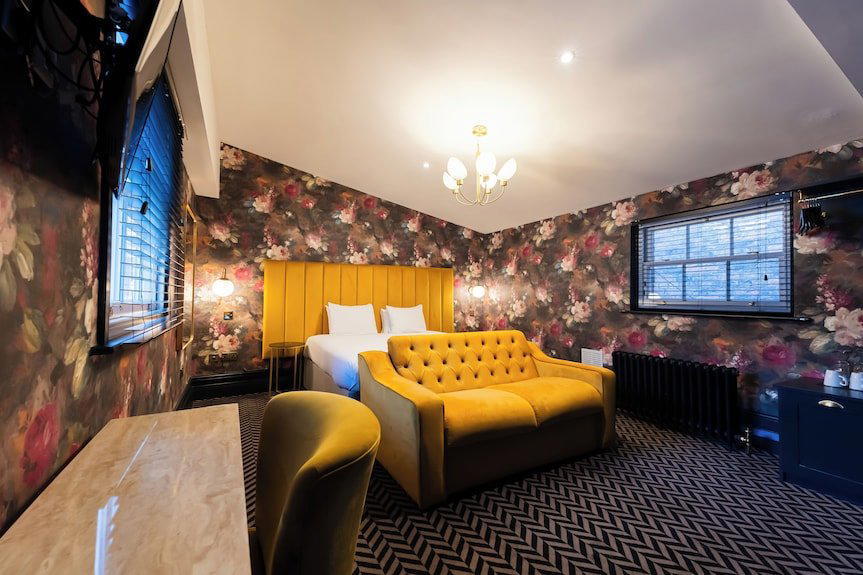
Duke Street and the Georgian Quarter: Where Liverpool's Independent Scene Concentrates
Liverpool's most coherent hospitality geography sits south of the city centre, where Duke Street and the surrounding Georgian Quarter have accumulated a density of independent bars, restaurants, and accommodation that separates this pocket from the chain-heavy waterfront. The address at 17-19 Duke Street places 19 Duke Street squarely in that corridor, a stretch of L1 postcodes where the built fabric runs to late-Georgian and early-Victorian brick and the operators tend to be locally owned rather than franchise-managed. That context matters when weighing Liverpool's hotel options: the city has developed two quite different tiers, a waterfront and city-centre band of larger branded properties, and a smaller Georgian Quarter cohort where scale is limited and neighbourhood character does most of the differentiating work.
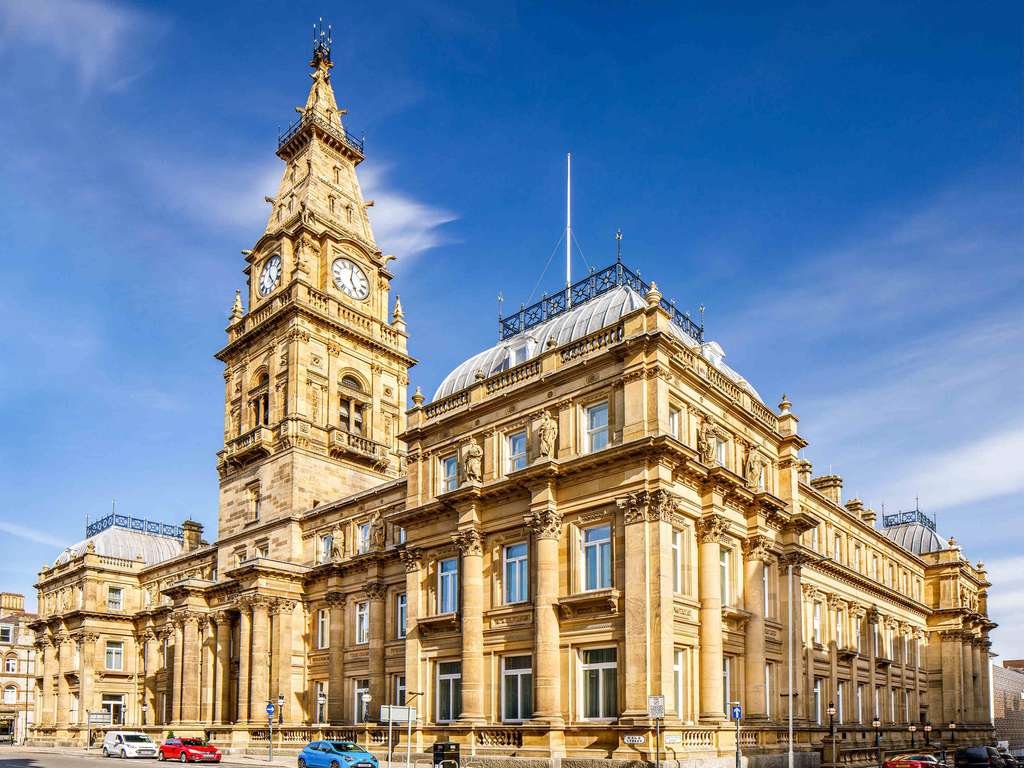
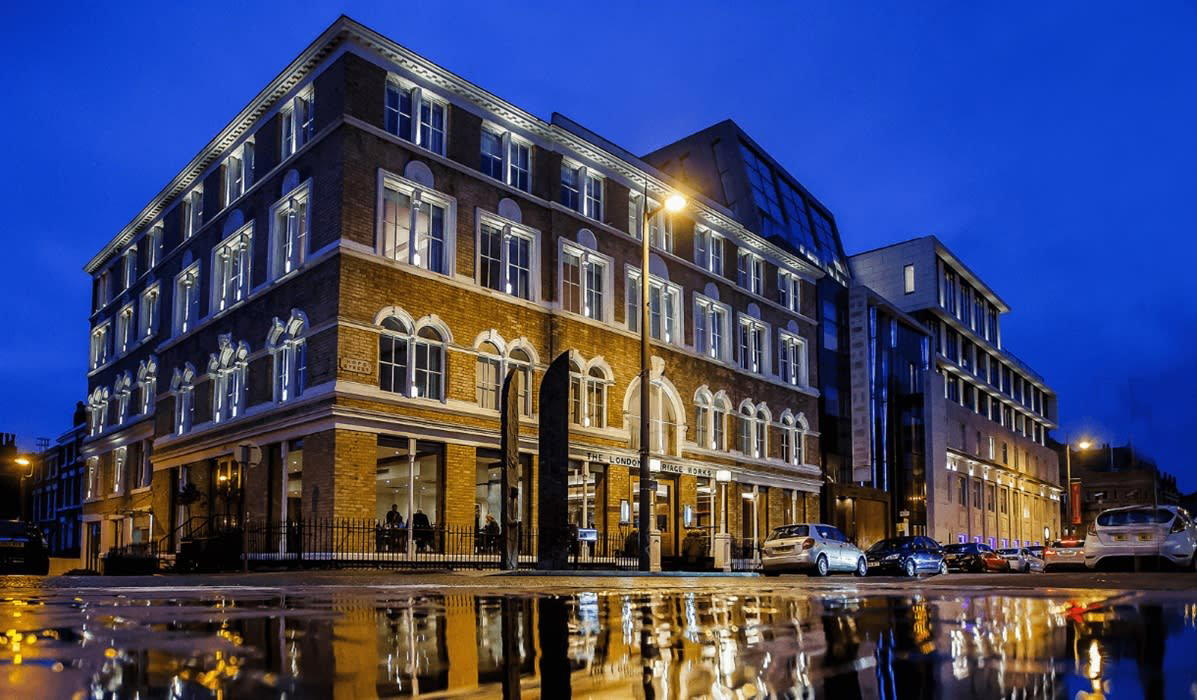
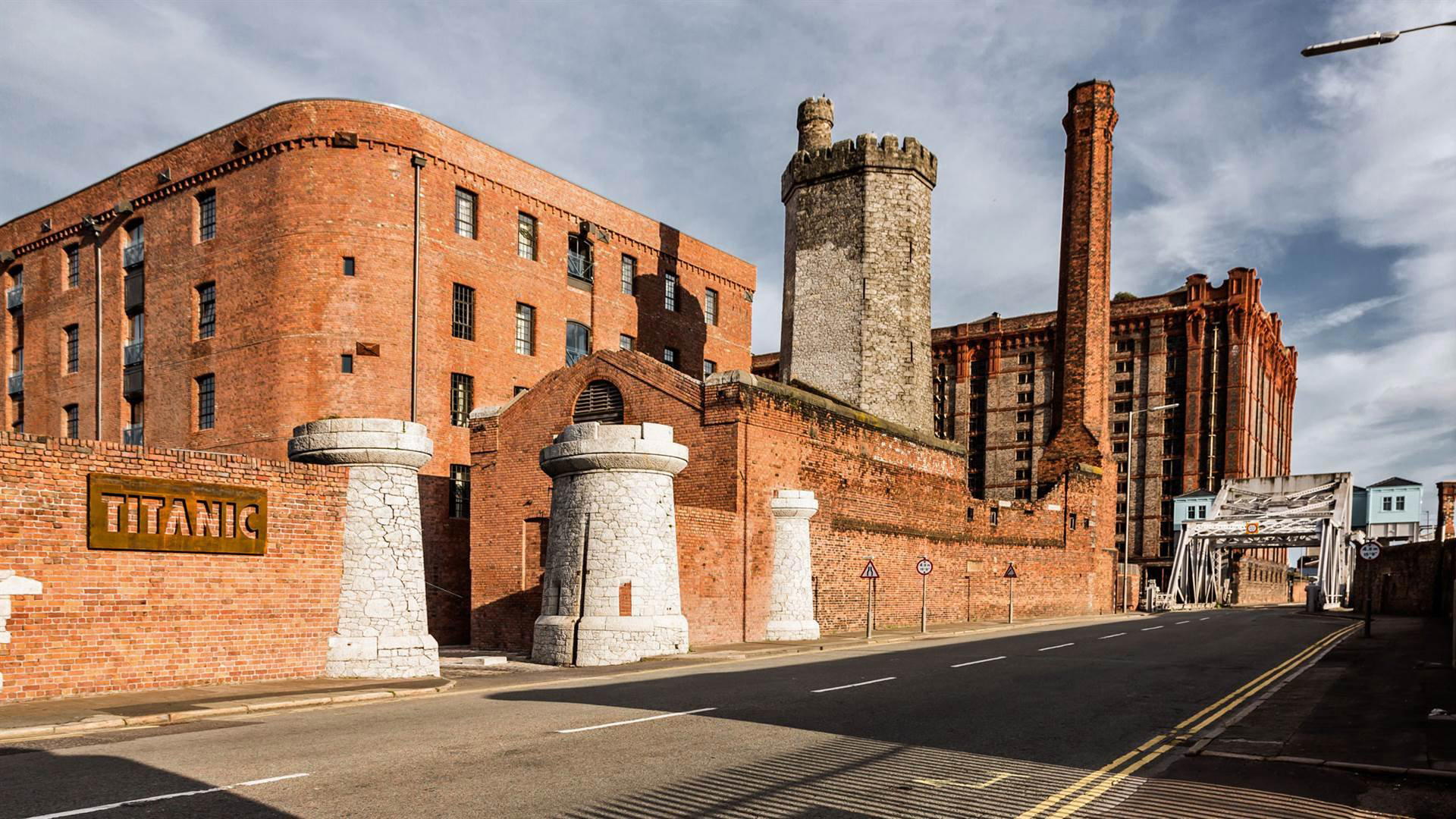
For comparison, Hope Street Hotel operates a few streets away and represents one approach to Georgian Quarter hospitality, converting a former carriage works into a design-conscious stay with a focused food and drinks programme. The Municipal Hotel & Spa – MGallery Liverpool takes a different route, occupying a civic building near Lime Street and aligning with an international brand. Titanic Hotel Liverpool – Stanley Dock anchors the northern docks, a significant distance from Duke Street and operating on a much larger scale. 19 Duke Street reads differently from all three: the address signals neighbourhood proximity over landmark positioning, which tends to suit travellers using the property as a base rather than a destination in itself.
The Neighbourhood as the Programme
When venue data is sparse, the neighbourhood tends to do the editorial work that a detailed dining programme would otherwise carry. Duke Street and the Georgian Quarter have developed a food and drink culture that tracks closely with what has happened in comparable British city districts: independent operators have moved into the area as rents remained below city-centre averages, and the resulting mix skews towards wine bars, natural wine lists, and chef-led neighbourhood restaurants rather than large-format hotel dining. That pattern is visible in cities like Manchester, where King Street Townhouse Hotel sits within walking distance of a similarly concentrated independent scene, and in Bristol, where Avon Gorge by Hotel du Vin benefits from a neighbourhood that operates independently of the hotel itself.
The implication for a stay at 19 Duke Street is that the dining programme, to whatever extent one exists, is likely supplemented or replaced by what the immediate streets offer. Liverpool's Georgian Quarter has enough critical mass in its food and drink scene that a hotel without an elaborate in-house restaurant is not at a structural disadvantage, provided the location is walkable and the neighbourhood is accessible on foot in the evening. Duke Street satisfies both conditions.
Liverpool's Hotel Tier and Where This Address Sits
British boutique hospitality has split into two recognisable sub-categories over the past decade. One group operates on design credentials and food programme quality, with properties like Lime Wood in Lyndhurst, Estelle Manor in North Leigh, and The Newt in Somerset investing heavily in chef-led restaurants that become destinations independent of the accommodation. The other group operates on location and character, letting the city or neighbourhood carry the experiential weight. In Liverpool, the Georgian Quarter properties tend toward the second model: the draw is the address, the walkability, and the building itself, not a kitchen competing with Michelin-tracked restaurants.
That does not make the second model weaker. For city stays focused on cultural programming, Liverpool has a strong case to make. The city's music heritage, the arts institutions around Hope Street, and the Victorian commercial architecture of the Baltic Triangle are all accessible from a Duke Street base without requiring a taxi. Travellers who have weighed similar trade-offs at Glasgow Grosvenor Hotel or Malmaison Edinburgh will recognise the logic: a smaller city-centre property earns its position through proximity and character, not through amenity volume.
Planning a Stay: What to Verify Before Booking
That limits what can be stated with confidence about booking windows, room categories, or in-house food and drink availability. The practical approach is to search directly using the address at 17-19 Duke St, Liverpool L1 5AP, or to check availability through the city's hotel booking channels before committing. For a reference point on what the Georgian Quarter typically demands, Hope Street Hotel sits in the mid-to-upper tier of Liverpool's independent accommodation market and prices accordingly, which gives a rough ceiling for the neighbourhood.
Travellers planning a Liverpool trip alongside visits to other British cities should note that the Georgian Quarter's walkability is one of its operational advantages: the main cultural institutions, the waterfront, and the independent dining concentration on Bold Street and Lark Lane are all reachable without significant transit. That compresses the logistics of a short stay considerably, which is a meaningful practical point for anyone arriving by train at Lime Street.
Context Beyond Liverpool
For readers using EP Club to plan a broader British itinerary, Liverpool sits naturally alongside Manchester and the northern English cities as a two-to-three night cultural stop rather than a resort destination. Properties like Burts Hotel in Melrose, Langass Lodge, or Dun Aluinn in Aberfeldy represent a different category entirely, where the property itself is the reason to be in that location. Liverpool's Georgian Quarter works the opposite way: the city is the reason, and the accommodation is the infrastructure. The full Liverpool restaurants and hotels guide covers the broader scene with more comparative depth for those building an itinerary from scratch.
For international reference, the gap between a city neighbourhood boutique like 19 Duke Street and the kind of full-programme hotel represented by Claridge's in London, Aman New York, or Aman Venice is categorical, not just a matter of price. The latter group compete on culinary programming, spa facilities, and branded service standards; the former compete on address and neighbourhood character. Both are legitimate choices once the traveller's priorities are clear.
Cost and Credentials
| Venue | Price | Awards |
|---|---|---|
| 19 Duke StreetThis venue (the venue you are viewing) | $100–200 | Not listed |
| The Municipal Hotel & Spa – MGallery Liverpool | Not listed | World Luxury Hotel Awards WLHA Continent Winner |
| Hope Street Hotel | $100–200 | Michelin Selected |
| Titanic Hotel Liverpool – Stanley Dock | $200–300 | Michelin Selected |
Continue exploring
More in Liverpool
Hotels in Liverpool
All hotels in Liverpool →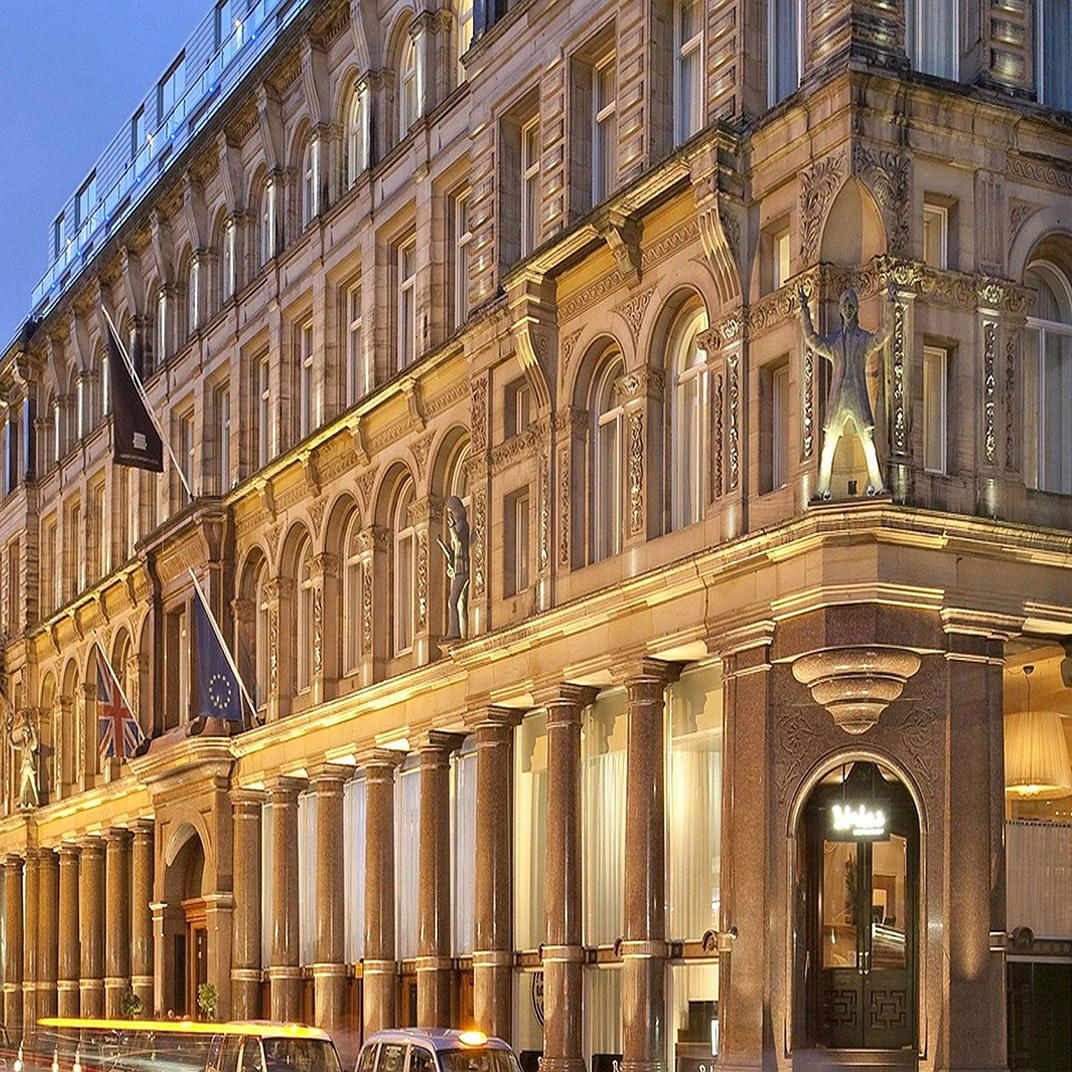
Details
- Modern
- Elegant
- Sophisticated
- Industrial
- Romantic Getaway
- Weekend Escape
- Business Trip
- Historic Building
- Design Destination
- Wi Fi
- Room Service
- Concierge
- Restaurant
- Bar
- Street Scene
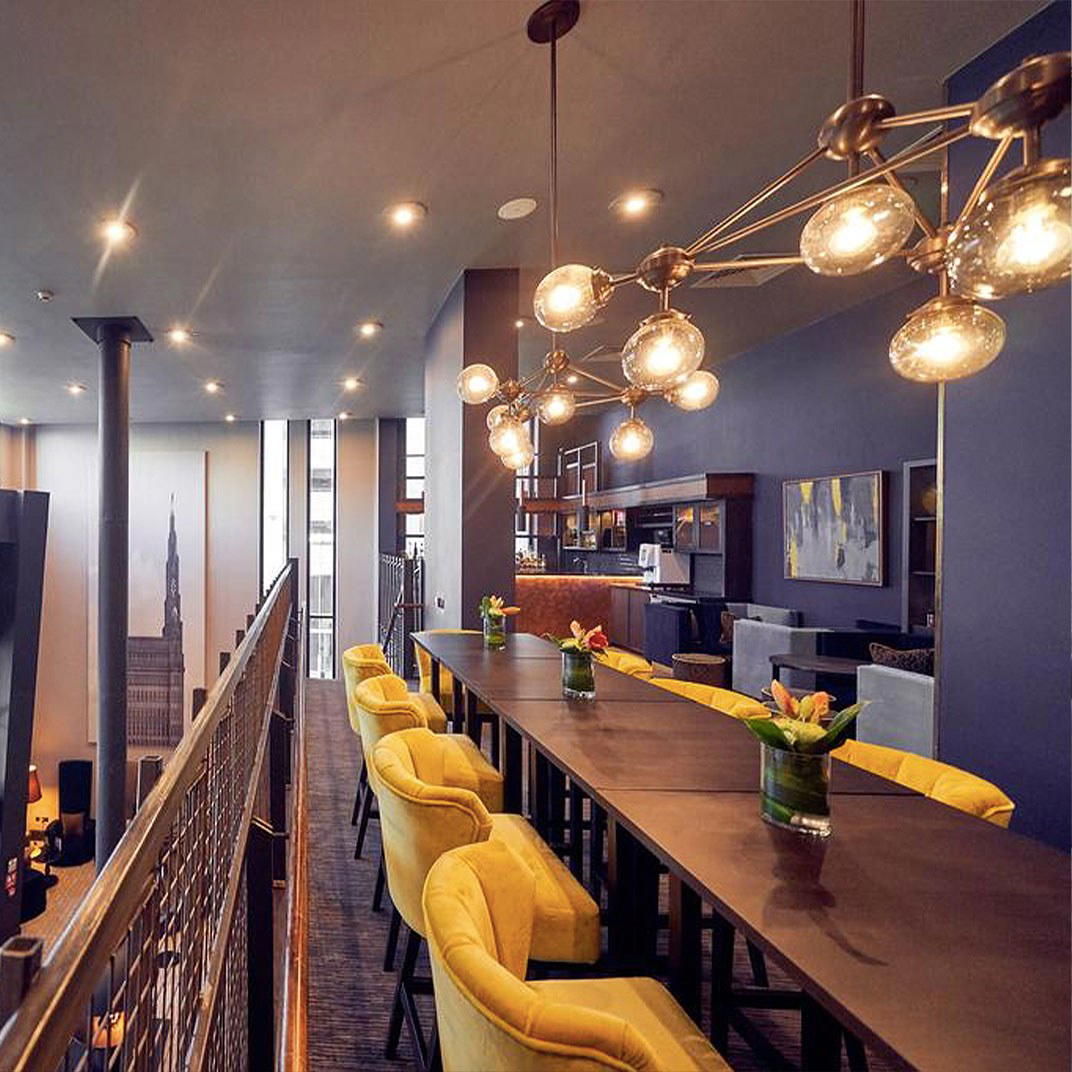
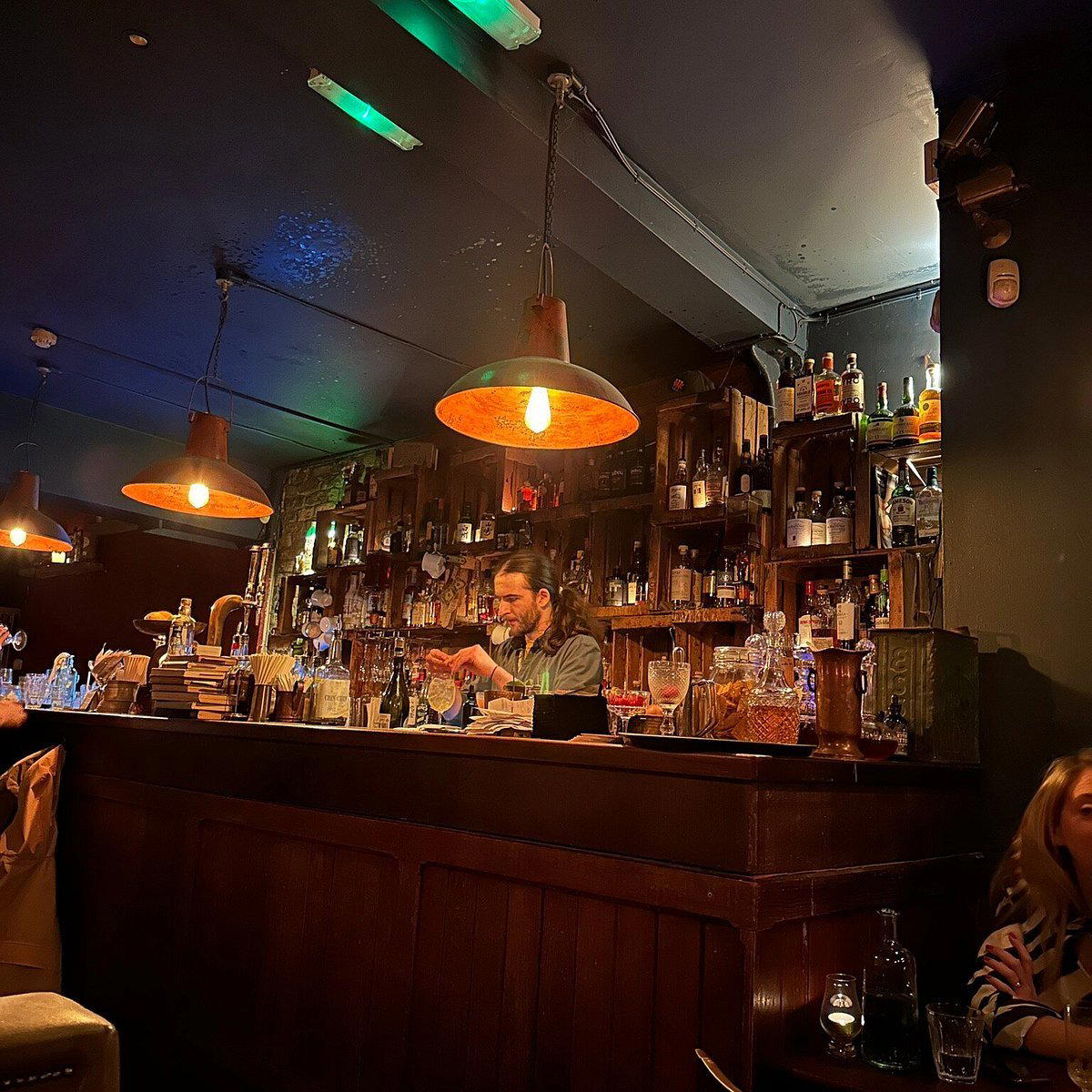
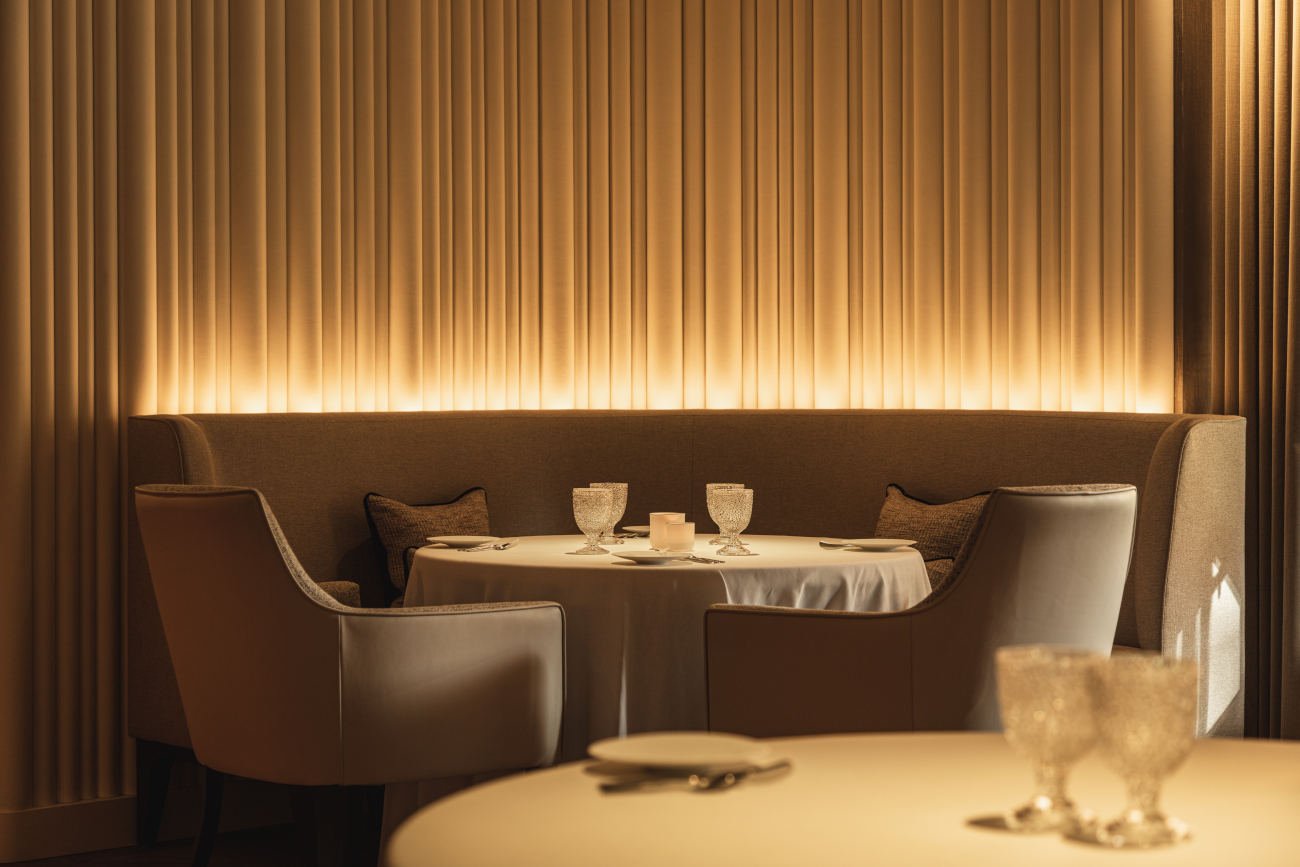
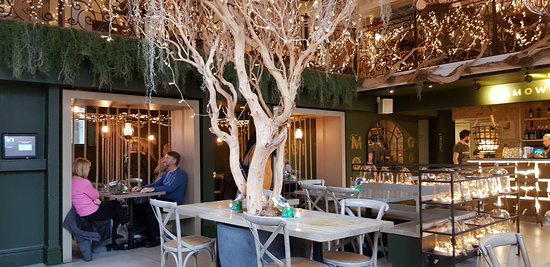
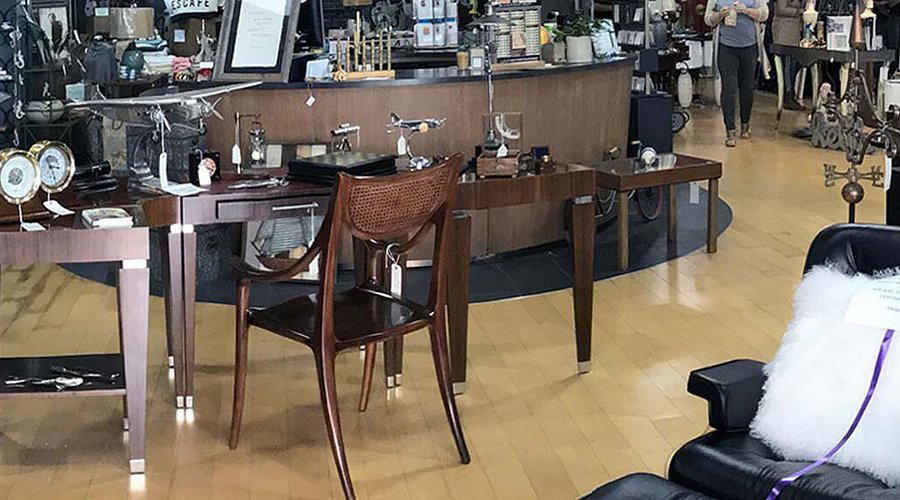
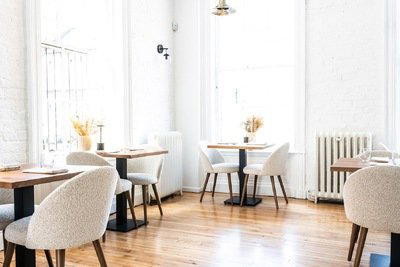
Sophisticated and industrial-chic atmosphere in a historic converted townhouse with modern comforts.