Titanic Hotel Liverpool – Stanley Dock

Michelin Selected
Stanley Dock's Victorian tobacco warehouse, the largest such structure in the world by floor area, frames a hotel stay with a scale and industrial provenance that no city-centre Liverpool property can match. The Titanic Hotel sits at the northern end of the docklands, where regeneration and heritage coexist more honestly than in the polished retail corridors of the waterfront. For guests who prioritise architectural drama and spatial generosity over proximity to Mathew Street, the address makes a coherent case.

Pearl is the En Primeur Club membership app, where members save venues, book tables and use the concierge.
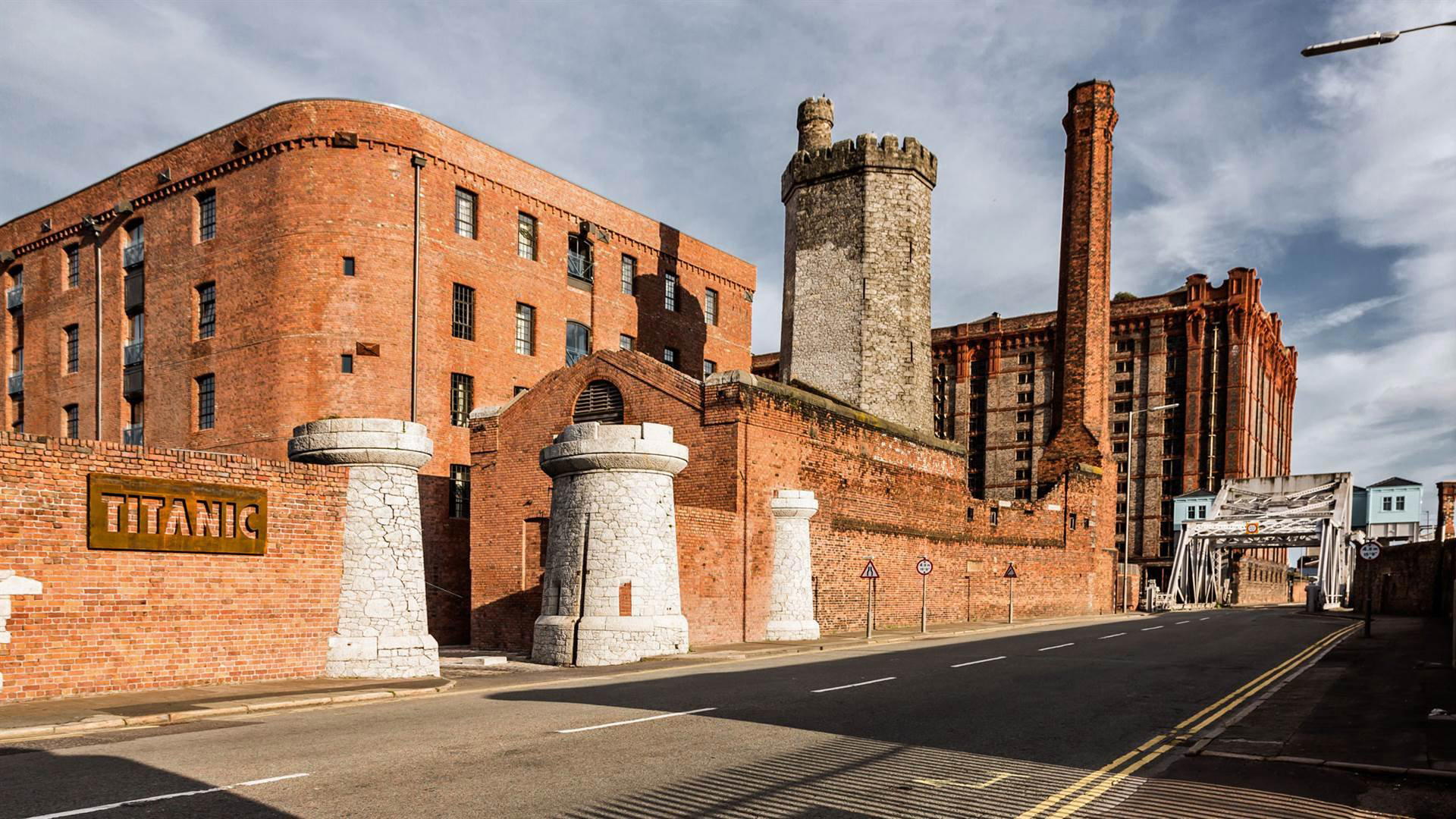
A Warehouse That Rewrites the Geometry of Liverpool Hospitality
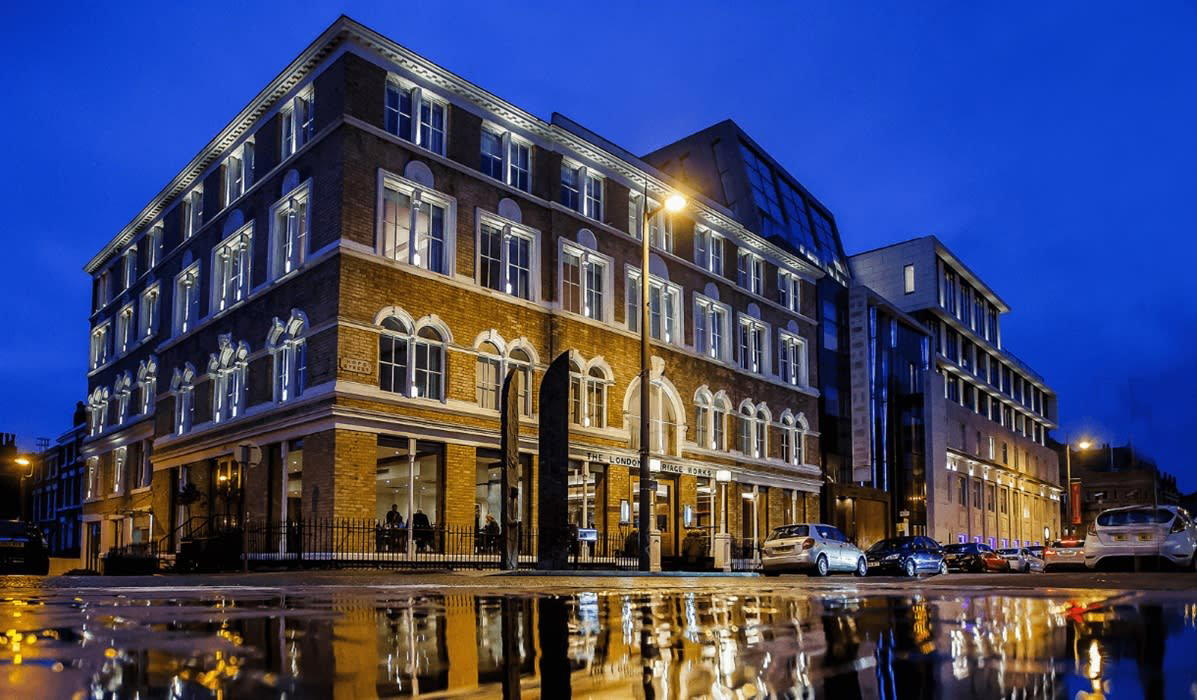
Liverpool's hotel market divides along a familiar axis: the waterfront properties that trade on proximity to the Pier Head and the Royal Albert Dock, and the city-centre addresses clustered around Hope Street and the commercial core. The Titanic Hotel Liverpool at Stanley Dock belongs to neither group. It occupies the former tobacco warehouse on Regent Road, a Grade II listed structure so large that it reportedly holds the record as the world's largest brick building by volume, which positions it in a category where the architecture itself is the primary credential.
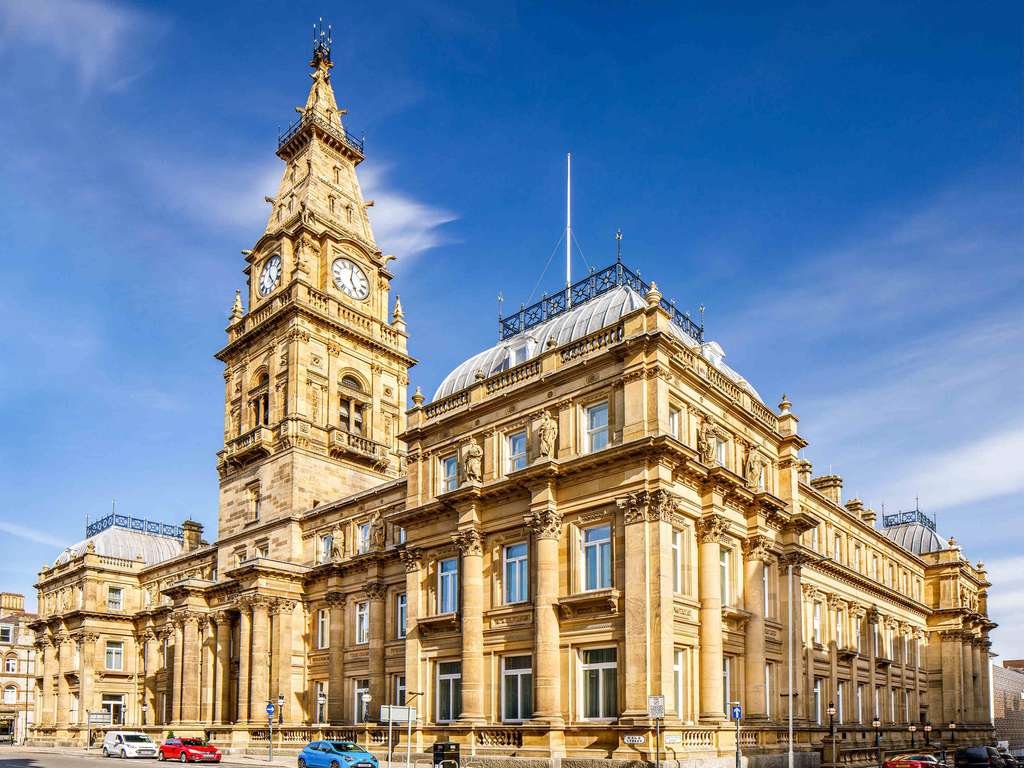
That distinction matters when you consider what Liverpool's mid-to-upper hotel tier actually offers. Hope Street Hotel delivers a polished boutique experience in the Georgian quarter, close to the Philharmonic Hall and both cathedrals. The Municipal Hotel and Spa, MGallery Liverpool anchors itself to civic grandeur in the commercial district. 19 Duke Street operates at the boutique end of the city-centre spectrum. None of them can offer what Stanley Dock provides: a setting where the history of the building is not decorative context but literal structure, exposed brick walls several feet thick, cast-iron columns, and ceiling heights that reframe what a hotel room can feel like.
Stanley Dock and the Northern Docklands
The Stanley Dock complex sits at the northern terminus of Liverpool's UNESCO World Heritage-listed waterfront, roughly two kilometres from the Pier Head. That separation is worth naming plainly. Guests who want to walk to the Albert Dock restaurants or the Museum of Liverpool in five minutes will find the location inconvenient on foot, though Regent Road connects directly to the city by taxi or bus in under ten minutes. The trade-off is space, quiet, and a different kind of relationship with Liverpool's maritime past.
The northern docklands have been undergoing incremental regeneration for years, and Stanley Dock sits at the centre of that longer arc. The Leeds-Liverpool Canal terminates here, meaning the immediate surroundings include working waterway infrastructure alongside the converted warehouse complex. For guests interested in Liverpool's industrial and mercantile history, rather than its cultural quarter or nightlife, the address offers direct access to one of the most historically significant concentrations of dock infrastructure in the United Kingdom.
Travellers who prioritise neighbourhood density of restaurants and bars will find the area sparse by city-centre standards. That is not a criticism of the hotel; it is a function of where regeneration currently sits. Planning accordingly, and consulting our full Liverpool restaurants guide for the city's eating options, is the sensible approach.
What the Building Does to a Stay
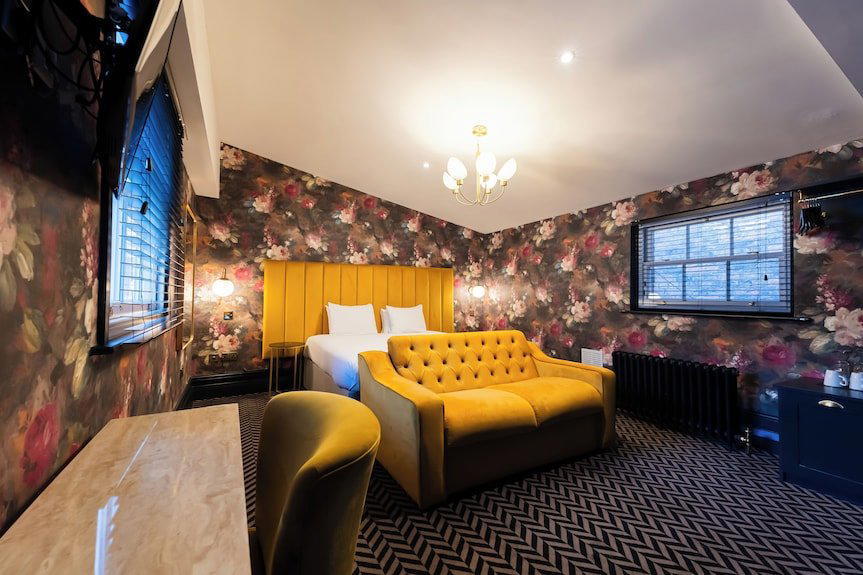
Heritage conversion hotels of this scale succeed or fail on how honestly they handle the tension between preservation and comfort. The tobacco warehouse's dimensions mean that corridor lengths, room proportions, and communal spaces operate at a different register than a purpose-built hotel. Rooms retain original features where the structure allows, exposed brick, cast ironwork, deep-set windows, and the warehouse footprint creates an interior that reads as genuinely industrial rather than industrially themed.
That distinction is what separates a building like this from the heritage-lite approach found in some UK conversions. At properties such as Avon Gorge by Hotel du Vin in Bristol or Malmaison Edinburgh, the heritage framing is largely aesthetic. At Stanley Dock, the physical fabric of a Victorian commercial building, designed for tobacco storage, not human habitation, sets hard constraints and creates spatial drama that no fit-out budget can replicate in a new build.
That said, guests arriving with expectations shaped by rural estate hotels such as The Newt in Somerset or Estelle Manor in North Leigh should recalibrate. This is a city hotel built inside an urban industrial monument. The experience is grounded in texture and scale, not landscape or seclusion.
Placing the Titanic Hotel in a Wider UK Context
The UK's hotel market at the upper-mid and design-led tier has expanded significantly over the past decade, with adaptive reuse projects driving much of the interesting new inventory. King Street Townhouse Hotel in Manchester represents a comparable approach, a city-centre heritage building repurposed with considered design, while Glasgow Grosvenor Hotel anchors itself to a different kind of civic grandeur. The Titanic Hotel differentiates itself from both by the sheer scale of its host building and by the specificity of its Liverpool docklands provenance.
For travellers building itineraries around UK city breaks, the Stanley Dock property sits in a cohort defined by architectural singularity rather than brand affiliation or amenity breadth. If the hotel's character is the primary draw, it competes differently from a flags-and-points perspective than properties like Claridge's in London or Gleneagles in Auchterarder. Those properties are built around service culture and amenity density. Stanley Dock is built around a building.
Planning a Stay
Arriving by car is direct, with the dock complex providing parking directly on site, an advantage over most Liverpool city-centre alternatives where parking is metered or multi-storey. Lime Street station, Liverpool's main rail hub with direct services from London Euston in around two hours, connects to the hotel by taxi in approximately ten minutes depending on traffic. Liverpool John Lennon Airport is served by domestic and European routes, with the city centre reachable in around twenty to thirty minutes by road.
Guests staying at the Titanic Hotel who want access to Liverpool's restaurant and cultural offer should treat the city centre as a short taxi ride rather than a walkable extension of the hotel's address. The waterfront's main attractions, the Three Graces, the Tate Liverpool, the Museum of Liverpool, are accessible within a fifteen-minute taxi or a longer walk along the dock road. The hotel's position at the northern edge of the UNESCO waterfront zone means guests are inside the heritage boundary, not adjacent to it, which has its own geographic logic.
For travellers comparing Liverpool options side by side, the decision largely comes down to what the address is doing for a stay. Those who want cultural-quarter access and boutique-hotel density should look at Hope Street Hotel or 19 Duke Street. Those who want architectural scale and docklands provenance, and who are willing to think of the city centre as a destination rather than a doorstep, will find the Stanley Dock address coherent and uncommonly specific.
A Lean Comparison
| Venue | Price | Awards |
|---|---|---|
| Titanic Hotel Liverpool – Stanley DockThis venue (the venue you are viewing) | $200–300 | Michelin Selected |
| The Municipal Hotel & Spa – MGallery Liverpool | Not listed | World Luxury Hotel Awards WLHA Continent Winner |
| Hope Street Hotel | $100–200 | Michelin Selected |
| 19 Duke Street | $100–200 | Not listed |
Recognition history
Dated appearances from independent guides and award organizations, with the underlying list record or original source where available.
Michelin Selected
Michelin
Continue exploring
More in Liverpool
Hotels in Liverpool
All hotels in Liverpool →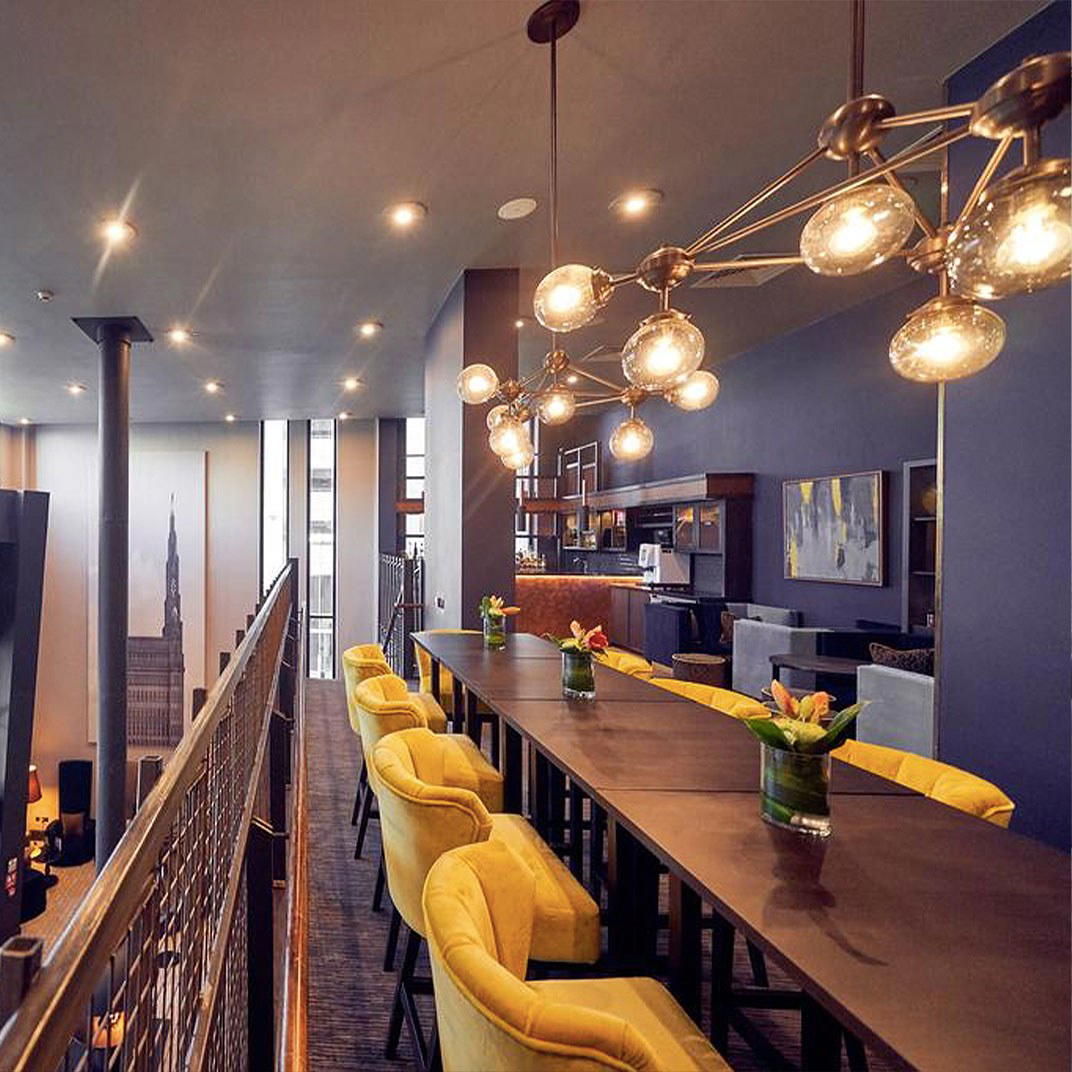
Details
- Industrial
- Elegant
- Sophisticated
- Well Known
- Romantic Getaway
- Business Trip
- Weekend Escape
- Family Vacation
- Waterfront
- Historic Building
- Design Destination
- Panoramic View
- Destination Spa
- Terrace
- Wi Fi
- Spa
- Fitness Center
- Pool
- Sauna
- Restaurant
- Bar
- Room Service
- Concierge
- Waterfront
- Elevator
- Accessible Restroom
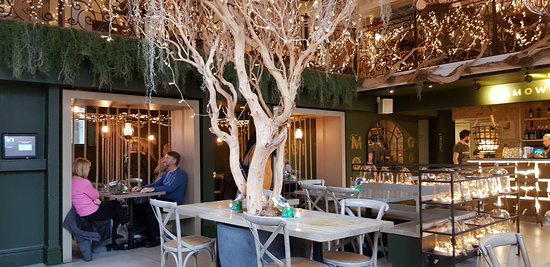
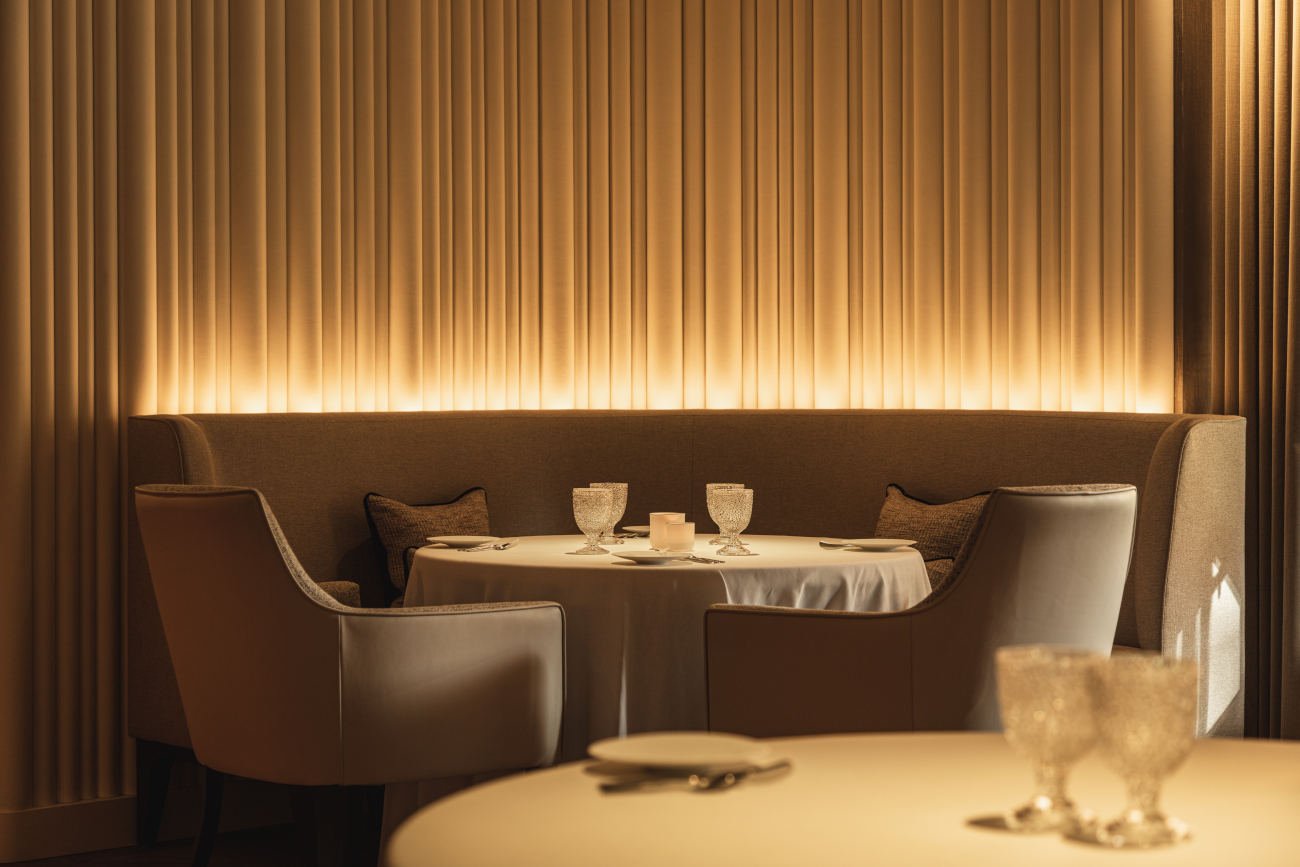
Sophisticated industrial atmosphere with exposed brick, soaring vaulted ceilings, and abundant natural light from original warehouse windows; warm yet contemporary with ship-themed design elements throughout.