The Barn at Moor Hall





The Barn at Moor Hall holds a Michelin star and an Opinionated About Dining Casual Europe ranking of #473 (2025), operating as the more accessible sibling to the two-starred main restaurant on the same Lancashire estate. A three-course seasonal menu draws on the walled garden and in-house charcuterie, served beneath exposed beams in a restored outbuilding with an open kitchen and a terrace overlooking the lake.
Pearl is the En Primeur Club membership app — saves, bookings, and concierge access live there. Same editors, same standards.
- Address
- Prescot Rd, Aughton, Ormskirk L39 6RT, United Kingdom
- Phone
- +44 1695 572511
- Website
- thebarn.moorhall.com
- Directions
- Get directions
 Saves & bookings on Pearl
West Lancashire's Country House Dining Split
The Barn is a one-star Modern British restaurant in Aughton, Lancashire, with a price of about $80 per person. Few estates execute both tiers with the consistency that Moor Hall has established in Aughton. Where the main Moor Hall restaurant operates at the upper end of British destination dining, comparable in ambition and price bracket to L'Enclume in Cartmel or Gidleigh Park in Chagford, The Barn occupies a deliberately different position: still serious, still seasonal, but structured around a three-course format that invites a different kind of evening.
That structural decision matters more than it might first appear. In the Modern British tier occupied by destinations like CORE by Clare Smyth and The Ledbury in London, the move toward extended tasting formats has been near-total. The Barn's commitment to a concise, coursed menu at the £££ price point is a considered counter-position, and it has earned the restaurant its own Michelin star, independent of its neighbour.
The Room Itself
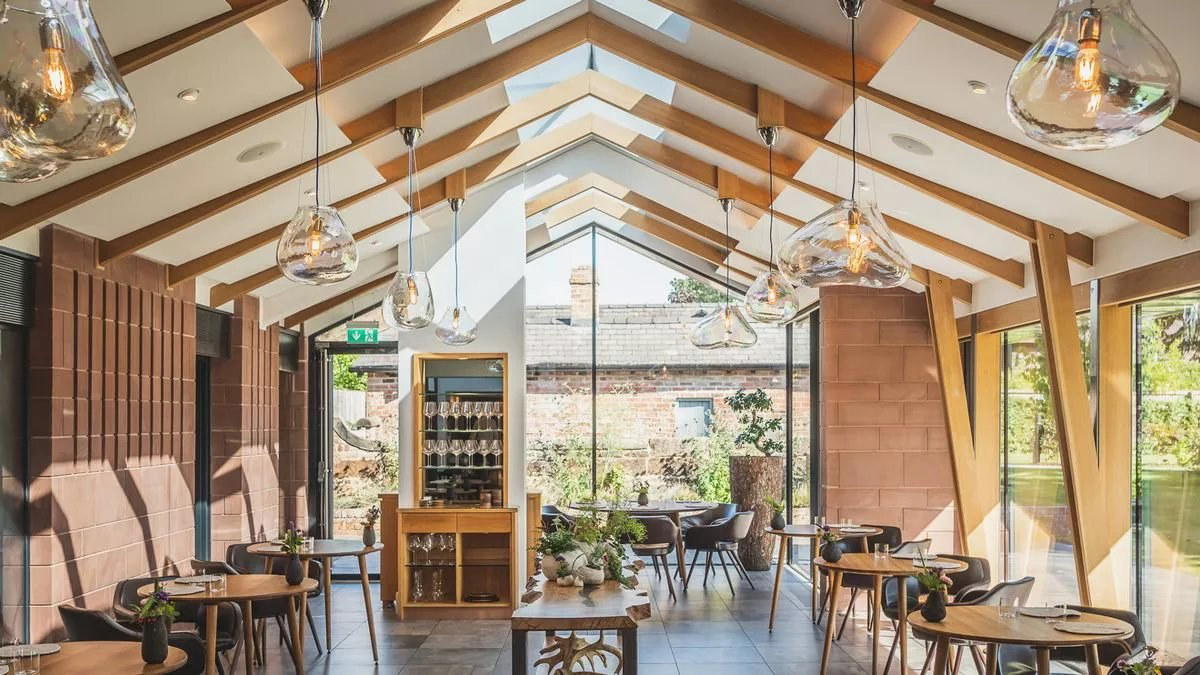
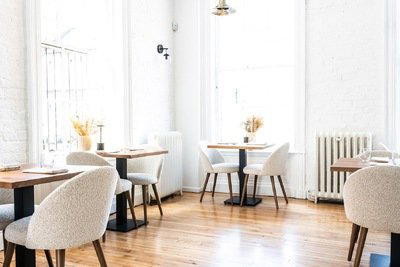
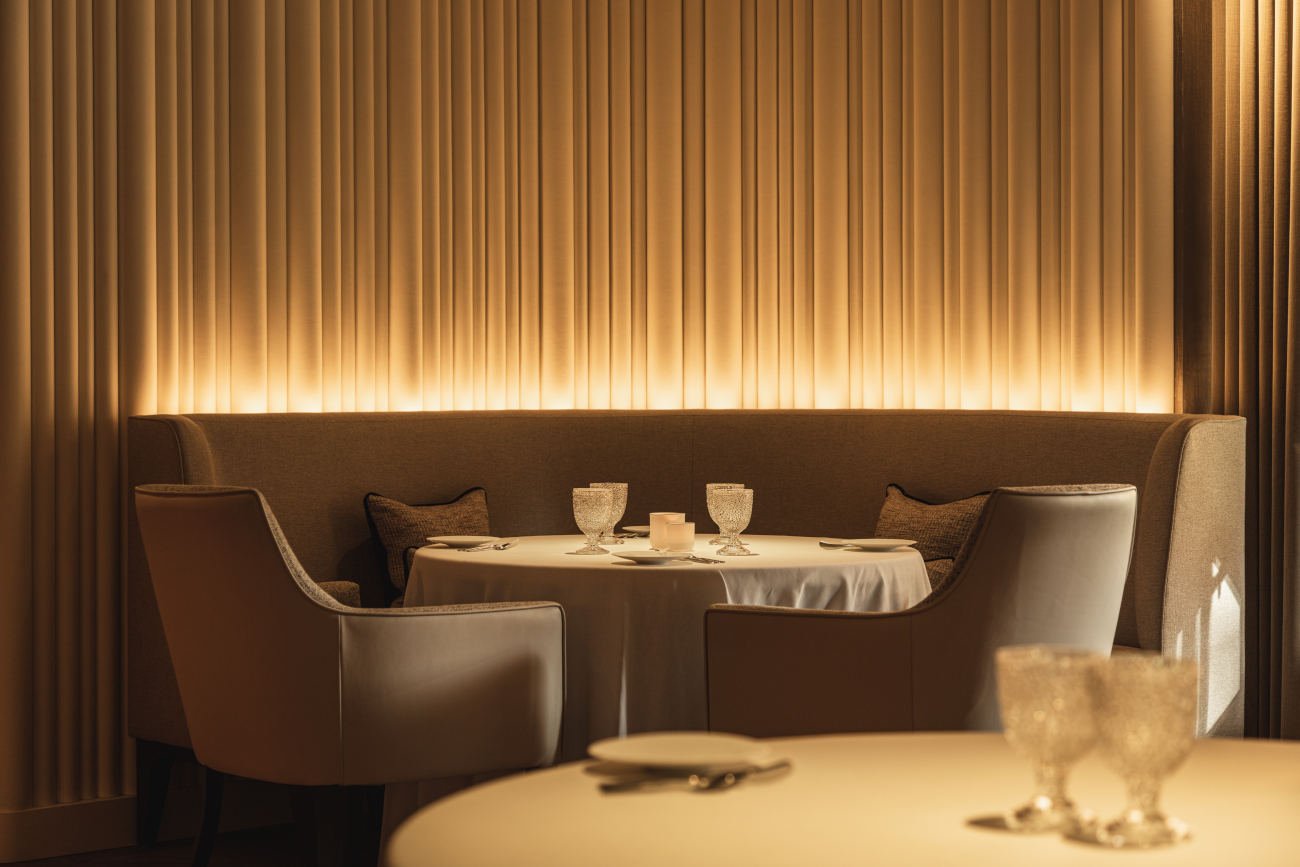
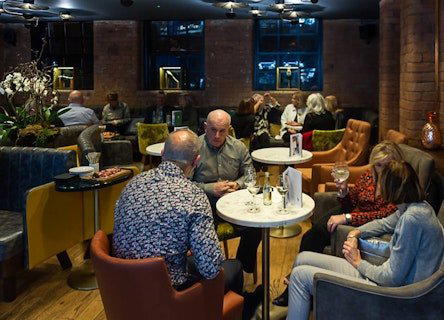
The physical environment does a significant amount of editorial work here. The Barn occupies the first floor of a restored outbuilding on the Moor Hall estate, running the full length of the building with an open kitchen anchoring the far end. Wooden beams cross the pointed roof overhead, red-brick walls absorb and return warmth, and the room reads as simultaneously agricultural and refined, the kind of conversion that depends on restraint to succeed. When the kitchen occupies one end of a long, open room, the cooking becomes part of the atmosphere rather than something happening behind closed doors.
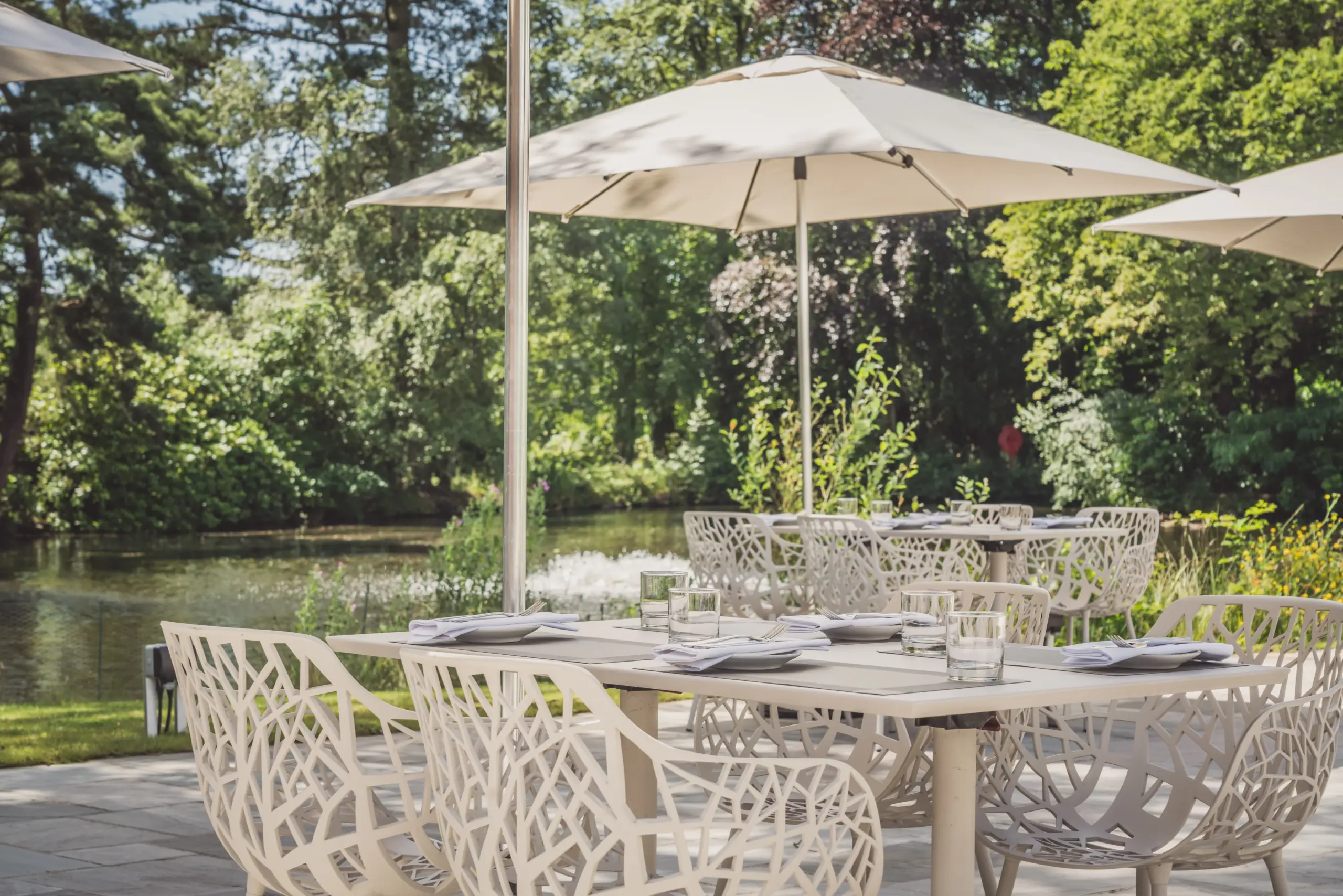
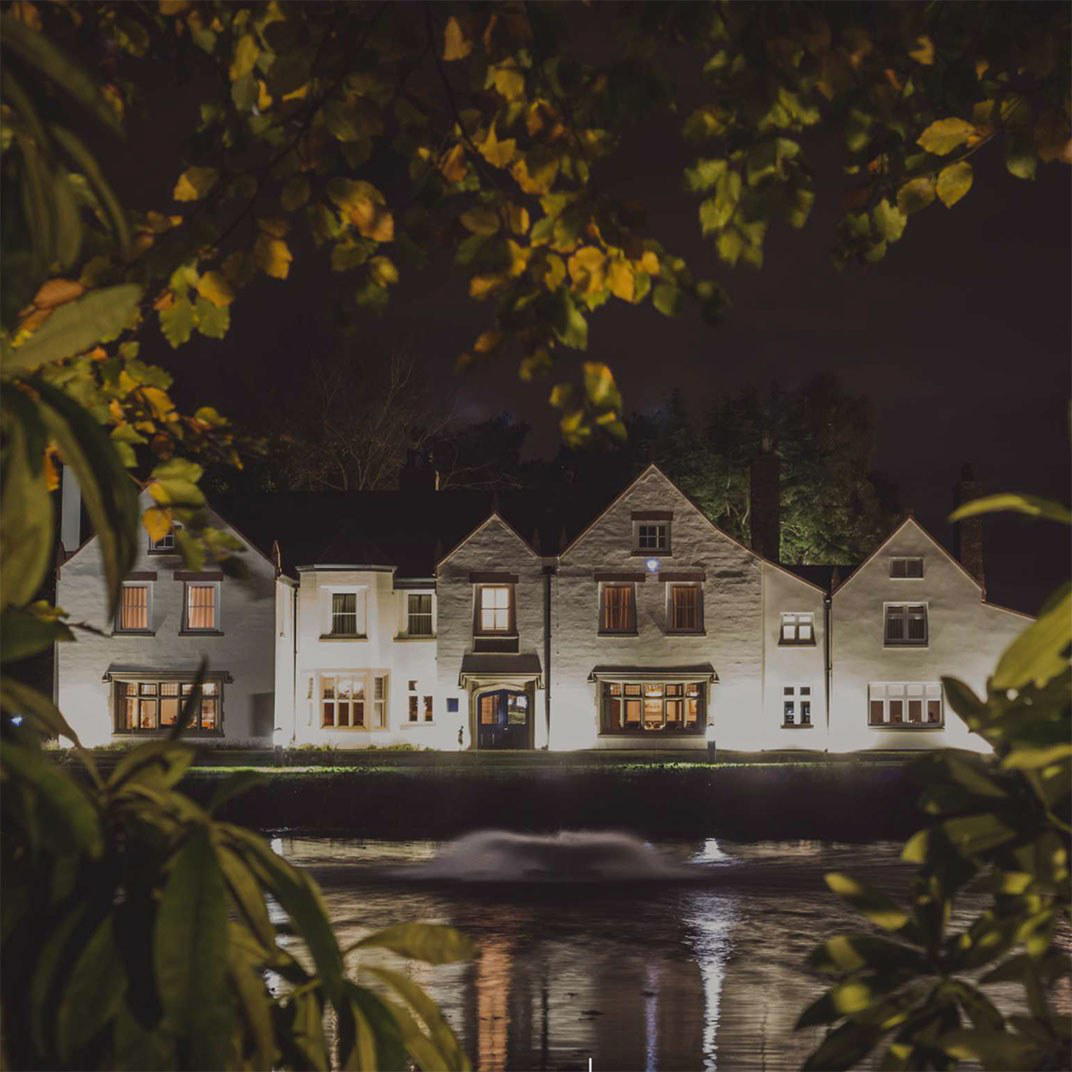
The terrace, enclosed by hedging and positioned beside the estate lake, functions as a separate seasonal proposition. On a clear day in late spring or early summer, it operates as one of the more pleasant outdoor dining settings in the northwest of England, a garden room without the glass walls, tied directly to the grounds that supply much of what arrives on the plate.
The Weekly Ritual: What the Three-Course Format Signals
Britain's most durable dining tradition is also its most scrutinised: the Sunday roast, or more broadly, the weekend lunch at a serious country restaurant. The format, a short, seasonal menu, prime protein as the centrepiece, proper vegetables, skilled pastry at the end, is what The Barn does in its most natural register. This is not a restaurant that needs ten courses to make its point. The three-course structure imposes a discipline that actually clarifies the kitchen's strengths: ingredient sourcing, sauce-making, and the kind of balance that reveals itself only when there is nowhere to hide behind novelty.
Much of the produce arrives from the Moor Hall walled garden and surrounding grounds, an estate-to-table supply chain that gives the menu a coherence harder to achieve through supplier networks alone. The in-house charcuterie programme is a particular signal: home-cured salami as an opening snack situates the meal in a tradition of whole-animal thinking and larder craft that predates the current British charcuterie revival by several years at Moor Hall. For the Sunday lunch occasion specifically, that larder depth matters: it means the components supporting the centrepiece protein are as considered as the protein itself.
The cooking described in OAD and Michelin assessments points toward a kitchen operating in the mode of considered contemporaneity rather than technical spectacle. Dishes like a Pablo beetroot tartlet with smoked duck ham and blackberries, or lightly cured Cornish mackerel with salt-baked white beetroot and buttermilk, demonstrate a kitchen comfortable with contrast, earthiness against brightness, cure against acid, without constructing that contrast as performance. Saint-Sever guinea hen served with offal forcemeat and potato purée reads as exactly the kind of dish the three-course format was built to carry: a proper main course, not a tasting-menu segment.
Where the kitchen shows occasional unevenness, a glazed short rib that, by one assessment, lacked the coherence of surrounding dishes, it reflects the honest variability of ambitious seasonal cooking rather than structural inconsistency. The dessert programme, meanwhile, demonstrates real pastry skill: apple millefeuille with cider caramel, and a squash custard tart finished with birch sap, suggest a kitchen that treats the final course as an opportunity rather than an obligation. Petits fours incorporating Ormskirk gingerbread crumbs are a local detail worth noting, this is a region with its own food history, and the kitchen knows it.
Where The Barn Sits in the Broader Modern British Scene
The Modern British category has fractured along several fault lines over the past decade. At one end, chef-patron restaurants in rural settings have moved toward elaborate tasting formats and destination pricing: Le Manoir aux Quat' Saisons, The Fat Duck in Bray, and the upper tier of London Modern British at The Ritz Restaurant all operate in formats where the experience architecture is as important as the cooking. At the other end, pub restaurants like Hand and Flowers in Marlow have built serious reputations on accessible formats and ingredient-led cooking without the country house overhead.
The Barn occupies a position between these poles, and it does so within a shared estate with a two-starred sibling, which is a relatively unusual structural arrangement in British dining. The comparable model in Scotland might be Restaurant Andrew Fairlie in Auchterarder, where serious cooking exists within a hotel context that includes less formal options. What The Barn has achieved, a standalone Michelin star suggests the informal sibling has moved well past being a spillover option for guests who cannot book the main room. It is a destination in its own right, drawing a different type of booking: the mid-week lunch, the family Sunday, the repeat visitor who knows the estate.
For readers comparing options across the northwest, the contrast with sō–lō in the same village is worth noting, a younger restaurant operating in a different register. And for those building a broader Lancashire itinerary, hide and fox in Saltwood or Midsummer House in Cambridge represent the comparable set in terms of starred, chef-led cooking outside London.
Planning a Visit
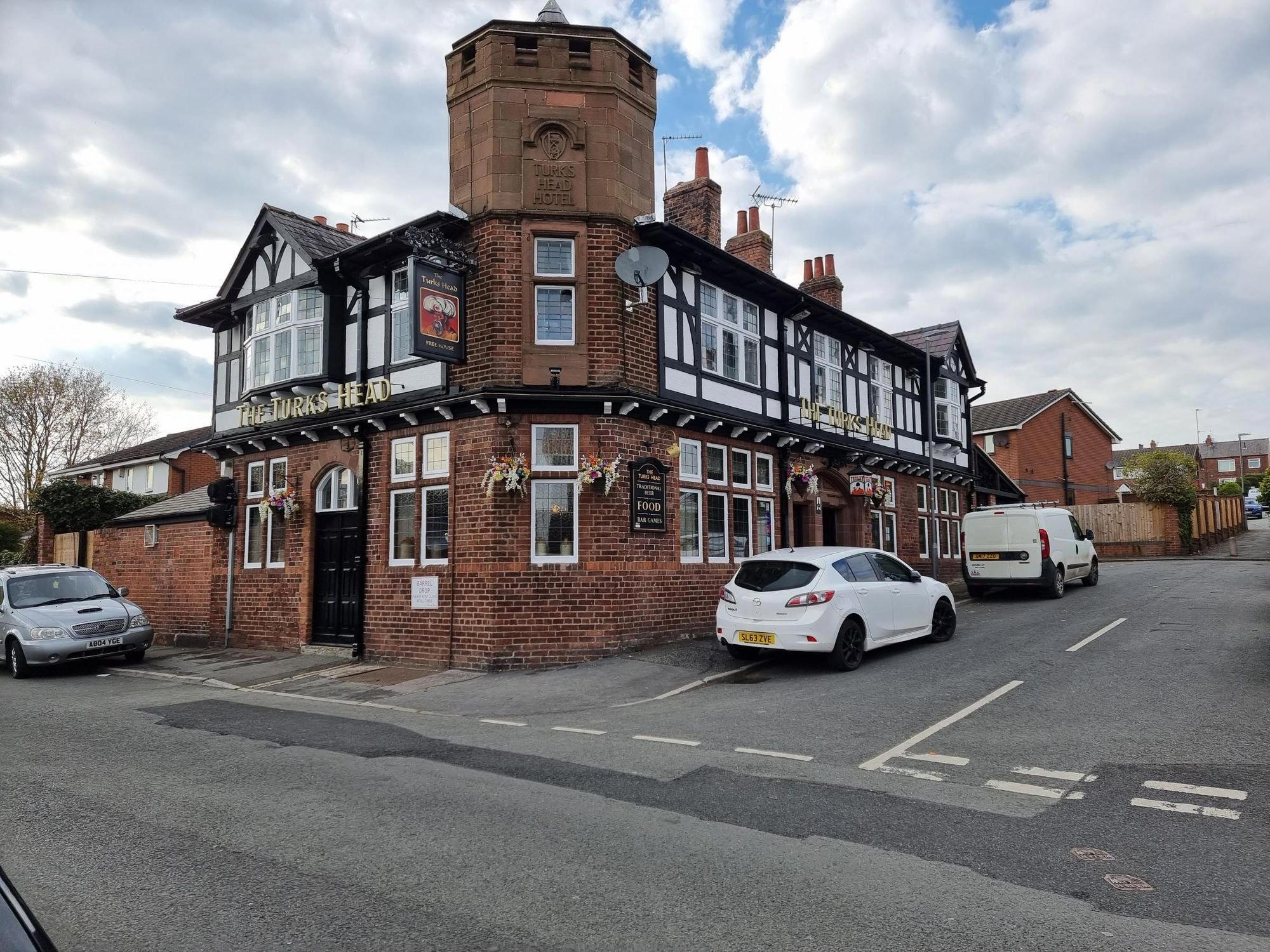
The Barn sits on Prescot Road in Aughton, near Ormskirk in west Lancashire, a drive-to destination that rewards planning rather than impulse. The estate grounds are worth time before or after the meal. The restaurant operates at the £££ price point, making it accessible without abandoning ambition. The wine list, described across multiple assessments as having a broad global spread and appropriate sophistication, supports the three-course format well.
Given the Michelin recognition, reservations are recommended, particularly for weekend lunch slots where the Sunday occasion dynamic is strongest. The terrace by the lake requires the right season and weather, but represents one compelling outdoor dining setting on the estate, worth requesting at the time of booking.
Budget and Context
Comparable venues nearby, for context on price, style, and recognition.
| Venue | Cuisine | Price | Awards | Notes |
|---|---|---|---|---|
| The BarnThis venue — the venue you are viewing | Aughton, Modern British | $$$ | Michelin 1 Star | Not listed |
| sō–lō | Aughton, Modern British Fine Dining | $$$$ | Michelin 1 Star | Not listed |
| The Barn at Moor Hall | Not listed | $$$ | Not listed | Aughton, Seasonal Modern British in a Michelin-starred barn conversion |
| Moor Hall | Aughton, Modern British Fine Dining | $$$$ | Michelin 3 Star | Not listed |
| SOURCE at Gilpin Hotel | Not listed | $$$$ | Michelin 1 Star | Bowness-on-Windermere, Modern British with Japanese Influences |
| Roots York | Not listed | $$$ | Michelin 1 Star | Marygate, Modern British Seasonal Tasting Menu |
Recognition history
Dated appearances from independent guides and award organizations, with the underlying list record or original source where available.
AA Rosettes 3 Rosettes
AA Rosettes
Michelin 1 Star
Michelin
National Restaurant Awards Top 100 #5
National Restaurant Awards
Opinionated About Dining Casual in Europe Recommended
Opinionated About Dining
SquareMeal UK Top 100 Restaurants #47
SquareMeal
Michelin 1 Star
Michelin
Opinionated About Dining Casual in Europe Ranked #473
Opinionated About Dining
The Good Food Guide GFG Very Good
The Good Food Guide
Michelin 1 Star
Michelin
Opinionated About Dining Casual in Europe Ranked #422
Opinionated About Dining

At a Glance
- Rustic
- Cozy
- Elegant
- Date Night
- Special Occasion
- Family
- Open Kitchen
- Terrace
- Extensive Wine List
- Farm To Table
- Local Sourcing
- Garden
Airy dining room in a restored barn with wooden beams, red-brick walls, open kitchen, and calming lakeside terrace.