Manifest




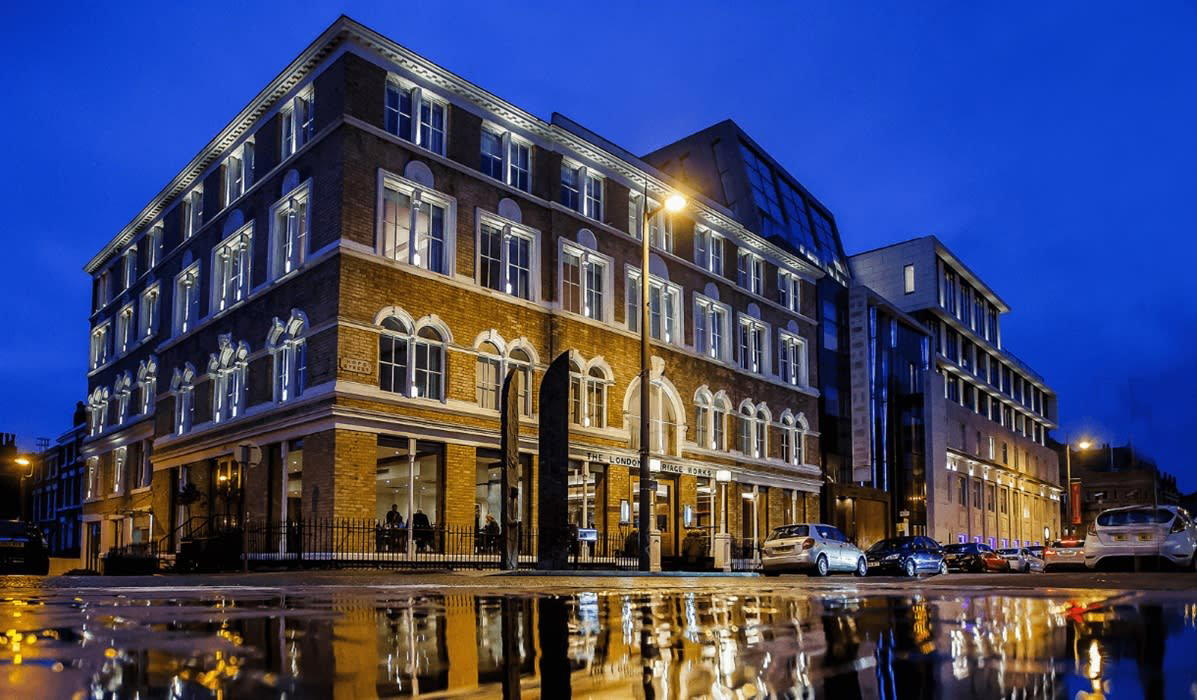
In Liverpool's Baltic Triangle, Manifest occupies the ground floor of a converted redbrick warehouse where an open kitchen anchors a compact, counter-friendly room. Chef Paul Durand's modern British menu draws on foraging, fermentation and bold seasonality, offered as à la carte or a tasting menu with optional wine flight. A Michelin Plate holder rated 4.9 on Google, it sits at the serious end of the neighbourhood's rapidly maturing dining scene.
Pearl is the En Primeur Club membership app — saves, bookings, and concierge access live there. Same editors, same standards.
- Address
- 4a Watkinson St, Liverpool L1 0AG, United Kingdom
- Phone
- +44 7729 129873
- Website
- manifestrestaurant.com
- Directions
- Get directions
 Saves & bookings on Pearl
Baltic Triangle and the Architecture of Liverpool's Dining Shift
The Baltic Triangle is not a dining district that evolved quietly. Liverpool's former warehouse quarter spent decades defined by storage, light industry and neglect before a sustained wave of creative businesses moved in and reset what the neighbourhood could be. The restaurant that arrived in one of those converted redbrick warehouses at 4a Watkinson Street did not come as a pioneer so much as an indicator — a signal that the area had crossed from promising to credible.
The physical setting does a great deal of editorial work before the first dish arrives. Exposed brick and warehouse scale create the bones of the room, but the real spatial gesture is the open-plan kitchen positioned centrally enough that almost every seat carries some version of a chef's table vantage point. Counter seats sharpen that proximity further, collapsing the usual distance between preparation and consumption. In a city where dining culture has historically leaned toward generosity and occasion over technical theatre, rooms configured this way represent a deliberate editorial statement about what the kitchen believes in.
Where Modern British Cooking Actually Lives Right Now
Phrase "modern British" covers an enormous amount of ground, from refined pub cooking and nose-to-tail tradition through to the fermentation-led, forage-inflected approach that L'Enclume in Cartmel and Moor Hall in Aughton have made internationally legible. At the upper end of that spectrum in London, CORE by Clare Smyth and The Ledbury anchor a version of the genre built around ingredient provenance and technical restraint. The Fat Duck in Bray and Gidleigh Park in Chagford represent other modes entirely. Manifest's register sits closer to the foraging-and-fermentation cohort than to classical refinement, with chef Paul Durand working a repertoire built around preserving, pickling and assertive seasonal flavour.
Tension at the heart of modern British identity is the negotiation between what is recognisably native and what has been absorbed, transformed or quietly borrowed. Durand's menu navigates this honestly: a plate of celeriac treated to char siu technique sits alongside a Creedy Carver duck with beetroot, plum and pancakes — a construction that carries a distant Chinese echo without pretending otherwise. Cod loin arrives with sea buckthorn and a sauce incorporating smoked mussels, a pairing that is coastal and northern in feeling but technically specific in execution. This is cooking that knows where it is but is not defined by nostalgia for what that place used to mean culinarily.
Vinegar crisps that have become something of a calling card for the kitchen illustrate the approach at its most concentrated: familiar format, refined by fermentation logic, sharp enough to announce intent before the serious courses begin. Vegetable-forward dishes hold their own in this frame, January King cabbage with yeast extract, potato salad and garlic is the kind of thing that reads as a winter comfort dish but requires genuine technical control to make coherent. Starters such as torched sea trout with squash velouté, sea beet and nasturtium confirm that the kitchen's interest in textural and temperature contrast is consistent rather than occasional.
Format, Menu Structure and the Wine Approach
Manifest offers both à la carte and a seasonally influenced tasting menu, a dual-format model that places it in a different bracket from the commitment-only counters that have proliferated in London and in Northern England's destination restaurant circuit. The flexibility matters in a neighbourhood still building its evening economy, where the decision to come for a longer experience rather than drop in for three courses is not always made in advance.
The "chef's choice" menu with a three-glass wine flight operates as the most curated version of the Manifest experience, useful if the occasion demands a clear through-line rather than individual selection. The wine list follows a practical logic: each bottle available by the glass, which allows meaningful engagement with the list without committing to a full bottle on a night when only one or two glasses fit the moment. In a room of this size and price register (£££, placing it in line with Liverpool peers OXA and Belzan), that flexibility reads as a considered service decision rather than a concession.
The dessert register closes the meal with produce-forward intelligence: rhubarb with spent Champagne and sablé biscuit, or a cheese plate pairing Old Roan Wensleydale with bara brith and marmalade. Both choices confirm that the kitchen's interest in fermentation and acidity does not relax at the sweet course.
Manifest in Liverpool's Broader Dining Conversation
Liverpool's contemporary dining scene has expanded beyond the city centre's established restaurants into a looser network of neighbourhood addresses across different price tiers and formats. At the formal end, The Art School holds its position as the city's most decorated address. The more accessible tier includes OXA and Bistrot Vérité, while EastZeast speaks to a different audience entirely. Manifest occupies the serious middle: not a casual neighbourhood drop-in, not a full destination-dining commitment, but a kitchen operating at Michelin-recognised level with enough format flexibility to absorb a range of visit types.
The Baltic Triangle location matters as context because it signals something about the restaurant's relationship to the city. Venues that open in regenerating industrial districts are making a claim about where the energy is. Manifest's Michelin Plate recognition confirms that the quality followed the instinct.
For those building a broader picture of Liverpool's eating and drinking offer, [our full Liverpool restaurants guide]() maps the full range of the city's dining options. The [Liverpool hotels guide](), [bars guide](), [wineries guide]() and experiences guide cover the wider visit. Further afield, Hand and Flowers in Marlow and The Ritz Restaurant offer useful reference points for how different registers of modern British cooking are being practised across England.
Planning Your Visit
Manifest is located at 4a Watkinson Street in the Baltic Triangle, a ten-to-fifteen minute walk from Liverpool Central station. The neighbourhood is leading approached on foot from the city centre or by taxi after dark. The room is compact, so booking ahead is advisable, particularly for weekend evenings and for the tasting menu format. The three-glass wine flight paired to the chef's choice menu is a sensible anchor if the occasion warrants a structured experience; the à la carte offers a lower-commitment entry point for a first visit.
Accolades, Compared
Comparable options at a glance, pulled from our tracked venues.
| Venue | Cuisine | Price |
|---|---|---|
| ManifestThis venue — the venue you are viewing | Modern British | £££ |
| “8” By Andrew Sheridan | Modern Cuisine | ££££ |
| Bistrot Vérité | Classic French | ££ |
| Mowgli Water Street | Indian | Not listed |
| NORD | Modern Cuisine | £££ |
| OXA | Modern British | ££ |
Recognition history
Dated appearances from independent guides and award organizations, with the underlying list record or original source where available.
Michelin Plate
Michelin
SquareMeal UK Top 100 Restaurants #79
SquareMeal
Michelin Plate
Michelin
Opinionated About Dining Top Restaurants in Europe Ranked #239
Opinionated About Dining
The Good Food Guide GFG Good
The Good Food Guide
The Good Food Guide GFG Exceptional
The Good Food Guide
Michelin Plate
Michelin
Opinionated About Dining Top Restaurants in Europe Ranked #229
Opinionated About Dining
Opinionated About Dining Top New Restaurants in Europe Highly Recommended
Opinionated About Dining
Continue exploring
More in Liverpool
Restaurants in Liverpool
Browse all →
Bars in Liverpool
Browse all →
At a Glance
- Modern
- Trendy
- Intimate
- Industrial
- Date Night
- Special Occasion
- Open Kitchen
- Chefs Counter
- Extensive Wine List
- Local Sourcing
Current opening hours
- Monday
- Closed
- Tuesday
- Closed
- Wednesday
- 12–2:45 PM, 5–9 PM
- Thursday
- 12–2:45 PM, 5–9 PM
- Friday
- 12–2:45 PM, 5–9 PM
- Saturday
- 12–2:45 PM, 5–9 PM
- Sunday
- Closed
Hours can change for holidays and private events. Last verified .
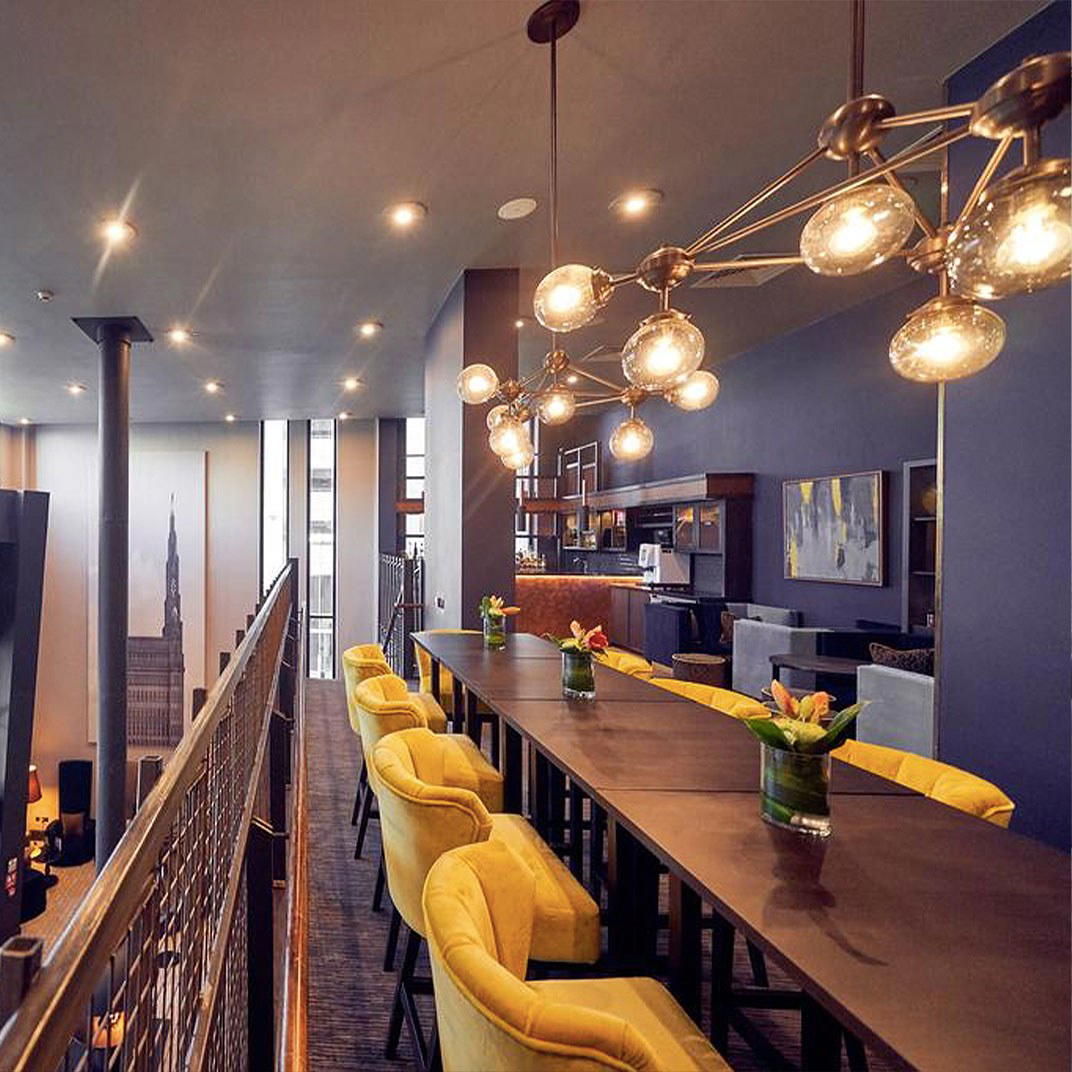
Relaxed industrial-chic with exposed brick, warm welcoming atmosphere, and central open kitchen, though occasionally noisy.
Know Before You Go
- Getting there
- 4a Watkinson St, Liverpool L1 0AG, United Kingdom