DoubleTree by DoubleTree by Hilton Antalya City Centre is a sparse-data Istanbul hotel entry, so the useful reading is comparative rather than claim-heavy: place it against Istanbul’s split hotel scene, from restored Beyoğlu townhouses to Bosphorus addresses and Sultanahmet heritage stays. With no published public sources for rating, price, awards, address, or booking channel, planning should be verified directly before treating it as a confirmed Istanbul base.
Pearl is the En Primeur Club membership app — saves, bookings, and concierge access live there. Same editors, same standards.
- Address
- Adnan Menderes Bulvari No 61 Etiler Mahallesi, Muratpasa, Antalya, 07010, Türkiye
- Phone
- +90 242 231 00 42
- Website
- hilton.com
 Saves & bookings on Pearl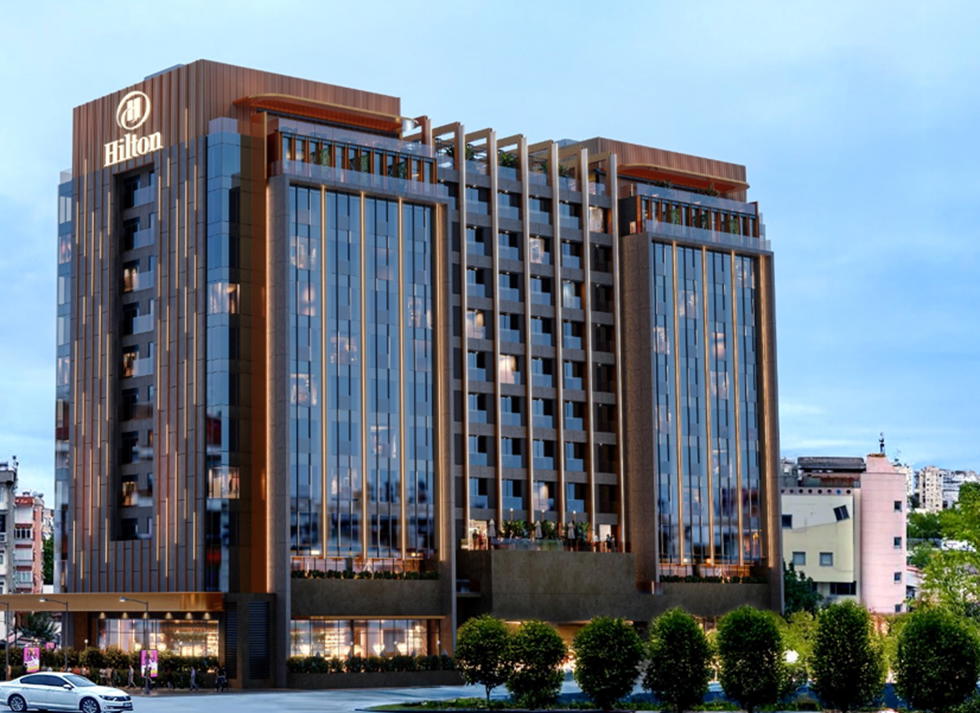
First read: a city hotel name in a city of layered addresses
Approaching an Istanbul hotel is rarely a neutral act. The city changes register by the block: stone apartment façades in Beyoğlu, ferry horns across the Bosphorus, tramlines cutting through the historic peninsula, glassier commercial corridors on the Asian side. DoubleTree by DoubleTree by Hilton Antalya City Centre is a 4-star hotel in Istanbul, priced at tier 3. That mismatch matters for travellers who plan by neighbourhood, because Istanbul hotel choice is less about a generic city-centre label than about the precise relationship between sleep, traffic, ferries, restaurants, and the day’s cultural radius.
In a market this fragmented, architecture and address do the heavy lifting. A converted diplomatic residence near Galata tells a different story from a waterside yali-influenced property on the Bosphorus; a Sultanahmet stay changes the morning rhythm, while a high-rise business hotel works on another schedule entirely. The page has to treat the name as a planning problem inside Istanbul’s hotel scene, not as a finished portrait.
Why design context matters in Istanbul
Istanbul hospitality has moved beyond the old split between international-chain predictability and Ottoman-themed heritage. The more useful division now sits between spatial experiences. Some properties trade on restored bones: high ceilings, staircases, masonry, and neighbourhood memory. Others offer the controlled efficiency of a branded urban hotel, where the value lies in service systems, meeting capacity, access roads, and familiarity for repeat travellers. A third group occupies the Bosphorus and uses water, light, and terrace culture as its main architectural language.
That is why a hotel name with no address creates uncertainty. “City centre” is not a precise Istanbul category. Taksim, Şişli, Karaköy, Sultanahmet, Levent, Kadıköy, Nişantaşı, and Üsküdar can all be central depending on the trip. Each creates a different hotel experience. Design-led visitors often compare a city-centre chain property with smaller Istanbul references such as Tomtom Suites in competitor research, or with EP Club’s Istanbul hotel entries including 10 Karakoy, where the appeal is tied to Karaköy’s urban grain rather than to a broad brand promise.
The Hilton question: consistency versus local texture
International hotel groups play a specific role in Istanbul. They reduce uncertainty for guests who want predictable room standards, familiar operational language, and a clear corporate-hotel grammar. That grammar can be useful in a city where traffic timing, airport transfers, and district choice affect the trip as much as interior style. But consistency is also a trade-off. The more a hotel relies on a global format, the more it must prove why its particular address gives the stay a sense of place.
EP Club cannot treat that suggestion as a verified operating detail without brand confirmation. The safer editorial point is comparative: travellers considering a branded city-centre option in Istanbul should compare it against properties whose design identity is clearer from available records and positioning, from Address Istanbul on the Asian side to Barcelo Hotel Istanbul for a more conventional urban-hotel frame.
Atmosphere: what can be inferred, and what cannot
Atmosphere-wise, the only defensible expectation is an urban hotel framework rather than a resort or intimate townhouse reading. It does not supply lobby design, room style, views, restaurant concepts, spa facilities, meeting spaces, or renovation history. Any such description would be invented. For a premium traveller, that limitation is useful in itself: if atmosphere is the buying reason, this listing requires external verification before it can be placed ahead of Istanbul properties with documented design narratives.
The city offers many clearer alternatives by mood. Ajia sits in a waterside conversation; Bebek Hotel by The Stay belongs to the Bosphorus social-hotel tradition; AJWA Sultanahmet speaks to the historic peninsula and its heritage-hotel audience. These comparisons are not ornamental. They show how Istanbul hotels signal intent through district and architecture before the room key is handed over.
Neighbourhood choice beats generic centrality
Istanbul punishes vague logistics. A hotel that looks central on a map may sit on the wrong side of a traffic corridor for a restaurant-led trip, or far from ferry routes for a Bosphorus-heavy itinerary. Without latitude, longitude, or street address in the record, DoubleTree by DoubleTree by Hilton Antalya City Centre cannot be assessed for walking radius, public-transport access, airport approach, or proximity to major dining clusters. That is a significant gap in this city.
For context, travellers using EP Club to shape an Istanbul stay should read laterally across categories. Hotel choice affects dinner timing, bar returns, and cultural pacing, so Istanbul restaurants, bars, and experiences guides are planning tools rather than add-ons. The hotel hub, Our full Istanbul hotels guide, gives the broader comparable set, while Our full Istanbul wineries guide is useful for readers building a Turkey trip around wine as well as city dining.
Design-led Istanbul: the comparable set to understand
The strongest Istanbul hotels tend to have a readable spatial argument. In Karaköy, the building stock and port history create a different texture from the apartment-house elegance around Pera. In Sultanahmet, architecture is entangled with proximity to mosques, cisterns, museums, and tour-group pressure. On the Bosphorus, the decisive assets are waterline, terrace culture, and the rhythm of boats. Across the Asian side, newer luxury often feels more residential and retail-adjacent, with broader floor plates and a different relationship to business travel.
This is where a sparse record becomes a critical disadvantage. A hotel without published design cues cannot be credibly compared on architectural merit to Istanbul properties that make their physical setting legible. Aliée Istanbul belongs in a different conversation from Akbıyık Cd., not because one label is automatically superior, but because each implies a different city experience. DoubleTree by DoubleTree by Hilton Antalya City Centre needs address-level confirmation before its real comparable set can be fixed.
Price, awards, and the limits of the record
EP Club pages normally lean on trust signals: Michelin keys where relevant, hospitality awards, star rating, review volume, room count, price band, or recognised editorial coverage. That absence should shape expectations.
The comparison is direct. If a hotel lacks visible awards and price data in the record, it should be treated as an option requiring confirmation, especially when Istanbul alternatives publish stronger signals. In a city where hotel rates can move sharply around conference weeks, school holidays, public holidays, and peak spring or autumn travel, price verification is not administrative detail. It is part of the editorial assessment.
Dining and hotel life: do not assume a restaurant story
Istanbul’s hotel restaurants have improved as the city’s dining audience has broadened, but not every hotel needs a destination table. Some properties function as sleeping bases near outside restaurants; others build the stay around terrace dining, breakfast rooms, cocktail bars, or private-event spaces. That means no claims should be made about food quality, culinary direction, breakfast, room service, or local sourcing.
For travellers who choose hotels around restaurants, the practical move is to start with neighbourhood dining rather than hotel dining. Karaköy, Galata, Nişantaşı, Bebek, and the historic peninsula each produce different evening patterns. A Bosphorus dinner followed by a long cross-city car ride can undo the pleasure of a polished room. A modestly documented hotel in the right district may work better than a grander property in the wrong one. Until the address is confirmed, DoubleTree by DoubleTree by Hilton Antalya City Centre cannot be placed inside that dining map with confidence.
Who this listing suits
This entry suits readers who are comparing Istanbul hotel names and need a disciplined warning against overreading incomplete data. It may also suit travellers loyal to familiar international hotel formats, provided they verify the operating details through an official channel before planning around it. The record does not support a design-led recommendation or a neighbourhood endorsement. Its useful role is as a checkpoint: confirm the exact property, location, booking route, and current status before treating the hotel as part of an Istanbul itinerary.
For travellers who want a stronger architectural through-line, Istanbul’s smaller and more place-specific hotels are easier to assess from available context. For those building a wider Turkey itinerary, the comparison expands beyond Istanbul: Ajwa Cappadocia in Ürgüp, Ariana Sustainable Luxury Lodge in Nevsehir, Aza Cave Hotel in Goreme, The Rupestral House in Uçhisar, and Exedra Hotel Cappadocia in Cappadocia show how geology, restoration, and regional form can become the central hotel argument.
How it fits into a wider Turkey trip
Turkey travel often pairs Istanbul with a second register: Cappadocia for carved-stone and cave-hotel architecture, the Aegean or Mediterranean for resort pacing, or thermal and wellness properties for longer domestic stays. That discrepancy should be resolved before flights, transfers, and restaurant reservations are arranged. In Turkish trip planning, a wrong-city assumption is not a small error; it can mean a missed domestic flight or a hotel night in the wrong region.
For comparison outside Istanbul, Güral Premier Tekirova in Kemer belongs to a coastal-resort reading, Kuum Hotel & Spa in Bodrum sits in the Aegean leisure frame, NG HOTELS in Sapanca works for a nearer escape from Istanbul, and BN Hotel Thermal & Wellness in Mersin points toward wellness-led travel. These are different hotel languages, and the distinction matters when a listing name and database city do not align cleanly.
International comparison: why evidence matters
In mature luxury markets, hotels earn confidence through a combination of address, architecture, service history, and third-party recognition. A grand European palace hotel, a design-led New York property, and an Alpine grande dame occupy different categories, but each gives the traveller enough public information to understand the bet being made. That is the standard serious travellers bring to Istanbul as well.
For scale, compare how clearly positioned international references are: The Fifth Avenue Hotel in New York City reads through urban design and a specific Manhattan address; Hôtel de Paris Monte-Carlo in Monte Carlo is inseparable from casino-square grand-hotel culture; Badrutt's Palace Hotel in St. Moritz operates within the winter-resort palace tradition. DoubleTree by DoubleTree by Hilton Antalya City Centre, as recorded here, lacks the public detail needed for that level of classification.
Planning notes
Confirm the exact city, street address, current operating name, booking channel, cancellation terms, and transport plan. If the trip depends on Istanbul dining, confirm travel time to the relevant restaurant districts before committing. If the trip depends on design, ask for current room images and renovation details rather than relying on the city-centre label. If loyalty benefits are part of the decision, confirm the brand relationship directly through the official hotel or programme channel.
Comparable Venues Nearby
Comparable venues nearby, for context on price, style, and recognition.
| Venue | Cuisine | Price | Notes |
|---|---|---|---|
| DoubleTree by DoubleTree by Hilton Antalya City CentreThis venue — the venue you are viewing | Large contemporary city hotel blending business-friendly facilities with leisure amenities like spa and pools. | $$$ | Not listed |
| Louis Appartements Galata | Boutique serviced apartments in historic building | $$$ | Sahkulu |
| Georges Hotel Galata | Luxury boutique hotel with French touch in historic building | $$$ | Mueyyedzade |
| The House Hotel Karaköy | Historic boutique hotel in a restored neo-renaissance bank building blending heritage with modern luxury. | $$$ | Arap Cami |
| Grand Hotel De Londres | 19th-century neoclassical heritage hotel with preserved historic charm | $$$ | Asmali Mescit |
| Witt Istanbul Hotel | Contemporary design haven with retro-modern aesthetic; formerly the Turkish headquarters of Ogilvy and Mather, reimagined by acclaimed designer Autoban into a luxury apartment-style boutique hotel. | $$$ | Kilicali Pasa |
Continue exploring
More in Istanbul
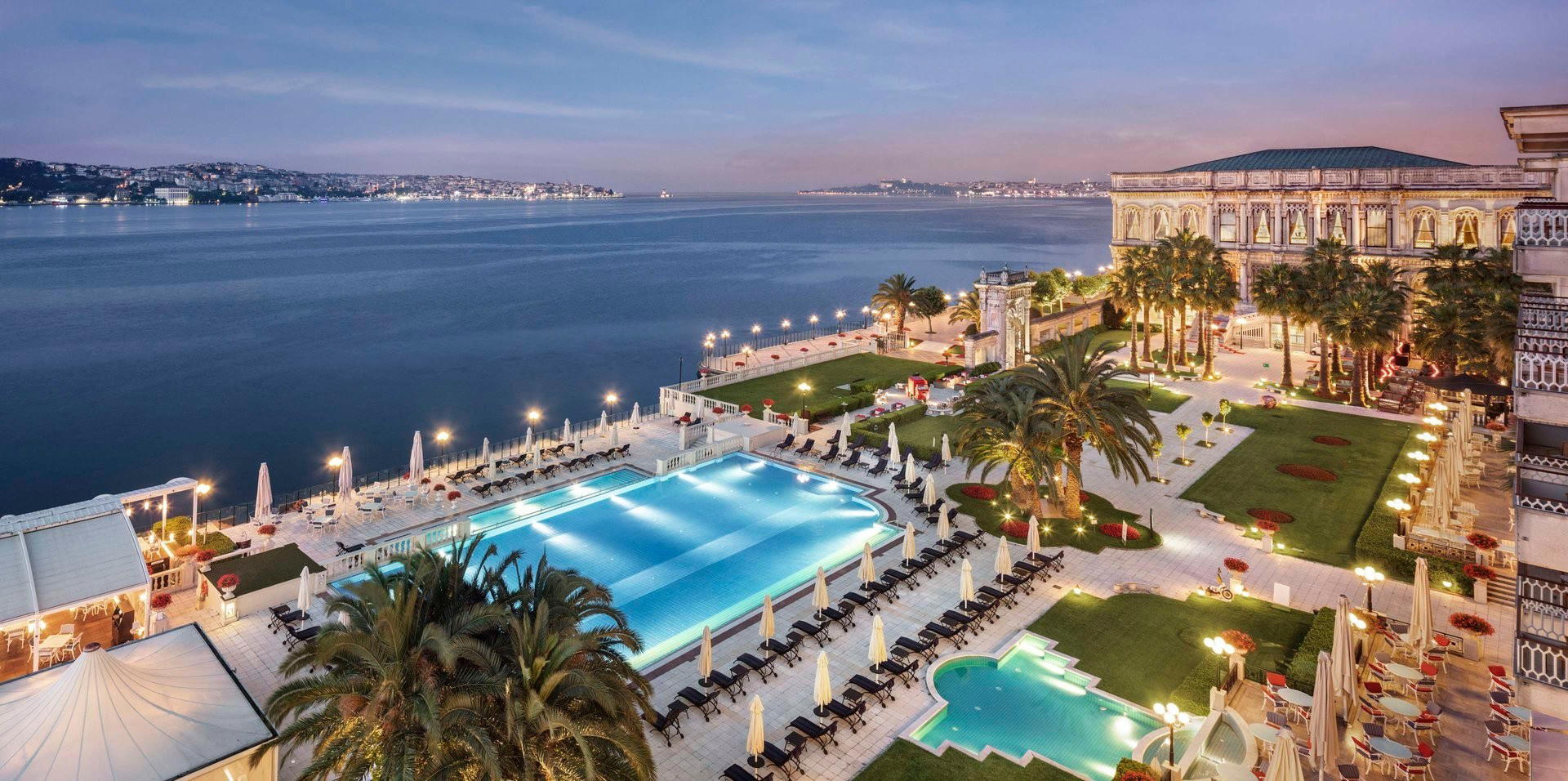
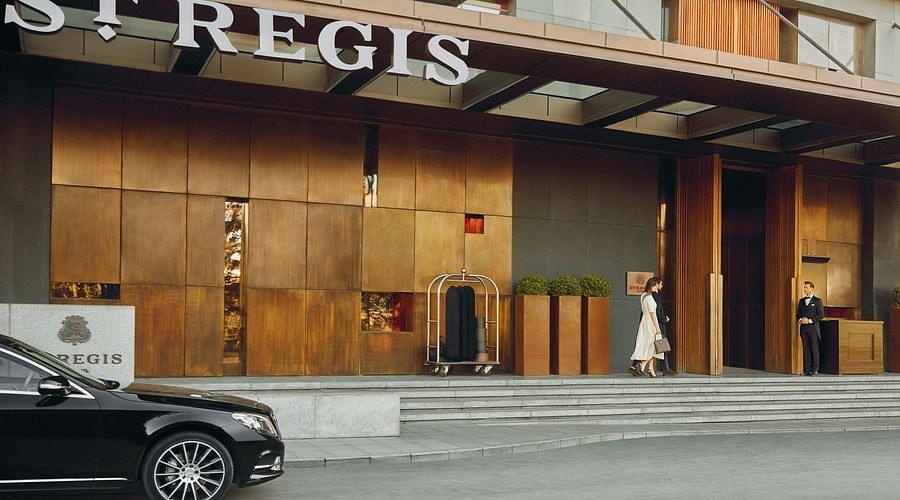
Hotels in Istanbul
Browse all →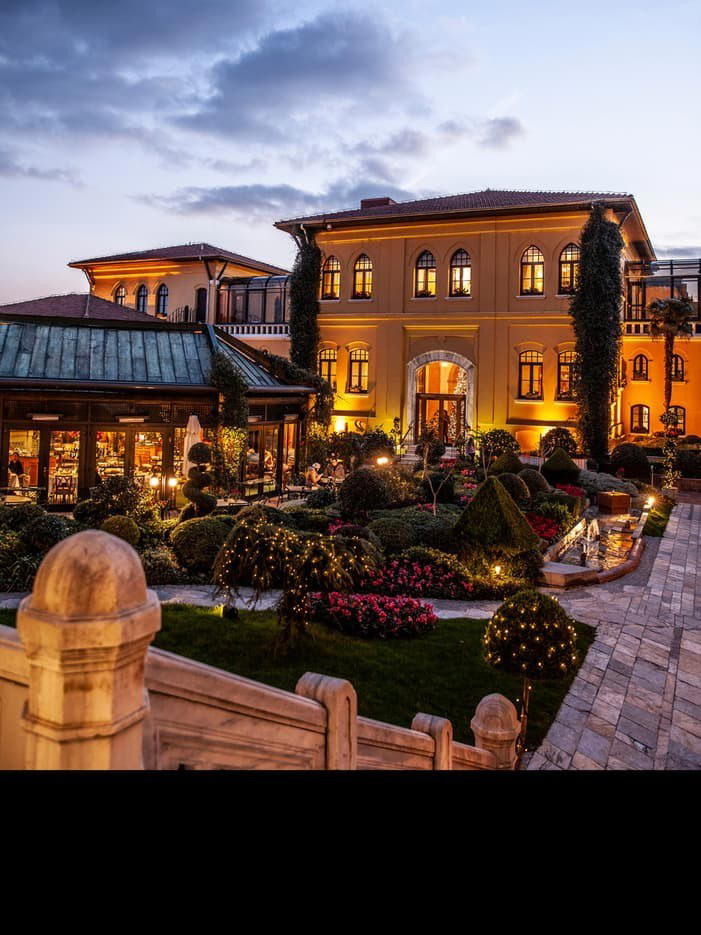
Bars in Istanbul
Browse all →
Restaurants in Istanbul
Browse all →
Wineries in Istanbul
Browse all →

At a Glance
- Modern
- Elegant
- Sophisticated
- Lively
- Business Trip
- Family Vacation
- Weekend Escape
- Group Retreat
- Celebration
- Rooftop Pool
- Destination Spa
- Terrace
- Panoramic View
- Wi Fi
- Pool
- Spa
- Fitness Center
- Room Service
- Concierge
- Business Center
- Valet Parking
- Beach Access
- Street Scene
- Wi Fi
- Pool
- Spa
- Fitness Center
- Room Service
- Concierge
- Business Center
- Valet Parking
- Beach Access
A contemporary business‑meets-leisure atmosphere with polished modern decor, bright public spaces, and a lively yet professional feel around the lobby, bar, and rooftop pool.