
Michelin Selected
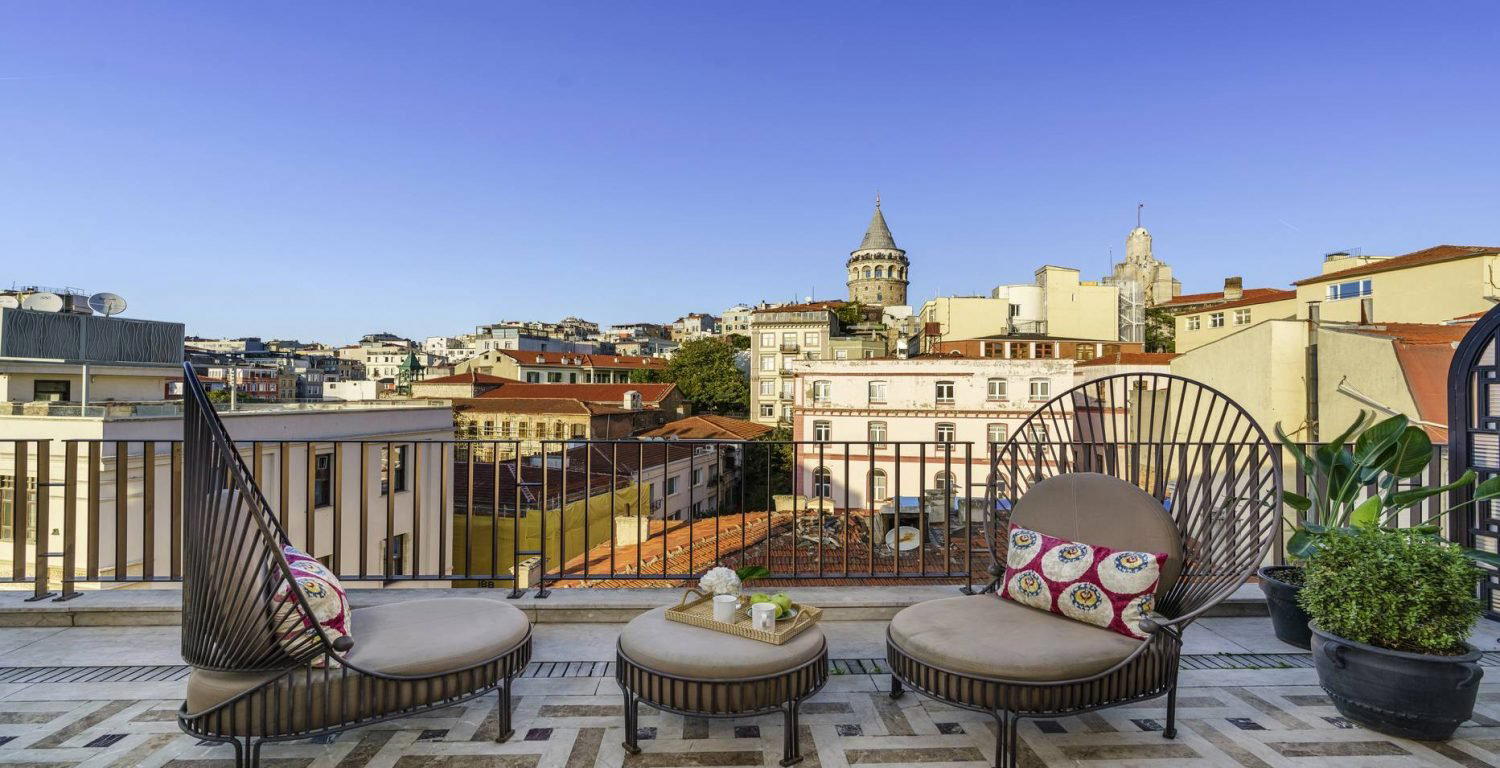
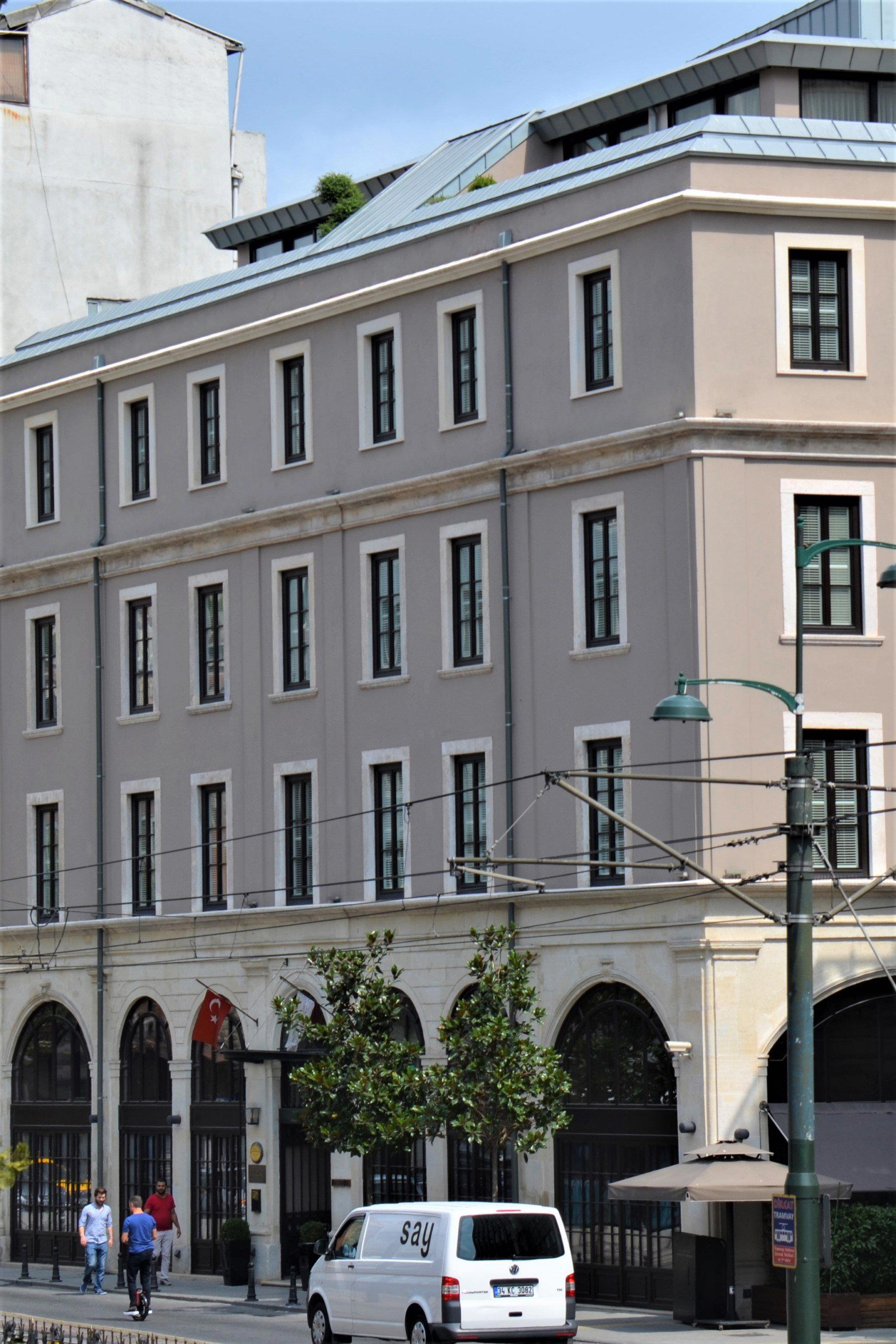
10 Karakoy occupies a considered address on Kemeraltı Caddesi in Beyoğlu, one of Istanbul's most architecturally layered neighbourhoods. The property sits within the broader Galata corridor, where nineteenth-century Levantine buildings have been progressively converted into design-led accommodation. For travellers who want proximity to both the Golden Horn and Karaköy's restaurant scene, the location does most of the editorial work.

Pearl is the En Primeur Club membership app, where members save venues, book tables and use the concierge.
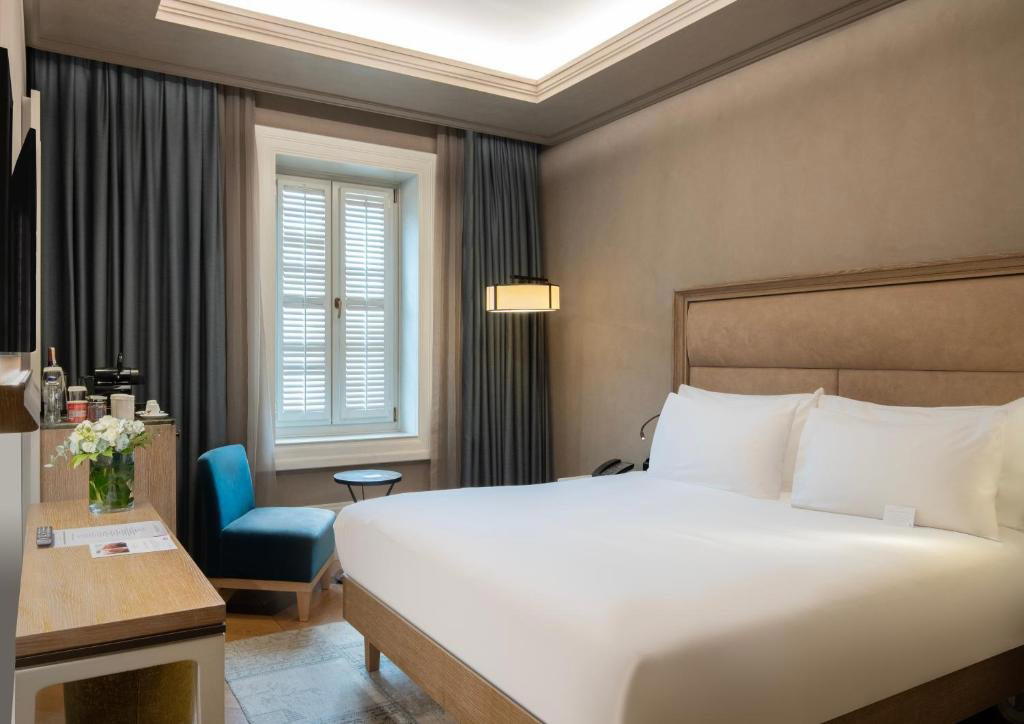
Karaköy and the Address That Defines It
Kemeraltı Caddesi runs from the Galata waterfront up toward the tower, and for much of the twentieth century it functioned as a working port corridor rather than a destination. That changed as Karaköy repositioned itself over the past decade from transit district to one of Istanbul's more concentrated pockets of design-led hospitality. 10 Karakoy sits at number ten on that street, and the address alone carries a logic that many hotels in the city cannot claim: the Bosphorus strait is within walking distance, the historic tram line connects south to Sultanahmet in minutes, and the Galata Bridge pedestrian crossing puts you on the Eminönü waterfront without touching a taxi. For travellers who want proximity to both the city's Ottoman monuments and its contemporary gallery and restaurant scene in Beyoğlu, few positions on the Istanbul map are as functionally well-placed.
The Karaköy Tier Within Istanbul's Hotel Market
Istanbul's premium hotel market has long concentrated along the Bosphorus shore in Beşiktaş and Çırağan, or inside the historic peninsula at Sultanahmet. Properties like the AJWA Sultanahmet trade on proximity to the Hagia Sophia and the Blue Mosque. Bosphorus-facing options including Ajia and the international-brand properties in the Quasar district position themselves on water views and formal amenity stacks. 10 Karakoy operates in a different register: the boutique, design-attentive category that draws comparisons to the smaller key counts and neighbourhood integration of properties like Bebek Hotel by The Stay on the European shore. That segment competes less on pool decks and more on location specificity and the character of the surrounding streets.
The Karaköy neighbourhood itself has attracted a specific kind of traveller: one interested in the antique dealers and art galleries of Çukurcuma a short walk north, the ferry docks a few minutes south, and the coffee and natural wine bars that now populate the side streets between the Galata Tower and the waterfront. Address Istanbul and Aliée Istanbul both represent the broader Beyoğlu district's push toward design-conscious accommodation, though the specific Karaköy microdistrict remains more compact and walkable than the upper Beyoğlu zone.
What the Kemeraltı Address Provides
The practical geography here matters enough to examine specifically. The Karaköy ferry terminal sits at the base of Kemeraltı, connecting to the Asian shore at Kadıköy and Üsküdar on a schedule that makes cross-Bosphorus movement possible without a long taxi commitment. The Tünel funicular, one of the world's oldest underground railways, operates a short walk up the hill and links directly into Beyoğlu's İstiklal Avenue corridor. For guests arriving from Atatürk's older harbour terminals or from the Grand Bazaar on foot across the bridge, the location functions as a genuine geographic hinge point between Istanbul's historic and contemporary layers.
That positioning distinguishes 10 Karakoy from the cluster of properties concentrated further south in Sultanahmet, which include Akbıyık Cd. and Casa Foscolo Hotel, Istanbul, where the monument density is higher but the neighbourhood after dark is quieter. Karaköy operates later, with a restaurant and bar scene that has expanded considerably since the district's transition. Guests who want to walk to dinner rather than plan a journey across the city are served by the address in ways that more isolated hotel positions cannot replicate.
Planning a Stay: Practical Orientation
For those planning an Istanbul trip that uses 10 Karakoy as a base, the surrounding area rewards advance mapping. The Galata Tower sits roughly ten minutes on foot uphill, and the tower's observation level provides a calibration point for understanding Istanbul's topography before committing to daily routing. The Spice Bazaar at Eminönü is a ten-to-fifteen minute walk across the bridge. The Grand Bazaar adds another ten minutes beyond that. For longer excursions, the ferry network from Karaköy terminal connects to day trips along the Bosphorus to Bebek and Sarıyer, or across to the Asian neighbourhoods that have developed their own distinct dining and coffee cultures.
Travellers whose itineraries extend beyond Istanbul toward Turkey's Aegean or Mediterranean coasts will find useful reference points in EP Club's coverage of MACAKIZI BODRUM in Bodrum Mugla, Alavya in Alacati, Allium Bodrum Resort and Spa in Bodrum, and Hillside Beach Club in Fethiye. For Cappadocia extensions, Argos in Cappadocia in Nevsehir, Ajwa Cappadocia in Ürgüp, and Hu of Cappadocia in Uçhisar represent the spectrum from heritage-carved boutique to design-forward small hotel. For Aegean coastal access, Renaissance Izmir Hotel in Izmir provides an urban base. More remote coastal options include Ahãma in Göcek and D Maris Bay in Hisarönü. For domestic Turkish itineraries that include the capital, Crowne Plaza Ankara in Ankara covers the business-hotel tier. Antalya's resort belt is represented by Kempinski Hotel The Dome Belek in Antalya. The Black Sea coastal fringe has Casa Lavanda Boutique Hotel in Sile. For a broader view of Istanbul's hotel options, Barcelo Hotel Istanbul represents the larger international footprint. The full EP Club Istanbul coverage is at our full Istanbul restaurants guide.
For international reference points in the boutique-with-location segment, Aman Venice in Venice illustrates how address specificity in a historic waterfront city can define an entire stay. In New York, the contrast between address-driven positioning and amenity-driven positioning is visible in the difference between Aman New York in New York City and The Fifth Avenue Hotel in New York City.
The Essentials
| Venue | Awards |
|---|---|
| 10 KarakoyThis venue (the venue you are viewing) | Michelin Selected |
| Çırağan Palace Kempinski Istanbul | Michelin Selected · La Liste Top Hotels |
| Fairmont Quasar Istanbul | Michelin Selected · Forbes Recommended |
| Four Seasons Hotel Istanbul at Sultanahmet | 3 Michelin Keys · La Liste Top Hotels |
| Four Seasons Hotel Istanbul at the Bosphorus | 1 Michelin Key · La Liste Top Hotels |
| JW Marriott Hotel Istanbul Marmara Sea | Michelin Selected · Forbes 4-Star |
Recognition history
Dated appearances from independent guides and award organizations, with the underlying list record or original source where available.
Michelin Selected
Michelin
Continue exploring
More in Istanbul
Hotels in Istanbul
All hotels in Istanbul →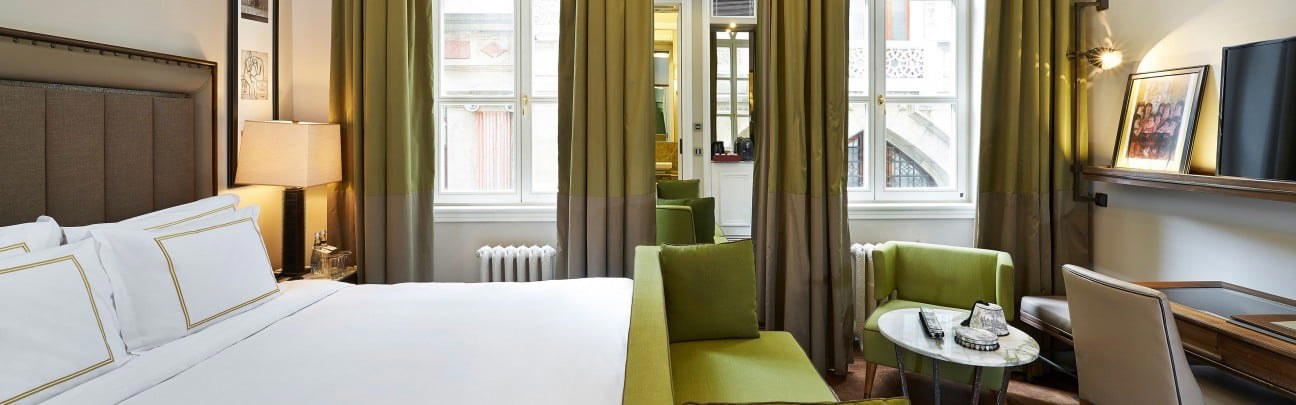
Details
- Modern
- Elegant
- Sophisticated
- Trendy
- Romantic
- Romantic Getaway
- Business Trip
- Weekend Escape
- Rooftop Pool
- Historic Building
- Panoramic View
- Terrace
- Wi Fi
- Fitness Center
- Room Service
- Concierge
- Restaurant
- Bar
- Meeting Rooms
- Skyline
- Waterfront
- Elevator
- Wheelchair Accessible
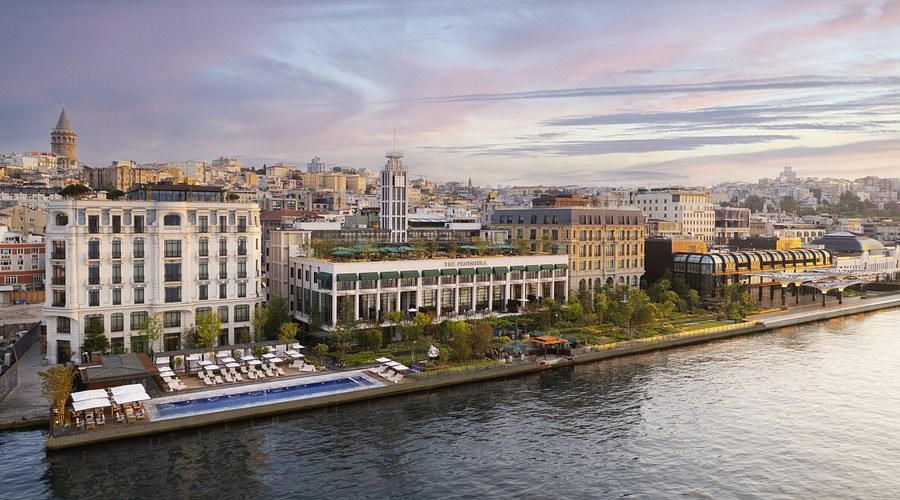
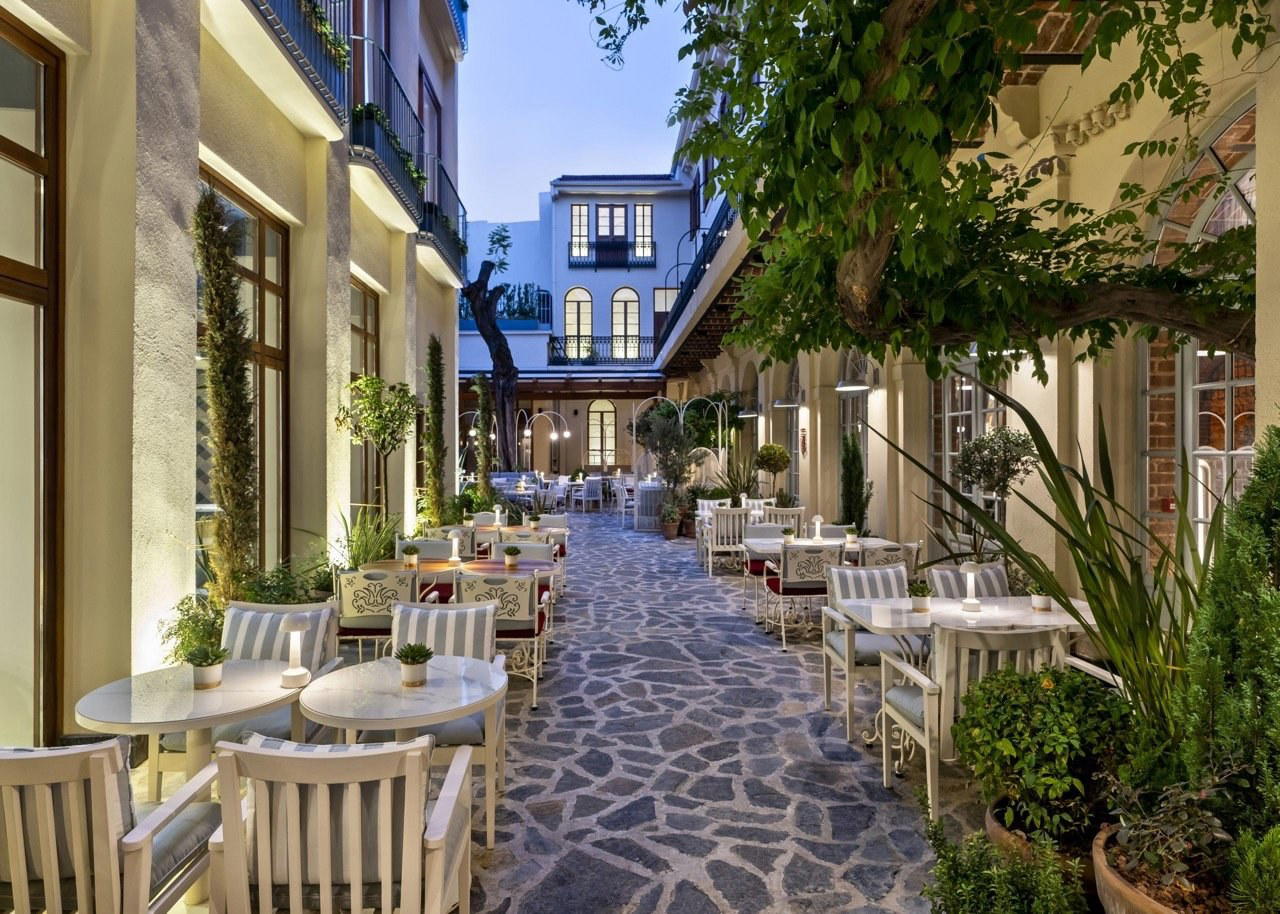
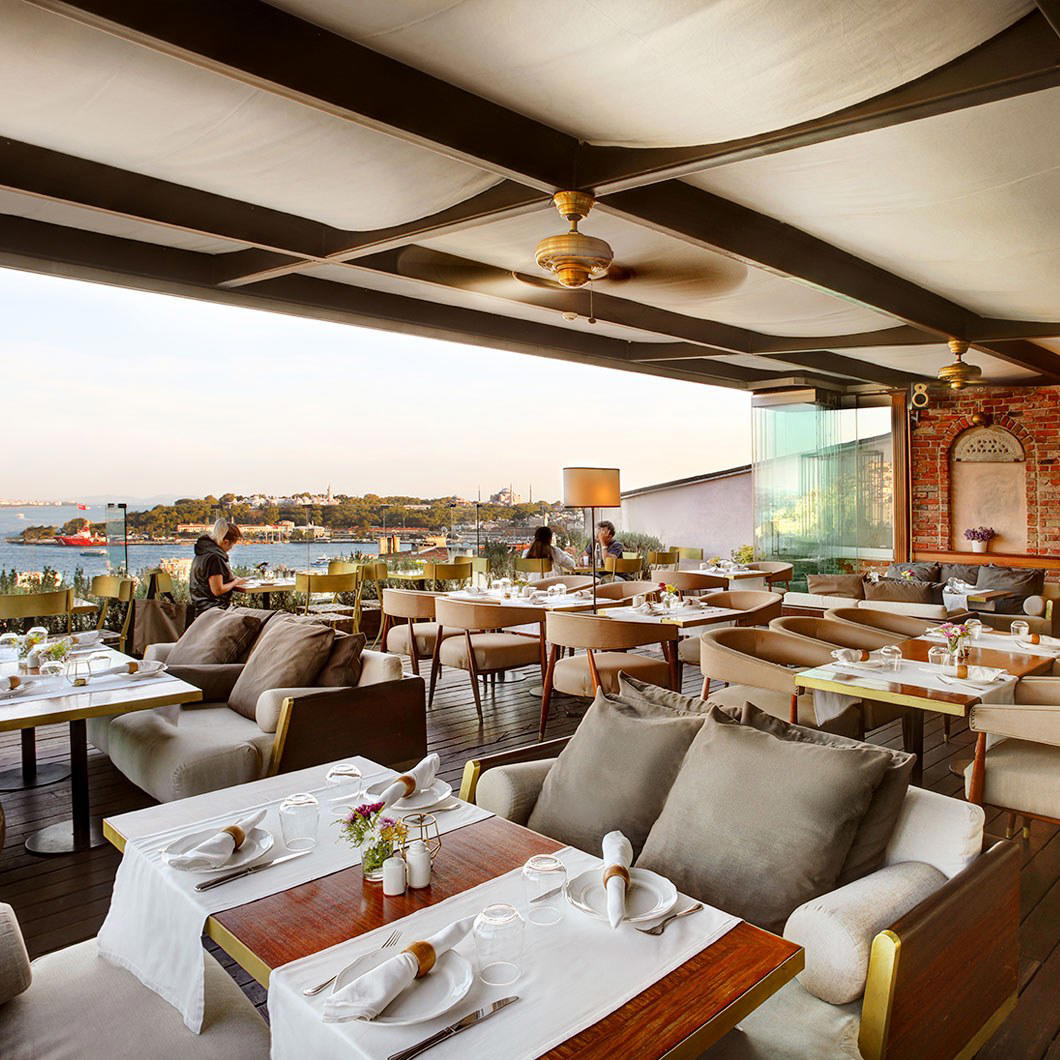
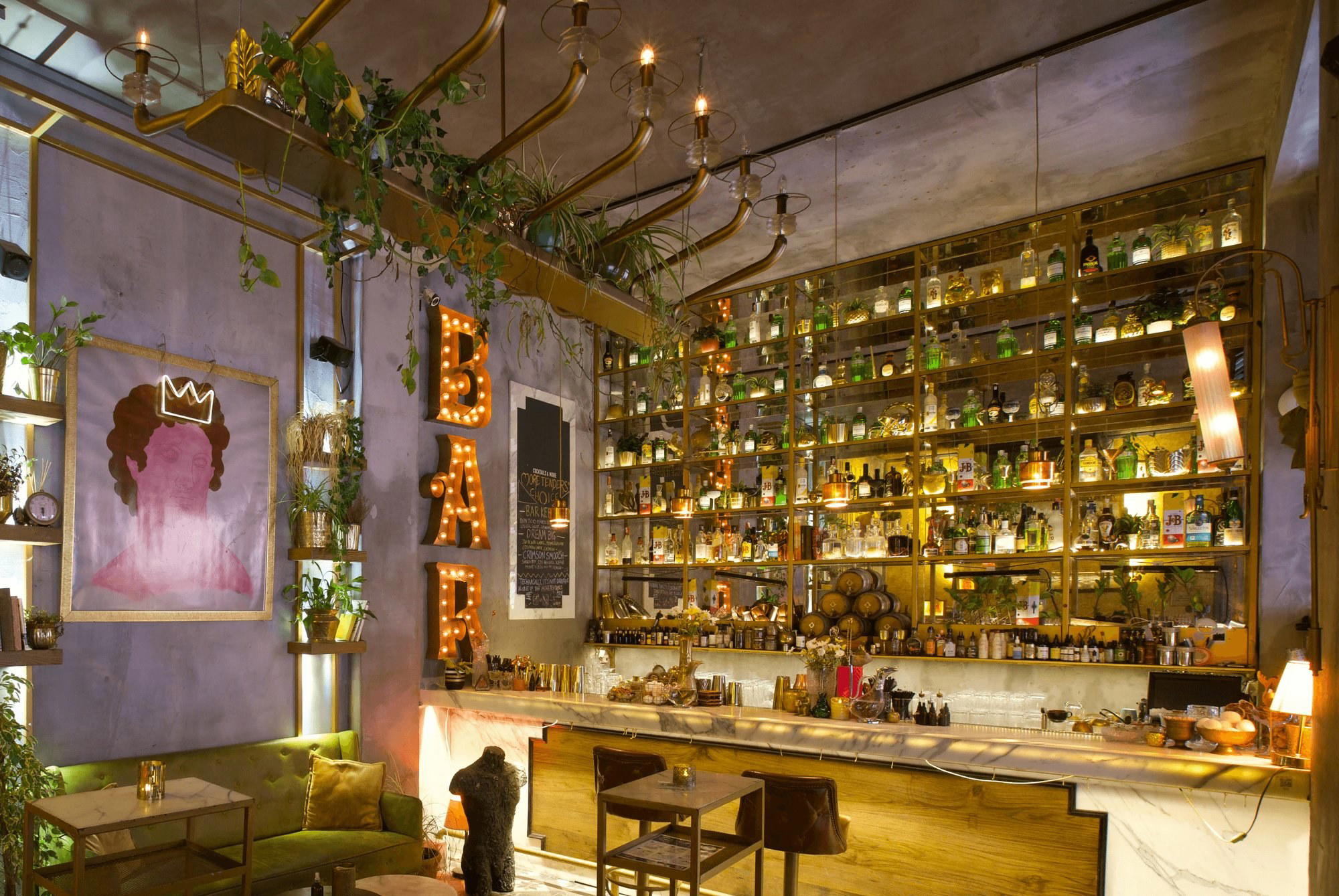
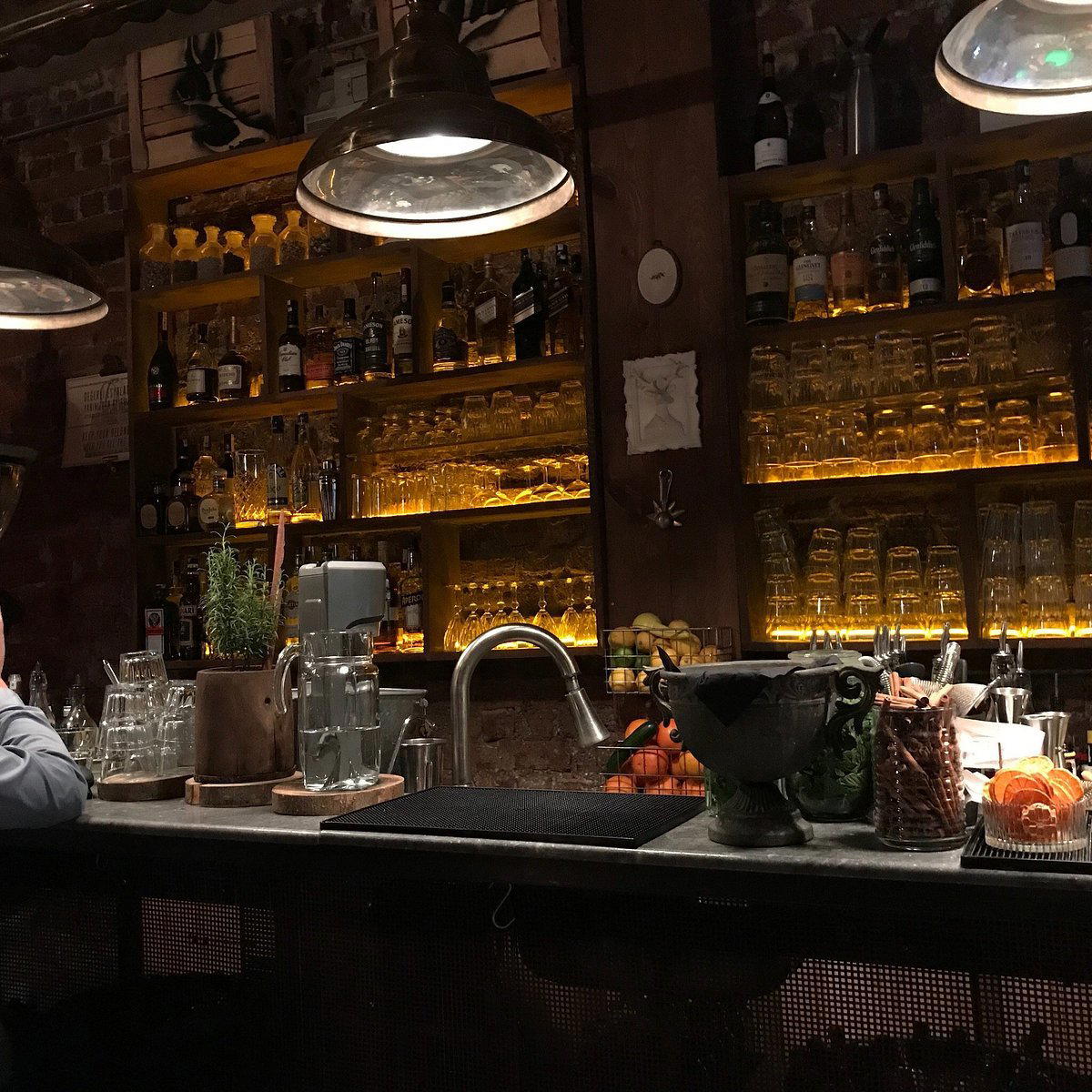
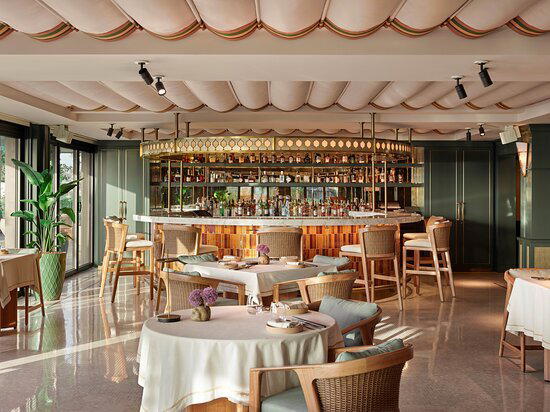
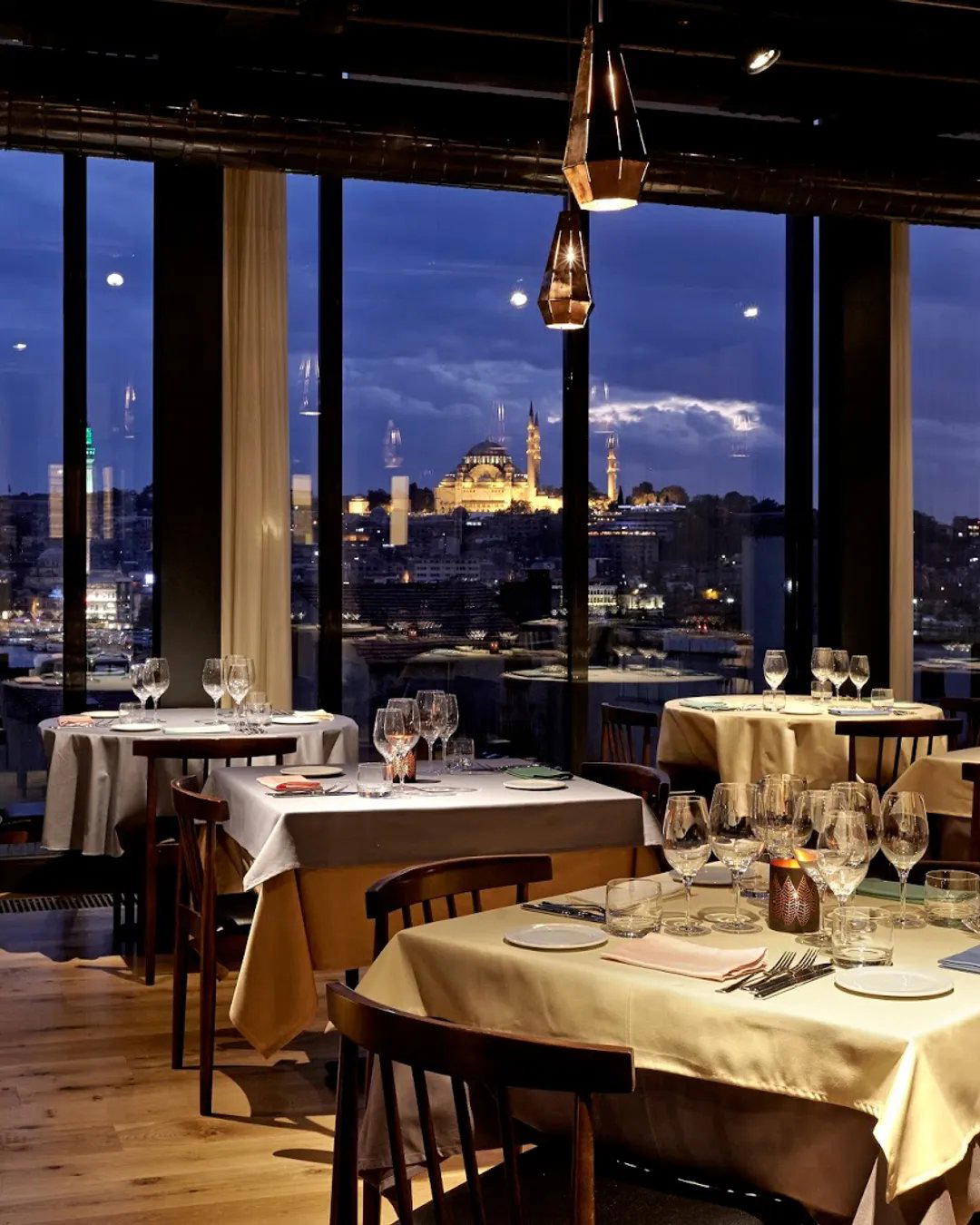
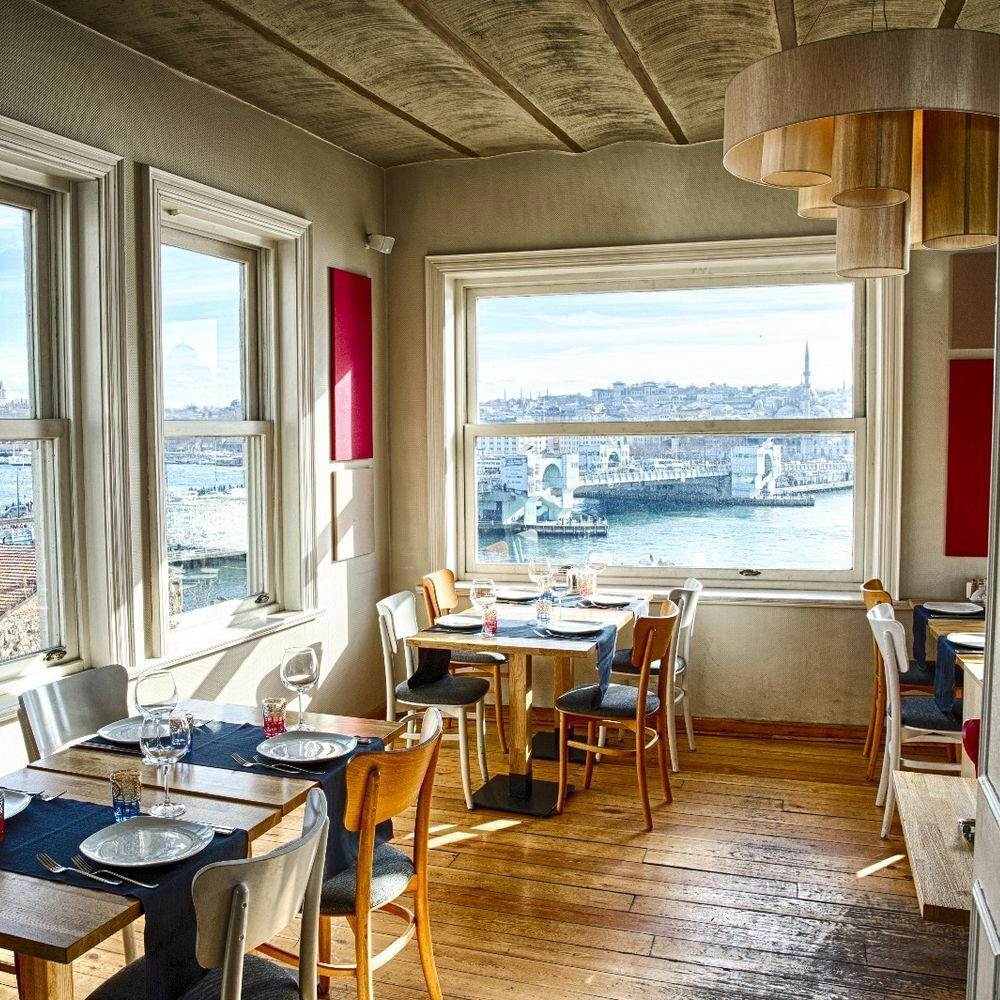
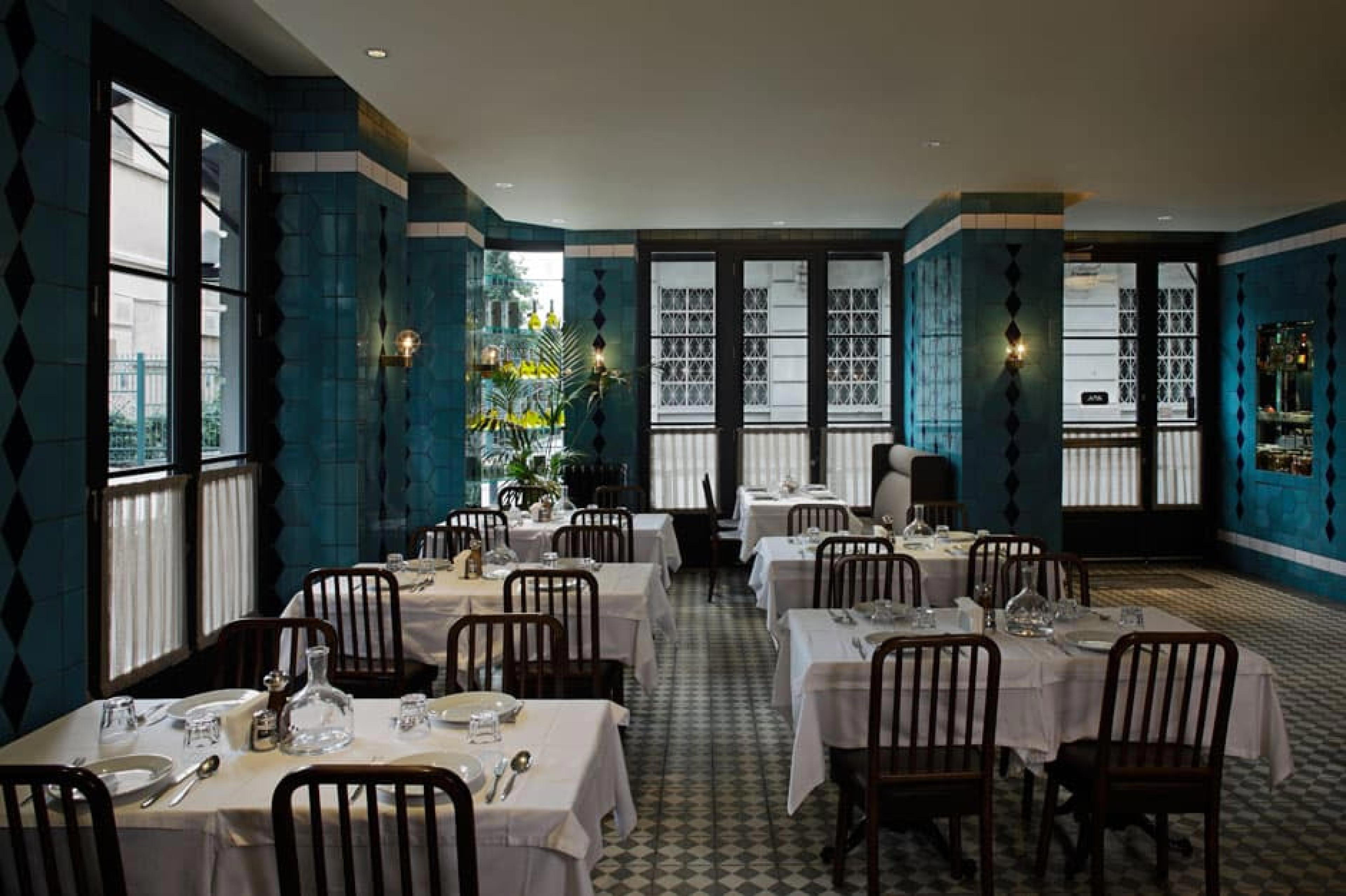
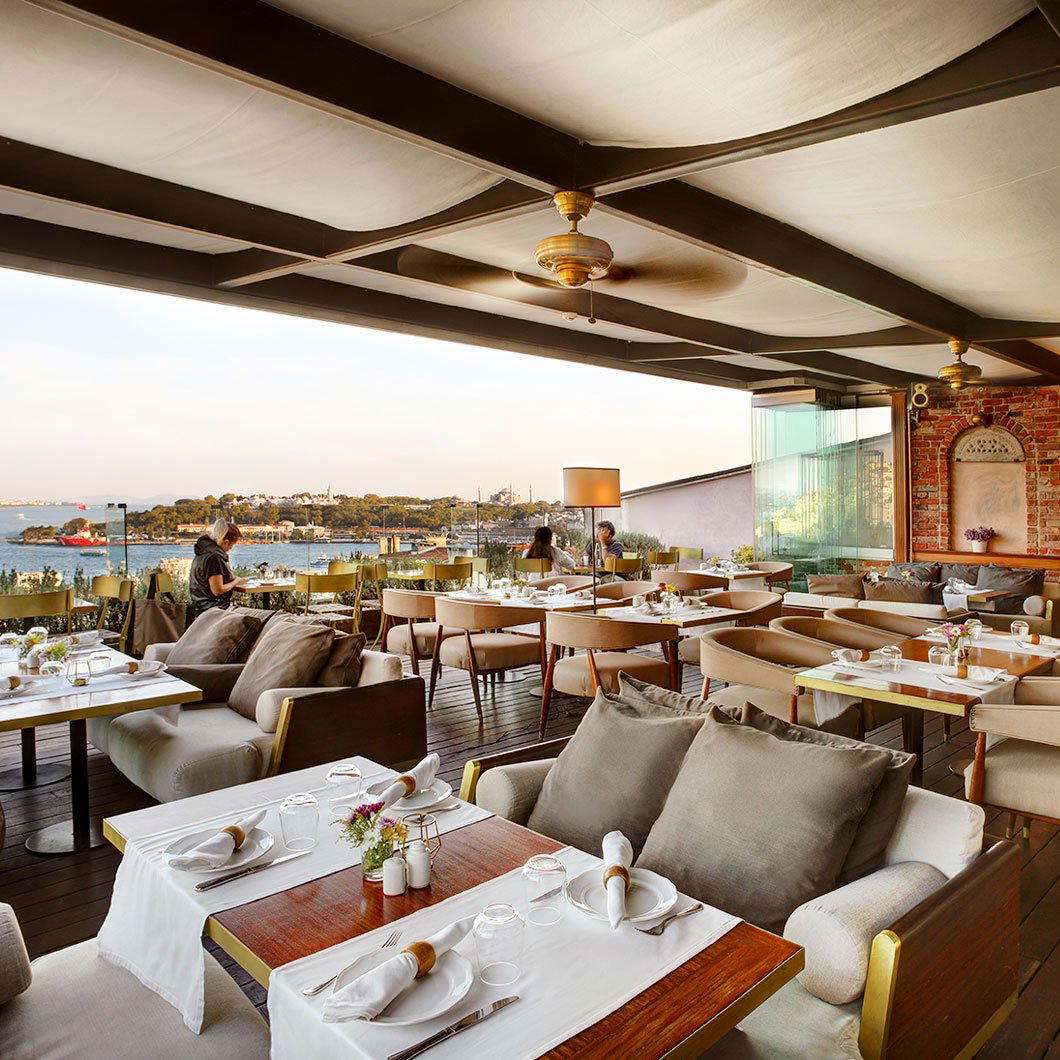
Sophisticated blend of historical charm and modern luxury featuring high ceilings, bespoke furniture, mesmerizing lobby light installations, and lively rooftop atmosphere.