Akbıyık Caddesi runs through the heart of Sultanahmet, where the layered architectural history of Istanbul becomes impossible to ignore. The street sits within walking distance of the Blue Mosque and Hagia Sophia, placing visitors at the dense core of Byzantine and Ottoman heritage. For travellers oriented around historic immersion and proximity to the old city's monument cluster, this address anchors the experience.

Pearl is the En Primeur Club membership app, where members save venues, book tables and use the concierge.
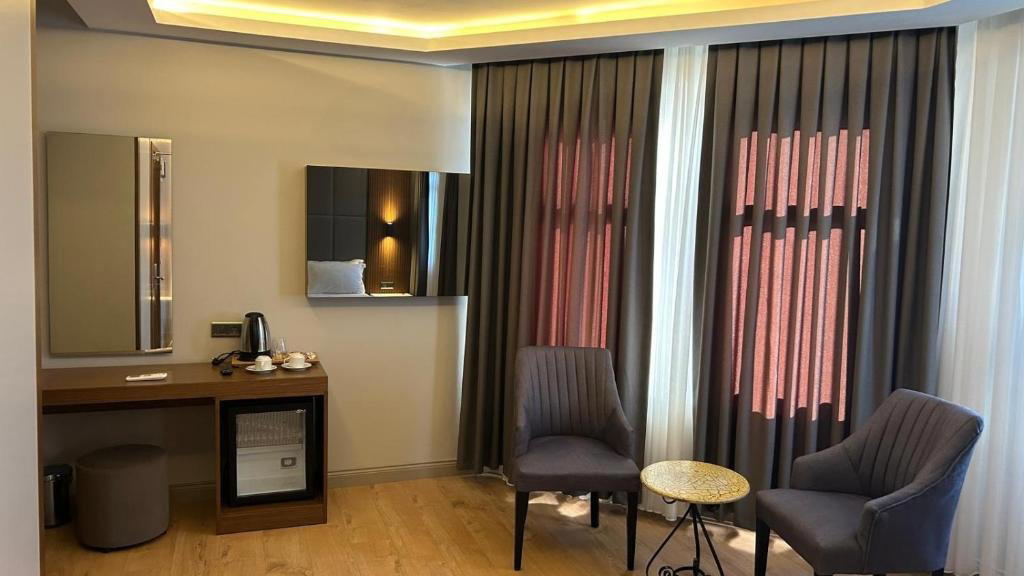
Where the Old City Makes Its Case
Sultanahmet does not ease you in gently. The district announces itself through mass and geometry: the semi-domes of the Blue Mosque stacking skyward, the vast rotunda of Hagia Sophia pressing down on the surrounding streets, the Hippodrome's stone column fragments marking a civic space that predates the Ottoman conquest by a thousand years. Akbıyık Caddesi runs through the lower edge of this concentration, a sloped street in the Fatih municipality that connects the monument core to the waterfront zone near Kennedy Caddesi. The physical approach from the water side places the city's Byzantine seawalls on one flank, late Roman engineering that has been absorbed so completely into the neighbourhood's fabric that residents barely register it.
Streets like Akbıyık sit at the intersection of two distinct Istanbul traditions: the dense, monument-oriented accommodation strip that serves heritage tourists, and the more loosely structured district of small restaurants, carpet dealers, and guesthouses that has grown up in the shadow of the Sultanahmet mosques over decades. Neither tradition dominates here; the street mediates between them, which gives it a character more layered than the purely commercial zones closer to the tramline on Divanyolu.
The Architectural Context That Defines This Address
Istanbul's historic peninsula operates as a geological deposit of construction periods. The buildings on and around Akbıyık Caddesi reflect this accumulation rather than any single coherent plan. Ottoman-era stone structures sit alongside early Republican-period masonry, with the occasional insertion of more recent construction that respects neither predecessor particularly. What holds the street together visually is not stylistic consistency but vertical scale: buildings here are low, held down by the logic of a neighbourhood that developed before modern construction codes or commercial incentives pushed density upward.
That low scale matters. It means the minarets of Sultanahmet's mosques remain visible from street level at multiple points along Akbıyık, creating a consistent orientation reference that larger-format hotel districts like Taksim or Levent cannot offer. The spatial relationship between pedestrian movement and monumental architecture is a defining feature of the Sultanahmet experience, and this street delivers it without the full tourist-corridor saturation of Sultanahmet Meydanı itself.
This is the terrain that has attracted a particular type of accommodation: boutique properties with restored Ottoman or early Republican shells, properties where the architecture of the building is itself part of the proposition. Elsewhere in Istanbul, hotels in this category tend to cluster either around Karaköy's converted warehouse district (where 10 Karakoy represents the design-led conversion approach) or along the Bosphorus waterfront (where properties like Ajia and Bebek Hotel by The Stay trade on water proximity). Sultanahmet's equivalent proposition is heritage density, and Akbıyık is positioned inside that offer.
Sultanahmet as a Neighbourhood Category
The Sultanahmet district operates differently from Istanbul's other hotel zones. Where Address Istanbul or the larger international brands near the Marmara Sea represent the city's contemporary business-and-leisure positioning, Sultanahmet addresses a more specific brief: proximity to the monument cluster, walkable access to Topkapı Palace and the Grand Bazaar, and the particular atmosphere of a district that has been a centre of civic and religious gravity for fifteen centuries.
The trade-off is a food and nightlife scene that does not match the depth available in Beyoğlu, Karaköy, or Beşiktaş. Restaurants around Akbıyık Caddesi skew toward the tourist-facing mid-market: mezes, kebabs, and Ottoman-inflected menus priced for international visitors rather than locals. This is not a criticism of the street so much as an accurate description of what Sultanahmet as a district has historically provided. Travellers seeking serious restaurant depth should cross the Galata Bridge into the newer quarters, where the dining scene carries significantly more range and local credibility.
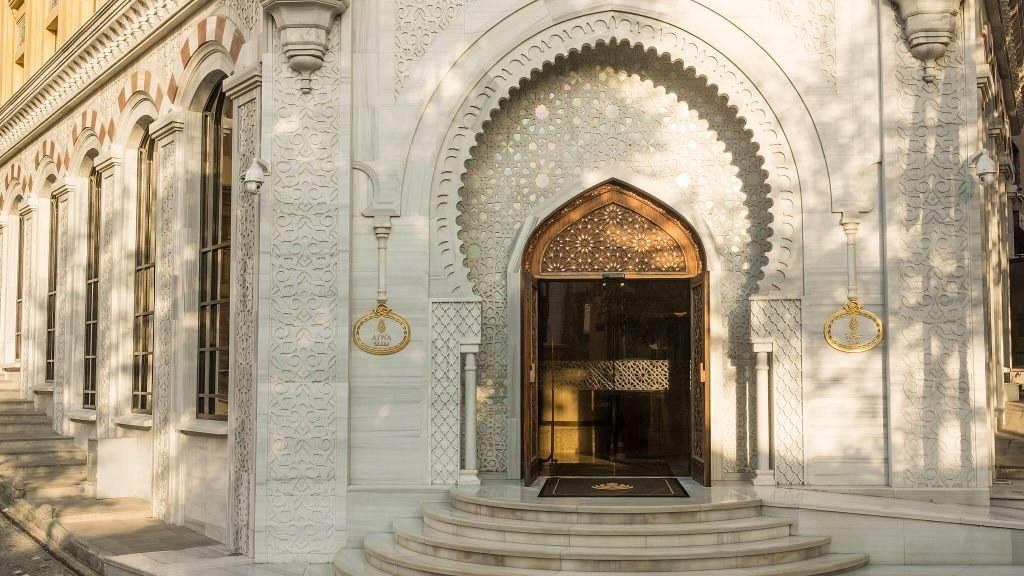
For a broader orientation to Istanbul's hospitality options across the city's distinct districts, the EP Club Istanbul guide maps the full picture, from Sultanahmet heritage hotels to the Bosphorus-facing properties and the design-led addresses of Karaköy and beyond. Istanbul properties like AJWA Sultanahmet and Casa Foscolo Hotel, Istanbul represent the Sultanahmet accommodation category more fully, each anchored to a restored structure within the monument zone.
Planning an Akbıyık Caddesi Stay
The street's location in Fatih municipality places it within comfortable walking distance of the major Sultanahmet sites. The T1 tramline on Divanyolu, a short uphill walk from the lower end of Akbıyık, connects the historic peninsula to Eminönü, Karaköy, and onward to Kabataş, where a funicular and metro network branch out toward Taksim and the airport shuttle connections. Travellers arriving from Istanbul Airport should account for journey times of 45 to 60 minutes depending on traffic and connection mode; Sabiha Gökçen Airport on the Asian side requires longer planning.
The Sultanahmet mosque sites are most manageable before mid-morning, when tour group volumes are lower and the light through Hagia Sophia's upper windows is at its most useful for photography. Akbıyık's position at the southern edge of the monument cluster means departures from the street toward the Hagia Sophia or Blue Mosque involve a short uphill approach of three to five minutes on foot, which is a meaningful detail for travellers with mobility considerations.
Istanbul's wider hotel options cover significantly different terrain, from the Aegean and Mediterranean coast properties like MACAKIZI BODRUM, Hillside Beach Club in Fethiye, and D Maris Bay, to Cappadocia's distinctive cave and stone properties including Argos in Cappadocia, Ajwa Cappadocia, and Hu of Cappadocia. For travellers building a Turkey itinerary around Istanbul before moving to the coast or interior, the contrast between Sultanahmet's urban density and those landscapes is considerable. Properties along the Aegean like Alavya in Alacati and Allium Bodrum Resort and Spa operate in a different register entirely, as do the İzmir-area options like Renaissance Izmir Hotel for travellers splitting a trip between the coast and the city.
Comparison Snapshot
| Venue | Cuisine | Price | Awards |
|---|---|---|---|
| Akbıyık Cd.This venue (the venue you are viewing) | This venue | $1–100 | Not listed |
| Çırağan Palace Kempinski Istanbul | Not listed | Not listed | Michelin Selected · La Liste Top Hotels |
| Fairmont Quasar Istanbul | Not listed | Not listed | Michelin Selected · Forbes Recommended |
| Four Seasons Hotel Istanbul at Sultanahmet | Not listed | Not listed | 3 Michelin Keys · La Liste Top Hotels |
| Four Seasons Hotel Istanbul at the Bosphorus | Not listed | Not listed | 1 Michelin Key · La Liste Top Hotels |
| JW Marriott Hotel Istanbul Marmara Sea | Not listed | Not listed | Michelin Selected · Forbes 4-Star |
Continue exploring
More in Istanbul
Hotels in Istanbul
All hotels in Istanbul →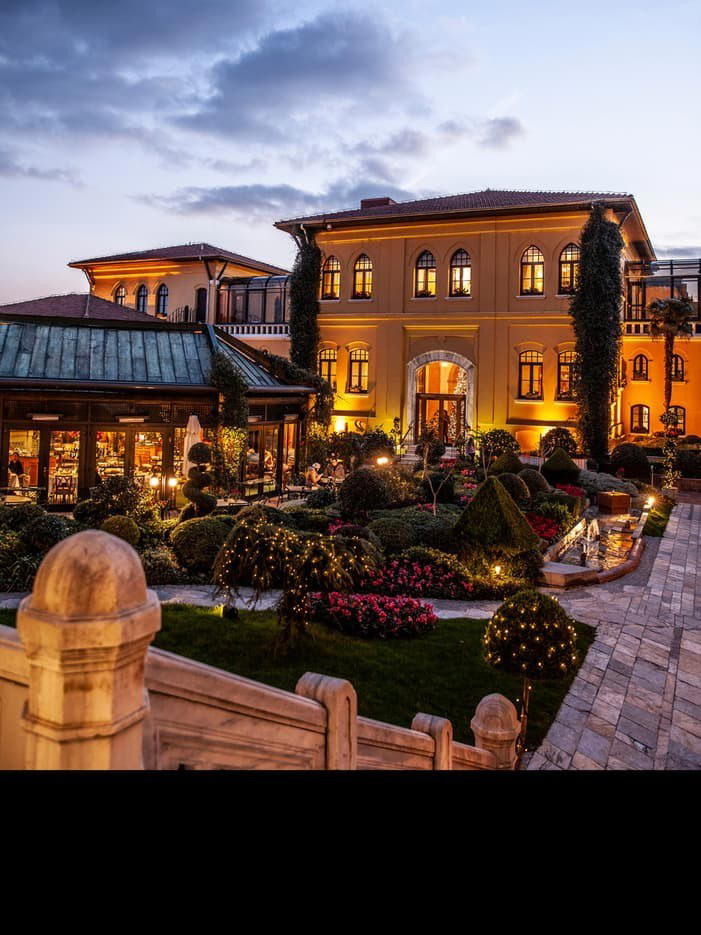
Details
- Cozy
- Historic
- Intimate
- Romantic Getaway
- Weekend Escape
- Historic Building
- Terrace
- Wi Fi
- Room Service
- Concierge
- Garden
- Street Scene
Cozy and soundproofed rooms with warm atmosphere in a historic district.