


Michelin Selected · Design Hotels Member · Mr & Mrs Smith Seal of Approval
Positioned in Cihangir, one of Istanbul's most characterful residential neighbourhoods, Witt Istanbul Hotel occupies a quiet slope above the Bosphorus with retro furnishings, monochromatic interiors, and suite-format rooms designed for longer stays. The address places guests within walking distance of Beyoğlu's galleries, meyhanes, and the Tünel funicular, making it a practical base for the kind of Istanbul that locals actually inhabit.

Pearl is the En Primeur Club membership app — saves, bookings, and concierge access live there. Same editors, same standards.
- Address
- Defterdar Yokusu, 26, Istanbul 34433, Turkey
- Phone
- +90 212 293 1500
- Website
- wittistanbul.com
- Directions
- Get directions
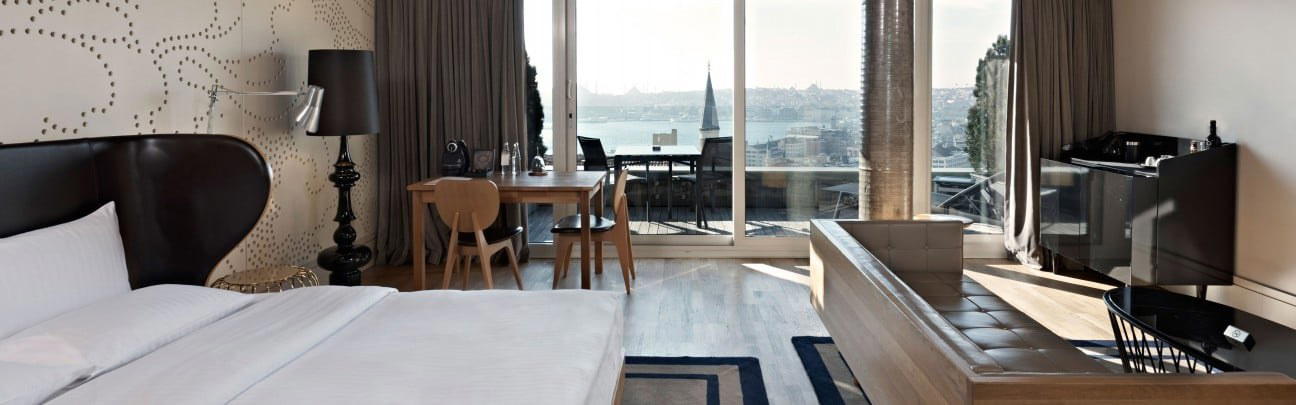
A Neighbourhood Hotel in the Part of Istanbul That Earns That Description
The slope of Defterdar Yokuşu rises from the Bosphorus waterfront through Cihangir before levelling into the broader grid of Beyoğlu. It is a street of peeling apartment facades, cats on windowsills, and the particular ambient noise of a working residential district rather than a tourist corridor. Witt Istanbul Hotel sits at number 26 on that slope, and the address does more for the stay than any interior decision could. Guests stepping outside are not deposited into a hermetic hospitality zone; they are placed inside a neighbourhood that has functioned on its own terms for decades.
Cihangir occupies a specific position in Istanbul's social geography. It draws writers, architects, and artists in the way that certain Paris arrondissements or Brooklyn pockets do, not because of any official designation but because of accumulated density: independent bookshops, meyhanes running Turkish rakı and mezze until late, café terraces that face the water. The neighbourhood's elevation means Bosphorus views appear at unexpected angles, between buildings, from street-level cafés, from the hotel's upper floors. That verticality is part of the character.
What the Address Provides
The practical radius from Defterdar Yokuşu 26 is considerable. The Tünel funicular, which connects lower Karaköy to upper Beyoğlu, is reachable on foot, giving access to İstiklal Caddesi and the entire Beyoğlu commercial and cultural strip without requiring a taxi. Karaköy itself, now the densest concentration of contemporary restaurant and bar openings in Istanbul, sits below on the waterfront, roughly fifteen minutes downhill. The Galata Tower is within the same walking perimeter. Sultanahmet, with the Hagia Sophia and the Bazaar Quarter, requires a bridge crossing, manageable by tram from Karaköy.
For travellers whose priorities include eating and drinking in the city rather than accumulating monuments, this positioning matters. The Beyoğlu district contains the majority of Istanbul's serious meyhane culture, its natural wine bars, and the fish restaurants that run along Nevizade Sokak. Being based in Cihangir rather than Sultanahmet means operating from the same side of the water as most of those options. Properties like 10 Karakoy and Address Istanbul serve the same general district but occupy different price points and scale; Witt's neighbourhood-hotel format is a distinct choice within that geography.
The Interior Approach
Istanbul's hotel market has split, broadly, between large international properties targeting business and group travel and smaller design-led addresses responding to a different kind of visitor. Witt sits in the latter category. The property's aesthetic coordinates around retro furnishings and monochromatic colour palettes, which places it in a tradition of European design hotels that resist the neutral-beige softness common to international chains. The result is a visual identity that reads as considered rather than neutral, though the specifics of how individual rooms execute that palette vary by floor and aspect.
The suite-format room structure suits stays of more than two nights. Where a standard hotel room in this price tier tends to compress everything into a single space, apartment-style layouts allow the separation between sleeping and living areas that makes longer Istanbul stays workable. The city rewards time. A four-day stay visits different sides of the Bosphorus, follows meyhane recommendations through Beyoğlu, and catches the ferry culture across to Kadıköy on the Asian side. A room with actual sitting space supports that kind of unhurried schedule.
For comparison, the large international flags in Istanbul, including Four Seasons at Sultanahmet or the Çırağan Palace on the Bosphorus, deliver formal luxury at a different scale and with corresponding rates. Witt's proposition is narrower: a boutique address in a residential quarter, with design as the primary differentiator rather than amenities volume. Travellers who want a pool, a spa, and multiple restaurants under one roof will find more of that infrastructure at properties like Barcelo Hotel Istanbul or Address Istanbul. The choice is between immersion in neighbourhood fabric and the self-contained resort model.
Seasonal Timing and the Istanbul Question
Istanbul is a year-round city with pronounced seasonal character. Spring, specifically April and May, delivers the city at its most liveable: mild temperatures, the tulip season (the city plants millions annually across its parks and squares), and long evenings in outdoor meyhane seats. Autumn runs a close parallel, with lower visitor pressure than summer and a shift in the city's social rhythm as residents return from Aegean and Marmara coastlines.
Summer in Cihangir is warm rather than brutal, moderated by Bosphorus breezes and the neighbourhood's elevation. The city's pace slows slightly in August as locals leave, but the restaurant infrastructure mostly stays open. Winter is Istanbul's overlooked season for cultural visitors: the major sites are accessible without queue pressure, hotel rates drop across most categories, and the city's indoor dining culture, running from breakfast börek counters through to late-night rakı tables, functions at full intensity regardless of temperature. The monochromatic interior palette of a hotel like Witt reads differently in grey winter light than in summer, and not unfavourably.
Planning a Stay
For those comparing boutique addresses across Turkey, the design-hotel tier extends well beyond Istanbul. Alavya in Alacati represents a similar design-forward sensibility on the Aegean coast, while Argos in Cappadocia occupies a different register entirely, cut into the volcanic range of Nevsehir. Within Istanbul specifically, Ajia sits on the Asian Bosphorus shore as a distinct alternative for travellers who prefer the quieter bank, and Aliée Istanbul operates in the same general Beyoğlu orbit. The Bebek Hotel by The Stay is another boutique option, positioned further up the Bosphorus in the residential Bebek quarter. For a broader survey of where to stay and eat, our full Istanbul guide covers the city's hotel tiers and dining districts in detail.
Booking Witt Istanbul follows the standard pattern for boutique properties in this district: advance reservation is advisable for spring and autumn, when Beyoğlu fills with both international visitors and returning Istanbul residents. The hotel's suite format limits total capacity, which means availability tightens faster than at larger properties. For other Turkey destinations from a similar boutique perspective, MACAKIZI BODRUM on the Aegean coast, Hu of Cappadocia in Uçhisar, and Ajwa Cappadocia in Ürgüp represent the design-conscious tier across different Turkish geographies. For those building an itinerary that combines Istanbul with the Aegean, Renaissance Izmir Hotel provides a different scale option in Izmir.
Comparable Options
Comparable venues nearby, for context on price, style, and recognition.
| Venue | Cuisine | Price | Awards | Notes |
|---|---|---|---|---|
| Witt Istanbul HotelThis venue — the venue you are viewing | Contemporary design haven with retro-modern aesthetic; formerly the Turkish headquarters of Ogilvy and Mather, reimagined by acclaimed designer Autoban into a luxury apartment-style boutique hotel. | $100–200 | Michelin Selected · Design Hotels Member | Not listed |
| JW Marriott Hotel Istanbul Marmara Sea | Contemporary seaside luxury retreat | Not listed | Michelin Selected · Forbes 4-Star | Ataköy |
| Barcelo Hotel Istanbul | Modern urban luxury hotel with contemporary elegance in the heart of Taksim. | $100–200 | Not listed | Kocatepe |
| Sumahan on The Water | Contemporary restoration of Ottoman industrial architecture blending history and luxury | $200–300 | Not listed | Cengelkoy |
| Opera Hotel Bosphorus | Contemporary luxury hotel blending modern design with Ottoman-inspired elegance, positioned as an upscale urban retreat with wellness and culinary focus. | $100–200 | Preferred Hotels Member | Omeravni |
| Grand Hyatt Istanbul | Luxury business-oriented hotel blending Ottoman architectural elements with contemporary European standards and minimalist comfort. | $200–300 | Not listed | Harbiye |
Recognition history
Dated appearances from independent guides and award organizations, with the underlying list record or original source where available.
Michelin Selected
Michelin
Design Hotels Member
Design Hotels
Mr & Mrs Smith Seal of Approval
Mr & Mrs Smith
Continue exploring
More in Istanbul
Hotels in Istanbul
Browse all →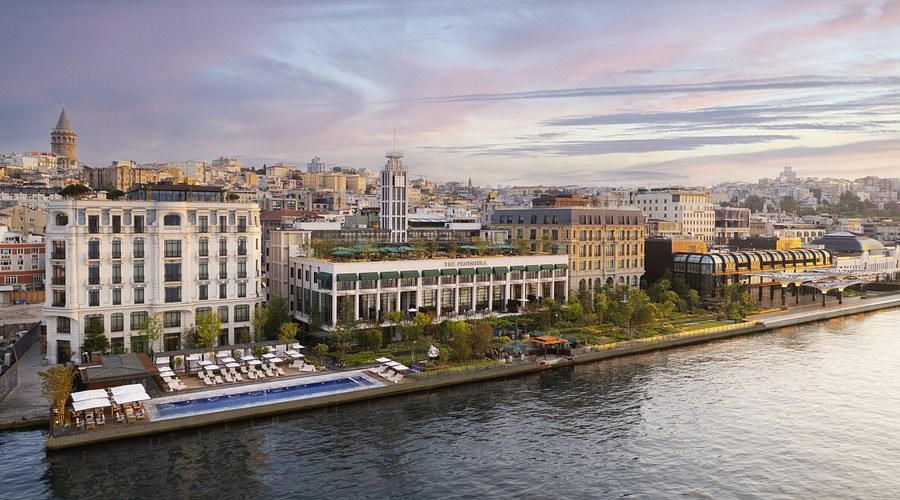
Bars in Istanbul
Browse all →
Restaurants in Istanbul
Browse all →
Details
- Modern
- Elegant
- Sophisticated
- Trendy
- Romantic Getaway
- Business Trip
- Weekend Escape
- Terrace
- Panoramic View
- Design Destination
- Waterfront
- Wi Fi
- Room Service
- Concierge
- Bar
- Airport Shuttle
- Laundry Service
- Waterfront
- Skyline
- Wheelchair Accessible
- Elevator
- Accessible Parking
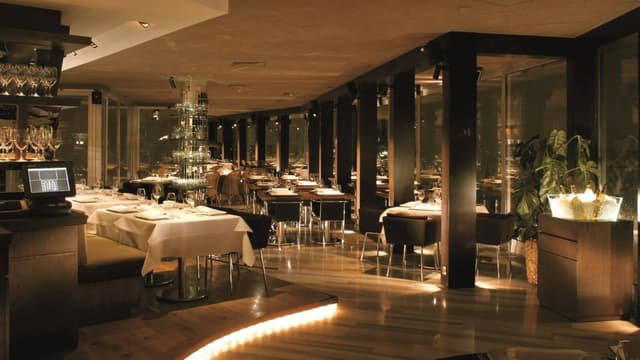
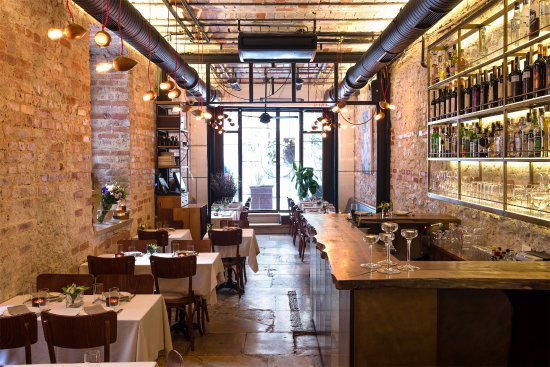
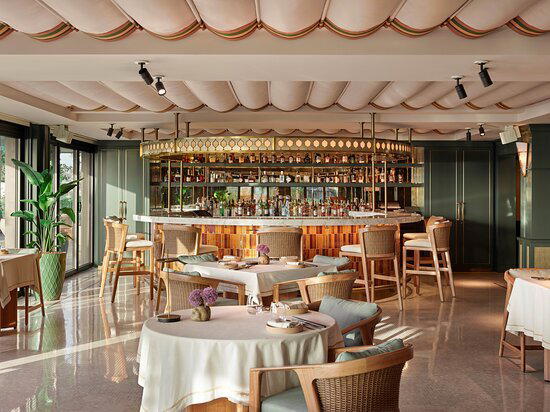
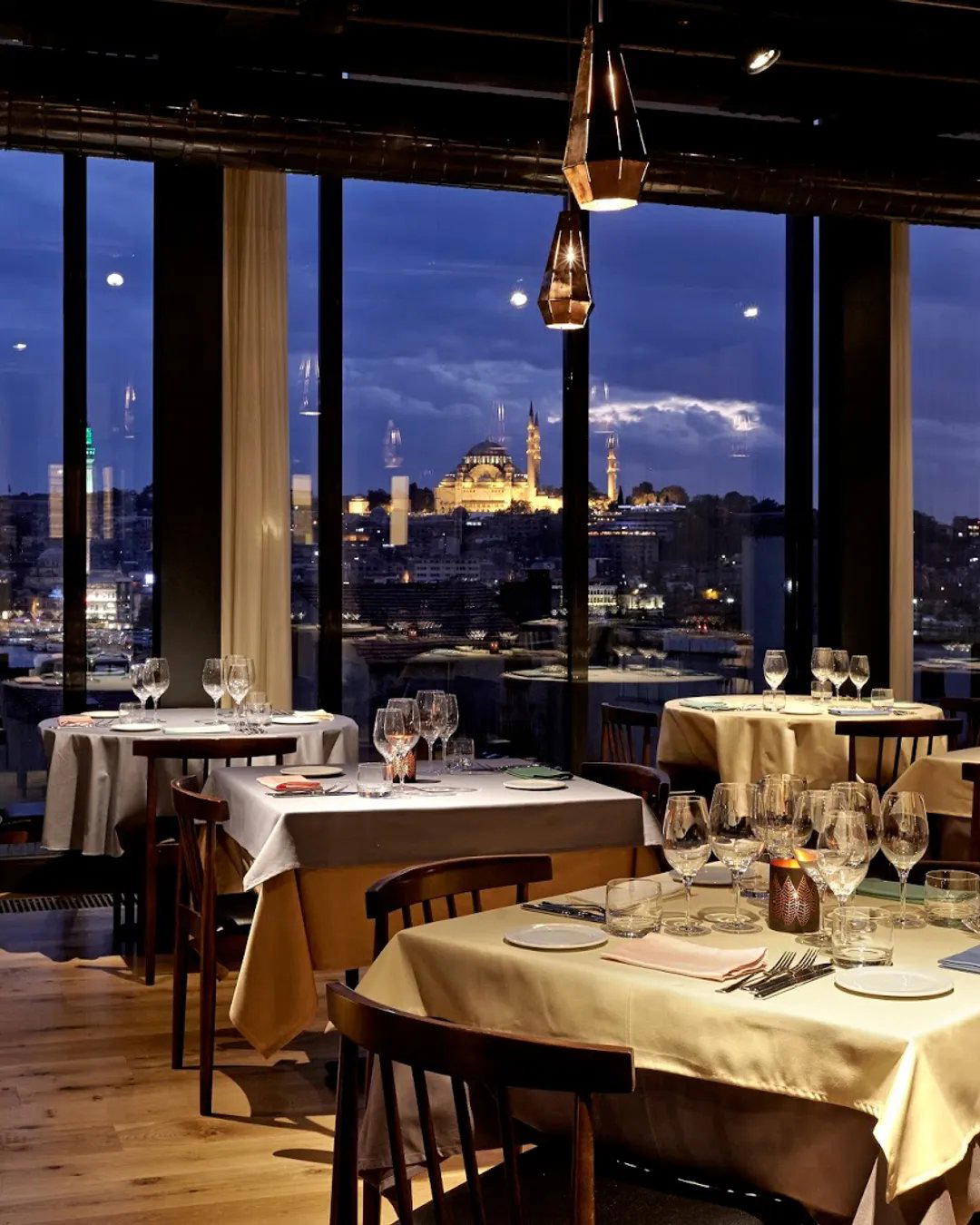
Sophisticated and understated with refined, contemporary design; guests describe feeling immediately relaxed upon entry with cool, spacious rooms and a tranquil library atmosphere.