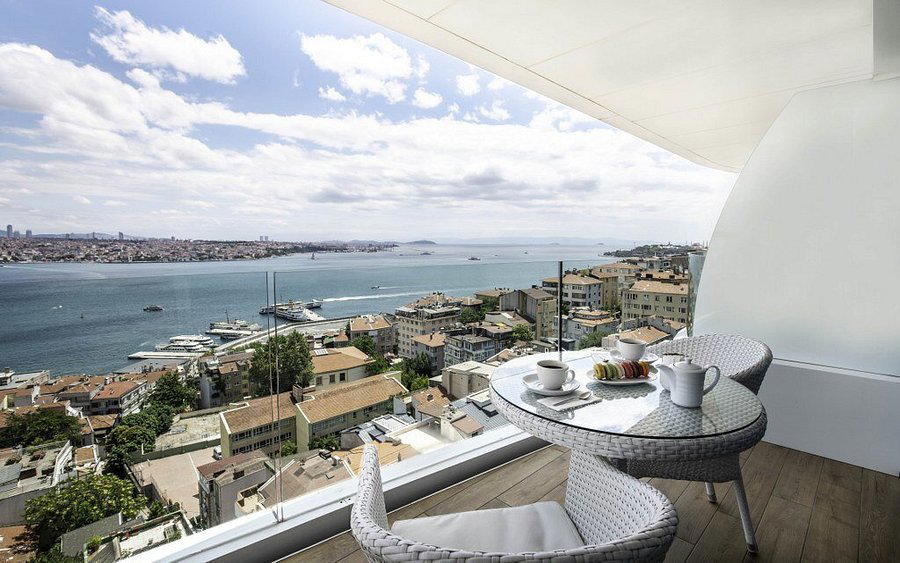
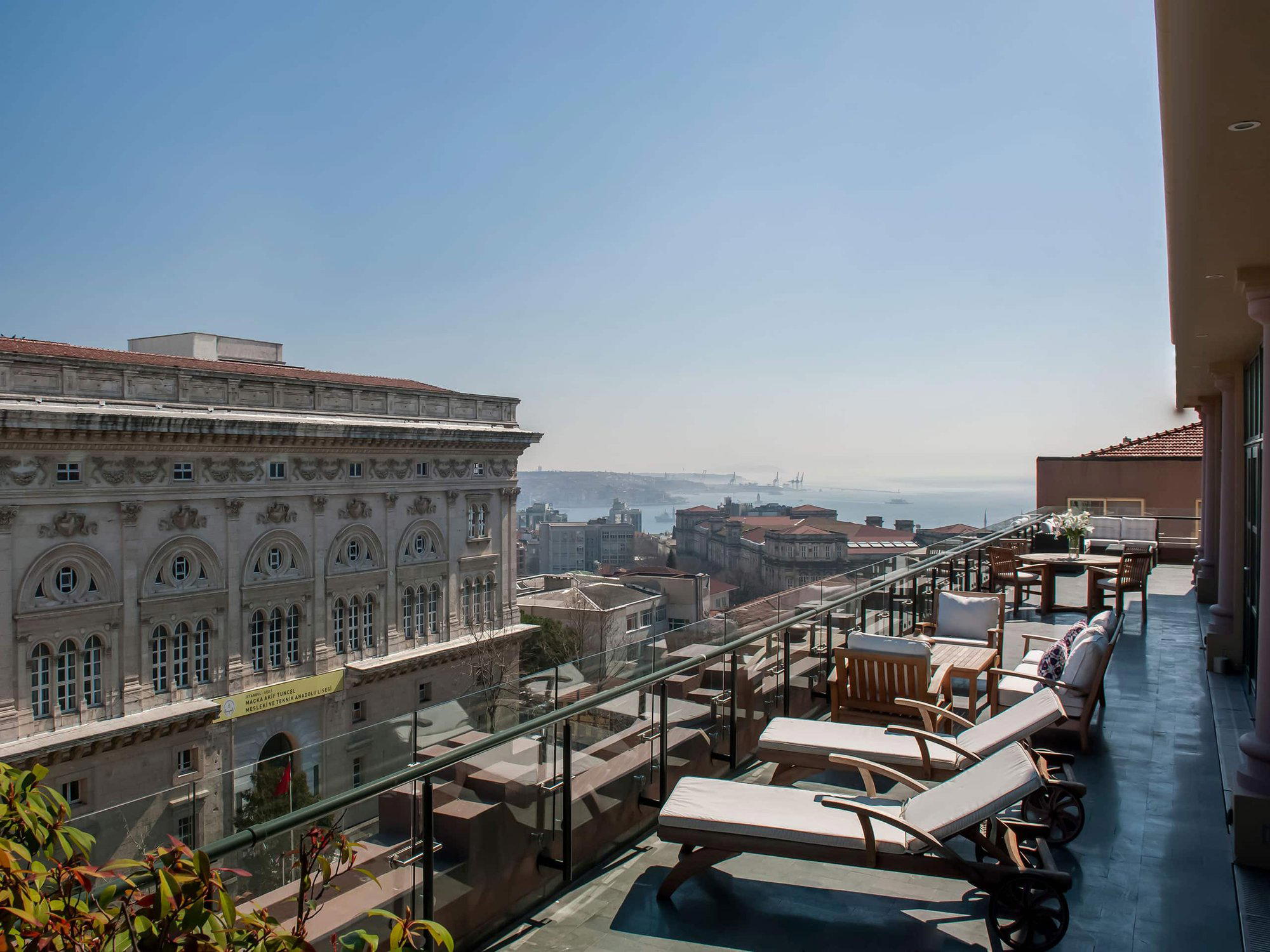
Barcelo Hotel Istanbul occupies Abdülhak Hamit Caddesi in Beyoğlu, placing guests in one of the city's most historically layered neighbourhoods. The property sits within the Barceló Group's international portfolio, positioning it in the mid-to-upper tier of Beyoğlu accommodation. Proximity to Taksim and the historic fabric of Pera makes it a practical base for exploring both modern Istanbul and its older European quarter.

Pearl is the En Primeur Club membership app, where members save venues, book tables and use the concierge.
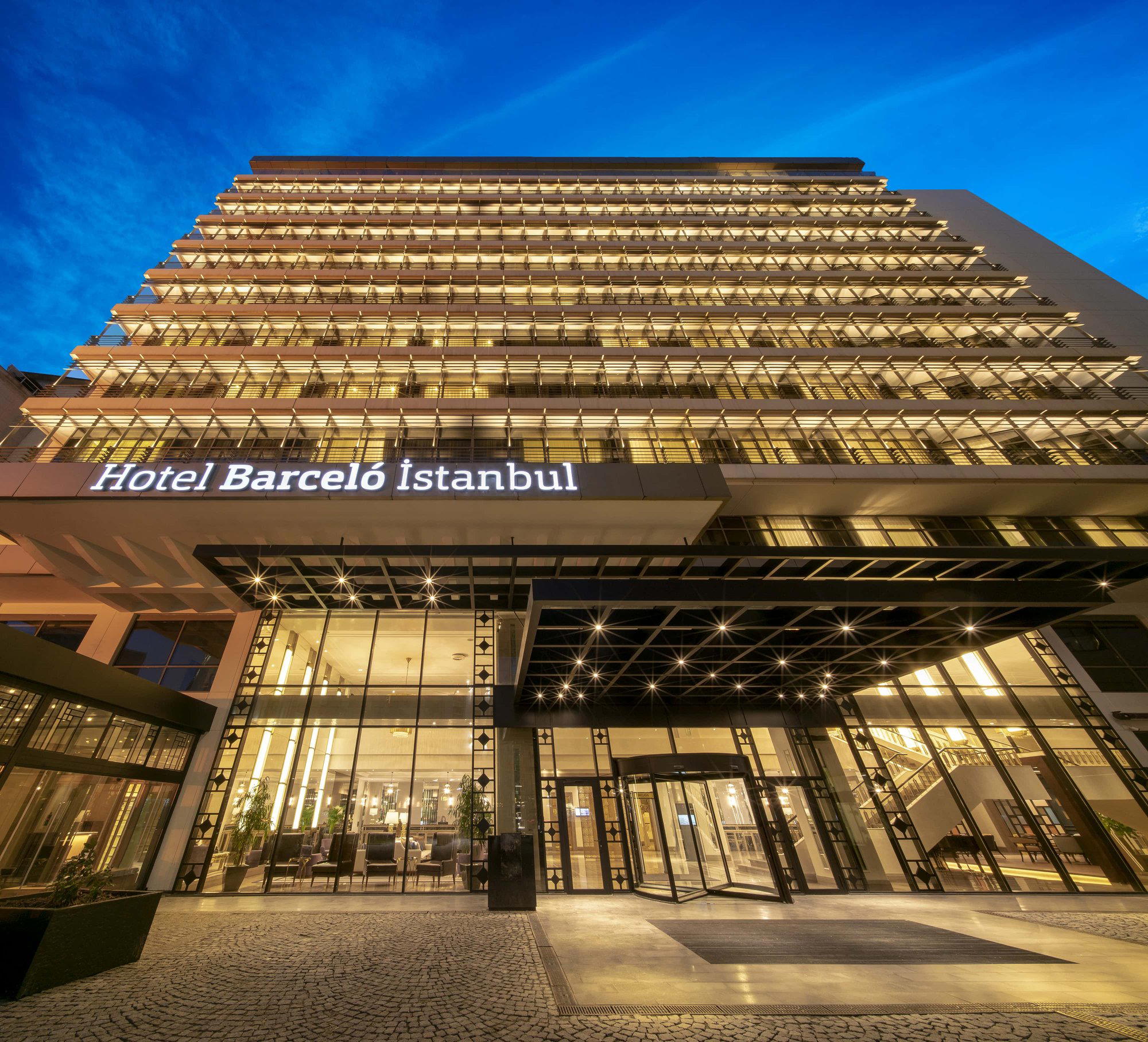
Beyoğlu's Hotel Tier and Where Barceló Sits
Istanbul's accommodation market has stratified sharply over the past decade. At one end, heritage conversions, Ottoman mansions turned into boutique properties, a former prison repurposed into a design hotel, compete on narrative and architectural provenance. At the other, international chain flags occupy large footprints on the Bosphorus or in the financial district, trading on loyalty programmes and conference infrastructure. Beyoğlu, the neighbourhood that stretches north from the Golden Horn through Pera and up toward Taksim, holds a different tier: properties that benefit from the area's cultural density without necessarily commanding the waterfront premium. Barceló Hotel Istanbul, on Abdülhak Hamit Caddesi in the Kocatepe quarter of Beyoğlu, operates in this middle band, where location legibility and access to the city's civic and cultural life carry as much weight as room specification.
For Istanbul's broader hotel conversation, Beyoğlu remains the most consistently argued address. The neighbourhood contains the Grand Rue de Péra's 19th-century apartment blocks, the consulate buildings of the old European quarter, and the pedestrian artery of İstiklal Caddesi, all within walking distance of most addresses in the district. Hotels positioned here, from smaller boutique operations like 10 Karakoy to larger properties, share the structural advantage of proximity to Istanbul's densest concentration of galleries, meyhanes, and independent restaurants. That adjacency is the neighbourhood's primary argument, and it applies to any hotel that holds a Beyoğlu address.
The Sustainability Conversation in Istanbul Hospitality
Across international hotel groups, sustainability has moved from optional reporting metric to operational expectation. The Barceló Group has published environmental commitments at the group level, including waste reduction targets and energy efficiency programmes across its portfolio. For a property in Istanbul, the local context adds a layer of complexity: Turkey's energy grid, water scarcity pressures in an increasingly arid climate, and the challenges of retrofitting urban properties built to earlier construction standards all shape what responsible operation actually means in practice.
Istanbul as a city sits at a crossroads on this question. Properties like AJWA Sultanahmet, which operates in a heritage building in the old city, face constraints that glass-and-steel towers in Levent do not. Beyoğlu properties occupy a middle ground: urban fabric that is dense and walkable, reducing guest transport emissions relative to Bosphorus-side hotels that require taxi or shuttle for most city access, but also older building stock that makes energy retrofits structurally complicated. Walkability, in this sense, is itself an environmental credential, even if it rarely appears in formal sustainability reporting. A hotel on Abdülhak Hamit Caddesi puts guests within reasonable walking distance of Taksim, the historic Pera district, and ferry connections at Karaköy, which reduces the daily car dependency that characterises stays in more peripheral Istanbul addresses.
The broader Turkish hospitality sector has seen a gradual uptick in formal sustainability certification, with properties in resort destinations like Bodrum and Fethiye, including Hillside Beach Club and D Maris Bay, incorporating environmental programming more visibly than urban city hotels. The resort context makes that integration easier: private land, controlled supply chains, and a guest demographic that expects wellness-adjacent programming. Urban hotels in Istanbul operate under different conditions, and the sustainability story tends to be more operational than experiential.
The Neighbourhood as Context
Abdülhak Hamit Caddesi runs through Kocatepe, a sub-quarter of Beyoğlu that sits between the commercial density of Taksim and the more residential character of the streets descending toward Cihangir. The address places the hotel within the gravitational pull of several distinct Istanbul experiences simultaneously. Taksim Square and İstiklal Caddesi are accessible on foot. The Galata Tower and the gallery-dense streets of Karaköy are reachable within a moderate walk or a short tram ride. The ferry terminals at Kabataş, which connect to the Asian side and the Bosphorus villages, are similarly close.
This kind of multi-directional access is not guaranteed across Istanbul's hotel geography. Properties positioned on the Bosphorus in Beşiktaş or Ortaköy offer water views but require more deliberate transport planning for old-city visits. Properties in Sultanahmet put guests close to the Hagia Sophia and the Grand Bazaar but at some remove from the meyhane culture and nightlife of the European side. Beyoğlu properties, by contrast, sit at the hinge point, convenient to both, dominant in neither. For first-time visitors with broad city ambitions, or for repeat visitors focused on the arts and restaurant scene, that positioning has consistent practical value. For those comparing Istanbul hotel options, the EP Club guide to our full Istanbul restaurants guide maps the broader range of where to eat and drink across the city's distinct neighbourhoods.
Placing Barceló in Its Competitive Set
Within Beyoğlu specifically, the competitive set spans from design-forward boutiques, properties like Aliée Istanbul and Casa Foscolo Hotel, Istanbul, to larger international-flag properties near Taksim that prioritise consistency and scale. Barceló, as a Spanish hospitality group with a broad global portfolio, occupies a recognised position in the latter category: the assurance of brand standards, loyalty programme integration, and the operational infrastructure that independent properties cannot match, set against the trade-off of less architectural distinctiveness. Travellers choosing between this tier and the boutique alternatives are effectively choosing between different kinds of reliability.
Further afield in Turkey, the EP Club covers properties across a wide range of formats and locations, from Cappadocia cave hotels like Argos in Cappadocia and Ajwa Cappadocia to Aegean coast addresses like Alavya in Alacatı and MACAKIZI BODRUM. Istanbul itself has a separate tier of waterfront luxury represented by properties on the Bosphorus, with Address Istanbul, Ajia, and Bebek Hotel by The Stay each representing the water-adjacent segment of the market. Barceló's Beyoğlu address places it in a different argument: city access over water views, neighbourhood texture over resort-like seclusion.
Planning a Stay
Beyoğlu operates year-round, but Istanbul's shoulder seasons, April through May and September through October, offer the most temperate conditions for street-level exploration, which is how the neighbourhood is leading experienced. Summer brings heat and heavier tourist volume along İstiklal Caddesi; winter is mild by northern European standards but can be wet. The hotel's address on Abdülhak Hamit Caddesi is accessible by metro from Atatürk Airport connections via the M1 line to Taksim, or by taxi from either airport. Guests should contact the property directly for current availability, rate information, and any specific room or service enquiries, as booking conditions across Istanbul's hotel sector vary by season and advance window.
For context on the wider region, the EP Club also covers Turkish resort destinations including Kempinski Hotel The Dome Belek in Antalya, Allium Bodrum Resort & Spa, and the quieter coastal address of Ahãma in Göcek, as well as urban properties in other Turkish cities including Renaissance Izmir Hotel and Crowne Plaza Ankara.
A Pricing-First Comparison
| Venue | Price | Awards |
|---|---|---|
| Barcelo Hotel IstanbulThis venue (the venue you are viewing) | $100–200 | Not listed |
| Çırağan Palace Kempinski Istanbul | Not listed | Michelin Selected · La Liste Top Hotels |
| Fairmont Quasar Istanbul | Not listed | Michelin Selected · Forbes Recommended |
| Four Seasons Hotel Istanbul at Sultanahmet | Not listed | 3 Michelin Keys · La Liste Top Hotels |
| Four Seasons Hotel Istanbul at the Bosphorus | Not listed | 1 Michelin Key · La Liste Top Hotels |
| JW Marriott Hotel Istanbul Marmara Sea | Not listed | Michelin Selected · Forbes 4-Star |
Continue exploring
More in Istanbul
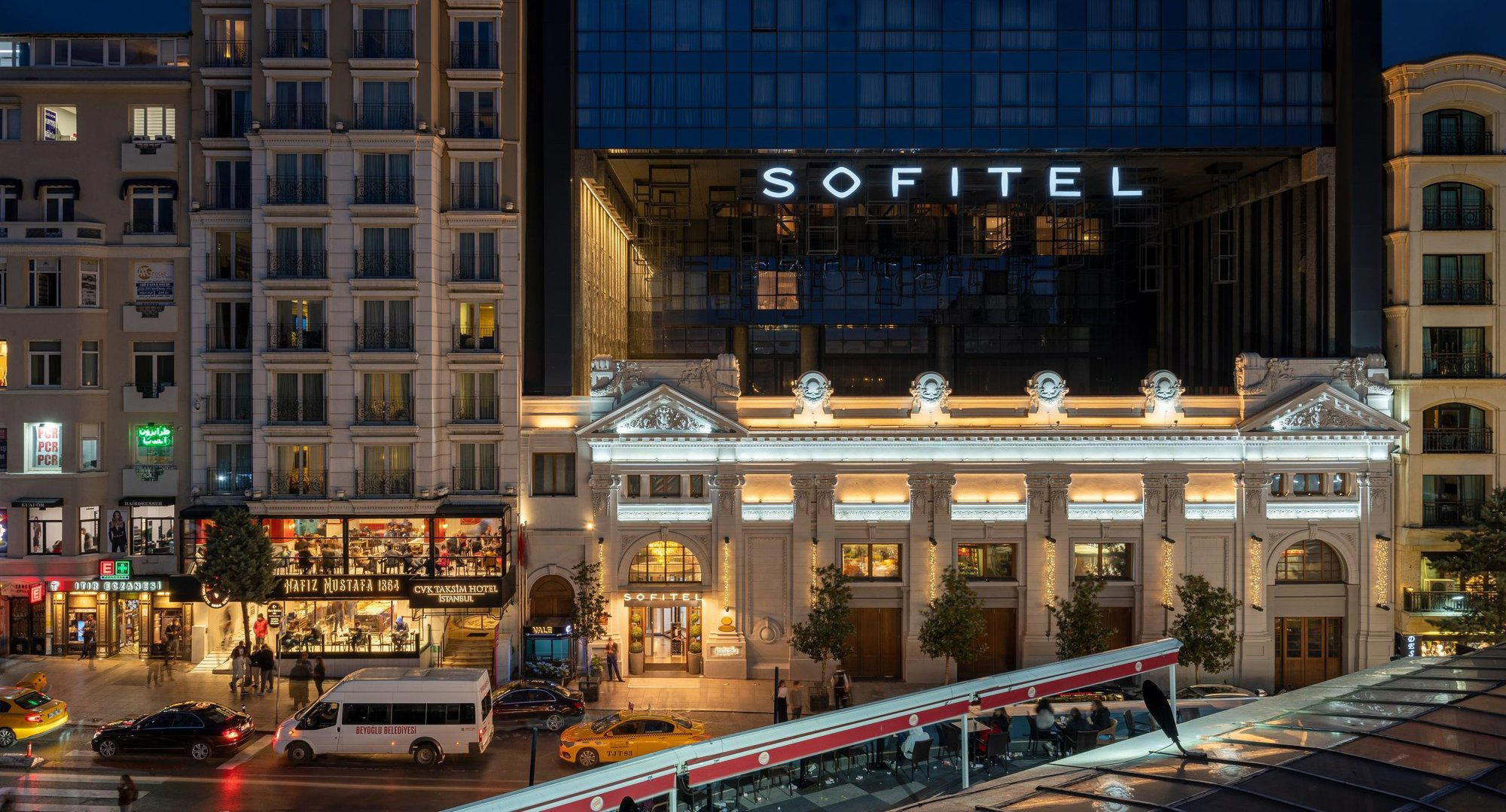
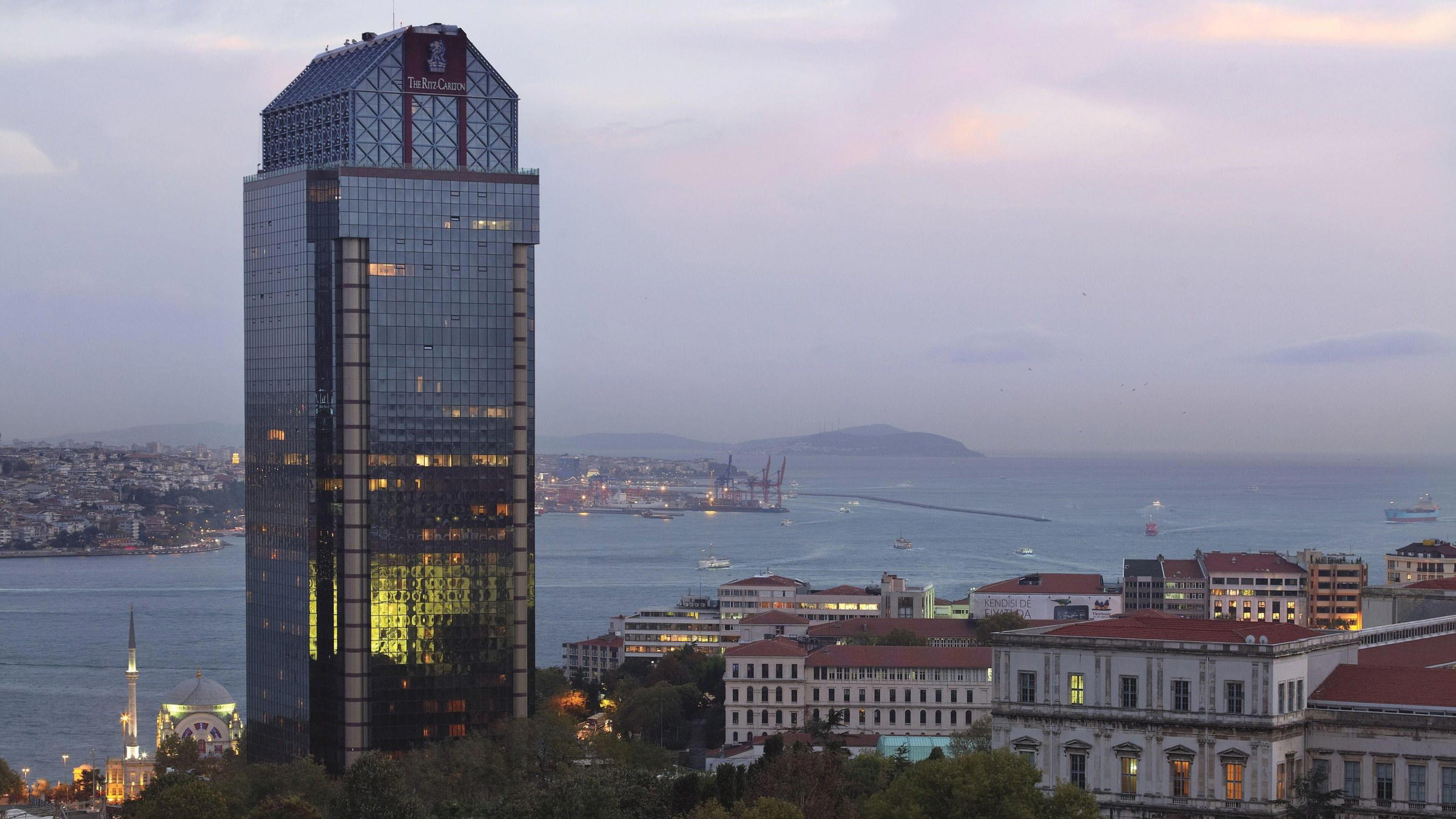
Hotels in Istanbul
All hotels in Istanbul →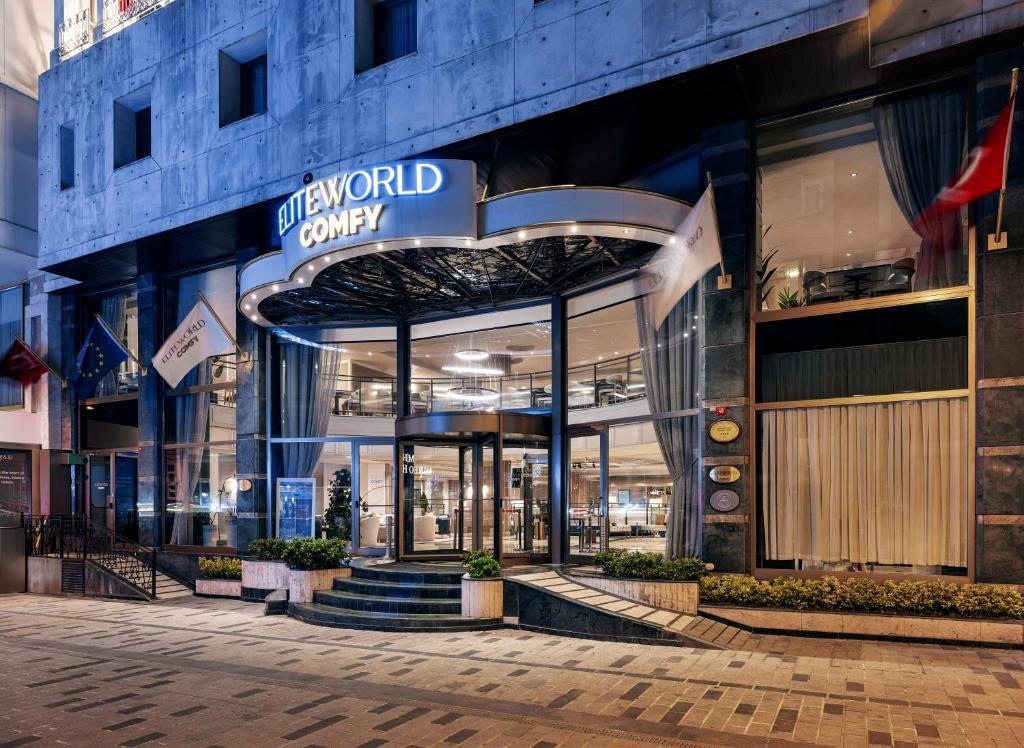
Details
- Modern
- Elegant
- Sophisticated
- Business Trip
- Weekend Escape
- Rooftop Pool
- Historic Building
- Panoramic View
- Wi Fi
- Spa
- Fitness Center
- Room Service
- Concierge
- Business Center
- Valet Parking
- Skyline
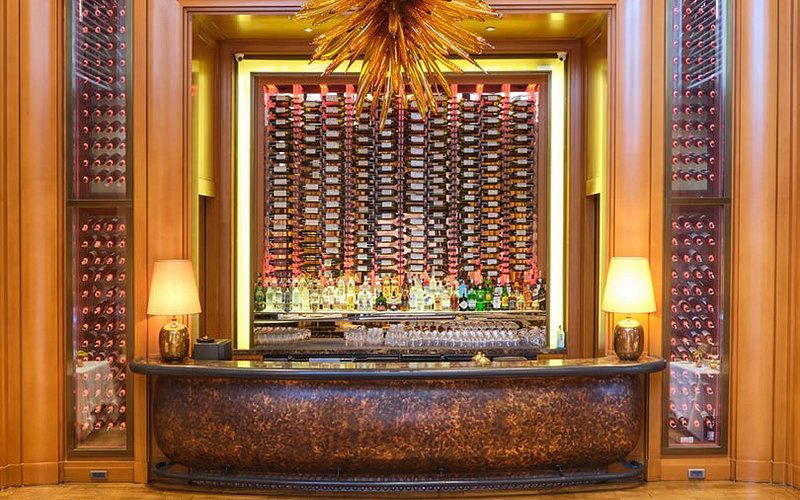
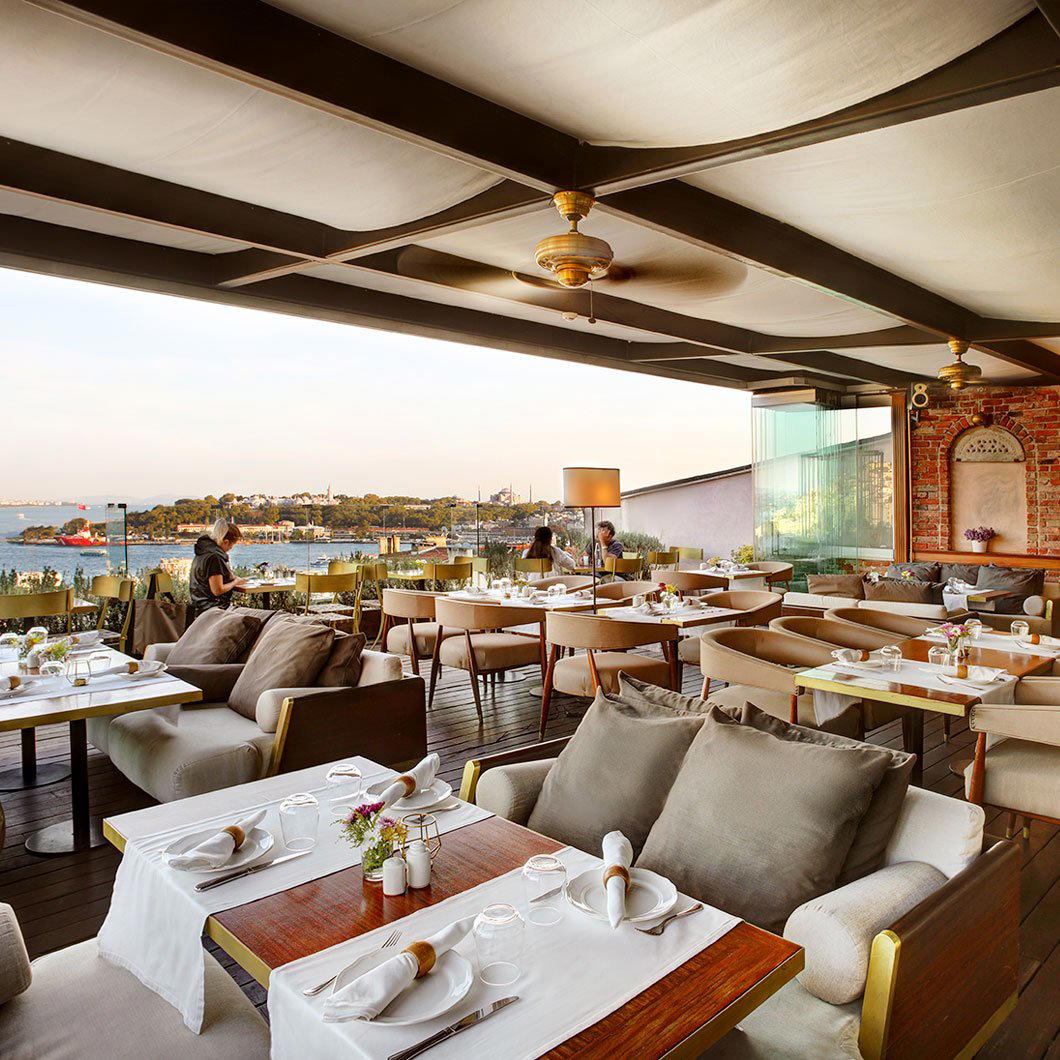
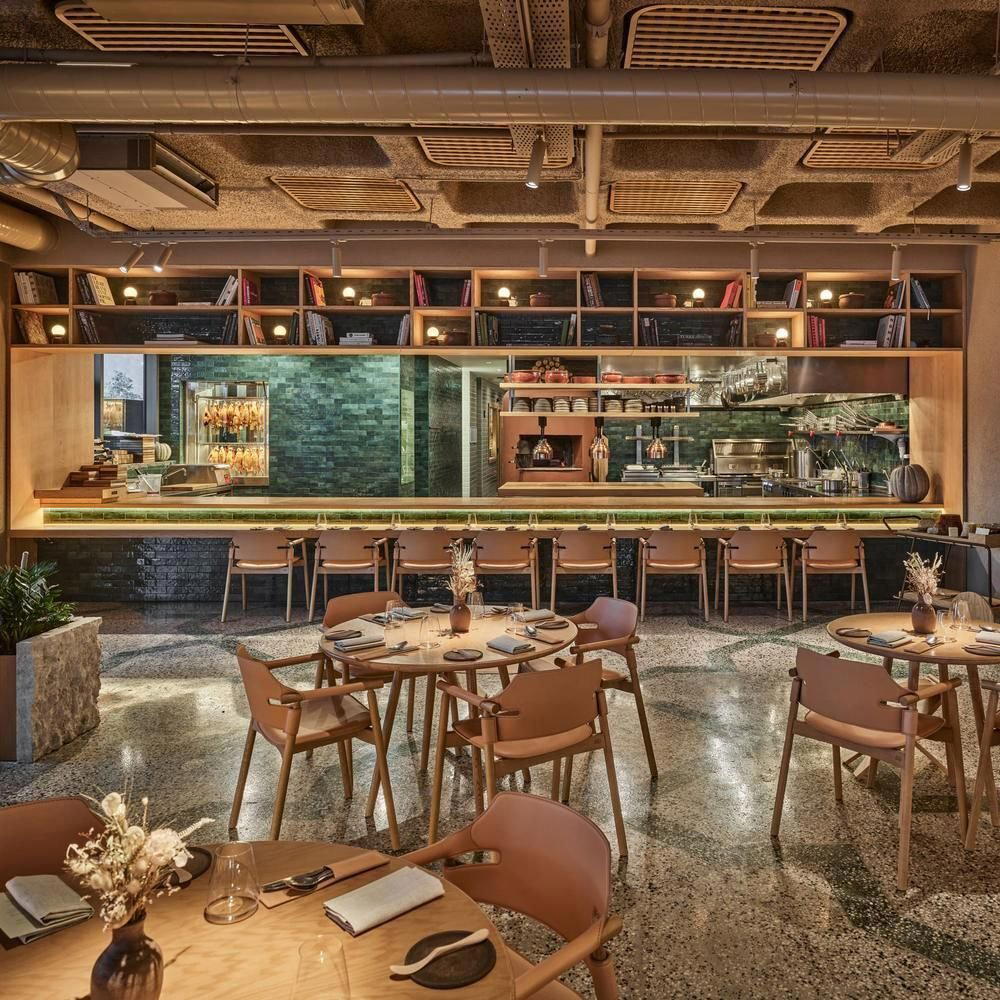
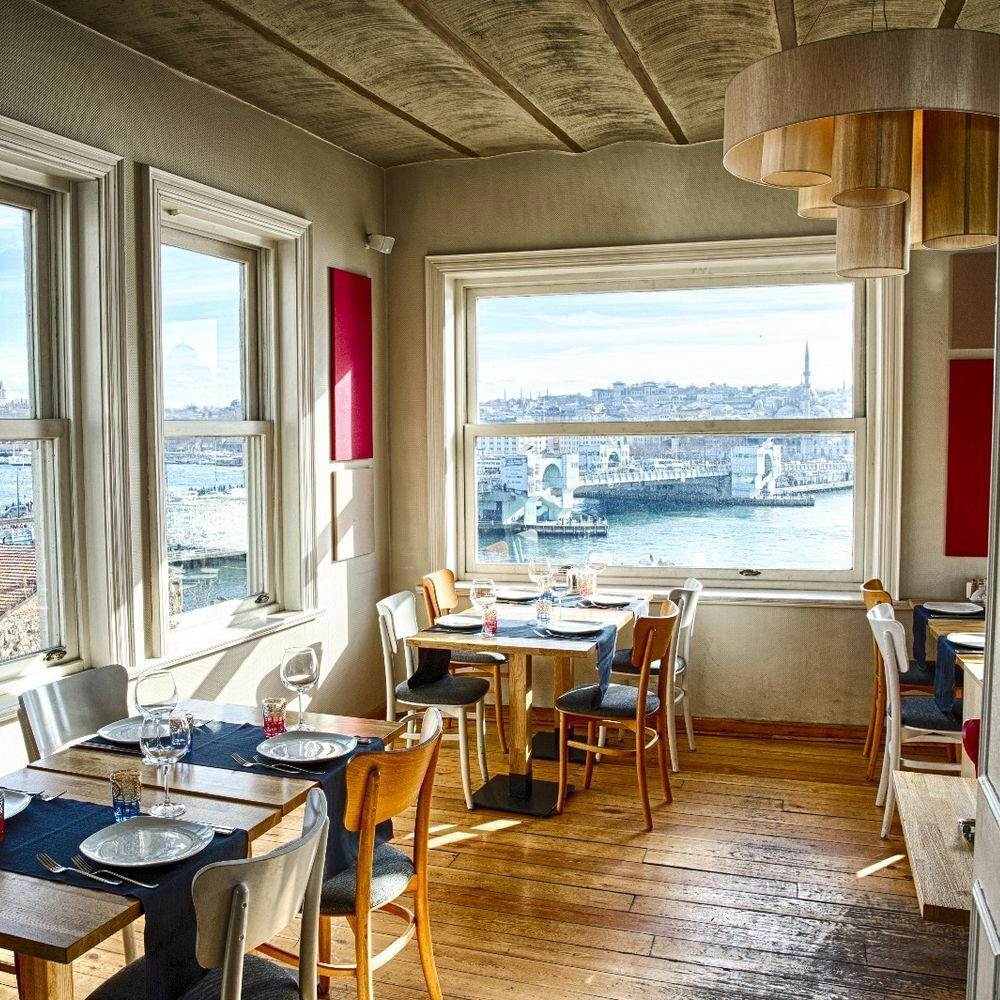
Elegant and contemporary with warm neutral tones, sophisticated lighting, and a relaxing yet urban atmosphere.