Hampton Manor



2 Michelin Keys · La Liste Top Hotels · Mr & Mrs Smith Seal of Approval
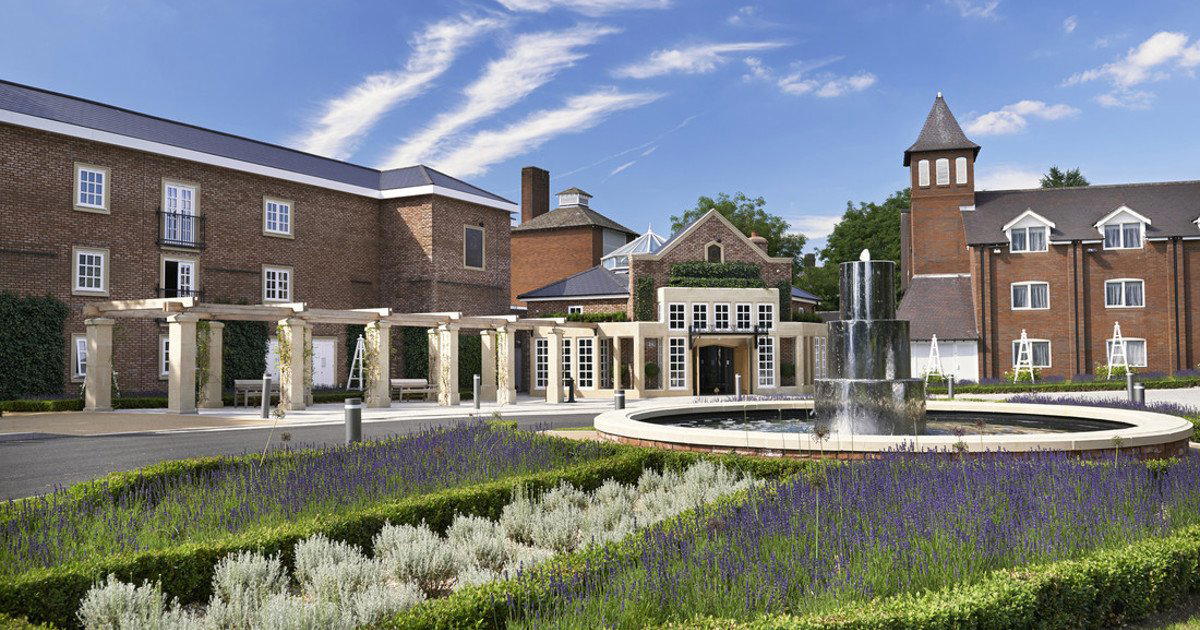
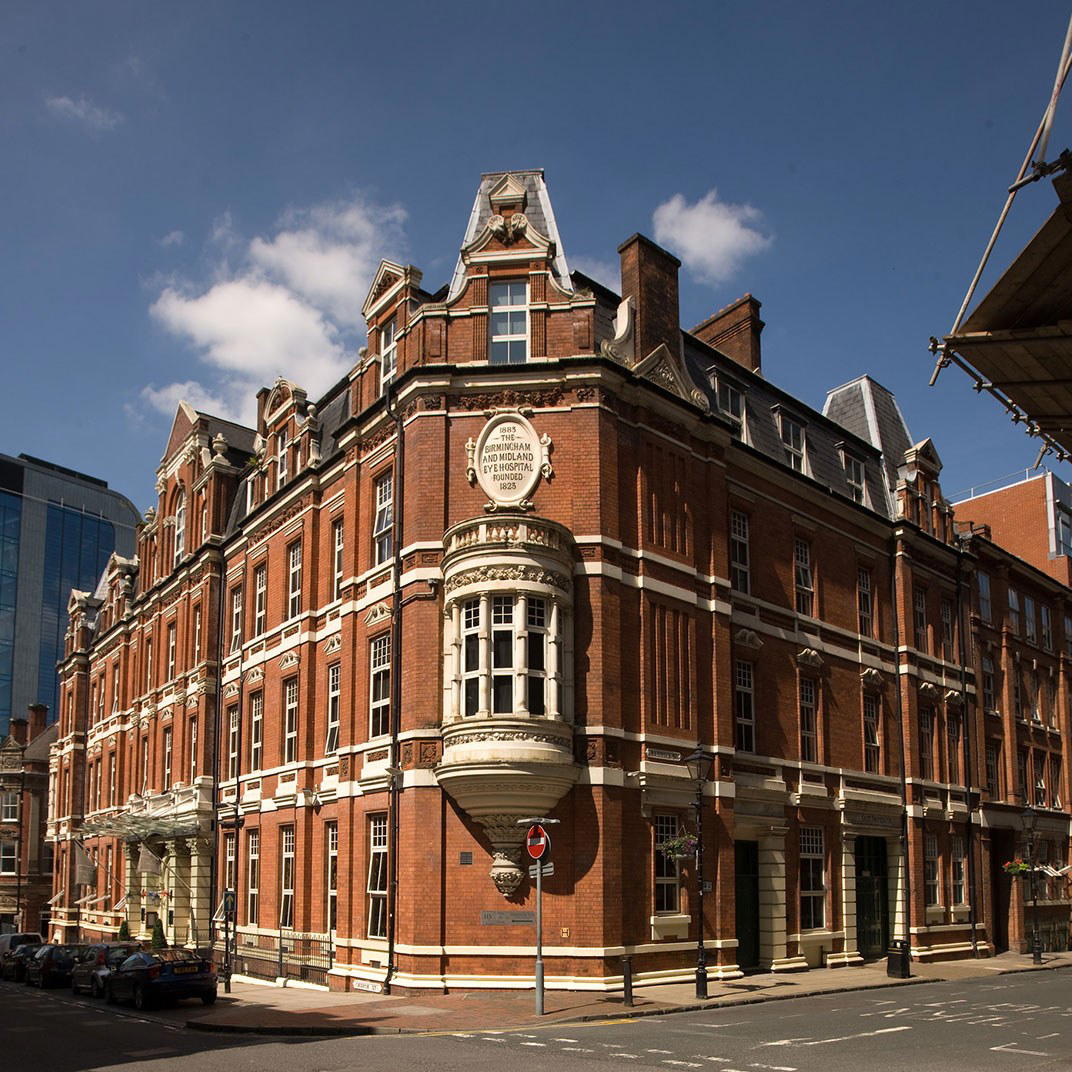
Hampton Manor sits within a Victorian country house in Hampton in Arden, a village on the quieter edge of Solihull's green belt.

Pearl is the En Primeur Club membership app — saves, bookings, and concierge access live there. Same editors, same standards.
- Address
- Shadowbrook Ln, Hampton in Arden, Solihull B92 0EN
- Phone
- +441675446080
- Website
- hamptonmanor.com
- Directions
- Get directions
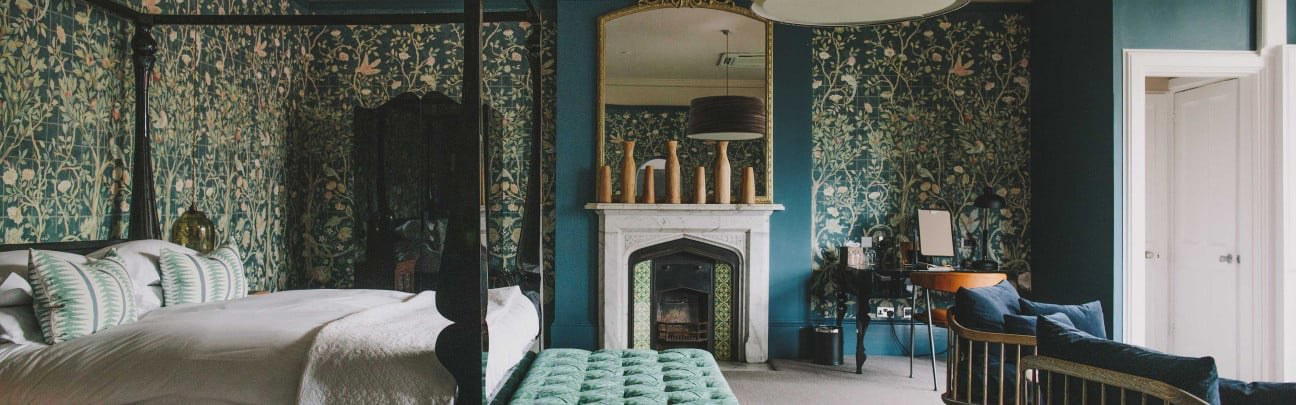
A Victorian Frame, Carefully Kept
The British country house hotel exists in several distinct registers. At one end sit the grand-scale resort operations, where acreage, leisure facilities, and conference capacity define the commercial logic. At the other end — and this is where the more interesting conversation happens — sit properties where the architecture itself is the primary offer. Hampton Manor, on a quiet lane in Hampton in Arden on the green-belt fringe of Solihull, belongs firmly in the latter category. The Victorian house sets the terms. Everything inside negotiates with it.
That tension between historical fabric and contemporary hospitality is one the UK country house sector has handled with varying degrees of success. The properties that get it right tend to resist the urge to neutralise what they have. They keep the proportion of the original rooms, the weight of the stonework, the particular quality of light that comes through windows designed before electric lighting was a consideration. Hampton Manor's position within the La Liste 2026 hotel rankings, awarded 97 points in a global framework that scores hotels across several hundred criteria, places it in company that takes that negotiation seriously.
The Architectural Argument for Staying Outside Birmingham
Solihull's relationship with Birmingham is one of proximity without absorption. The town sits close enough to the city that its transport links are genuinely useful, Birmingham International station is within reach, and the motorway network connecting to the M42 puts a wide corridor of the Midlands within direct driving distance, but the village of Hampton in Arden itself operates on a different tempo. The scale is domestic. The streets are not designed for volume tourism.
This geographic position matters architecturally. A Victorian manor in this location was built to sit within agricultural land, with views calibrated for that context. The current guest experience inherits that spatial logic: what you see from the house was always meant to be countryside, not suburb. That is a harder and harder thing to preserve this close to a major UK city, and it gives Hampton Manor a physical argument that a purpose-built boutique hotel simply cannot replicate.
For travellers weighing a UK country house stay against properties in more conventionally picturesque regions, the comparison set is worth thinking through carefully. Lime Wood in Lyndhurst operates within the New Forest. Estelle Manor in North Leigh draws on Oxfordshire's country house tradition. The Newt in Somerset in Castle Cary is built around a working estate. Hampton Manor's location in the West Midlands is less immediately romantic in name, but the physical reality of a Victorian manor on private grounds in a conservation village is a credible architectural proposition on its own terms.
What 97 La Liste Points Actually Signal
La Liste operates as one of the more granular international hotel and restaurant ranking systems, drawing on a composite methodology that aggregates professional reviews, guest feedback, and editorial assessment across a wide range of criteria. A score of 97 points in the 2026 edition places Hampton Manor at a meaningful level within the UK country house tier, not as a statistical curiosity, but as a signal about the consistency of experience the property delivers across the dimensions that informed travellers actually measure.
The properties La Liste places at this level internationally tend to share certain characteristics: they perform well on food and beverage quality, they show a coherent design identity rather than a generic luxury aesthetic, and they produce the kind of guest experience that generates editorial as well as algorithmic recognition. Comparing Hampton Manor against larger UK properties, Gleneagles in Auchterarder, for instance, which operates at resort scale with golf courses and multiple dining outlets, or Claridge's in London, where the Art Deco architecture carries its own cultural weight, clarifies what Hampton Manor is not. It is not a resort. It is not a city landmark. It is a small country house property where the score reflects depth of execution rather than breadth of amenity.
That distinction matters when reading any ranking. A 97-point La Liste score at Hampton Manor's scale implies that the core experience, which is to say the rooms, the food, the quality of the setting, is performing at a level that justifies the number. It does not imply a leisure centre or a ballroom. Travellers whose definition of a premium stay depends on those things should look elsewhere, at Babington House in Kilmersdon or similar properties. For those whose benchmark is architectural coherence and a contained, focused experience, the score reads as a meaningful endorsement.
The Country House Format at This Scale
Small country house hotels in the UK have consolidated around a format that prioritises intimacy: a limited number of rooms, a dining programme that anchors the guest experience, and a design approach that treats the building's history as an asset rather than a constraint. This is a different commercial model from the large estate operations, and it attracts a different kind of traveller, one who books far enough ahead to secure a specific room and who tends to stay for more than a single night.
Properties that have refined this format well, from Hope Street Hotel in Liverpool in its urban register to Burts Hotel in Melrose in the Scottish Borders, demonstrate that the scale itself is part of the value proposition. When a hotel has fewer rooms, the ratio of staff attention to guest is different. The dining room, if it operates at the level the La Liste score implies, becomes a defining rather than a supporting element of the stay. Hampton Manor fits within this cohort structurally, even if the West Midlands location makes it less immediately legible to travellers whose mental map of British country house hotels runs through the Cotswolds or the Scottish Highlands.
For readers planning a wider UK itinerary, our full Solihull restaurants guide maps the broader dining context around Hampton in Arden, and properties including King Street Townhouse Hotel in Manchester, Drakes Hotel in Brighton And Hove, and Avon Gorge by Hotel du Vin in Bristol offer useful reference points for what design-led UK hotel stays look like across different urban and rural registers.
Planning a Stay
Hampton Manor sits on Shadowbrook Lane in Hampton in Arden, Solihull, B92 0EN. Birmingham International, the nearest major rail station, keeps London and the wider Midlands rail network accessible, making this a practical choice for travellers arriving without a car. The property's country house format and La Liste recognition suggest that bookings, particularly for weekend stays, are worth securing with reasonable lead time. Given the scale of the property, room availability is not the kind of thing to leave to last-minute planning.
Comparable Spots, Quickly
Comparable venues nearby, for context on price, style, and recognition.
| Venue | Cuisine | Price | Awards | Notes |
|---|---|---|---|---|
| Hampton ManorThis venue — the venue you are viewing | Restored historic manor house on a 45-acre estate with individually designed rooms blending period features and modern luxury. | Not listed | 2 Michelin Keys · La Liste Top Hotels | Not listed |
| Abbots Grange Manor House | Historic 14th-century monastic manor house with luxury suites and heritage rooms | Not listed | La Liste Top Hotels · Good Hotel Guide Most Romantic Hotel | Broadway |
| Foxhill Manor | Private manor-house hotel with heartfelt personal service and easygoing at-home atmosphere | $500–750 | La Liste Top Hotels · Small Luxury Hotels of the World Member | Broadway |
| The May Fair, A Radisson Collection Hotel | Well-known luxury heritage hotel with contemporary interiors and English elegance | Not listed | Michelin Selected | Mayfair |
| Stock Exchange Hotel, Manchester, Autograph Collection | Boutique luxury hotel in restored historic stock exchange building | $200–300 | Michelin Selected | Deansgate |
| Southernhay House | luxurious boutique in historic Georgian townhouse | $200–300 | Michelin Selected | city centre |
Recognition history
Dated appearances from independent guides and award organizations, with the underlying list record or original source where available.
Michelin 2 Keys
Michelin
La Liste Top Hotels
La Liste
Mr & Mrs Smith Seal of Approval
Mr & Mrs Smith
Full recognition history (4 entries)
Michelin 2 Keys
Michelin
Details
- Elegant
- Romantic
- Cozy
- Sophisticated
- Intimate
- Romantic Getaway
- Anniversary
- Honeymoon
- Celebration
- Wedding
- Historic Building
- Garden
- Terrace
- Wi Fi
- Spa
- Room Service
- Concierge
- Restaurant
- Bar
- Laundry Service
- Garden
- Wheelchair Accessible
- Accessible Parking
- Step Free Entrance
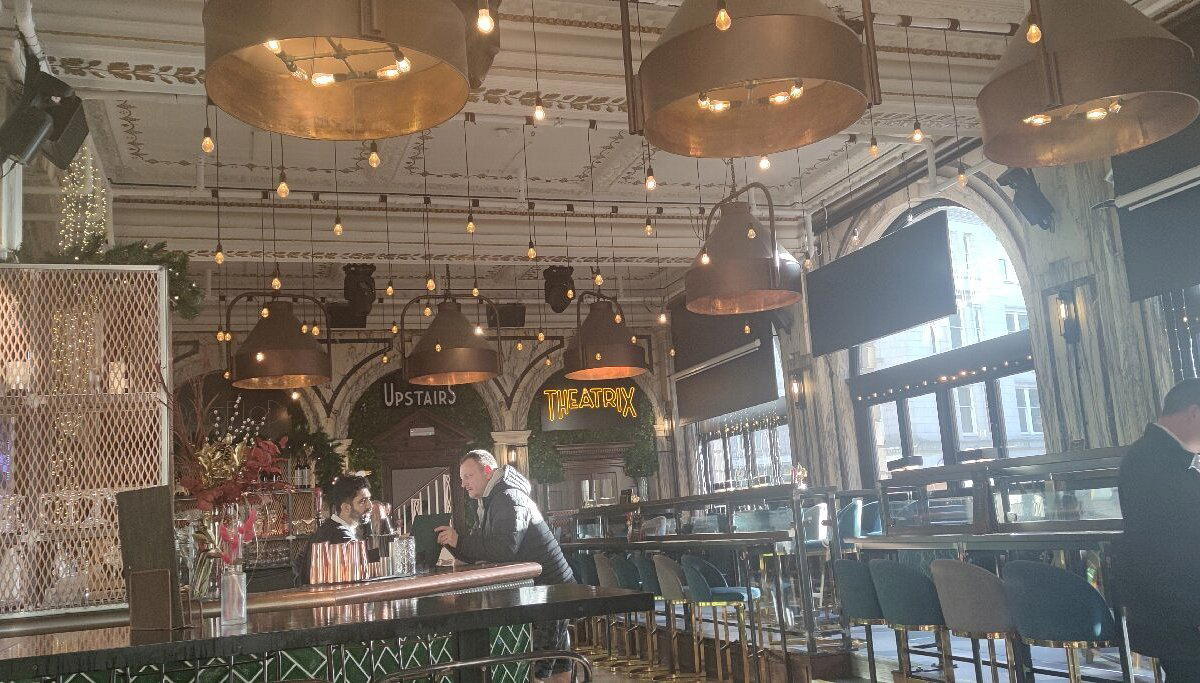
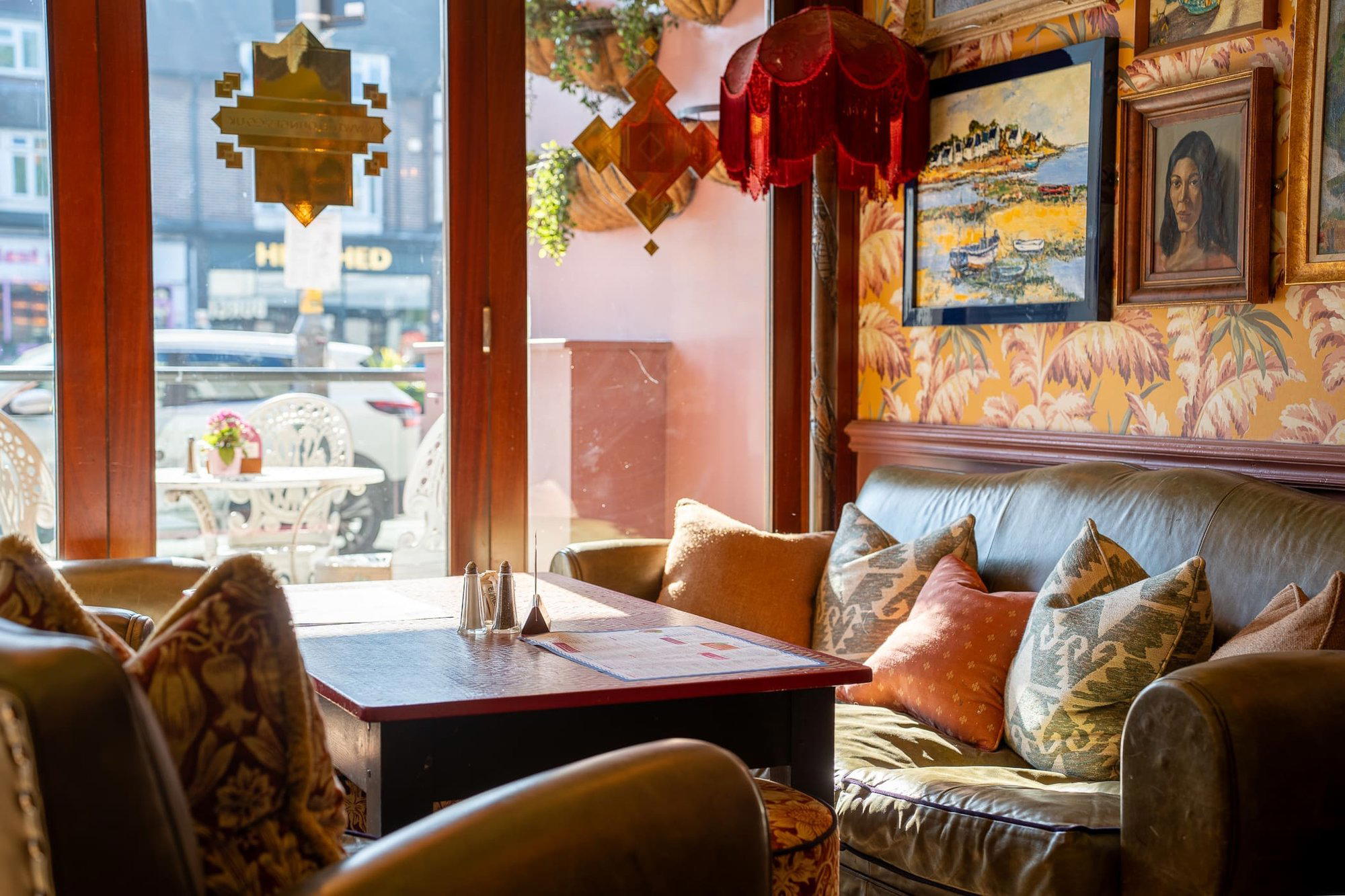
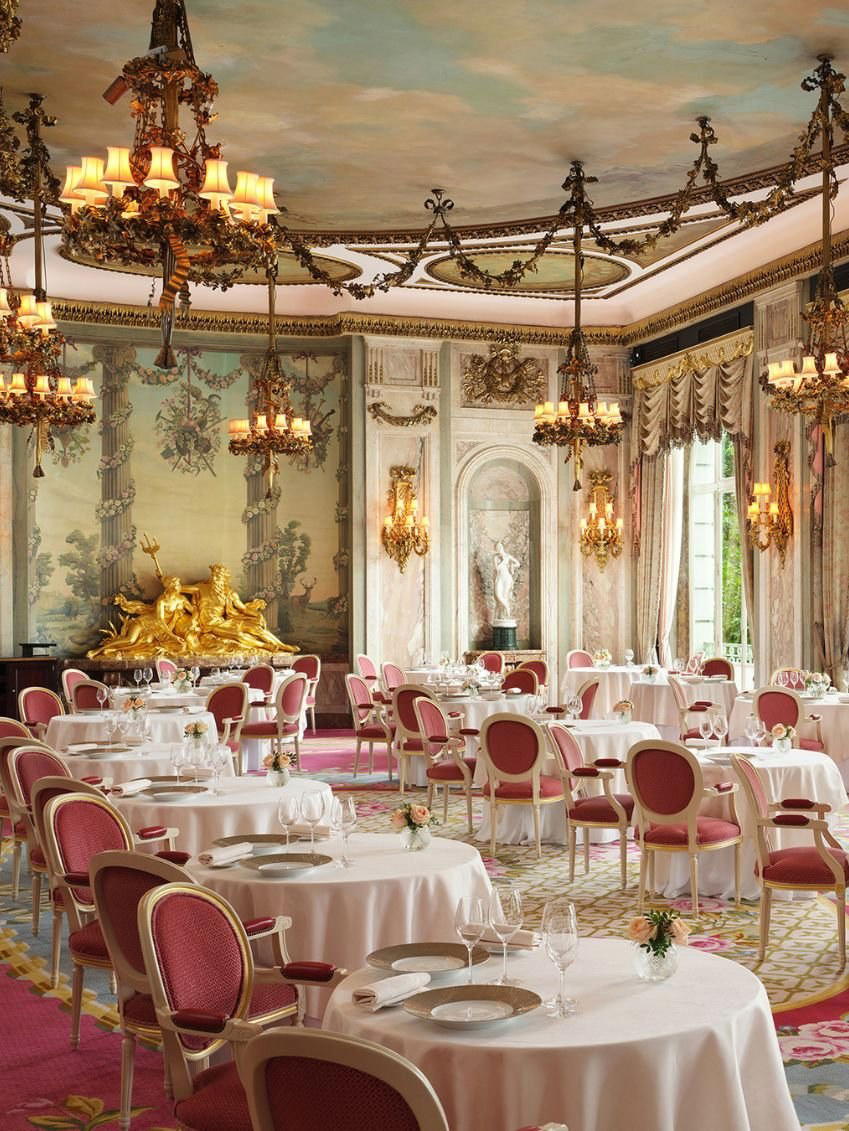
Cosy and luxurious with warm welcomes, beautiful decorations, and a relaxed yet sophisticated atmosphere highlighted in guest reviews.