G&J Distillers (Greenall's)

One of England's oldest continuous gin distilling operations, G&J Distillers at Birchwood carries a 2025 Pearl 2 Star Prestige award and a production heritage stretching back to 1761. Warrington's industrial corridor may not read as obvious spirits country, but this site has shaped British gin's commercial backbone for more than two and a half centuries. The distillery offers a rare chance to see large-scale craft in an unglamorous, working context.
Pearl is the En Primeur Club membership app — saves, bookings, and concierge access live there. Same editors, same standards.
- Address
- Melbury Park, Clayton Rd, Birchwood, Warrington WA3 6PH, UK
- Phone
- +44 1925 286400
- Website
- gjdistillers.com
 Saves & bookings on Pearl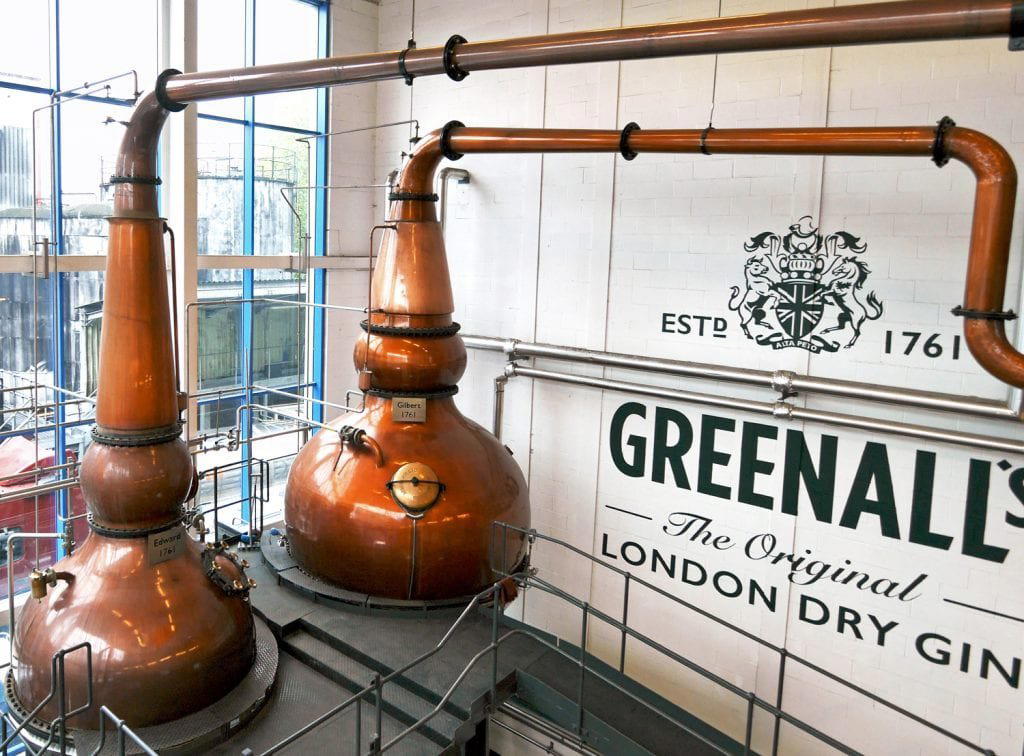
England's Gin Backbone, Built in an Industrial Town
British gin's modern resurgence is typically told through small-batch London operations and photogenic Scottish stills, but the structural history of the category runs through Warrington. G&J; Distillers, operating under the Greenall's lineage from their Birchwood site at Melbury Park on Clayton Road, represents one of the longest unbroken gin-distilling records in England. It is a working distillery, and that distinction matters. Its credibility comes from continuous production rather than theatrics.
The broader context worth holding: English gin's commercial history is not a London story alone. Warrington occupied a specific geographic logic, positioned between the port infrastructure of Liverpool and the industrial networks of Manchester, it was practical territory for spirits production at scale. That geography shaped what was made here and how it travelled. G&J; Distillers is, in that sense, less a destination that happens to make gin and more a site where the economics of British spirits infrastructure became physical.
What a 2025 Pearl 2 Star Prestige Award Signals About the Category
The Pearl 2 Star Prestige recognition awarded in 2025 places G&J; Distillers within a specific tier of spirits evaluation. In the context of awards like this, a two-star prestige designation is not a participation signal; it marks a production house whose output has been assessed against a competitive comparable set and found to sit in the upper register. For a distillery operating at the scale G&J; does, that kind of recognition carries a different weight than it would for a micro-distillery with a single expression. Volume and consistency at high quality are harder to maintain simultaneously than small-batch excellence, and the award implicitly speaks to both.
Across the British spirits category, the producers earning recognition at this level in 2025 include operations with very different profiles. Compare the intimate, terroir-focused work happening at Ardnahoe in Port Askaig or the Highland character built into Balblair Distillery in Edderton with what G&J; represents: a lowland English operation whose claim to distinction is rooted in longevity and production depth rather than regional romance. The Auchentoshan Distillery in Clydebank offers another useful comparison point, a Scottish lowland distillery working in a category defined by highland prestige, finding its own axis of quality outside the dominant narrative. G&J; occupies an analogous position within English gin.
Terroir in a Non-Traditional Sense: What Warrington Contributes
Applying a terroir lens to an English gin distillery requires some recalibration. Terroir, as a framework, typically travels with wine and whisky, where land, water source, and climate express themselves directly in the liquid. For gin, the botanical recipe carries more of that expressive work, but water chemistry remains a genuine factor, and regional production culture shapes house style over time in ways that are less legible but no less real.
Warrington's water profile, drawn from the Cheshire plain's geology, sits apart from the granite-filtered water sources that define many Scottish expressions. Compare that to the water character at Bladnoch Distillery in Bladnoch in Galloway or the softer profiles typical of lowland Scottish sites like Deanston in Deanston, and a pattern emerges: every major British spirits region carries a distinct mineral signature, whether or not the category explicitly markets it. G&J;'s site at Birchwood is no different. The water chemistry is part of what has been consistent across more than two centuries of production, and consistency at that scale is, by any useful definition, a form of place expression.
It is also worth noting that botanical sourcing at this production level involves supply chains and relationships built over decades. The house character of Greenall's gin is not simply a recipe that could be lifted and reproduced elsewhere; it is the accumulated result of specific sourcing decisions, still configurations, and distillation practices embedded in this particular site. That is as close to terroir as gin gets, and it deserves the same seriousness applied to single-malt geography at operations like Aberlour in Aberlour or Cardhu in Knockando.
The Wider British Spirits Map
Placing G&J; within the current British spirits picture requires acknowledging how much the category has fragmented. A decade ago, British gin was dominated by a small number of established names and a growing wave of micro-distilleries. That wave has crested, and the market is now in a consolidation phase where provenance credentials, consistency, and production depth are being re-examined by buyers and critics alike. In that environment, a distillery with the depth of record that G&J; carries is reassessed upward.
The newer generation of Scottish distilleries, such as Dornoch Distillery in Dornoch or Dunphail Distillery in Dunphail, operates from a position of deliberate craft positioning, smaller volumes, and narrative-heavy marketing. G&J;'s position is structurally different: it earns its standing through the opposite logic, volume, continuity, and the kind of institutional knowledge that only accrues over generations. Neither model is superior in absolute terms, but they represent genuinely different bets on what quality in spirits means.
For context on how English production fits within the broader UK category, it is worth looking at what established Scottish names like Glen Garioch Distillery in Oldmeldrum, Clynelish Distillery in Brora, and Glen Scotia in Campbeltown have built over comparable timescales in whisky. The parallels are instructive: longevity creates house character that is difficult to replicate from scratch, and that character becomes the most defensible form of product distinction as the category matures.
Planning a Visit to Birchwood
The distillery sits within Birchwood's business park at Melbury Park, Clayton Road, Warrington WA3 6PH, a functional address rather than a scenic one. Visitors approaching from central Warrington or via the M62 corridor will find it set within a working industrial zone, which frames expectations correctly: this is a production site with visitor access, not a destination resort. Prospective visitors should confirm tour availability and booking arrangements in advance.
In Context: Similar Options
Comparable venues nearby, for context on price, style, and recognition.
| Venue | Cuisine | Price | Awards | Notes |
|---|---|---|---|---|
| G&J Distillers (Greenall's)This venue — the venue you are viewing | Winery | $$ | ||
| Sonoma-Cutrer Vineyards | Winery | , | Windsor | |
| Abbey Lands Distillery | North Yorkshire | , | , | Abbey Lands |
| Stirling Distillery | Lowland | $$ | Castle Rock | |
| Sonoma Brothers Distilling | Winery | , | Windsor | |
| Black Dirt Distillery | Winery | , | Warwick |
Continue exploring
More in Warrington
Bars in Warrington
Browse all →

Restaurants in Warrington
Browse all →

At a Glance
- Classic
- Iconic
- Industrial
- Historic
- Group Outing
- Wine Education
- Special Occasion
- Corporate Event
- Historic Building
- Barrel Room
- Estate Grounds
- Sustainable
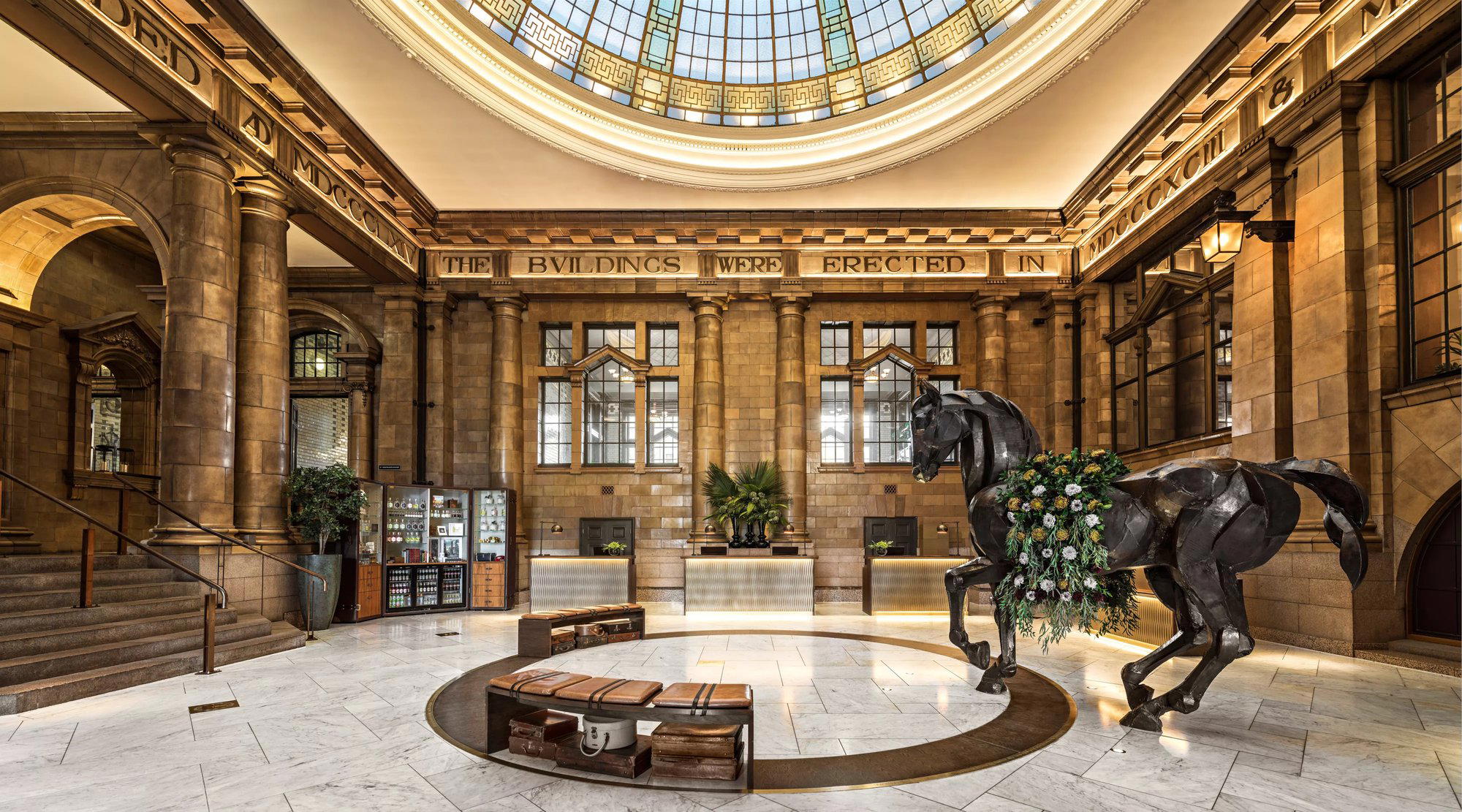
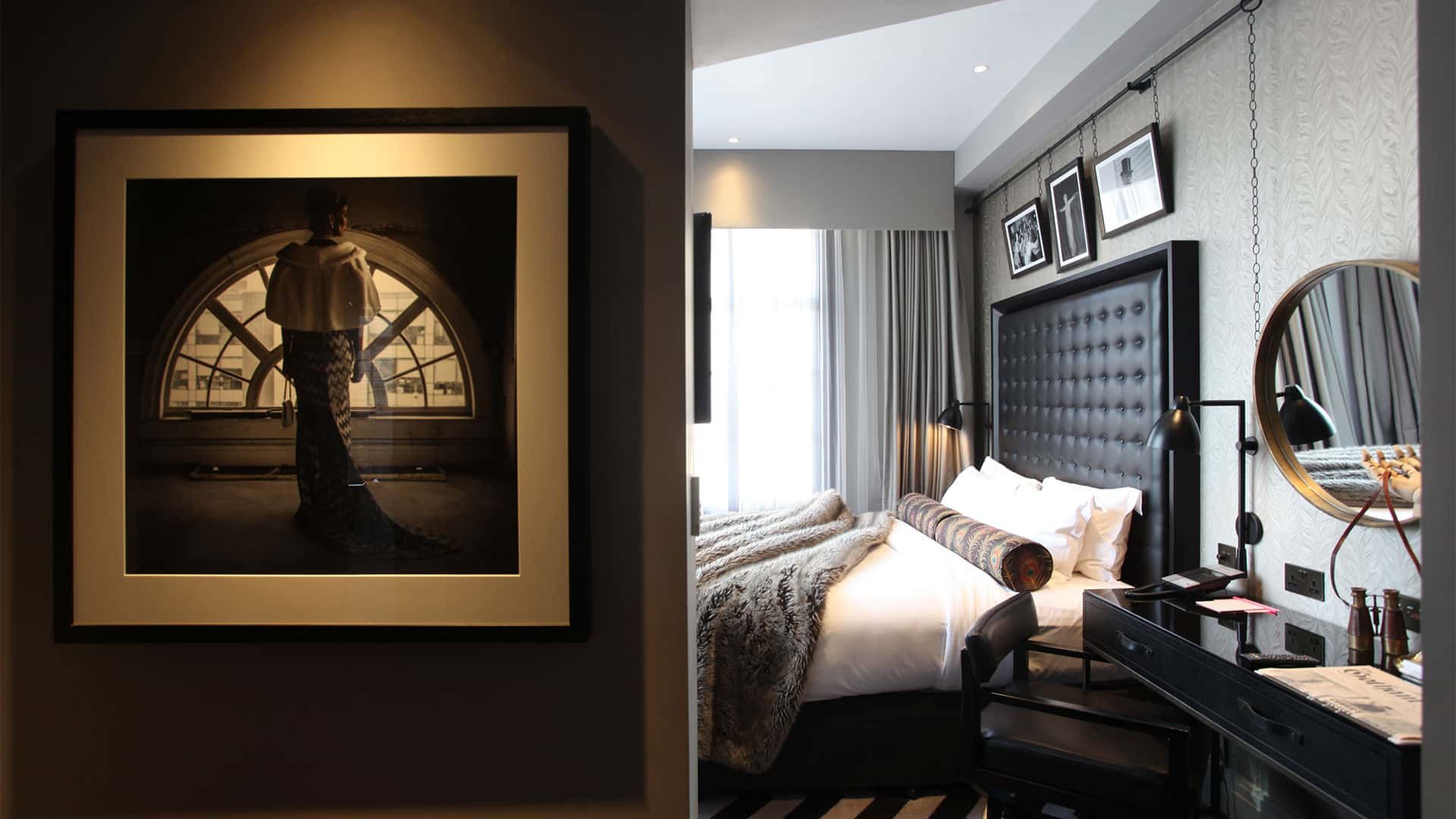
Historic industrial setting with traditional copper pot stills and modern bottling facilities, reflecting centuries of craftsmanship.