Le Champignon Sauvage




1 Michelin Star · La Liste Top Restaurants · AA Rosettes 3 Rosettes
Our verdict
On a quiet residential street in Cheltenham's Montpellier district, Le Champignon Sauvage has held a Michelin star since 1987 and a La Liste ranking through 2025–26, making it one of the most consistently decorated restaurants outside London. David and Helen Everitt-Matthias have spent four decades refining an Anglo-French repertoire that balances classical technique with genuinely daring combinations, backed by a wine list priced well below comparable starred venues.

Pearl is the En Primeur Club membership app, where members save venues, book tables and use the concierge.
Thirty-Seven Years on Suffolk Road
Most restaurants in the UK operate on a cycle of reinvention: new chef, new identity, new moment. Le Champignon Sauvage, on a residential stretch of Suffolk Road in Cheltenham's Montpellier district, has followed a different logic entirely. David and Helen Everitt-Matthias opened here in 1987 and have been at it since, accumulating a Michelin star, consistent La Liste recognition (82.5 points in 2025, 80 points in 2026), and an Opinionated About Dining classical Europe ranking of #349 in 2024 and #423 in 2025. Reporters who cover the restaurant tend to count their visits in decades rather than years. That kind of longevity, outside London, is worth pausing on.
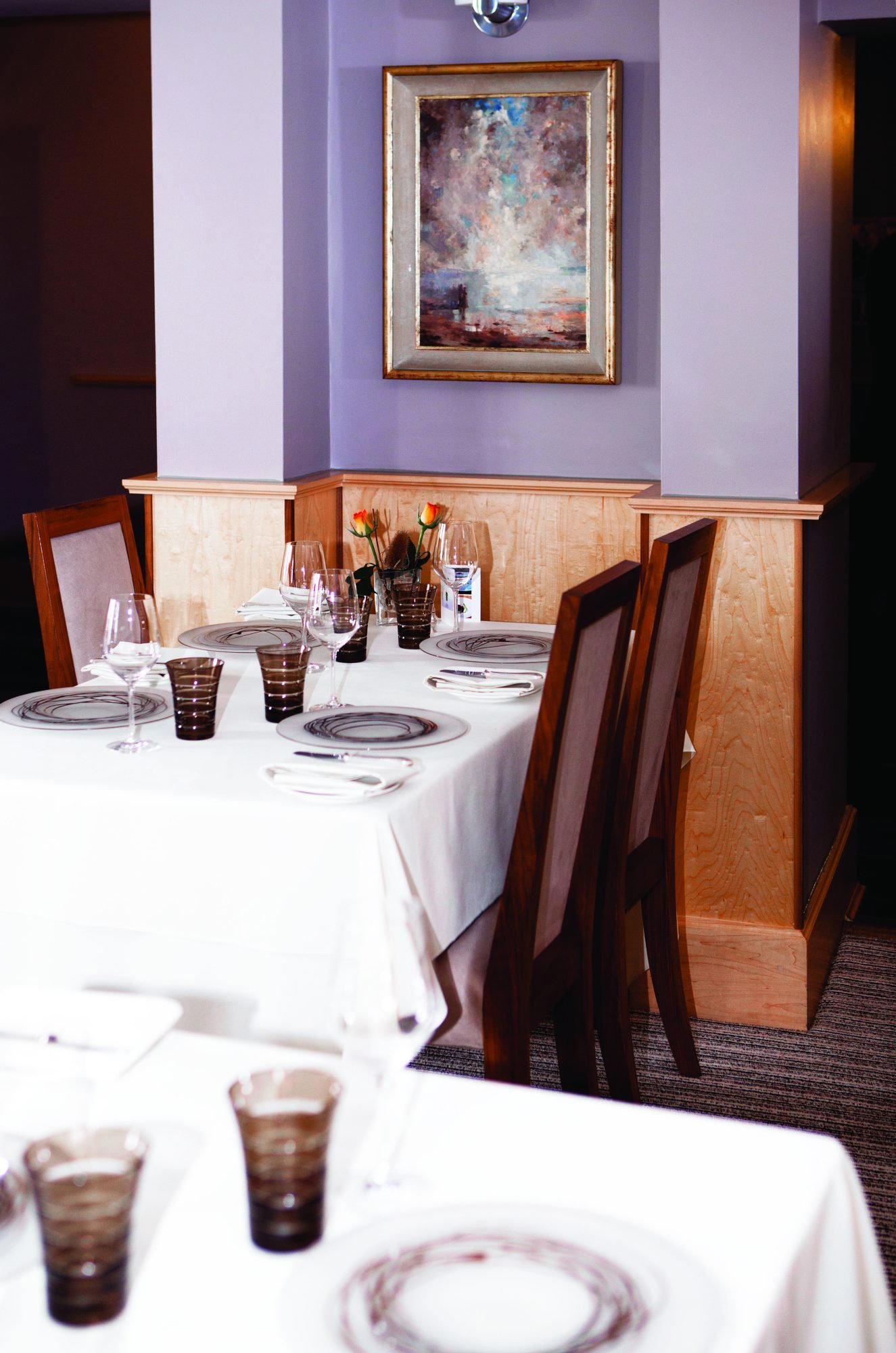
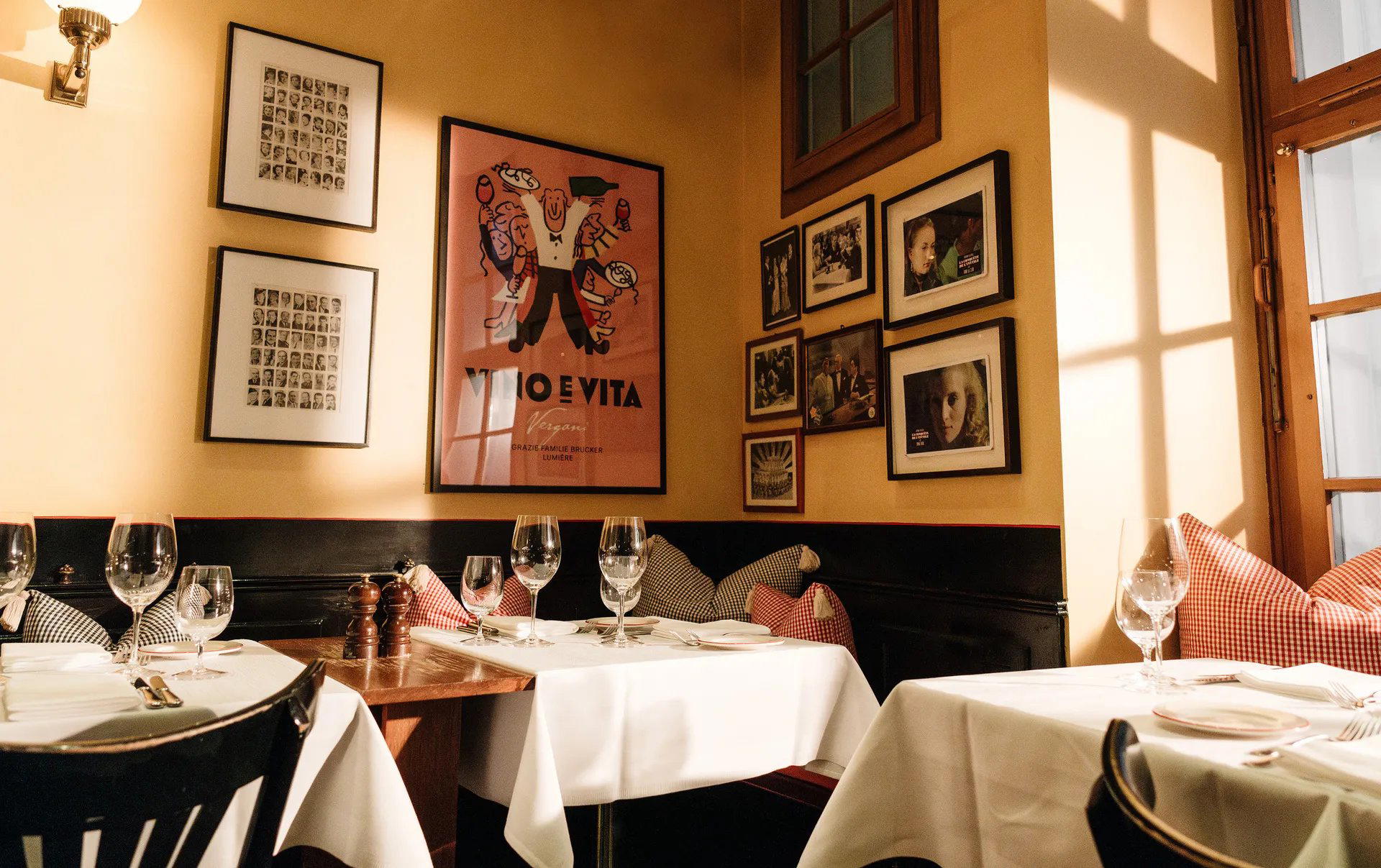
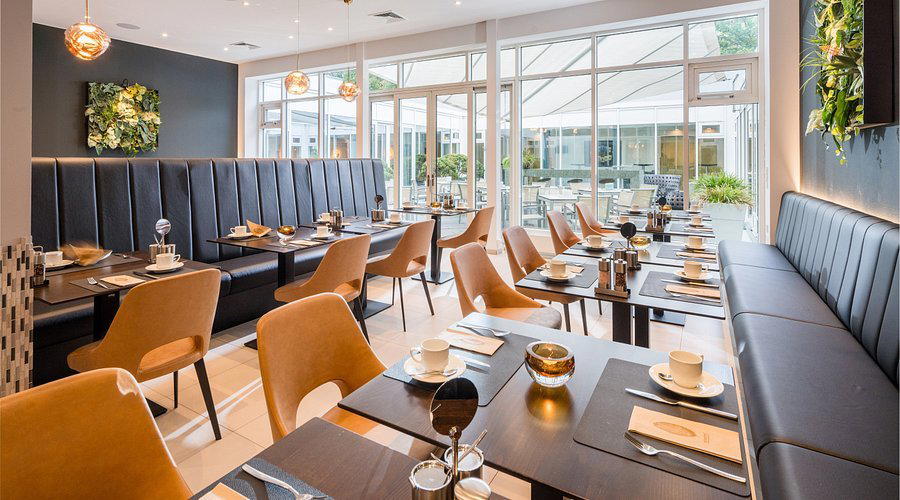
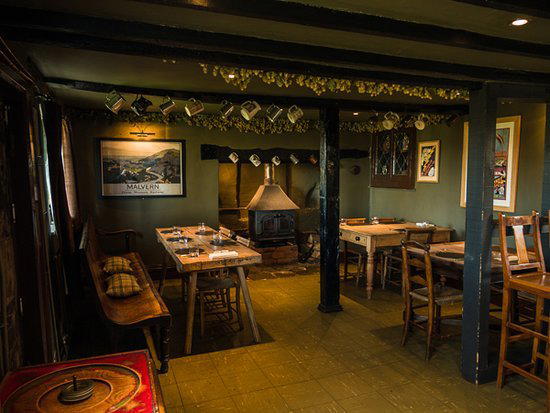
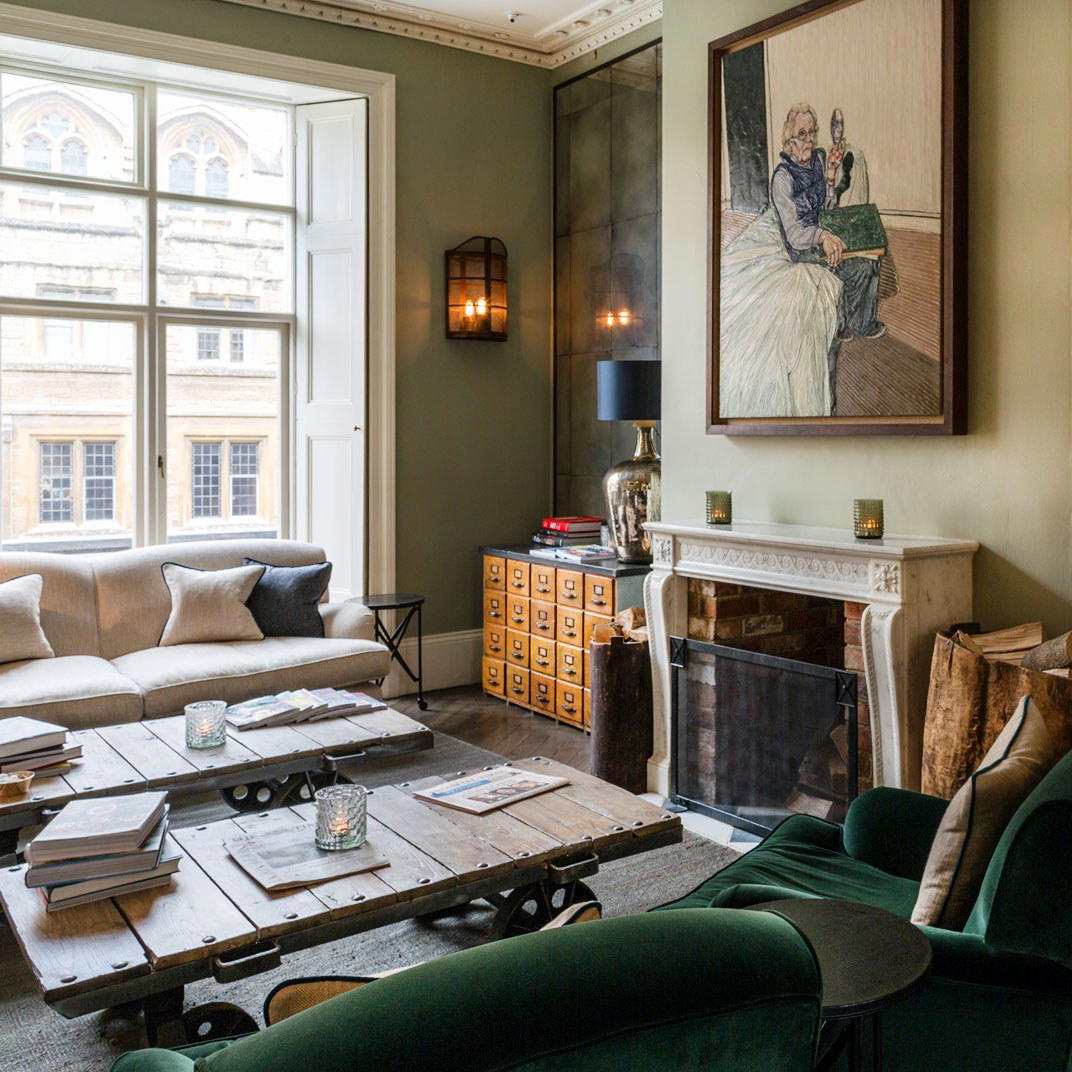
The dining room itself sets a particular register: sandy and stony tones, contemporary art on the walls, and a scale that reads as spacious rather than intimate. It is not the stripped-back minimalism that defines many contemporary starred rooms, nor the heavy formality of old-school French dining. The atmosphere sits somewhere in between, composed, unhurried, and clearly shaped by two people who have been doing this long enough to know exactly what they want the evening to feel like.
Classical Technique, Modern Risk
The editorial tension in contemporary French cooking, across venues from Kei in Paris to Flocons de Sel in Megève, runs between the pull of codified classical method and the pressure to push into new flavour territory. Le Champignon Sauvage occupies that tension deliberately rather than resolving it in either direction.
Some dishes here work squarely within classical logic: prawn ravioli with wilted spinach in a lemongrass bisque, Cotswold white chicken with charred aubergine and girolles, plaice with celeriac purée and rocket. The French training is evident in the structure, the saucing, the balance. These are dishes where the pleasure is in the precision. But the kitchen also pushes into genuinely uncomfortable territory. A starter of pigeon with black pudding, chocolate ganache, cherries, and radicchio is the kind of combination that requires total technical command to land correctly, and here, according to longstanding critical record, it does. Miso-glazed monkfish with barley broth, cockles, and samphire introduces Japanese umami into a framework that is otherwise firmly Anglo-French. These are not fusion gestures; they are considered decisions about where flavour can go when classical discipline holds the structure together.
The balance between what arrives immediately and what develops over the course of a dish is a consistent feature of the cooking. Some combinations hit at full intensity from the first bite; others build slowly, accumulating complexity as they go. That kind of intentional pacing is harder to achieve than it appears, and it is one of the clearest signs that the kitchen has spent decades refining rather than iterating.
Desserts have long been identified as a particular strength of the kitchen. A poached peach with yoghurt sorbet and honeycomb, or a bitter chocolate and pistachio délice with pistachio ice cream, represent the kind of precision pastry work that is often treated as secondary in French-influenced restaurants but is given full weight here. The cheese offering, reportedly around two dozen selections, competes seriously with the dessert course, which is a meaningful statement about the depth of the programme. The meal is bookended by a bread basket at the start and elaborate petits fours at the close, with creative nibbles throughout.
Positioned Outside London
England's regional fine dining scene has consolidated around a relatively small number of multi-decade operations that built their reputations independently of the capital. Le Champignon Sauvage sits in that group alongside L'Enclume in Cartmel, Moor Hall in Aughton, Gidleigh Park in Chagford, and Hand and Flowers in Marlow. What distinguishes it from many of those peers is that it has remained in the same hands, in the same building, on the same street, for over 35 years. The Fat Duck in Bray and The Ledbury in London operate in different registers and at different price points; Champignon's durability is its own form of distinction.
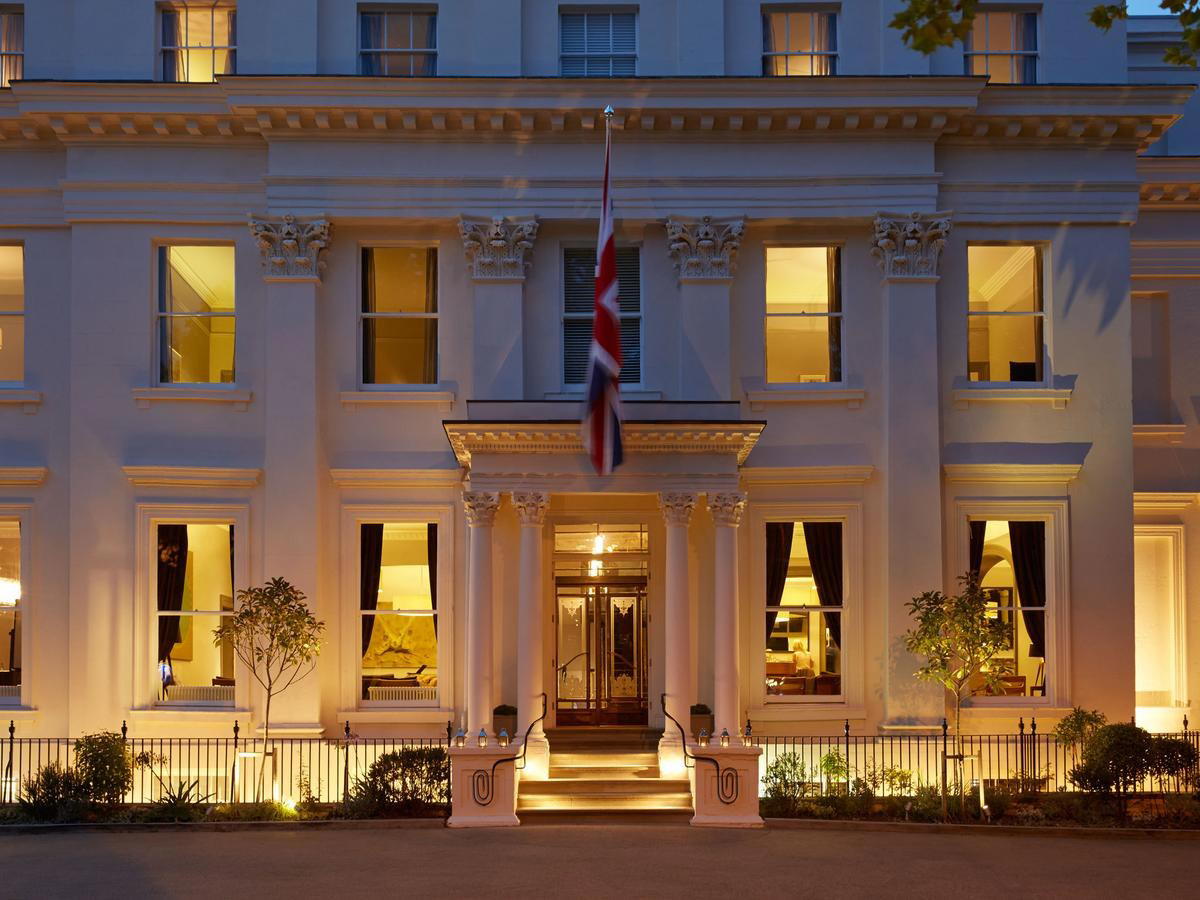
Within Cheltenham, the starred comparison set is narrow. Lumière operates at a comparable price tier (££££) with a modern cuisine focus, and the city's dining scene is otherwise dominated by more accessible Indian restaurants like Prithvi, Bhoomi Kitchen, and Memsahib's Lounge, as well as newer entries like JOURNEY. For the Cheltenham visitor whose primary purpose is French-influenced tasting-menu dining with real critical pedigree, the options narrow quickly to this address. The restaurant's place in the Montpellier district, a Regency quarter of terraced townhouses and garden squares, adds a particular character to arriving here. It does not announce itself loudly.
The Wine List as Argument
One of the more consistent themes in critical coverage of Le Champignon Sauvage is the wine list, and specifically its pricing relative to the food. House Chardonnay and Pinot Noir are available at £28 per bottle or £8 per glass, figures that sit well below the floor prices at comparable starred venues in London or the Cotswolds. The list is built around quality rather than margin, with an extensive half-bottle selection that has long been noted as a genuine convenience for guests who want range without committing to full bottles across multiple courses. Guests used to the aggressive markups common in London's starred restaurants are likely to find the arithmetic here noticeably different.
Planning a Visit
Service runs Wednesday through Saturday only, with lunch seatings at 12:30 PM and dinner from 7:30 PM; the restaurant is closed Sunday, Monday, and Tuesday. The fixed-price format at both lunch and dinner is a consistent feature, the kitchen does not operate à la carte, and the structure of the meal is set from arrival through to petits fours. Given the operating hours and the restaurant's reputation, reservations should be secured well in advance, particularly for weekend dinner. The address is 24-28 Suffolk Road, GL50 2AQ, in the Montpellier district, a short distance from the town centre. For those building a wider Cheltenham itinerary, our full Cheltenham restaurants guide covers the broader dining scene, and separate guides cover hotels, bars, wineries, and experiences across the town.
Frequently asked questions
What's the address for Le Champignon Sauvage?
Le Champignon Sauvage is located at 24-28 Suffolk Rd, Cheltenham GL50 2AQ, United Kingdom, Cheltenham.
Cuisine Lens
| Venue | Cuisine | Price | Awards | Notes |
|---|---|---|---|---|
| Le Champignon SauvageThis venue (the venue you are viewing) | Classic French Fine Dining | $100–150 | 1 Michelin Star · La Liste Top Restaurants | Not listed |
| Lumière | Modern French Fine Dining | $50–100 | Tabelog 100 #1 | Modern Cuisine |
| Bhoomi Kitchen | Modern Southern Indian (Kerala) | $30–50 | Michelin Plate | Indian |
| Memsahib's Lounge | Modern Indian Fine Dining | $50–100 | Michelin Plate | Indian |
| Purslane | Modern British Seafood | $50–100 | Michelin Plate | Modern British |
| JOURNEY | Modern Creative Fusion | $150–200 | Michelin Plate | Not listed |
Recognition history
Dated appearances from independent guides and award organizations, with the underlying list record or original source where available.
Michelin 1 Star
Michelin
La Liste Top Restaurants
La Liste
AA Rosettes 3 Rosettes
AA Rosettes
Opinionated About Dining Classical in Europe Ranked #423
Opinionated About Dining
The Good Food Guide GFG Very Good
The Good Food Guide
Full recognition history (10 entries)
La Liste Top Restaurants
La Liste
Michelin 1 Star
Michelin
Michelin 1 Star
Michelin
Opinionated About Dining Classical in Europe Ranked #349
Opinionated About Dining
Opinionated About Dining Classical in Europe Recommended
Opinionated About Dining
Continue exploring
More in Cheltenham
Restaurants in Cheltenham
All restaurants in Cheltenham →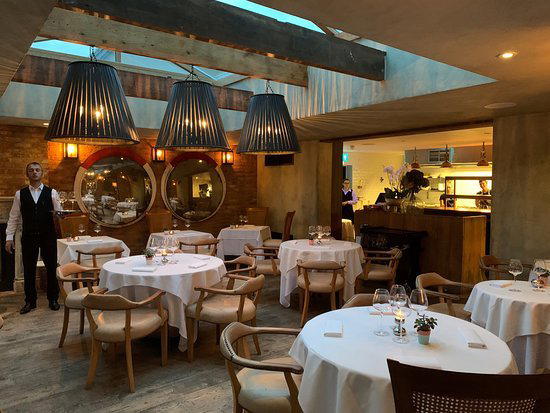
Le Champignon Sauvage
The wine
- Wine program
- Deep wine list
- Extensive wine list
- Sommelier-led
Details
- Elegant
- Sophisticated
- Intimate
- Classic
- Special Occasion
- Date Night
- Business Dinner
- Standalone
- Extensive Wine List
- Sommelier Led
- Local Sourcing
- Tasting Menu
- A La Carte
- Set Menu
Current opening hours
- Monday
- Closed
- Tuesday
- Closed
- Wednesday
- 12:30–1:15 PM, 7:30–8:30 PM
- Thursday
- 12:30–1:15 PM, 7:30–8:30 PM
- Friday
- 12:30–1:15 PM, 7:30–8:30 PM
- Saturday
- 12:30–1:15 PM, 7:30–8:30 PM
- Sunday
- Closed
Hours can change for holidays and private events. Hours as of .
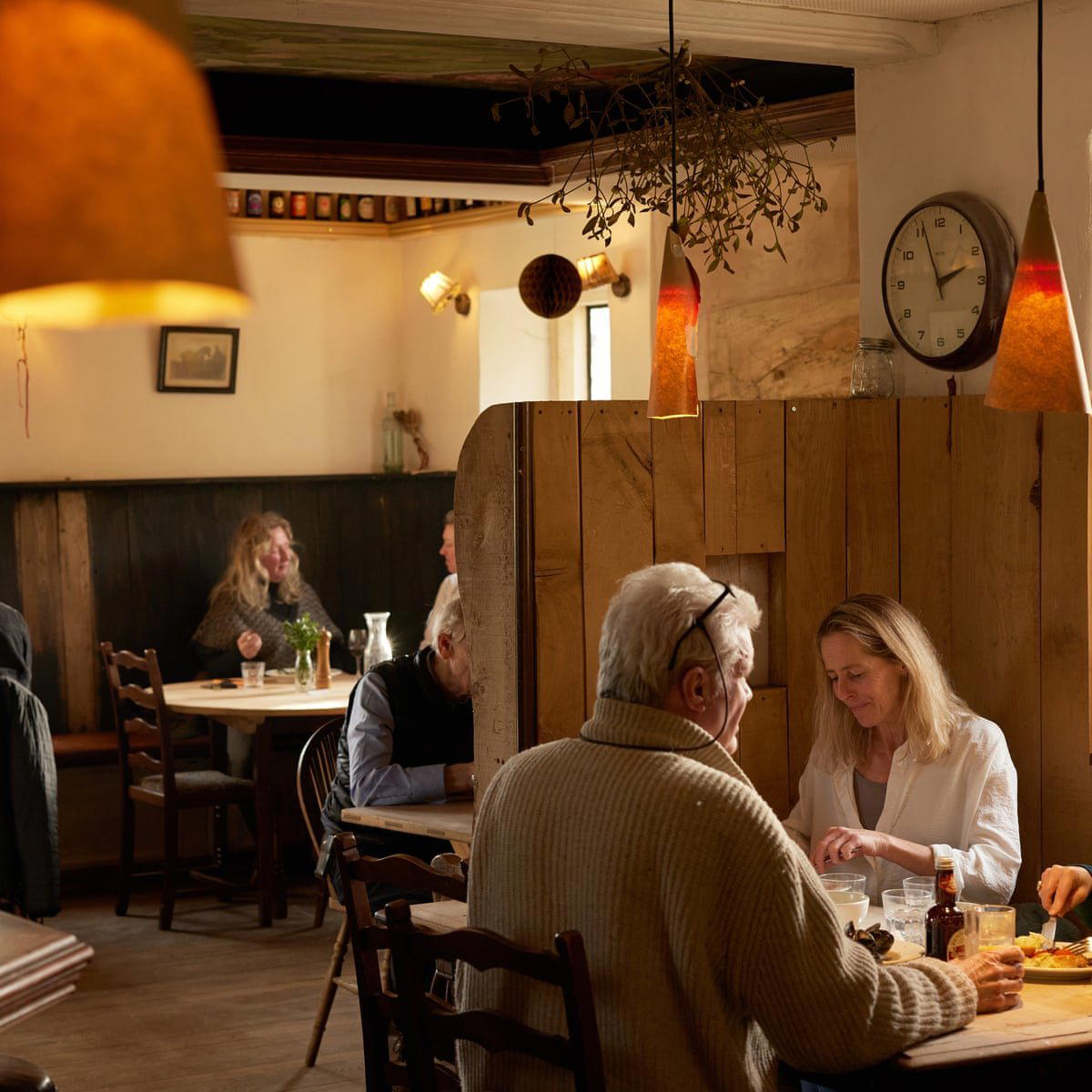
Serene and calm with well-spaced tables, professional yet warm service, and a sedate atmosphere ideal for conversation.