The Killingworth Castle

The Good Food Guide GFG Very Good
A 17th-century Cotswold pub with real substance in the kitchen, The Killingworth Castle holds the rare balance between functioning village local and seriously accomplished restaurant. Real ale by the wood-burner at the front, seasonal cooking of real ambition at the back — with a wine list annotated well enough to suggest someone in charge actually thinks about what ends up in the glass.

Pearl is the En Primeur Club membership app — saves, bookings, and concierge access live there. Same editors, same standards.
- Address
- Glympton Rd, Wootton, Woodstock OX20 1EJ, United Kingdom
- Phone
- +44 1993 811401
- Website
- thekillingworthcastle.com
- Directions
- Get directions
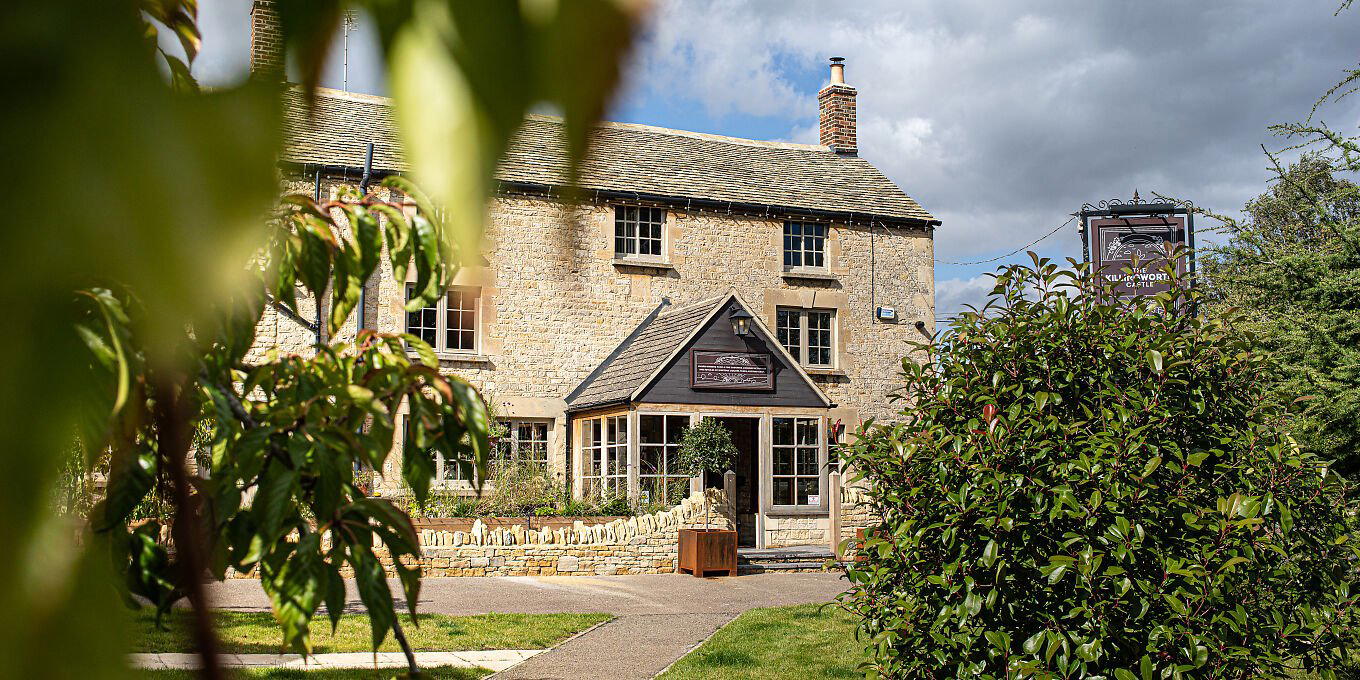
Stone Walls, Real Ale, and a Kitchen That Means Business
The Cotswolds has no shortage of handsome old pubs that have decided, at some point, to take food seriously. What separates the ones worth the drive from the ones content to coast on flagstone floors and a decent view is what happens when the food actually arrives. At The Killingworth Castle on Glympton Road in Wootton — a village just outside Woodstock — the gap between atmosphere and kitchen ambition closes in a way that still catches visitors off guard.
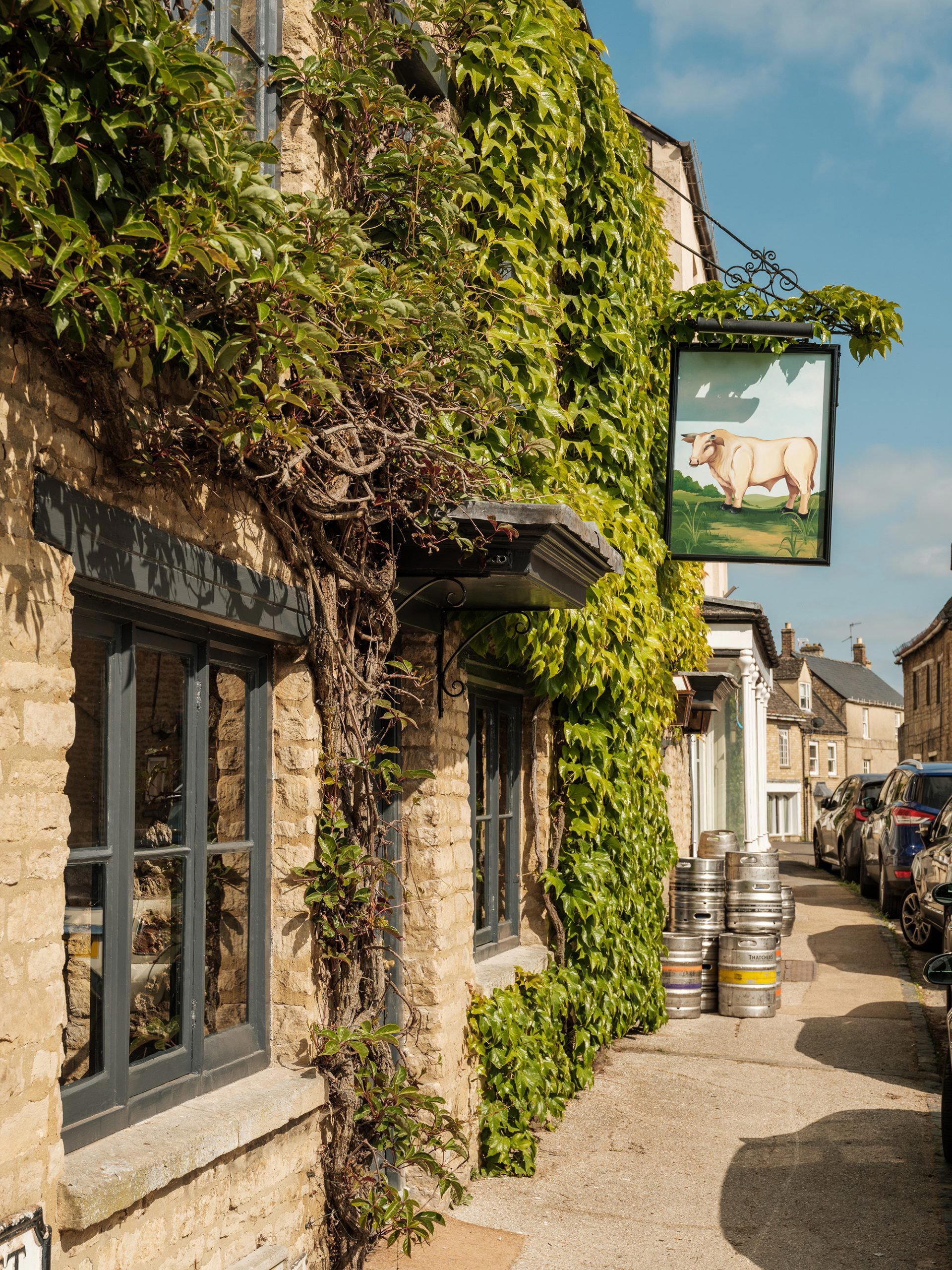
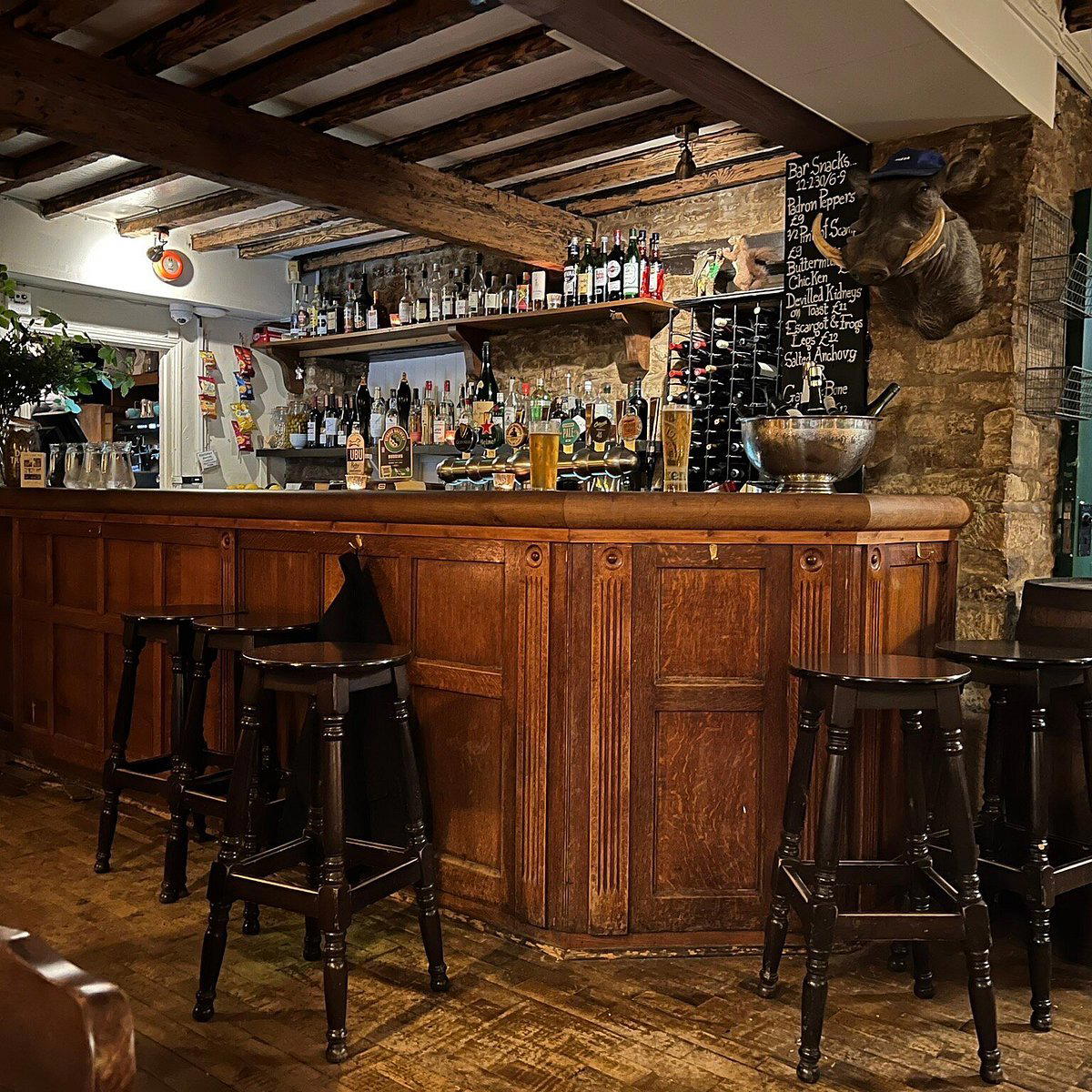
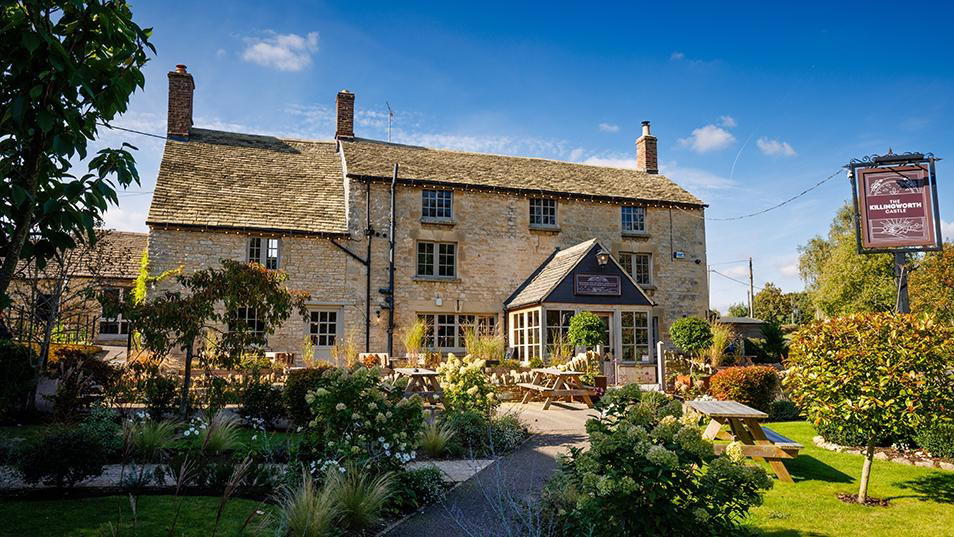
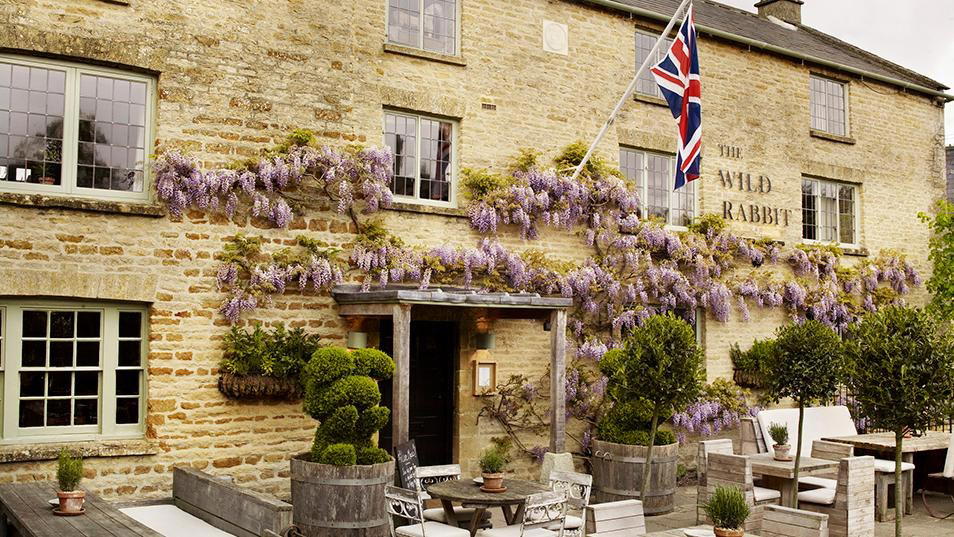
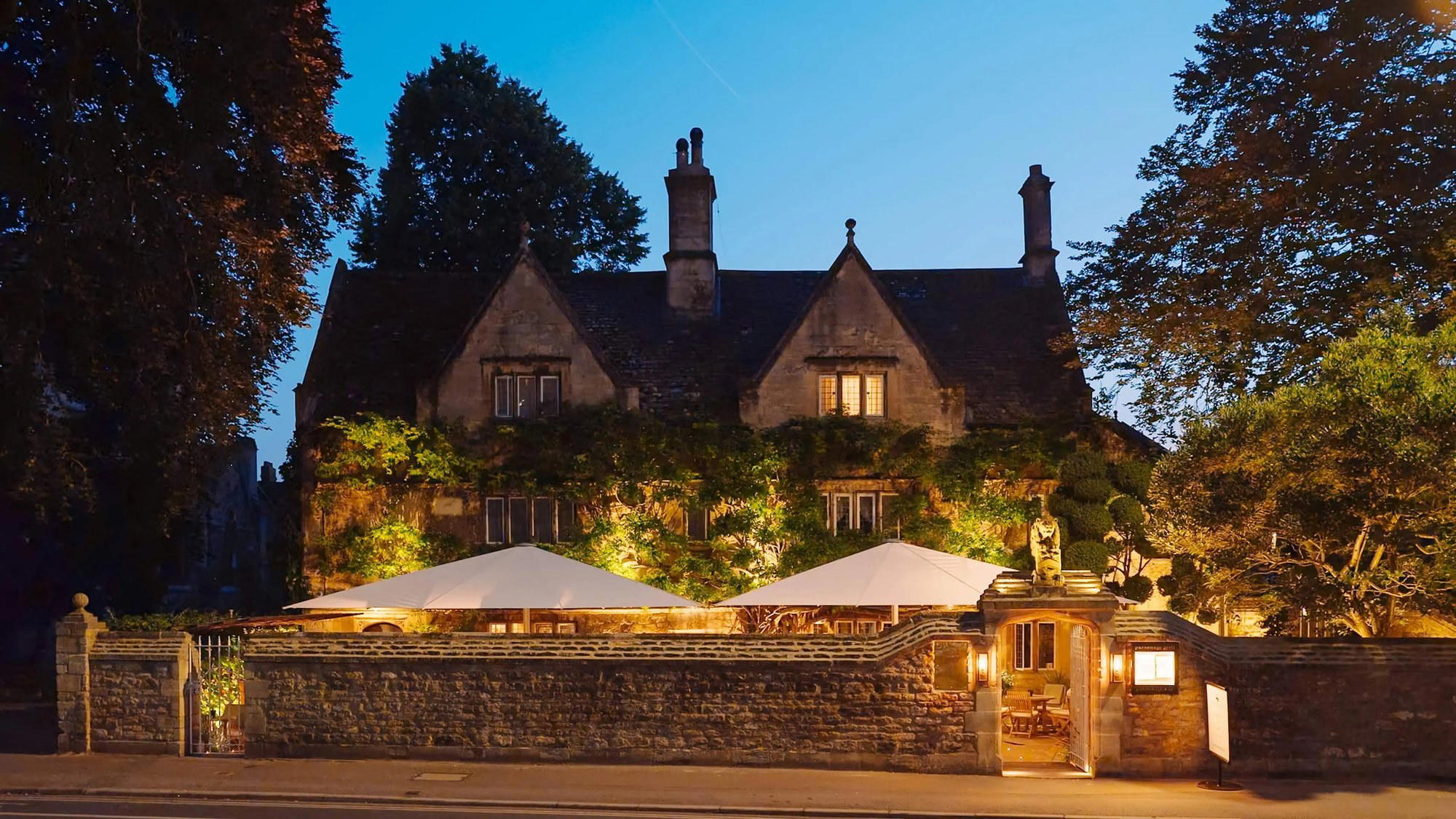
Approach it from the road and you get the full Cotswold-hostelry picture: stone construction, low proportions, the kind of building that suggests the word 'cosy' before you've even opened the door. Inside, the front bar operates exactly as it should, villagers nursing real ale, conversation at a low murmur, a wood-burning stove doing its job in winter. This is not a pub that has quietly evacuated its regulars to make room for restaurant covers. The two things coexist, which is harder to pull off than it sounds and is itself a signal that the operation is run with some care.
The Restaurant Side: Flagstones and Full Flavour
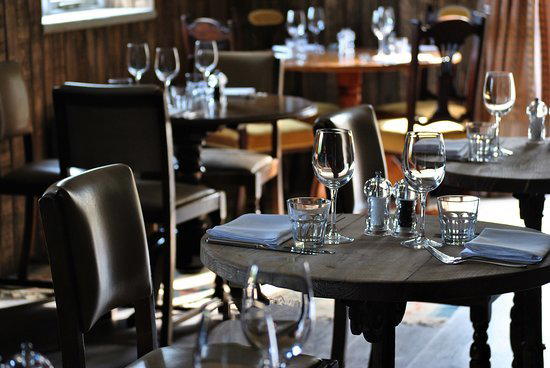
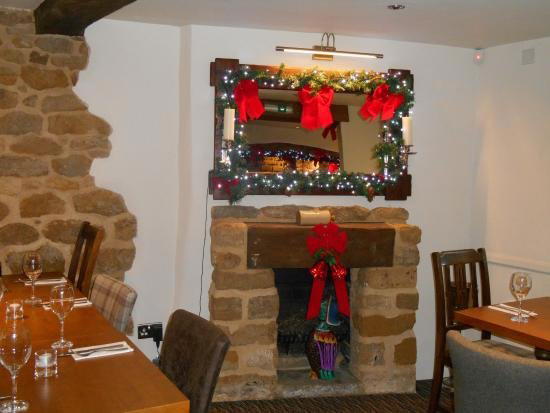
The dining room, reached through the 17th-century bar, occupies a recently extended space where flagstoned flooring and stone walls do the contextual work without requiring much assistance from the decor. This is the right kind of restraint for a venue of this age and character. The cooking, by contrast, is anything but restrained in ambition, though it is precise and considered in execution.
The kitchen's output sits in a specific register: seasonal, full-flavoured, technically accomplished without being showy about it. The approach reflects training at Le Champignon Sauvage in Cheltenham, one of the more technically rigorous kitchens outside London, and that lineage shows in the structure of dishes and the confidence with which flavour combinations are handled. Gougères arrive filled with cheese and truffle, the parsley emulsion alongside them doing more work than that combination might suggest on paper. Smoked trout comes with a buttermilk and lovage sauce poured at the table, a service detail that points toward a kitchen that thinks about the moment of eating, not just the moment of plating.
Vegetable-led dishes are where the cooking announces itself most clearly. A bowl of mushroom cream surrounded by celeriac velouté, punctuated by slices of cep and crunchy hazelnuts, reads like a late-autumn menu in concentrated form, earthy, layered, finished with textural contrast. This is the kind of dish that reflects a cook paying attention to what the season is actually offering, rather than applying technique to ingredients out of context.
Among the mains, guinea fowl breast arrives with pearl barley in a chestnut velouté, the bitterness of caramelised chicory sharpening what could otherwise read as overly rich. A side of winter-spiced red cabbage, tangy and sweet in equal measure, holds its own as more than an afterthought. Desserts maintain the register: a chocolate délice spiced with Szechuan peppercorns is the kind of finishing move that confirms the kitchen has a clear point of view. The staff are described by multiple visitors as chatty and clued-up, engaged rather than performative, which fits the tone of the room.
The Wine List as Signal
In the broader context of British pub drinking, the wine list at The Killingworth Castle is worth a specific note. The editorial angle at many pubs in this category is a perfunctory list of recognisable names priced to catch the inattentive. Here, the list is expertly annotated, which is a meaningful indicator: it suggests someone with genuine knowledge selected it and felt the effort of explanation was worthwhile. The house selections are, according to visitors, kindly priced, and the bigger bottles hold their own against the food's weight and confidence. For those drinking at the bar, real ale remains the anchor, which is as it should be in a pub that genuinely considers itself one.
For context on what seriously considered drinking programs look like across the UK, the contrast between a Cotswold pub-restaurant and dedicated urban bars is instructive. Operations like 69 Colebrooke Row in London, Bramble in Edinburgh, Schofield's in Manchester, and Merchant Hotel in Belfast represent the specialist end of the UK drinks spectrum. Further afield, Mojo Leeds, Horseshoe Bar Glasgow, and L'Atelier Du Vin in Brighton each illustrate how drinking culture in Britain has become more regionally specific and technically minded. Even in more removed locations, places like Avon Gorge by Hotel du Vin in Bristol, Digby Chick in the Outer Hebrides, Harbour View on Bryher, and Bar Leather Apron in Honolulu demonstrate that a thoughtful drinks list is no longer the preserve of city centres. The Killingworth Castle sits in its own register, a pub wine list, not a cocktail program, but the care applied to it places it clearly above the category average.
A Note on What's Changing
One material development worth flagging for anyone planning a visit: Edward Dutton, formerly of Claridge's in London, has replaced Adam Brown as head chef. The creative direction established under Brown set a high baseline, and Dutton's Claridge's background suggests the kitchen is not moving toward simpler territory. A new review is forthcoming. Visitors booking now are, in effect, arriving at a kitchen in transition, which carries both uncertainty and the possibility of watching something sharpen further.
Planning Your Visit
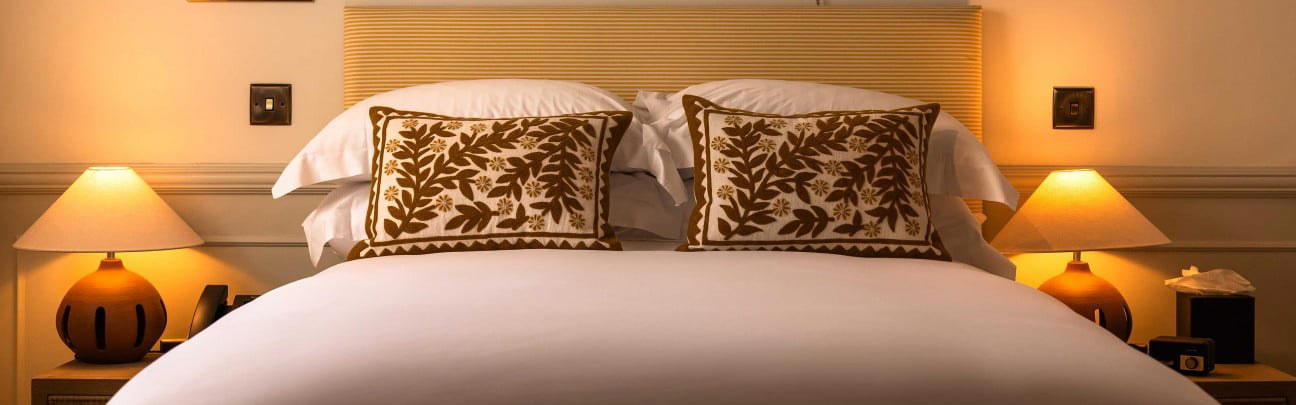
The Killingworth Castle sits in Wootton at Glympton Road, Woodstock OX20 1EJ, within easy reach of Oxford, making it a logical anchor for a day out of the city rather than a destination requiring an overnight stay, though the pub does offer rooms for those who want to extend the visit. For anyone building an itinerary around the Woodstock and Cotswolds corridor, it fits naturally alongside a visit to Blenheim Palace, less than two miles away. Booking in advance is advisable for the restaurant side, particularly at weekends, when the balance between bar trade and dining covers tightens. See our full Wootton restaurants guide for further context on eating and drinking in the area.
Comparable Venues
Comparable venues nearby, for context on price, style, and recognition.
| Venue | Cuisine | Price | Awards | Notes |
|---|---|---|---|---|
| The Killingworth CastleThis venue — the venue you are viewing | pub | Not listed | The Good Food Guide GFG Very Good | Not listed |
| Carla's List | Bar | Not listed | Not listed | Not listed |
| The Sun Inn | pub | $30–50 | The Good Food Guide GFG Good | Felmersham |
| The Woolpack Inn | pub | $20–30 | The Good Food Guide GFG Good | Slad |
| Alchemy Bar | cocktail_bar | $20–30 | Not listed | City of London |
Recognition history
Dated appearances from independent guides and award organizations, with the underlying list record or original source where available.
The Good Food Guide GFG Very Good
The Good Food Guide
Details
- Cozy
- Rustic
- Classic
- Casual Hangout
- Date Night
- Historic Building
- Garden
- Seated Bar
- Lounge Seating
- Craft Beer
- Garden
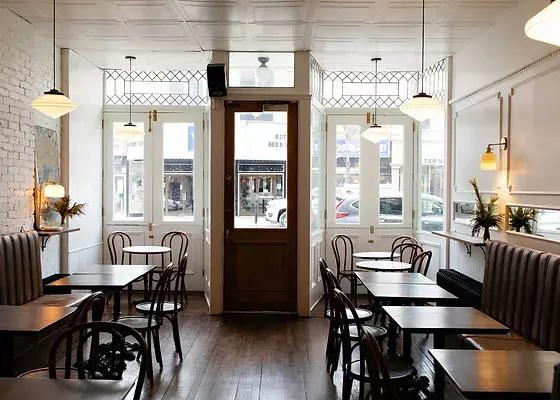
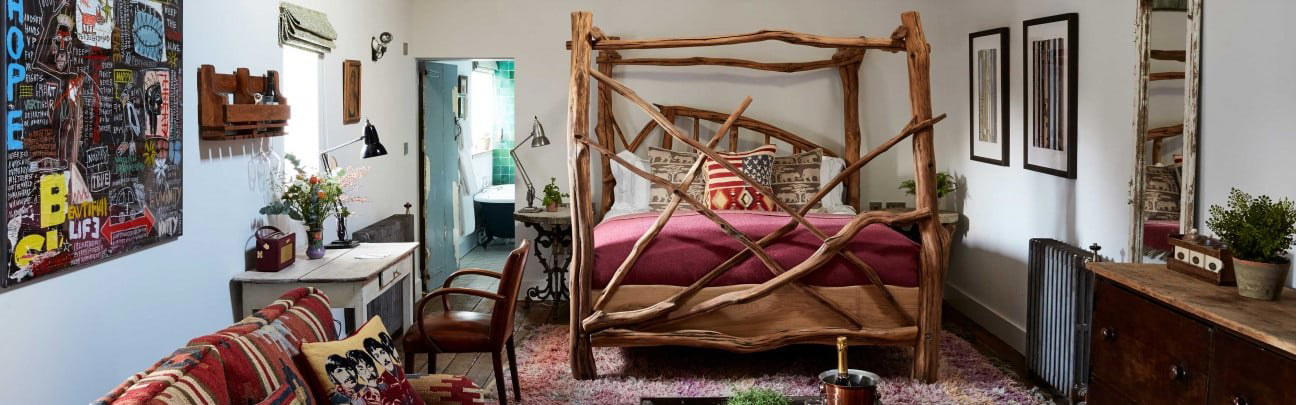
Rustic-sleek with exposed-stone walls, flagstoned floors, crackling wood-burning fires, and a warm, cosy atmosphere.