
Tabelog 100 #59
Our verdict
Hattasan Meibutsu Dango Kigyo Kumiai belongs to Shizuoka’s low-price wagashi culture rather than the restaurant circuit built around long meals. Its Tabelog 100 selection for Japanese traditional sweets and sweets cafes in East Japan places it in a category where regional identity, takeaway rhythm, and ingredient discipline matter more than dining-room theatre.

Pearl is the En Primeur Club membership app — saves, bookings, and concierge access live there. Same editors, same standards.
- Address
- 2777 Toyosawa, Fukuroi, Shizuoka 437-0032, Japan
- Phone
- +81 538-42-4784
- Hours
- Daily 8 AM–5 PM
- Website
- hattasan-dango.com
- Directions
- Get directions
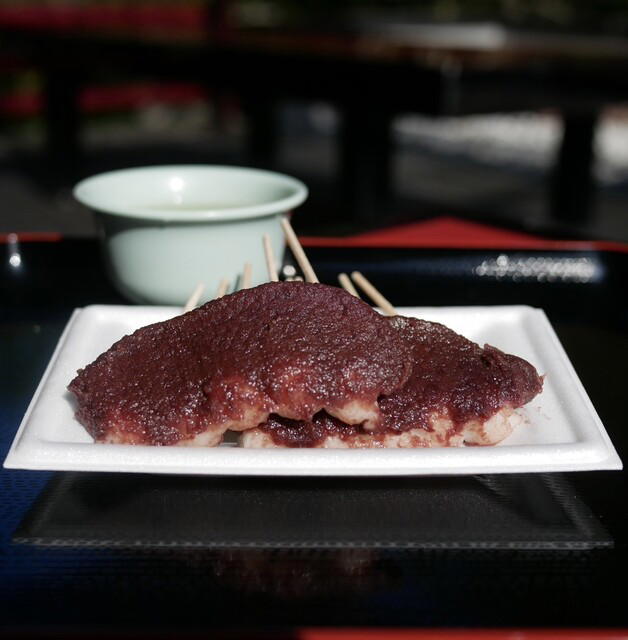
The menu
What to order
- Hattasan mitarashi dango
- Kusa dango (mugwort dumplings)
- Anko dango
Approaching a regional Japanese traditional sweets counter in Fukuroi is a different kind of food anticipation from entering a sushi bar or kaiseki room. The cues are quieter: boxes moving across the counter, families folding a stop into a local outing, and a menu logic built around a local sweet rather than a parade of courses. Hattasan Meibutsu Dango Kigyo Kumiai sits squarely in that tradition, where the value of the experience is measured less by ceremony than by how a place preserves a small, repeatable craft.
Fukuroi is not Tokyo, Kyoto, or Kanazawa, and that matters. Regional Japanese sweets shops often carry a stronger sense of place than urban dessert salons because they are tied to souvenir culture, local gifting habits, and the routines of people moving through a city. In that context, a local sweet is not simply dessert. It is a portable marker of where the traveller has been, designed to survive a short journey and still feel tied to its point of origin.
Regional dango as a Fukuroi food tradition, not a dessert detour
The point here is ingredient restraint. Japanese traditional sweets depend on a narrow, familiar language, so the margin for disguise is small. When the format is dango, texture and balance do the heavy lifting. There is no elaborate plating to hide behind, no wine pairing to reframe the bite, and no chef biography needed to explain the appeal.
That makes the Tabelog 100 selection for Japanese traditional sweets in 2023 useful as a signal. It places Hattasan Meibutsu Dango Kigyo Kumiai in a field judged around specialists rather than general restaurants. The same traveller comparing a full meal in Fukuroi might look at Sumiyaki Unagi Aoiya for an eel stop, Raa Men Men Soushin or Kohaku for casual bowls, or Shin Japanese cuisine Obune for a different dining format. This is a different lane: low-cost, focused, and closely tied to local memory.
That distinction is why the shop belongs in a Fukuroi itinerary even for travellers who normally plan around restaurants. Japan’s serious food culture is not confined to counters with tasting menus. It also lives in businesses that repeat one regional form at scale, for locals, visitors, and gift buyers. For wider city planning, Our full Fukuroi restaurants guide gives the broader dining frame, while Our full Fukuroi experiences guide is the more natural companion for food stops connected to local movement and ritual.
The appeal is speed, specificity, and a price tier below restaurant dining
Japanese traditional sweets shops of this kind operate on a rhythm closer to provisions than leisure dining. The format rewards travellers who understand that a short stop can carry as much regional meaning as a reservation meal. The listed spend sits at JPY 999, which puts it well below many full-service dining choices and many casual counters. That price point changes the decision: this is not an alternative to dinner, but a precise add-on to a day built around Fukuroi travel.
The straightforward service rhythm is also part of the category. For a serious restaurant, a highly structured booking process may shape the experience; for a local sweets counter, the intended use is often simpler. People arrive, buy, eat or carry away, and continue. The experience is transactional in the useful sense of the word, with the craft concentrated in the product rather than the pacing of service.
There is a broader lesson for travellers moving through Japan outside the major hotel corridors. Regional food intelligence often comes from knowing when not to overcomplicate a stop. A low-price Japanese traditional sweets counter can be more revealing than a middling multi-course meal because it expresses a local specialty without forcing it into a luxury template. The comparison is not with destination dining in Tokyo, nor with overseas Japanese concepts. It is with the Japanese habit of letting small foods carry specific geography.
How to place it inside a Fukuroi itinerary
The practical read is simple: treat this as a focused sweets stop, not a long meal. The location is Fukuroi, so it sits better in a planned local route than as an impulsive detour from a major city. Build it into the day as a compact food stop, especially if your route already includes other Fukuroi dining or local experiences rather than a single destination meal.
Payment and service expectations should stay local and conservative. This is best understood as casual regional commerce rather than a formal dining room, and the experience should be planned with that category in mind. That is not a limitation; it is the format doing exactly what it is meant to do, with attention directed toward the sweet itself rather than restaurant-style ceremony.
For travellers building a fuller Fukuroi stay, food should sit beside logistics rather than float separately. Our full Fukuroi hotels guide, Our full Fukuroi bars guide, and Our full Fukuroi wineries guide help frame the overnight, drinking, and regional-drinks side of the trip. Japan-wide readers mapping styles across cities can also compare how narrow-format specialists differ from broader restaurant categories at other dining rooms across Japan, from traditional specialists to casual counters and other small-format venues.
The editorial case for Hattasan Meibutsu Dango Kigyo Kumiai is not luxury. It is precision of category: a regional Japanese traditional sweets stop with a 2023 Tabelog 100 marker, a JPY 999 listed spend, and a format that belongs to Fukuroi’s local food grammar. For travellers who care where a food comes from, that is enough reason to pay attention.
Frequently asked questions
Is Hattasan Meibutsu Dango Kigyo Kumiai child-friendly?
It works well for a family stop: the listed price tier is JPY 999, and the format is casual and focused. The Tabelog 100 selection in 2023 also signals a place people plan around rather than treating it only as an in-between snack counter.
Is Hattasan Meibutsu Dango Kigyo Kumiai better for a quiet night or a lively one?
Neither, really, since it is best understood as a focused Japanese traditional sweets stop rather than a night-out venue. It suits a low-key Fukuroi food stop, not a late, lively meal.
Is Hattasan Meibutsu Dango Kigyo Kumiai expensive?
Pricing at Hattasan Meibutsu Dango Kigyo Kumiai is listed as - JPY 999 - JPY 999 View spending breakdown.
What are the operating hours at Hattasan Meibutsu Dango Kigyo Kumiai?
Specific operating hours are not provided here; check current details before planning your visit.
Where is Hattasan Meibutsu Dango Kigyo Kumiai located?
Fukuroi.
A Quick Peer Check
Comparable venues by cuisine and price in the same metro.
| Venue | Cuisine | Price | Awards | Notes |
|---|---|---|---|---|
| Hattasan Meibutsu Dango Kigyo KumiaiThis venue — the venue you are viewing | Traditional Japanese dango & sweets shop | $1–10 | Tabelog 100 #59 | Not listed |
| Okonomiyaki Chotto Yonnai | Hiroshima-Style Okonomiyaki | $10–20 | Not listed | Tomo |
| Buta Daigaku (豚大学) | Grilled Pork Bowl (Butadon) | $1–10 | Not listed | Shimbashi |
| らーめん かねかつ | Authentic Japanese Ramen | Not listed | Not listed | Iizuka |
| Tsurukamedo Zenzai | Okinawan Shaved Ice (Zenzai) | $1–10 | Not listed | Yomitan Village |
| 屋宜家 | Traditional Okinawan Soba | $10–20 | Not listed | 八重瀬町大頓 |
Recognition history
Dated appearances from independent guides and award organizations, with the underlying list record or original source where available.
Tabelog 100 #59 · No. 59
Tabelog · Tabelog 100 - Japanese traditional sweets / Japanese sweets cafe - EAST - 2023
Continue exploring
More in Fukuroi
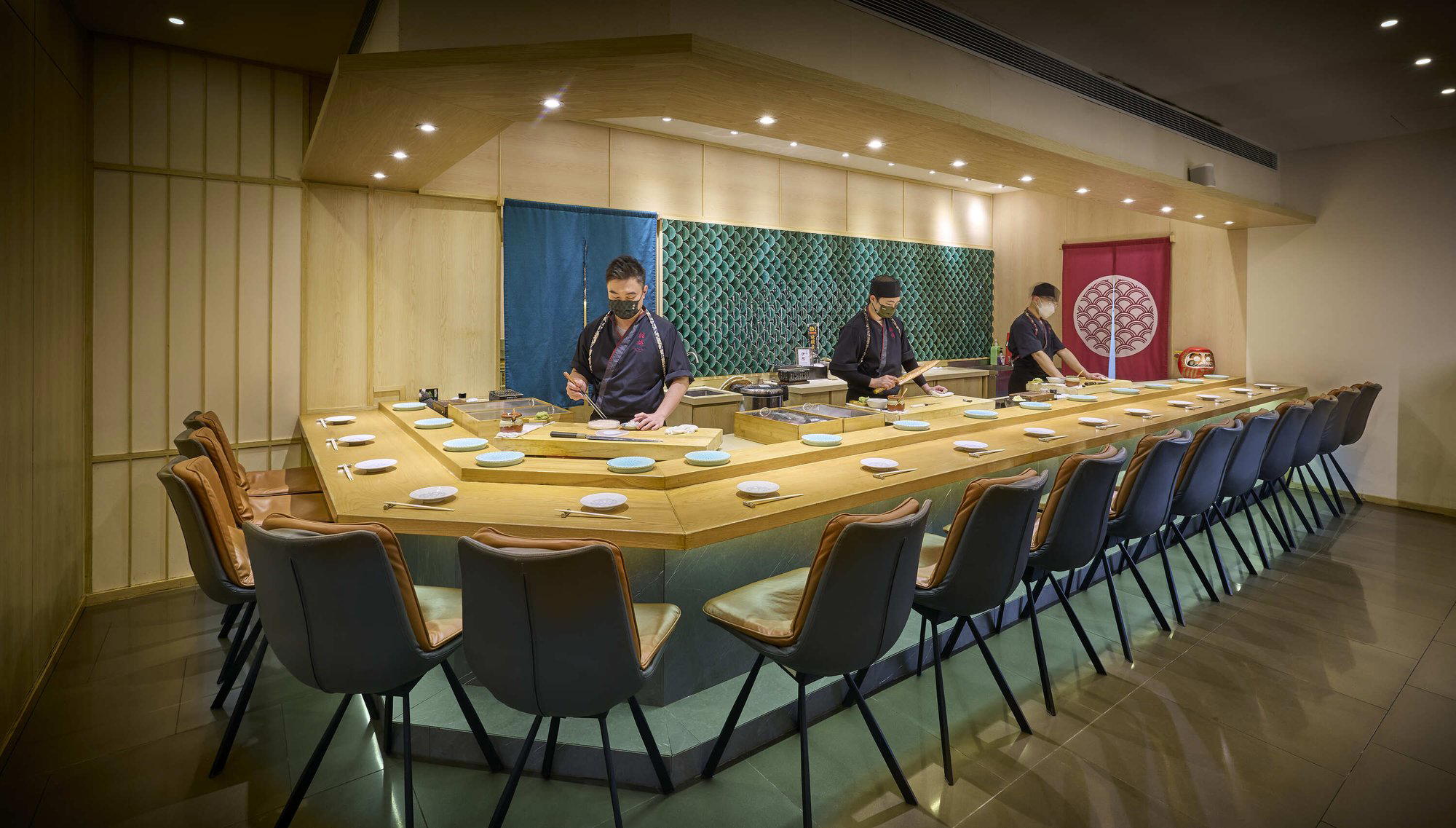
Restaurants in Fukuroi
Browse all →
Hotels in Fukuroi
Browse all →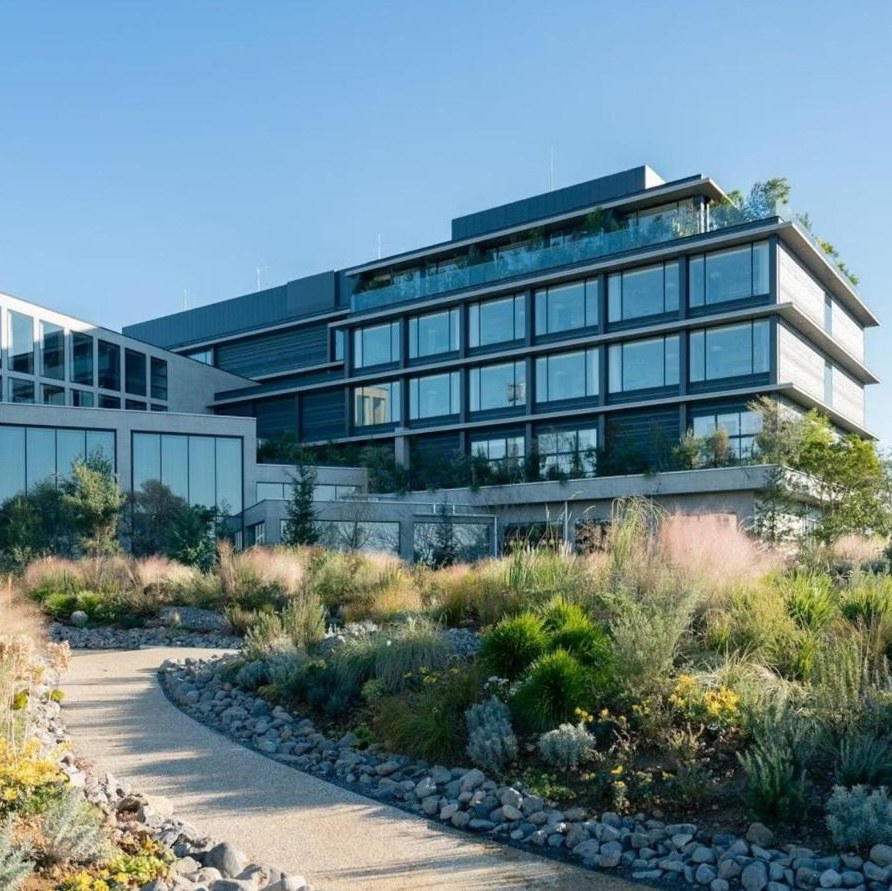
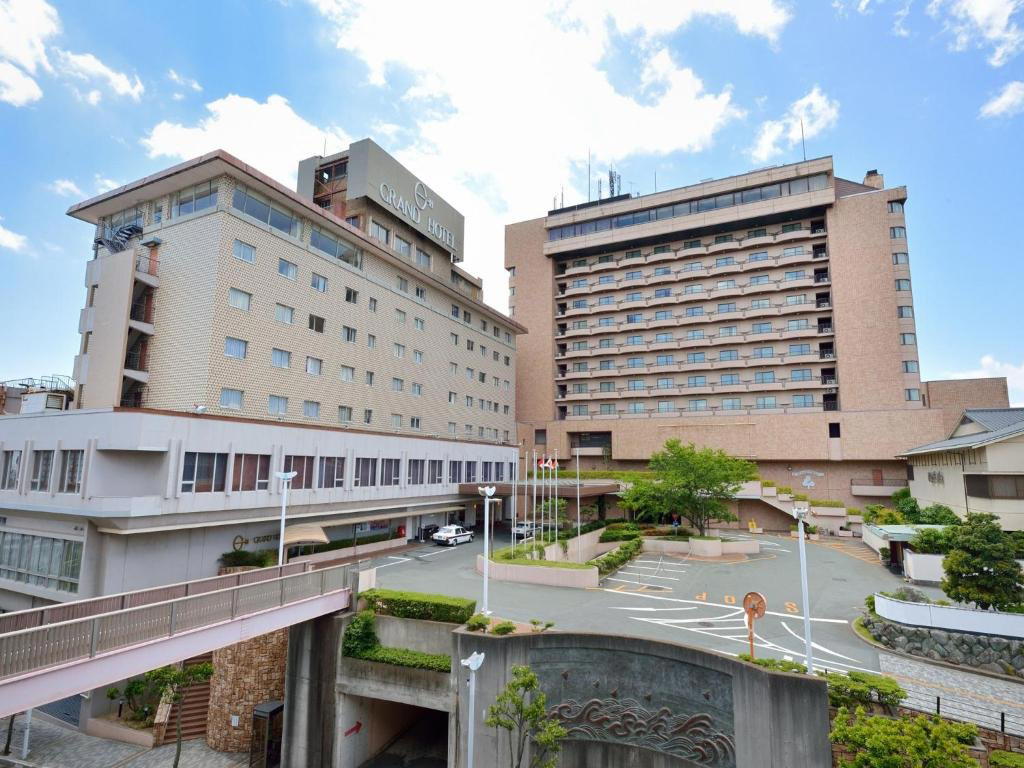
Wineries in Fukuroi
Browse all →
Details
- Classic
- Well Known
- Solo
- Family
- Casual Hangout
- After Work
- Historic Building
- Standalone
- A La Carte
- Counter Dining
- Tea
- Soft Drinks
Current opening hours
- Monday
- 8 AM–5 PM
- Tuesday
- 8 AM–5 PM
- Wednesday
- 8 AM–5 PM
- Thursday
- 8 AM–5 PM
- Friday
- 8 AM–5 PM
- Saturday
- 8 AM–5 PM
- Sunday
- 8 AM–5 PM
Hours can change for holidays and private events. Last verified .
Simple, traditional sweets shop attached to a temple precinct, with a no‑smoking, calm atmosphere focused on quick service and takeaway rather than sit‑down dining.