
Tabelog 100 #51
Our verdict
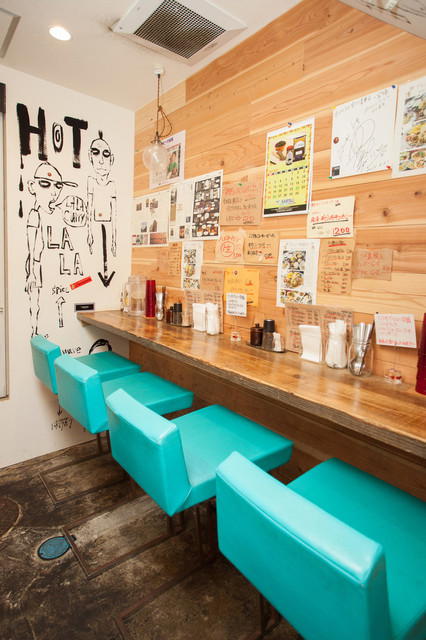
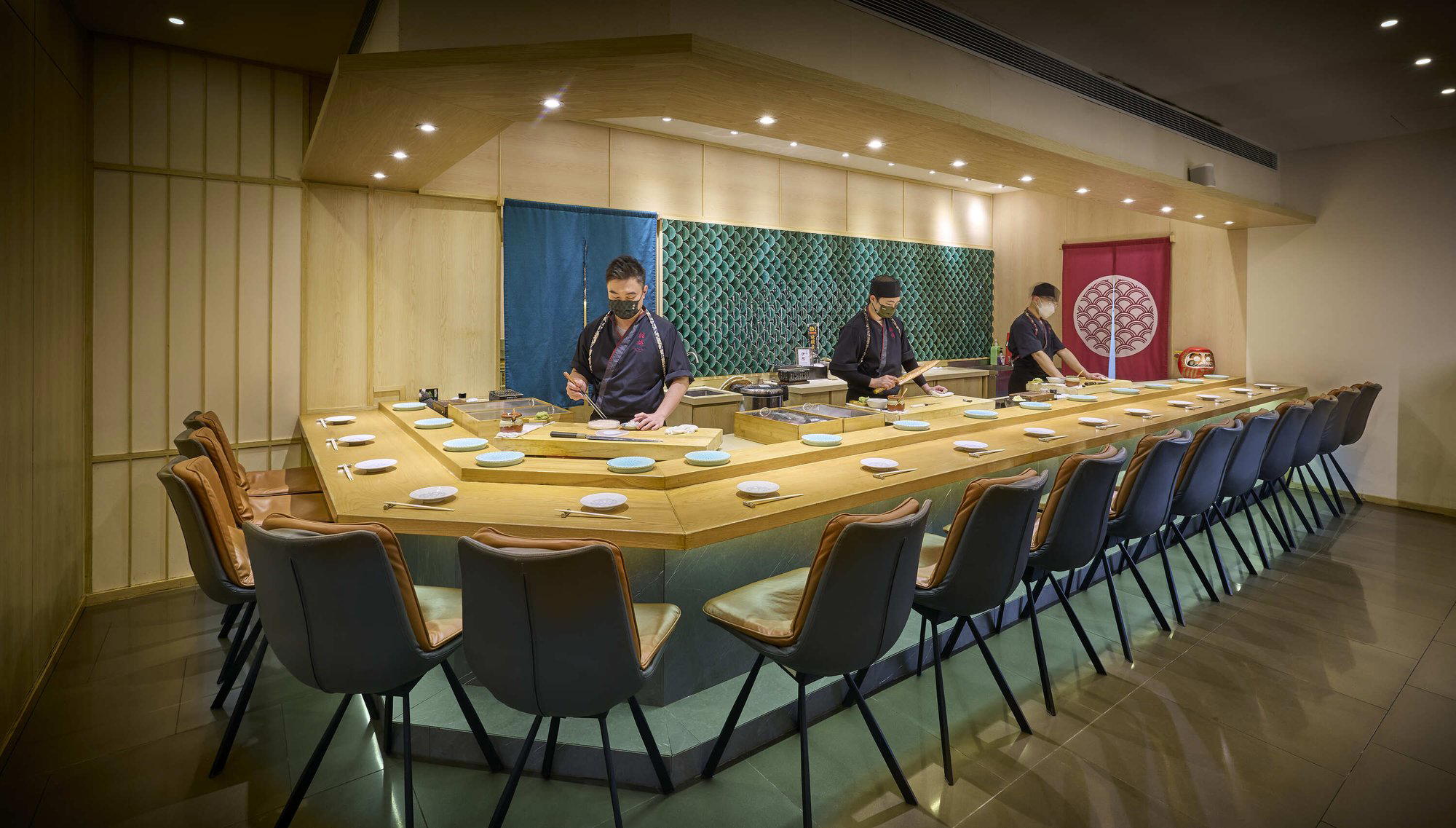
Kitanose sits in Hamamatsu’s izakaya tradition at the more deliberate end of the category: a 30-seat room with counter seating, tatami rooms, private-room options, and a drinks program that treats sake and wine as part of the meal’s rhythm. Its Tabelog 100 Izakaya EAST selections in 2024 and 2025 place it beyond the casual tavern bracket without turning the evening into formal kaiseki.

Pearl is the En Primeur Club membership app — saves, bookings, and concierge access live there. Same editors, same standards.
- Address
- 231-1 Tamachi, Chuo Ward, Hamamatsu, Shizuoka 430-0944, Japan
- Phone
- +81 53-455-2832
- Hours
- Mon–Sat 6–10 PMSun Closed
- Website
- blog.kitanose.jp
- Directions
- Get directions
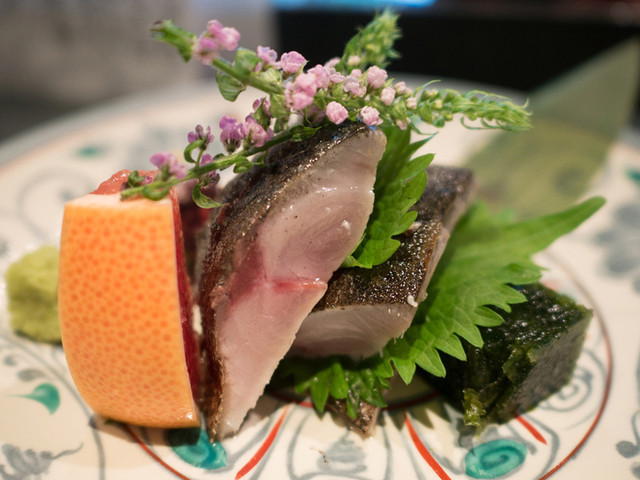
Hamamatsu’s serious izakaya rooms rarely announce themselves with spectacle. The ritual is quieter: a first drink that sets the pace, plates arriving in a sequence that encourages conversation rather than inspection, and a room shaped around the social rhythm of the evening. Kitanose belongs to that version of the night, where the izakaya format is not shorthand for noise and speed, but for controlled looseness: a Japanese-style tavern suited to a meal that can be relaxed, attentive, and guided by the table’s own pace.
The local context matters. Hamamatsu has enough dining range to reward planning, while still keeping its own tempo. In that setting, an izakaya recognized in the Tabelog Hyakumeiten selection for 2025, with a listed score of 3.63 and dinner budget of JPY 4,000 - JPY 4,999, signals a room operating above ordinary after-work drinking. The category is broad across Japan, from casual counters to more polished taverns; Kitanose sits in the conversation as a Hamamatsu izakaya worth planning around.
A Hamamatsu izakaya built around pace, not performance
The point of a mature izakaya meal is not a linear tasting-menu reveal. It is pacing. Dishes can arrive in clusters, drinks can change direction, and the table decides whether the night is a quick stop or a longer session. Kitanose’s format supports that elasticity in the way good izakaya do: the meal can be social without becoming shapeless, and attentive without asking diners to surrender the evening to a rigid sequence.
That flexibility separates the room from Hamamatsu’s more narrowly defined dining choices. Tenkin, Yoshitomo, Shukou Yuzen Jinen, 彩席かわかみ, and Liebling can be considered as part of the city’s broader dining map, each offering a different reason to plan a meal in Hamamatsu. Kitanose’s relevance is its own path: serious enough to merit award attention, informal enough to keep the izakaya grammar intact. The evening is not about surrendering to a chef’s sequence; it is about understanding how a Japanese tavern can become precise without becoming stiff.
Drinks are central to that reading, as they are in the strongest izakaya experiences. The best version of the format does not treat food and beverage as separate tracks; it lets the table move between bites, pours, conversation, and pauses. In Hamamatsu, that matters because the meal is often less about a single signature dish than about the total rhythm of the night. That is a practical distinction, not a decorative one.
The izakaya as a dining ritual, not a fallback plan
Outside Japan, izakaya is often flattened into “pub food.” In Japan, the better version is closer to a social operating system. Seating position, drinking pace, ordering rhythm, and group size all affect the meal. A polished izakaya gives diners structure without making the structure feel ceremonial. That is why recognition in this category carries weight: it rewards consistency across food, drink, and hospitality in a format where looseness can easily become drift.
Kitanose’s appeal is part of that argument. It is approachable enough to remain recognizably an izakaya, but its Tabelog Hyakumeiten recognition points to a level of consistency that makes it more than a fallback option. The room’s value is not in spectacle or excessive formality; it is in the way a Hamamatsu evening can gather around a table, a sequence of orders, and the steady progression from first drink to last.
The strongest way to read the menu is by category rather than by chasing named signatures. Expect the logic of a Japanese-style tavern: food that can move with alcohol, portions that encourage ordering across the table, and seasoning calibrated to keep the next drink in play. The meal can shift in register over the course of the night without leaving the izakaya frame. That duality is where the room earns its place in a Hamamatsu itinerary.
How it fits into a serious Hamamatsu night
For travelers building a wider dining plan, Hamamatsu rewards a mix of formats rather than a single marquee reservation. Kitanose works as the izakaya anchor: social, drink-aware, and more structured than a casual tavern. It pairs well with a broader read of the city through Our full Hamamatsu restaurants guide, while hotel, bar, winery, and activity planning can sit alongside Our full Hamamatsu hotels guide, Our full Hamamatsu bars guide, Our full Hamamatsu wineries guide, and Our full Hamamatsu experiences guide.
Within the city, broader editorial comparisons help clarify the decision. Other Hamamatsu dining rooms point to the range of local meals beyond the izakaya lane, from casual stops to more occasion-led addresses. Kitanose is the choice when the evening’s centre of gravity is the drinking table itself: food as rhythm, beverage as structure, and service format as social architecture.
For readers comparing Japan and Japanese-influenced dining elsewhere, the contrast is useful. More specialized meals in other cities can ask for a different kind of attention than an izakaya sequence, while casual urban addresses and snack-led formats each organize the meal around a narrower idea. Abroad, sake-bar and Japanese snack formats show how pieces of the culture travel. Kitanose’s value is different: it preserves the Japanese izakaya’s social grammar while giving the experience enough discipline for a more considered night out in Hamamatsu.
Frequently asked questions
Where exactly is Kitanose?
Hamamatsu.
Is Kitanose more mid-range or high-end?
Pricing at Kitanose is listed as JPY 4,000 - JPY 4,999.
What are the opening hours for Kitanose?
Opening hours for Kitanose are not specified here; confirm directly before visiting.
What is Kitanose known for?
Kitanose is known as an izakaya in Hamamatsu and is listed in the 2025 Tabelog Hyakumeiten selection.
Cuisine and Recognition
Side-by-side context: comparable cuisine and price.
| Venue | Cuisine | Price | Awards | Notes |
|---|---|---|---|---|
| KitanoseThis venue — the venue you are viewing | Upscale Japanese Kappo / Kaiseki | $50–100 | Tabelog 100 #51 | Not listed |
| Ton Kara Ten | Tonkatsu & Oyako-don Specialist | $20–30 | Tabelog 100 #36 | Chuo Ward, Hamamatsu City |
| Sumiyaki Unagi Hajime | Charcoal-grilled Unagi Specialist | $30–50 | Tabelog 100 #54 | Nishi-ku |
| Tenkin | Traditional Tempura & Tendon Counter | $30–50 | Tabelog 100 #50 | Tamachi, Chuo Ward |
| Shukou Yuzen Jinen | Japanese Izakaya | Not listed | Tabelog 100 #81 | Tamachi, Naka-ku |
| Yakiniku Kunimoto Honten | Traditional Wagyu Yakiniku | $50–100 | Tabelog 100 #51 | Hamamatsucho / Shimbashi area |
Recognition history
Dated appearances from independent guides and award organizations, with the underlying list record or original source where available.
Tabelog 100 #51 · No. 51
Tabelog · Tabelog 100 - Izakaya - EAST - 2025
Continue exploring
More in Hamamatsu
Restaurants in Hamamatsu
Browse all →
Details
- Sophisticated
- Classic
- Intimate
- Date Night
- Business Dinner
- Special Occasion
- Private Event
- Standalone
- Sake Program
- Beer Program
- A La Carte
- Set Menu
- Sake
- Beer
Current opening hours
- Monday
- 6–10 PM
- Tuesday
- 6–10 PM
- Wednesday
- 6–10 PM
- Thursday
- 6–10 PM
- Friday
- 6–10 PM
- Saturday
- 6–10 PM
- Sunday
- Closed
Hours can change for holidays and private events. Last verified .
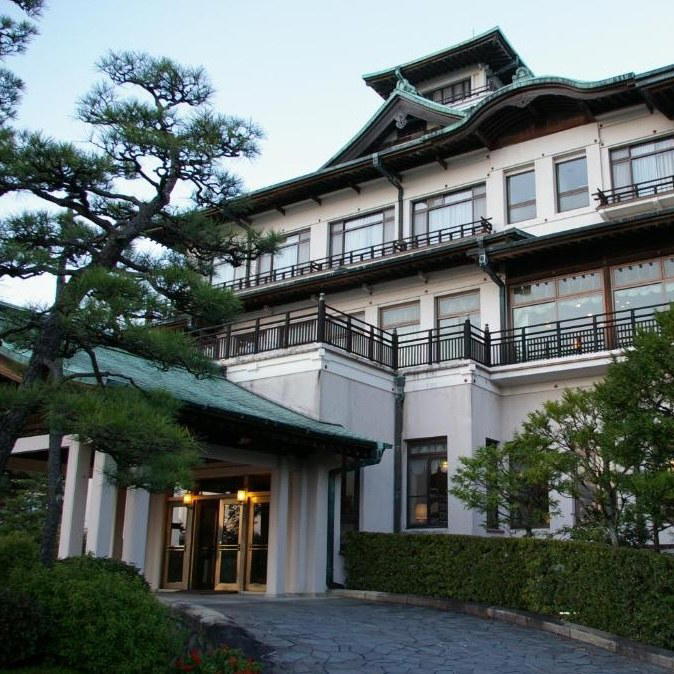
Upscale and refined, with a quiet, intimate, classic Japanese restaurant atmosphere.