Grand Nikko Sathorn enters Bangkok’s hotel conversation from the design-and-location end rather than the resort-fantasy end. With no published awards, star rating, price band, address, or booking details in public sources, it is best read cautiously: a Sathorn-positioned urban stay to compare against the city’s riverfront grandees, Japanese-branded luxury, and design-led downtown hotels before committing.

Pearl is the En Primeur Club membership app — saves, bookings, and concierge access live there. Same editors, same standards.
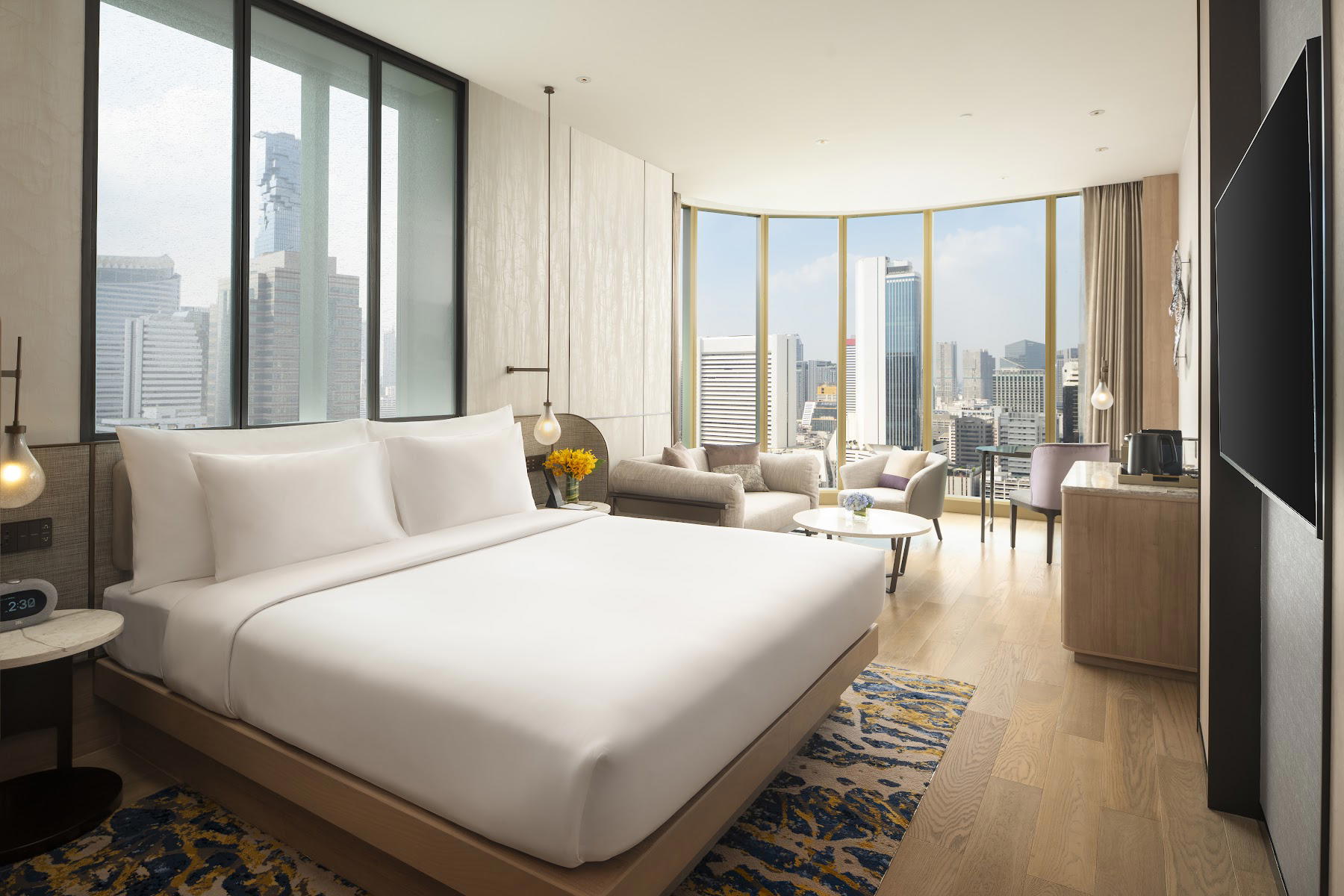
First read: Sathorn before the room key
Approaching a hotel in Sathorn is different from arriving at Bangkok’s river palaces. The city tightens here: office towers, embassy-adjacent streets, shaded side roads, mall-linked transport corridors, and the constant alternation between business Bangkok and residential Bangkok. That physical context matters because it shapes the hotel experience before any lobby, suite, or breakfast room enters the decision. Grand Nikko Sathorn is a 5-star hotel in Bangkok with 405 rooms, suited to business access and central city plans.
Bangkok’s hotel market has separated into several clear tribes. The Chao Phraya riverfront trades on ceremony and skyline scale, seen in properties such as Mandarin Oriental Bangkok, Capella Bangkok, Four Seasons Bangkok at Chao Phraya River, and The Peninsula Bangkok. The downtown luxury set works through height, retail adjacency, and contemporary interiors, with Rosewood Bangkok, Park Hyatt Bangkok, and The Okura Prestige Bangkok occupying that conversation. Grand Nikko Sathorn should be assessed within this urban field, not against island resorts or heritage river hotels with decades of mythology around them.
Design as a Bangkok sorting mechanism
In a city with so many luxury claims, design is often the cleanest way to separate categories. River hotels usually prioritize procession: porte cochère, lobby volume, water views, terraces, and a deliberate sense of remove. Business-district hotels have a harder brief. They need calm without deadening the city, visual order without anonymity, and public spaces that work for breakfast, meetings, late arrivals, and the short pause between appointments. When a hotel record does not publish an architect, room count, star rating, or award history, as is the case here in the available public sources, the editorial question becomes less about pedigree and more about fit: does the Sathorn setting serve the traveller’s actual Bangkok agenda?
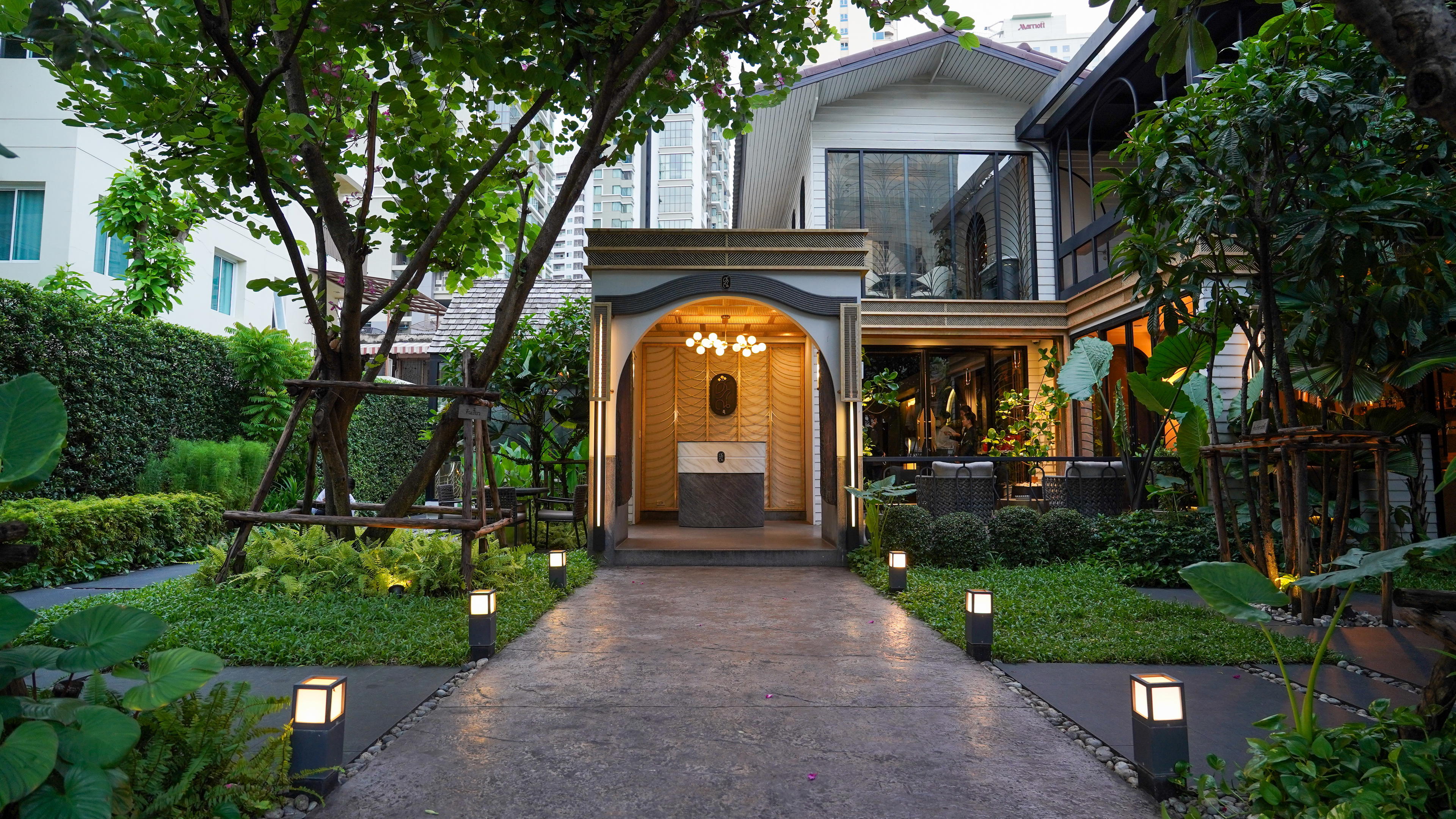
Sathorn has long been one of Bangkok’s more serious urban districts, but that seriousness is not sterile. The area sits near embassies, corporate offices, condominium towers, and pockets of dining that connect easily to Silom, the riverside, and central Bangkok. For design-minded travellers, the appeal is the city’s built contrast: glass towers, tropical planting, concrete overpasses, shrines at street level, and interiors that have to work against heat and traffic. A hotel in this district is part of that architectural argument. It does not need to imitate a teak-and-silk resort vocabulary to make sense; it needs to make the transition from the street to the guest floor feel intentional.
Where it sits among Bangkok hotel choices
The clearest comparison is not with every luxury property in Bangkok, but with the decision patterns that bring travellers to different parts of the city.A guest choosing the river often wants a slower hotel rhythm and a view-led stay.A guest choosing Wireless Road, Ploenchit, or Siam often wants shopping, embassies, restaurants, and rail access. Sathorn works for travellers who want centrality with a slightly more businesslike edge, plus access to Silom and the Chao Phraya without making the river the entire point of the trip.
That caution is not a weakness; it is the right way to read a thin hotel file. Bangkok contains highly documented properties with public awards, established room categories, known chef-led restaurants, and long editorial records. It also contains hotels whose appeal depends more on location, pricing at the time of travel, transport convenience, and design preference than on a published trophy cabinet. For readers comparing several city stays, The Siam sits in a different, more retreat-like design category, while Grand Nikko Sathorn belongs to the practical urban conversation.
The Japanese-brand question in Bangkok
Bangkok has a meaningful Japanese hospitality thread, shaped by corporate travel, long-stay demand, dining culture, and Thailand’s deep travel links with Japan. The point for travellers is comparative: Japanese-branded or Japan-adjacent hotels in Bangkok often appeal to guests who value operational clarity over maximal display. That is a different promise from the riverfront glamour model.
The comparison with The Okura Prestige Bangkok is useful because it shows how Japanese hospitality can be interpreted through a Bangkok high-rise lens. What can be said is that the name places the hotel in a segment where travellers are likely to look for disciplined service, quiet visual language, and efficient city access rather than resort spectacle.
Dining context: judge the hotel against the city, not only the menu
Bangkok is one of Asia’s strongest dining cities, and hotel choice increasingly depends on how a property connects to the broader table culture around it. Sathorn and nearby Silom place guests within reach of ambitious Thai dining, Japanese counters, wine bars, embassies, office lunch rooms, late-night noodles, and hotel restaurants that compete with stand-alone rooms.
That absence shifts the recommendation. Travellers who choose Grand Nikko Sathorn should treat the hotel as a base for Bangkok dining unless current, verified hotel materials show a restaurant that specifically matters to the itinerary. The broader city is the asset. For planning around meals, Our full Bangkok restaurants guide gives the stronger editorial frame; for drinks after dinner, the Bangkok bars guide is the more useful companion. Bangkok’s hotel bars and independent cocktail rooms have become a serious part of the city’s night economy, and Sathorn’s location makes cross-city movement plausible when traffic timing is handled with care.
Architecture, mood, and the practical city stay
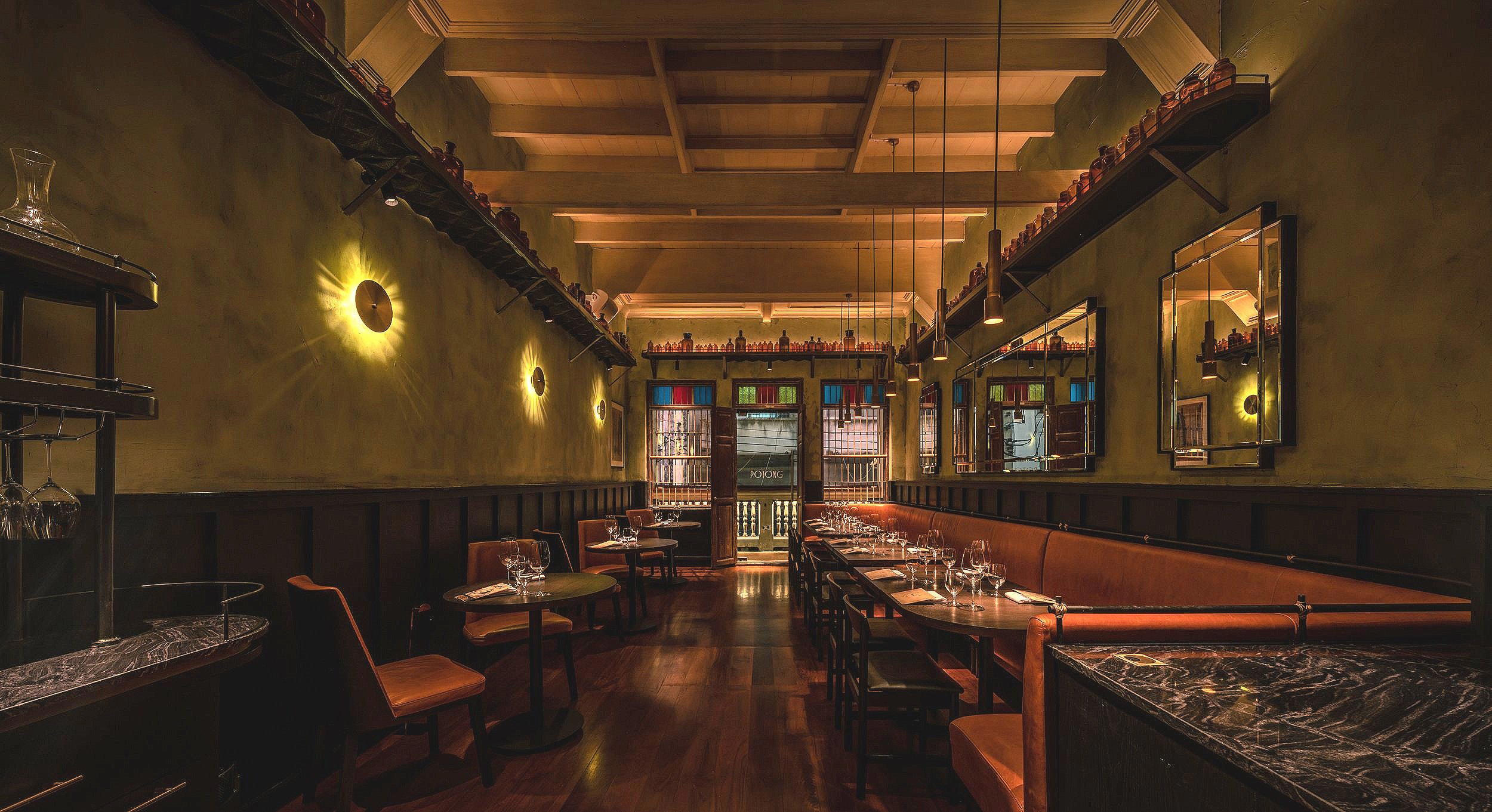
The atmosphere to expect is urban rather than escapist. In Bangkok terms, that usually means a lobby calibrated to arrival and departure, public areas designed for meetings and short dwell time, and guestrooms that must solve quiet, cooling, storage, and work needs.
For a design-led trip, this hotel should be placed on a map with Bangkok’s stronger architectural statements. Rosewood Bangkok brings a sculptural tower identity to Ploenchit. Park Hyatt Bangkok is linked to the Central Embassy complex and a high-rise urban rhythm. The Siam uses collection, craft, and river privacy to create a more residential register. Grand Nikko Sathorn’s case depends on how much the traveller wants Sathorn’s grounded city function rather than a hotel that dominates the trip as a design destination.
How to compare it with Thailand's resort hotels
A Bangkok hotel should not be measured by the same criteria as a Thai resort. The country’s hospitality range is broad: Phulay Bay, A Ritz-Carlton Reserve in Krabi and Pimalai Resort & Spa in Koh Lanta are coastal propositions; Keemala in Phuket is shaped by hillside fantasy and villa privacy; Soneva Kiri in Trat uses remoteness as a core part of its value. Those hotels ask for time on property. Sathorn asks for movement through the city.
Northern and island hotels complete the contrast. Four Seasons Resort Chiang Mai in Chiang Mai builds around landscape in the literal sense of terrain and planting, while Anantara Golden Triangle Elephant Camp & Resort in Chiang Rai is bound to a regional experience that cannot be replicated in Bangkok. Samujana Villas in Koh Samui, The Sarojin Thailand in Phang Nga, and InterContinental Hua Hin Resort in Hua Hin suit travellers prioritizing coast, villa space, or resort pacing. The hotel is a city tool, and that is the correct lens.
Planning notes for a Sathorn stay
That means travellers should confirm the exact location, cancellation terms, room category, breakfast inclusion, transport access, and any dining reservations through an official channel before making plans. In Bangkok, timing is part of logistics: cross-town journeys can be smooth outside peak traffic and slow when business traffic and rain arrive together. Sathorn works well for travellers who plan neighbourhood clusters rather than treating the city as a single, frictionless grid.
For a broader itinerary, use the Bangkok hotels guide to compare districts, then layer in food, bars, and cultural planning through the Bangkok experiences guide. the Bangkok wineries guide is a niche tool rather than a core Bangkok planning document, but it can help readers thinking about wine-led travel across the city’s dining rooms. For international comparison, Bangkok’s urban hotel scene rewards the same kind of design scrutiny one might apply to The Fifth Avenue Hotel in New York City, Hôtel de Paris Monte-Carlo in Monte Carlo, or Badrutt's Palace Hotel in St. Moritz: location, building character, service evidence, and rate discipline matter more than generic luxury language.
Comparable venues nearby, for context on price, style, and recognition.
| Venue | Cuisine | Price | Awards | Notes |
|---|---|---|---|---|
| Grand Nikko SathornThis venue — the venue you are viewing | Luxury urban hotel with Japanese-influenced hospitality and contemporary business-leisure positioning. | $$$$ | 5-Star | Not listed |
| Andaz One Bangkok | Vertical neighborhood with Thai-inspired modern luxury | $$$$ | 5-Star | Suan Lumphini |
| AMAN Nai Lert | Contemporary urban sanctuary fusing Thai heritage with minimalist luxury | $$$$ | 5-Star | Lumpini |
| Banyan Tree Bangkok | Urban luxury resort with Thai-inspired elegance and panoramic river and city vistas. | $$$$ | 5-Star | Si Lom |
| MUU BANGKOK HOTEL | Contemporary apartment hotel with self-catering suites | $$$$ | 5-Star | Khlong Tan |
| Sivatel Bangkok | Modern Thai hospitality in a skyscraper oasis | $$$$ | 5-Star | Makkasan |
Continue exploring
More in Bangkok
Hotels in Bangkok
Browse all →
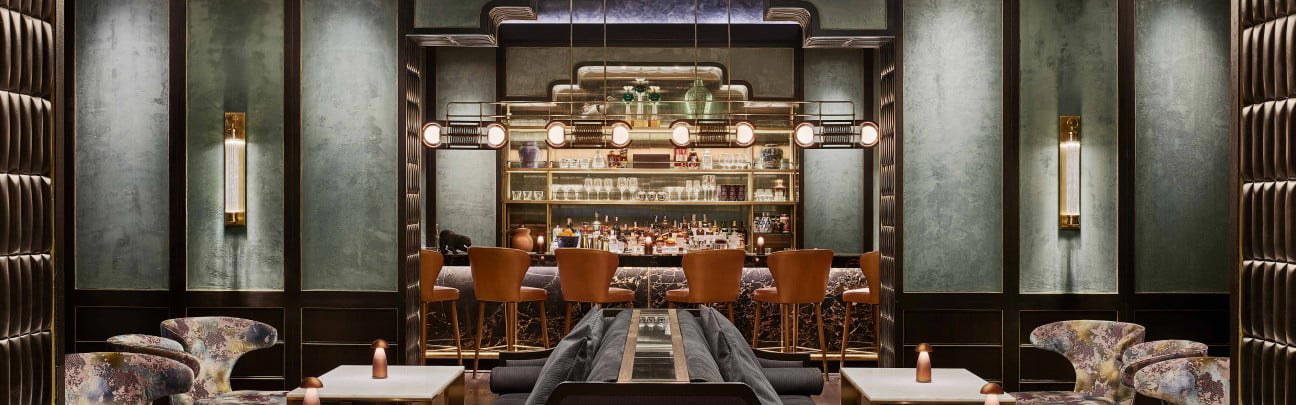
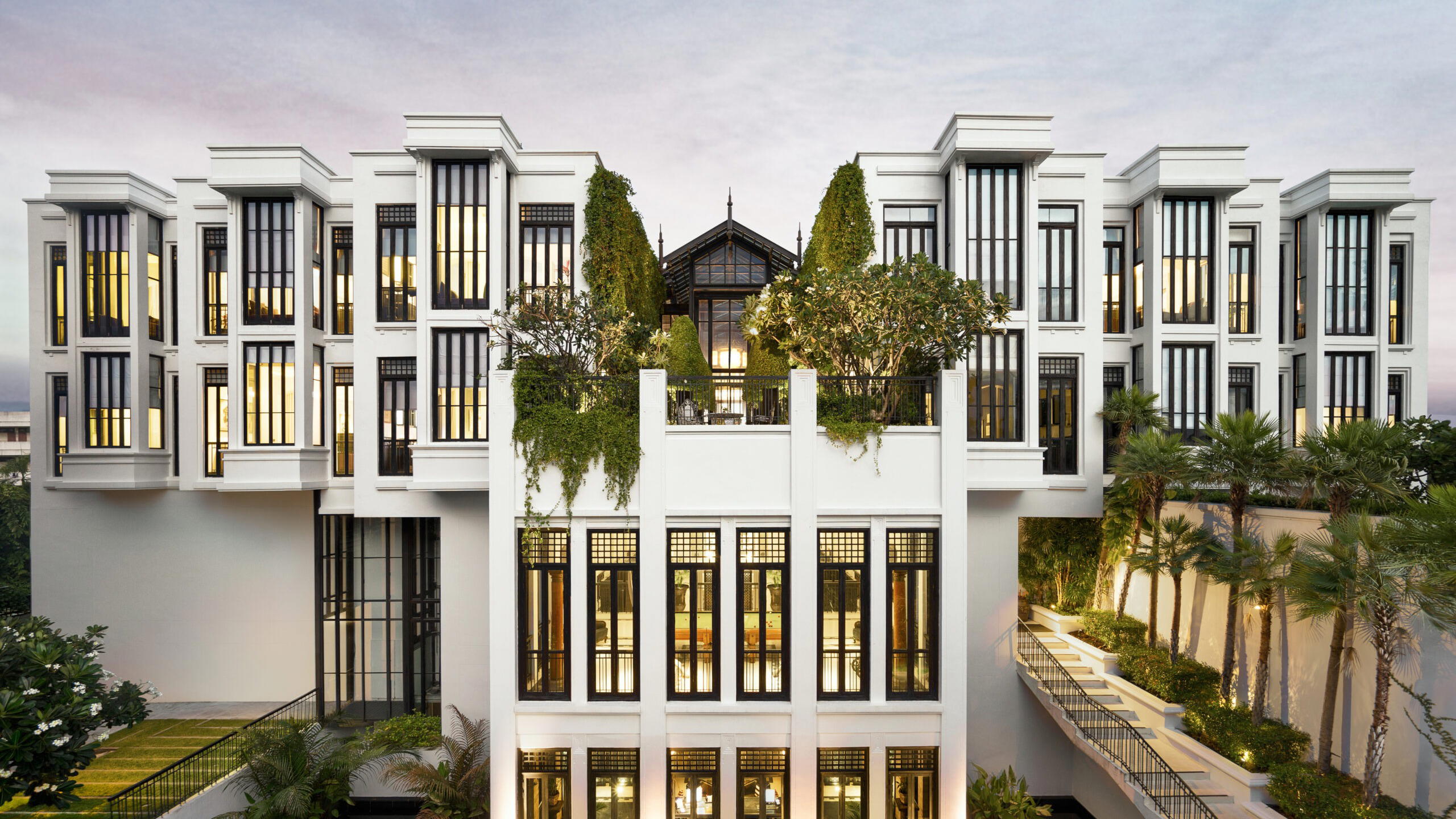
Bars in Bangkok
Browse all →
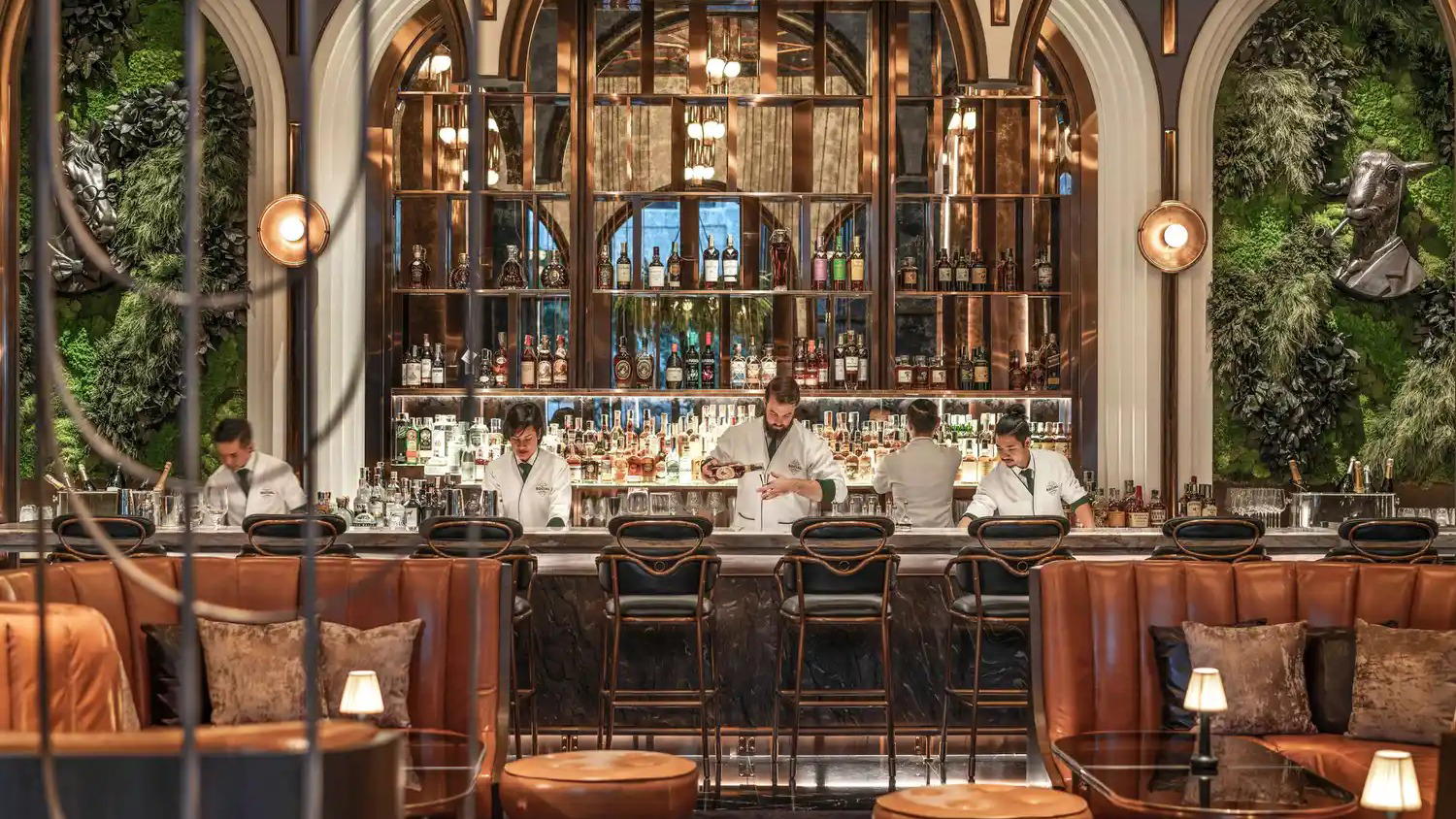
Restaurants in Bangkok
Browse all →
At a Glance
- Modern
- Elegant
- Sophisticated
- Ornate
- Business Trip
- Family Vacation
- Weekend Escape
- Celebration
- Panoramic View
- Design Destination
- Wi Fi
- Pool
- Spa
- Fitness Center
- Room Service
- Concierge
- Business Center
- Valet Parking
- Kids Club
- Restaurant
- Bar
- Parking
- Skyline
- Wi Fi
- Pool
- Spa
- Fitness Center
- Room Service
- Concierge
- Business Center
- Valet Parking
- Kids Club
- Restaurant
- Bar
- Parking
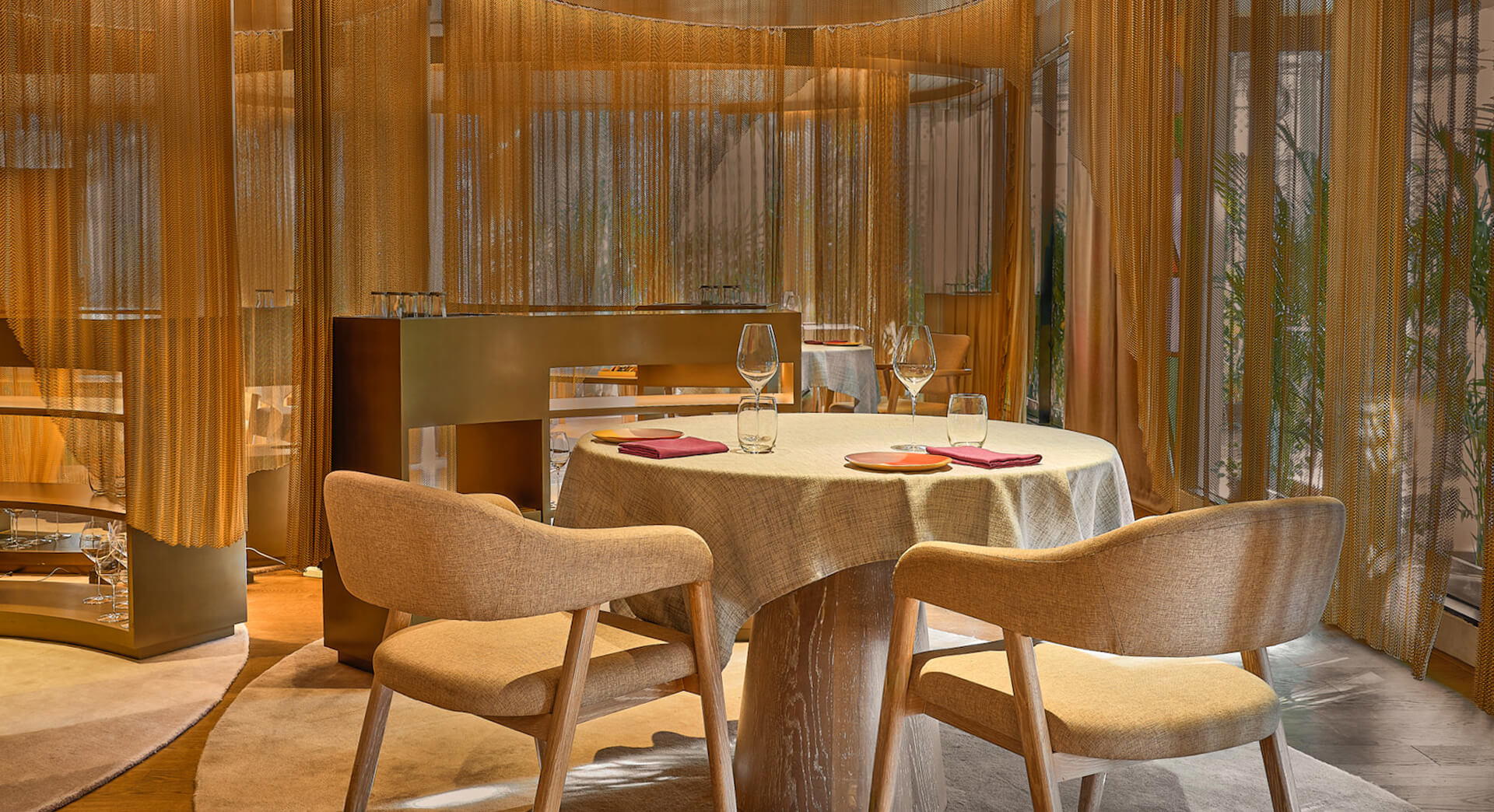
Bright, polished, and upscale with a calm urban-sanctuary feel, contemporary elegance, and a distinctly Japanese-influenced hospitality style.