Glenapp Castle




Designed in 1870 by Edinburgh architect David Bryce, Glenapp Castle is a Scottish Baronial landmark on Ayrshire's Firth of Clyde coast, rated 94 points by La Liste Top Hotels 2026. Seventeen individually furnished bedroom suites, a daily-changing seasonal menu, and more than 70 estate activities place it in a narrow tier of full-service castle hotels in the UK. Rates start from $463 per night.
Pearl is the En Primeur Club membership app — saves, bookings, and concierge access live there. Same editors, same standards.
- Address
- Glenapp Castle, Ballantrae, Girvan KA26 0NZ
- Phone
- +44 1465 831212
- Website
- glenappcastle.com
- Directions
- Get directions
 Saves & bookings on Pearl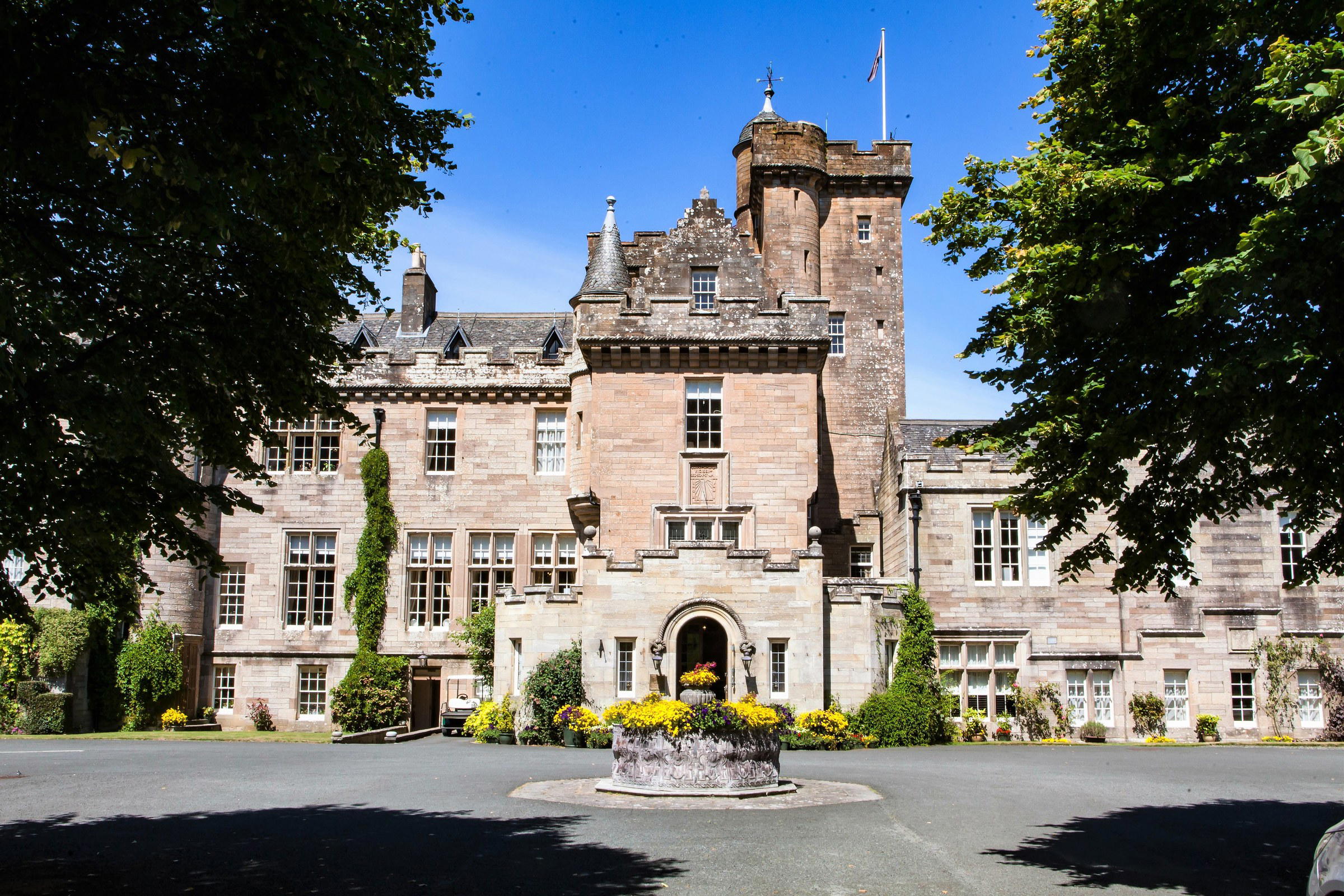
A Castle Built to a Brief That Still Holds
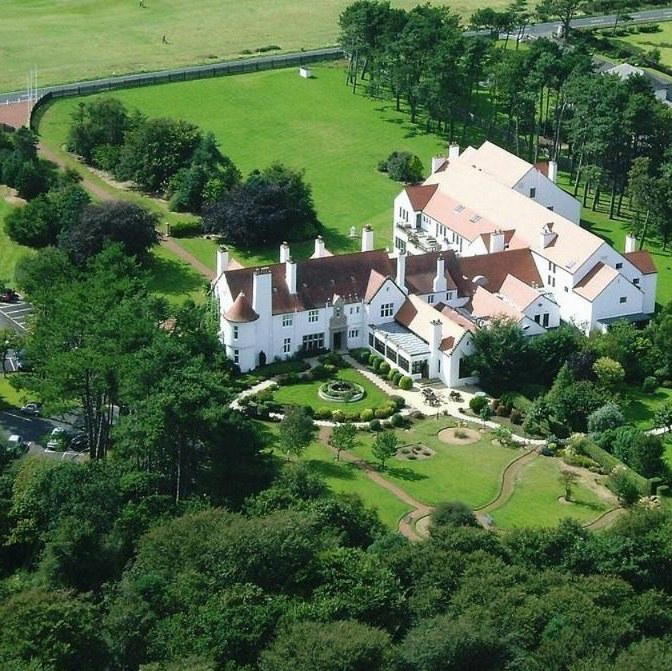
The approach to Glenapp sets up a particular kind of expectation. A mile-long drive through established woodland eventually delivers the sandstone façade in full: towers, turrets, and crenellations arranged in the Scottish Baronial manner, the style that dominated ambitious domestic architecture in Scotland across the latter half of the nineteenth century. The castle was commissioned in 1870 by industrialist James Hunter, who later served as Deputy Lord Lieutenant of Ayrshire, and the architect he chose was David Bryce of Edinburgh, then the leading exponent of the form. The result belongs to a specific tradition of Victorian ambition translated into stone, and it has not been softened or modernised into something more generically palatial. The mellow sandstone reads warm against the Ayrshire sky, and the silhouette, with its soaring roofline, is exactly what the Baronial idiom was designed to project.
Among UK castle hotels, this kind of architectural pedigree matters in context. Properties like Gleneagles in Auchterarder occupy the large-footprint end of Scottish luxury, with significant resort infrastructure and broad guest volumes. Glenapp sits in a different category: a single castle, 17 bedroom suites, a genuinely remote coastal position, and an estate identity that has been maintained rather than expanded into a resort.
Inside the Baronial Framework
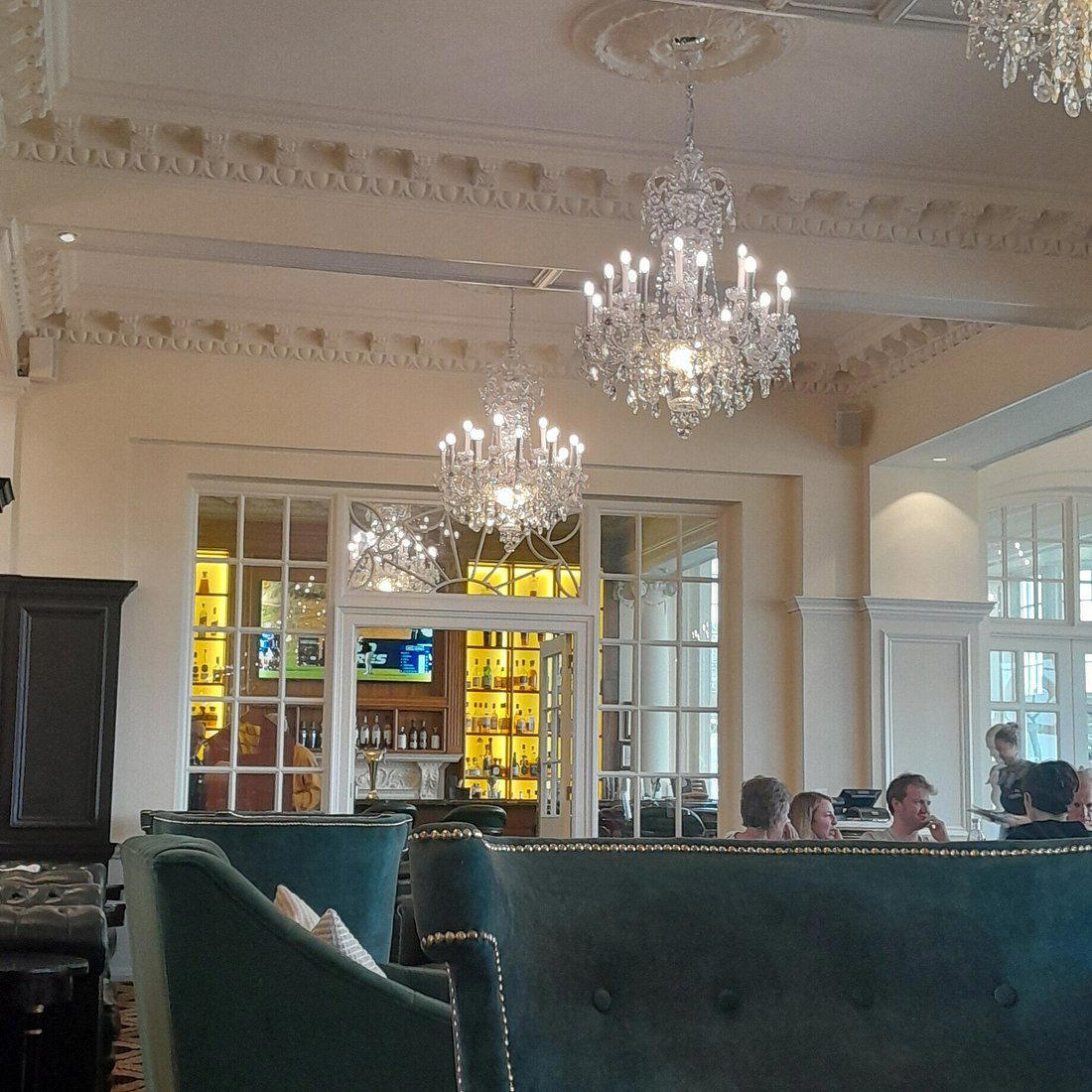
The interior logic follows the architecture. Oak-panelled halls anchor the ground floor, and the primary reception rooms face west and south toward the Firth of Clyde. From those rooms, on clear days, the view takes in Ailsa Craig, the Isle of Arran, Holy Island, and, with sufficient visibility, the hills of Northern Ireland. That sightline is not incidental: it is the reason the Hunters chose this specific ridge, and it remains the central spatial argument of the building. Bryce understood how to position a house for maximum dramatic effect, and at Glenapp the distant volcanic stack of Ailsa Craig acts almost as a focal point in the composition.
The 17 Castle Bedroom Suites are individually designed and differ from one another in size, orientation, and period furnishing. Here the variation is structural and decorative, shaped by the castle's original floor plan. At the summit of the building, the Castle Penthouse Suite occupies the entire leading floor at 4,500 square feet, configured as four bedrooms each with a private bathroom, plus a sauna, treatment room, library, games room, media room, period kitchen, and a private dining and lounge space for up to 16 guests. A private rooftop terrace delivers 360-degree views across the estate and coastline. Butler service and a private chef are available for the Penthouse Suite at a supplement.
The Estate as Programme
Victorian country house design was never just about the building. The estate was conceived as a managed landscape, with parkland, woodland, kitchen gardens, and outbuildings serving a specific pattern of aristocratic life. Glenapp's 110-acre estate maintains that logic in contemporary form. The activities programme covers more than 70 options, spanning on-estate pursuits and the wider Ayrshire and Hebridean geography. Falconry, golf, and estate walking are the expected offerings at a property of this type; the Hebridean Sea Safari is the programme's most distinctive element. Guests sail from the Ayrshire coast toward the Hebridean islands on the Glenapp Boat, with luxury glamping and a private chef on the Isle of Jura as the overnight component. This format positions Glenapp not purely as a base for the surrounding countryside, but as a departure point for a specific kind of Scottish coastal and island experience that few properties are geographically or logistically placed to offer.
Guests seeking a different kind of Scottish island setting might consider Langass Lodge in Na H-Eileanan An Iar or Ardbeg House in Port Ellen for more remote island accommodation, while Monachyle Mhor Hotel in Stirling offers a comparable immersion in Scottish landscape at a different price tier.
Dining on Seasonal Scottish Produce
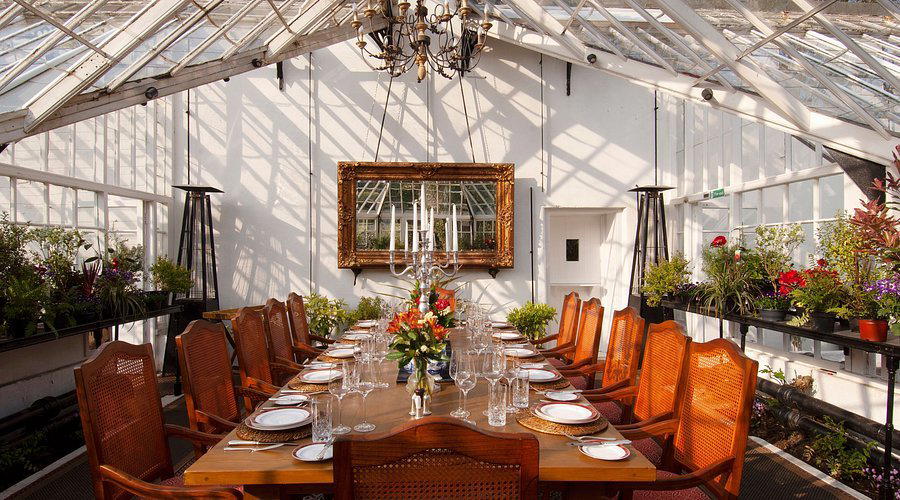
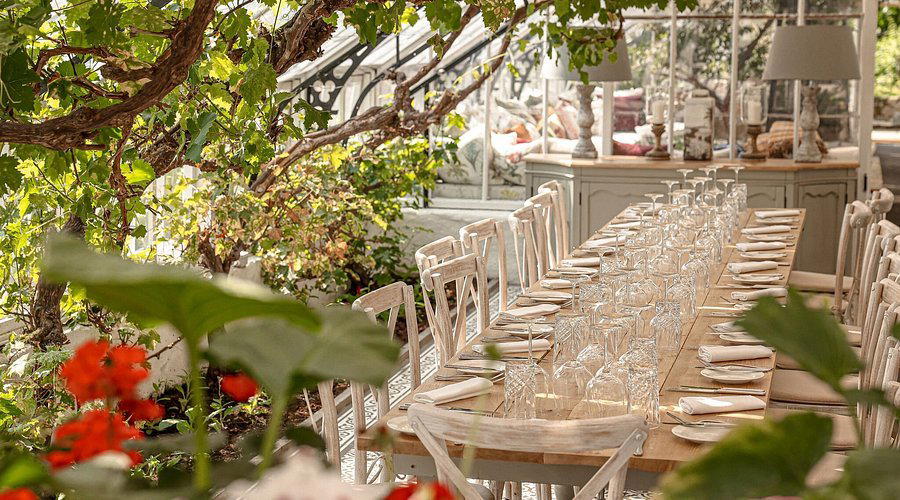
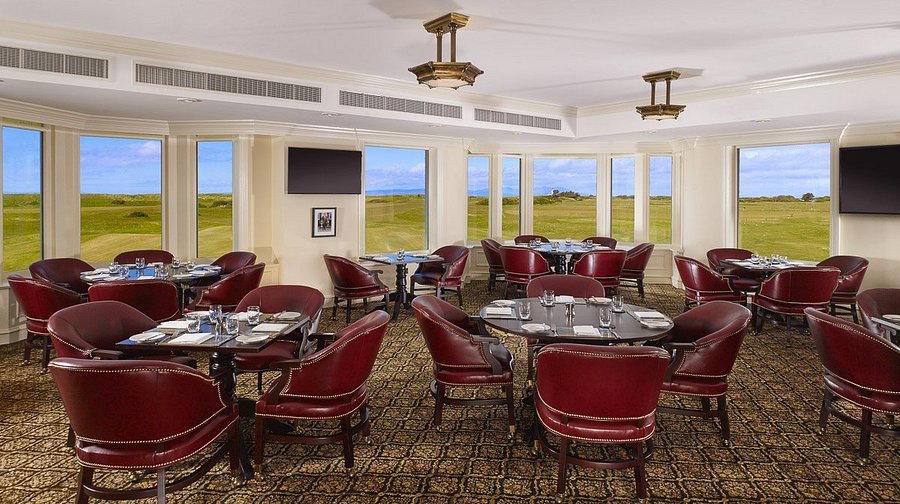
The dining format at Glenapp follows the pattern established by the better Scottish castle hotels: daily-changing menus built around seasonal and local produce, executed at a level that treats the dining room as a genuine destination rather than a default. The kitchen works with what southwest Scotland and the surrounding sea produce across the year, which in practical terms means the menus shift with availability rather than conforming to a fixed repertoire. This approach to sourcing has become a differentiator in UK country house dining, separating properties where the kitchen engages directly with local supply chains from those where the country house aesthetic is applied to more generic high-end ingredients. Glenapp's position on the Firth of Clyde, with the fishing grounds and farms of Ayrshire within supply range, provides a specific larder. Afternoon tea is offered as part of the classic country house programme alongside the main dining experience.
Among UK castle and country house hotels where the kitchen is a genuine part of the proposition, comparisons include Lime Wood in Lyndhurst and Babington House in Kilmersdon, both of which operate a similarly serious food offer within an estate hotel format, though with different architectural and geographic identities.
Recognition and Competitive Position
La Liste awarded Glenapp Castle 94 points in its 2026 Leading Hotels list. In the context of Scottish castle hotels, this places Glenapp inside a small group of properties that compete for an international traveller prepared to combine architectural heritage, remote Scottish landscape, and serious food in a single stay. Rates start from $825 per night, with the Penthouse Suite carrying additional costs for the butler and private chef supplement.
For travellers building a broader Scotland itinerary, Dun Aluinn in Aberfeldy, Glen Mhor Hotel in Highland, and Burts Hotel in Melrose each cover different regions and price points. Those combining Scotland with urban UK stops might cross-reference Malmaison Edinburgh or Glasgow Grosvenor Hotel for city-end bookends. For international travellers who calibrate against London's senior tier, Claridge's in London represents the urban end of the same British luxury register.
Getting There
Glenapp sits near Ballantrae in southwest Ayrshire, with GPS coordinates at 55.0838, -4.9881. By road, the castle is accessed from the A77, the main coastal route between Glasgow and Stranraer: from the north, pass through Ballantrae, cross the River Stinchar bridge, and turn immediately right; from the south, turn left 100 yards before the bridge. The entrance is unmarked and easy to miss at speed, so the instruction to look for the turn before or just after the bridge is worth noting. Glasgow International Airport is approximately 110 kilometres away. Girvan railway station, on the Stranraer line from Glasgow Central, is 23 kilometres from the castle. The property uses a telephone entry system at the gates. Rates from $463 per night; the Penthouse Suite accommodates up to eight guests with butler and private chef available on request.
Side-by-Side Snapshot
Comparable venues nearby, for context on price, style, and recognition.
| Venue | Cuisine | Price | Awards | Notes |
|---|---|---|---|---|
| Glenapp CastleThis venue — the venue you are viewing | Victorian Scottish Baronial castle with period furnishings and lavish interiors | $$$$ | Michelin 1 Key | Not listed |
| Linthwaite House Hotel | Historic Edwardian country house manor | $$$$ | Michelin 1 Key | Bowness-on-Windermere |
| Foyers Lodge | Refurbished Victorian hunting lodge with stylish, homely interiors | $$$$ | Michelin 1 Key | Foyers |
| Gleneagles Townhouse | Contemporary Georgian elegance in a historic townhouse with countryside flair. | $$$$ | Michelin 1 Key | Greenside |
| Farlam Hall Hotel & Restaurant | Quintessentially British country house hotel with relaxed luxury and historic charm. | $$$$ | Michelin 1 Key | Hallbankgate |
| 100 Princes Street | Elegant historic boutique hotel echoing a prestigious members' club. | $$$$ | Michelin 1 Key | New Town |
Recognition history
Dated appearances from independent guides and award organizations, with the underlying list record or original source where available.
La Liste Top Hotels
La Liste
Relais Chateaux Award
Relais Chateaux
Virtuoso Luxury Hotel Partner
Virtuoso
Michelin 1 Key
Michelin
Relais Chateaux Award
Relais Chateaux
Continue exploring
More in Ayrshire
Hotels in Ayrshire
Browse all →
At a Glance
- Romantic
- Quiet
- Elegant
- Classic
- Scenic
- Sophisticated
- Ornate
- Honeymoon
- Romantic Getaway
- Anniversary
- Celebration
- Destination Wedding
- Weekend Escape
- Historic Building
- Panoramic View
- Private Dining
- Butler Service
- Garden
- Wi Fi
- Spa
- Room Service
- Concierge
- Pool
- Fitness Center
- Tennis Court
- EV Charging
- Garden
- Waterfront
- Wi Fi
- Spa
- Room Service
- Concierge
- Pool
- Fitness Center
- Tennis Court
- EV Charging
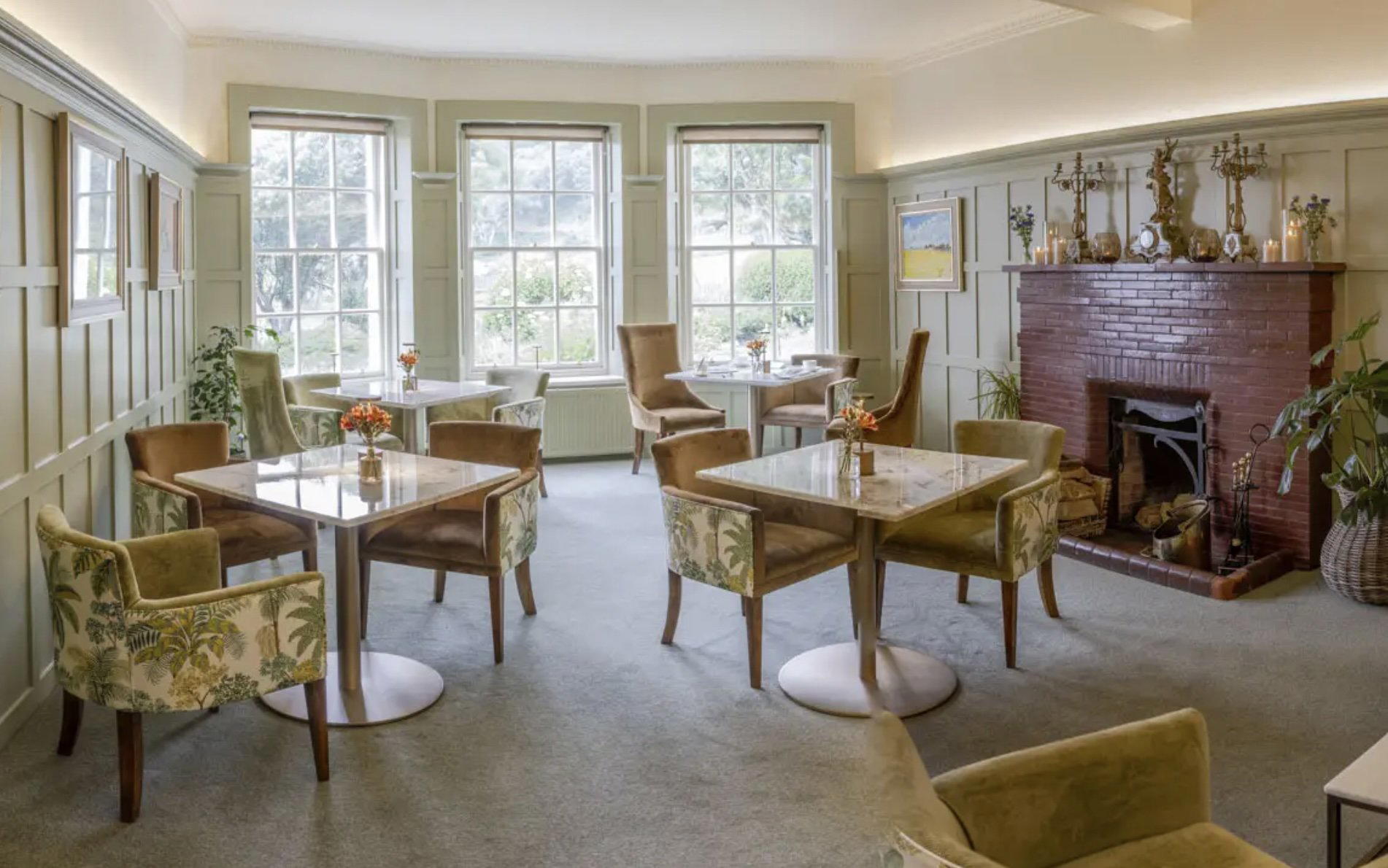
Elegant Victorian splendor with oak-panelled halls, open fires, period furnishings, and serene sea and garden views, creating a tranquil and ornate atmosphere.