
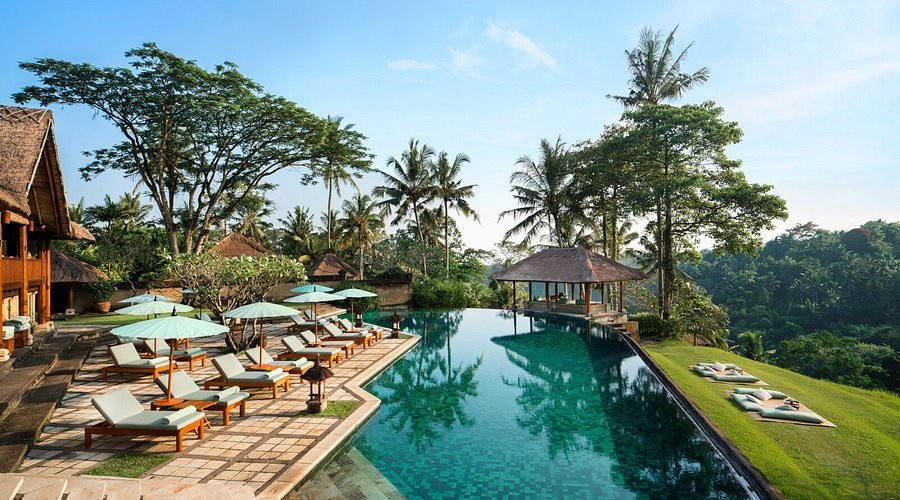
Set among paddy fields, jungle, and Hindu shrines in the Mas area of Ubud, Gdas Bali Health and Wellness Resort positions itself within Bali's specialist wellness tier, where setting and holistic programming carry more weight than room count or brand recognition. The resort's dedication to whole-body well-being places it in a comparable set defined by intention rather than scale, drawing guests who arrive with recovery or restoration as their primary objective.
Pearl is the En Primeur Club membership app — saves, bookings, and concierge access live there. Same editors, same standards.
- Address
- Jl. Cempaka, Banjar Kumbuh, Mas, Kecamatan Ubud, Kabupaten Gianyar, Bali 80571
- Phone
- +62 361 9083131
- Website
- gdasbali.com
- Directions
- Get directions
 Saves & bookings on Pearl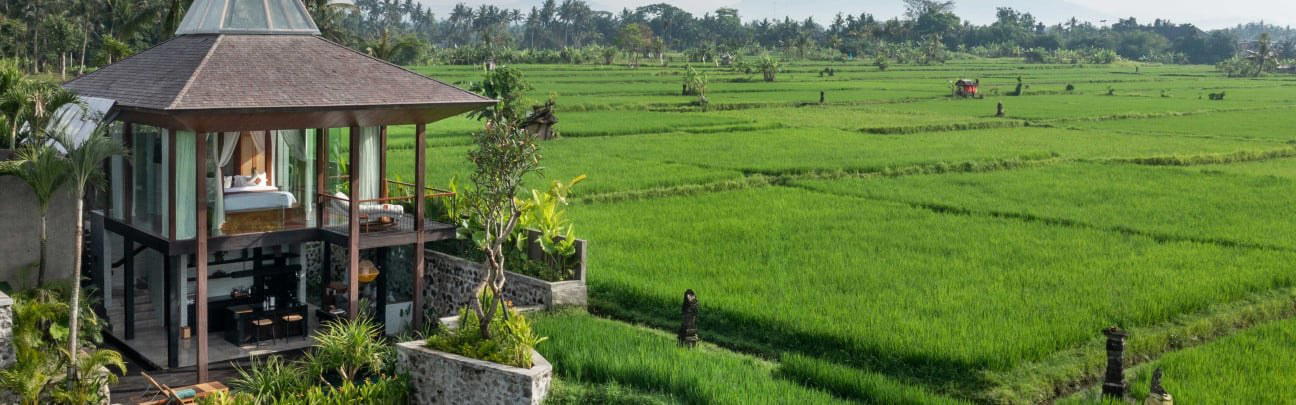
Where Ubud's Wellness Tradition Meets the Rice Field Edge
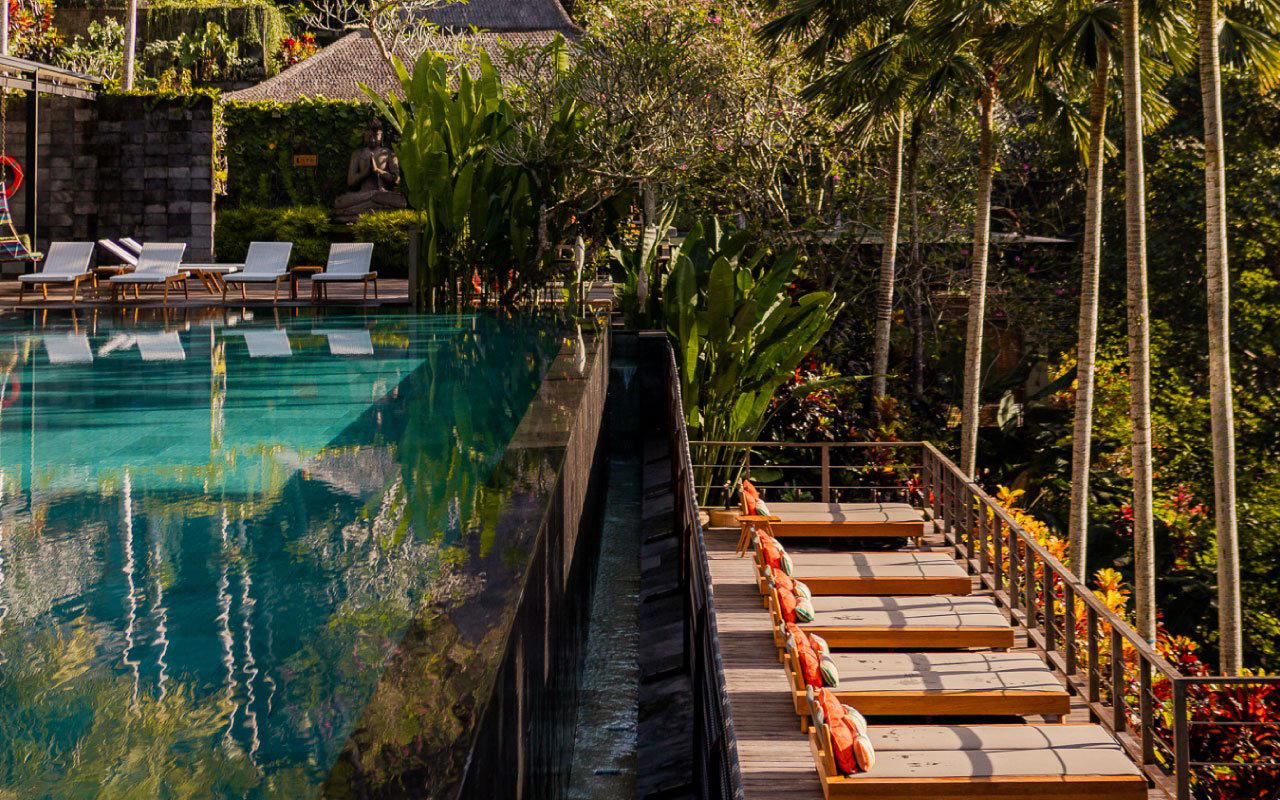
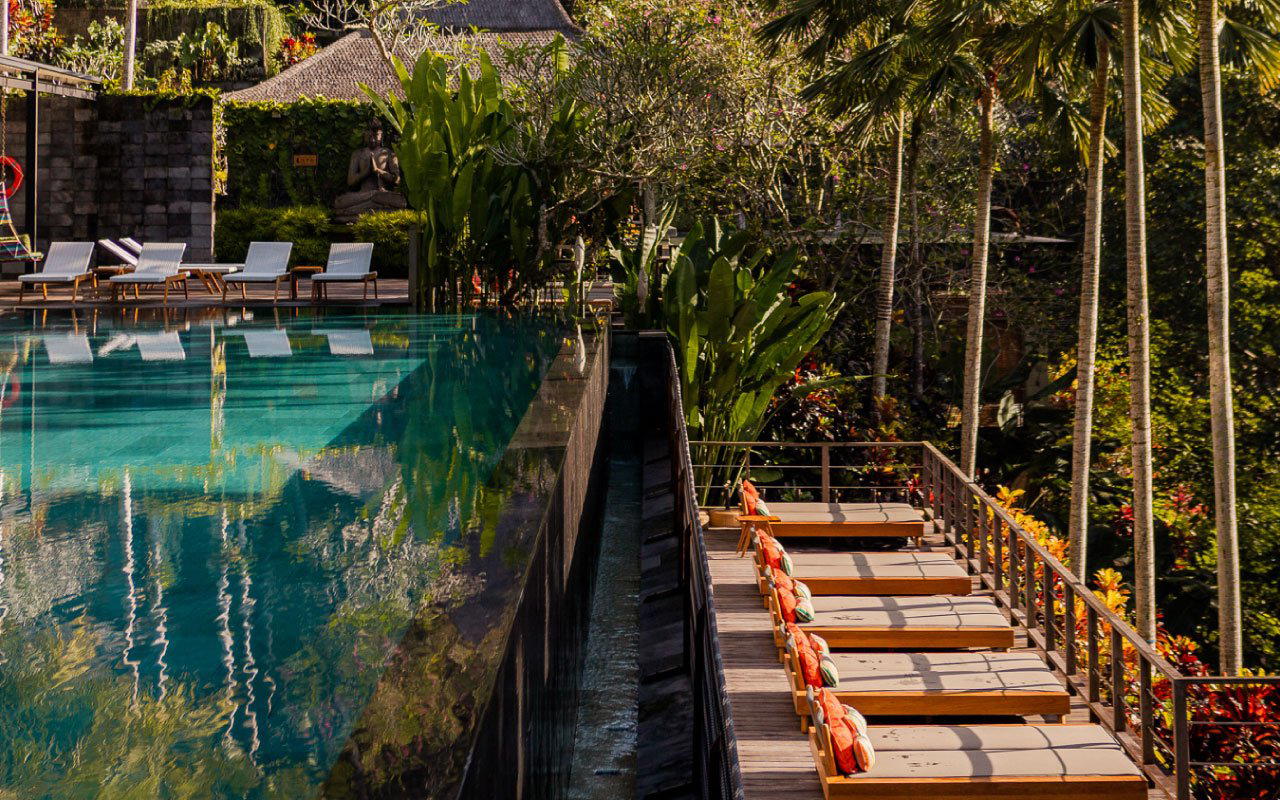
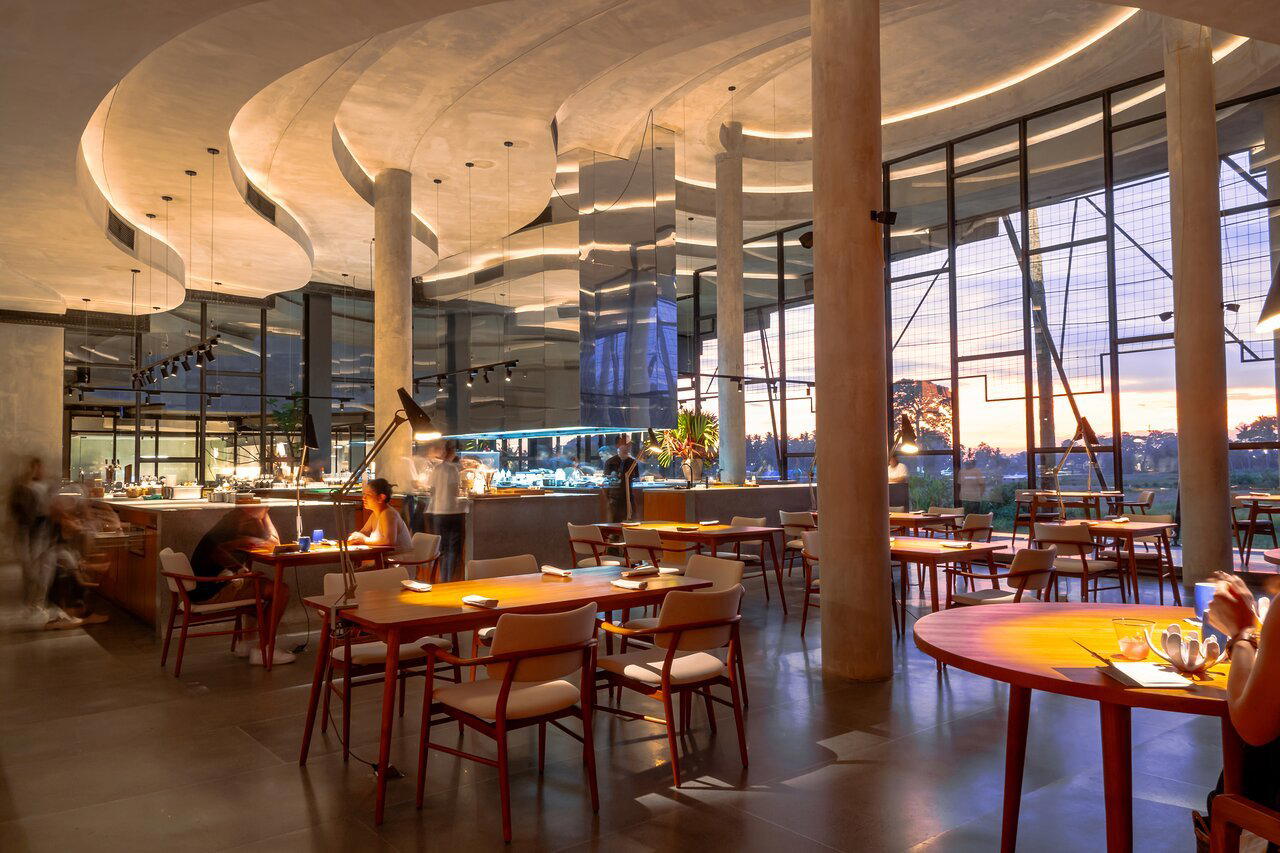
Gdas Bali Health and Wellness Resort is a 5-star hotel in Ubud, Bali, with 27 rooms and a reservation policy that recommends booking ahead. The approach to Gdas Bali Health and Wellness Resort along Jalan Cempaka, through the village of Mas in Gianyar Regency, tells you something about what kind of property this is before you cross the threshold. Mas sits at the southern edge of the Ubud corridor, where the density of stone-carving workshops and gallery storefronts gives way to open agricultural land. Paddy fields press in from either side of the road, Hindu shrines mark the field boundaries with offerings of frangipani and incense, and the jungle canopy closes overhead at intervals. In Bali's wellness hotel segment, setting is not incidental, it is a major part of the experience, and Gdas Bali has positioned itself precisely where that connection is strongest.
Ubud has been the centre of Bali's wellness economy for decades, and the category has stratified considerably over that time. At one end sit the large resort brands, Mandapa, a Ritz-Carlton Reserve, Four Seasons Resort Bali at Sayan, and Amandari, which wrap luxury infrastructure around wellness programming at international price points. At the other end sit smaller, philosophy-driven properties like COMO Shambhala Estate, which built its reputation on integrated health retreats with resident practitioners and medically informed programs. Gdas Bali occupies a middle register in this spectrum: a resort whose core identity is holistic wellness, anchored to a landscape that has been considered sacred in Balinese Hindu practice for generations.
The Role of Landscape in Balinese Healing
To understand what a resort like this is doing, it helps to understand what wellness means in the Balinese context, which differs from the spa-as-amenity model common across Southeast Asian luxury hotels. The Balinese concept of well-being is inseparable from relationship to place: to the rice cycle, to the directional orientation of structures relative to the mountain and the sea, to the ritual calendar that governs daily life in any given banjar, or community ward. Properties that align their programming with this framework, rather than simply importing a generic spa menu, tend to earn a different kind of guest loyalty. Elsewhere in the Ubud ecosystem, Bambu Indah takes a similarly rooted approach, grounding its guest experience in organic agricultural practice and vernacular Javanese architecture. Desa Seni Baturiti in Tabanan does the same through yoga programming embedded in a working compound.
Gdas Bali's position within paddy fields is not merely aesthetic. Rice cultivation in Bali is a communally managed sacred practice governed by the subak system, a UNESCO-recognised irrigation cooperative that has shaped the island's terraced landscape for over a thousand years. Staying within view of active paddy fields connects guests, however passively, to that continuity. The visual rhythm of agricultural land at different stages of the growing cycle functions differently from a manicured hotel garden, and properties that understand this tend to let the landscape lead rather than compete with it.
Sourcing, Food, and the Wellness Table
In Bali's dedicated wellness properties, the relationship between what guests eat and where that food comes from has become an increasingly deliberate editorial statement. The island's agricultural diversity is significant: highland areas around Kintamani produce coffee, citrus, and vegetables at altitude, while the lowland rice paddies of Gianyar, the same regency where Gdas Bali sits, yield multiple harvests per year of local rice varieties. Properties operating with genuine wellness intent tend to source from this regional supply rather than defaulting to imported ingredients, and the distinction matters to the guest who has arrived specifically to reset their relationship with food.
This editorial angle connects to a broader pattern across Indonesia's wellness hospitality tier. Nihi Sumba in East Nusa Tenggara built part of its identity around hyper-local sourcing from Sumba's agricultural communities. Hotel Komune, also in Gianyar, emphasises the connection between active lifestyle programming and locally sourced nutrition. When a wellness property operates within a setting as agriculturally active as Mas, the expectation that kitchen sourcing reflects that proximity becomes part of the implicit contract with the guest.
Positioning Within the Ubud Wellness Market
The Ubud wellness hotel market is now dense enough that differentiation requires more than a treatment menu and a view. Capella Ubud differentiates through tented architecture and cultural immersion programming. Bisma Eight leads with its valley-edge design and a strong food and beverage identity. COMO Uma Ubud sits in the town centre and trades on the COMO wellness brand's medical and nutritional credibility. Chapung Sebali positions through private pool villas and personalised service ratios.
Gdas Bali's point of difference appears to rest on the holistic commitment of its overall framework rather than on a single signature feature. In the wellness category, this positioning can be either a strength or a vulnerability: a strength when the whole genuinely exceeds the sum of its parts, a vulnerability when no single element is compelling enough to anchor the initial decision to book. Guests who prioritise immersive natural setting over brand recognition, and who are drawn to Mas specifically rather than the Ubud town core, tend to find their way to properties in this tier.
Planning a Stay
The resort address, Jalan Cempaka, Banjar Kumbuh, Mas, Kecamatan Ubud, Kabupaten Gianyar, places it in the Mas village area, roughly a ten-to-fifteen minute drive south of Ubud's central market depending on traffic. The road network in this part of Gianyar is navigable by car or scooter, though arriving after dark without prior familiarity with the lanes is worth factoring into arrival planning. Bali's wet season runs from roughly October through March, and paddy field settings shift character considerably across the growing cycle: the deep green of young rice and the gold of harvest each offer a different visual environment.
Those exploring the wider spectrum of Indonesian wellness hospitality alongside a Bali stay might also consider Kampung Sampireun Resort and Spa in Garut, which takes a comparable nature-immersive approach in West Java, or Batur Natural Hot Spring in Kintamani, which anchors its wellness offer to the geothermal range of Bali's volcanic caldera. For guests considering Bali's southern resort corridor alongside an Ubud stay, Alila Villas Uluwatu and VOUK Hotel and Suites in Nusa Dua represent contrasting approaches to Bali luxury at the cliff-edge and beach-adjacent ends of the spectrum respectively.
Cuisine and Awards Snapshot
Comparable venues nearby, for context on price, style, and recognition.
| Venue | Cuisine | Price | Awards | Notes |
|---|---|---|---|---|
| Gdas Bali Health and Wellness ResortThis venue — the venue you are viewing | eco-luxury wellness resort blending modern design with Balinese traditions | $$$$ | 5-Star | Not listed |
| Tanah Gajah, a Resort by Hadiprana | Artistic Balinese luxury resort villa estate | $$$$ | 5-Star | Ubud |
| The Sayan House Villas | Tropical bespoke villa blending mid-century design with Balinese nature | $$$$ | 4-Star | Sayan |
| The Tiing Tejakula Villas | luxury boutique resort with private villas | $$$$ | 4-Star | Tejakula |
| Komaneka at Bisma | Contemporary interpretation of traditional Balinese style | $$$$ | 5-Star | Ubud City-Centre |
| Kappa Senses Ubud | Contemporary French luxury resort with Balinese cultural integration and eco-conscious design philosophy. | $$$$ | 5-Star | Kedewatan |
Recognition history
Dated appearances from independent guides and award organizations, with the underlying list record or original source where available.
Mr & Mrs Smith Smith Seal of Approval
Mr & Mrs Smith
Small Luxury Hotels of the World Member
Small Luxury Hotels of the World
At a Glance
- Quiet
- Elegant
- Scenic
- Sophisticated
- Bohemian
- Wellness Retreat
- Romantic Getaway
- Honeymoon
- Infinity Pool
- Private Villa
- Destination Spa
- Panoramic View
- Wi Fi
- Pool
- Spa
- Fitness Center
- Room Service
- Concierge
- Sauna
- Garden
- Mountain
- Wi Fi
- Pool
- Spa
- Fitness Center
- Room Service
- Concierge
- Sauna
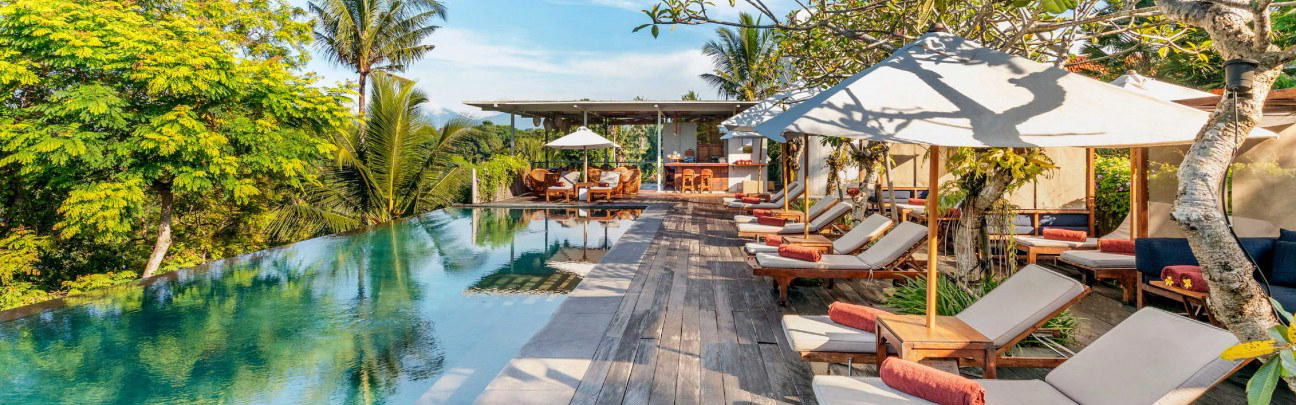
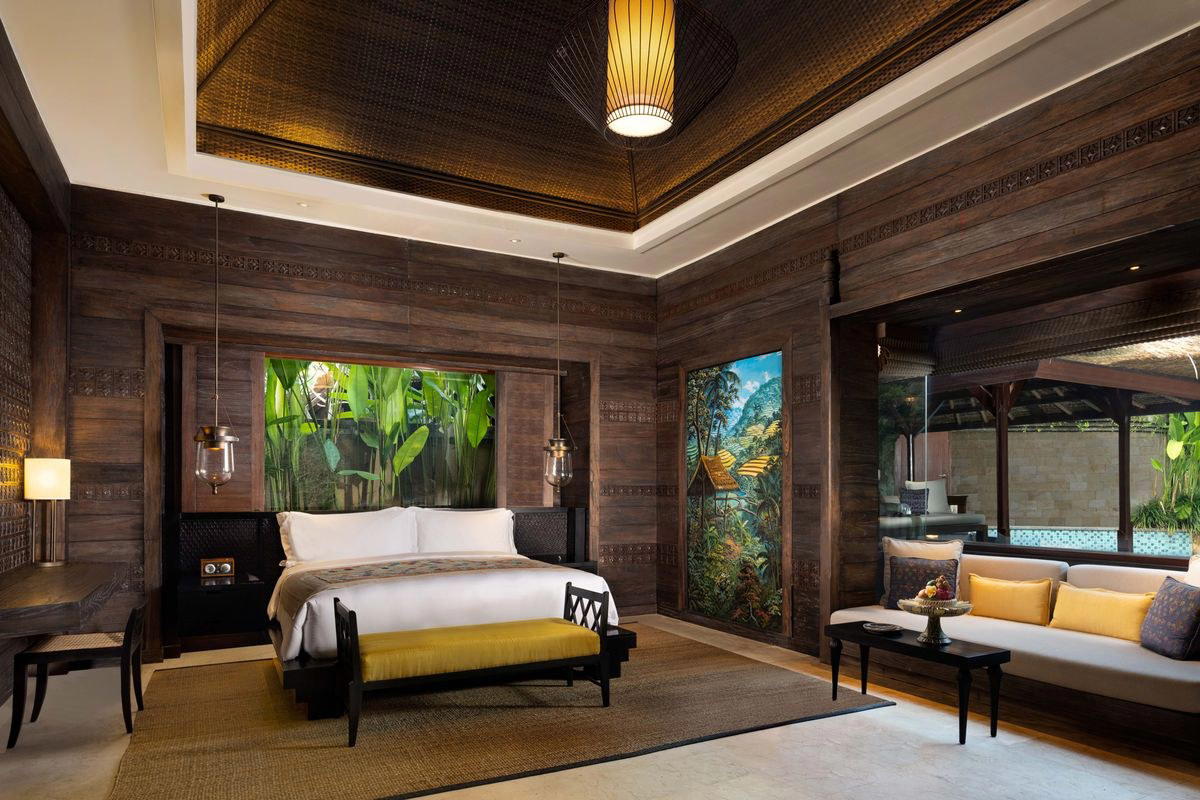
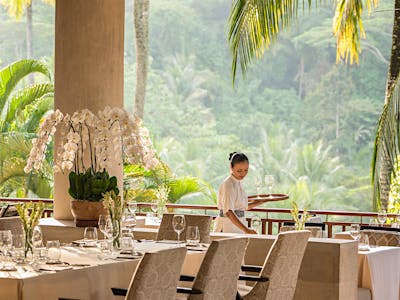
Serene and relaxing atmosphere with peaceful rice paddy surroundings, spotless modern rooms, and notable attentive service creating a luxurious sanctuary.