
Michelin Selected
Kappa Senses Ubud holds a Michelin Selected distinction for 2025, placing it in the upper tier of boutique properties along Jalan Taman Sari. The address sits within Ubud's most concentrated zone of design-led retreats, where food programming and sensory atmosphere carry as much weight as room count. Guests seeking a smaller-scale Ubud base with credentialed standing will find it worth examining closely.

Pearl is the En Primeur Club membership app — saves, bookings, and concierge access live there. Same editors, same standards.
- Address
- Jl. Taman Sari, Kedewatan, Kecamatan Ubud, Kabupaten Gianyar, Bali 80571, Indonesia
- Phone
- +62 361 2013888
- Website
- kappasenses.com
- Directions
- Get directions
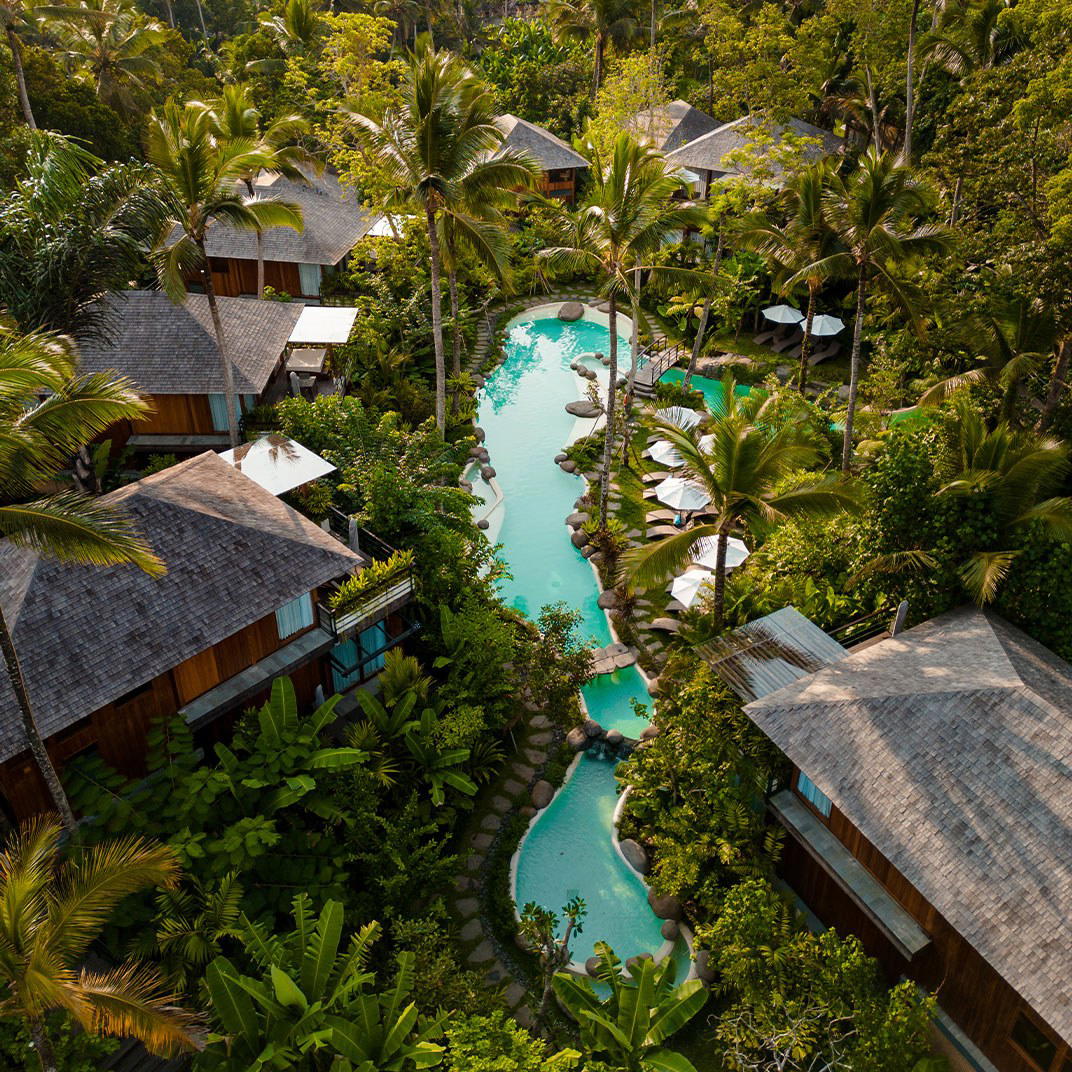
Where Ubud's Boutique Tier Draws Its Lines
Jalan Taman Sari runs through one of Ubud's most considered residential and hospitality corridors, where properties compete less on scale and more on atmosphere, material craft, and the quality of what happens between check-in and breakfast. The street sits close enough to Ubud's central market and the Sacred Monkey Forest to attract guests who want proximity to the town's cultural core, yet it retains a quieter residential quality that separates it from the heavier traffic of Jalan Monkey Forest further south. Kappa Senses Ubud occupies this address and, as of 2025, carries a Michelin Selected distinction — the guide's recognition for hotels that meet a defined threshold of quality without necessarily holding starred restaurant status.
Michelin's hotel selection program, which has expanded its Asia-Pacific reach significantly in recent years, operates on a different logic from its restaurant arm. Inclusion signals that the property has been assessed against a set of criteria covering comfort, service consistency, and overall experience, rather than a single dining achievement. In a town where the boutique market runs from competent guesthouses to Capella Ubud, Bali and Amandari at the upper end of the global luxury register, a Michelin Selected stamp positions Kappa Senses Ubud in a specific middle-to-upper tier: properties with genuine quality markers, but without the per-night rates or operational scale of Ubud's trophy addresses.
The Dining Programme and Its Place in Ubud's Food Scene
Ubud has developed one of Indonesia's most considered food cultures. The town's dining scene draws on Balinese ceremonial cooking traditions, an established expatriate food community, and a wellness-oriented visitor base that has, over two decades, pushed restaurants toward sourcing transparency and ingredient provenance in ways that coastal Bali has been slower to adopt. Hotel food programmes in Ubud operate within this context: guests arrive with higher-than-average expectations around local produce, and properties that default to generic international menus tend to read as out of step with the town's identity.
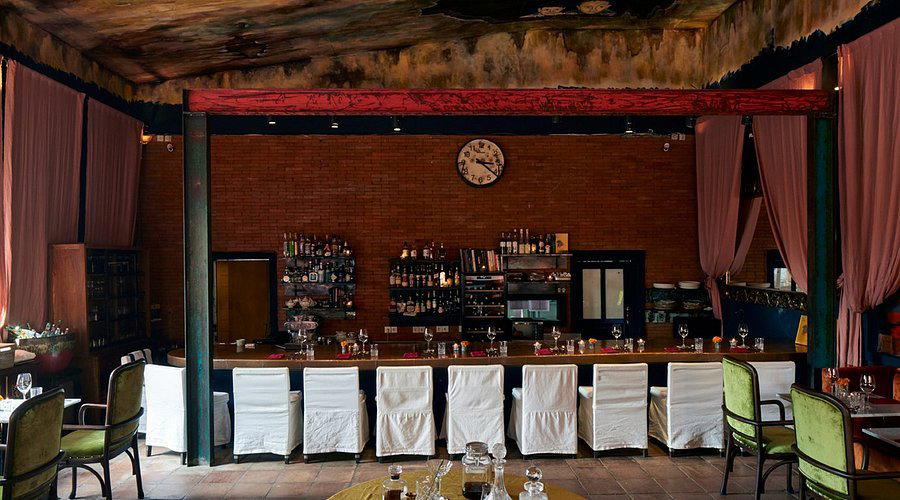
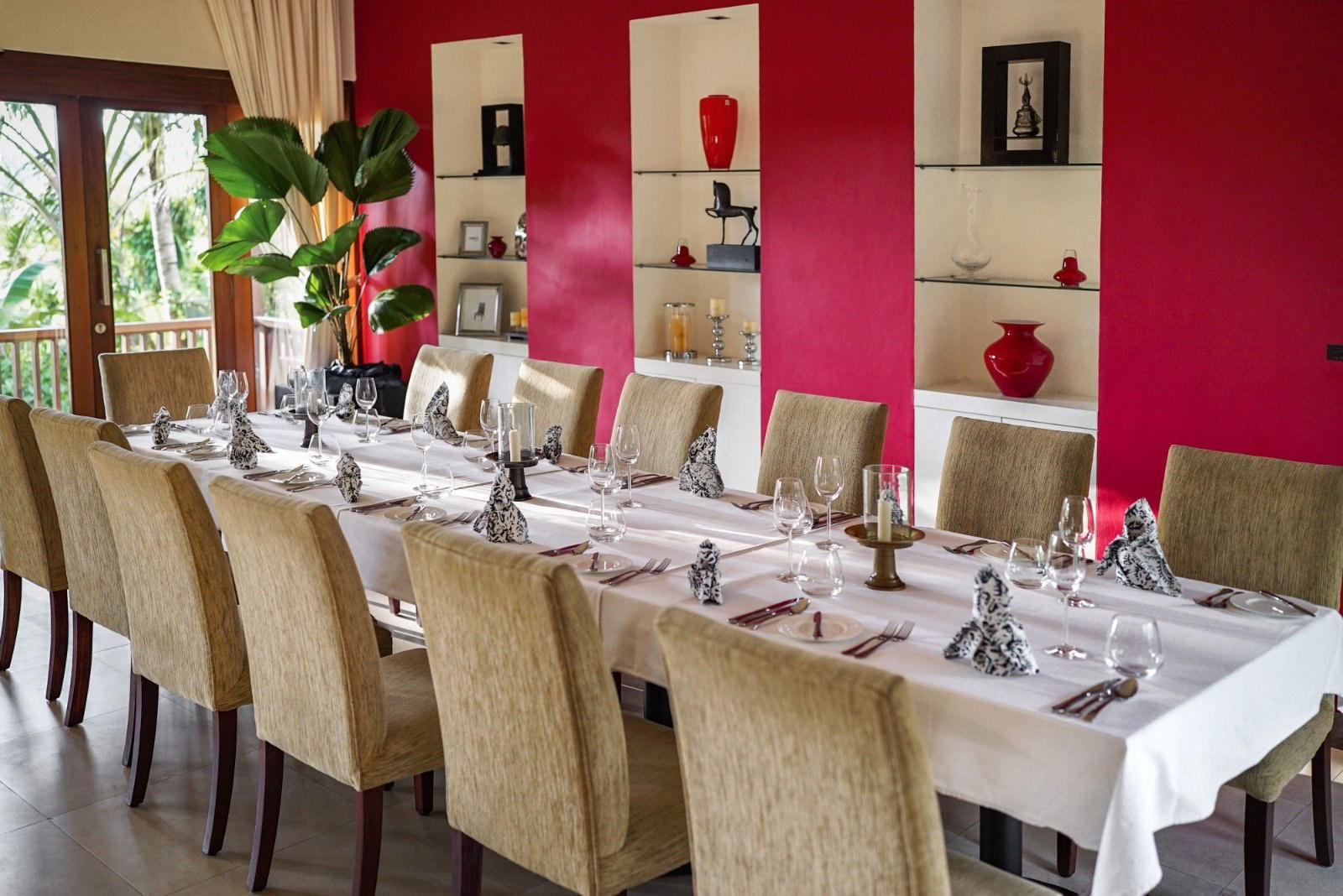
The better-performing hotel kitchens in this part of Bali anchor their menus to Balinese and broader Indonesian flavour frameworks while maintaining enough technical fluency to satisfy guests arriving from properties like Mandapa, a Ritz-Carlton Reserve or the Four Seasons Sayan, where culinary investment is considered a core part of the proposition rather than a secondary amenity. Smaller properties on Jalan Taman Sari, including Kappa Senses Ubud, operate in a format where the dining experience is typically more intimate than those larger competitors, with fewer covers and a tighter menu range — a constraint that, when handled well, produces a more focused and less diluted food experience than hotel restaurants that attempt to serve everything.
For a comparative reference point, Alila Ubud has long positioned its food programme around valley views and Balinese culinary identity, while Bisma Eight Ubud has built a reputation around its terraced restaurant overlooking the rice fields. These properties show how setting and food programme interact in Ubud: the physical environment is not merely backdrop but part of what the guest is eating in. Properties without dramatic valley positions compensate through ingredient focus, service proximity, and the kind of unhurried pacing that a smaller operation makes possible.
How the Property Fits the Broader Bali Boutique Pattern
Bali's premium hospitality sector has split into two recognisable tracks. The first runs through large branded resorts concentrated in Nusa Dua, Seminyak, and Jimbaran, properties like Mulia Villas in Nusa Dua and Jumeirah Bali, where scale and brand recognition carry the proposition. The second track runs through Ubud and a handful of outlying addresses, where the emphasis falls on cultural immersion, landscape, and smaller-format design. Kappa Senses Ubud belongs firmly to the second category, as does the broader cluster of Jalan Taman Sari properties that include Adiwana Suweta and Chapung Sebali.
Across Indonesia more broadly, this design-led boutique segment has matured considerably. Properties like Nihi Sumba in Sumba and Plataran Borobudur in Magelang demonstrate that the model translates beyond Bali, but Ubud remains the format's most concentrated and competitive expression. The Michelin hotel selection program's inclusion of properties in this tier, rather than only the trophy resort category, reflects a broader recognition that smaller-scale design properties can meet the guide's quality thresholds on their own terms.
For comparison within Bali's creative hospitality conversation, Desa Potato Head in Denpasar and COMO Uma Canggu represent design-led approaches in the island's southern creative corridor, while Bumi Kinar Ubud operates within the same Ubud micro-market as Kappa Senses. The density of credentialed properties within a short radius of central Ubud means that a Michelin Selected listing here carries real competitive signal: the guide is selecting from a pool of candidates that includes some of the most-discussed boutique hotels in Southeast Asia.
Planning a Stay: Practical Considerations
Kappa Senses Ubud sits on Jalan Taman Sari, which places it within walking distance of Ubud's central market and the main palace area. Ubud operates as a walkable town for its core cultural zone, though the rice terrace walks and temple circuits that form the town's experiential backbone require transport arrangements, typically a driver hired by the day. The nearest international air gateway is Ngurah Rai International Airport in Denpasar, approximately 35 kilometres south, with journey times varying significantly by traffic; most properties in Ubud coordinate airport transfers for guests, and early morning or late evening arrivals clear the worst of the congestion on the main Bali-Ubud road.
Ubud's peak season clusters around July and August and the December-January holiday period, when rates across all property tiers increase and lead times for reservations grow. The shoulder months of April to June and September to October offer more manageable conditions for a first visit, with lower humidity than the January-February wet season peak. Given the Michelin Selected recognition, booking through the property's direct channel or a recognised travel specialist is advisable for guests with specific room or dining preferences. For a broader look at where Kappa Senses Ubud fits within the town's overall food and hospitality options, our full Ubud restaurants guide maps the scene in more detail.
Guests weighing Ubud against other Indonesian destinations can cross-reference the design-led model against coastal options including Innit Lombok in Ekas, Hotel Komune and Beach Club in Gianyar, or Plataran Komodo Resort in Labuan Bajo for a sharper sense of how the Ubud proposition, cultural density, cooler temperatures, a mature food scene, differs from beach and dive-focused alternatives elsewhere in the archipelago.
Booking and Cost Snapshot
Comparable venues nearby, for context on price, style, and recognition.
| Venue | Price | Awards | Notes |
|---|---|---|---|
| Kappa Senses UbudThis venue — the venue you are viewing | $200–300 | Michelin Selected | Not listed |
| Bumi Kinar Ubud | $1,000–1,500 | Michelin Selected | Ubud, Boutique luxury resort harmonizing heritage and modern innovation. |
| The Ridge Bali | $750–1,000 | 1 Michelin Key · Mr & Mrs Smith Seal of Approval | Sayan, Locally-owned design-forward boutique villa collection with wabi-sabi-inspired architecture and warm minimalist aesthetics infused with Balinese touches. |
| Alila Ubud | $100–200 | Michelin Selected | Payangan, Contemporary Balinese hillside village blending modern geometry with traditional architecture |
| Komaneka at Bisma | $500–750 | Michelin Selected | Ubud City-Centre, Contemporary interpretation of traditional Balinese style |
| Gdas Bali Health and Wellness Resort | Not listed | Mr & Mrs Smith Seal of Approval · Small Luxury Hotels of the World Member | Ubud, eco-luxury wellness resort blending modern design with Balinese traditions |
Recognition history
Dated appearances from independent guides and award organizations, with the underlying list record or original source where available.
Michelin Selected
Michelin
Details
- Romantic
- Elegant
- Sophisticated
- Scenic
- Honeymoon
- Romantic Getaway
- Wellness Retreat
- Anniversary
- Infinity Pool
- Private Villa
- Destination Spa
- Garden
- Panoramic View
- Private Dining
- Wi Fi
- Pool
- Spa
- Fitness Center
- Restaurant
- Room Service
- Concierge
- Valet Parking
- Garden
- Mountain
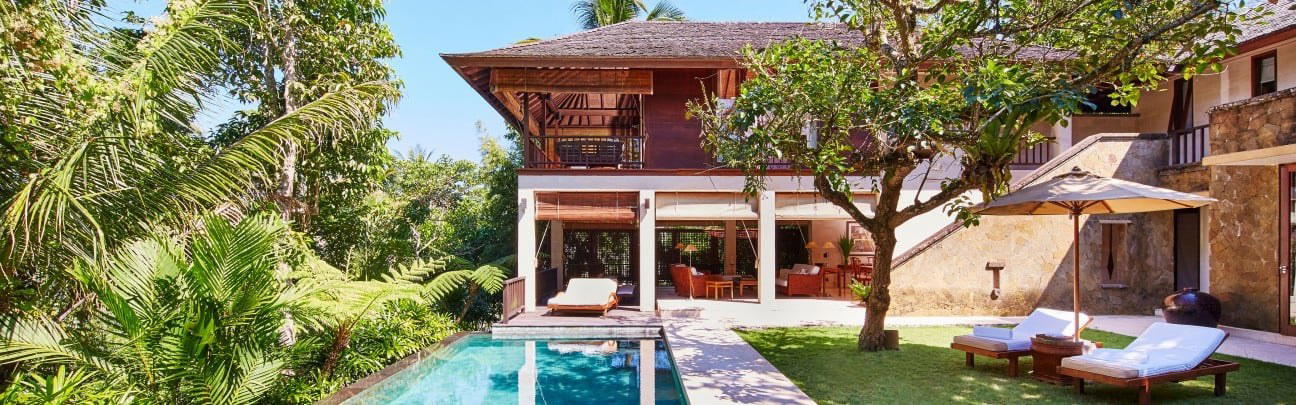
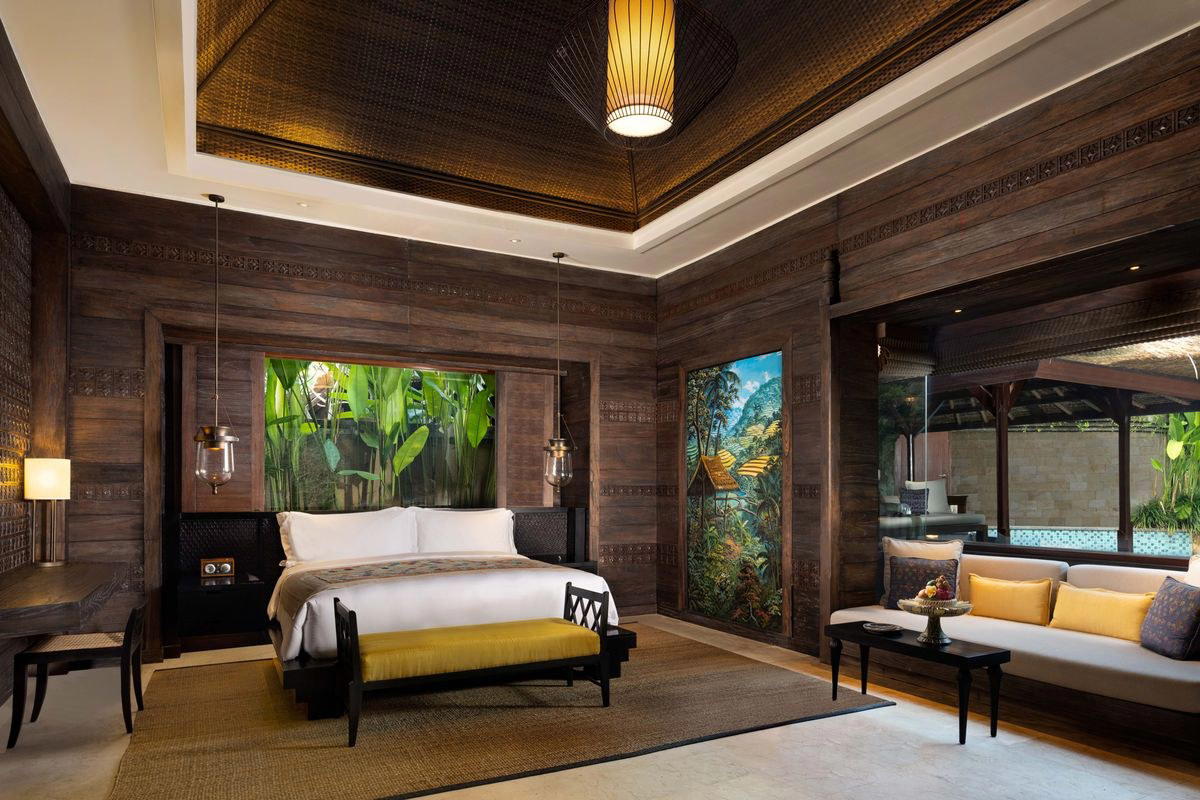
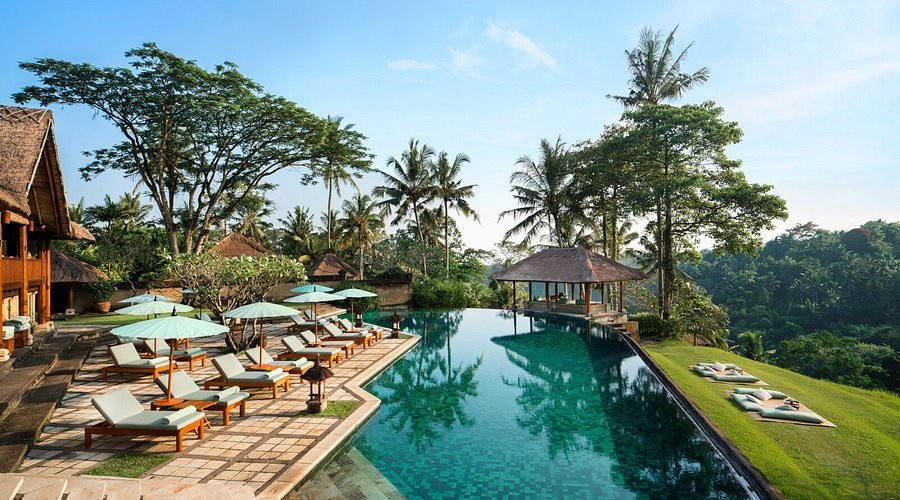
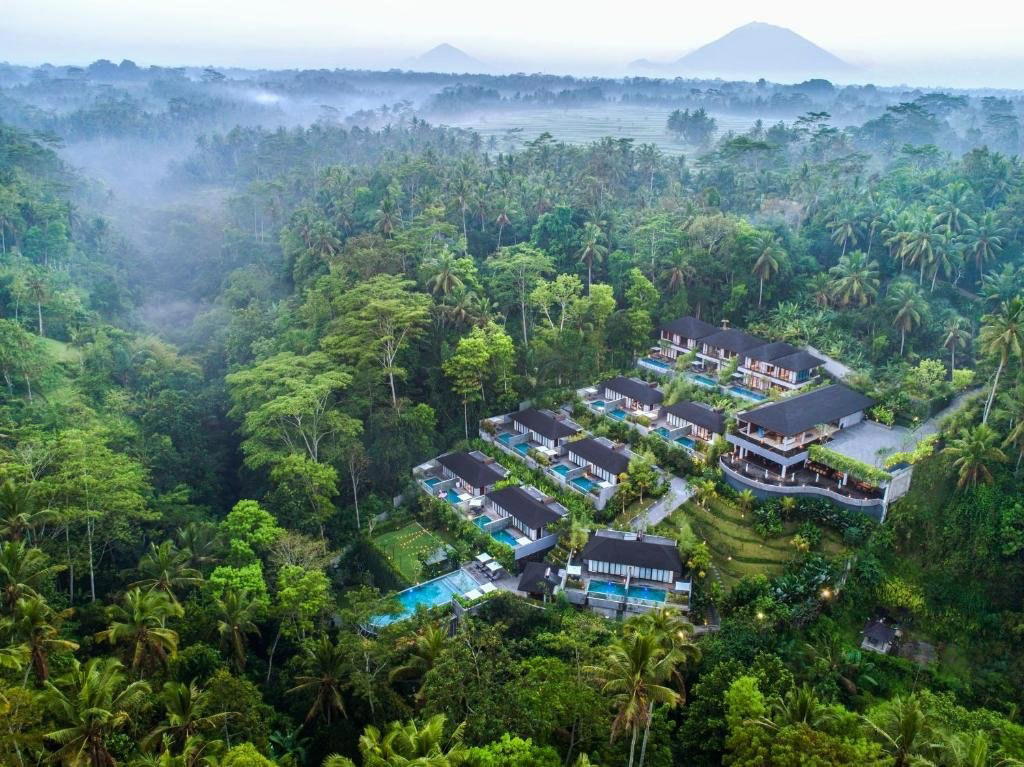
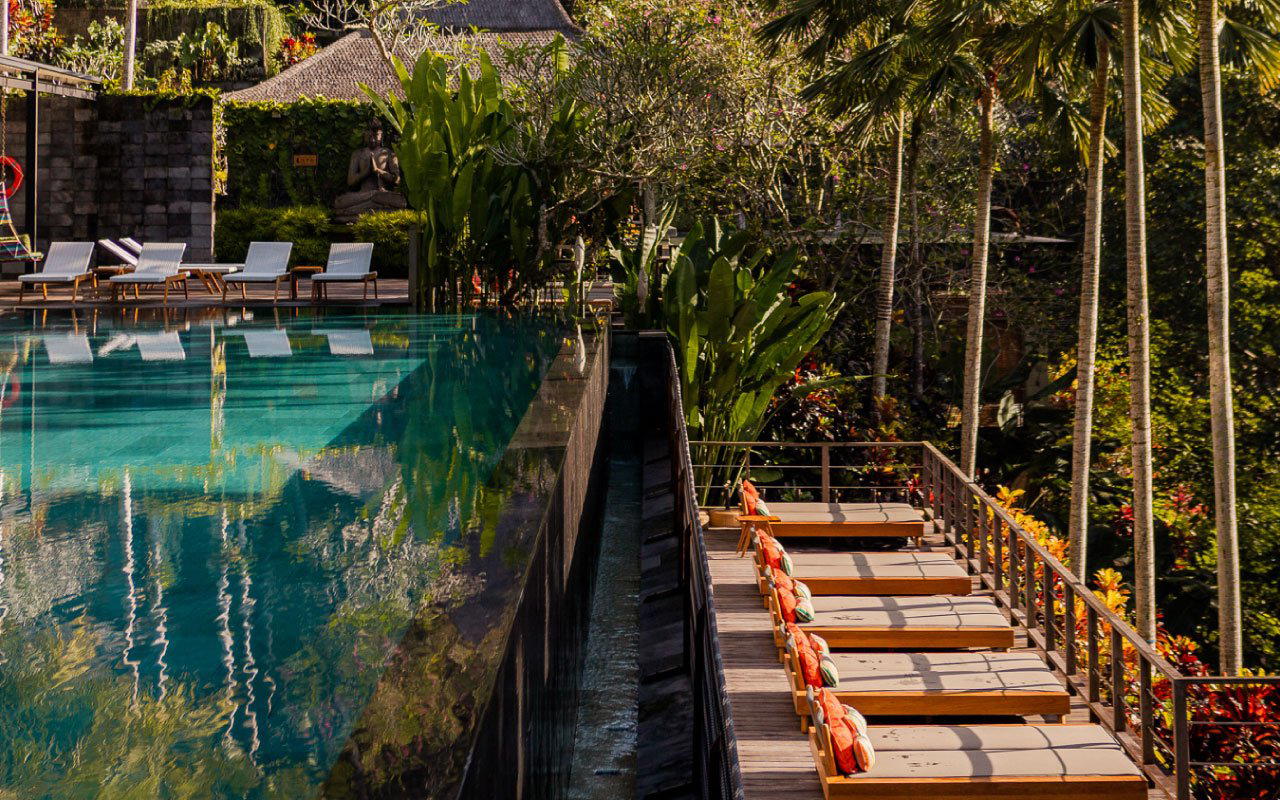
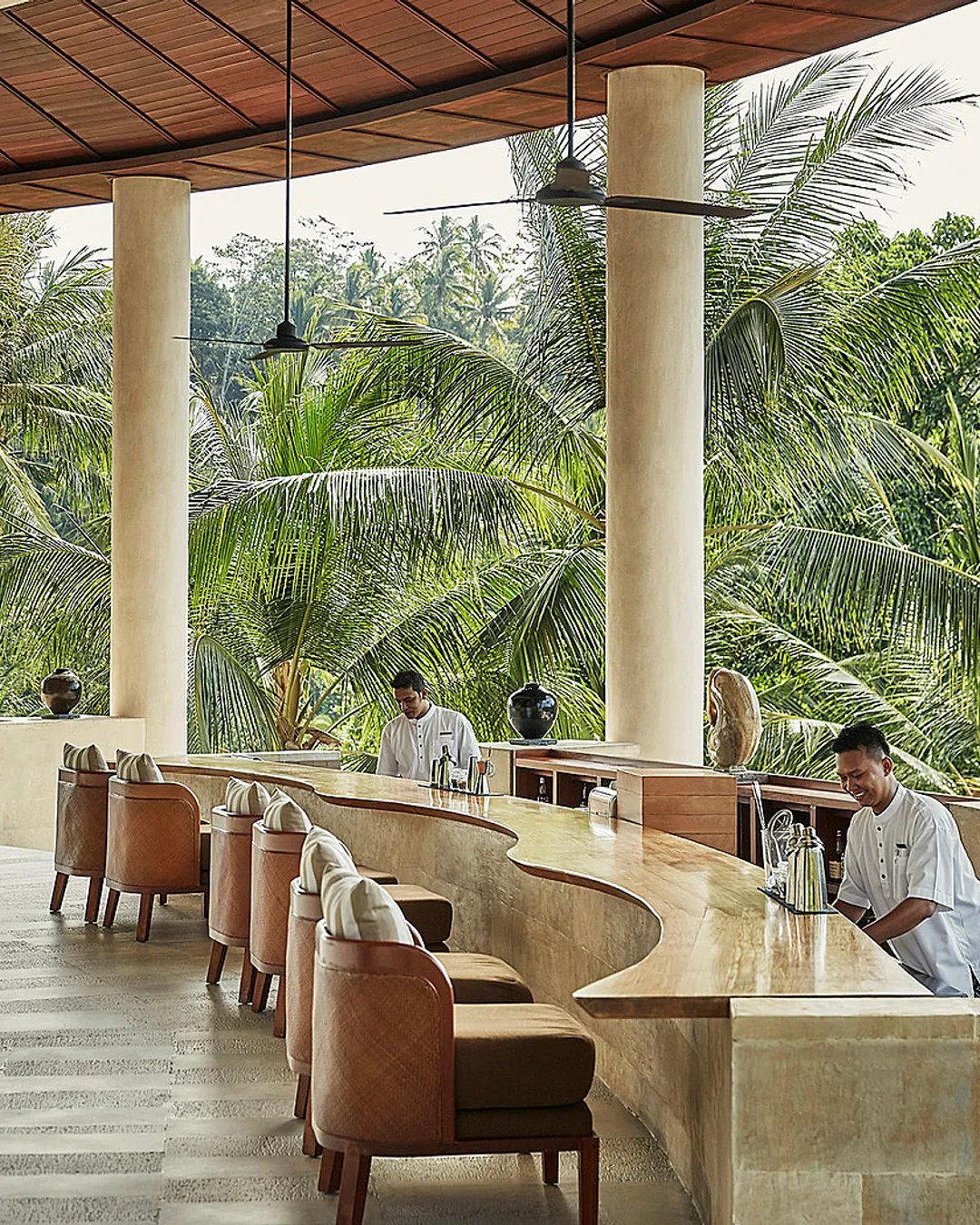
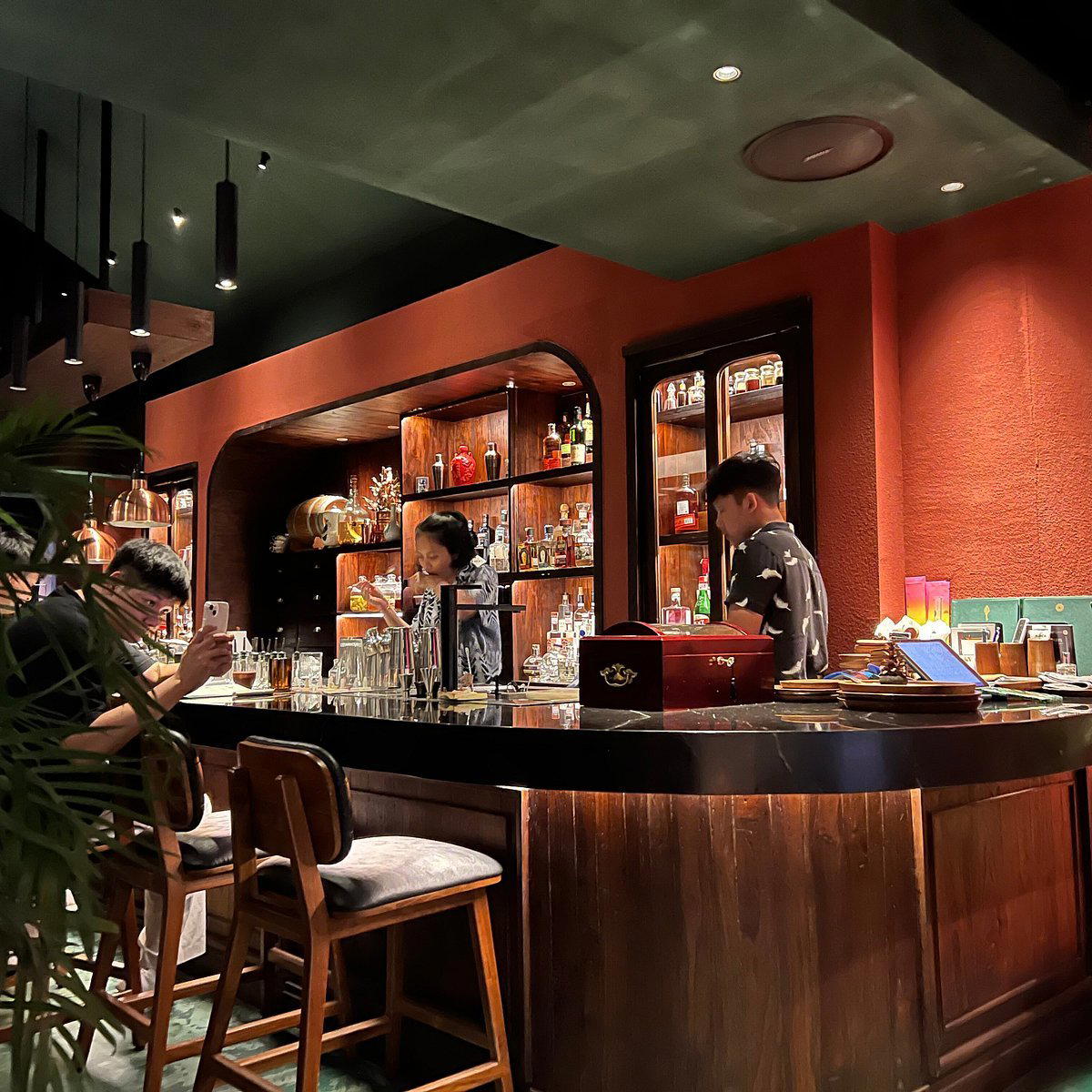
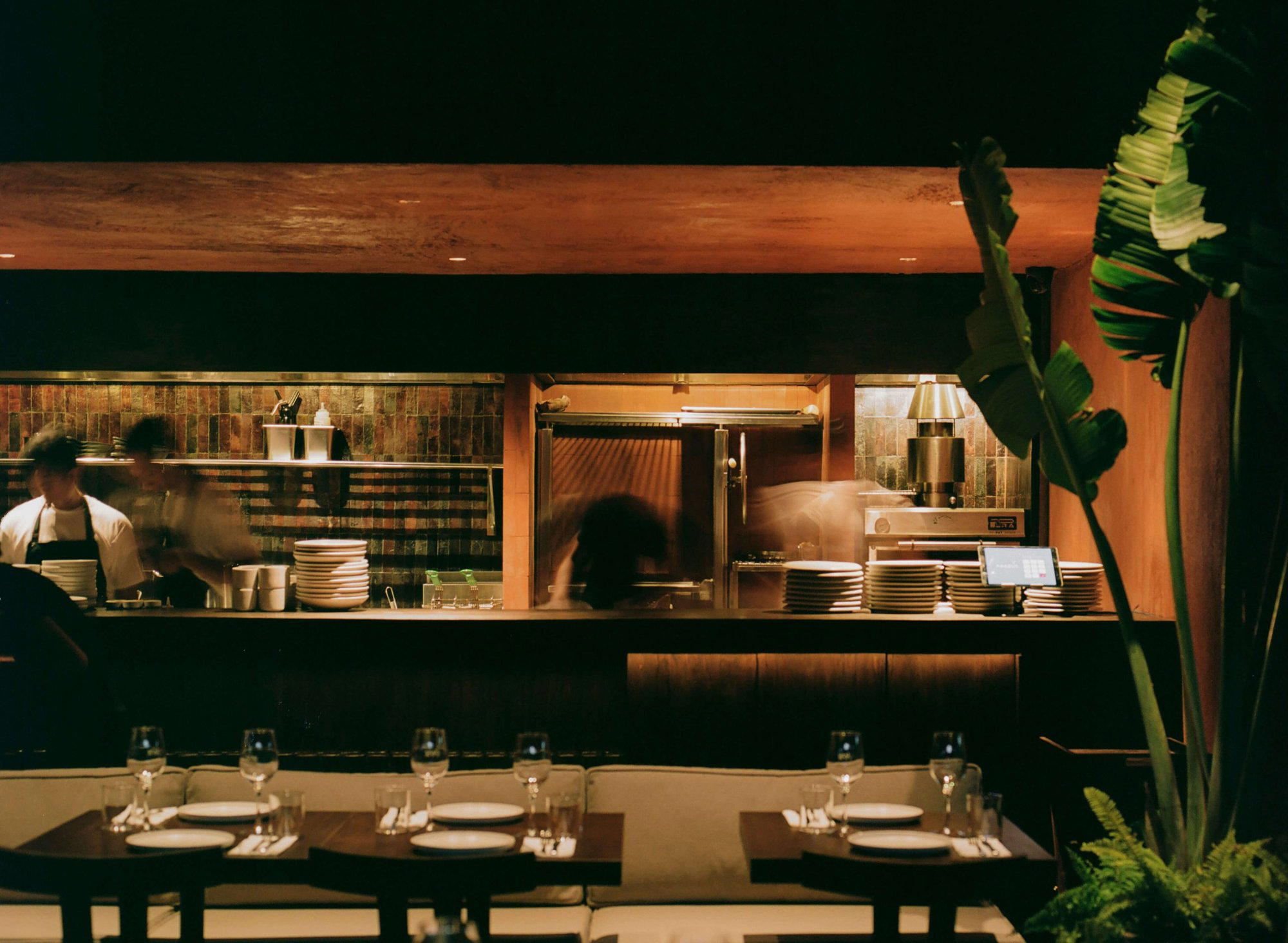
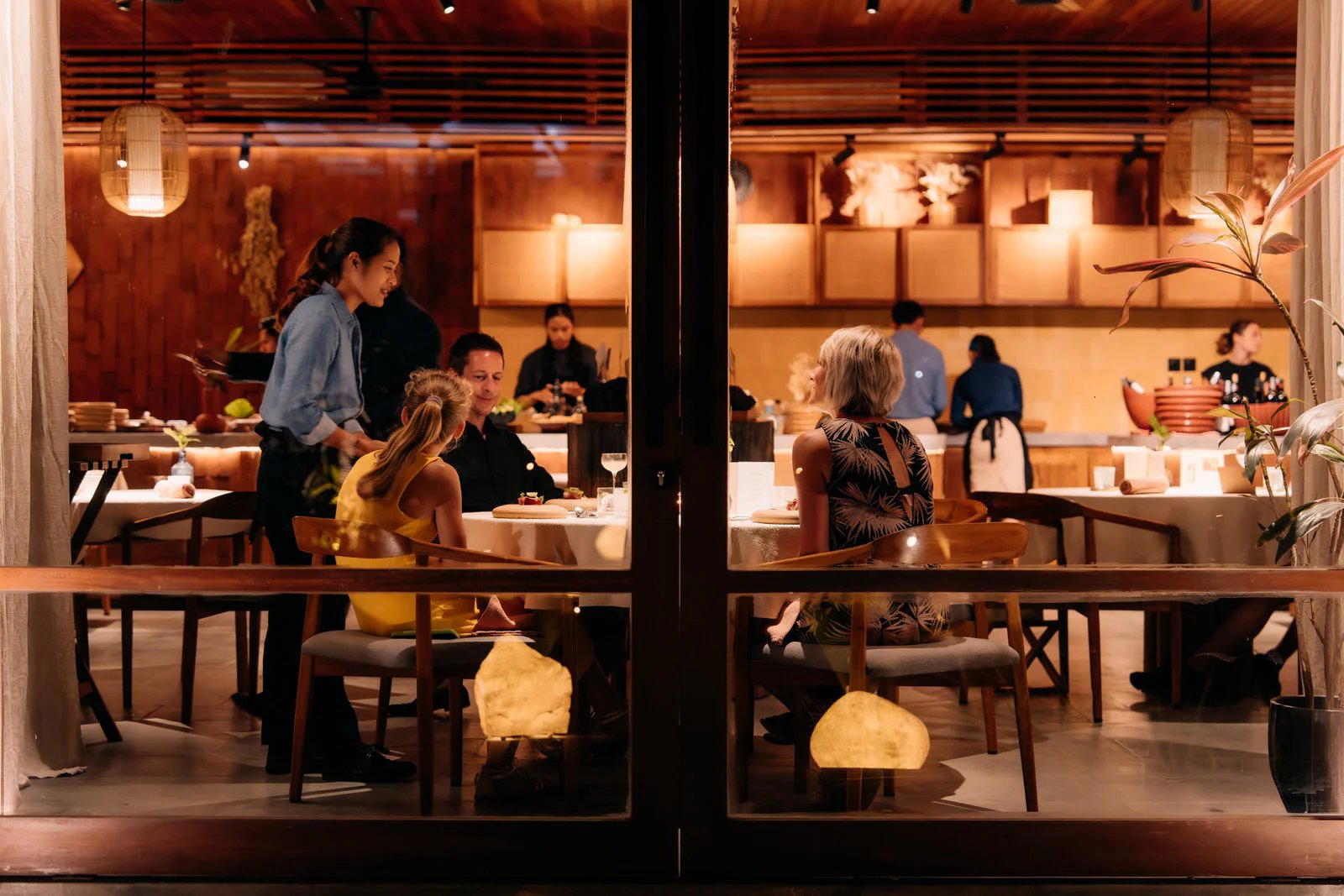
Serene and refined with natural light flooding through floor-to-ceiling sliding doors, soft voile curtains, and lush tropical gardens creating a cocoon of modern comfort blended with nature.