Four Seasons Seville is best read through the city around it: a hotel conversation shaped by palaces, patios, shaded courtyards, ceramic detail and the long tension between grand-hotel ceremony and smaller casa-palacio intimacy.

Pearl is the En Primeur Club membership app — saves, bookings, and concierge access live there. Same editors, same standards.
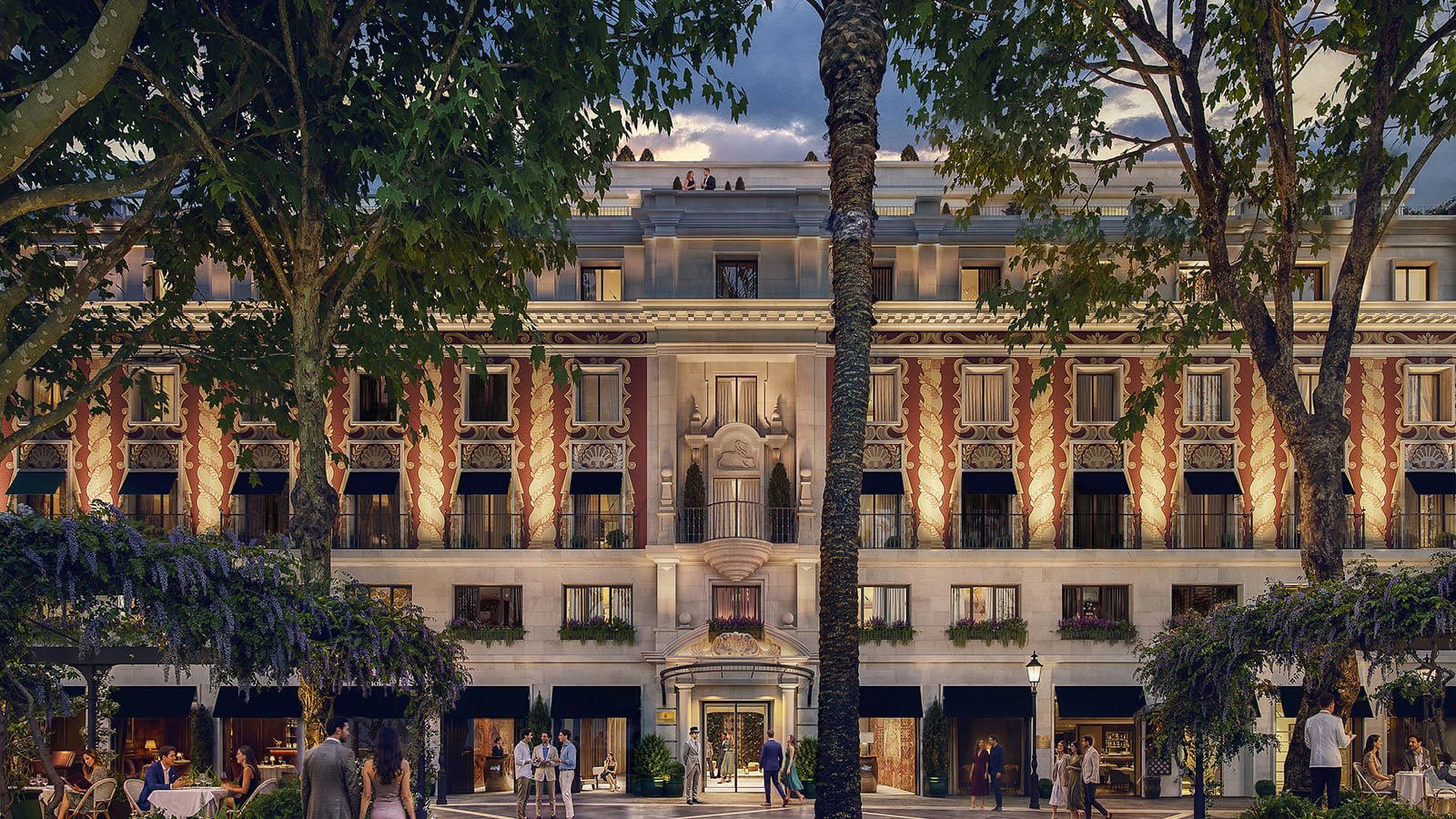
Sevilla's hotel language begins with stone, shade and courtyard rhythm
Approaching luxury hospitality in Sevilla means reading architecture before amenities. The city’s hotel scene is not defined by glass towers or resort sprawl, but by thresholds: heavy doors, interior patios, tiled surfaces, shutters pulled against summer glare, and the shift from street noise to cooled interior air. In that context, Four Seasons Seville belongs to a question larger than a single property: how does an international luxury flag translate itself in a city where the hotel vernacular already has deep confidence?
Four Seasons Seville is a 5-star hotel in Sevilla with 60 rooms and a luxury price tier. That absence matters editorially. Without verified property-specific data, the responsible way to assess the name is through Sevilla’s hospitality pattern rather than through invented details. The comparison set is clear enough: grand historic hotels, restored palace houses, boutique properties with Spanish-rooted interiors, and countryside estates that use Andalusian architecture as their argument.
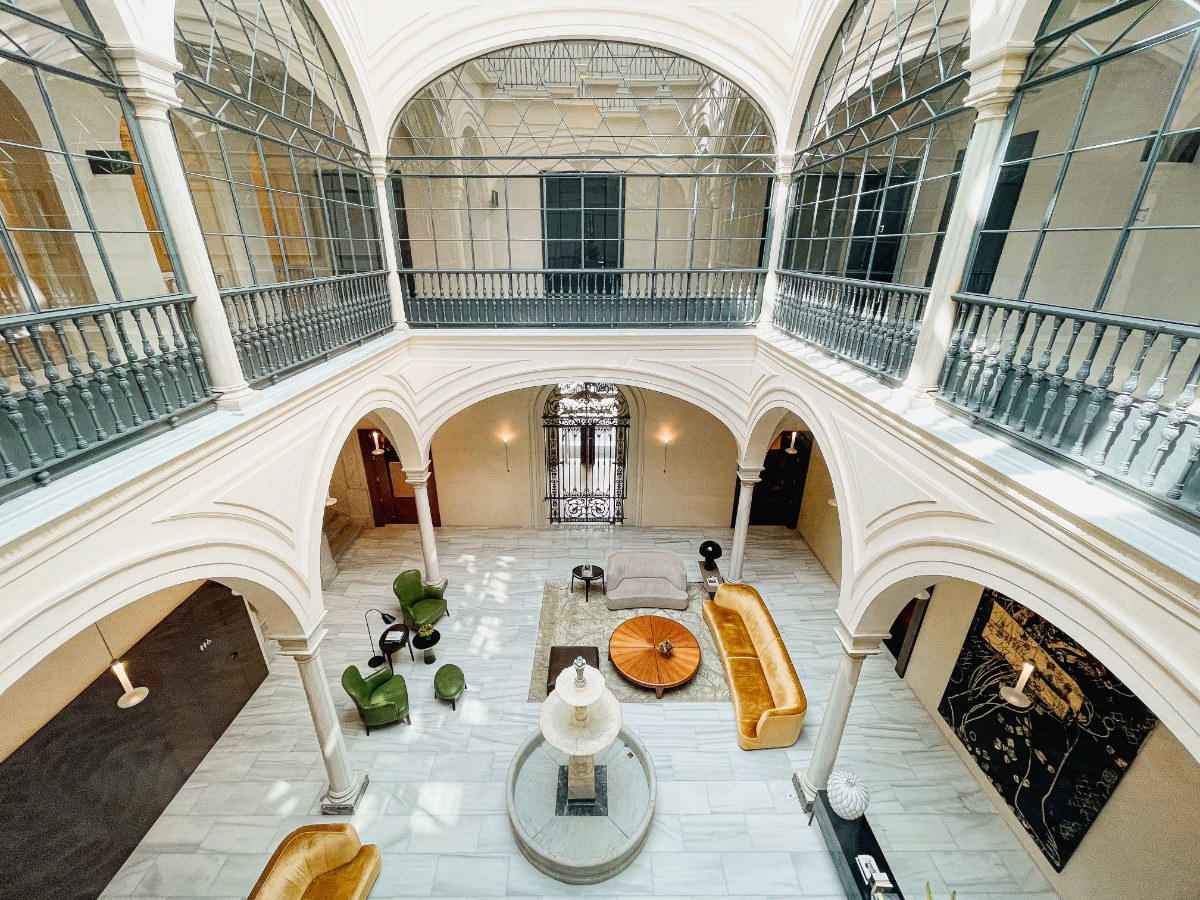
Sevilla rewards hotels that understand the city’s climate as much as its imagery. Shade is not decorative here; it is infrastructure. Courtyards moderate heat, thick walls slow the day, and interior gardens create a pause between public street and private stay. Luxury hotel design in this city succeeds when it treats those devices as working architecture rather than stage scenery. That is the standard by which any Four Seasons address in Sevilla should be judged.
The Sevilla comparable set: palace hotels, boutique restorations and brand-led luxury
The city already has several hotel models competing for the same culturally alert traveller. The grand-hotel model is represented by Hotel Alfonso XIII, the obvious benchmark for ceremonial scale and historic identity. Its role in the city is not merely accommodation; it anchors a version of Sevilla built around state occasions, formal hospitality and the grand European hotel tradition. Any incoming international luxury property enters that conversation immediately, because Sevilla does not lack a grand reference point.
A second model sits closer to the casa-palacio tradition. Casa Palacio Don Ramón, Hotel Casa 1800 Sevilla and Gravina 51 speak to travellers who want scale reduced to domestic proportion: staircases, salons, interior patios and the feeling of a private house adapted for hospitality. The point is not nostalgia. In Sevilla, a smaller footprint can feel more precise because the city’s architectural grammar was built around enclosure, shadow and sequence.
A third model is design-forward but locally anchored. Cristine Bedfor Sevilla (Spanish-rooted), H10 Casa de la Plata and Cavalta Boutique Hotel point to a younger hotel language: less formal, more interiors-led, and often more interested in how guests move through a neighbourhood than in hotel ceremony. That tier matters because Sevilla’s premium visitor is no longer choosing only between a grande dame and a simple guesthouse. The middle has become sharper.
Four Seasons Seville, by name alone, would sit in the international luxury category, but Sevilla is not a blank canvas for brand standards. The city asks harder questions than service consistency. Does the building use Andalusian spatial intelligence, or merely quote it? Does the public area feel connected to local street life, or sealed from it? Does the food and drink program understand a city shaped by tapas bars, sherry, late dinners and terrace culture, or does it default to generic luxury hotel dining? Those are the tests that matter.
Architecture is the story, not the backdrop
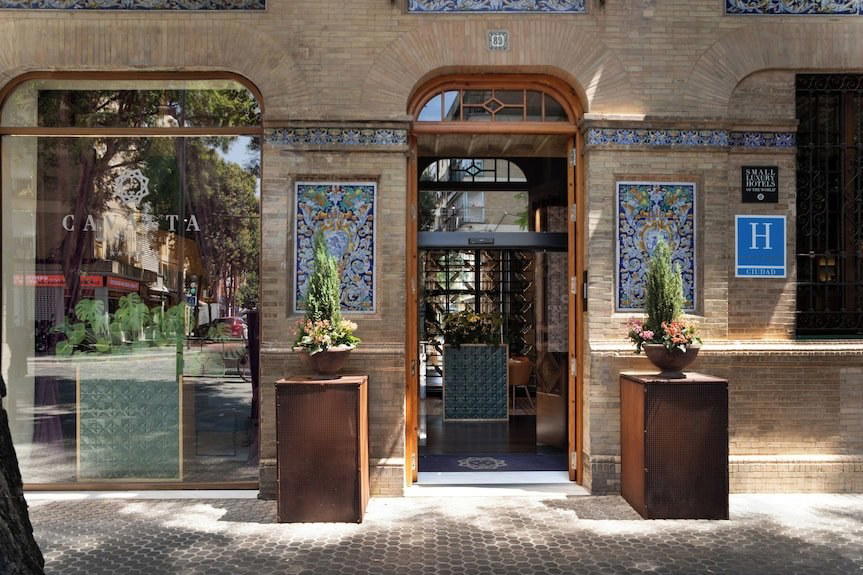
Sevilla’s strongest hotels understand that architecture carries cultural information. A patio tells the guest how the city manages heat. Ceramic surfaces point to craft traditions visible across churches, bars and private houses. Wrought iron, carved timber and stone do not need theatrical lighting to communicate place. The risk for any large luxury operator is to over-design what the city already does well.
The better comparison may be outside Sevilla. In Madrid, Mandarin Oriental Ritz, Madrid in Madrid works within the capital’s palace-hotel tradition, where formality and metropolitan scale make sense. In Barcelona, Mandarin Oriental Barcelona in Barcelona belongs to a city where contemporary design and luxury retail corridors shape the hotel experience. Sevilla is different. Its premium hotel culture is slower, more architectural, more dependent on sequence and proportion than on spectacle.
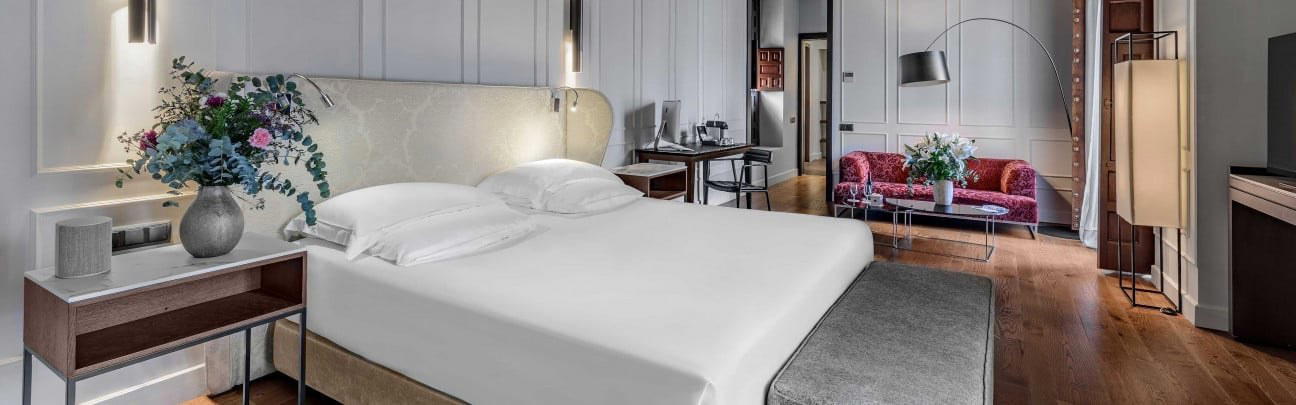
That is why the Four Seasons question in Sevilla is not simply whether the property can deliver high-touch service. The brand is associated internationally with polished operations, but local success in this city would depend on restraint: a lobby that does not overpower the building, guest rooms that handle heat and light intelligently, and public spaces that feel plausible in Andalusia rather than imported from a global template.
Dining and drinking context: Sevilla does not need hotel restaurants to explain itself
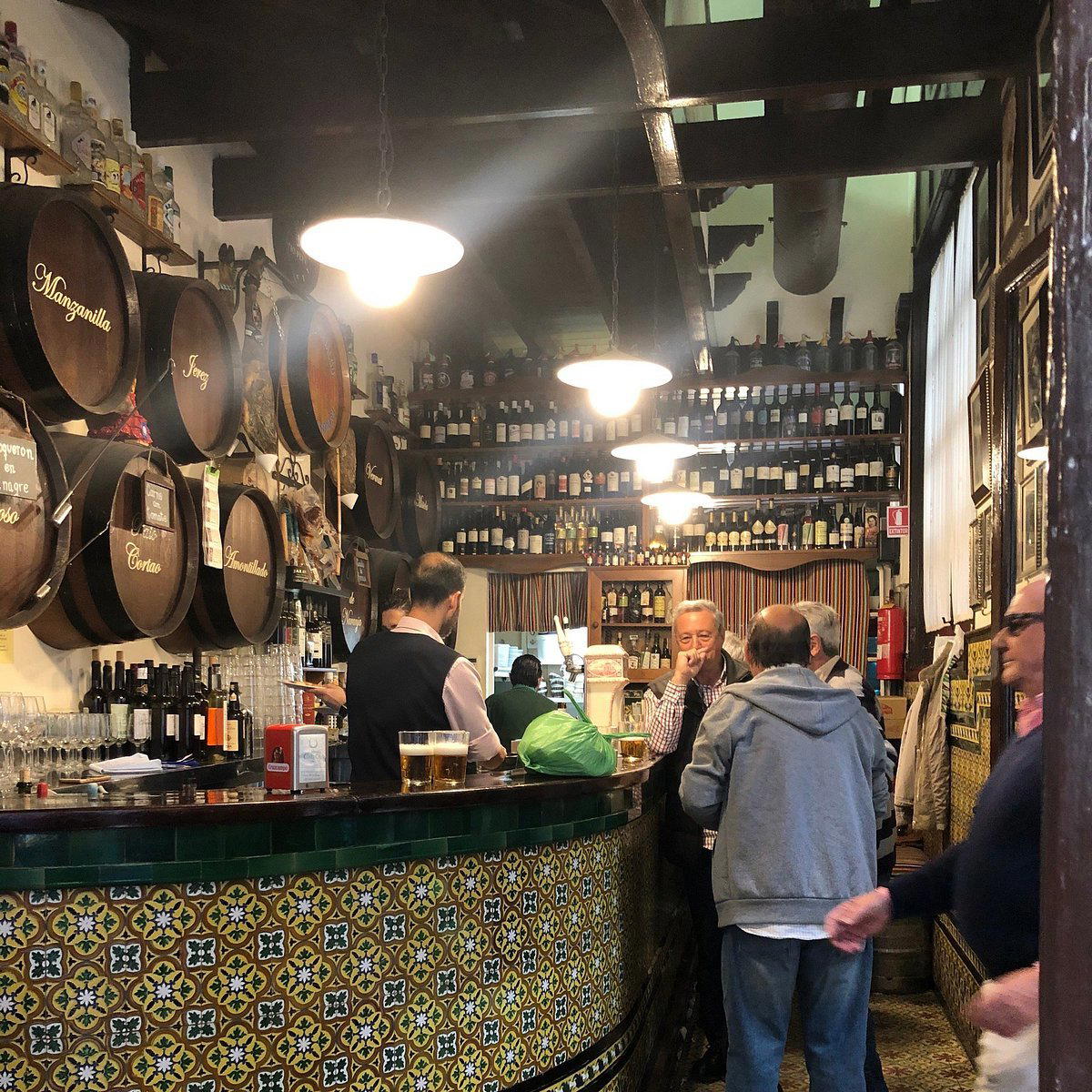
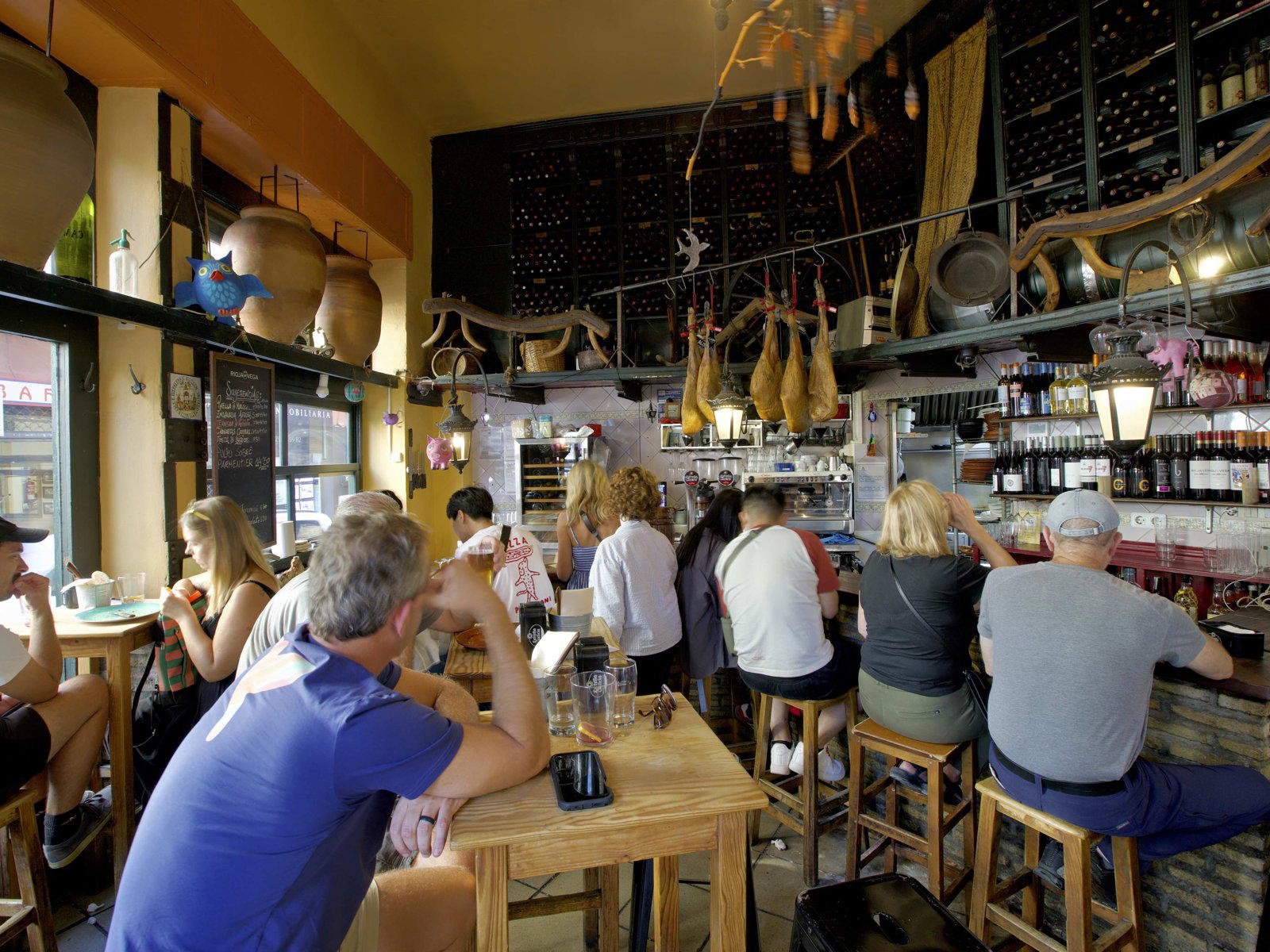
That limits what can be said about Four Seasons Seville’s food and beverage program. It also clarifies the broader point: Sevilla’s dining culture is already dense outside the hotel door. The city’s premium hotel restaurants must earn relevance in a place where bars, taverns and old dining rooms carry a long social function.
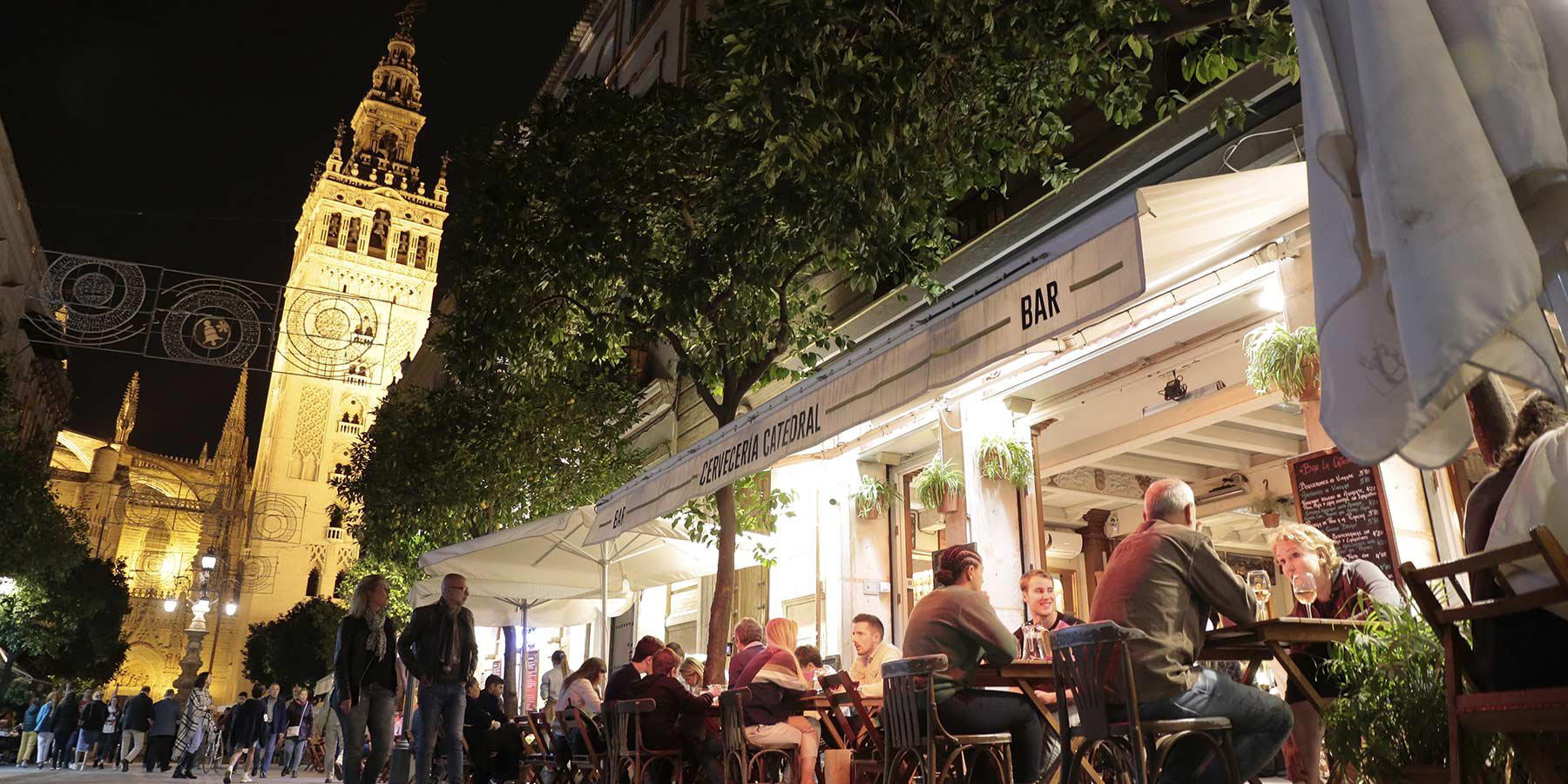
Hotel dining in Sevilla succeeds when it understands rhythm. Lunch can be formal, but the city’s daily cadence often belongs to aperitif hours, tapas circuits, late dinners and the movement between bar counters and plazas. A luxury hotel kitchen that ignores that rhythm risks feeling detached. A successful one works as a bridge, giving international travellers a controlled entry point while respecting the informality and timing that make local eating culture work.
For a broader read on the city’s food scene, the Sevilla restaurants guide is the more useful starting point than any unsupported claim about an unverified hotel restaurant. The same applies to drinking: the Sevilla bars guide gives the proper context for a city where bar culture is part of civic life, not a side amenity. Wine travellers should also look beyond the hotel category through the Sevilla wineries guide, while cultural planning sits better alongside the Sevilla experiences guide.
How Four Seasons Seville fits the luxury map of Spain
Spain’s high-end hotel market has become more specialized over the past decade. Large city hotels compete with monastery conversions, restaurant-led retreats, vineyard estates and rural design properties. The useful question is no longer whether a property is luxurious, but which version of Spanish luxury it represents.
Restaurant-led hospitality has a different logic at Atrio Restaurante Hotel in Cáceres and Pepe Vieira Restaurant & Hotel in Poio, where the table carries much of the travel justification. Wine-country hotels such as Terra Dominicata in Escaladei, Abadía Retuerta LeDomaine in Teruel and Torre del Marqués Hotel Spa & Winery in Sardoncillo use landscape, vineyard context and estate architecture as their core proposition. Rural-lifestyle properties such as Hacienda de San Rafael and Casa Beatnik Hotel in A Coruña ask guests to slow down rather than circulate through a city.
Sevilla’s place in that map is urban but not metropolitan in the Madrid or Barcelona sense. It is a city of intense neighbourhood texture, ceremonial history and compact movement. A Four Seasons property here would have to compete not only with other hotels, but with the emotional pull of the city’s existing buildings. That makes architecture the decisive subject. Service can be standardized; Sevilla’s light cannot.
Planning intelligence: what can and cannot be confirmed
The record confirms 5 stars, a smart casual dress code, recommended reservations and 60 rooms, but does not list an address, phone number, website, price range, opening hours, or award totals. Readers should treat any planning around the property as provisional until those details are confirmed. This is not a minor footnote. In high-demand European city hotels, booking route, opening status and room category can materially change the trip.
Sevilla also has strong seasonality. Spring brings heavy demand around Holy Week and the Feria de Abril, when central hotels can become scarce and expensive. Summer changes the calculation: heat affects how much value a traveller gets from shaded courtyards, pools, late dining and afternoon rest. Autumn is often easier for cultural pacing, with warm days and more forgiving movement through the centre. Without a confirmed address for this venue, neighbourhood guidance cannot be precise, but the city rewards staying within practical reach of the historic core if walking, late dinners and cultural visits are priorities.
For comparison shopping within the city, Our full Sevilla hotels guide is the stronger tool because it places palace hotels, boutique addresses and countryside options in the same frame. The choice is less about chasing a label and more about deciding which Sevilla matters for the trip: formal grandeur, domestic-scale restoration, design-led intimacy, or rural Andalusian quiet outside the city centre.
International context: when a grand hotel becomes part of the destination
The hotel also belongs to a broader global pattern: luxury travellers increasingly judge hotels by how convincingly they interpret place. The old formula, grand lobby plus polished service plus expensive materials, is no longer enough in cities with strong architectural identity. The comparison is visible in properties such as The Fifth Avenue Hotel in New York City, Hôtel de Paris Monte-Carlo in Monte Carlo, Badrutt's Palace Hotel in St. Moritz and La Residencia, A Belmond Hotel, Mallorca in Mallorca. Each sits in a place where the hotel is judged against civic mythology, not only against competitor amenity lists.
Sevilla intensifies that challenge because its hospitality codes are already legible to the visitor: courtyards, tilework, orange trees, church bells, late street life, sudden shade. A hotel that handles those elements with discipline can feel deeply rooted. A hotel that uses them as decorative shorthand feels thin. The hotel should be approached as an architectural and positioning question rather than as a completed critical judgment.
Comparable venues nearby, for context on price, style, and recognition.
| Venue | Cuisine | Price | Awards | Notes |
|---|---|---|---|---|
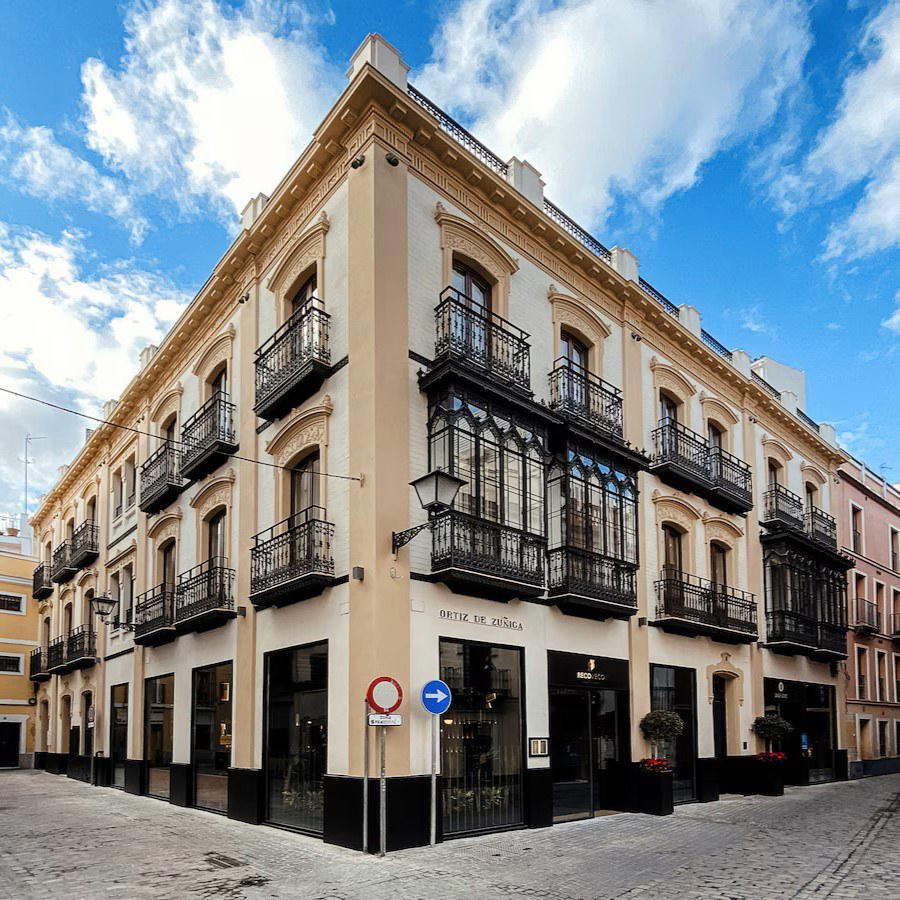
| Four Seasons SevilleThis venue — the venue you are viewing | Luxury urban heritage hotel in a landmark 1940s office building, reimagined as a nerve centre for high-end tourism in Seville. | $$$$ | 5-Star | Not listed |
| Hotel Lobby | Refurbished historic palace offering exclusive luxury in Seville's historic center. | $$$$ | 5-Star | Old Town |
| Parador de Carmona | Andalusi palace in a reconstructed Moorish fortress | $$$ | 4-Star | Carmona |
| Gravina 51 | Restored historic palacio with contemporary classic interiors | $$$$ | 4-Star | Casco Antiguo |
| Tayko Sevilla | Historic regionalist exterior with contemporary restoration | $$$ | 4-Star | Santa Cruz |
| Hotel Alfonso XIII | Historic luxury palace with Andalusian regionalist architecture | $$$$ | 5-Star | Santa Cruz |
At a Glance
- Elegant
- Classic
- Well Known
- Sophisticated
- Romantic Getaway
- Business Trip
- Weekend Escape
- Celebration
- Terrace
- Historic Building
- Panoramic View
- Spa
- Fitness Center
- Business Center
- Skyline
- Street Scene
- Spa
- Fitness Center
- Business Center
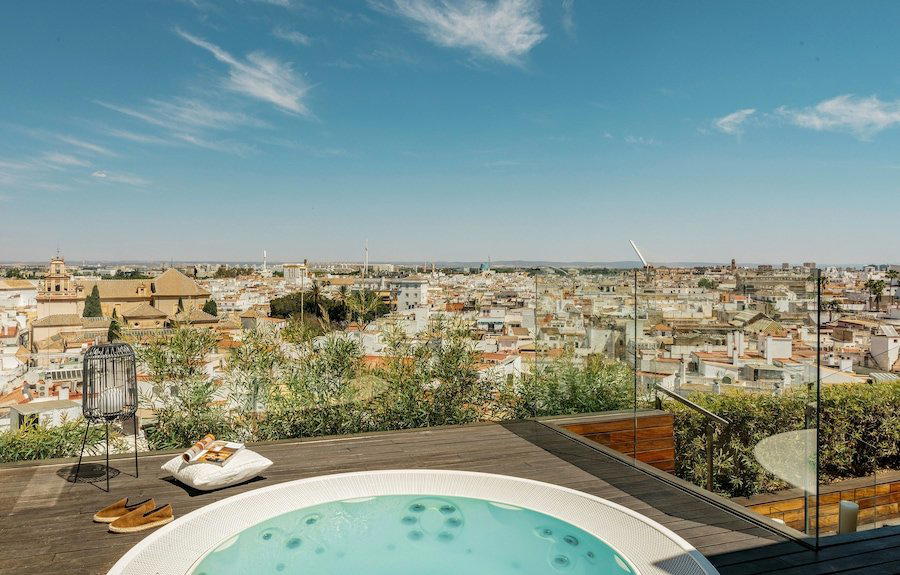
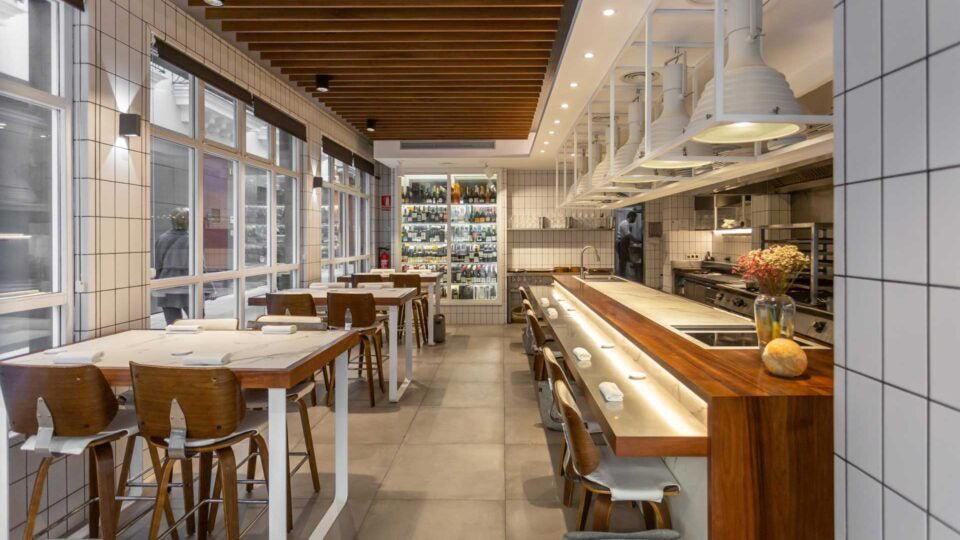
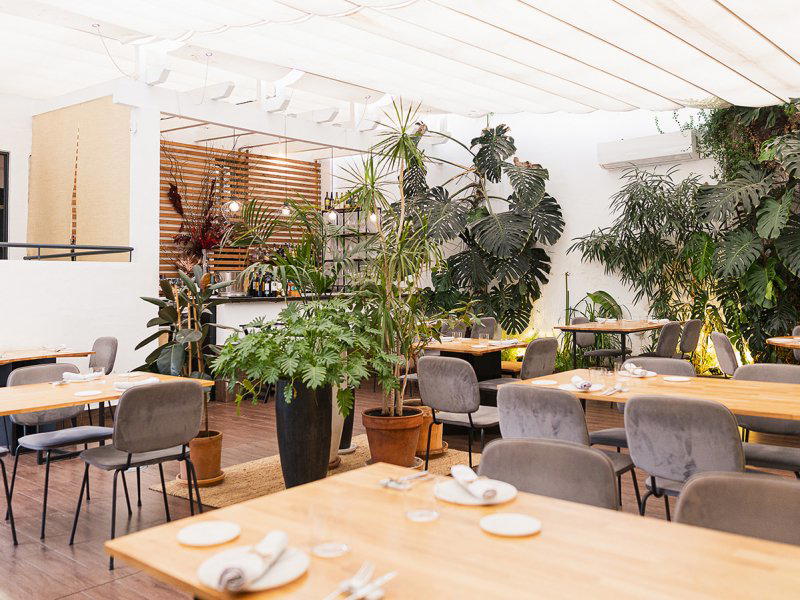
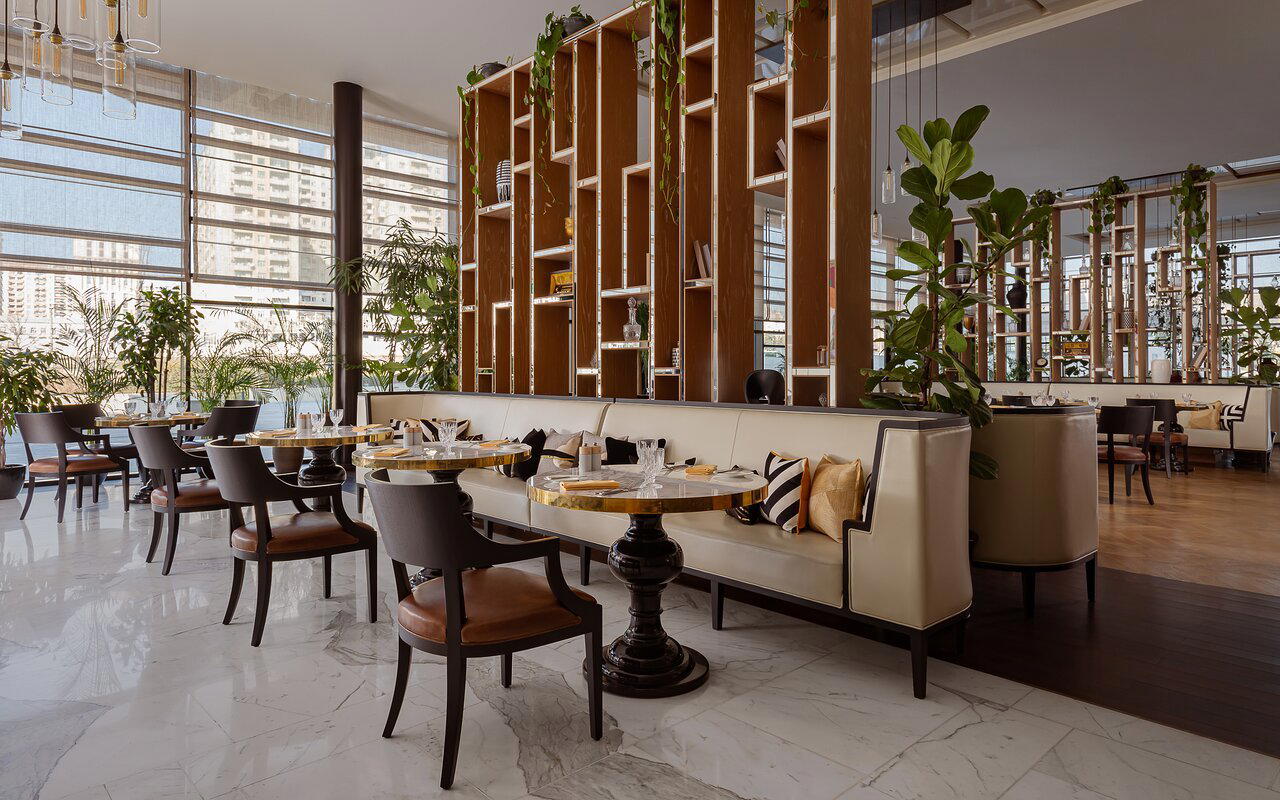
Planned as an upscale, tranquil urban retreat that blends the preserved historic façade and architecture of the 1940s Generali building with refined, residential-style contemporary interiors and sophisticated social spaces.