
Michelin Selected
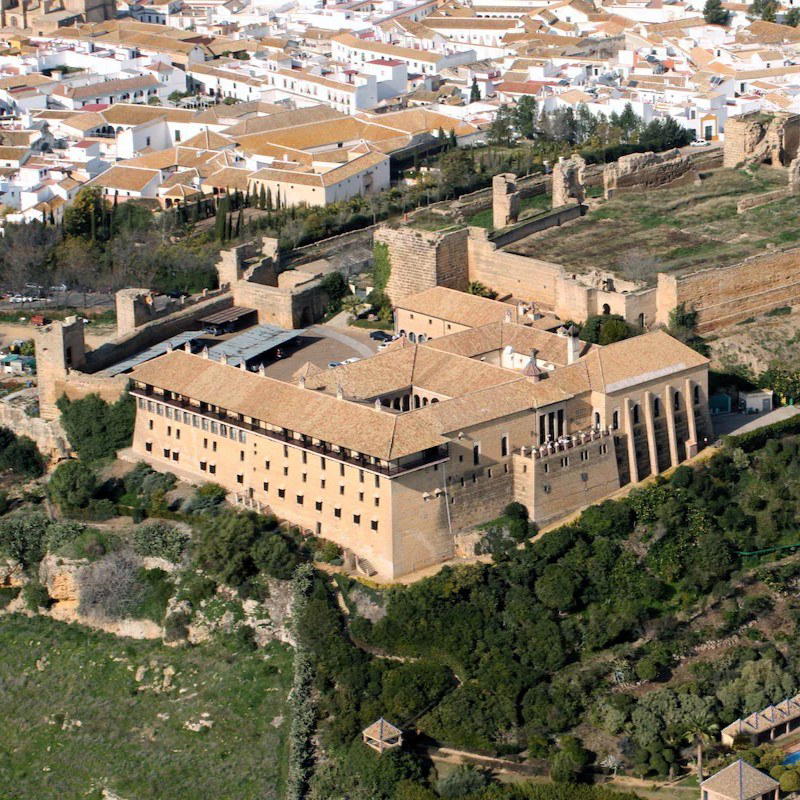
A fourteenth-century Moorish alcázar converted into a Parador state hotel, Carmona sits above the Andalusian plain with fortress walls still intact. Selected for the 2025 Michelin Hotels guide, it occupies a tier of Spanish heritage hospitality where the architecture is the primary experience. The town of Carmona lies roughly 30 kilometres east of Seville, making it a realistic base for exploring the wider province.

Pearl is the En Primeur Club membership app, where members save venues, book tables and use the concierge.
A Fortress Above the Plain
The approach to Carmona sets the terms of engagement before you reach the front door. The town rises from the Guadalquivir lowlands on a limestone ridge, its silhouette shaped by Roman walls that were later reinforced by Moorish builders and then by Castilian monarchs. The Parador occupies what was once the palace section of that fortified complex, positioned at the highest point in town, where the views across olive groves and cereal fields extend to the distant profiles of the Sierra Norte. Arriving by car from Seville, a journey of roughly thirty minutes along the A-4, you pass through the town's medieval gate before climbing to the alcázar. The entrance is not theatrical in the resort sense; it is simply a door in a very old wall, which turns out to be exactly right.
Within Spain's Parador network, which manages historic buildings as state-run hotels, Carmona belongs to a subset of properties where the building itself carries more weight than any amenity list. The network includes converted monasteries, Renaissance palaces, and castle keeps across the peninsula. Carmona sits at the more architecturally significant end of that range, with Mudéjar detailing, tiled courtyards, and fortress terraces that were not installed for guests but predate them by six centuries. Properties in this category draw a different kind of traveller than those who choose Seville's urban luxury hotels; the building is the programme.
The Ritual of Eating in a Medieval Hall
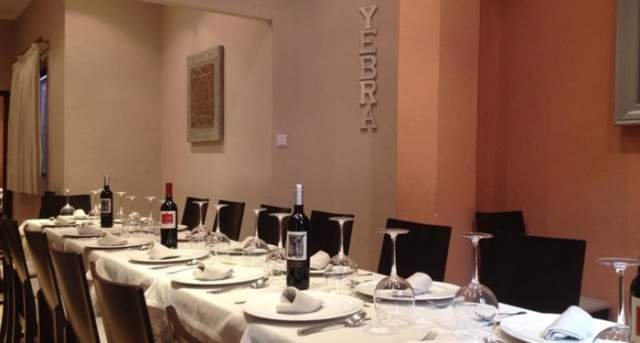
Dining inside a fourteenth-century alcázar carries its own pacing. The Parador's restaurant operates within spaces that impose a certain tempo on the meal, not through formality of service, but through the weight of the surroundings. Stone walls, high ceilings, and views that open onto the Andalusian plain do not encourage hurrying. Andalusian cuisine at this latitude and altitude follows a logic shaped by climate and agriculture: jamón from the sierra, cold soups built around tomato and bread when the heat requires it, slow-cooked meat dishes drawing on Moorish spicing traditions that have persisted in this region since the medieval period.
The EA-GN-04 framing matters here. The dining ritual at a Parador in a town like Carmona is not equivalent to a restaurant visit in the city. It is, in practice, anchored to the building's rhythm. Lunch stretches into the afternoon. The courtyard, if the season permits, becomes part of the progression. Guests who treat this as a standard hotel meal miss the point; the Parador format has always been about using the physical setting as the organizing principle of hospitality, with the table as one moment inside a longer, building-mediated experience. For context on how Seville's broader dining scene is structured, the full Sevilla restaurants guide maps the city's options across price tiers and neighbourhoods.
Where Carmona Sits in the Spanish Heritage Hotel Category
The Michelin Hotels guide for 2025 includes Parador de Carmona in its selected listings, placing it within a curated set of Spanish properties that meet the guide's criteria for quality of setting and hospitality standard. That distinction positions Carmona alongside a peer group of Spanish heritage hotels that operate at a different register than either international branded luxury or independent boutique properties.
Comparing across that peer group is instructive. Atrio Restaurante Hotel in Cáceres combines a Michelin-starred restaurant with a historic city-centre location, setting a high bar for the gastronomy-led heritage format. Abadía Retuerta LeDomaine converts a twelfth-century abbey into a wine-estate stay, with winery infrastructure built into the experience. Terra Dominicata in Escaladei takes a similar approach in the Priorat. What distinguishes Carmona from these is the civic and military character of the building: this is not a monastery or a rural estate but a functioning part of a hilltop town's historic fabric, with the surrounding streets, churches, and Roman necropolis available as context. For Iberian peninsula comparisons at a higher price tier, Mandarin Oriental Ritz, Madrid and Mandarin Oriental Barcelona represent what Spanish luxury hospitality produces when the brief is urban grandeur rather than heritage preservation.
Within the Seville accommodation market, the alternatives cluster into recognizable tiers. Hotel Alfonso XIII occupies the best of the city's luxury bracket, purpose-built for the 1929 Ibero-American Exposition and carrying that civic-monument character. Hacienda de San Rafael sits in a different tradition entirely, the rural Andalusian hacienda format, with olive groves replacing fortress walls. Casa Palacio Don Ramón, Hotel Casa 1800 Sevilla, and Cavalta Boutique Hotel represent the city's design-led boutique tier, where converted palacetes and merchant houses provide the character. Cristine Bedfor Sevilla offers a Spanish-rooted aesthetic at a more accessible price point, while Gravina 51 and H10 Casa de la Plata anchor the reliable mid-market. Carmona sits outside this urban cluster by geography, but competes for a specific kind of traveller: one who treats the thirty-minute drive as a feature, not a compromise.
For context on what monument-adjacent luxury looks like at its most resolved in Southern Europe, Cap Rocat in Cala Blava converts a nineteenth-century coastal fortress in Mallorca into a hotel with a similar logic: architecture as the primary experience, amenities as secondary. La Residencia, A Belmond Hotel, Mallorca takes a different approach in Deià, with an arts-centred identity inside a historic building. Both illustrate that the heritage hotel category in Spain has a wide range of execution quality and price; Carmona sits within the state-managed Parador framework, which operates on a different commercial logic than private owners.
Planning the Stay
Carmona as a base rewards guests who intend to spend time in the town itself rather than simply treating the Parador as a peripheral retreat from Seville. The Roman necropolis, one of the largest in Europe, sits a short walk from the hotel. The town's main square and a sequence of Renaissance churches are accessible on foot from the alcázar. Seville's cathedral quarter, the Alcázar of Seville, and the Barrio Santa Cruz are within easy reach by car or taxi, making day trips direct without the accommodation premium of Seville's centre during high season.
Advance booking is advisable for spring visits, when Andalusia's festival calendar creates significant pressure on accommodation throughout the province. Semana Santa and the Feria de Abril generate demand spikes across Seville and its satellite towns that can extend to Carmona given its proximity. Autumn is generally quieter and the light across the plain is notable in October and November. The Parador network operates a central booking system, and Carmona's Michelin Selected status in 2025 has raised its profile in international travel planning. Guests comparing options in the Spanish interior should also consider Torre del Marqués Hotel Spa & Winery in Sardoncillo for a wine-estate variant on the historic-building format.
Credentials Lens
Comparable venues nearby, for context on price, style, and recognition.
| Venue | Cuisine | Price | Awards | Notes |
|---|---|---|---|---|
| Parador de CarmonaThis venue (the venue you are viewing) | Andalusi palace in a reconstructed Moorish fortress | Not listed | Michelin Selected | Not listed |
| Cristine Bedfor Sevilla | Boutique hotel in restored historic theater | Not listed | Michelin Selected · Conde Nast Hot List Hotels | Feria |
| Hotel Casa 1800 Sevilla | Restored 19th-century Andalusian mansion with traditional courtyards | $200–300 | World Luxury Hotel Awards WLHA Continent Winner | Santa Cruz |
| Vincci Selección Unuk | Grand Luxury boutique hotel blending traditional Sevillian architecture with contemporary design; intimate 34-room property positioned as a design destination with Michelin Key recognition. | $300–500 | 1 Michelin Key | Soho (Seville Old Town) |
| Four Seasons Seville | Luxury urban heritage hotel in a landmark 1940s office building, reimagined as a nerve centre for high-end tourism in Seville. | Not listed | Not listed | Plaza Nueva |
| Casa Palacio Don Ramón | Historic palace with modern luxury renovations | $500–750 | Michelin Selected | Encarnacion-Regina |
Recognition history
Dated appearances from independent guides and award organizations, with the underlying list record or original source where available.
Michelin Selected
Michelin
Continue exploring
More in Seville
Hotels in Seville
All hotels in Seville →
Details
- Romantic
- Quiet
- Elegant
- Scenic
- Classic
- Romantic Getaway
- Weekend Escape
- Historic Building
- Panoramic View
- Terrace
- Garden
- Pool
- Wi Fi
- Restaurant
- Room Service
- Concierge
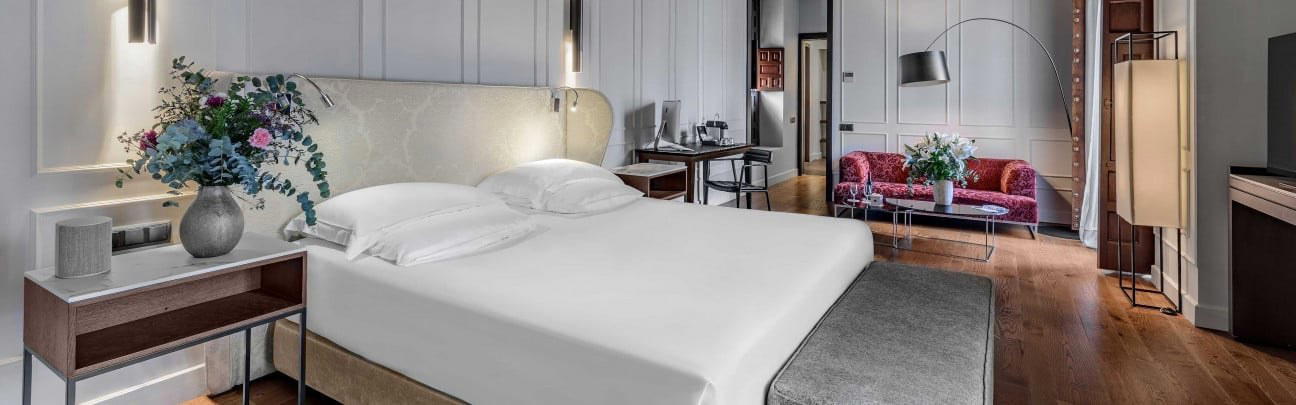
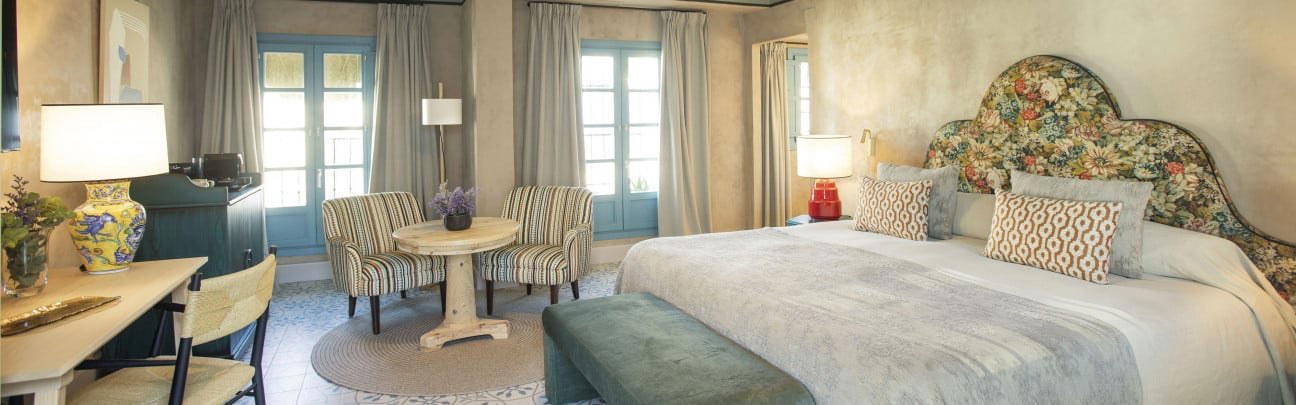
Precise Mudejar decor featuring intricate patterns, antiques, and tranquil spaces like the interior patio and vaulted restaurant, creating a peaceful historic atmosphere.