Dorsett Alpha Square, Canary Wharf
Dorsett Alpha Square, Canary Wharf belongs to London’s eastward hotel conversation, where glass towers, river edges and transport-led convenience shape the stay as much as service rituals. With no public database details on star rating, room count, rates or awards, the useful reading is contextual: this is a Canary Wharf address to assess through location, architecture and access rather than grand-hotel mythology.
Pearl is the En Primeur Club membership app — saves, bookings, and concierge access live there. Same editors, same standards.
- Address
- London, United Kingdom
- Directions
- Get directions
 Saves & bookings on Pearl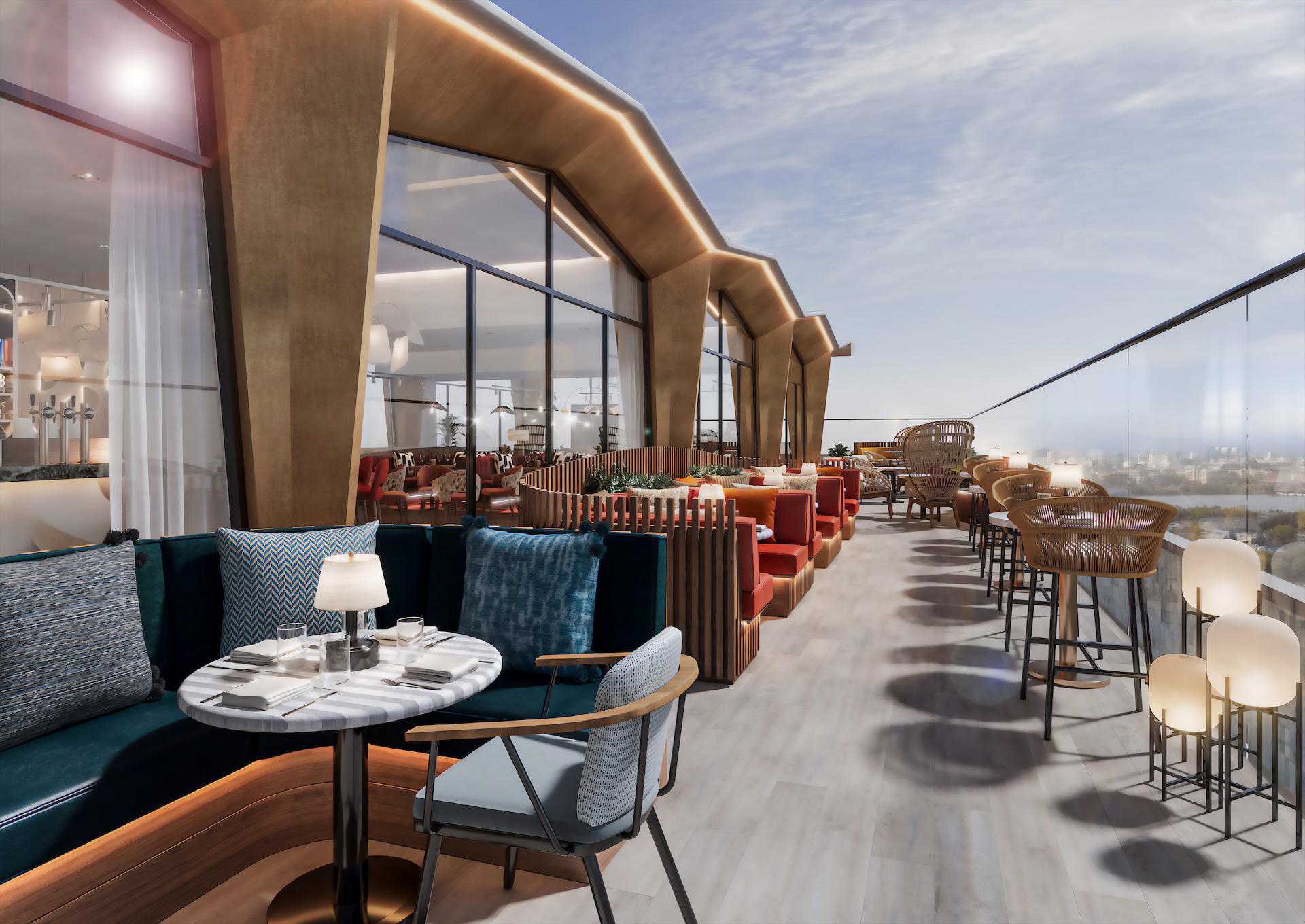
Canary Wharf First, Hotel Second
Approaching Canary Wharf is not the London hotel arrival of porters under striped awnings or Mayfair townhouses behind clipped hedges. The district announces itself through scale: towers in reflective glass, broad pedestrian decks, water cuts around former dock basins, and the clean choreography of commuters moving between Jubilee line platforms, Elizabeth line concourses and office lobbies. A hotel address here is read through that built environment before anything else. Dorsett Alpha Square, Canary Wharf sits inside a part of London where hospitality has to answer a different question from the West End: how does a stay work when the city around it is vertical, corporate, transport-rich and increasingly residential?
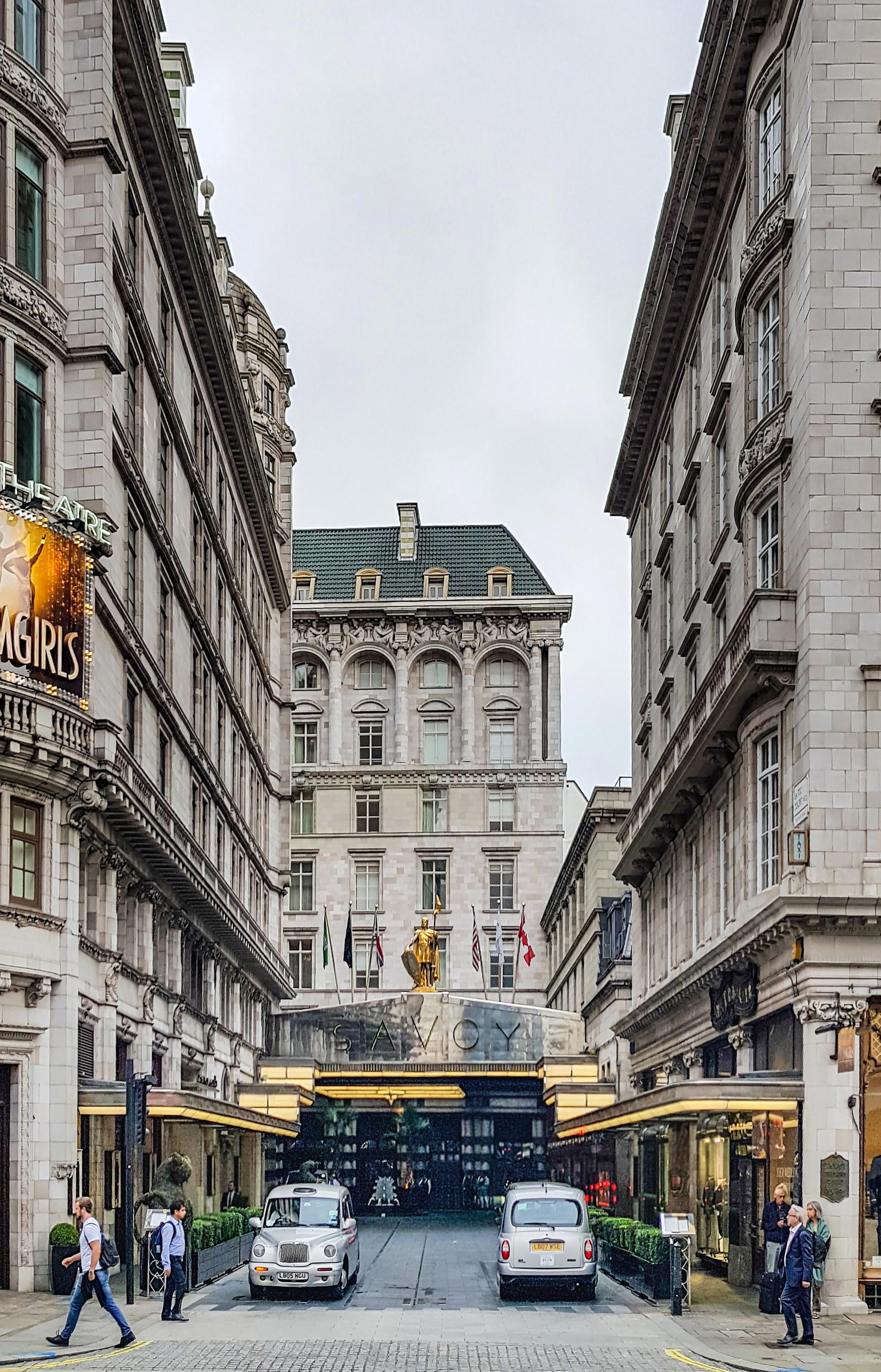
That distinction matters because London luxury is not a single category. The grand hotel circuit around Mayfair, St James’s and the Strand trades on ceremony, heritage and institutional memory, a world represented in different ways by Claridge’s, The Connaught and The Savoy. Canary Wharf is built on another grammar: polished infrastructure, office-week rhythm, river proximity and new-development confidence. This is a district for travellers who want the eastern financial quarter, the Elizabeth line, the Docklands axis and a calmer evening pace than Soho or Covent Garden.
The architecture-and-design lens is the right one here because Canary Wharf’s hospitality scene is inseparable from urban planning. Hotels in this part of London do not sit against centuries of aristocratic street pattern; they operate among master-planned squares, retail podiums, waterside paths and transport nodes. That makes the arrival feel efficient rather than theatrical. For some travellers, that efficiency is the appeal. The city is close, but the immediate neighbourhood gives more space, wider pavements and cleaner sightlines than the historic core.
The Design Context: Glass, Water and Planned Calm
Canary Wharf’s physical identity comes from its late-20th-century reinvention of dockland into a financial district. The hotel experience in this area is therefore framed by contemporary materials and urban order: curtain-wall façades, stone plazas, stainless-steel details, escalators, covered shopping routes and water reflecting the office towers. A property here has to fit into that composition rather than resist it. The mood is controlled, metropolitan and practical, with less of the accidental theatre that defines older London hotel neighbourhoods.
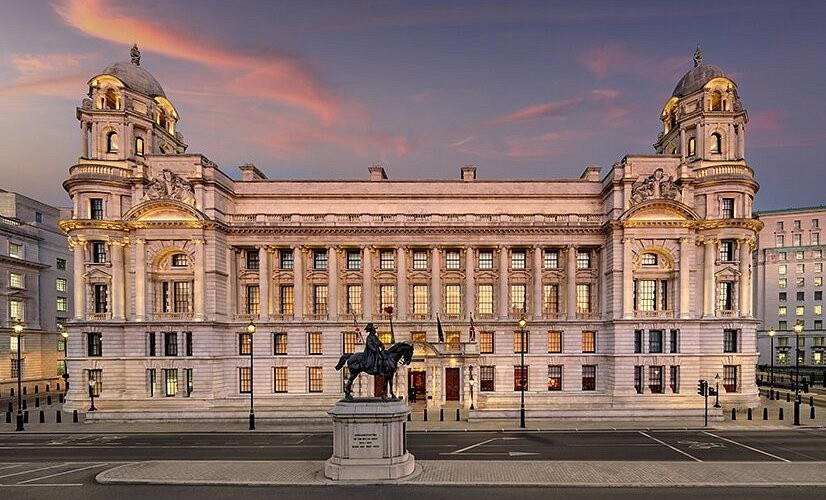
That does not make the district anonymous. Its design logic is simply different. Mayfair hotels often rely on intimacy at street level, with discreet doors and layered interiors. The new-generation London addresses, including 1 Hotel Mayfair, The Emory and Raffles London at The OWO, show how much capital and design attention has returned to central London hospitality. Canary Wharf answers from the east with a more infrastructural proposition: access, space, corporate adjacency and a riverside urban fabric that suits longer working days.
For a traveller choosing between those worlds, the question is not which address carries more mythology. It is what kind of London trip is being built. A theatre-led weekend, a dining crawl through Marylebone and Soho, or an old-school hotel-bar itinerary will usually pull west. A trip organised around Canary Wharf, the City, Greenwich, ExCeL, the Elizabeth line or early meetings in the financial district makes the east feel less like compromise and more like strategy. Dorsett Alpha Square, Canary Wharf belongs to that second pattern.
How Canary Wharf Changes the Hotel Stay
The neighbourhood sets a particular tempo. Weekdays carry the strongest pulse, when office arrivals, lunch traffic and after-work movement activate the squares and concourses. Weekends can feel more residential, especially around the water, with slower footfall and a sense that the district has exhaled. That temporal swing is part of the decision. Guests who want constant street noise and late-night restaurant density should look toward Covent Garden, Soho, Mayfair or Shoreditch. Guests who prefer a controlled base with direct transport and room to move may find Canary Wharf more usable.
London hotel geography is often underestimated by visitors. The city rewards proximity to the reason for travel. A polished hotel in the wrong district can cost more time than it saves in comfort. Canary Wharf’s advantage is transport depth: the Jubilee line connects west through London Bridge, Westminster and Bond Street, while the Elizabeth line has changed the calculation for east-west movement.
The absence of public database details on awards, star rating, rates, room count and style also shapes the editorial assessment. Without those signals, the responsible reading is not to force the property into a luxury tier it has not documented here. Instead, the hotel should be judged as part of Canary Wharf’s functional hospitality set: properties serving finance, events, extended business stays, transit-efficient leisure trips and guests who prefer contemporary districts over heritage quarters.
Where It Sits Among London Hotels
London’s hotel map has become more polarised. At one end are high-ceremony addresses with deep service culture and international recognition. At another are design-led conversions that turn historic buildings into lifestyle hotels, such as NoMad London, where the Covent Garden setting carries its own theatre. Then there are neighbourhood-driven stays, where the address solves a specific city problem: proximity to offices, transport, culture, hospitals, stadiums or family visits. Canary Wharf belongs strongly to this last category, even when properties within it aim for polished interiors and international comfort.
This matters for expectations. The old London hotel fantasy is about being absorbed into tradition. The Canary Wharf proposition is about friction reduction. The district is easier to understand than much of central London, with clear pedestrian routes, visible stations and a cluster of shops and restaurants folded into the office infrastructure. That can feel less romantic, but it is often more efficient. In a city where cross-town travel can consume an evening, efficiency becomes a form of comfort.
Travellers seeking the ceremonial hotel circuit should compare this address with Mayfair and St James’s options through Our full London hotels guide. Travellers building a food-led itinerary should pair the stay decision with Our full London restaurants guide, because restaurant geography can change the logic of a hotel choice. For drinking culture, Our full London bars guide is more relevant than the hotel district alone. London’s wine and experience planning can be mapped through Our full London wineries guide and Our full London experiences guide, particularly when a stay stretches beyond office hours.
Architecture as Practical Luxury
In Canary Wharf, design is less about decorative excess than systems that work. Wide pavements, underground connections, station capacity, retail weatherproofing and managed public space all affect the guest experience. This is a version of hospitality in which the surrounding district carries some of the service burden. A visitor can move from station to hotel zone, find coffee, handle meetings, reach the river and connect across London without the improvisational strain that older neighbourhoods sometimes demand.
The trade-off is atmosphere. Planned districts can feel composed to the point of restraint. The charm of London often lies in irregularity: a pub squeezed beside a churchyard, Georgian brick next to a new restaurant, a shortcut that only makes sense after several visits. Canary Wharf has fewer of those accidents. Its appeal is legibility. That is not a minor quality for international travellers arriving after a long flight, or for business guests who need the city to behave on a schedule.
Hotel design in this context should be judged by how well it mediates between tower-district scale and private rest. The broader point remains: in this postcode, the strongest design asset may be the urban frame outside the room, not a chandelier, staircase or lobby tableau.
Planning a Stay Without Overreading the Sparse Signals
The practical approach is conservative. Because no price range is listed, travellers should compare live rates against both Canary Wharf peers and central London alternatives on the same dates. Rate gaps can change sharply between office-heavy weekdays and softer leisure periods. Because no star rating or awards are recorded, the property should not be treated as equivalent to London’s trophy hotels without direct evidence from current booking pages, guest policies and room photography.
Timing also depends on the reason for travel. For a weekday finance or corporate itinerary, planning earlier is sensible because Canary Wharf demand can track meeting calendars and major events. For a weekend stay, the district may price differently from the West End, but that should be checked date by date rather than assumed. London’s event calendar, rail disruptions and airport arrival patterns can all affect whether an east-side base feels smooth or inconvenient.
Room selection needs the same discipline. In a high-rise district, guests often care about outlook, sound insulation, lift access and proximity to transport-facing entrances, but those are questions to verify before committing. The editorial rule is simple: in Canary Wharf, practical details carry more weight than romance. The right room is the one that supports the trip’s timetable.
Who Should Put This on the Shortlist
This address makes sense for travellers whose London is anchored east of the West End. Canary Wharf meetings, City appointments, Greenwich plans, Docklands events and Elizabeth line movement all strengthen the case. It is less naturally suited to travellers whose days revolve around Knightsbridge shopping, Mayfair dining, West End theatre and late Soho bars, unless they specifically prefer returning to a quieter district at night.
The comparison set can extend beyond London. Guests who like contemporary, location-specific hotels may also be considering regional or international addresses where the setting defines the stay as much as the property. Within the EP Club hotel map, that could mean country-house contrast at Lime Wood in Lyndhurst, estate-led hospitality at Estelle Manor in North Leigh or The Newt in Somerset in Castle Cary, Scottish resort scale at Gleneagles in Auchterarder, harbour character at Antonia's Pearls in Charlestown Harbour, townhouse mood at Hotel du Vin at One Devonshire Gardens in Glasgow, remote estate privacy at Kilchoan Estate in Inverie or city-centre practicality at The Rutland in Edinburgh. The point is not that these properties resemble one another, but that each asks the traveller to choose setting before amenities.
Internationally, the same location-first logic applies at different registers, from Muir, A Luxury Collection Hotel, Halifax in Halifax to The Fifth Avenue Hotel in New York City, Hôtel de Paris Monte-Carlo in Monte Carlo and Badrutt's Palace Hotel in St. Moritz. Those names carry different histories and service signals, but the planning principle holds: the neighbourhood or resort context determines how the hotel functions.
How It Compares
Comparable venues nearby, for context on price, style, and recognition.
| Venue | Cuisine | Price | Awards | Notes |
|---|---|---|---|---|
| Dorsett Alpha Square, Canary WharfThis venue — the venue you are viewing | Contemporary high-rise hotel integrated into the Consort Place mixed-use development, positioned as a modern, sustainability-focused hub for Canary Wharf’s financial and media clientele. | $$$ | 4-Star | Not listed |
| The Bailey’s Hotel London Kensington | Victorian heritage hotel with contemporary restoration, blending historic charm with modern luxury amenities across five themed floors. | $$$ | 4-Star | Earl's Court |
| Hotel Saint | Contemporary city hotel with skyline views | $$$ | 4-Star | Aldgate |
| The Standard London | Contemporary luxury boutique hotel housed in a restored brutalist landmark with playful, graphic design principles and a social-first approach to hospitality. | $$$$ | 4-Star | Whitehall |
| The Portobello Hotel | Bohemian luxury boutique with eclectic, highly textured design celebrating the artistic heritage of Notting Hill and Portobello Road market. | $$$ | 4-Star | Notting Hill |
| Aman Spa | Contemporary Asian-inspired design juxtaposed with quintessentially British Victorian heritage | $$$$ | 4-Star | Mayfair |
Continue exploring
More in London
Hotels in London
Browse all →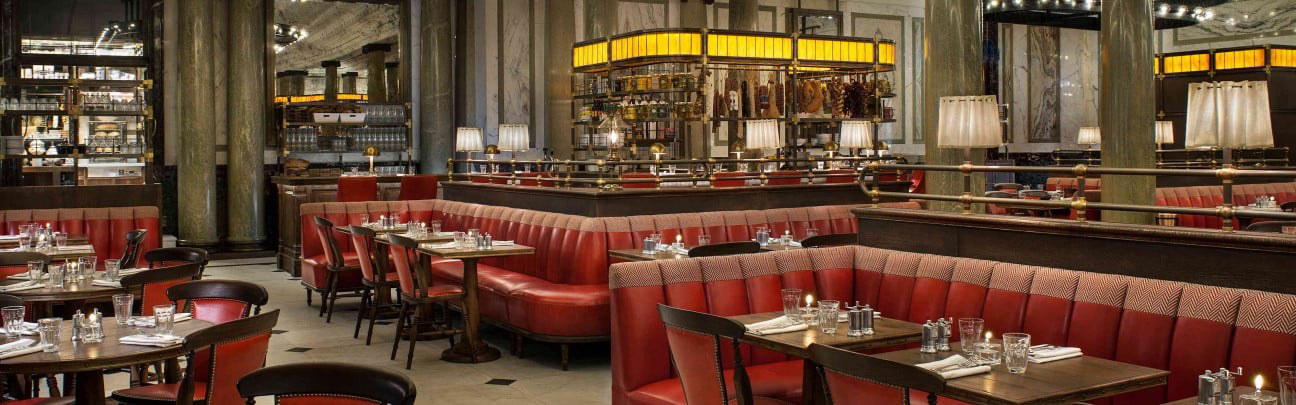
Bars in London
Browse all →
Restaurants in London
Browse all →



At a Glance
- Modern
- Elegant
- Scenic
- Sophisticated
- Business Trip
- Weekend Escape
- Group Retreat
- Celebration
- Waterfront
- Terrace
- Panoramic View
- Design Destination
- Wi Fi
- Fitness Center
- Restaurant
- Bar
- Business Center
- Skyline
- Waterfront
- Wi Fi
- Fitness Center
- Restaurant
- Bar
- Business Center
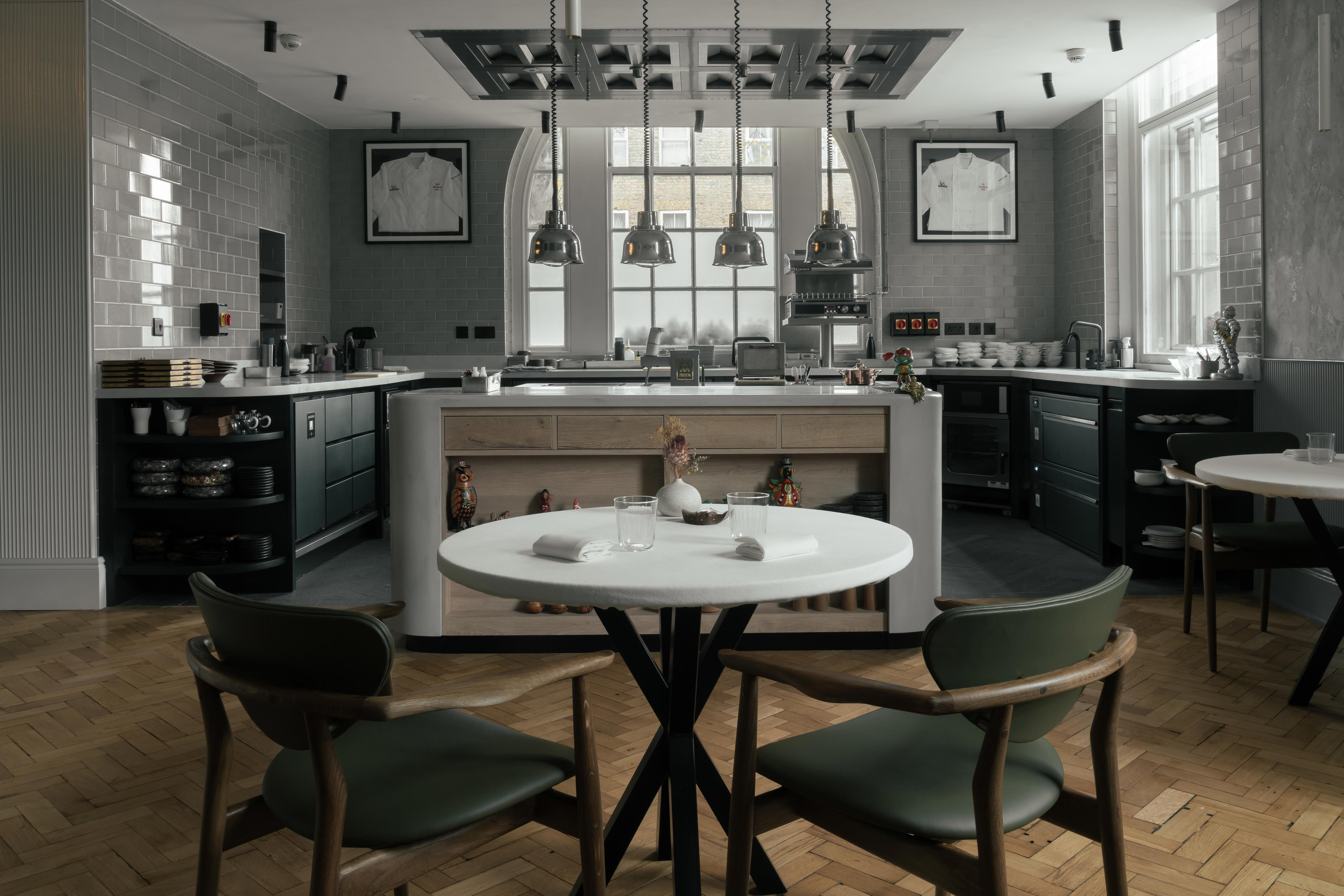
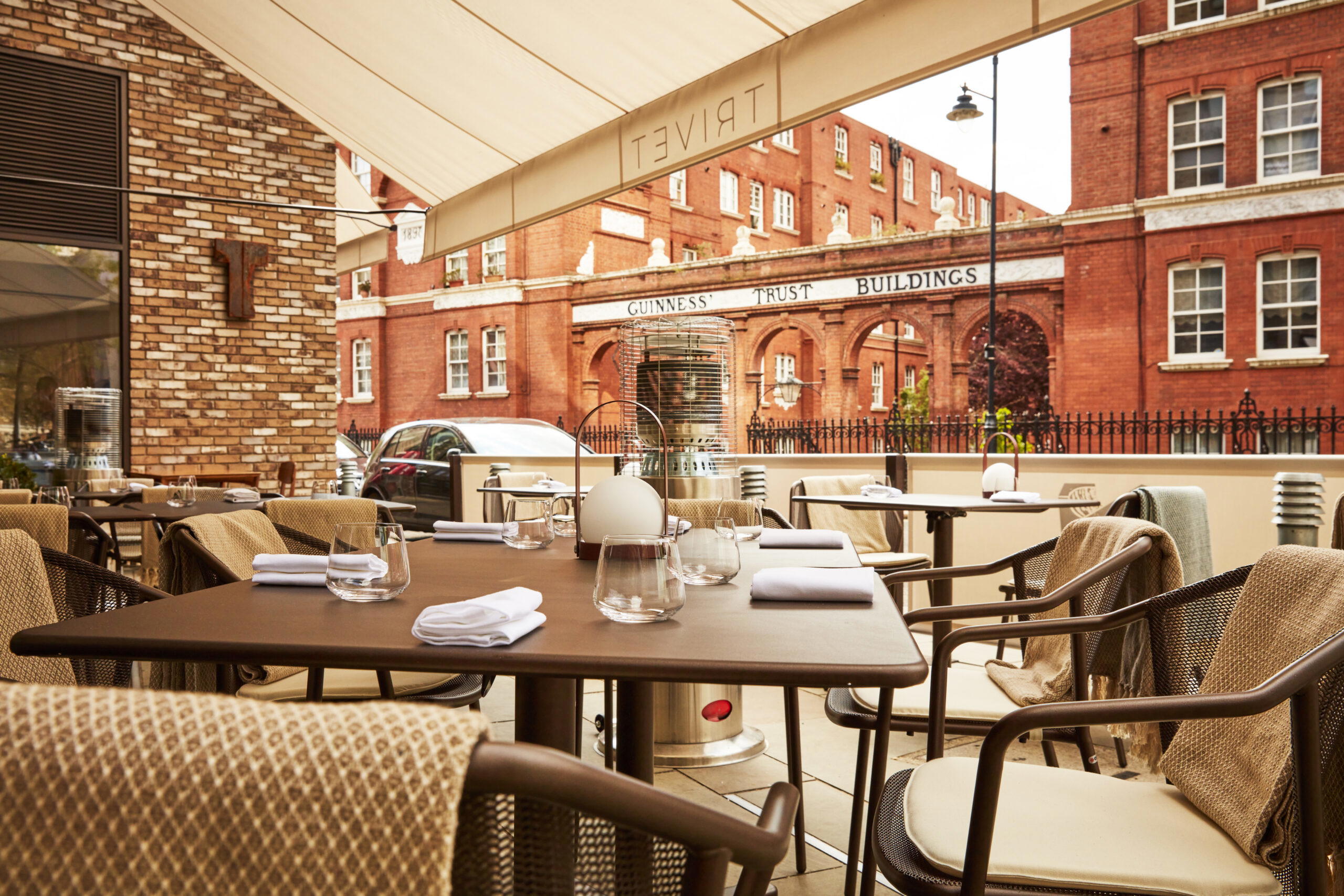
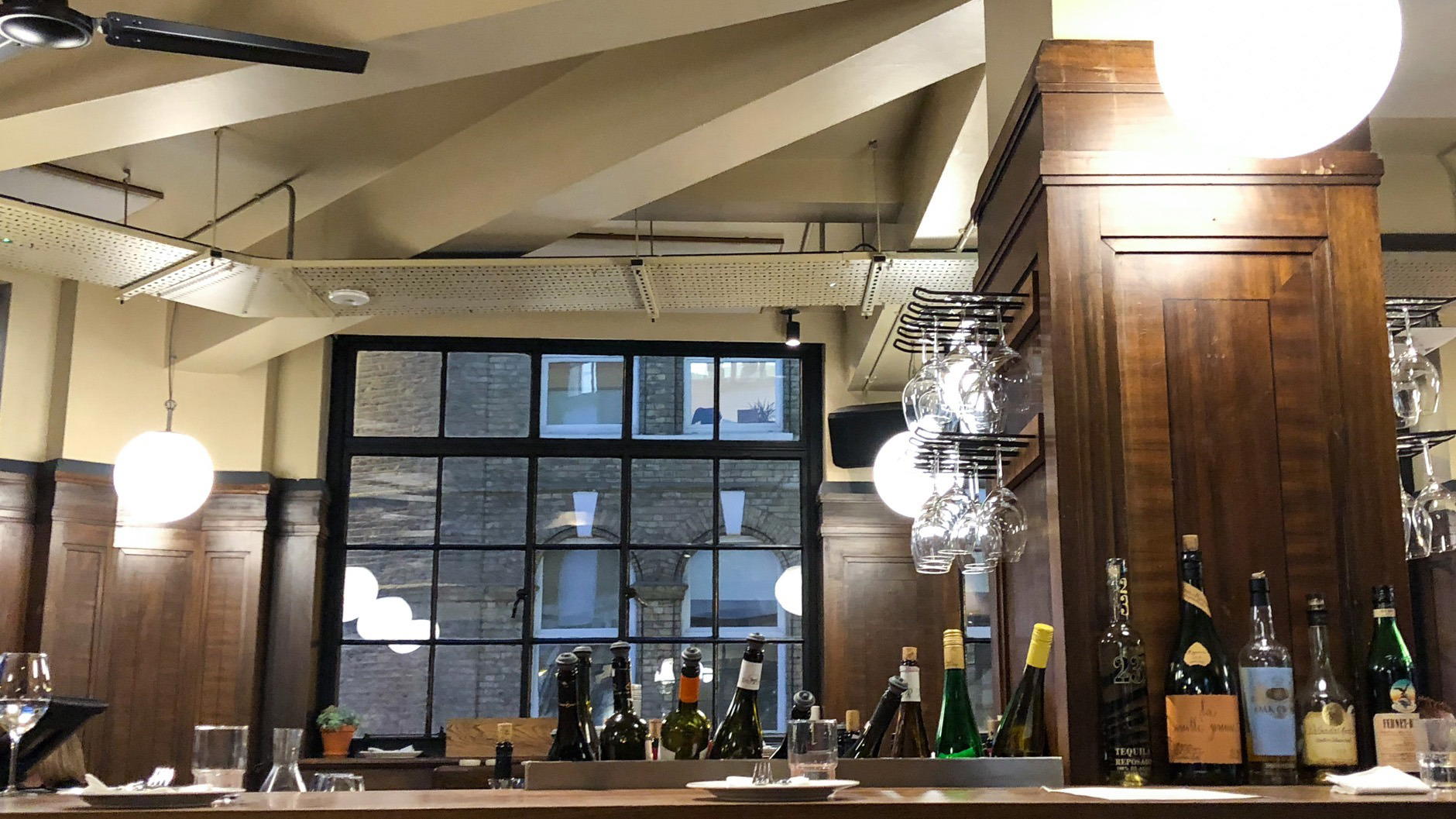
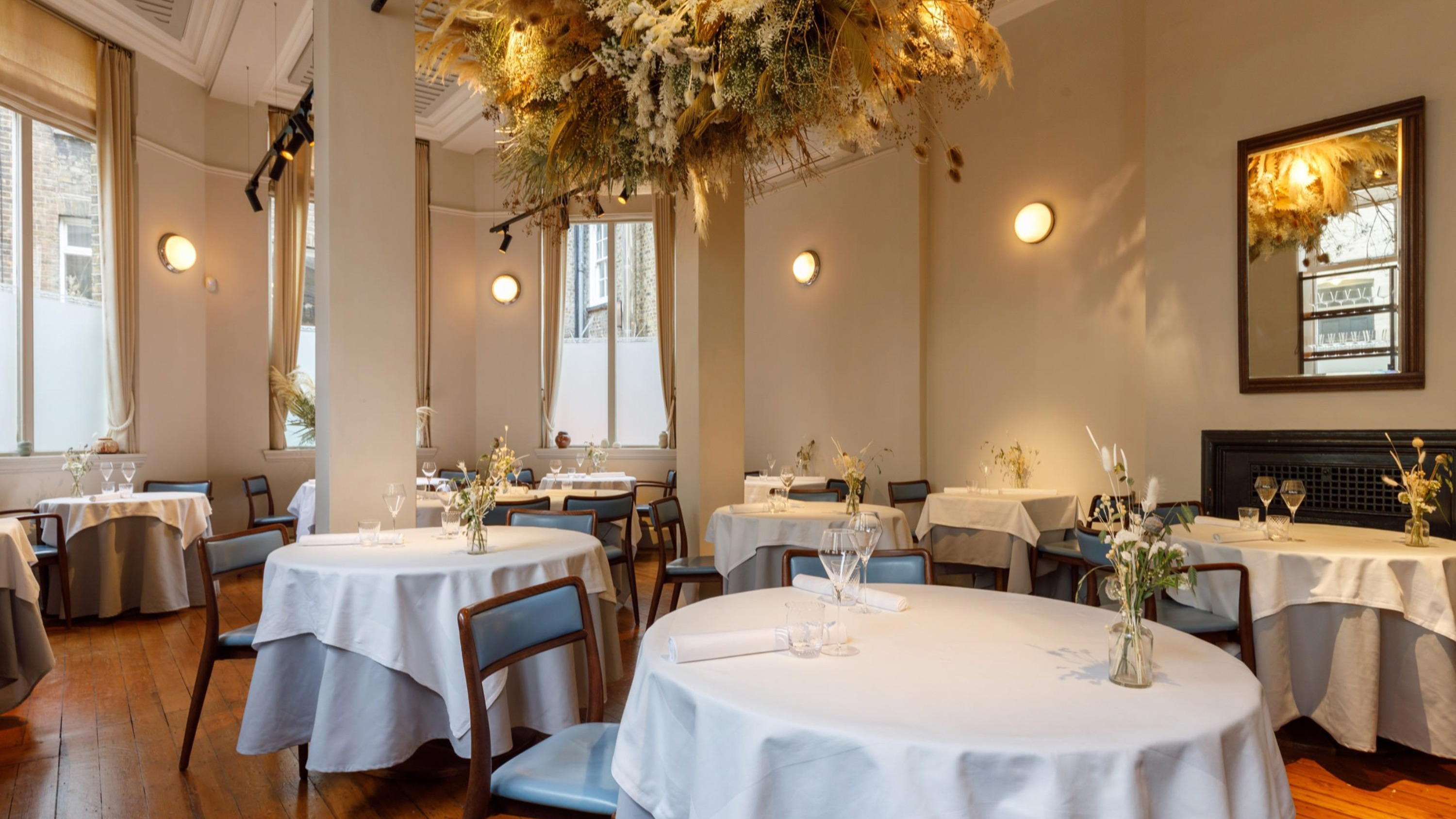
A contemporary, design-led business hotel with clean modern lines, bright public spaces, and a polished but relaxed atmosphere oriented to business and leisure travelers alike, polished by a dramatic rooftop bar setting above the docks and towers of Canary Wharf.