The Standard London


The Standard London occupies a striking brutalist building in King's Cross, positioning itself at the crossroads of design-led hospitality and neighbourhood energy that has come to define the area's recent transformation. With multiple dining and drinking outlets across the property, the hotel draws a crowd that skews younger and more style-conscious than the traditional London luxury tier.
Pearl is the En Primeur Club membership app — saves, bookings, and concierge access live there. Same editors, same standards.
- Address
- 10 Argyle St, Kings Cross, London, WC1H 8EG, United Kingdom
- Phone
- +44 20 3981 8888
- Directions
- Get directions
 Saves & bookings on Pearl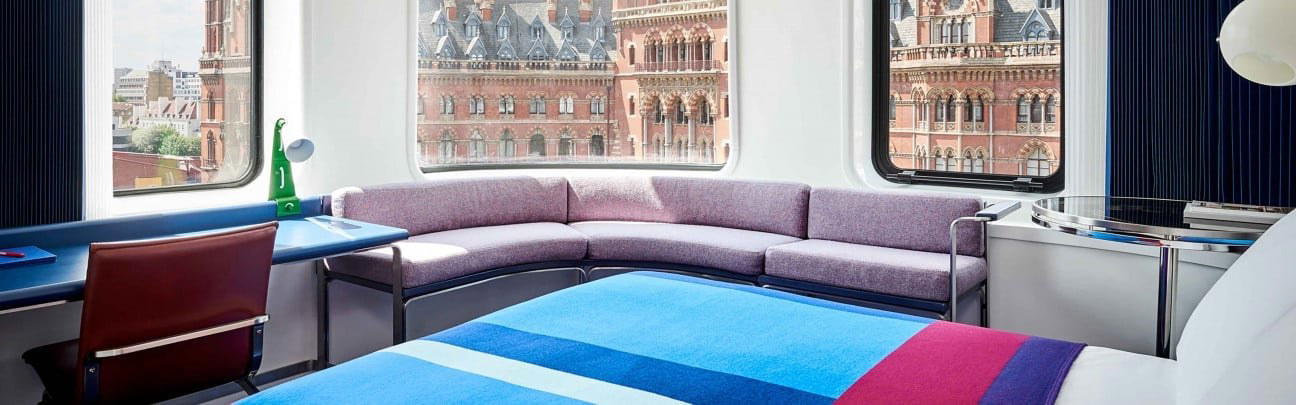
King's Cross and the Design-Hotel Shift
The Standard London is a 4-star hotel in King's Cross, London, with 266 rooms and rates from about $250 per night. London's hotel market has sorted itself into two broad camps over the past decade: the grand heritage houses of Mayfair and Belgravia, Claridge's, The Connaught, The Savoy, and a newer generation of design-forward properties that built their identity around programme and atmosphere rather than pedigree. The Standard London belongs firmly to the second cohort. Its location in King's Cross is itself a statement: a neighbourhood that spent most of the twentieth century as a transit point and has since become one of the city's most actively developing cultural zones, anchored by the reopened St Pancras, the Coal Drops Yard retail district, and a cluster of design and media businesses that arrived when rents made it viable.
The building the hotel occupies, a former Camden Council headquarters dating to the 1970s, was never conventionally beautiful, and The Standard made no attempt to sand down that awkwardness. The cantilevered upper floors, the bold colour blocking, the exterior that reads more as provocation than invitation: these are deliberate choices that align the property with a comparable set closer to NoMad London in Covent Garden or 1 Hotel Mayfair than to the white-glove corridor of Park Lane. The comparison is useful precisely because it clarifies what The Standard is and is not competing for.
The Drinking and Dining Programme
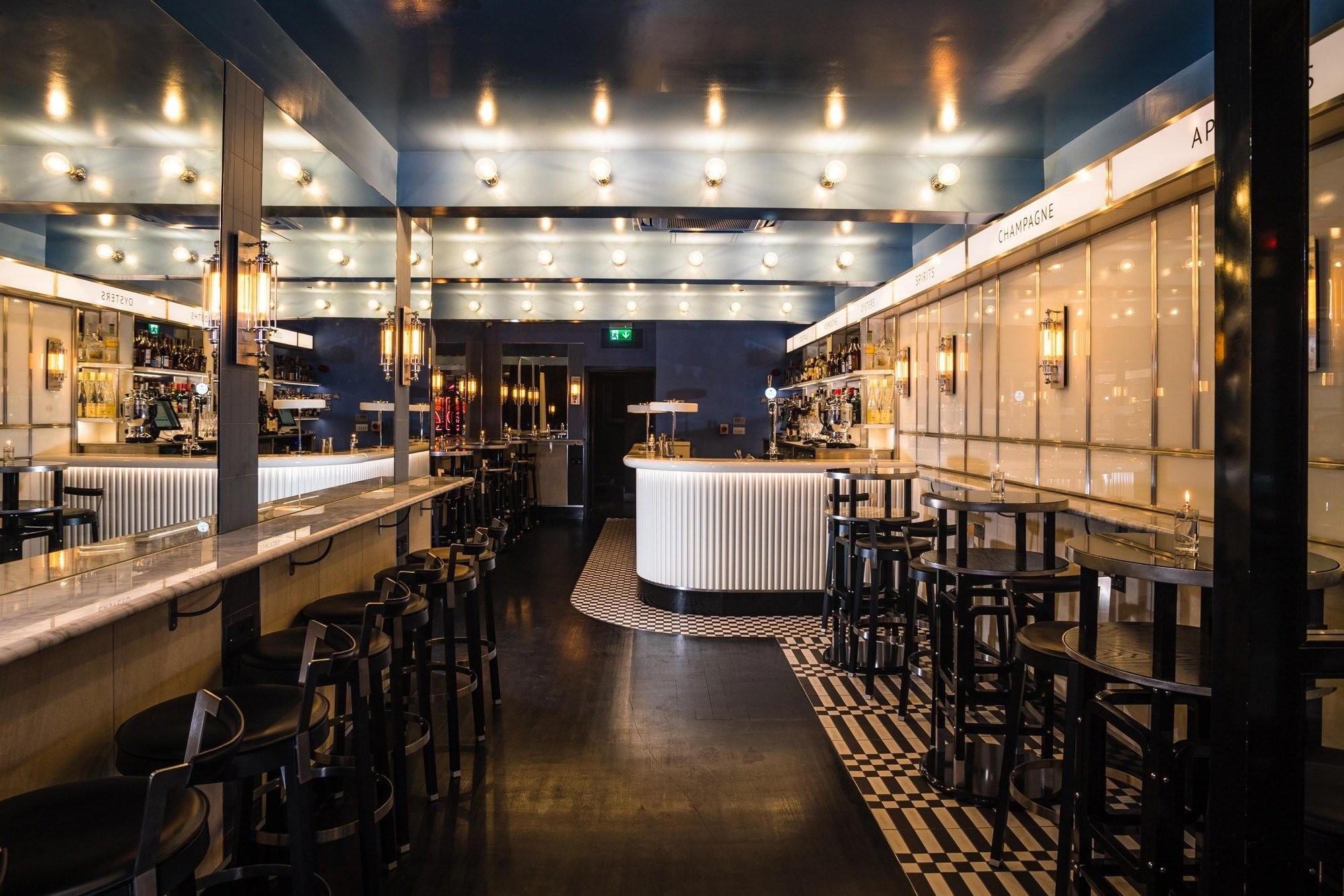
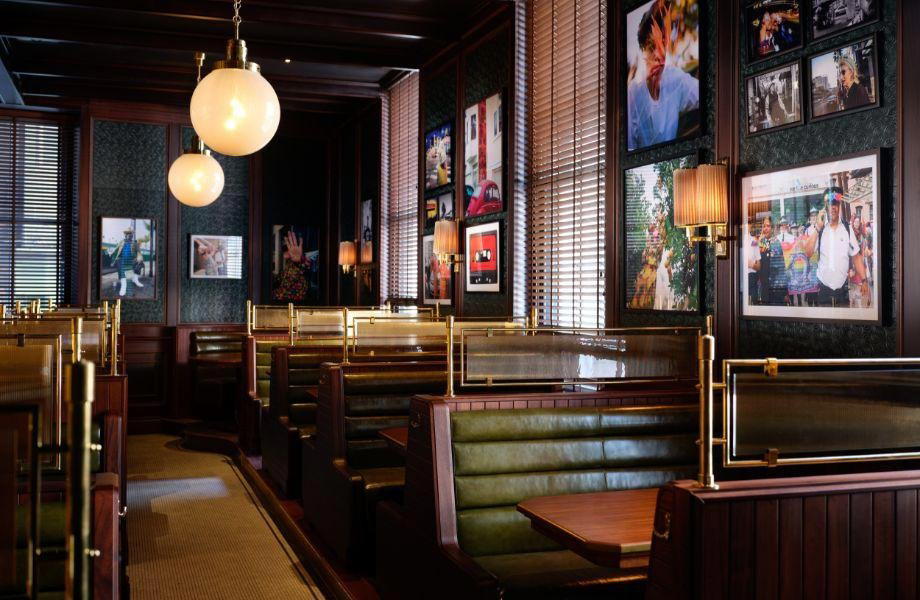
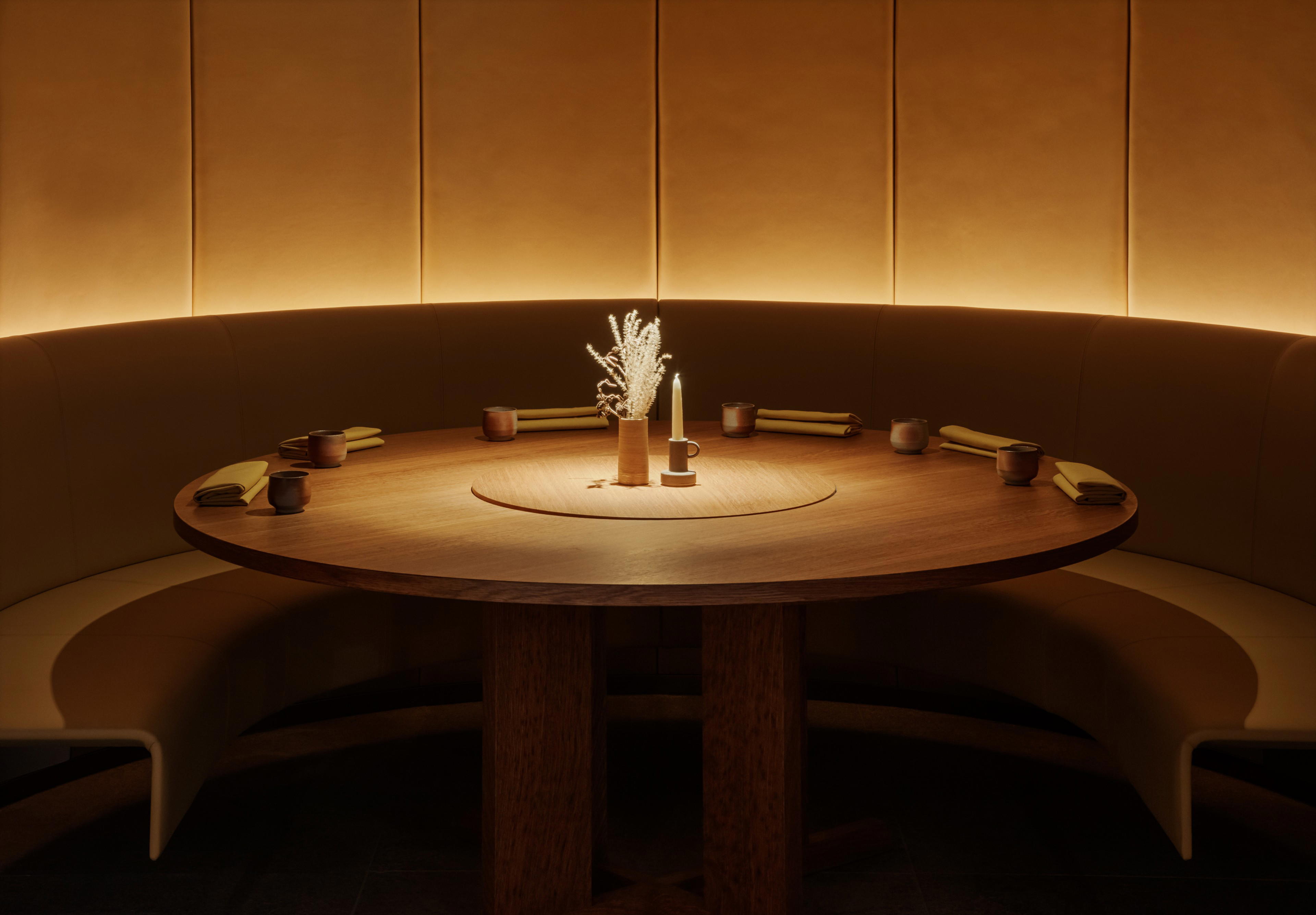
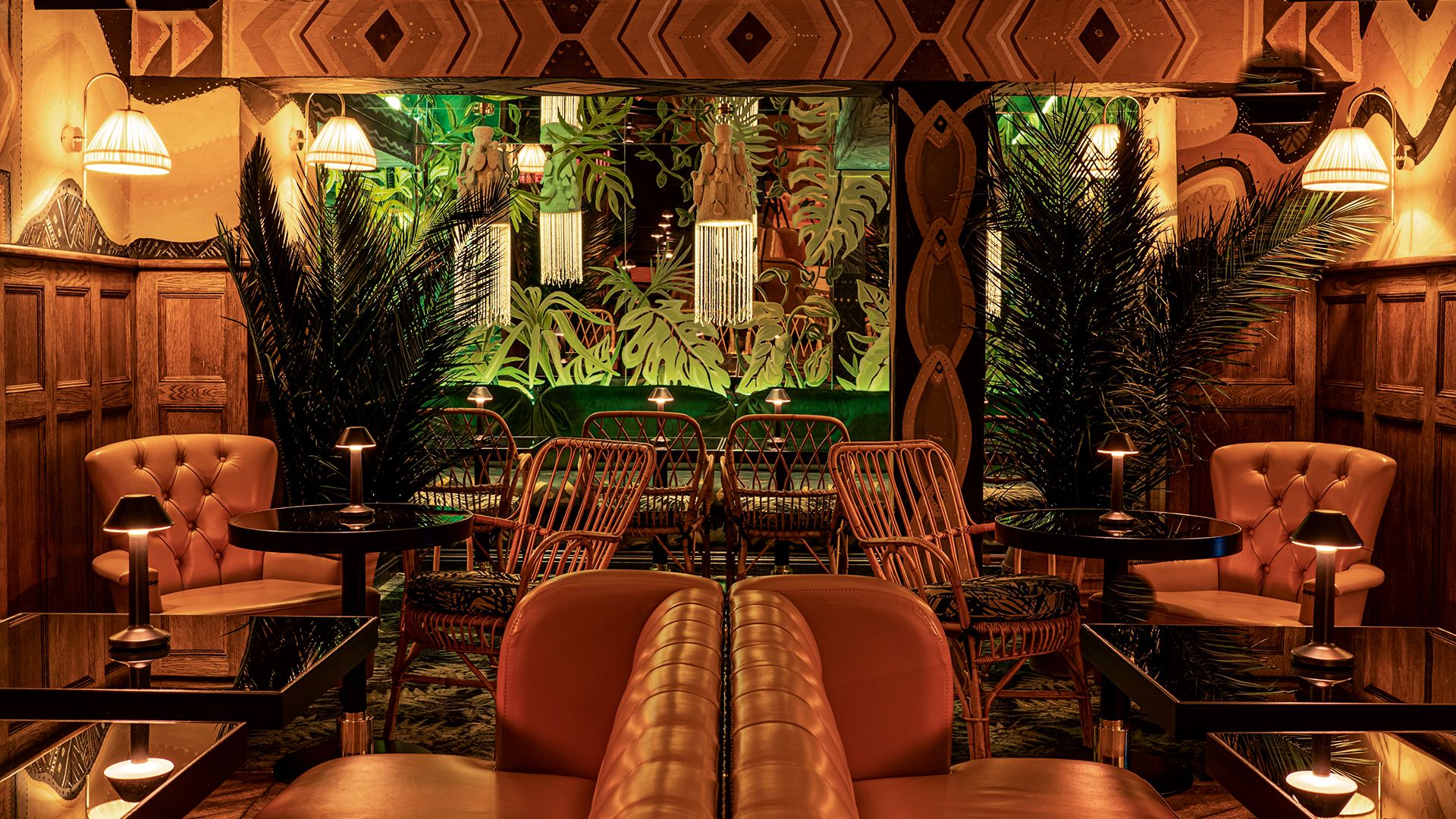
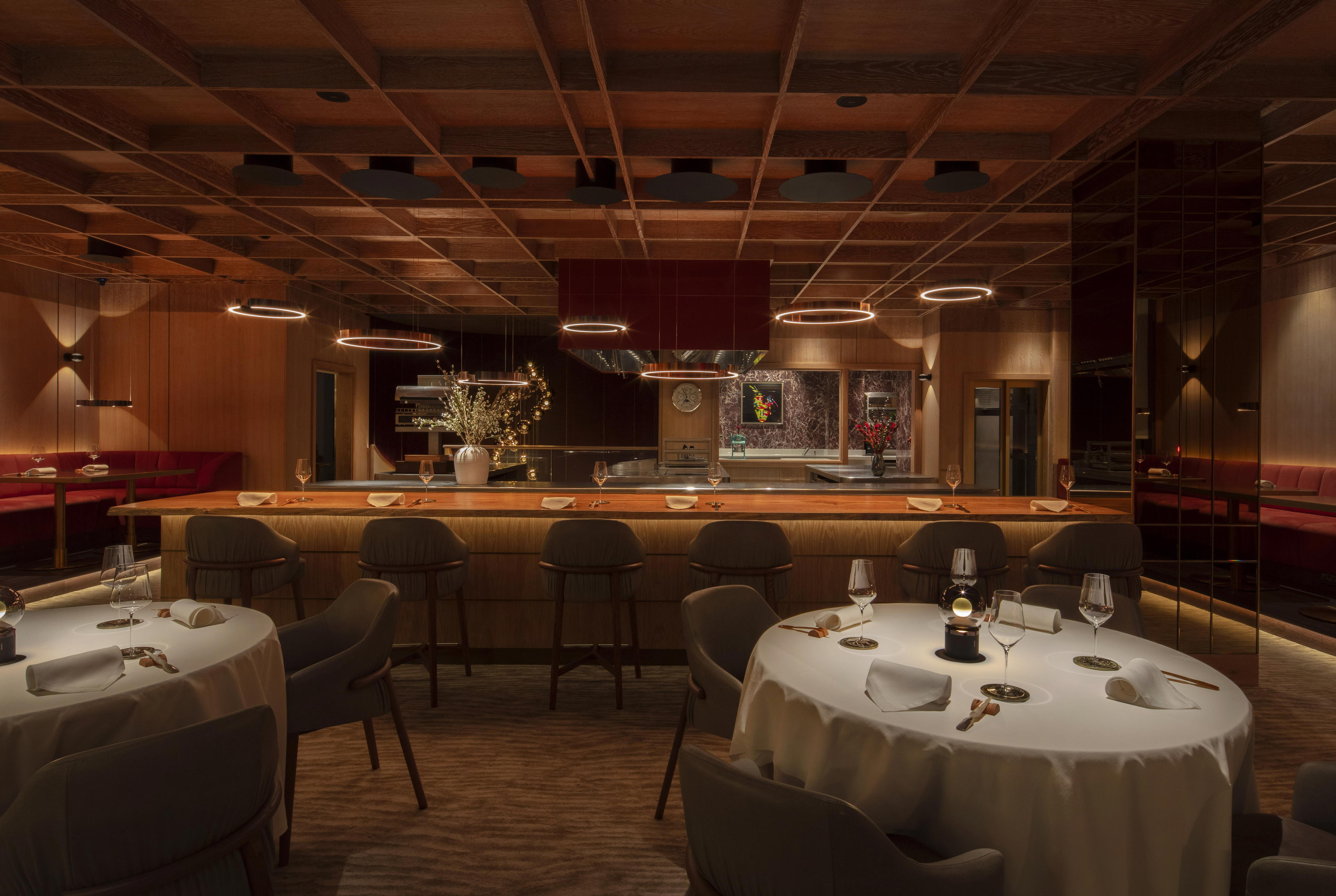
Multi-outlet hotel food-and-drink programmes have become the baseline expectation for properties at this level, but the quality spread between them varies considerably. The Standard London runs several distinct spaces across the building, a ground-floor restaurant, a rooftop bar, and additional drinking venues at different levels, each calibrated to a different time of day and a different crowd. This vertical programming model, which the Standard brand has used across its US properties, attempts to give the hotel a life beyond the guest base and draw the surrounding neighbourhood in as a daily constituency.
The rooftop position matters here. King's Cross sits at a point where views north and west open up across a relatively low-rise streetscape, and refined bars in that part of the city carry a scarcity value that similar spaces in Mayfair or the City do not. The result is a booking pressure on the rooftop that functions independently of hotel occupancy, a pattern visible at comparable properties across London, where the bar or restaurant develops its own reputation and waiting list distinct from the rooms above it.
Where the Wine Programme Fits
In the broader category of London hotel bars, wine programmes have bifurcated sharply. At the heritage end, properties like Raffles London at The OWO or The Emory, cellar depth and sommelier expertise are positioned as competitive differentiators, with lists running to several hundred references and in-house specialists managing allocation relationships with importers. Design-led hotels in the Standard's tier have historically prioritised cocktail programmes over wine, partly because cocktails photograph better and partly because they require less capital tied up in inventory.
Where The Standard London's beverage programme distinguishes itself is in the deliberate crossover audience it targets: a crowd that knows enough to want natural and low-intervention wines by the glass alongside a serious spirits list, but that is unlikely to spend an evening working through a leather-bound cellar book. This positions the hotel's drinking venues closer to the better independent bars and wine rooms in Islington or Bermondsey than to the traditional hotel sommelier experience. For travellers who want that specific register, knowledgeable but unstuffy, with a list that reflects current London drinking tastes rather than a conservative international benchmark, the offer lands well. Those seeking the depth of a Connaught-calibre cellar will look elsewhere.
Rooms and the Design Logic
The Standard's room count gives it a scale that sits between boutique and mainstream, large enough to absorb conference groups without being defined by them. Interior design across room categories leans into the building's brutalist bones rather than softening them, with colour choices and furniture that read as period-adjacent to the structure's 1970s origins. This is a deliberate interpretive move that connects the property to a broader trend in adaptive reuse hospitality, where the building's history is treated as content rather than obstacle. Properties like Estelle Manor in North Leigh or The Newt in Somerset apply the same logic to rural English heritage buildings; The Standard applies it to post-war civic architecture.
Room categories vary by floor position, with higher floors carrying the view premium that the building's cantilevered design creates. The gap between entry-level rooms and upper-floor categories is meaningful in a building of this shape, where outlook changes significantly with elevation. For a short stay focused primarily on London access and social programming rather than in-room time, entry and mid-tier categories represent reasonable value against the neighbourhood alternatives. For those whose itinerary centres on the room itself, the kind of stay that might lead someone to 11 Cadogan Gardens or a suite at Raffles London at The OWO, the upper categories warrant the additional spend.
How It Places in London and Beyond
Compared to the UK's broader design-led hotel scene, the hotel operates at a register that few regional properties match. Hope Street Hotel in Liverpool, King Street Townhouse in Manchester, and Glasgow Grosvenor Hotel each occupy design-aware positions in their own cities, but they operate within different market pressures and price contexts. The hotel competes on a more international axis, benchmarking against properties in New York, where the brand's other flagships operate alongside The Fifth Avenue Hotel and Aman New York, rather than against provincial British alternatives.
For travellers using London as a European base before moving on, King's Cross's transport position is a genuine practical argument. St Pancras International connects directly to Paris and Brussels via Eurostar, and the station's proximity makes The Standard a logical staging point for itineraries that combine London with continental travel, in the same way that a property like Aman Venice functions as an anchor at the other end of that kind of journey.
Know Before You Go
- Location: King's Cross, London, walking distance from St Pancras International (Eurostar) and King's Cross St Pancras Underground station
- Room categories: Multiple tiers; upper-floor rooms carry a meaningful view premium given the building's cantilevered structure
- Dining and drinking: Several distinct outlets across the property, including a rooftop bar that operates independently from hotel occupancy and books up separately
- Beverage approach: Cocktail-forward programme with natural and low-intervention wine options by the glass; not a deep-cellar, sommelier-led experience
Booking and Cost Snapshot
Comparable venues nearby, for context on price, style, and recognition.
| Venue | Price | Awards | Notes |
|---|---|---|---|
| The Standard LondonThis venue — the venue you are viewing | $$$$ | 4-Star | Not listed |
| The Webster | $$$$ | 4-Star | Covent Garden, Lifestyle hotel emphasizing analogue experiences and cultural immersion |
| The Mandeville Hotel | $$$$ | 4-Star | Marylebone, Sophisticated boutique hotel in a renovated Georgian building. |
| Kettner's | $$$$ | 4-Star | Soho, Historic Georgian townhouses with 1920s Art Deco revival |
| Hazlitt's | $$$$ | 4-Star | Soho, Georgian townhouse with authentic period restoration |
| Miiro Templeton Garden | $$$$ | 4-Star | Earl's Court, Victorian terrace with contemporary garden extension |
Recognition history
Dated appearances from independent guides and award organizations, with the underlying list record or original source where available.
House & Garden 2026 House & Garden Best Hotels in London
House & Garden
Mr & Mrs Smith Smith Seal of Approval
Mr & Mrs Smith
Michelin Selected
Michelin



At a Glance
- Trendy
- Lively
- Modern
- Energetic
- Sophisticated
- Industrial
- Weekend Escape
- Celebration
- Group Retreat
- Business Trip
- Rooftop Pool
- Historic Building
- Design Destination
- Panoramic View
- Terrace
- Wi Fi
- Fitness Center
- Room Service
- Concierge
- Bar
- Restaurant
- Skyline
- Street Scene
- Wi Fi
- Fitness Center
- Room Service
- Concierge
- Bar
- Restaurant
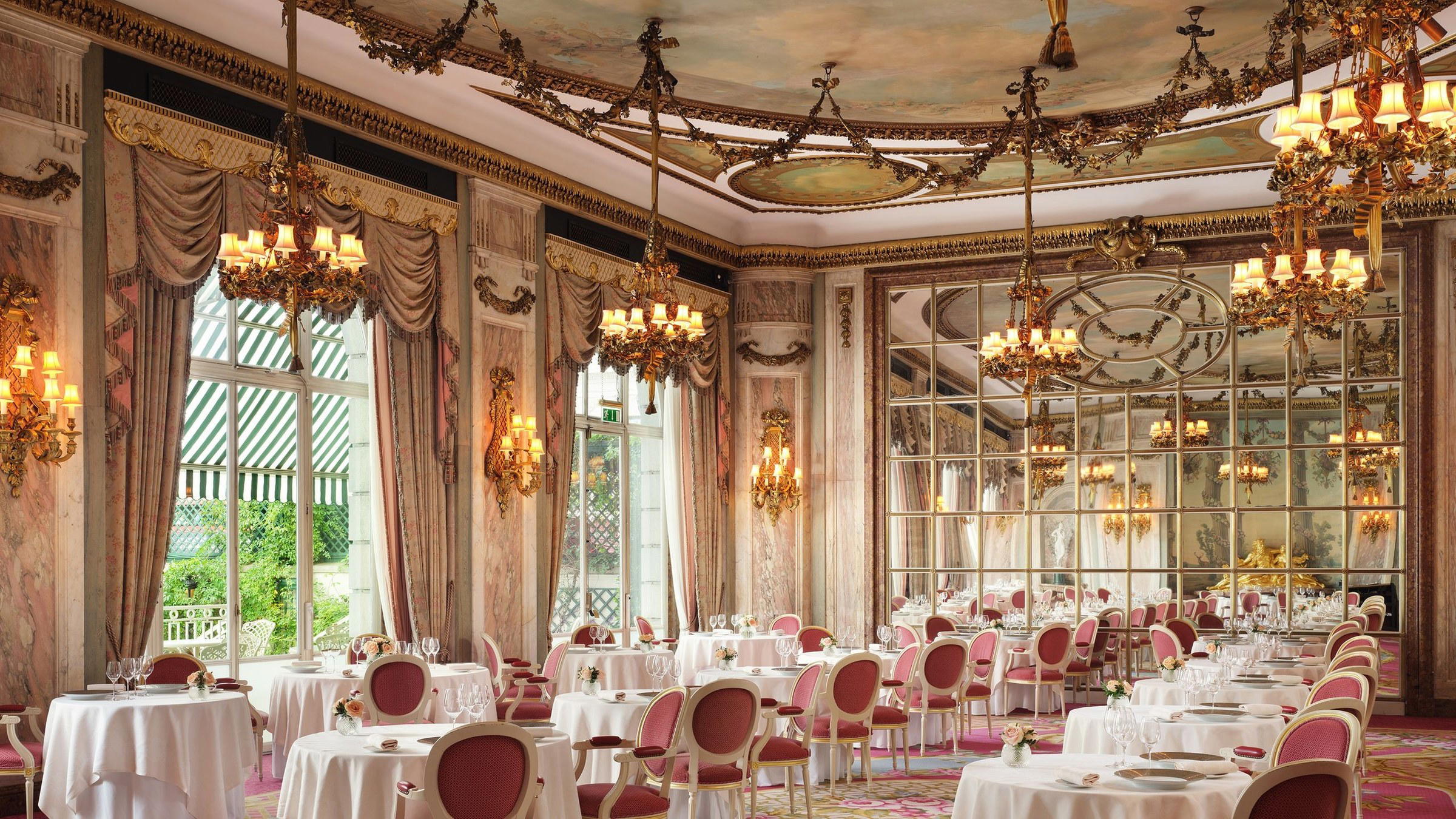
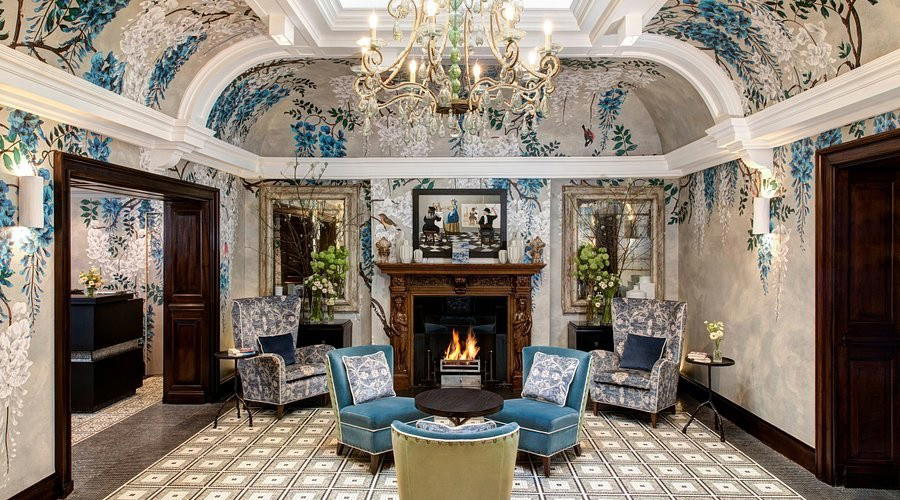
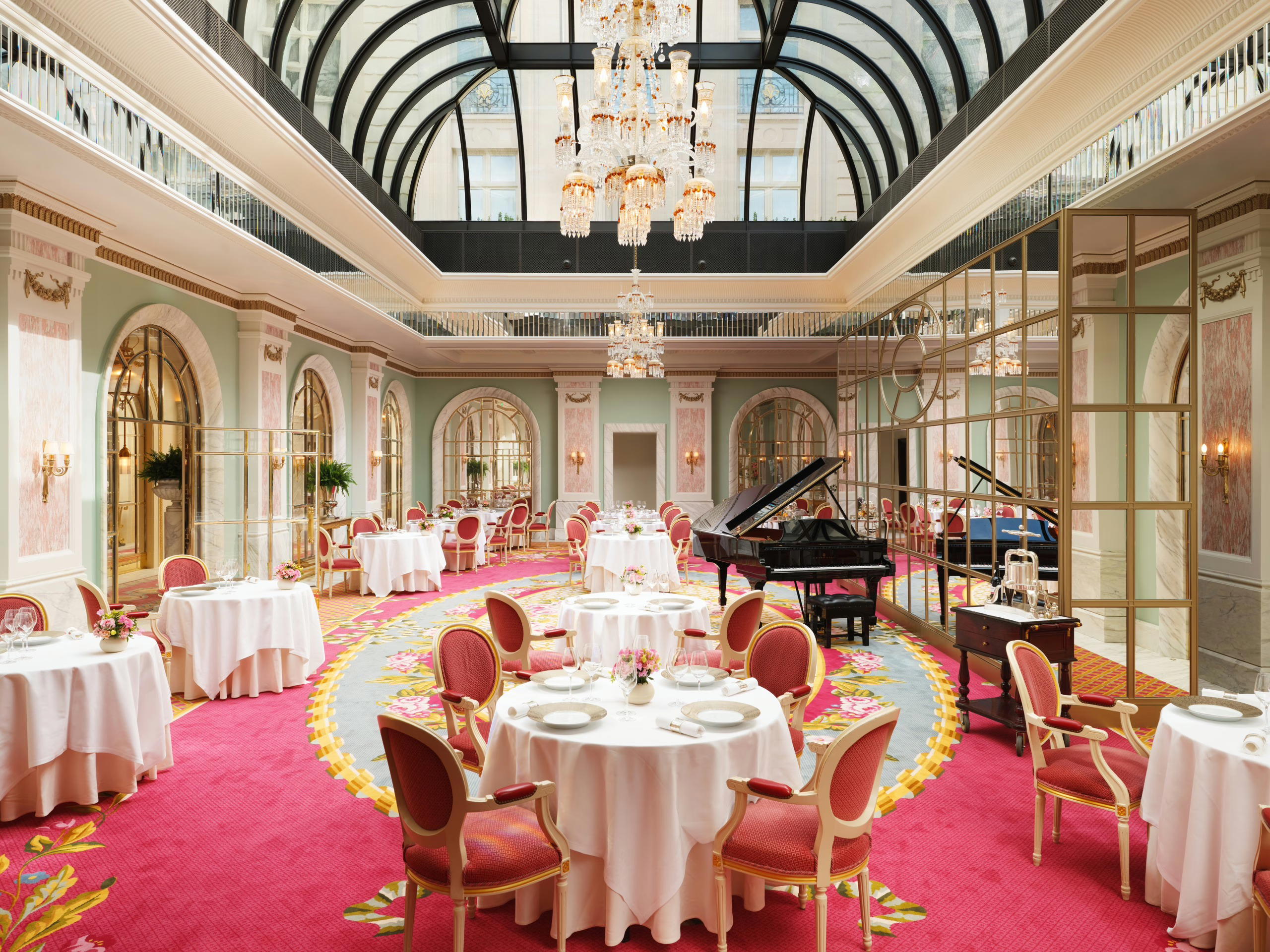
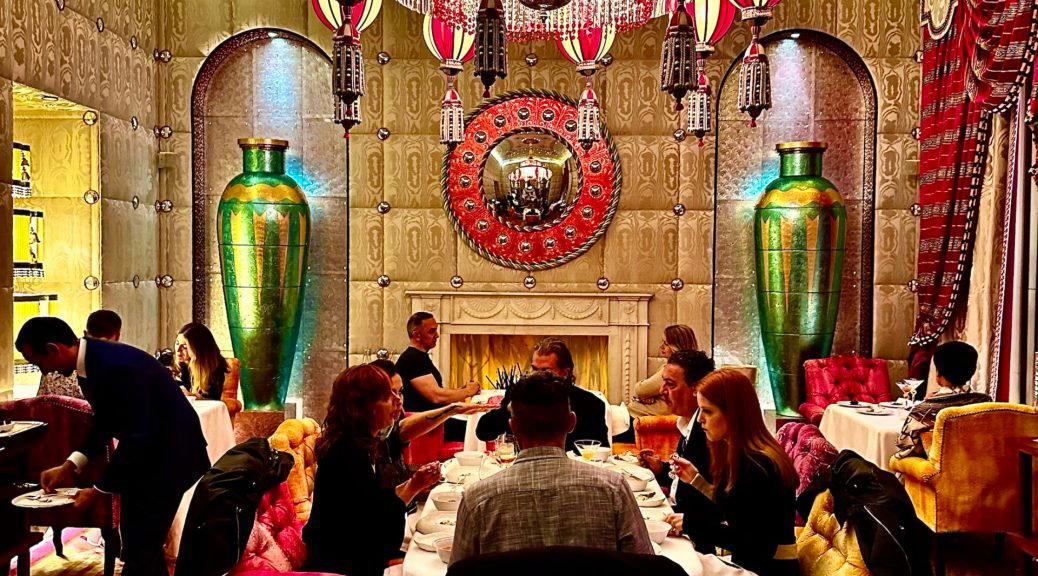
Bold, graphic design with bright, colorful interiors contrasting the building's concrete brutalist exterior; lively and playful with a retro-chic 70s vibe; energetic public spaces balanced with intimate room sanctuaries.