Cromlix


A Victorian country house hotel in rural Stirlingshire, Cromlix sits in a tier of Scottish estate hotels that compete on intimacy and setting rather than scale. Its 2026 La Liste recognition at 95.5 points places it among the UK's most considered rural retreats. For those travelling between Edinburgh and the Highlands, it represents a specific kind of Scottish hospitality that larger resort hotels cannot replicate.
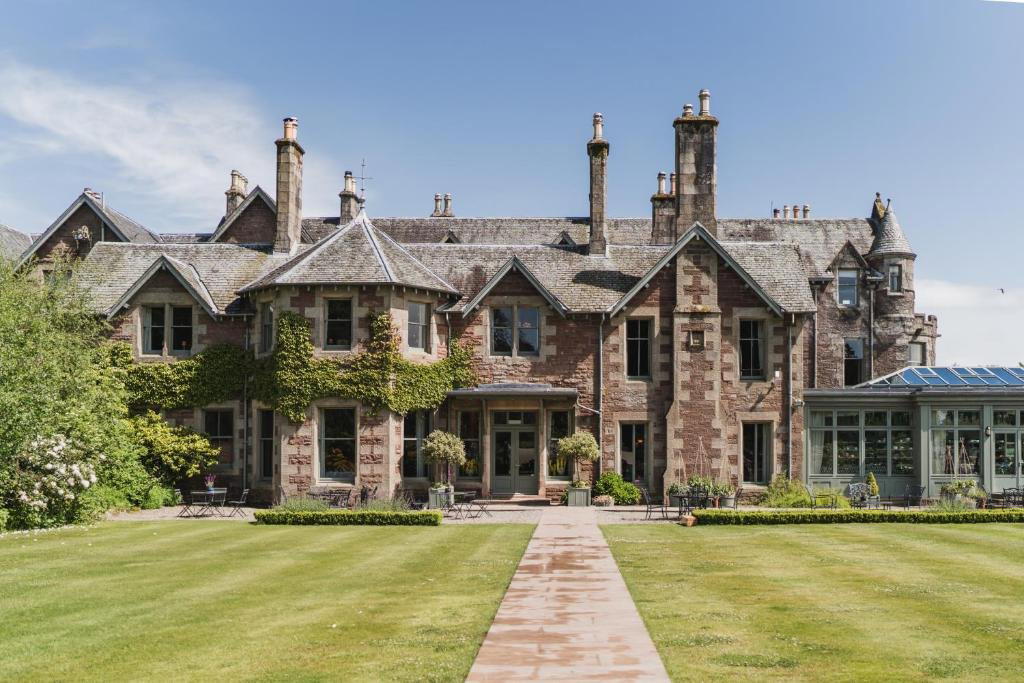
A Victorian Estate in Scotland's Central Belt
The approach to Cromlix sets the register before you reach the door. A private tree-lined drive in rural Stirlingshire, roughly equidistant between Edinburgh and Stirling, delivers you to a Victorian country house that operates at the quieter, more deliberate end of Scottish estate hospitality. There is no golf resort infrastructure here, no conference wing, no lobby bar calibrated for volume. What the property offers instead is the particular atmosphere that comes from a house built for private occupation rather than commercial scale — a quality that is increasingly difficult to manufacture and, for a certain kind of traveller, impossible to substitute.
The surrounding countryside reinforces that register. Kinbuck sits on the edge of the Ochil Hills, with Strathallan stretching south and the approach to the Southern Highlands beginning to the north. The landscape does the work that marketing cannot: the sense of arrival at Cromlix is inseparable from the geography that frames it.
Where Cromlix Sits in the Scottish Estate Hotel Market
Scotland's premium rural hotel market has long divided between two recognisable poles. At one end sit the large resort properties, anchored by facilities: championship golf, full spa complexes, multiple dining formats, the kind of amenity list that justifies a high rack rate on paper. Gleneagles in Auchterarder, less than fifteen miles south, is the defining example of that model in central Scotland, a property where the breadth of activity is itself the proposition.
Cromlix operates from the opposite logic. It belongs to the cohort of low-key British estate hotels where intimacy is the product, where a limited number of rooms and suites means that the house never fills to the point of feeling impersonal, and where the dining room and drawing rooms retain the atmosphere of a private residence. In England, properties like Lime Wood in Lyndhurst, Estelle Manor in North Leigh, and The Newt in Bruton occupy this same tier — properties whose identity is architectural and atmospheric rather than amenity-led. Cromlix is the Scottish entry point into that conversation.
That positioning is now backed by external validation. The 2026 La Liste Leading Hotels ranking awarded Cromlix 95.5 points, placing it in the upper tier of recognised UK country house hotels. La Liste's methodology draws on a broad survey of international restaurant and hotel guides, making a score at this level a cross-referenced endorsement rather than a single-panel judgment. For a property of Cromlix's scale, that recognition matters: it signals that the intimacy-over-amenity model is being executed with enough consistency to register on a global index.
The Architecture and Interior Character
Victorian Scottish baronial architecture , the style to which Cromlix broadly belongs , is a specific idiom with its own internal logic. Pitched turrets, dressed stone, mullioned windows and formal reception rooms were the grammar of a prosperous rural Scotland that wanted to signal permanence and proportion. Many houses in this tradition have been converted in ways that fight the architecture: contemporary interiors that treat the Victorian bones as mere backdrop, or over-restoration that preserves surfaces at the expense of life.
The more considered approach, which defines the upper end of this category, is to work with the building's proportions while introducing materials and furnishings that feel inhabited rather than staged. The best-regarded UK estate conversions , from Abbots Grange Manor House in Broadway to Amberley Castle , earn their reputations by understanding that the architecture itself is the primary amenity, and that the interior's job is to make the guest feel that they are living inside it rather than visiting it.
At Cromlix, the Victorian house provides a core of formal reception rooms and principal bedrooms, with the grounds adding the kind of private outdoor space that gives a stay its rhythm. The chapel on the estate is an architectural feature that sets Cromlix apart from most comparable Scottish properties, and has made it a recognised destination for private celebrations alongside leisure stays. That dual identity , house hotel and events venue , is common at this tier of the market, and when handled well it reinforces rather than dilutes the residential atmosphere.
Dining and the Estate Table Tradition
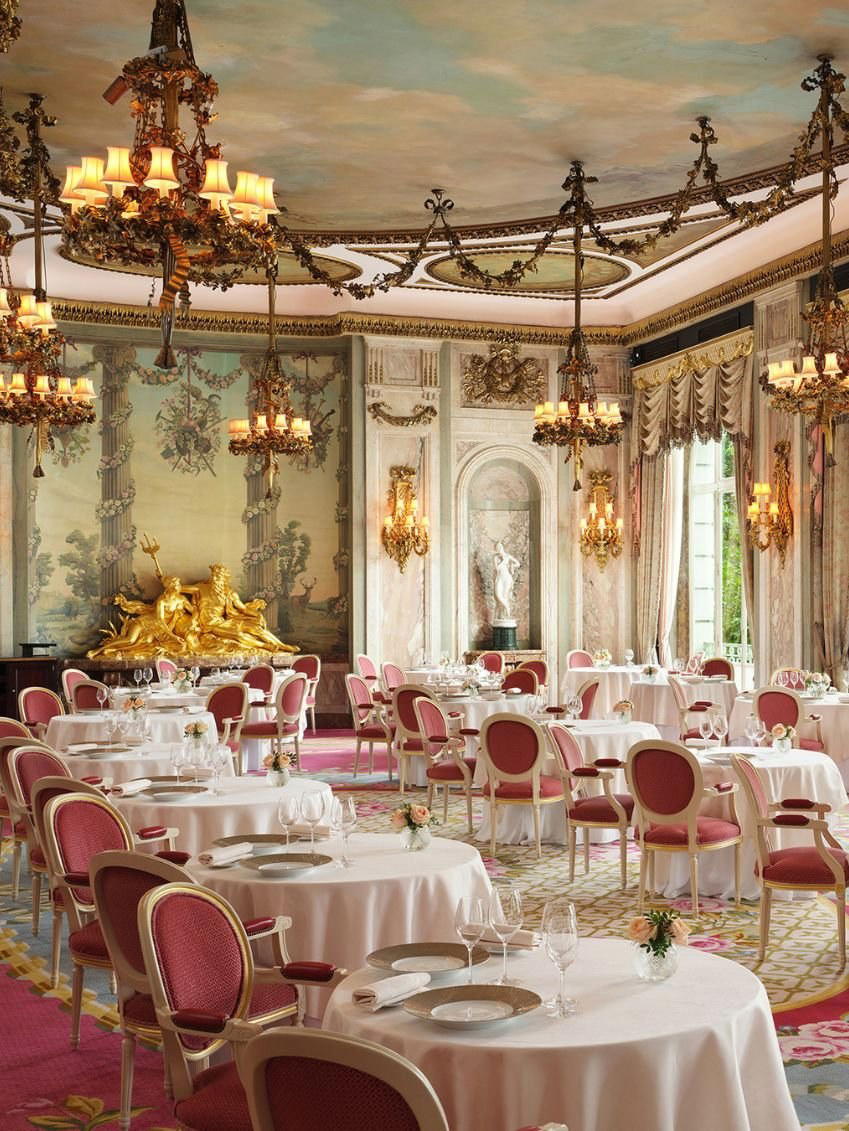
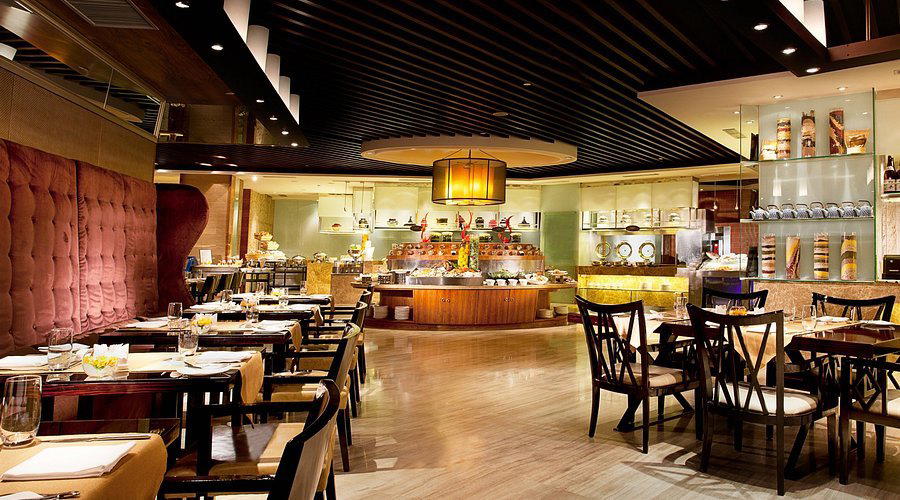
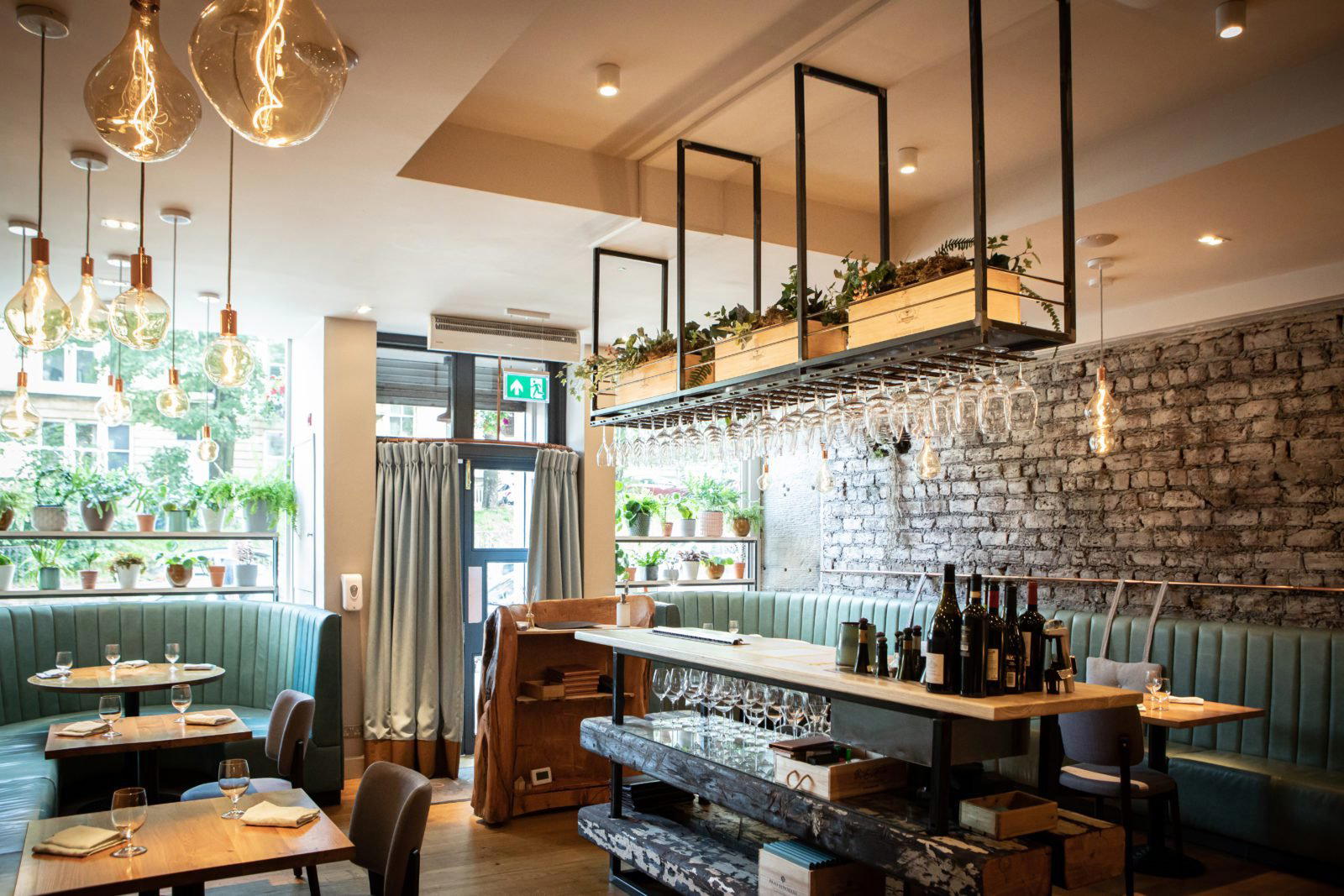
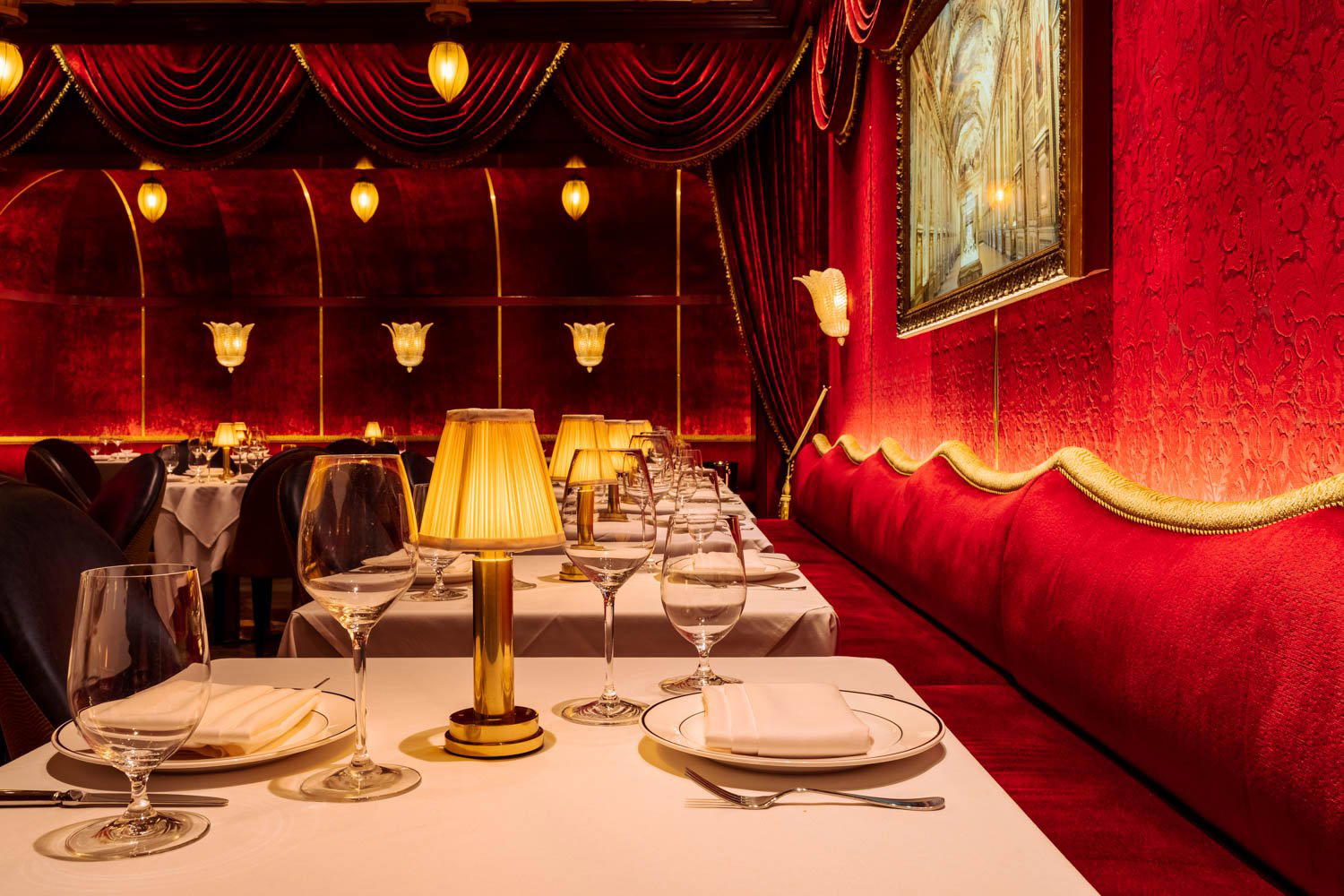
The estate dining tradition in Scotland carries its own set of expectations: local provenance, a kitchen that understands the seasonal logic of the surrounding land, and a dining room that matches the house rather than operating as a separate restaurant identity grafted onto a hotel. The properties that get this right treat the dining room as an extension of the guest experience rather than a revenue centre to be programmed independently.
Cromlix's dining operates within that framework. The detail of the current offering is leading confirmed directly with the property before booking, as seasonal programmes at estate hotels of this type tend to evolve. What the La Liste recognition at 95.5 points suggests, however, is that the overall guest experience, of which dining is a central component, is being delivered at a level that compares favourably with the UK's most regarded country house properties.
Getting There and Planning Your Stay
Cromlix sits just outside Kinbuck village, in Stirling FK15 9JT. The nearest major rail connection is Dunblane, approximately two miles away, with regular ScotRail services from Edinburgh Waverley (journey time around 55 minutes) and Glasgow Queen Street (around 45 minutes). By road, the M9 and A9 corridor places the property within an hour of Edinburgh and less than 45 minutes from Perth, making it a practical base for exploring the southern Highlands as well as a destination stay in its own right.
Guests travelling from Edinburgh who want a comparable urban reference point will find 100 Princes Street in Edinburgh useful for a pre- or post-trip night in the capital. For those building a broader Scottish itinerary, Ballintaggart Farm in Pitlochry represents a different but complementary register further north.
Booking should be made well in advance for peak Scottish summer months and the autumn shooting season, when estate hotels in this region fill earliest. The property's dual role as a wedding and events venue means that certain weekends in the warmer months may have limited availability for leisure stays. For broader context on the area, see our full Kinbuck hotels guide, our full Kinbuck restaurants guide, and our full Kinbuck experiences guide.
How It Stacks Up
These are the closest comparables we have in our database for quick context.
| Venue | Cuisine | Price | Awards | Notes |
|---|---|---|---|---|
| Cromlix | La Liste Top Hotels: 95.5pts | This venue | ||
| Lime Wood | ||||
| Muir, A Luxury Collection Hotel, Halifax | Michelin 1 Key | Michelin 1 Key | ||
| Raffles London at The OWO | World's 50 Best | |||
| The Connaught | World's 50 Best | |||
| 51 Buckingham Gate, Taj Suites and Residences |
Continue exploring
More in Kinbuck
Hotels in Kinbuck
Browse all →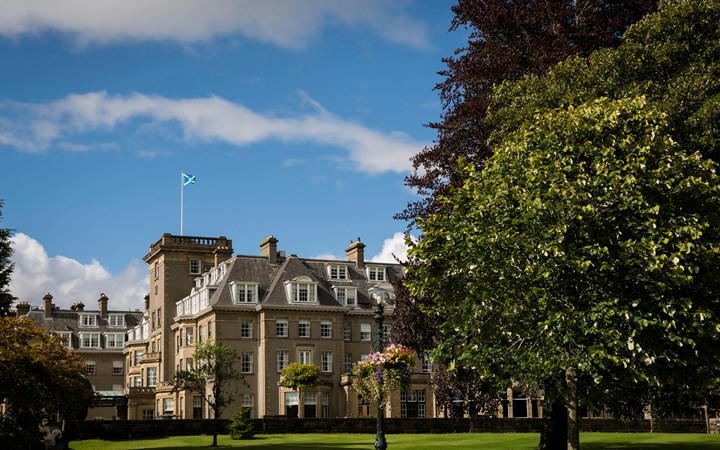
Bars in Kinbuck
Browse all →
Restaurants in Kinbuck
Browse all →
At a Glance
- Romantic
- Quiet
- Elegant
- Cozy
- Scenic
- Sophisticated
- Opulent
- Honeymoon
- Romantic Getaway
- Anniversary
- Weekend Escape
- Celebration
- Garden
- Historic Building
- Wifi
- Room Service
- Concierge
- Tennis Court
- Restaurant
- Massage
- Garden
Cozy yet luxurious atmosphere with open fires, wood-paneled rooms, and enchanting gardens creating a relaxing, homey retreat.