Abbots Grange Manor House


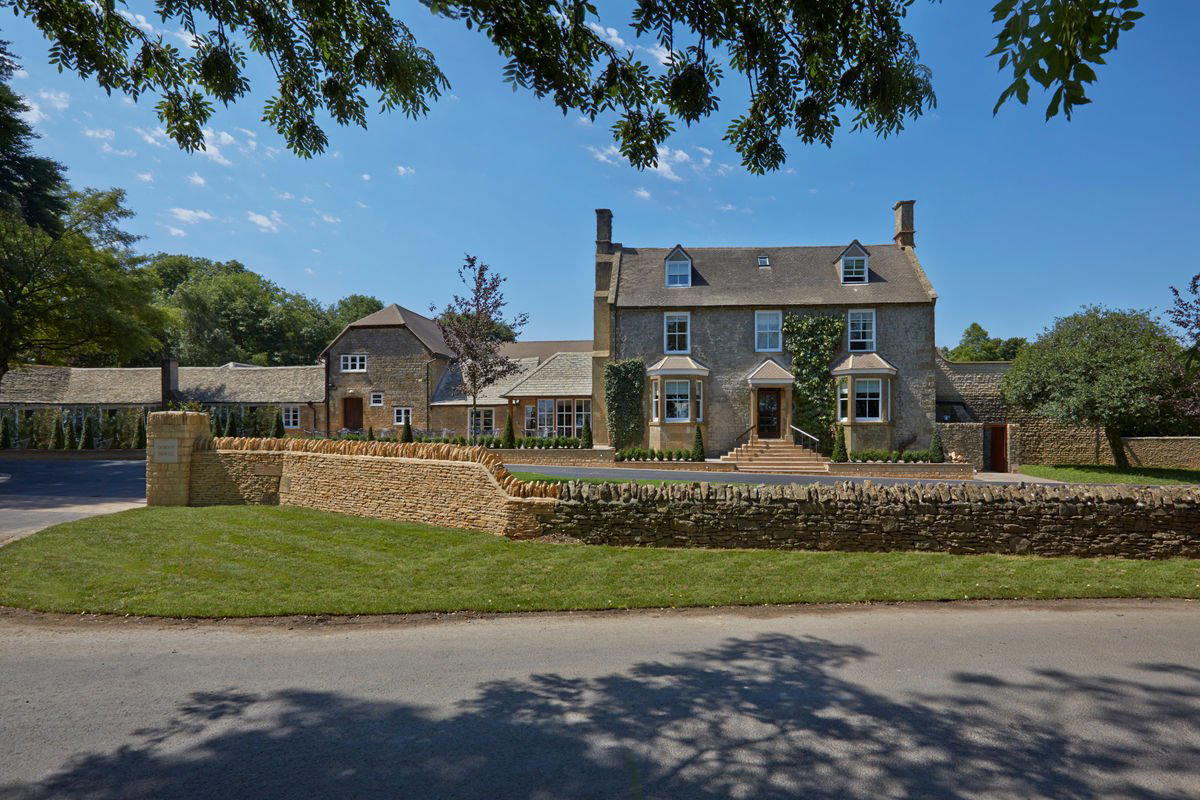
A medieval manor house on Church Street in the Cotswolds village of Broadway, Abbots Grange earned 94 points in the 2026 La Liste Top Hotels ranking, placing it among a small cohort of heritage properties where architectural provenance does most of the work a design team might otherwise be hired to do. The stone, the timber, and the scale here are not reconstructed, they are original.
Pearl is the En Primeur Club membership app — saves, bookings, and concierge access live there. Same editors, same standards.
- Address
- Church St, Broadway WR12 7AE
- Phone
- +44 20 8133 8698
- Website
- abbotsgrange.com
- Directions
- Get directions
 Saves & bookings on Pearl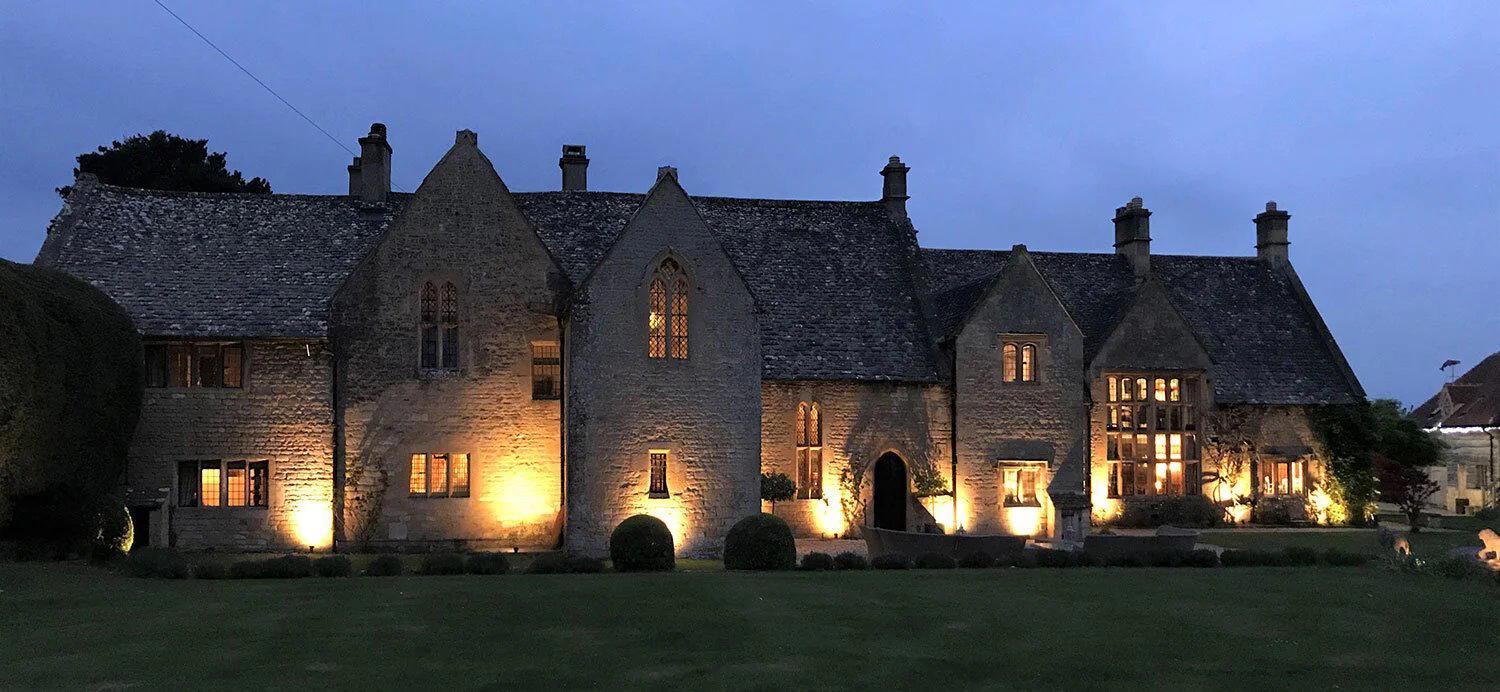
Stone, Timber, and Seven Centuries of Cotswolds Weight
Broadway sits at the southern edge of the Vale of Evesham, where the Cotswolds escarpment flattens into a broad green shelf and the limestone turns the colour of set honey. The village has attracted attention for most of its recorded history, first as a coaching stop on the London-to-Worcester road, later as a retreat for Arts and Crafts painters and writers drawn by the light and the stone. What that history has left behind is a built environment with few rivals in the English countryside: wide verges, deliberate Georgian frontages, and, set slightly apart from the high street on Church Street, a structure that predates almost everything around it.
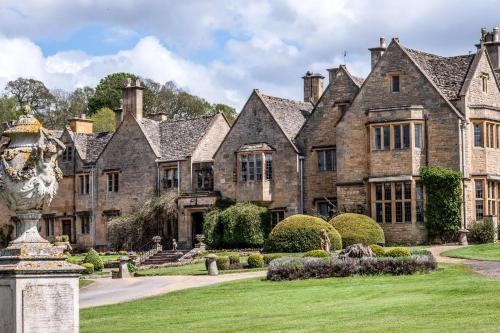
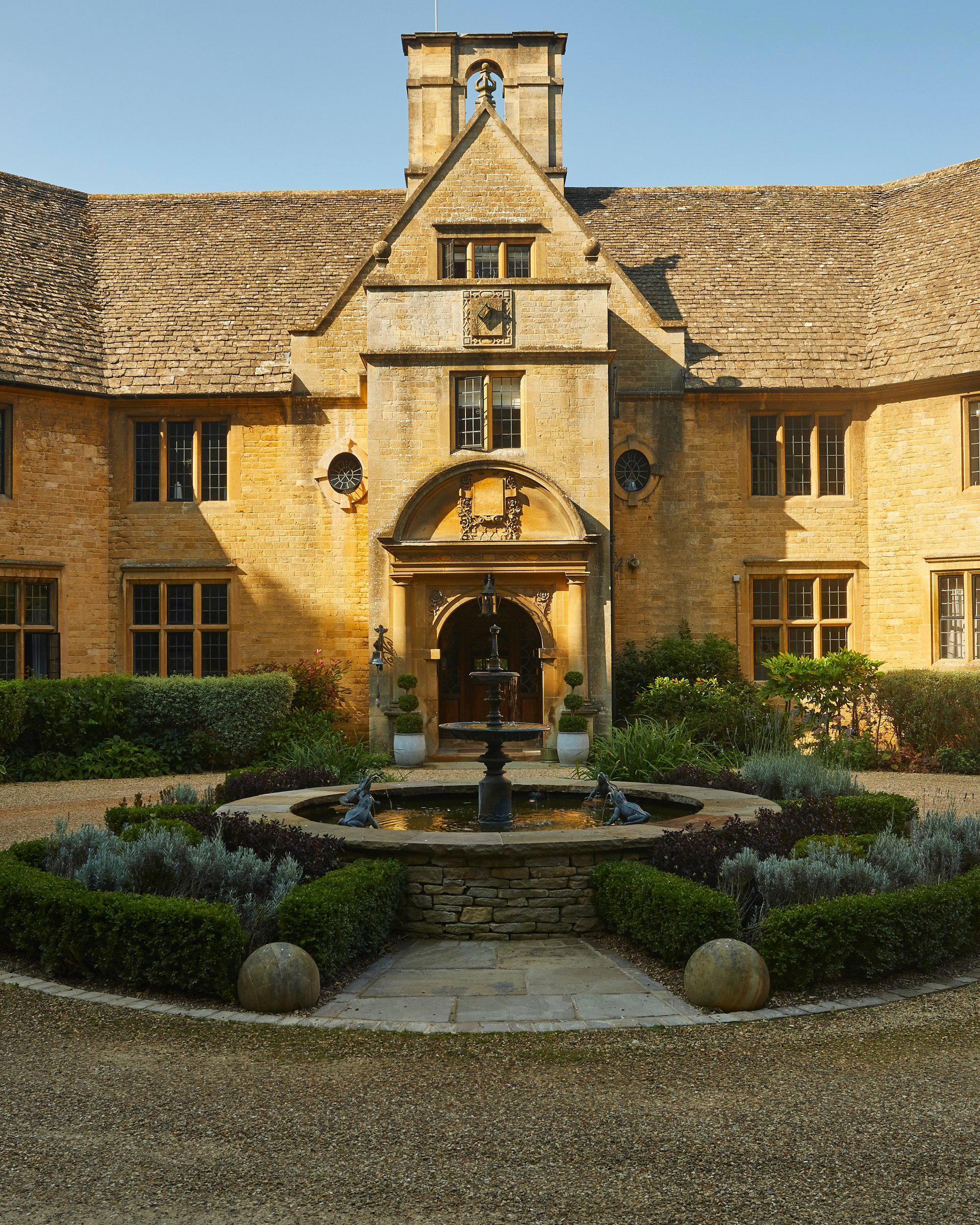
Abbots Grange Manor House occupies that position, a medieval manor whose physical fabric makes the case for itself before a guest crosses the threshold. Buildings of this age in active hospitality use are rarer than the category of "historic hotel" implies. Most properties marketed around heritage have been substantially rebuilt or reconfigured to the point where the historical claim is atmospheric rather than structural. Abbots Grange is a different proposition: the bones are original, and the spaces read accordingly.
What Medieval English Domestic Architecture Actually Looks Like
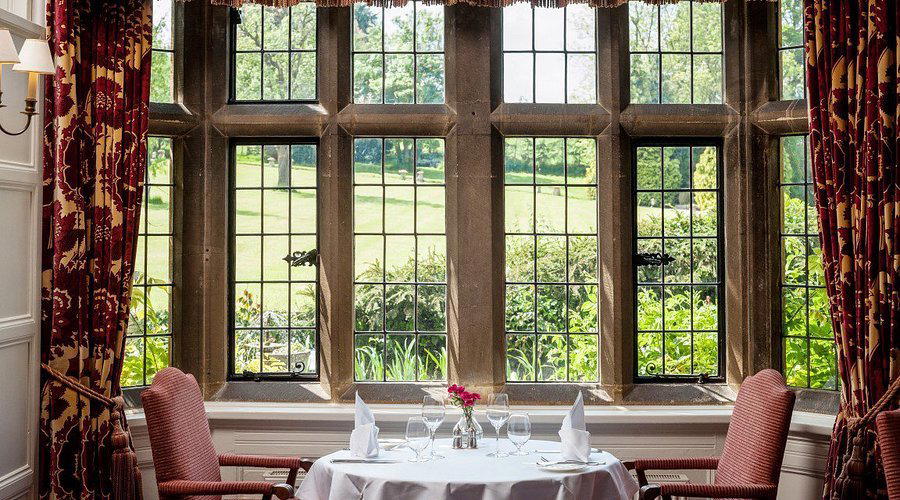
The English medieval manor form followed a logic of hierarchy and function that bears little resemblance to later country house planning. The hall was the centre of communal life, high-ceilinged, open to the rafters, lit by large windows set into thick stone walls. Service wings and private chambers clustered around it, each element reading as a distinct volume from outside rather than part of a smooth unified facade. Abbots Grange preserves this additive quality: the building looks assembled over time because it was, and the guest experience is shaped by moving through spaces that have different proportions, different ages, and different characters.
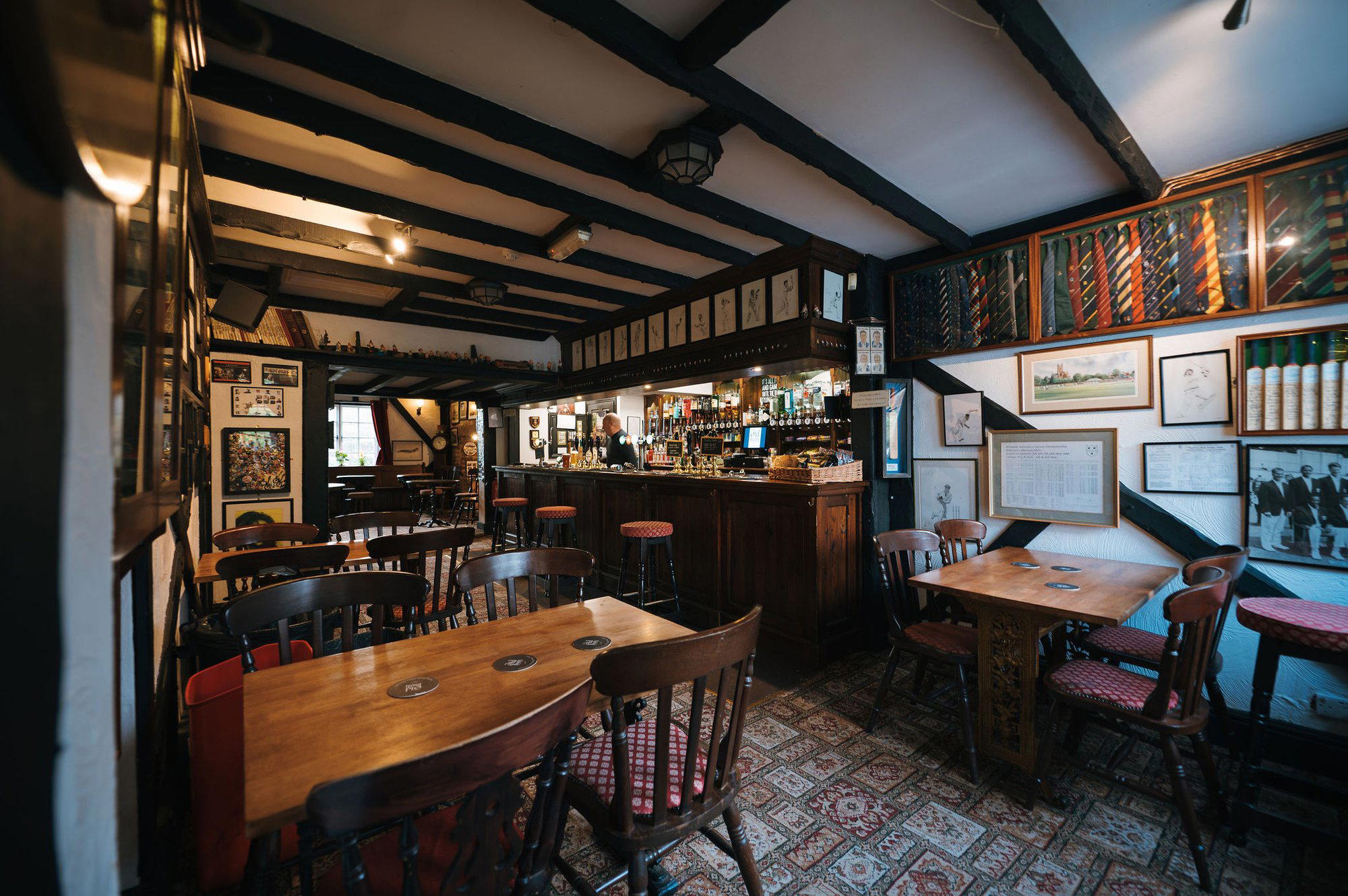
Timber framing of the kind found in structures of this period carries a specific visual weight that later imitation cannot replicate. Pegged mortise-and-tenon joinery, smoke-darkened beams, and the slight irregularity of hand-worked oak read differently in person than in photographs. In hospitality terms, this creates an environment that is inherently low-capacity and high-texture, the opposite of the poured-concrete aesthetic that dominates much contemporary luxury hotel design, and the opposite, too, of the country house hotel format where Georgian symmetry and chintz do most of the emotive work.
Broadway's Tier Within the Cotswolds Hotel Market
The Cotswolds accommodation market has consolidated around a recognisable upper tier in which a handful of properties compete on grounds other than location alone. Dormy House Hotel and Foxhill Manor represent the design-led country retreat format that has defined premium Cotswolds hospitality over the past decade, while The Fish Hotel operates on a different model centred on outdoor access and lodge-style accommodation. Abbots Grange sits outside all three frameworks. Its competitive identity is not contemporary design, not wellness programming, and not outdoor activity, it is architectural authenticity at a scale that few working hotels can claim anywhere in Britain.
The 2026 La Liste Leading Hotels recognition, scoring 94 points, places Abbots Grange within a global ranking that weighs service quality alongside setting and distinctiveness. That score situates it in a competitive bracket alongside properties far larger in key count and infrastructure, which says something about how the La Liste methodology weights character and singularity. For context, La Liste's hotel rankings apply the same analytical rigour as their restaurant rankings, drawing on guest feedback, editorial sources, and positioning data rather than raw popularity metrics.
Properties that operate at a similar heritage register elsewhere in England include Estelle Manor in North Leigh and, at considerably larger scale, Babington House in Kilmersdon, though both differ substantially in ethos and format.
The Case for a Manor House Over a Country House Hotel
There is a meaningful distinction, often blurred in marketing copy, between a country house hotel and a manor house. Country house hotels in Britain tend to be Georgian or Victorian in origin, built to impress through classical proportion and landscaped grounds. The manor form is older and more pragmatic, built for working estates rather than aesthetic statements. The domestic scale is smaller, the ceilings lower in the private rooms, the communal spaces more barn-like in their proportions. This translates, in hospitality use, into an intimacy that larger country houses cannot easily replicate regardless of how they are furnished.
Guests choosing Abbots Grange over, say, Gleneagles in Auchterarder or Claridge's in London are making a different kind of choice: less infrastructure, fewer amenities at scale, but an architectural encounter that those larger properties cannot offer. The trade is explicit, and the guest who books Abbots Grange understands it. This is not a hotel that competes on spa square footage or restaurant tasting menus. It competes on the quality of a particular kind of stillness that medieval stone and heavy timber seem to produce.
The same logic applies to the growing cohort of design-attentive smaller properties across the UK, from Lime Wood in Lyndhurst to The Newt in Somerset, each builds its identity around a physical environment that takes years or centuries to produce, and each prices accordingly against that premise rather than against room count or amenity lists.
Planning a Stay: What to Know Before Booking
Broadway is accessible by road from both Birmingham (roughly 30 miles to the north) and Oxford (about 40 miles to the southeast), and the village sits within easy reach of Chipping Campden, Bourton-on-the-Water, and the other Cotswolds market towns that draw most of the region's visitor traffic. That positioning makes Abbots Grange a plausible base for exploring the wider escarpment rather than a destination requiring its own full itinerary. The Church Street address places it a short walk from Broadway's main commercial strip without the noise exposure that a high-street location would bring.
Given the La Liste recognition and the limited key count that any medieval manor implies, forward booking is advisable, particularly for weekends and the late spring through early autumn window when the Cotswolds operates at peak capacity. Prospective guests should verify booking channels directly through the hotel. For comparison properties in the UK at a similar prestige tier, see also Burts Hotel in Melrose, Hell Bay Hotel in Bryher, and Lifeboat Inn in St Ives for a sense of the range of characterful small hotel formats operating at the premium end of the British market.
In Context: Similar Options
Comparable venues nearby, for context on price, style, and recognition.
| Venue | Cuisine | Price | Awards | Notes |
|---|---|---|---|---|
| Abbots Grange Manor HouseThis venue — the venue you are viewing | Historic 14th-century monastic manor house with luxury suites and heritage rooms | $$$$ | 5-Star | Not listed |
| Foxhill Manor | Private manor-house hotel with heartfelt personal service and easygoing at-home atmosphere | $$$$ | 5-Star | Broadway |
| The Fish Hotel | Relaxed country estate resort with quirky accommodations. | $$$$ | 4-Star | Broadway |
| The Lygon Arms | rustic luxury country heritage hotel | $$$$ | 4-Star | Broadway |
| Buckland Manor | Historic country house hotel retaining medieval charm with contemporary luxury amenities and refined service. | $$$ | 4-Star | Buckland |
| Dormy House Hotel | Hotel | Not listed | Not listed | Broadway |
Recognition history
Dated appearances from independent guides and award organizations, with the underlying list record or original source where available.
Good Hotel Guide Most Romantic Hotel
Good Hotel Guide
La Liste Top Hotels
La Liste
At a Glance
- Romantic
- Quiet
- Elegant
- Classic
- Cozy
- Intimate
- Sophisticated
- Rustic
- Romantic Getaway
- Anniversary
- Honeymoon
- Weekend Escape
- Historic Building
- Garden
- Terrace
- Wi Fi
- Tennis
- Garden
- Room Service
- Breakfast Included
- Garden
- Wi Fi
- Tennis
- Garden
- Room Service
- Breakfast Included
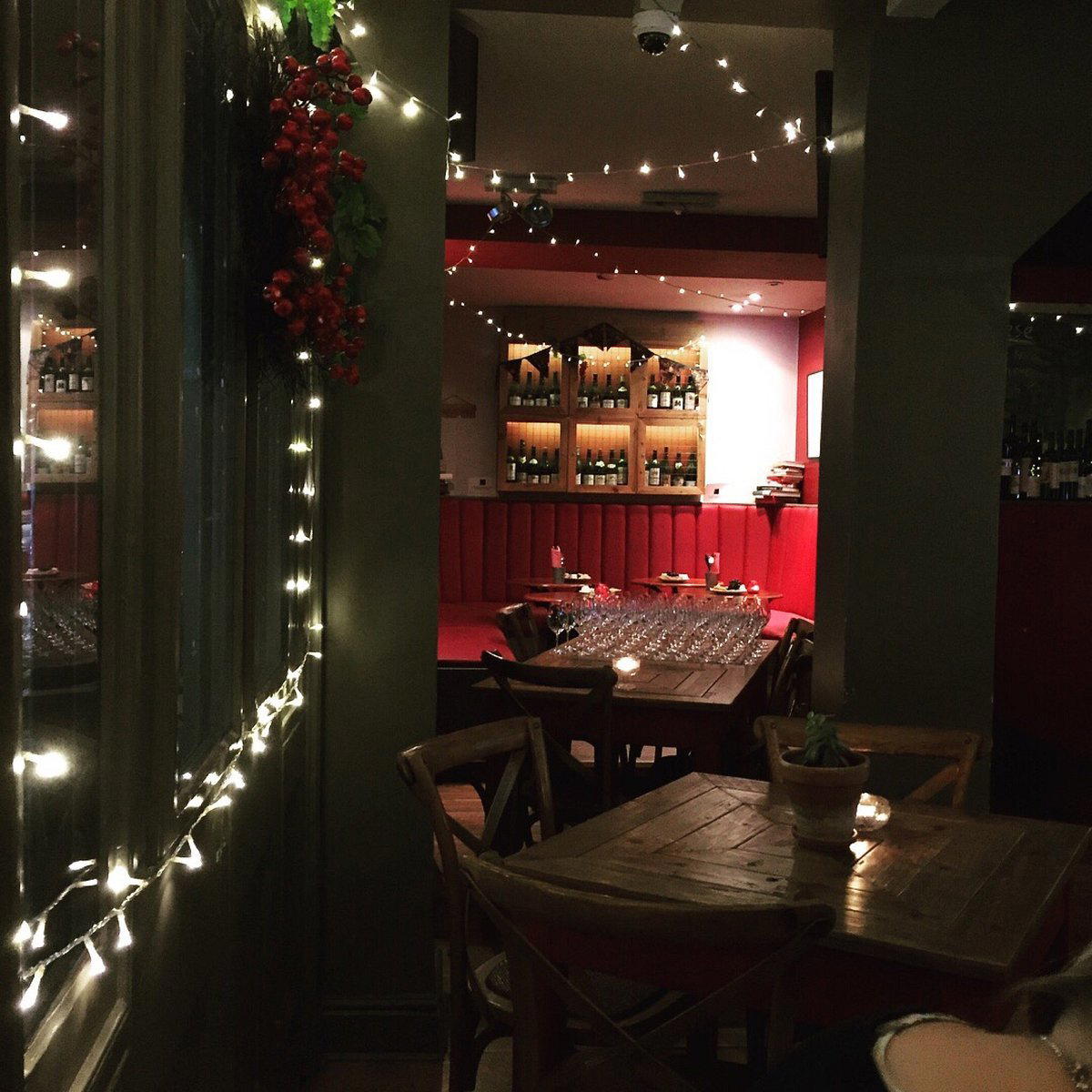
Candlelit medieval Great Hall with roaring log fires, cozy and romantic atmosphere enhanced by historical charm, antiques, and attentive service.