One Devonshire Gardens by Hotel du Vin

Michelin Selected
One Devonshire Gardens by Hotel du Vin occupies a row of restored Victorian townhouses in Glasgow's West End, where dark-panelled interiors and open fireplaces set a tone that most contemporary hotels in the city cannot replicate. The address sits within the Hotel du Vin group's UK portfolio, placing it in a recognisable tier of character-property conversions that prize architectural heritage over brand uniformity.

Pearl is the En Primeur Club membership app, where members save venues, book tables and use the concierge.
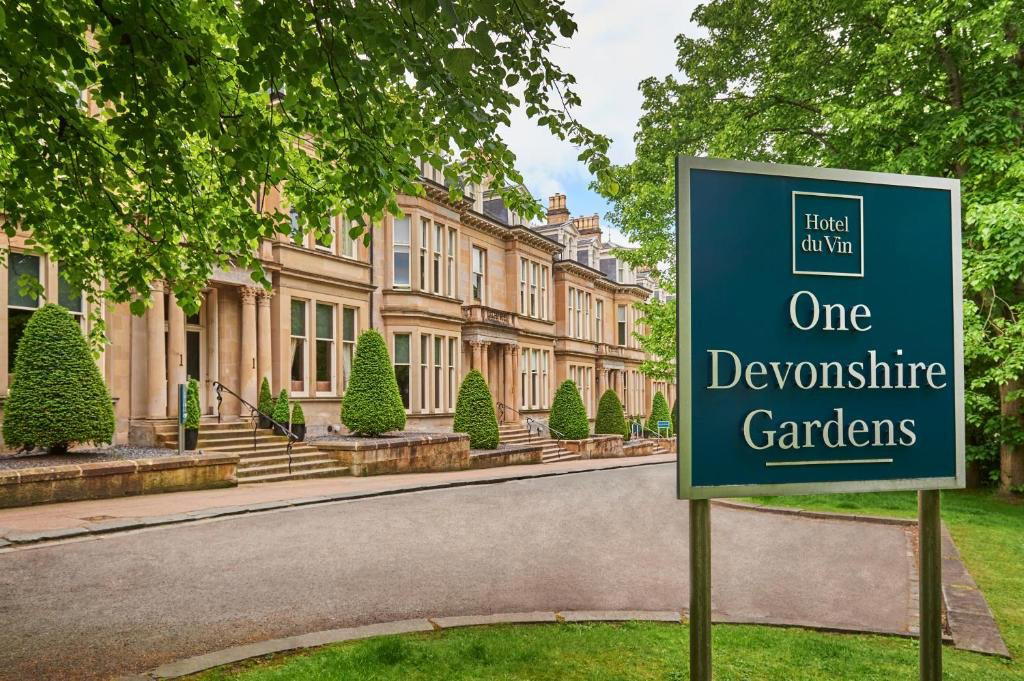
A West End Address Built on Victorian Foundations
Glasgow's West End has always kept a certain distance from the commercial centre, and Devonshire Gardens, a wide, tree-lined crescent off Great Western Road, exemplifies that separation. The street was laid out in the late nineteenth century as part of the city's westward expansion, with terraced townhouses designed for the prosperous merchant and professional classes who were reshaping the city's identity. Walking toward number one on a grey autumn afternoon, the scale of the architecture does the contextual work before you reach the door: dressed stone, bay windows stacked three storeys high, cast ironwork along the boundary. It reads less like a hotel entrance than a private residence that has decided, with some reluctance, to accept guests.
That reluctance, or rather that studied restraint, is central to what makes properties in this format distinct within the British boutique hotel category. Where many conversions strip period buildings back to exposed brick and fill the space with industrial furniture, One Devonshire Gardens has followed a different approach: dark wood panelling, open fireplaces, oil paintings on papered walls, and a colour palette drawn from the Victorian interior tradition rather than from contemporary hospitality trend cycles. The effect is one of warmth rather than theatre, which places it in a different register from the city-centre options that compete on location and price.
Where It Sits in Glasgow's Hotel Scene
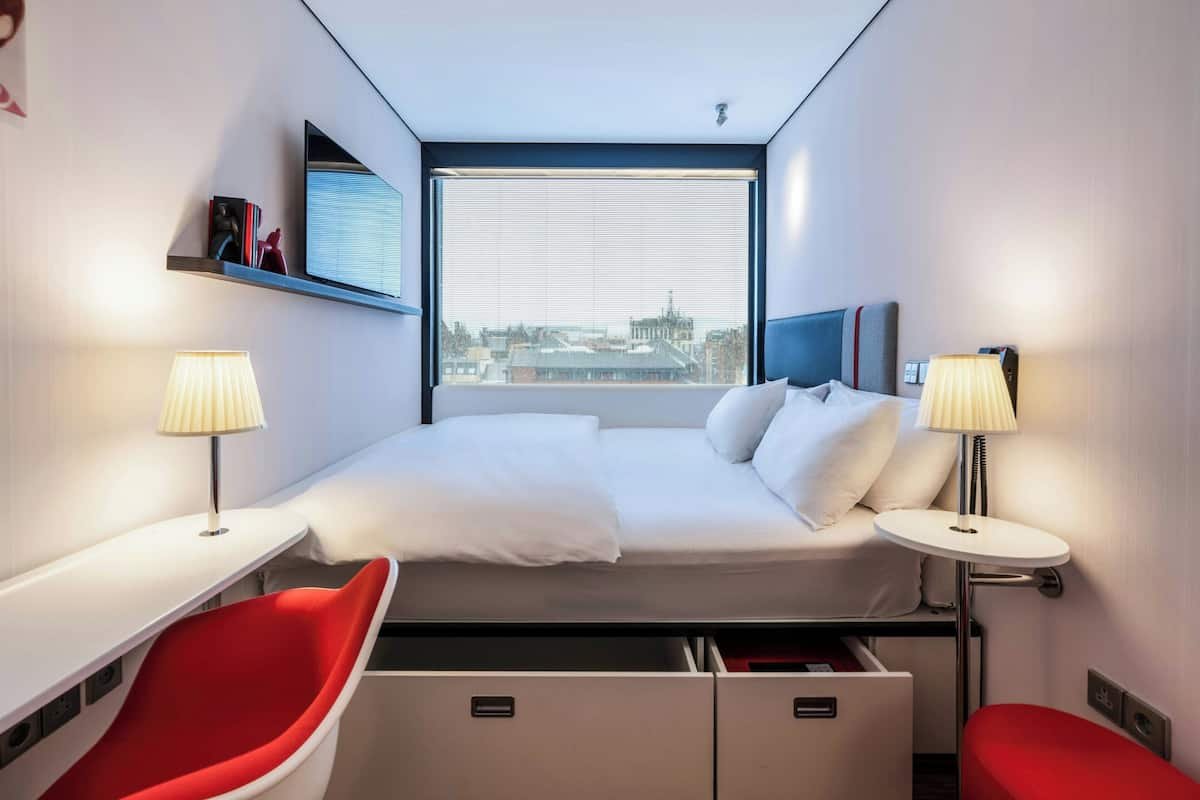
Glasgow's premium hotel market has diversified considerably over the past decade. The city now offers a spread from sharp, design-led hotels like citizenM Glasgow at the accessible end of the contemporary tier, through to full-service properties like Kimpton Blythswood Square Hotel & Spa and Malmaison Glasgow, both of which occupy significant historic buildings in the city centre. The Glasgow Grosvenor Hotel sits nearby in the West End, and Hotel Indigo Glasgow by IHG offers another conversion option further in. One Devonshire Gardens occupies a different competitive position: it is a residential-scale property in a quiet neighbourhood, where the value proposition is atmosphere and historical texture rather than proximity to the conference centre or the shopping mile.
Within the Hotel du Vin group, the Glasgow property carries particular weight. The group built its identity on converting architecturally significant British buildings into wine-focused, character-led hotels, and the Devonshire Gardens site, multiple townhouses joined into a single property, is among the most complex conversions in the portfolio. For comparison, Avon Gorge by Hotel du Vin in Bristol operates on a similarly dramatic residential premise, but the Glasgow property's multi-house structure gives it an internal geography that feels genuinely labyrinthine in the leading sense: corridors connect between what were once separate homes, and the room plan reflects the original domestic architecture rather than a standardised hotel layout.
The Historical Weight of the Address
Part of what sustains the reputation of One Devonshire Gardens is its place in Glasgow's cultural memory. The address accumulated a particular resonance during the 1990s when it was known as one of Scotland's most talked-about hotel addresses, drawing visiting cultural figures, television personalities, and the occasional political delegation. That history is not always visible in the fabric of the building, but it is present in the way the property carries itself: there is no attempt to modernise aggressively or to compete on the terms set by newer entrants. The rooms remain individual rather than standardised, and the interiors suggest a property that is confident enough in its pedigree to avoid reinvention for its own sake.
This approach aligns One Devonshire Gardens with a broader category of British heritage hotels that prioritise continuity over refresh cycles. Properties like Claridge's in London operate on a comparable logic at a significantly higher price and scale, while smaller estate hotels such as Gleneagles in Auchterarder deploy their history as a primary asset. One Devonshire Gardens works in that tradition at a townhouse scale, which is its own specific category within UK luxury hospitality. For readers exploring the wider Scottish hotel offer, Langass Lodge in Na H Eileanan An Iar, Dun Aluinn in Aberfeldy, and Glen Mhor Hotel & Apartments in Highland each represent the character-property tradition in different regional registers.
Dining and the Wine Programme
Hotel du Vin properties are built around the cellar as much as the room, and this Glasgow address follows that model. The bistro format that defines the group's food-and-beverage approach sits comfortably within the Victorian interiors: white tablecloths, a wine list structured for serious browsing rather than quick selection, and a menu that draws from the French brasserie tradition. That format is consistent across the group's portfolio, which means guests arriving from Avon Gorge in Bristol or other Hotel du Vin properties will recognise the register immediately. The wine focus gives the dining room a purpose that goes beyond hotel-restaurant convenience, and the cellar's depth is typically one of the stronger arguments for eating in rather than heading out.
Glasgow's own restaurant scene has grown considerably in ambition, and the West End in particular offers strong independent competition within walking distance. Our full Glasgow restaurants guide covers the broader options across the city's neighbourhoods, which is worth consulting if you're planning time beyond the hotel's dining room.
Planning Your Stay
One Devonshire Gardens is located at 1 Devonshire Gardens, Glasgow G12 0UX, in the Hyndland area of the West End, roughly two kilometres from Glasgow city centre. The neighbourhood is served by local rail connections at Hyndland station, and the Great Western Road corridor provides bus access into the centre. For guests arriving by car, the West End's residential streets mean parking logistics are worth confirming in advance with the property. The hotel's room count, reflecting the multi-townhouse structure, remains on the smaller side relative to the city's full-service hotels, which means availability during peak periods, including the Celtic Connections festival in January and the summer conference season, tightens quickly. Booking well ahead of any major Glasgow event calendar date is the reliable approach.
For readers comparing options across the UK's character hotel category, Hope Street Hotel in Liverpool and King Street Townhouse Hotel in Manchester offer comparable converted-property formats in northern English cities, while Lime Wood in Lyndhurst, Estelle Manor in North Leigh, and The Newt in Somerset in Castle Cary represent the English country-house end of the same heritage-property tradition. The Burts Hotel in Melrose provides a Scottish Borders comparison at smaller scale. Those seeking international reference points for the heritage-conversion format might look at Aman Venice in Venice or Muir, A Luxury Collection Hotel in Halifax for how the category plays in other markets. The Carlton George Hotel and Cottonwood Inn & Suites complete Glasgow's mid-to-upper hotel picture for those who want to map the full city offer before deciding. Further afield, Lifeboat Inn, St Ives and The Fifth Avenue Hotel in New York City illustrate how character-property hotels position themselves in very different markets, while Aman New York in New York City represents the upper tier of the same heritage-building conversion argument at a different price register entirely.
Comparable Options
| Venue | Cuisine | Price | Awards |
|---|---|---|---|
| One Devonshire Gardens by Hotel du VinThis venue (the venue you are viewing) | This venue | $300–500 | Michelin Selected |
| Glasgow Grosvenor Hotel | Not listed | $100–200 | Not listed |
| citizenM Glasgow | Not listed | $100–200 | Michelin Selected |
| Kimpton Blythswood Square Hotel & Spa | Not listed | $200–300 | Michelin Selected |
| Malmaison Glasgow | Not listed | $1–100 | Not listed |
| Hotel Indigo Glasgow by IHG | Not listed | $100–200 | Not listed |
Recognition history
Dated appearances from independent guides and award organizations, with the underlying list record or original source where available.
Michelin Selected
Michelin
Continue exploring
More in Glasgow
Hotels in Glasgow
All hotels in Glasgow →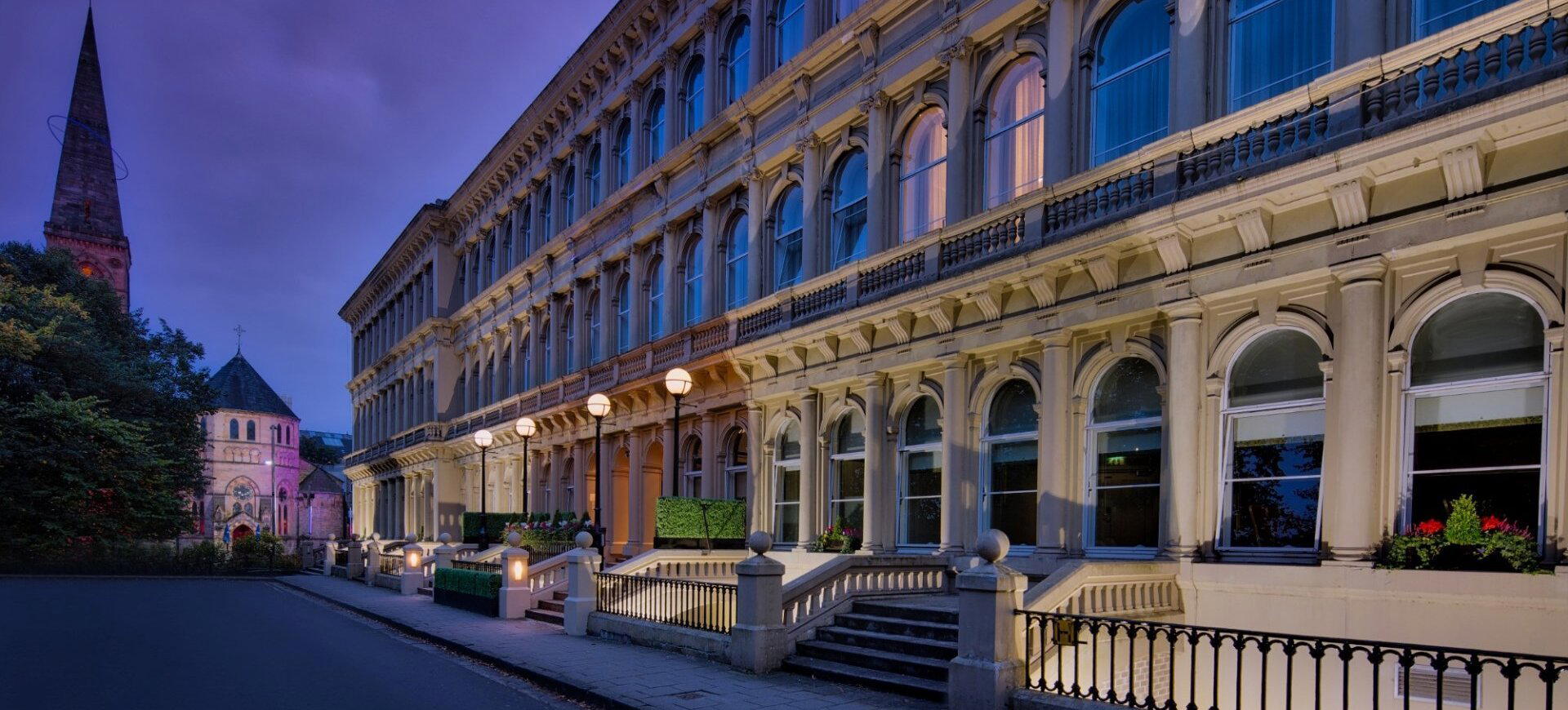

Bars in Glasgow
All bars in Glasgow →
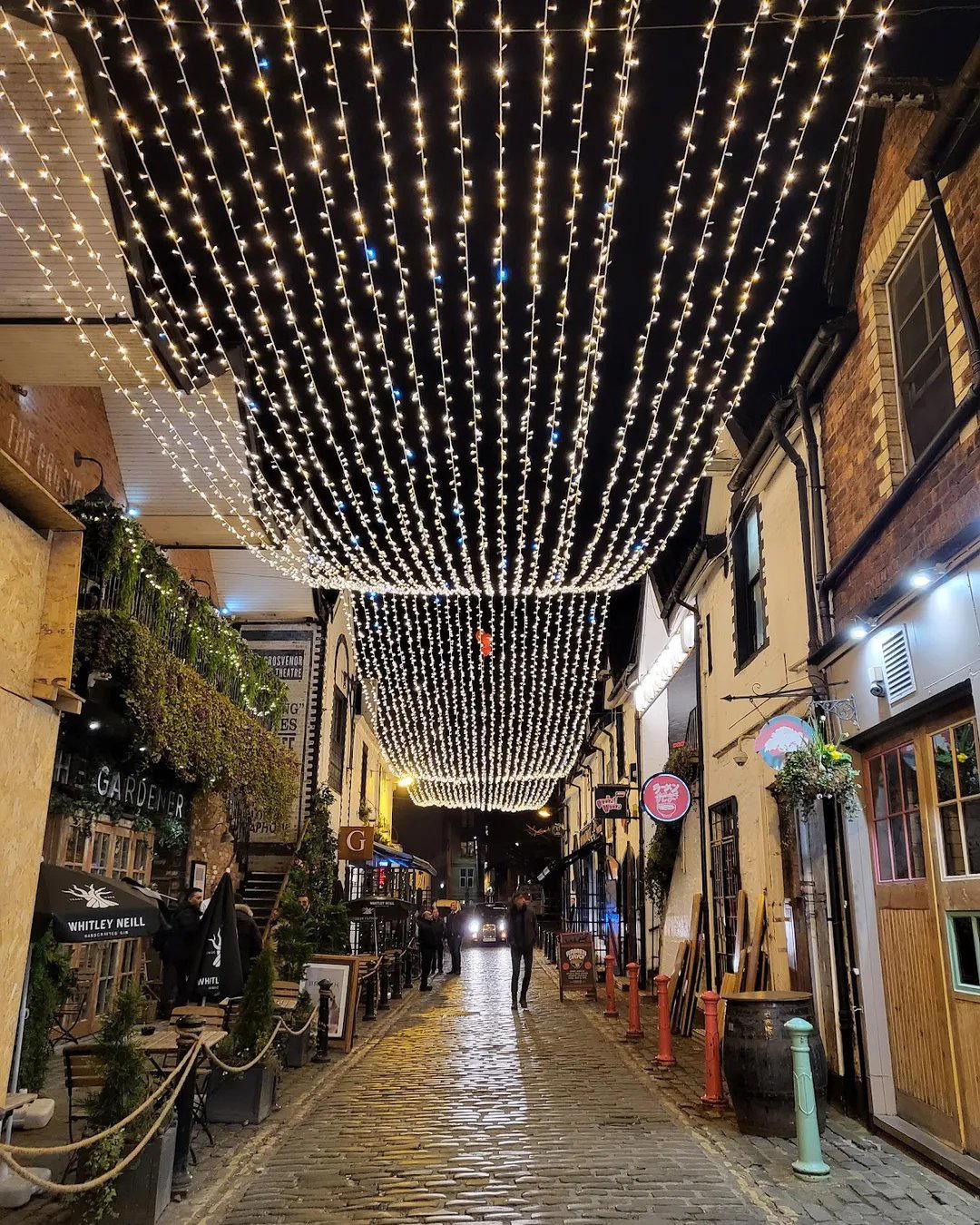
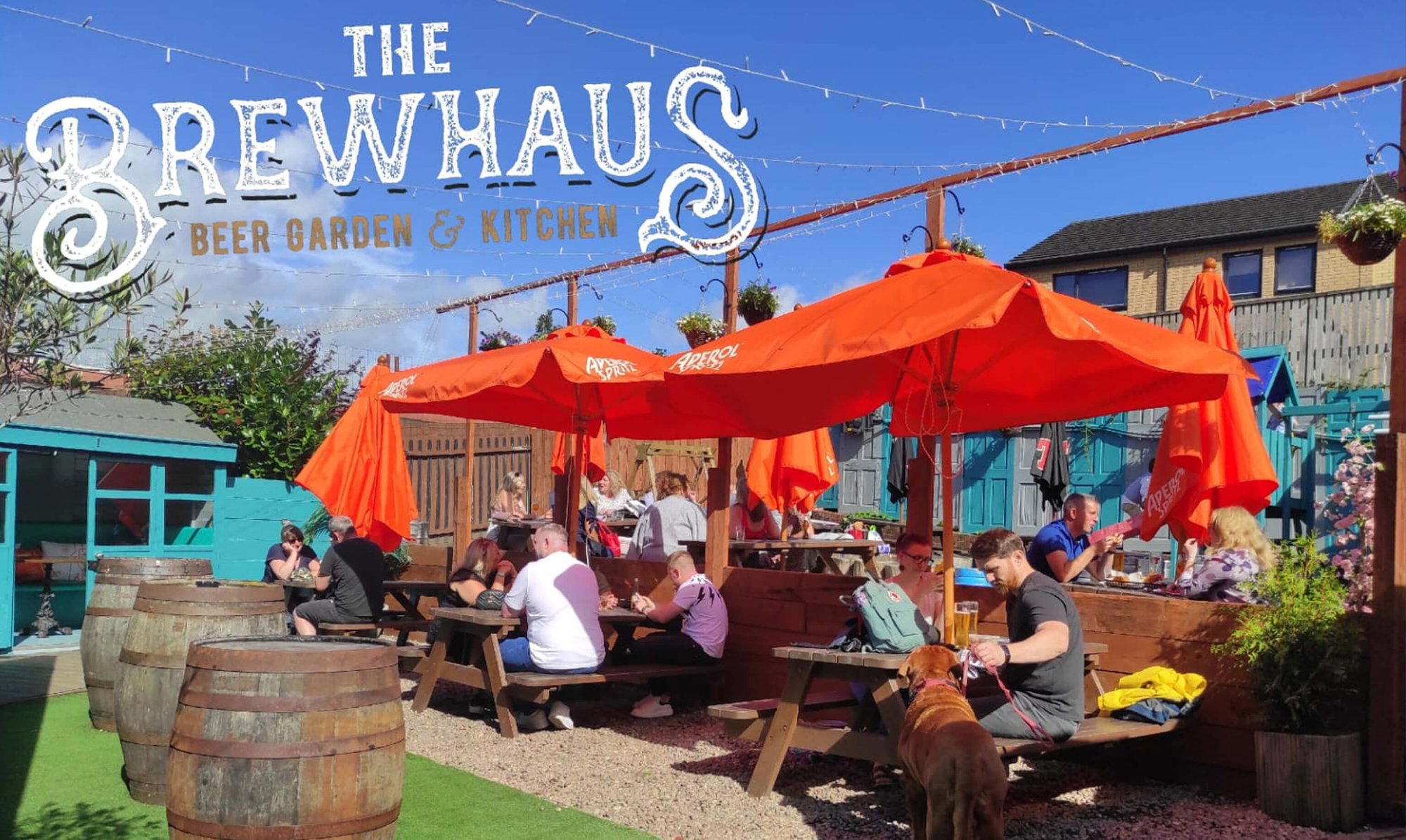
Restaurants in Glasgow
All restaurants in Glasgow →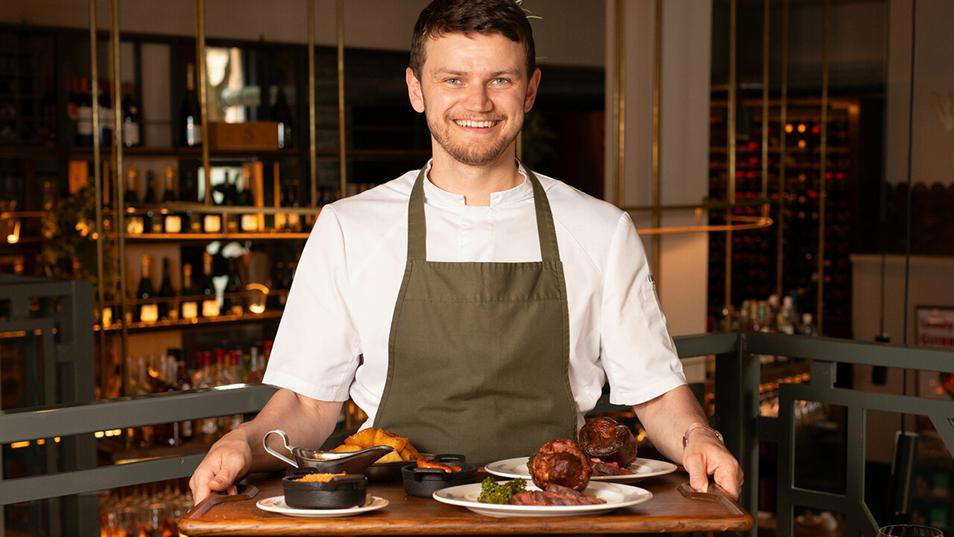
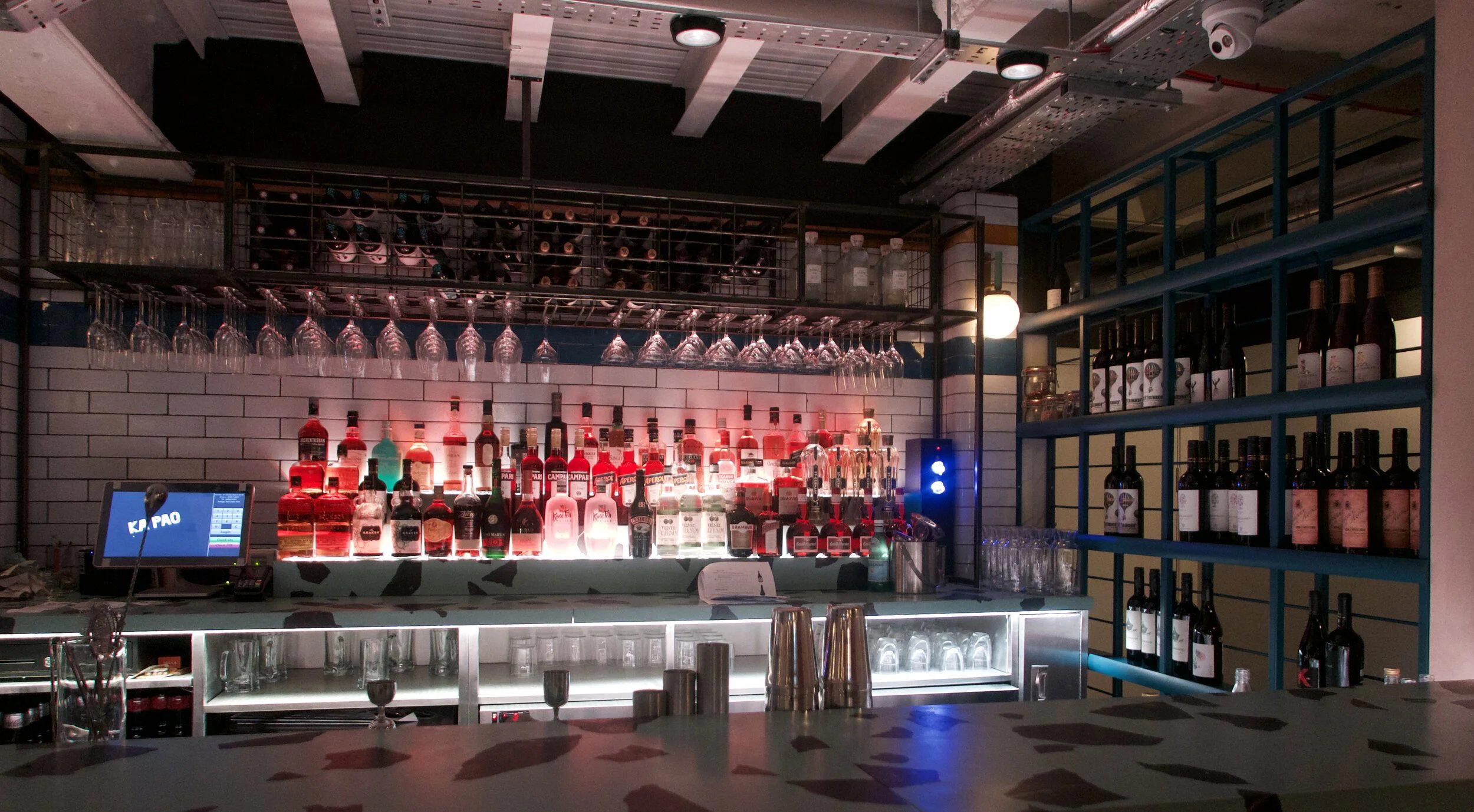
Wineries in Glasgow
Browse all →
Details
- Romantic
- Elegant
- Sophisticated
- Well Known
- Intimate
- Romantic Getaway
- Anniversary
- Celebration
- Weekend Escape
- Destination Wedding
- Historic Building
- Garden
- Terrace
- Destination Spa
- Private Dining
- Design Destination
- Wi Fi
- Spa
- Fitness Center
- Room Service
- Concierge
- Business Center
- Restaurant
- Bar
- Garden
- Massage
- Garden
- Street Scene
- Wheelchair Accessible
- Accessible Restroom
- Elevator
Warm, relaxing elegance with oak-panelled walls, open fireplaces, stained glass windows, and intimate atmospheric dining in a historic Victorian setting.