W Highland Way
W Highland Way brings a considered drinking culture to the Glasgow area, drawing on Scotland's broader cocktail scene at a moment when the country's bar programme has moved well beyond its whisky-only reputation. Set against the backdrop of the West Highland Way corridor in East Dunbartonshire, the bar occupies a quiet but increasingly credible position in the regional hospitality picture. Booking details and current hours are best confirmed directly before visiting.

Pearl is the En Primeur Club membership app, where members save venues, book tables and use the concierge.
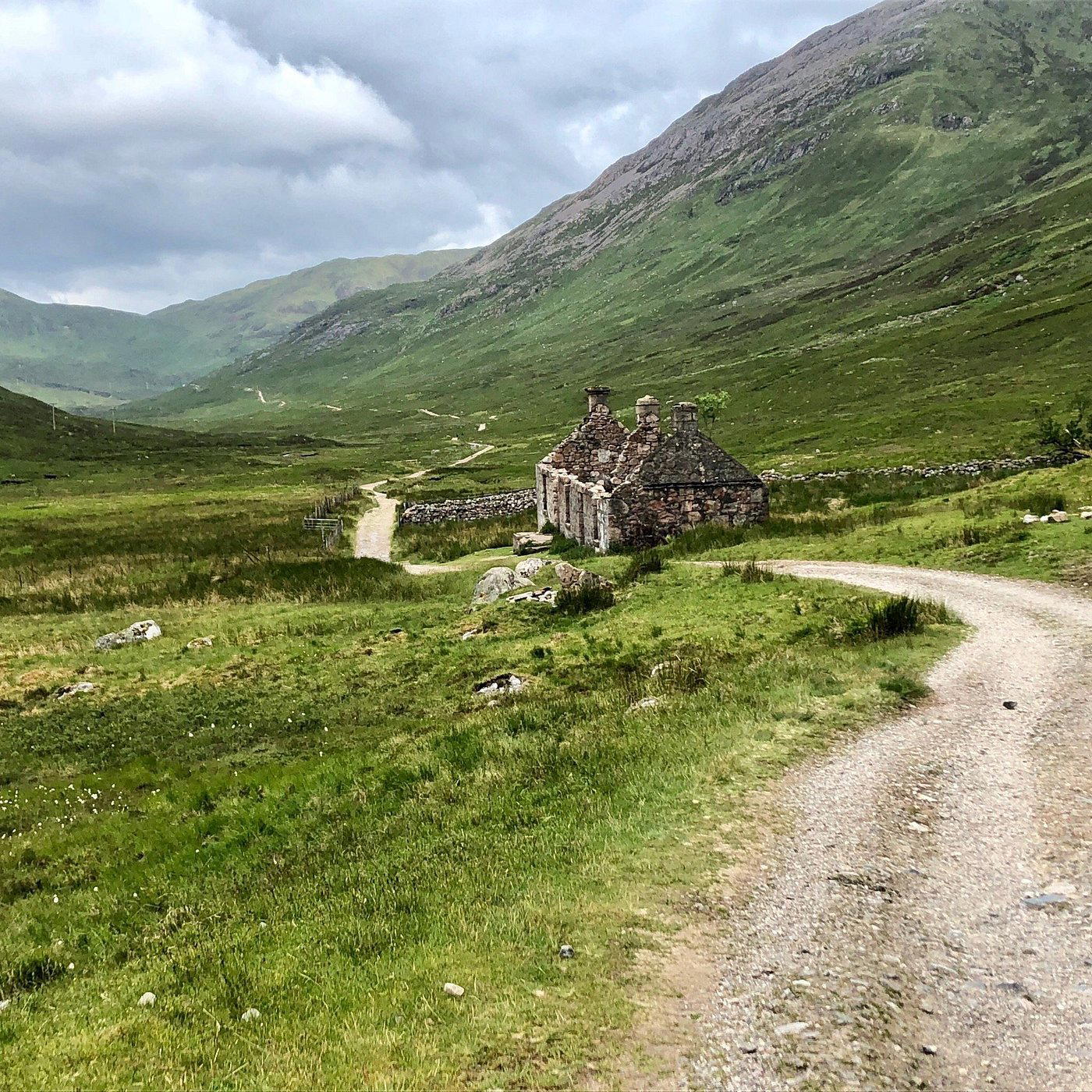
Drinking on the Edge of the Highlands
Scotland's cocktail scene has spent the better part of a decade separating itself from the assumption that serious drinking here begins and ends with single malt. The shift has been gradual but measurable: Edinburgh's Bramble built an international reputation on a format that treated cocktails as seriously as wine, while Belfast's Merchant Hotel demonstrated that historic hotel bars outside London could carry genuine programme depth. Against that backdrop, the area around Glasgow and East Dunbartonshire has developed its own quiet momentum, with venues drawing on Scotland's extraordinary larder of spirits, botanicals, and water sources to build drinks menus that carry a sense of place.
W Highland Way sits within this emerging corridor, positioned where Glasgow's commuter belt gives way to the foothills that mark the start of the West Highland Way walking route. The geography matters here not as backdrop but as context: the venues that succeed in this stretch of East Dunbartonshire tend to read their location as an asset, drawing in walkers, weekend visitors from the city, and a local clientele that expects more than a perfunctory drinks list. For anyone coming from Glasgow, the transition is swift. The city's own bar scene, represented by places like the long-standing Horseshoe Bar, has its own character rooted in Victorian pub architecture and an unaffected approach to hospitality. The East Dunbartonshire offer sits adjacent to that tradition rather than in competition with it.
What the Cocktail Programme Signals
Across the UK's bar scene, the venues that have built lasting credibility share a common thread: they commit to a point of view. 69 Colebrooke Row in London built its reputation on scientific precision. Schofield's in Manchester anchored itself in classic technique and a deliberate rejection of gimmick. Mojo Leeds went deep on music culture and a particular version of American bar energy. Each found a lane and stayed in it.
The cocktail programmes that work in rural or semi-rural Scottish settings tend to take a different route. The spirits available in this part of the country, ranging from Highlands single malts and Speyside expressions to the growing number of Scottish craft gins and vermouths, provide a genuine competitive advantage if a bar is willing to build around them rather than defaulting to a pan-European spirits shelf. When a bar in this corridor leans into its geography, the result is a drinks list that London venues cannot replicate without import costs and artificiality. That local specificity, when it appears, is the most credible signal a programme can send.
Further afield, bars operating in similarly located settings have found that the format and tone of service carry as much weight as the menu itself. Digby Chick in the Western Isles and Harbour View and Fraggle Rock Bar in Bryher both demonstrate that remoteness, handled well, becomes part of the experience rather than a logistical obstacle. Visitors arrive having made a choice to be there, and that intentionality raises the baseline for engagement. The same principle applies here: the walk or the drive into East Dunbartonshire self-selects for guests who want something considered rather than convenient.
The Regional Context
East Dunbartonshire occupies an unusual position in Scotland's hospitality map. It borders Glasgow to the north and west but carries none of the city's density or its associated dining and drinking infrastructure. The area's character is suburban and semi-rural in roughly equal measure, with access to Loch Lomond and the Trossachs National Park a short drive further north. That proximity to major walking and outdoor tourism routes means the footfall profile here differs from a typical city-edge suburb: seasonal visitor spikes, a clientele that arrives after physical exertion, and a consequent demand for direct, restorative hospitality alongside anything more technically ambitious.
For bars in this position, the most effective programmes tend to run two registers simultaneously: something approachable for the walker who wants a cold drink at the end of a long day, and something more structured for the visitor who has specifically sought out the venue. The tension between those two registers is not a weakness; in the stronger venues it becomes the defining character of the experience. Avon Gorge by Hotel du Vin in Bristol navigates a version of this same challenge, serving a mixed audience of hotel guests, local regulars, and Clifton Gorge visitors without flattening the programme to a lowest common denominator. The approach is instructive.
Internationally, bars in scenic or route-adjacent locations that have built the strongest reputations tend to share a commitment to specificity over breadth. Bar Leather Apron in Honolulu and L'Atelier Du Vin in Brighton both demonstrate that a clear editorial point of view on what you pour, and why, matters more than a long menu. The bars worth returning to are the ones that have made decisions and committed to them.
Planning a Visit
W Highland Way is located in East Dunbartonshire, within reach of Glasgow and accessible to those arriving at the start or end of the West Highland Way route. For anyone travelling from Glasgow, the journey north into East Dunbartonshire takes under an hour by road. Our full East Dunbartonshire restaurants guide covers the broader area's hospitality options and is a useful reference for planning a longer stay in the region.
Comparison Snapshot
| Venue | Price | Awards |
|---|---|---|
| W Highland WayThis venue (the venue you are viewing) | Not listed | Not listed |
| Bar Termini | $20–30 | World's 50 Best #6 · Falstaff Bar - 93 Falstaff Points |
| Callooh Callay | Not listed | World's 50 Best |
| Happiness Forgets | $20–30 | World's 50 Best #40 · Top 50 Cocktail Bars UK #44 |
| Mojo Leeds | $20–30 | World's 50 Best #24 |
| Nightjar | $30–50 | World's 50 Best #43 · Falstaff Bar - 91 Falstaff Points |
Continue exploring
More in East Dunbartonshire
Bars in East Dunbartonshire
All bars in East Dunbartonshire →
Restaurants in East Dunbartonshire
Browse all →
Hotels in East Dunbartonshire
Browse all →
Wineries in East Dunbartonshire
Browse all →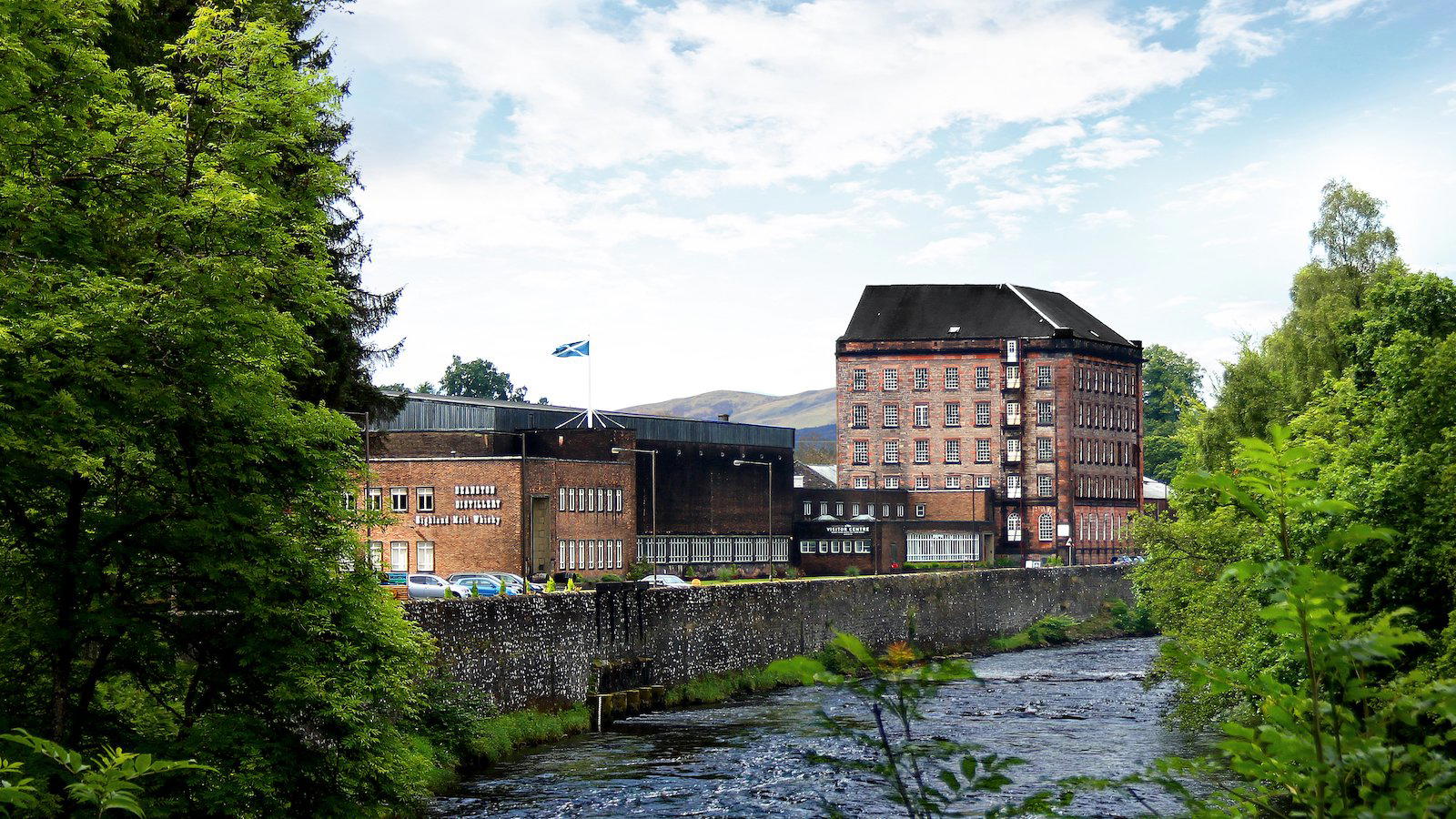
Details
- Mountain