Círculo Mexicano



Círculo Mexicano occupies a storied building on República de Guatemala 20 in the Centro Histórico, where heritage architecture meets a forward-looking design sensibility. Recognized for capturing the essence of its neighborhood while actively shaping its social scene, this property sits at the intersection of preservation and contemporary urban hospitality in one of Mexico City's most historically saturated districts.
Pearl is the En Primeur Club membership app — saves, bookings, and concierge access live there. Same editors, same standards.
- Address
- Republica de Guatemala 20 Mexico City, Mexico City 06000, Mexico
- Phone
- +52 1 55 9689 0543
- Website
- marriott.com
- Directions
- Get directions
 Saves & bookings on Pearl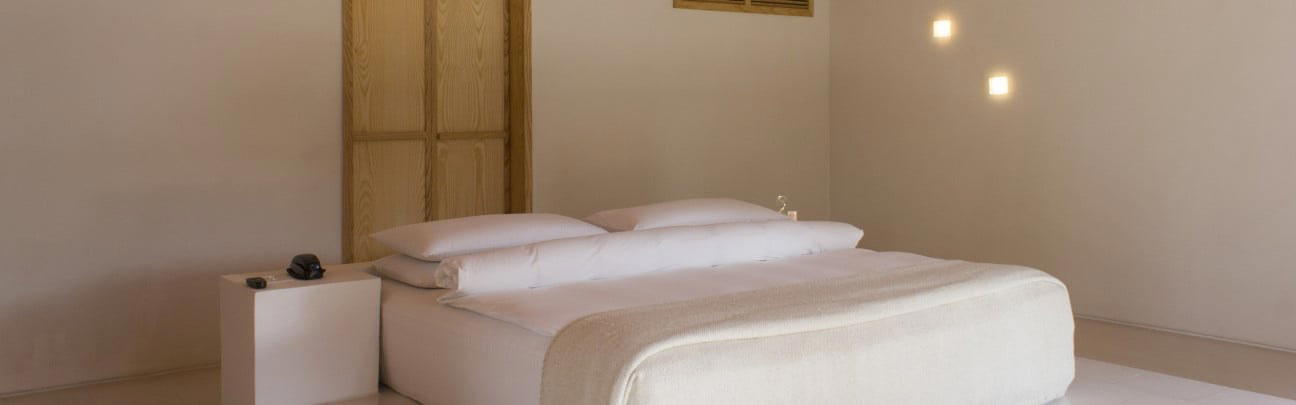
Where Centro Histórico's Past and Present Converge
República de Guatemala runs through the dense ecclesiastical and colonial core of Mexico City's Centro Histórico, a district where the built environment carries more history per square meter than almost anywhere else in the Americas. The streets here are narrow, the facades baroque or neoclassical, and the scale is resolutely pre-automobile. Hotels that succeed in this context do so not by competing with the neighborhood's weight but by working with it, finding a register that respects what surrounds them while giving guests something the street itself cannot. Círculo Mexicano, at number 20 on that street, operates in exactly that mode. It has drawn recognition specifically for the way its design captures the essence of its surroundings, and for how meaningfully it has contributed to the social fabric of the barrio around it.
That dual achievement, preservation-minded and community-forming, is less common than it sounds. Many heritage properties in the Centro lean toward museification, treating historical architecture as a feature to display rather than a condition to inhabit. Others modernize so aggressively that the building's past becomes backdrop rather than structure. Círculo Mexicano has been recognized for threading that needle, a signal that its editorial positioning within the neighborhood is earned rather than claimed.
Heritage Architecture as Active Framework
The Centro Histórico's stock of colonial and early-republican buildings is one of Mexico City's most consequential assets, and also one of its most contested. Developers, preservationists, municipal authorities, and hoteliers all have competing claims on these structures. The properties that emerge from that negotiation with the strongest design identities tend to be those where the architectural intervention is disciplined enough to let the bones of the original building read clearly while still functioning as contemporary hospitality spaces.
Círculo Mexicano's address on República de Guatemala places it within walking distance of the Zócalo, the Metropolitan Cathedral, and the Templo Mayor archaeological site, a concentration of civic and religious monuments that gives the immediate streets their particular gravity. To stay here is to be inside the historical record rather than adjacent to it. For travelers whose interest in Mexico City extends to its pre-Columbian and colonial layers, that proximity is a substantive logistical advantage: the major Centro sites are accessible on foot without the need to factor in transit or traffic, which in a city of this scale is not a minor consideration.
What Critical Recognition Actually Signals
The recognition Círculo Mexicano has received frames it as a property that contributes greatly to the social scene of its neighborhood, not merely occupies space within it. In hospitality terms, that framing points toward a specific kind of hotel, one with programming, public spaces, or a food and beverage operation active enough to function as a neighborhood anchor rather than a sealed-off enclave for guests.
This is a meaningful distinction in the current generation of boutique hotels across Latin America. The properties attracting serious editorial attention in cities like Mexico City, Buenos Aires, and Bogotá tend to share a common trait: their ground-floor or common spaces draw locals as reliably as they draw hotel guests. When a property is recognized for its social contribution to a neighborhood, that is typically the mechanism at work. Círculo Mexicano appears to sit in that category, functioning as a place the barrio uses rather than one that simply exists within it.
For context, compare this positioning to the international-branded flagships that dominate Mexico City's upper hotel tier. The Casa Polanco, the Alexander, Brick Hotel, Campos Polanco, Casapani, and Casona Roma Norte each operate in residential or commercial neighborhoods with different grain and pace than the Centro. Properties like Casa Nuevo León, CASA TEO, and the Casona Roma Norte all demonstrate how neighborhood-embedded boutique hotels function across different city districts. Círculo Mexicano's version of that model is specific to the Centro's particular density and historical weight.
The Centro Histórico as a Traveler's Decision
Staying in the Centro Histórico involves a set of trade-offs that travelers should weigh before booking. The neighborhood concentrates Mexico City's deepest historical layers and some of its most significant public architecture, but it is also a high-density commercial and pedestrian zone where street-level activity is constant and, in some sections, chaotic. The pace is different from Polanco's relative calm or Roma Norte's café-and-gallery rhythm. Evenings in the Centro shift quickly, with some streets quieting considerably after business hours.
What the Centro offers that other districts cannot is immersion: the feeling of being inside the city's original logic rather than inside a later residential or commercial overlay. For travelers who have already covered the Condesa-Roma circuit or want an entry into Mexico City that foregrounds its pre-modern identity, the Centro makes a strong case. Círculo Mexicano, given its recognized integration into the neighborhood's social life, is the kind of base from which that immersion is most efficiently staged.
For broader context on where Círculo Mexicano sits within Mexico City's hotel options, see our full Mexico City restaurants and hotels guide.
Mexico Beyond the Capital
For travelers structuring a longer Mexico itinerary, the country's resort and boutique hotel tier outside Mexico City offers a genuinely different register. Hotel Esencia in Tulum and Maroma in Riviera Maya represent the Caribbean coast's design-led end of the spectrum. One&Only; Mandarina in Riviera Nayarit and Four Seasons Resort Punta Mita anchor the Pacific coast's premium tier. In Los Cabos, Las Ventanas al Paraíso, Montage Los Cabos, and Zadun, A Ritz-Carlton Reserve operate at the scale-and-service end of desert-coast hospitality. More intimate alternatives include Xinalani in Quimixto, Las Alamandas in Costalegre, and Etéreo, Auberge Resorts Collection in Punta Maroma. For colonial-city travelers, Casa de Sierra Nevada in San Miguel de Allende and Chablé Yucatán near Merida each offer a version of the heritage-building model in different regional contexts, as does Casa Silencio in San Pablo Villa de Mitla.
Planning Your Stay
Círculo Mexicano sits at República de Guatemala 20 in Colonia Centro, Mexico City 06000. The address is within the UNESCO-designated historic zone, which means pedestrian access to the city's major civic monuments is direct. For travelers arriving at Benito Juárez International Airport, the Centro is a direct taxi or ride-share ride with journey times varying substantially depending on time of day. The neighborhood functions leading explored on foot during daylight hours, with the main archaeological and religious sites concentrated within a few blocks in multiple directions. Given the hotel's recognized role in the neighborhood's social scene, the on-site programming or public spaces are worth factoring into the decision to stay here rather than treating the address purely as a logistical base.
Recognition history
Dated appearances from independent guides and award organizations, with the underlying list record or original source where available.
Design Hotels Member
Design Hotels
Mr & Mrs Smith Smith Seal of Approval
Mr & Mrs Smith
Vogue 2026 Vogue Best Hotels in Mexico City
Vogue
Michelin Selected
Michelin
Continue exploring
More in Mexico City
Hotels in Mexico City
Browse all →
Bars in Mexico City
Browse all →
At a Glance
- Minimalist
- Elegant
- Sophisticated
- Quiet
- Romantic
- Romantic Getaway
- Weekend Escape
- Anniversary
- Rooftop Pool
- Historic Building
- Design Destination
- Terrace
- Panoramic View
- Wi Fi
- Pool
- Spa
- Sauna
- Hot Tub
- Restaurant
- Bar
- Room Service
- Concierge
- Business Center
- Street Scene
- Wi Fi
- Pool
- Spa
- Sauna
- Hot Tub
- Restaurant
- Bar
- Room Service
- Concierge
- Business Center
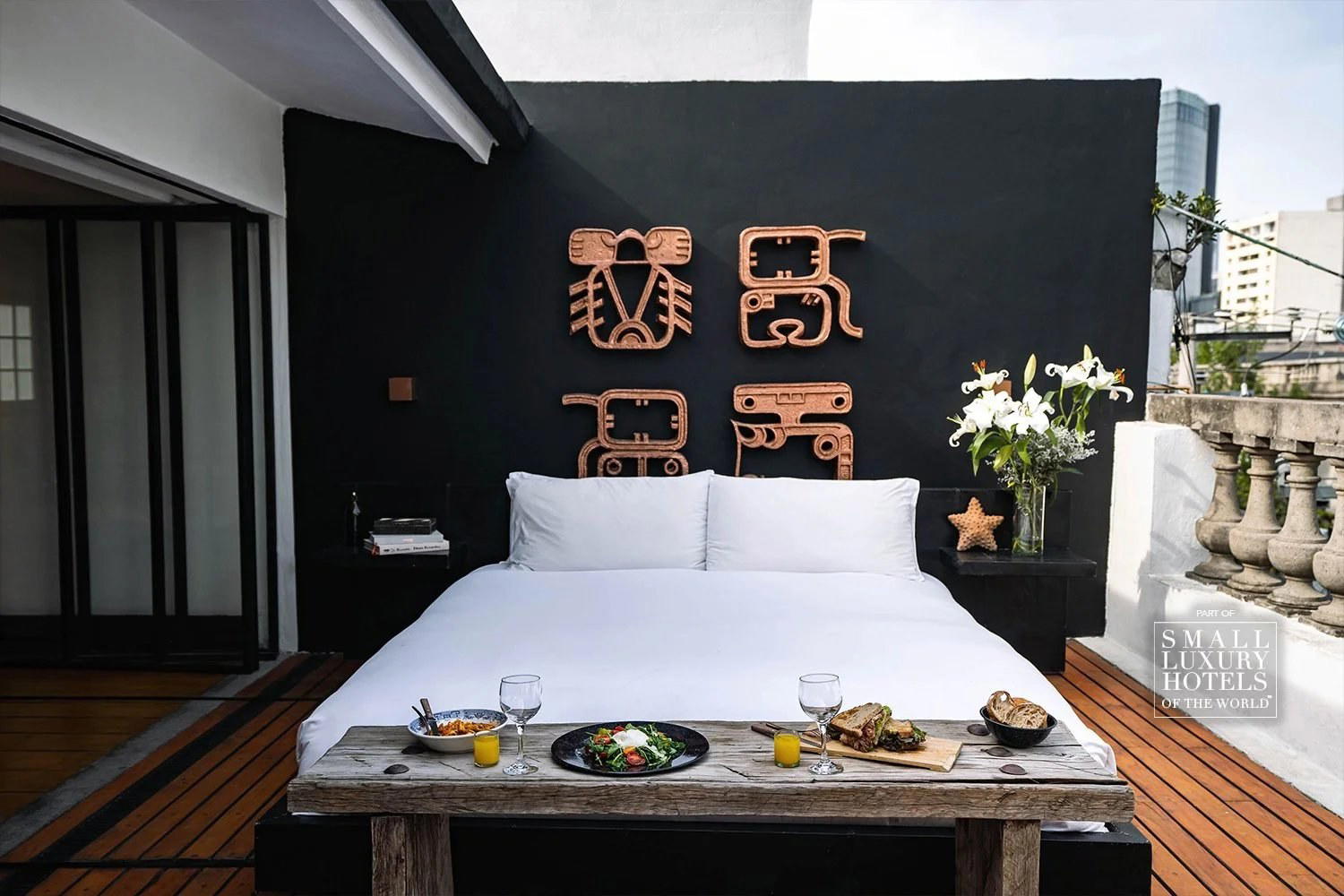
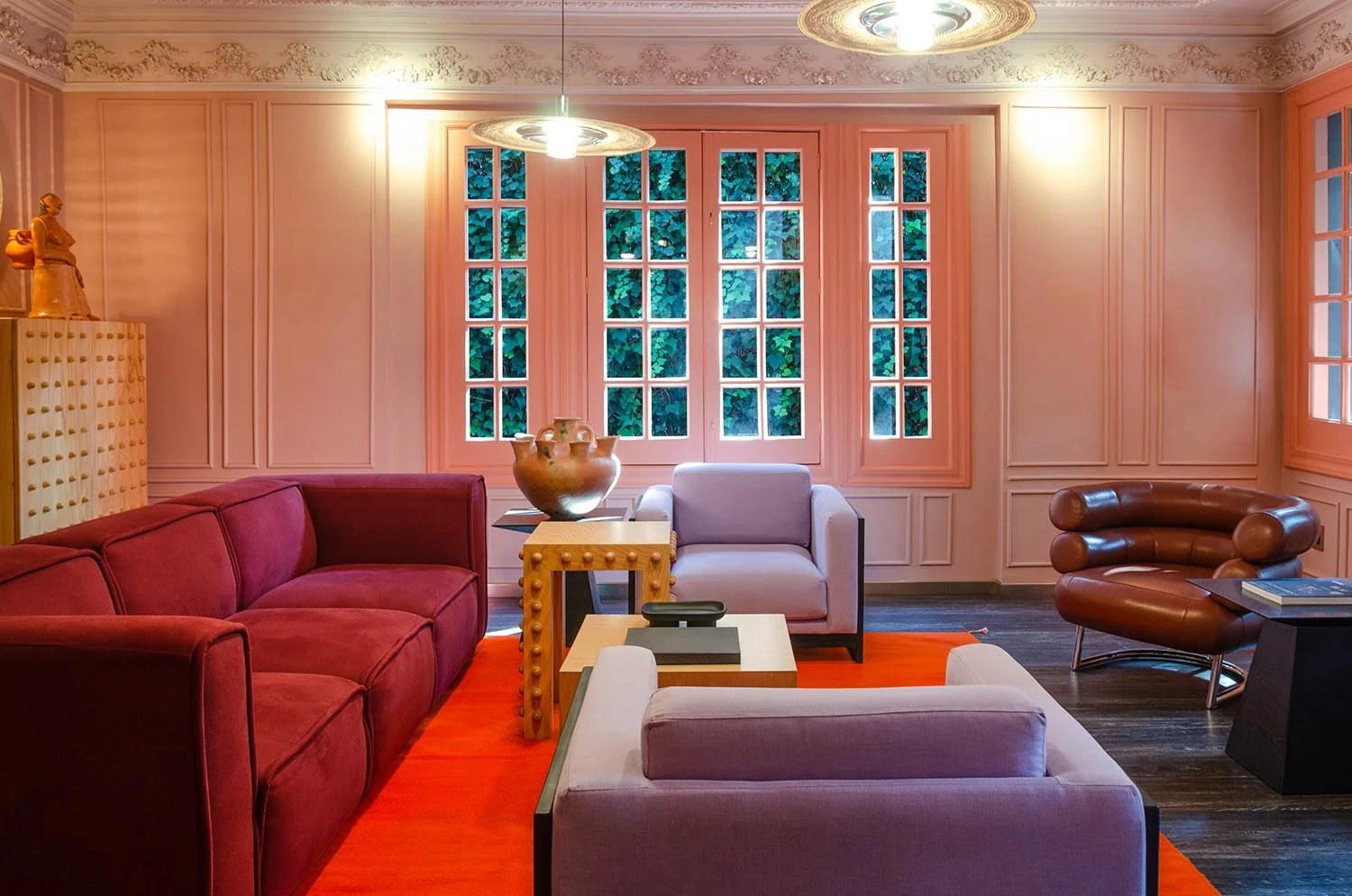
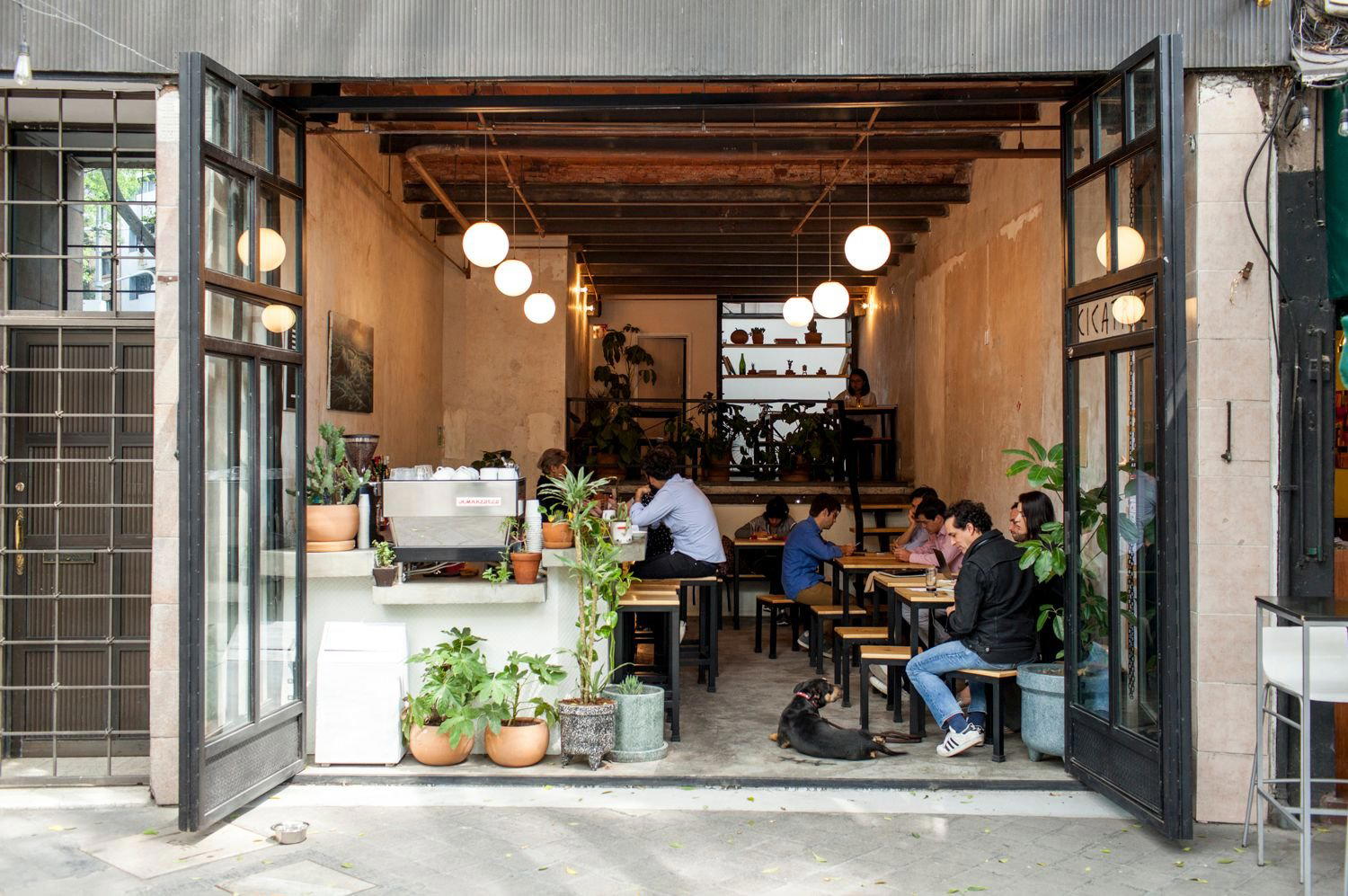
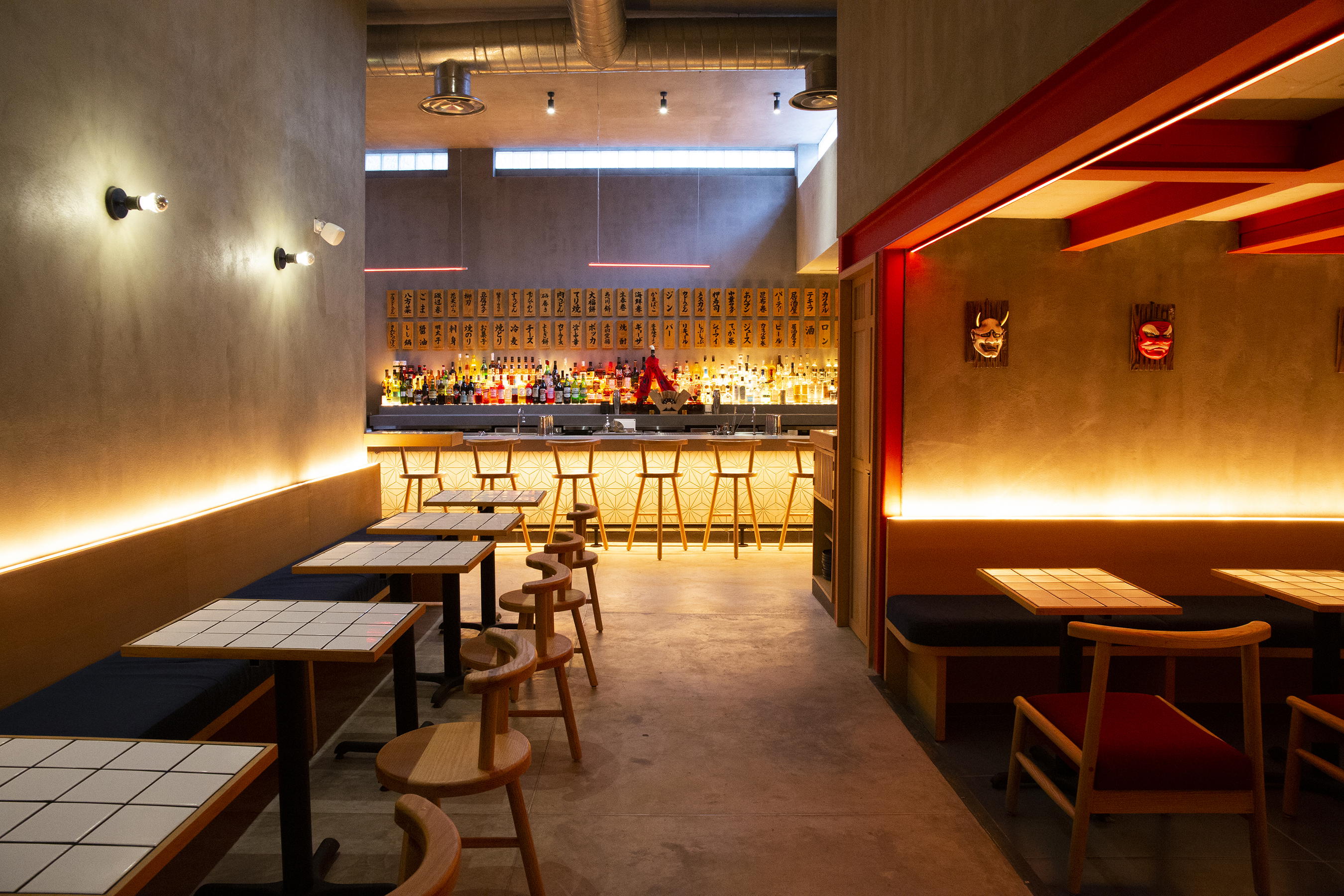
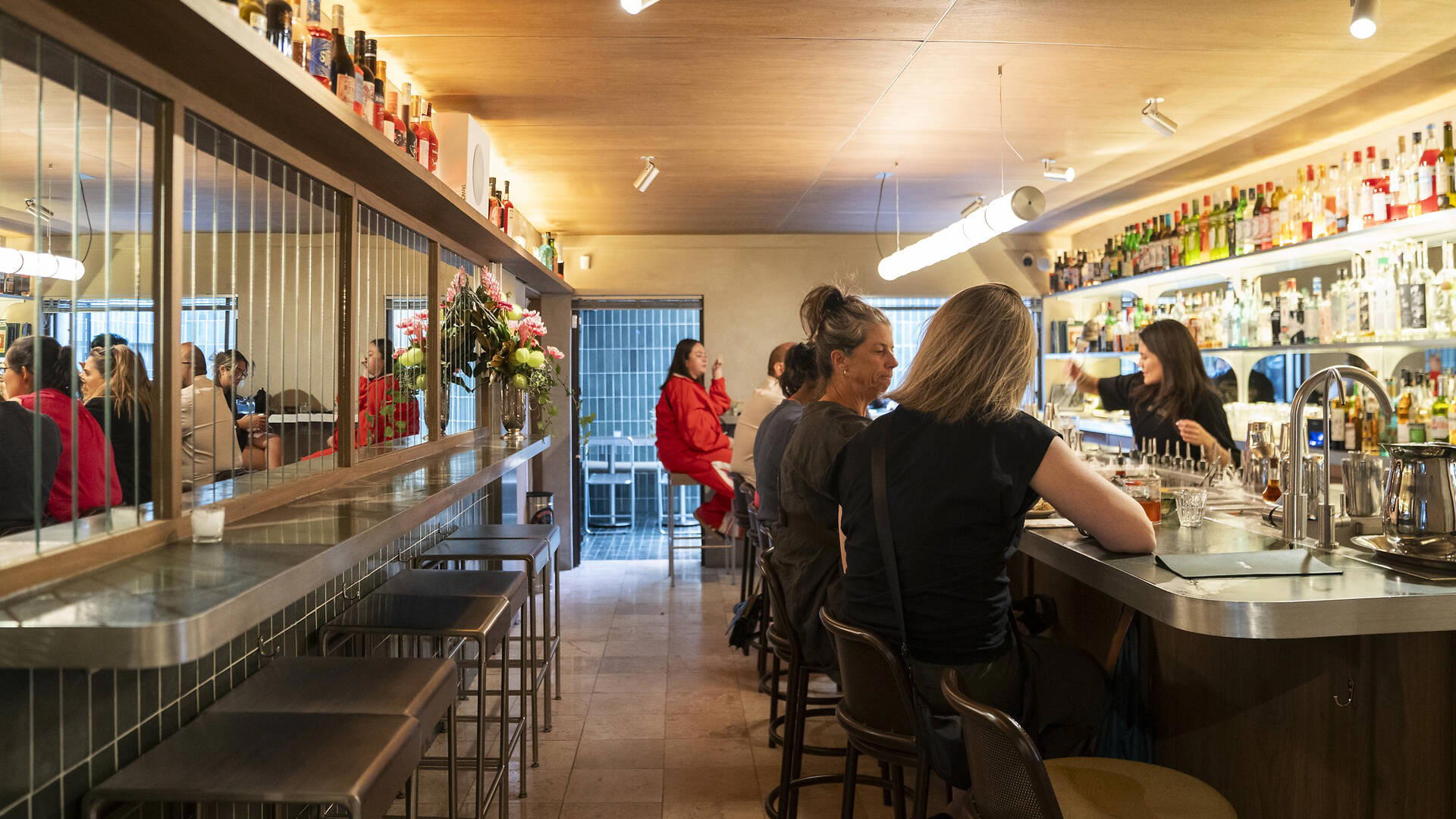
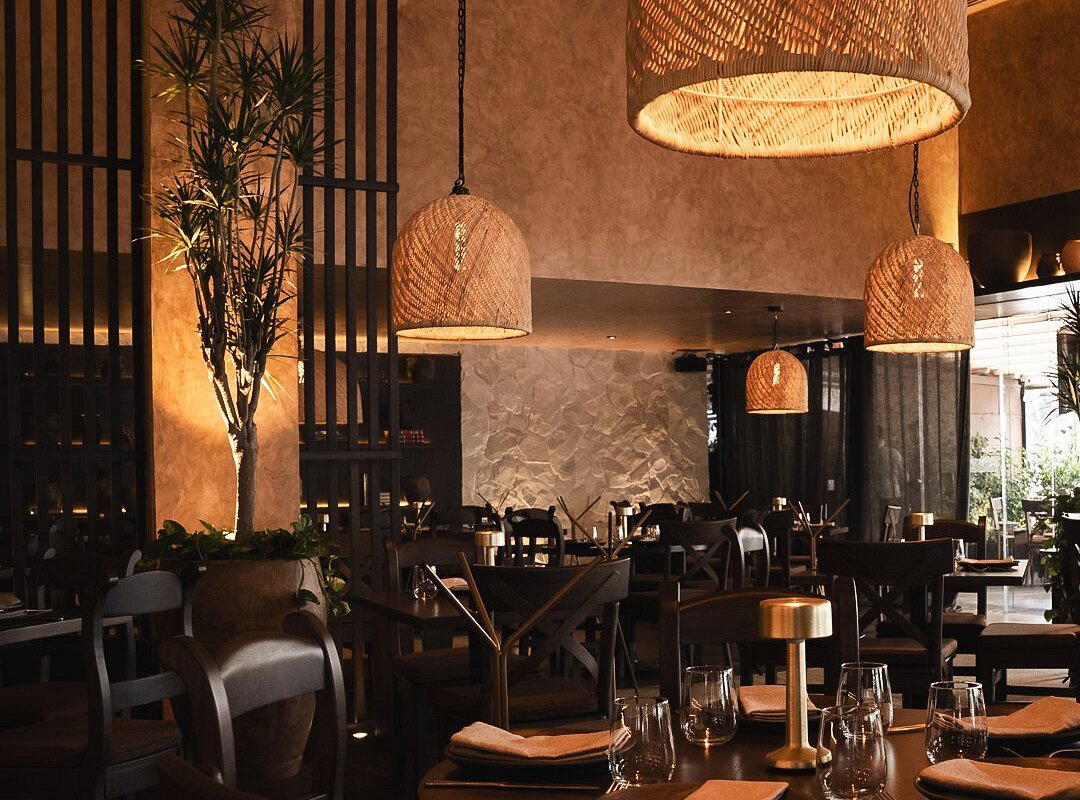
Serene and minimalist with natural light, featuring brushed concrete and pastel cream interiors; the rooftop offers a lively social space with greenery and cathedral views.
Know Before You Go
- Getting there
- Republica de Guatemala 20 Mexico City, Mexico City 06000, Mexico