
Ranked 14th on Condé Nast's Best Resorts list for 2025, Wildflower Hall sits at Charabra above Shimla in the Himalayas, occupying the former estate of Lord Kitchener. The property positions itself in the upper tier of Indian mountain retreats, where forest seclusion, colonial-era architecture, and altitude-appropriate dining define the competitive set.
Pearl is the En Primeur Club membership app — saves, bookings, and concierge access live there. Same editors, same standards.
- Address
- Charabra, Shimla, Himachal Pradesh 171012
- Phone
- +91 177 264 8585
- Website
- oberoihotels.com
- Directions
- Get directions
 Saves & bookings on Pearl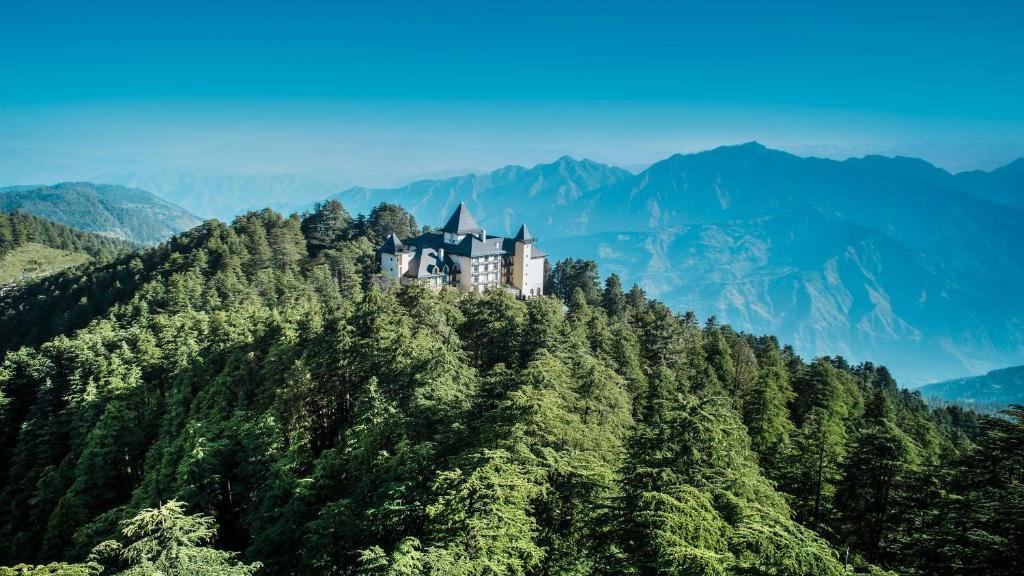
Above the Ridge: Shimla's Upper-Altitude Hotel Tier
The road to Charabra climbs past the last of Shimla's colonial-era promenade and into cedar forest that thins the air and quiets everything below. At roughly 8,250 feet, the approach to Wildflower Hall does what the leading mountain properties do before a guest crosses the threshold: it reframes expectations. The density of Shimla town, its Mall Road commerce and summer-season crowds, recedes into irrelevance. What replaces it is the particular stillness of high-altitude Himalayan cedar, the kind that makes a property feel less like a hotel and more like a governed wilderness.
This altitude bracket, above the main Shimla ridge and into the Charabra area, defines a distinct sub-category within Indian hill-station hospitality. Properties here compete less against Shimla's mid-market hotels and more against the broader set of luxury mountain retreats across the subcontinent, including destinations like Ananda in the Himalayas in Narendra Nagar and Amaya in Solan. The differentiator at this tier is almost never the room count or the spa menu in isolation; it is the coherence between setting, culinary programme, and the physical fabric of the building.
Colonial Architecture as Competitive Context
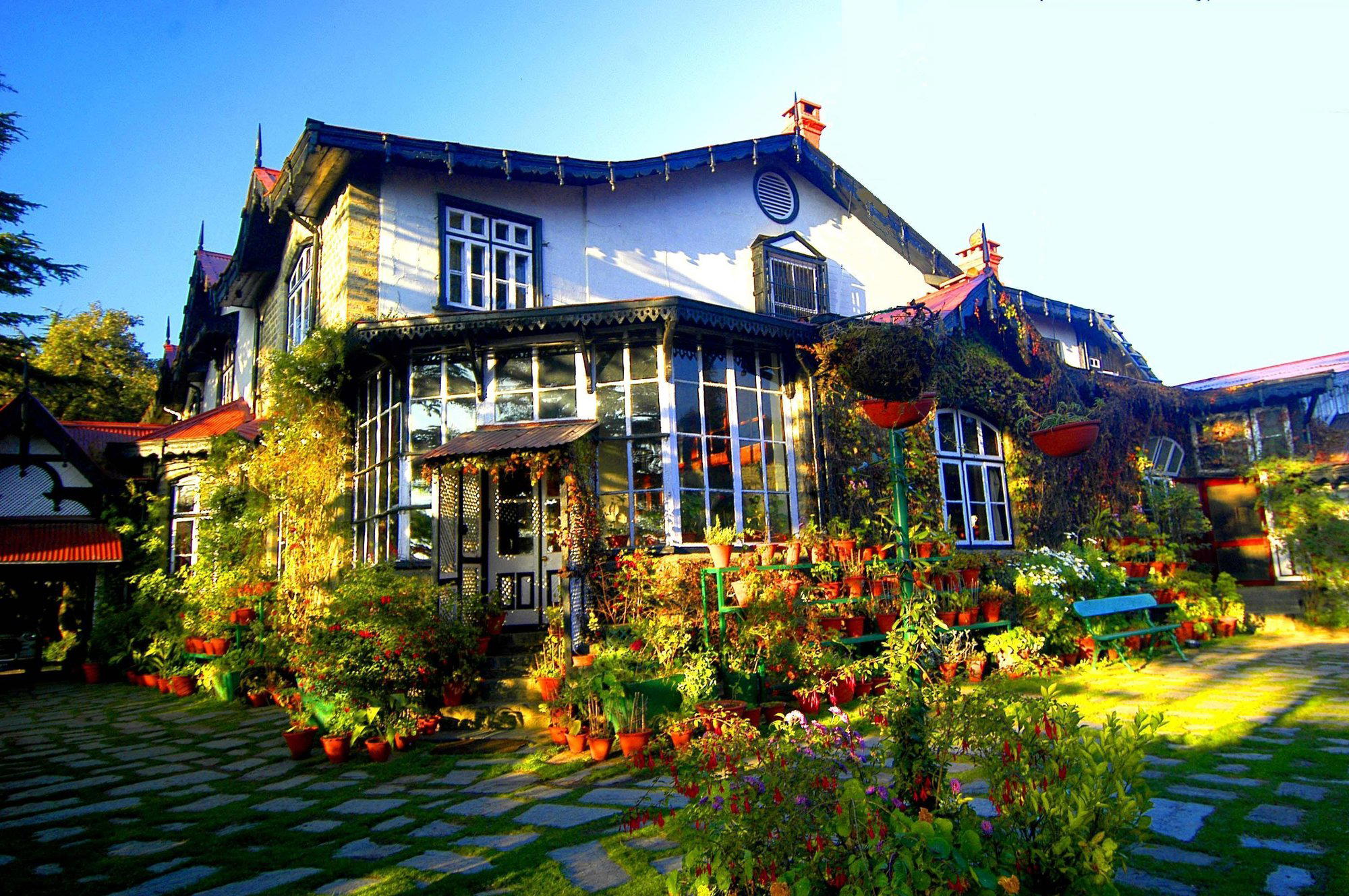
Wildflower Hall occupies the former estate of Lord Kitchener, Commander-in-Chief of India in the early twentieth century. That provenance places it in the same class of converted colonial-era properties that define India's high-end heritage hotel category, alongside properties like Chapslee in Shimla itself, which operates as a more intimate, privately run estate. The distinction between a grand-scale heritage conversion and a boutique one is significant: Wildflower Hall reads as the former, with the kind of stone and timber construction that carries both the authority and the maintenance demands of century-old architecture.
In India's premium hospitality set, heritage conversions at altitude carry a specific kind of cachet that newer purpose-built properties cannot replicate. The appeal is partly aesthetic and partly narrative: the sense that a place has already accumulated meaning before the guest arrives. Rajasthan's most recognised luxury properties, among them Amanbagh in Ajabgarh, Alila Fort Bishangarh in Manoharpur, and Suján Jawai in Pali, have built their positioning substantially on this logic. At Charabra, the same principle applies, but the forest context and the altitude replace the desert or fort drama of Rajasthan with something cooler and more austere.
The Dining Programme: Altitude, Seasonality, and Local Reference
Mountain hotel dining at this price tier has, over the past decade, moved toward a more deliberate engagement with local ingredients and regional culinary tradition. The older model, common in Indian hill stations through the 1990s and into the 2000s, treated the kitchen as a neutral facility offering a safe international menu to guests who were there for the view. The newer model, which Wildflower Hall sits within, uses the dining programme as an extension of the property's relationship with its landscape and altitude.
Himachali cuisine, the culinary tradition of Himachal Pradesh, draws on lentils, dried apricots, walnuts, locally reared meat, and spicing that is noticeably milder than the plains tradition. A property at Charabra with serious editorial intent in its kitchen would necessarily engage with this idiom, at least at the margins of its menu. The broader question for any mountain retreat dining programme is how it handles the tension between the comfort food logic of cold-weather altitude and the ambition to express local culinary identity. The properties that manage this well, like Ananda in the Himalayas with its Ayurvedic wellness framing, tend to resolve it by making the local reference structural rather than decorative.
For guests arriving from India's metropolitan hotel circuit, whether from The Leela Palace New Delhi or The Taj Mahal Palace, Mumbai, the shift in register that a well-run mountain dining programme offers is part of the point. Lighter stocks, dairy from Himalayan breeds, orchard fruit from Himachal's apple-growing zones: these are the markers of a kitchen that is doing something genuinely connected to its geography rather than operating a city hotel kitchen at altitude.
Awards Position and comparable set
Wildflower Hall's placement at number 14 on Condé Nast's Leading Resorts ranking for 2025 is a meaningful trust signal. Condé Nast Traveller India's 2025 Best Resorts ranking places Wildflower Hall at number 14. A ranking of 14 places Wildflower Hall within the upper quarter of recognised Indian resort properties, a cohort that also includes properties with more established international name recognition, such as The Oberoi Amarvilas in Agra and Aman-i-Khas in Ranthambore.
Within the Shimla and broader Himachal Pradesh market, that ranking is the strongest independently verified credential available. It suggests a property that is performing consistently at a level its peers in the hill-station category are not, which in a market crowded with mid-range heritage conversions is a meaningful distinction. For context, the India mountain retreat category has expanded significantly since 2015, with new properties opening across Uttarakhand, Himachal, and Sikkim, making category recognition harder to achieve and therefore more significant when it appears.
Seasonal Timing and Access
The Shimla region experiences four distinct seasons, each of which changes the character of a stay at altitude. Winter brings snow to Charabra and can close road access temporarily; summer, from April through June, draws the largest volume of domestic visitors to the hill station and prices typically reflect that demand. The shoulder months of March and October-November offer a different kind of visit: fewer crowds, clearer skies, and the particular quality of light that comes before and after the monsoon. For guests oriented around the dining and wellness programme rather than trekking or snow, those shoulder windows tend to produce the functional stay.
Access is via Shimla, which connects to Delhi by road, rail, or a short domestic flight to Jubbarhatti Airport, roughly 23 kilometres from the city centre. Guests travelling from wider circuits of north India, combining with Gateway Dehradun or routing through Delhi after stays at Haveli Dharampura, will find Shimla most naturally integrated into a northern India itinerary. The Charabra location adds a further 13 kilometres from central Shimla, which the property's setting makes immediately comprehensible once arrived.
Planning a Stay
Wildflower Hall is located at Charabra, Shimla, Himachal Pradesh 171012. Given its Condé Nast ranking and the relatively limited number of rooms a converted heritage estate of this type typically carries, advance booking is advisable, particularly for the spring and summer peak season.
Budget and Context
Comparable venues nearby, for context on price, style, and recognition.
| Venue | Price | Awards | Notes |
|---|---|---|---|
| Wildflower Hall, Shimla in the HimalayasThis venue — the venue you are viewing | $$$$ | 5-Star | Not listed |
| Chapslee | $$$$ | 2-Star | Elysium Hill, Colonial heritage mansion with dhajji architecture |
| Taj Theog Resort & Spa, Shimla | $$$$ | 5-Star | Theog, Lodge-style luxury resort blending contemporary architecture with mountain tranquility. |
| Taj City Centre Gurugram | $$$$ | 5-Star | Sector 44, Contemporary luxury hotel with Indian accents |
| Taj Madikeri Resort and Spa, Coorg | $$$$ | 5-Star | Monnangeri, Inspired by traditional Kodagu architecture with contemporary luxury cottages and villas set in rainforest. |
| Taj Santacruz Mumbai | $$$$ | 5-Star | Santacruz East, Art Deco-inspired luxury with spacious rooms |
Recognition history
Dated appearances from independent guides and award organizations, with the underlying list record or original source where available.
Conde Nast Best Resorts #14
Conde Nast
Continue exploring
More in Shimla
Restaurants in Shimla
Browse all →
At a Glance
- Romantic
- Elegant
- Scenic
- Sophisticated
- Ornate
- Honeymoon
- Romantic Getaway
- Wellness Retreat
- Anniversary
- Panoramic View
- Historic Building
- Butler Service
- Pool
- Spa
- Fitness Center
- Room Service
- Concierge
- Tennis
- Kids Club
- Restaurant
- Bar
- Wi Fi
- Business Center
- Valet Parking
- Mountain
- Garden
- Pool
- Spa
- Fitness Center
- Room Service
- Concierge
- Tennis
- Kids Club
- Restaurant
- Bar
- Wi Fi
- Business Center
- Valet Parking
Serene and elegant colonial atmosphere with tranquil cedar forest surroundings, polished cleanliness, and relaxing spa and pool areas.