Pendry Mexico City
Pendry Mexico City is framed by a capital where hotel choice is inseparable from neighbourhood strategy. With limited public venue data available, the useful reading is comparative: how a Pendry address would sit against Polanco townhouse hotels, Condesa lifestyle properties, and Roma design-led stays for travellers who plan their days around access, dining, and city rhythm.

Pearl is the En Primeur Club membership app — saves, bookings, and concierge access live there. Same editors, same standards.
- Address
- Mexico City, Mexico
- Directions
- Get directions
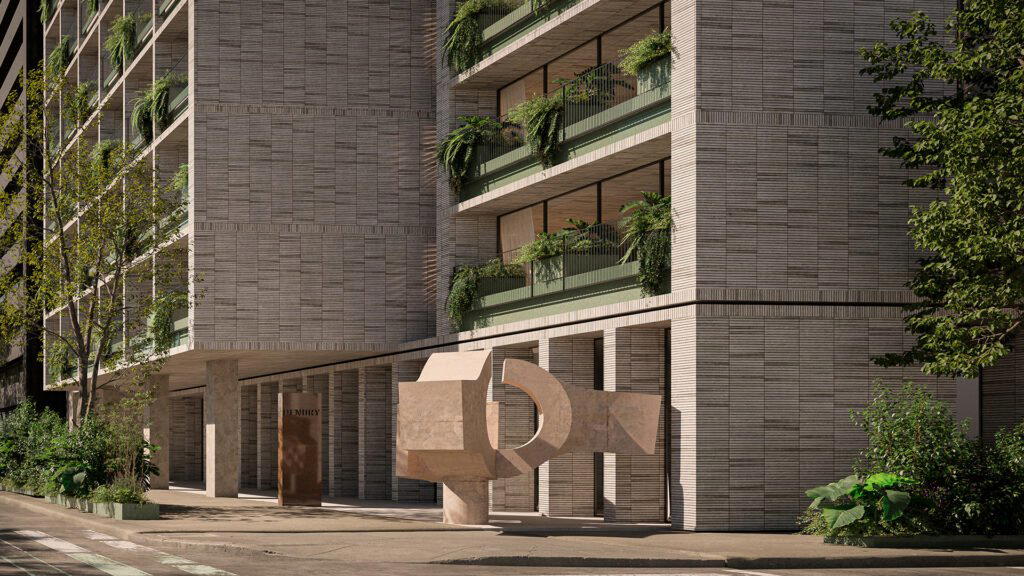
Mexico City hotel choice starts at street level
Mexico City announces itself through pavement before it does through skyline: jacaranda shade in spring, low-rise residential streets giving way to gallery blocks, late lunches spilling into the afternoon, and traffic patterns that can turn a short cross-town plan into the defining fact of the day. In this city, a hotel is not only a bed. It is a position on the map, and that position determines how naturally a trip can move between museums, restaurants, bars, parks, and private addresses. Pendry Mexico City belongs in that conversation less as an isolated property than as a signal of how international lifestyle hospitality is reading the capital: location first, brand language second, daily logistics always in view.
That absence matters. It prevents the usual hotel arithmetic of suite categories, restaurant names, service claims, and price comparisons. What can be assessed with confidence is the city context around it. Mexico City has become a hotel market where the reader’s decision is shaped by neighbourhood fit as much as by amenity lists. A polished property in the wrong area for a specific itinerary can feel less useful than a smaller stay with better access to the day’s actual plan.
The capital's luxury map has split into several useful zones
Mexico City’s hotel scene is not organised around a single grand hotel corridor. Polanco draws travellers who want museums, embassy avenues, Chapultepec access, and a calmer late-evening return. Roma and Condesa suit those who organise a trip around restaurants, cocktail bars, independent shops, and long walks between leafy medians. The Centro Histórico offers architecture and institutional history, but demands a different tolerance for density and day-to-night shifts. Reforma operates as the business and big-brand spine, useful for corporate schedules and museum access. That split has created a more interesting premium market than a simple luxury-versus-boutique divide.
For comparison, Casa Polanco sits naturally in the Polanco conversation, where townhouse scale and access to Chapultepec define the stay. Campos Polanco belongs to a similar neighbourhood logic, useful for travellers who want a residential base rather than the tempo of Roma or Condesa. Brick Hotel carries the Roma Norte argument: food, design, and street life close at hand. Andaz Mexico City Condesa - A Concept by Hyatt places a larger lifestyle format in a district where parks, cafés, and nightlife drive demand. Those are not interchangeable choices. They answer different versions of the same trip.
Mexico City is now mature enough to absorb both intimate local houses and internationally legible lifestyle brands. The traveller choosing among them should ask where the day begins and ends, not which brand vocabulary sounds more polished.
Location is the real amenity in Mexico City
In a compact European capital, travellers can often correct a poor hotel location with a quick walk. Mexico City is different. Its size, elevation, traffic, and neighbourhood contrasts reward planning. The choice between Polanco, Condesa, Roma, Reforma, and Centro can change the whole texture of a stay: morning museum run, long lunch, gallery visit, mezcal bar, and the return ride after dinner. Location reduces friction, and friction is the hidden cost of the city.
That is why Pendry Mexico City should be read through access rather than through unverified amenity claims. If a traveller’s itinerary centres on contemporary dining, the hotel needs to connect efficiently to Roma Norte, Juárez, Condesa, and Polanco. If the trip is art-heavy, proximity to Chapultepec, Museo Jumex, Museo Soumaya, and the gallery circuit becomes more important than a longer feature list. If nightlife matters, the right base changes again. The hotel’s value will come from how well its address supports those patterns once confirmed, especially for visitors who have only three or four nights.
Mexico City also rewards repeat movement through the same streets. The better hotel decision is often the one that lets a guest become semi-local for a few days: same coffee block in the morning, same shaded walk after lunch, same reliable ride corridor at night. That is why small properties such as Casa Cuenca, Casa Goliana, and Casa Nuevo León Hotel remain relevant beside larger branded formats. They turn neighbourhood access into the central feature, sometimes with fewer conventional luxury signals.
How Pendry fits the city's hotel categories
Against Polanco townhouse hotels
Polanco’s appeal is composure. The district gives visitors broad avenues, high-end retail, museum access, and restaurants that can handle business lunches as easily as celebratory dinners. A Pendry-branded address would compete here on contemporary polish and international recognition, while properties such as Casa Polanco and Campos Polanco speak to a quieter residential model. The decision is less about luxury in the abstract than about appetite for scale. Some travellers want a house-like stay with a soft landing after dinner. Others want a more programmed hotel with broader service expectations.
Against Roma and Condesa design stays
Roma and Condesa have become shorthand for Mexico City’s creative-travel circuit, though the label is often used too loosely. The real draw is density: restaurants, bars, galleries, bakeries, and parks sitting close enough to reward unscheduled time. Brick Hotel, Casa Goliana, and Casa Nuevo León Hotel fit that mode because the surrounding streets do much of the work. If Pendry Mexico City is used as a base for this side of the capital, its success will depend on how cleanly it connects guests to those districts without making each outing feel like a transfer.
Against broader Mexico resort luxury
Mexico’s premium hotel conversation is often dominated by coast and countryside, but Mexico City answers a different desire. Hotel Esencia in Tulum, One&Only Mandarina in Riviera Nayarit, Montage Los Cabos in Cabo San Lucas, Maroma in Riviera Maya, Zadun, A Ritz-Carlton Reserve in Los Cabos, and Las Ventanas al Paraíso, A Rosewood Resort in San José del Cabo sell space, privacy, coastline, or desert quiet. A city hotel sells adjacency: to meals, meetings, museums, and neighbourhood life. That makes the Mexico City decision sharper, because the property must justify itself through access and daily rhythm rather than escape.
Dining, drinking, and the reason hotel location matters here
Mexico City is a dining capital where restaurants are spread across several districts rather than clustered around hotel lobbies. The current scene moves between ambitious tasting menus, serious taquerías, contemporary Mexican kitchens, Japanese counters, natural wine rooms, and cocktail bars with technical programs. A hotel that reduces transit between these points has immediate practical value. For restaurant planning, Our full Mexico City restaurants guide gives the better frame than any single hotel page can provide.
The same holds for drinking. Cocktail culture in the capital has become a reason to travel in its own right, but late-night movement across neighbourhoods should be planned with care. A base that sits comfortably between dinner and bar districts will feel more useful than a property with a longer amenity list but weaker access. For that side of the city, Our full Mexico City bars guide helps sort the evening map. Travellers building a broader itinerary can also use Our full Mexico City experiences guide and Our full Mexico City wineries guide, though wine travel in Mexico is more naturally tied to regions beyond the capital than to a Mexico City hotel stay.
Who should be watching Pendry Mexico City
Pendry Mexico City makes the most sense for travellers who want Mexico City interpreted through a polished international hotel lens, while still making the city itself the focus. That usually means guests who plan serious restaurant nights, museum days, and cross-neighbourhood movement, but prefer a recognisable hospitality framework rather than a small independent house. It is less naturally aimed at travellers who want their hotel to disappear into a residential street, though the final judgment depends on confirmed location and room data.
First-time visitors should prioritise access over novelty. A base that makes Chapultepec, Polanco, Roma, Condesa, and Juárez workable across a short stay will do more for the trip than a room category chosen in isolation. Repeat visitors can afford to be more specific: a return trip might revolve around a single neighbourhood, a series of restaurants, or a quieter work-and-dining rhythm. In that case, comparing Pendry with Alexander, Casa Cuenca, or Brick Hotel becomes less about hierarchy and more about the geography of the week.
For readers comparing city hotels internationally, Mexico City now sits comfortably beside other destination-driven urban hotel markets. The relevant comparison is not only within Mexico, but with properties such as The Fifth Avenue Hotel in New York City, Hôtel de Paris Monte-Carlo in Monte Carlo, and Badrutt's Palace Hotel in St. Moritz. Those hotels operate in cities or resorts where address carries cultural meaning. Mexico City works the same way, though with more emphasis on neighbourhood texture and daily logistics.
Planning notes before committing
Confirm the exact address first, then map the trip around actual dinner reservations, museum days, and expected ride times. If the stay is built around restaurants, anchor the hotel choice to confirmed bookings rather than to a general idea of where the city’s dining scene sits. If museums and parks matter more, check how easily the property connects to Chapultepec and Polanco. If nightlife is central, compare return routes from Roma, Condesa, and Juárez after dark.
The broader Mexico City hotel shortlist should remain open until those details are clear. Our full Mexico City hotels guide is the practical comparison point for placing Pendry Mexico City beside smaller local houses, branded lifestyle hotels, and district-specific stays. For longer Mexico trips, a capital stay also pairs naturally with properties beyond the city: Chablé Yucatán in Mérida, Xinalani in Quimixto, and Playa Viva in Juluchuca each answer a different post-city mood. The capital is for appetite, art, and movement; the rest of the itinerary can supply quiet.
Comparable venues nearby, for context on price, style, and recognition.
| Venue | Cuisine | Price | Awards | Notes |
|---|---|---|---|---|
| Pendry Mexico CityThis venue — the venue you are viewing | Contemporary luxury mixed-use hotel and branded residences designed to celebrate Mexico City’s culture and Roma Norte’s Art Deco heritage. | Not listed | Not listed | Not listed |
| Casapani | Revived mid-century modernist mansion turned intimate guesthouse. | Not listed | Not listed | Cuauhtemoc |
| The Standard | Boutique hotel redefining hospitality with urban flair. | Not listed | Not listed | Tabacalera |
| Casa Cuenca | Restored 1930s mansion with contemporary Mexican artistry | Not listed | Michelin Selected · Vogue 2026 Vogue Best Hotels in Mexico City | Condesa |
| Roso Guest House | Restored Porfirian mansion with bold contemporary design in lively Roma Norte. | $200–300 | Small Luxury Hotels of the World Member | Roma Norte |
| CASA TEO | Creative hub inspired by artist residencies in historic Pujol site. | $300–500 | Not listed | Chapultepec Morales |
Continue exploring
More in Mexico City
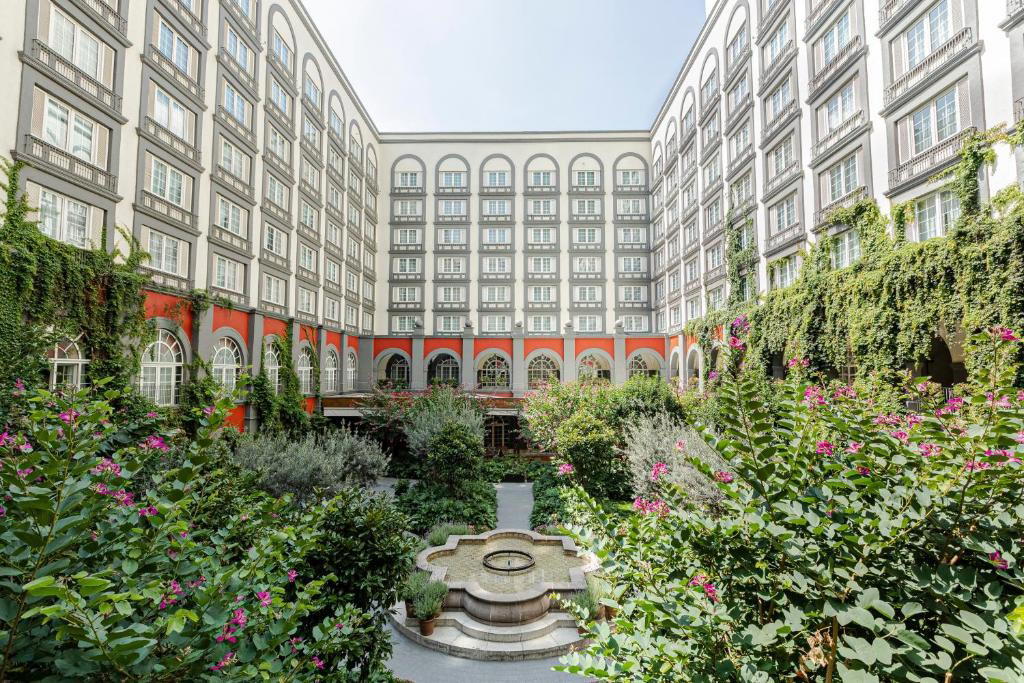
Hotels in Mexico City
Browse all →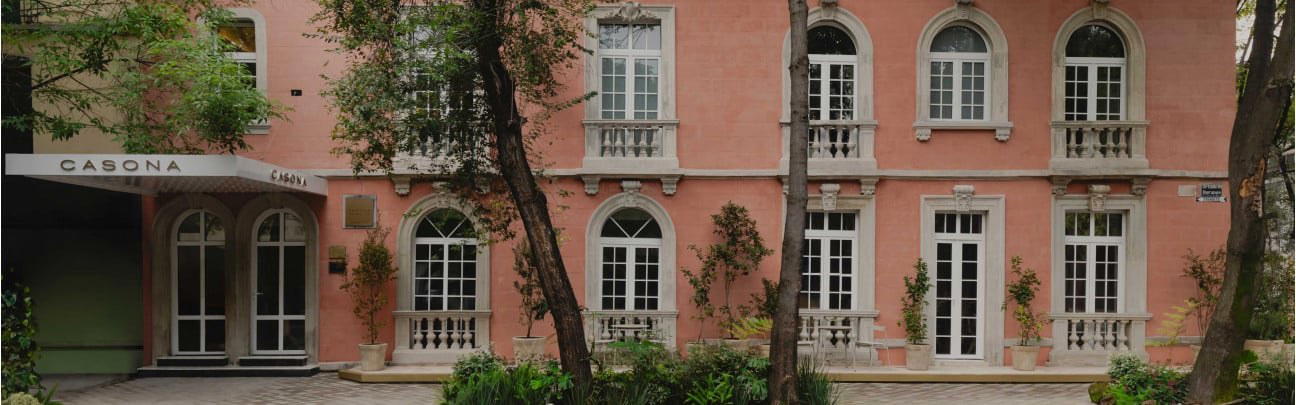
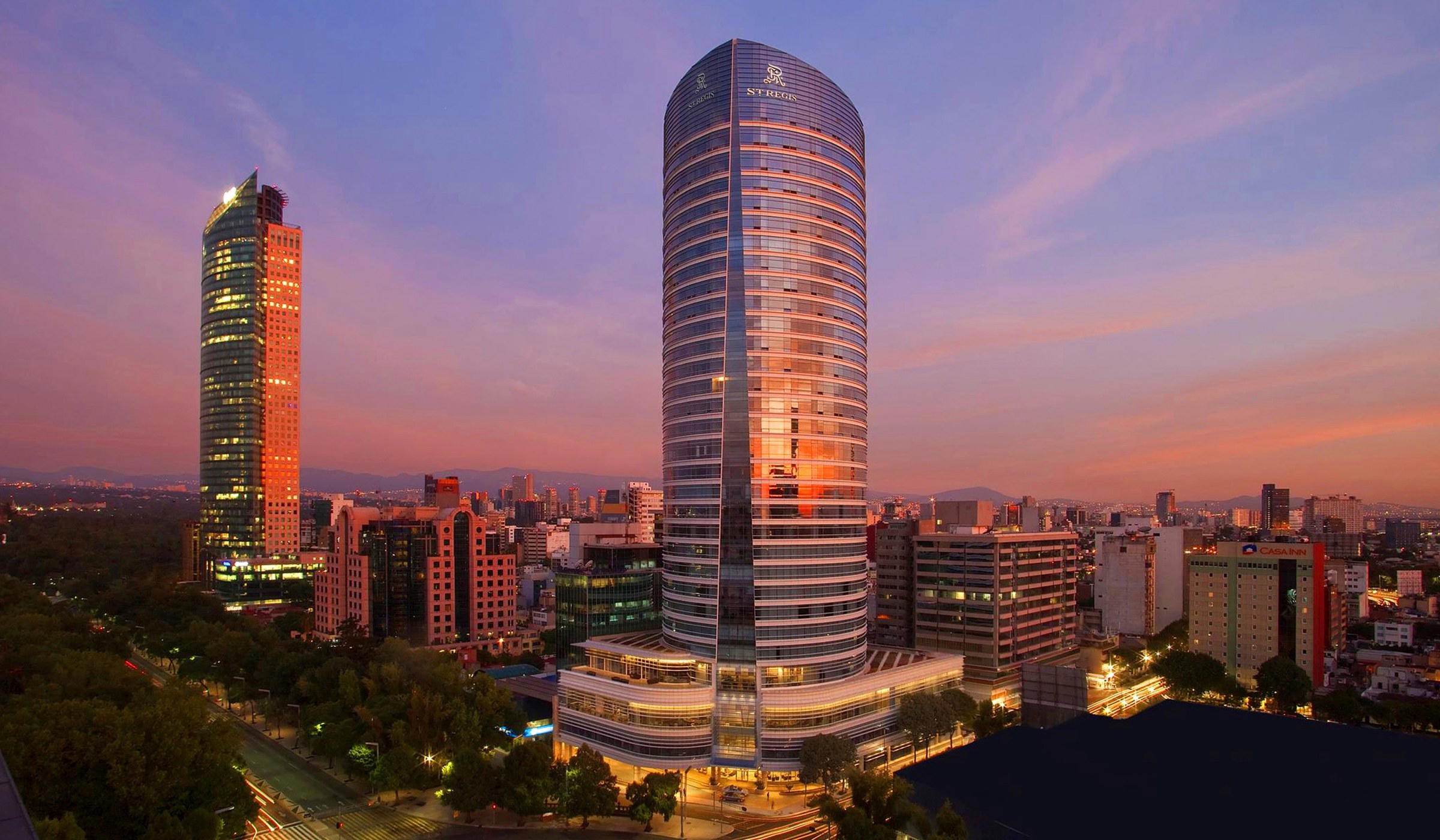
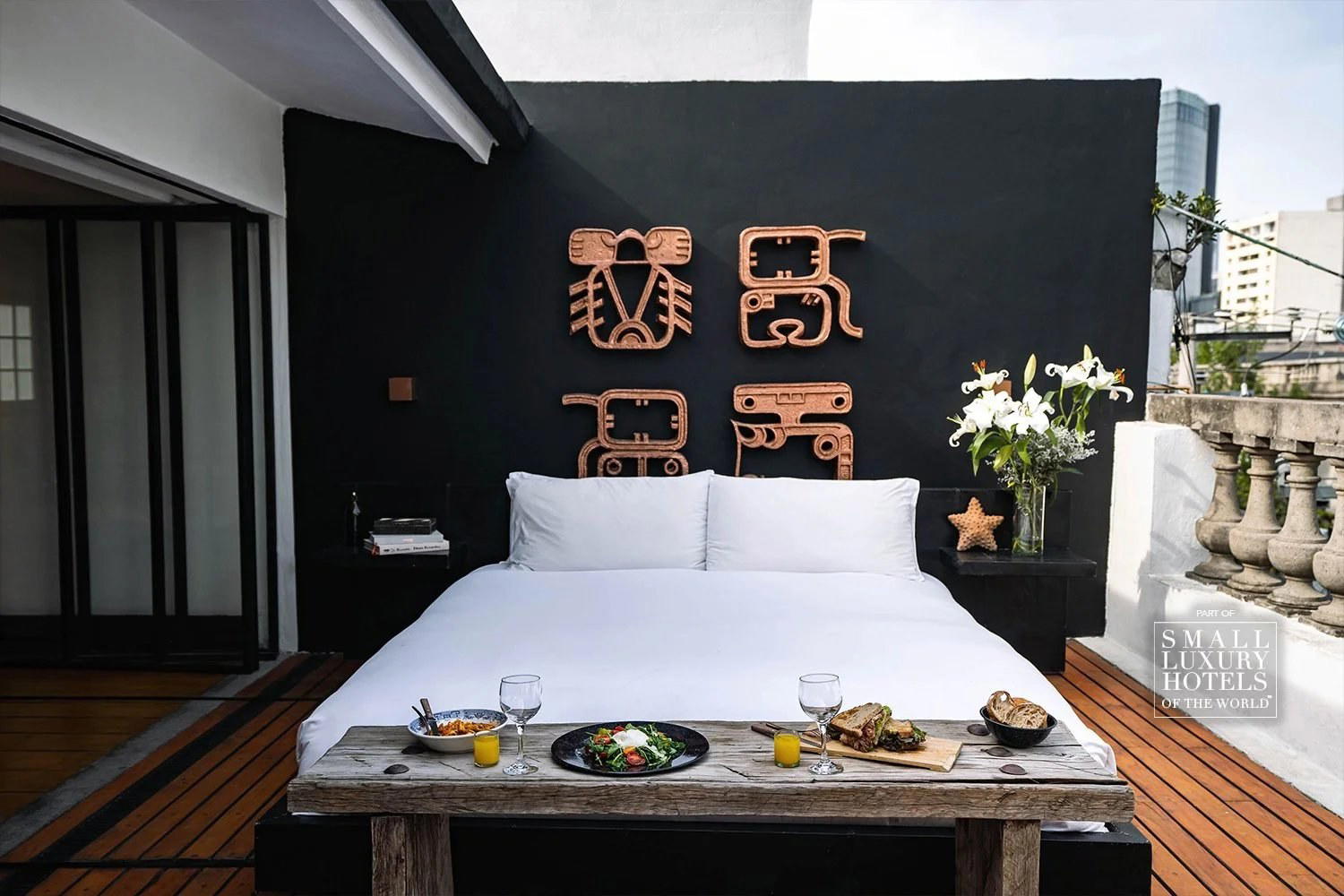
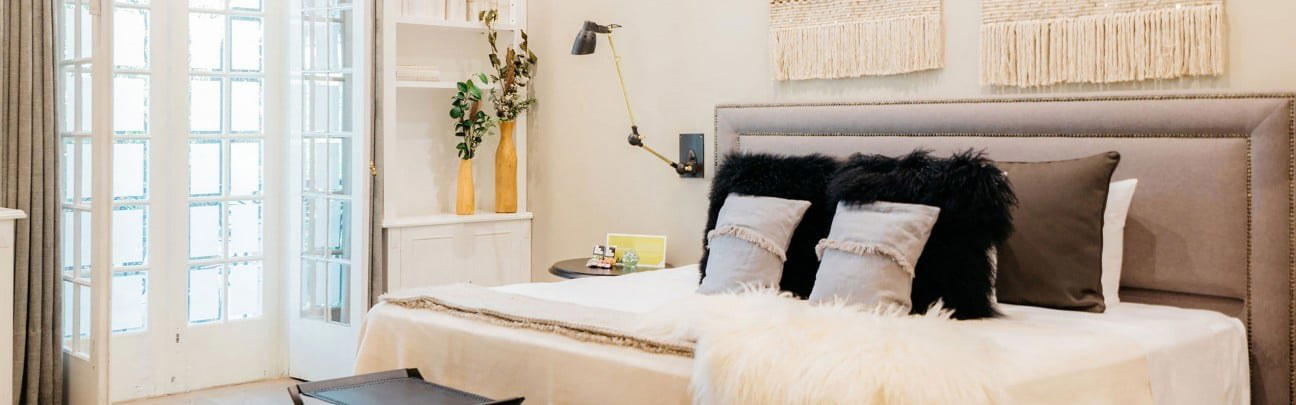
Bars in Mexico City
Browse all →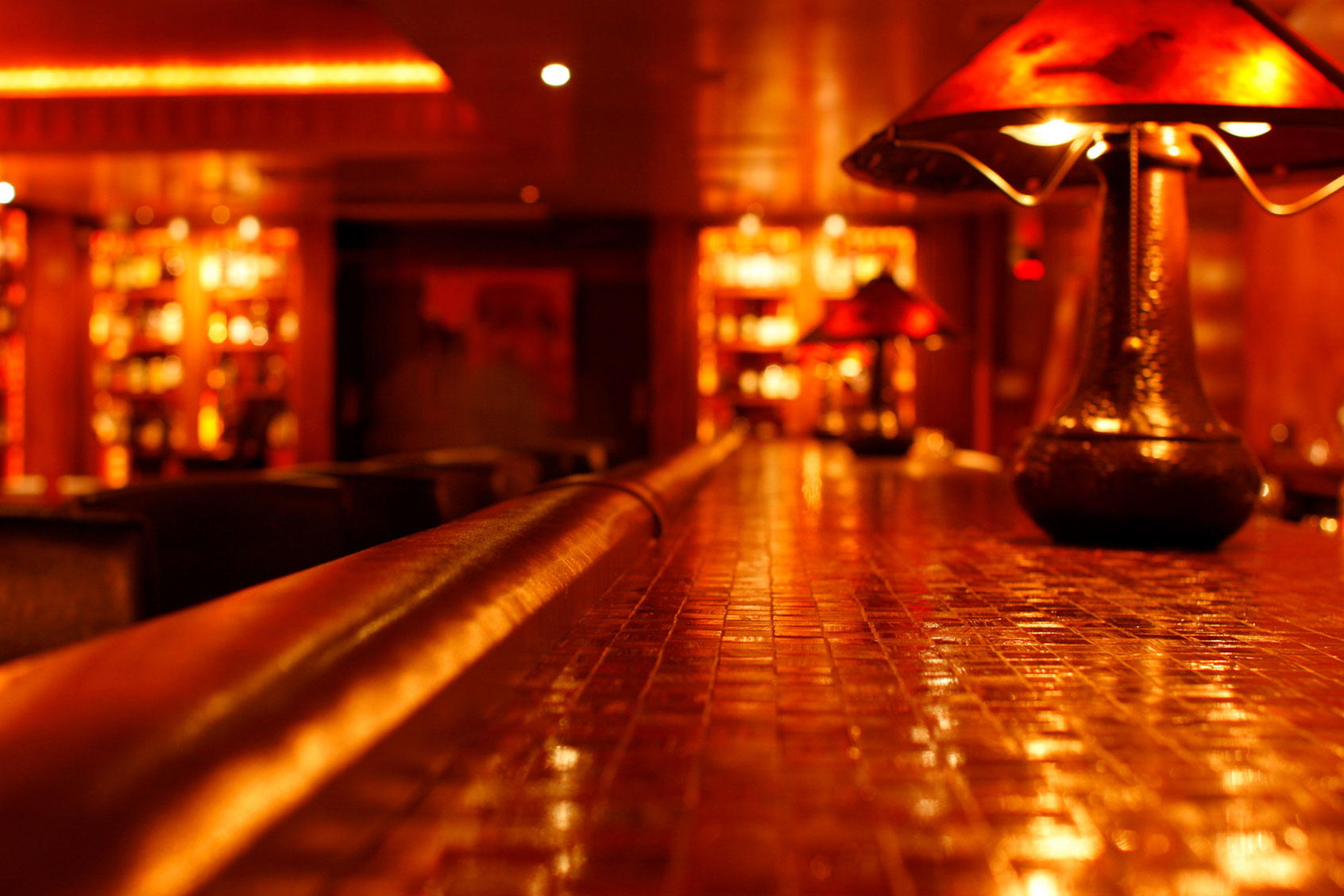

Details
- Modern
- Elegant
- Sophisticated
- Trendy
- Bohemian
- Business Trip
- Weekend Escape
- Romantic Getaway
- Celebration
- Group Retreat
- Rooftop Pool
- Destination Spa
- Terrace
- Design Destination
- Panoramic View
- Pool
- Spa
- Fitness Center
- Wi Fi
- Concierge
- Business Center
- Skyline
- Street Scene
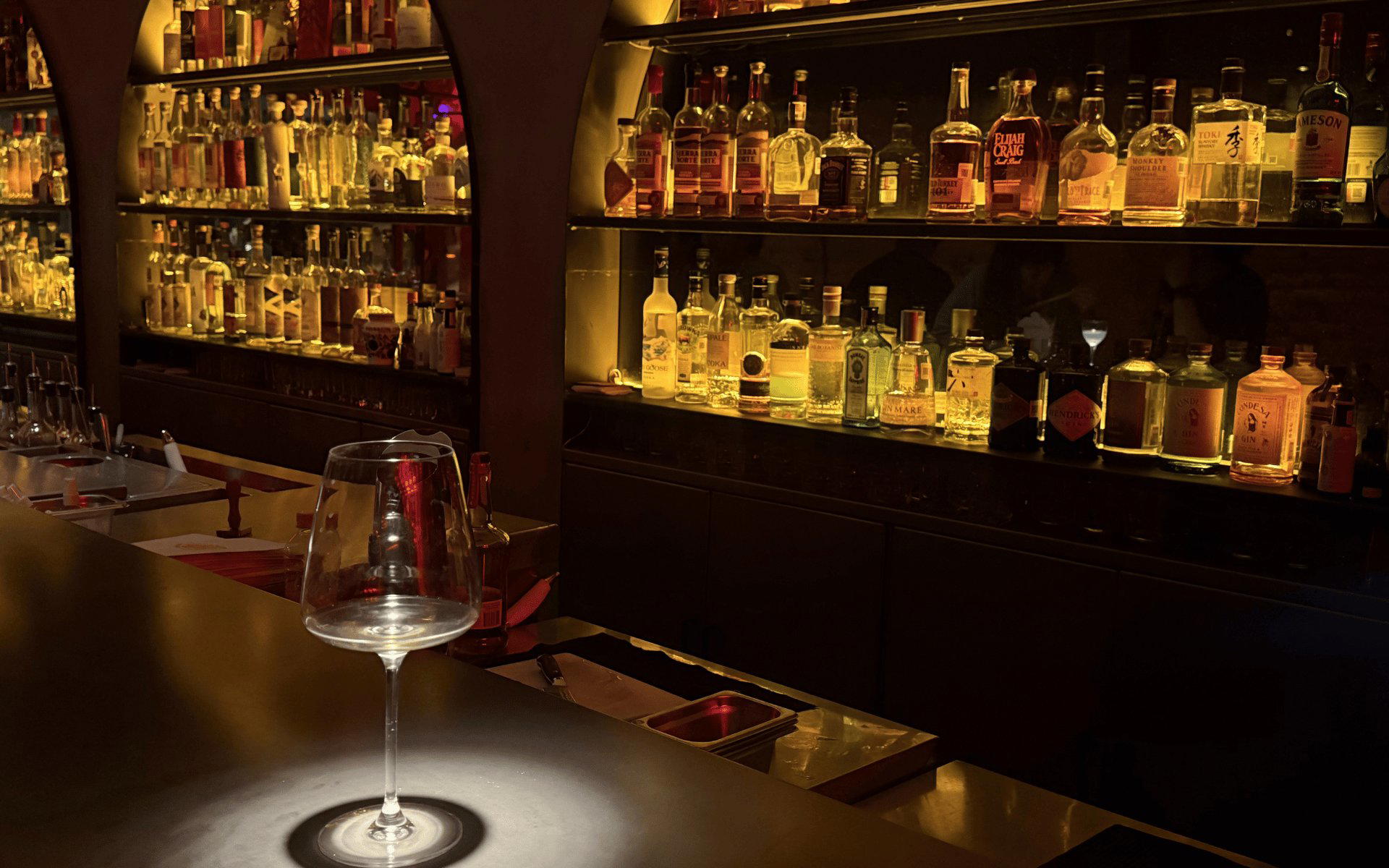
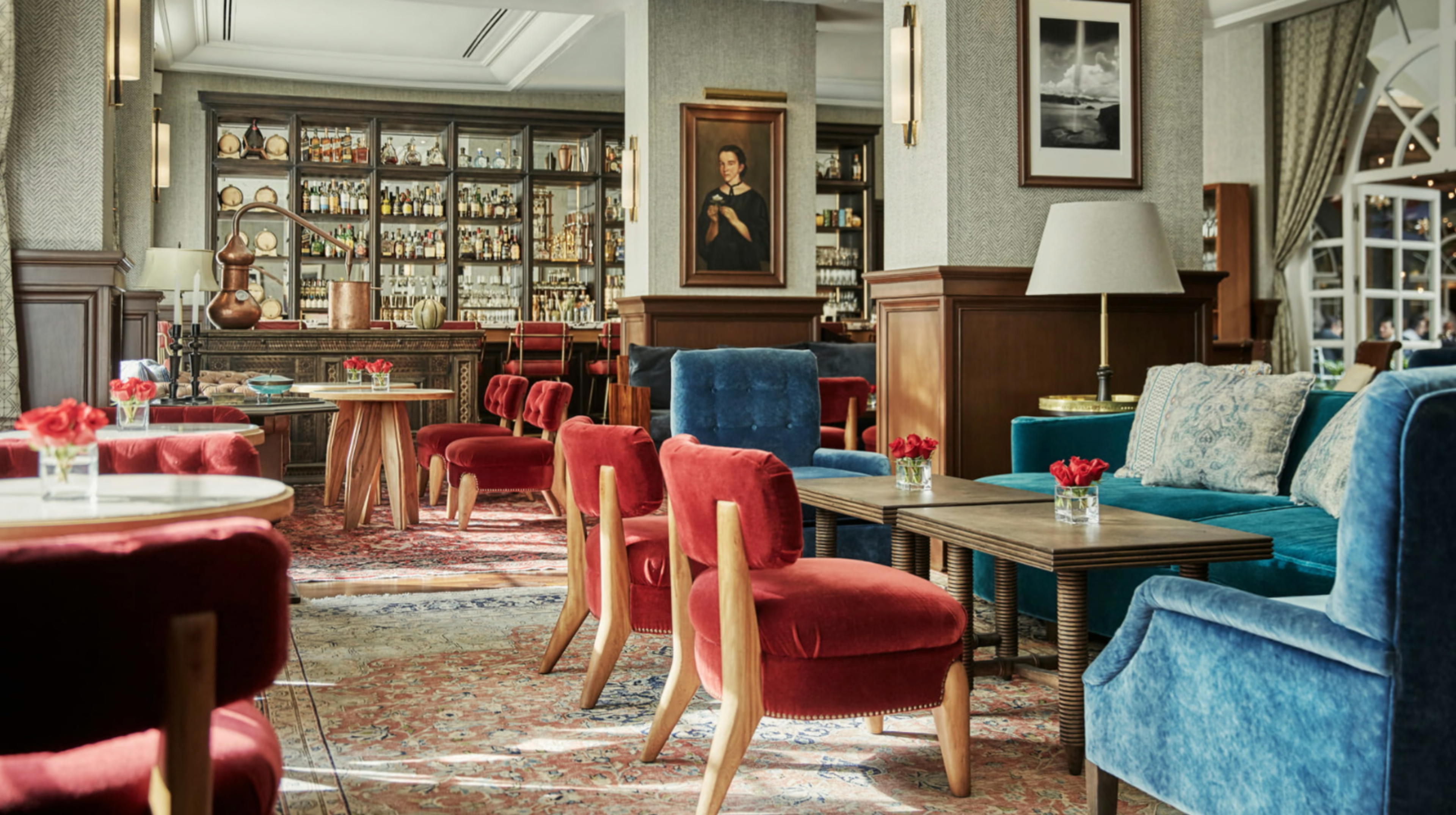
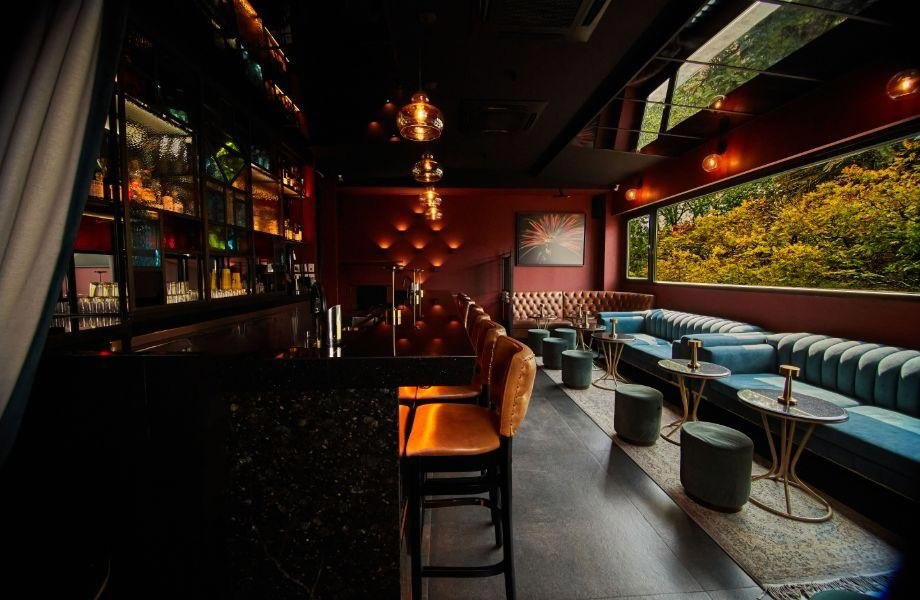
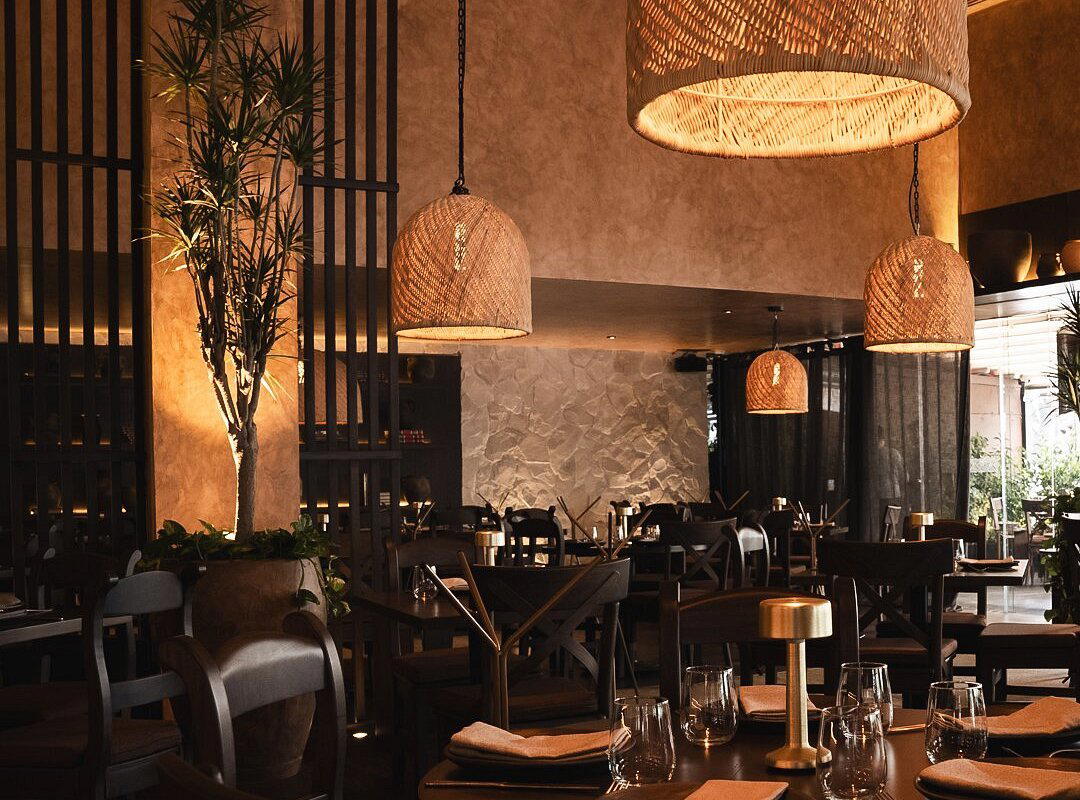
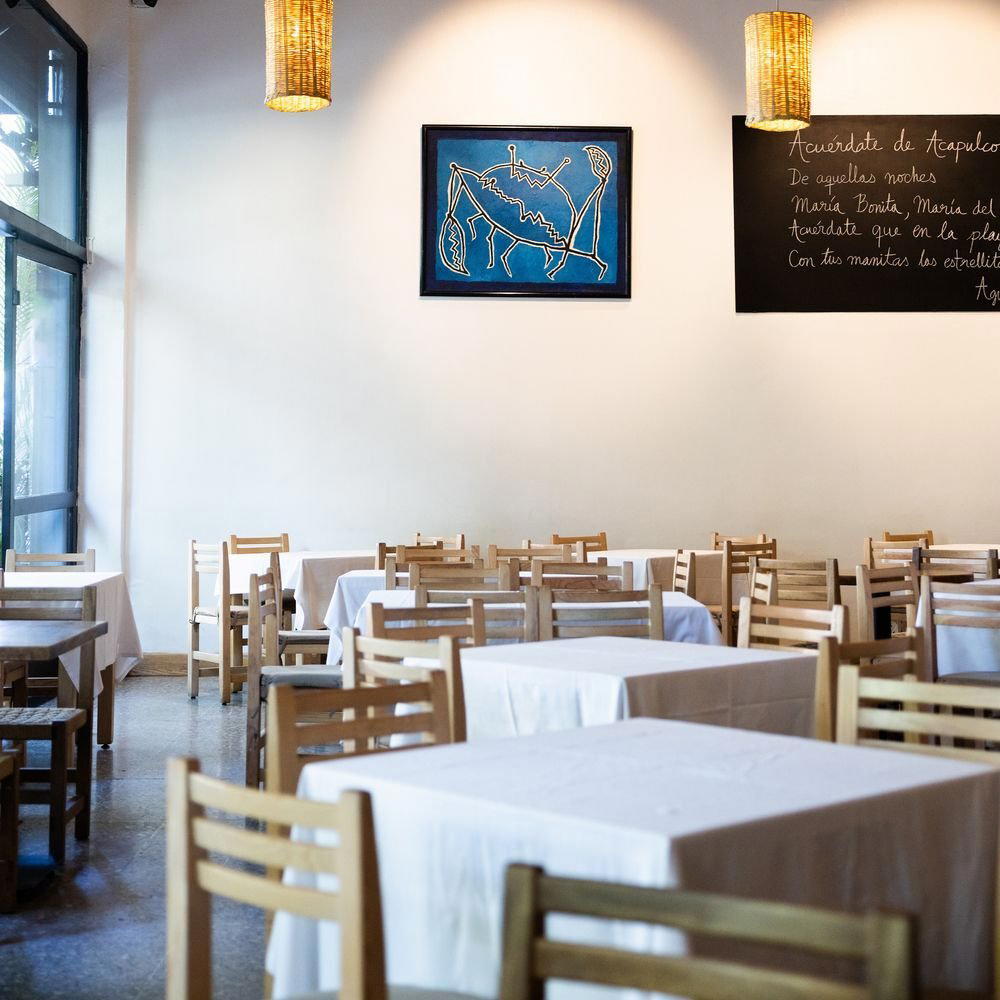
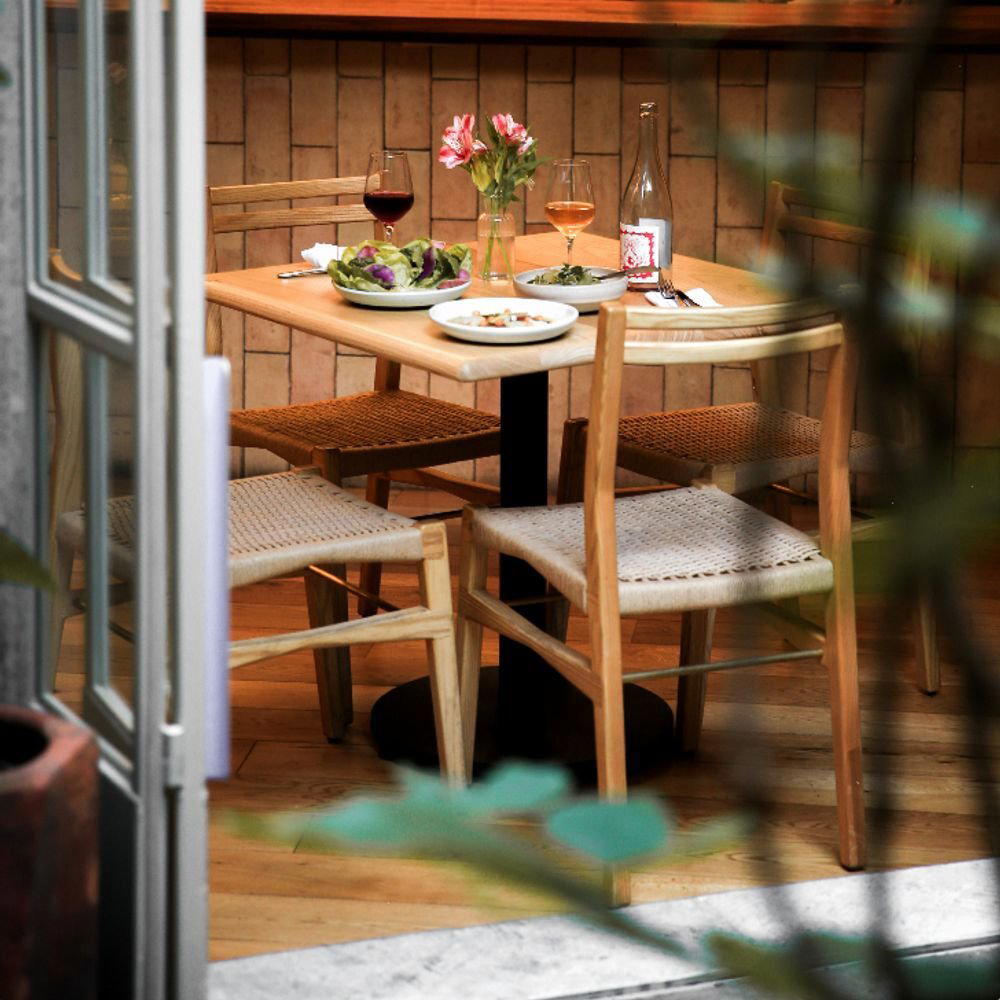
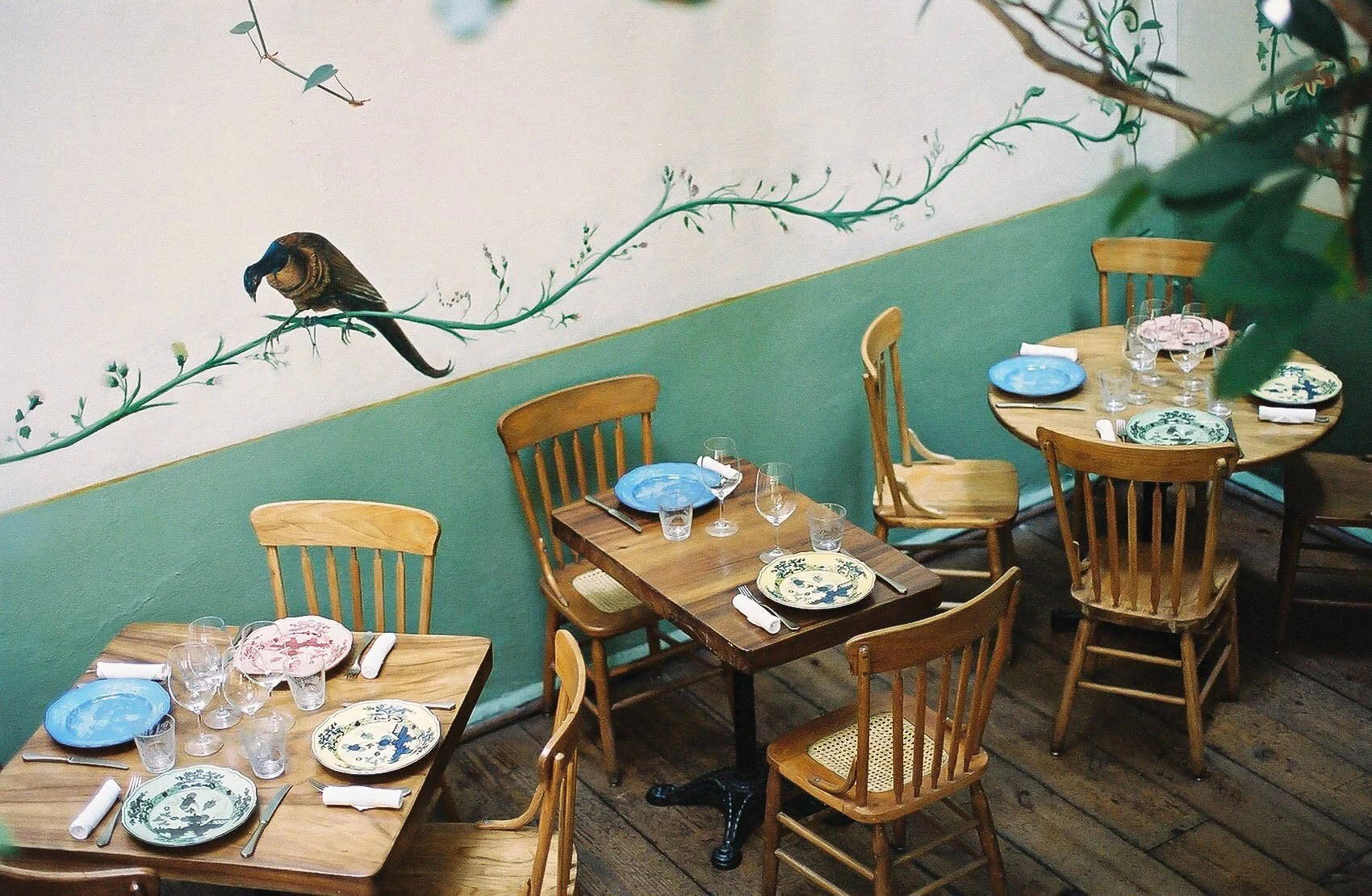
Concept renders and brand positioning indicate a polished, contemporary-luxury atmosphere that blends Roma Norte’s artful, bohemian character with Pendry’s refined design, using natural finishes, stonework, and Art Deco-inspired architecture to create an upscale yet neighborhood-focused feel.