
Cape Kudu Hotel sits on Koh Yao Noi, a small island in Phang Nga Bay accessible only by speedboat or long-tailed boat from the mainland pier. The property occupies a quieter tier of Andaman luxury than its neighbours on Phuket or Krabi, trading scale for seclusion. Arrival by water sets the pace for everything that follows.
Pearl is the En Primeur Club membership app — saves, bookings, and concierge access live there. Same editors, same standards.
- Address
- Tambon Ko Yao Noi, Chang Wat, Phang Nga, 82160
- Website
- capekuduhotel.com
- Directions
- Get directions
 Saves & bookings on Pearl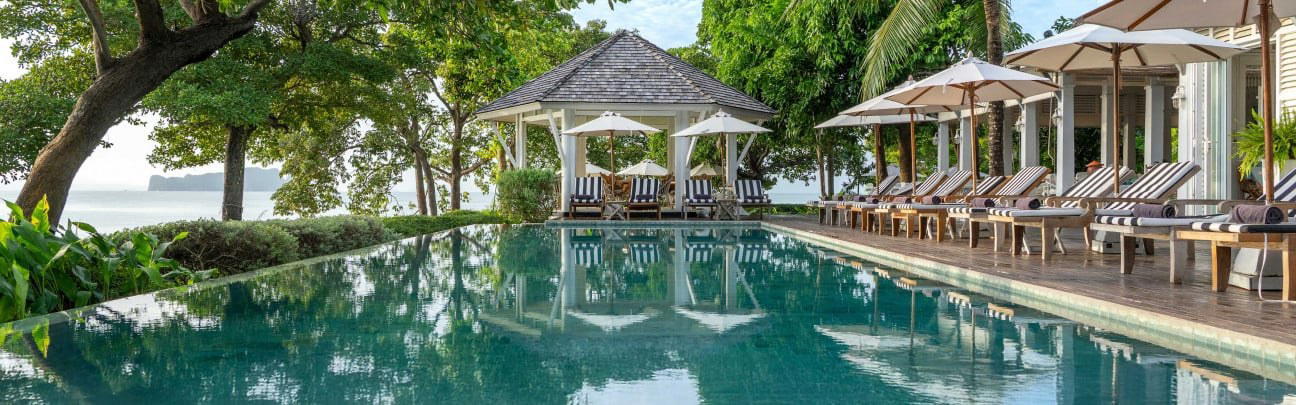
Island Access and the Logic of Seclusion
Koh Yao Noi sits in the centre of Phang Nga Bay, equidistant between Phuket and Krabi, and its relative obscurity is structural rather than accidental. The island has no airport, no direct road connection to the mainland, and no large resort corridor. Every guest who reaches Cape Kudu Hotel arrives by water, either by speedboat across the bay or by the slower rhythm of a long-tailed boat. That constraint shapes the property's identity more than any design decision could. The guests who make the crossing are self-selected for patience and intent.
The pier itself signals the approach. A dedicated lounge at the jetty gives arriving guests a place to decompress before the island even begins, which is a small but telling detail about how the property thinks about the guest experience. In a region where arrival transfers are often an afterthought, the presence of that lounge suggests a considered sequence from mainland to resort rather than a logistical gap to be tolerated.
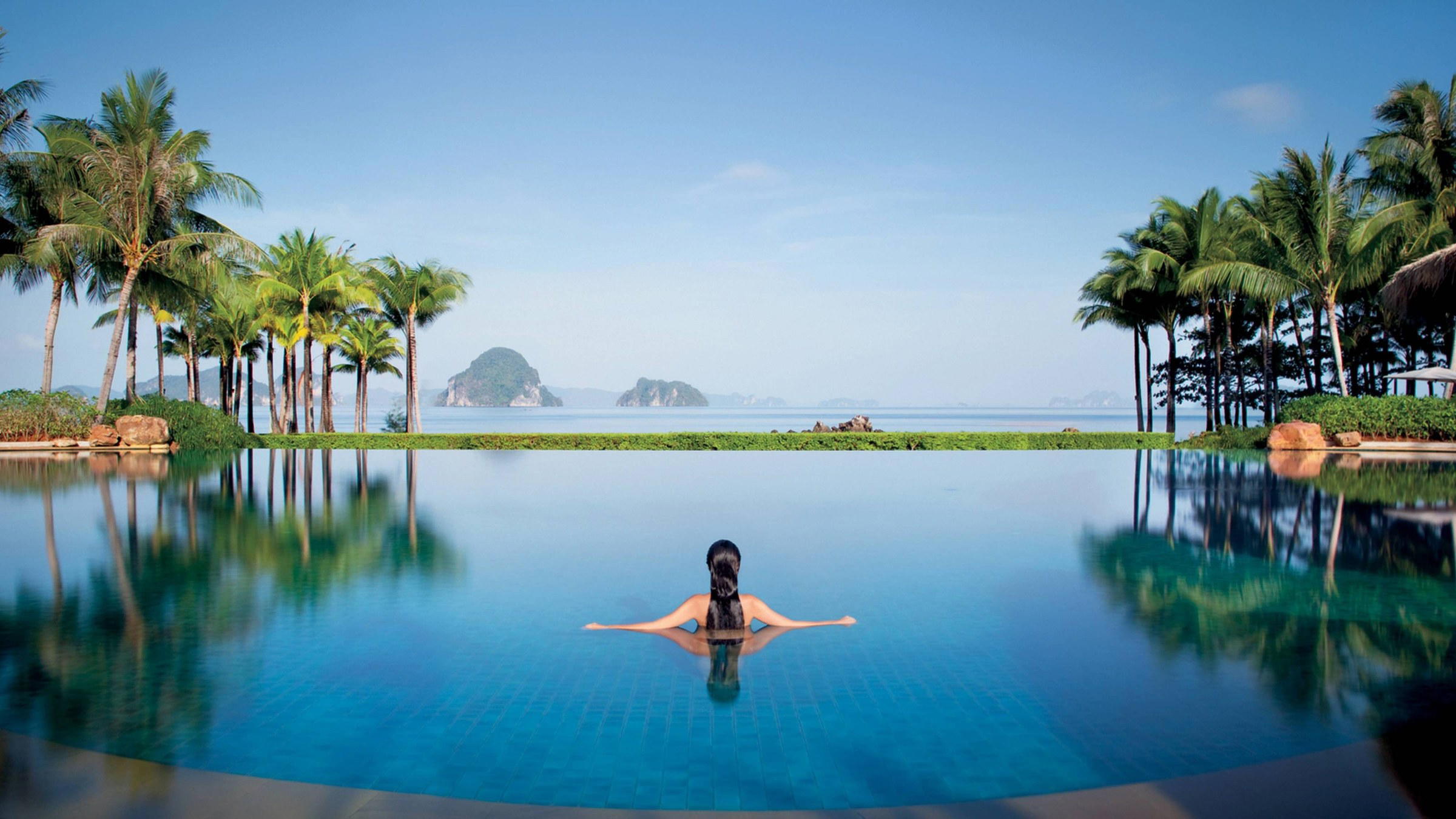
This positions Cape Kudu within a specific subset of Andaman luxury: properties where physical inaccessibility is the point, not the drawback. Six Senses Yao Noi shares the same island and operates on a similar premise, though at a different scale and price tier. The two properties together make Koh Yao Noi one of the few Thai island destinations where the argument for going is not the beach infrastructure but the deliberate removal from it.
Where Cape Kudu Sits in the Phang Nga Hotel Set
Phang Nga Bay has developed a recognisable cluster of high-end properties that trade on the drama of the bay's limestone karsts and the relative quiet of its less-commercialised islands. The Sarojin Thailand and Aleenta Resort and Spa, Phuket operate on the Khao Lak coast with easier road access and different guest profiles. Casa de La Flora and Iniala Beach House represent the design-led and ultra-boutique ends of the regional market respectively.
Cape Kudu occupies a middle register in that set: smaller than the international-brand properties, less architecturally maximalist than the design-statement houses, and more accessible in price point than the island's six-sense competitor. That positioning makes it a reasonable first entry into the Koh Yao Noi category for travellers not yet committed to the full-scale seclusion programme that the island's premium tier demands.
Across the wider Thai luxury hotel market, properties like Amanpuri in Phuket and Phulay Bay, a Ritz-Carlton Reserve in Krabi set the ceiling on Andaman coast luxury. Cape Kudu does not compete with those properties on brand infrastructure or amenity depth, but it competes on access to a particular quality of quiet that larger properties on more developed coastlines cannot replicate.
The Dining Programme and What It Reflects About the Island
On small Thai island properties, the dining programme tends to mirror the overall philosophy of the resort rather than operate as a separate draw. When a hotel is accessible only by boat, the kitchen cannot rely on walk-in trade or passing custom. Every meal served is to a captive audience, and the kitchen either uses that as a reason to coast or as a discipline to maintain standards for guests who have no easy alternative.
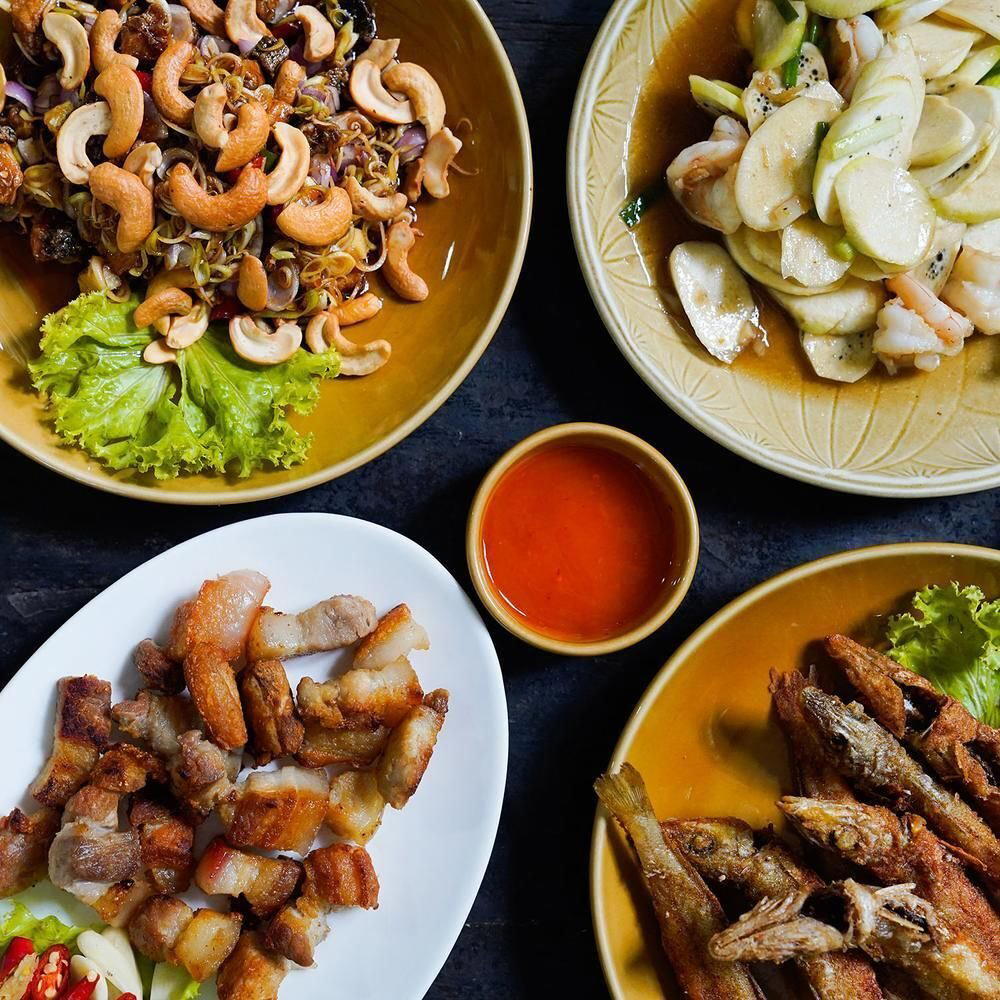
The broader pattern in this part of Thailand is that the strongest island dining programmes are built on a foundation of fresh southern Thai seafood, adapted for international guests but grounded in regional produce. The Gulf of Thailand and Andaman Sea supply ingredients that the leading island kitchens handle with minimal intervention: fish caught within the bay, shellfish from local waters, herbs and aromatics from the southern Thai culinary tradition. When that supply chain is intact, island dining can be genuinely competitive with urban alternatives on raw material quality, even when it cannot compete on technique depth or wine programme breadth.
For the broader context of where Thai hotel dining is heading, the reference points stretch across the country. Mandarin Oriental Bangkok sets a standard for multi-outlet hotel dining that island properties cannot replicate. Four Seasons Resort Chiang Mai demonstrates how a resort kitchen can build a credible culinary identity around regional specificity. The island tier, including Cape Kudu, is competing on a different axis: proximity to ingredients and the logic of eating simply in a place of natural abundance.
Planning the Stay: Timing, Access, and Expectations
Phang Nga Bay is most reliably accessible between November and April, when the Andaman Sea is calm and the crossing from the mainland pier is direct. The monsoon period, roughly May through October, brings rougher conditions and some operators reduce service frequency. Travellers planning around the dry season should note that this period also corresponds with peak demand across the Phuket and Krabi corridor, so the relative calm of Koh Yao Noi becomes even more pronounced as a contrast to the busier coastlines nearby.
Getting to the Koh Yao Noi pier typically involves flying into Phuket International Airport and arranging transfer to the boat departure point. The speedboat crossing is the faster option; the long-tailed boat is slower but gives a more gradual introduction to the bay's scale and the karst formations that define it from the water. Cape Kudu's pier lounge functions as a buffer between the practical business of arrival and the pace the island asks of its visitors.
For travellers comparing the full Andaman coast, Pimalai Resort and Spa in Koh Lanta and Devasom Khao Lak Beach Resort and Villas offer points of comparison on smaller-island and Khao Lak coast formats. Anantara Layan Phuket Resort represents the Phuket alternative for travellers who want Andaman access without the water transfer commitment.
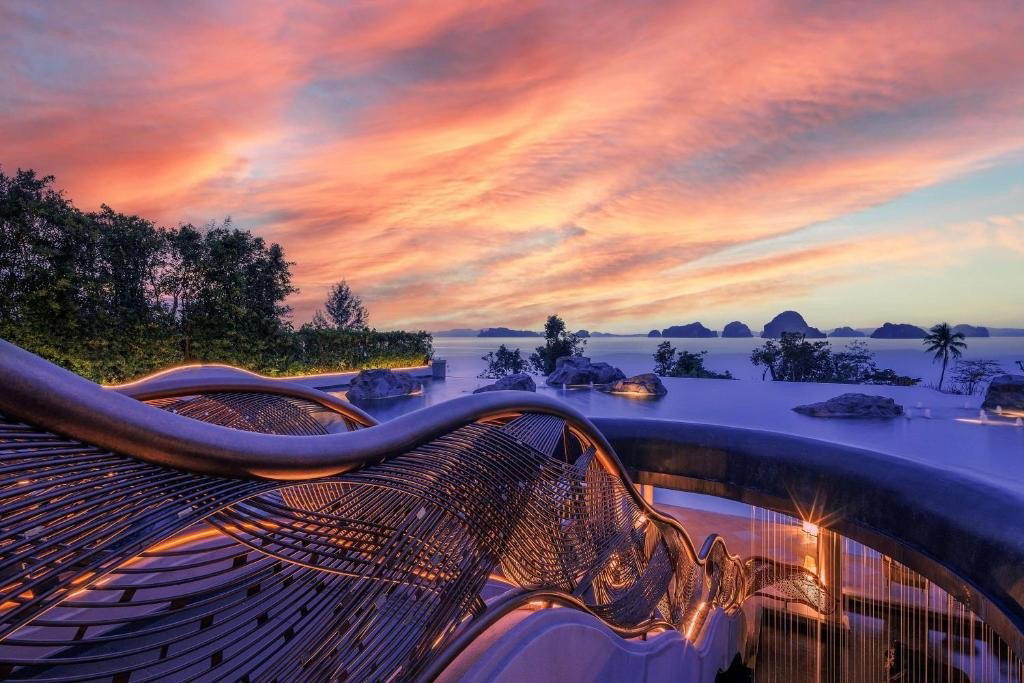
Further afield in the Gulf of Thailand, Samujana Villas in Koh Samui, Anantara Rasananda Koh Phangan Villas, and Soneva Kiri in Trat represent the island seclusion model applied to different Thai seascapes. Each has its own access logic and culinary character. Koh Yao Noi, and by extension Cape Kudu, remains the choice for travellers whose priority is the Phang Nga Bay backdrop specifically: the karsts, the flat water of the bay's interior, and the relative absence of the resort development that has defined Phuket's coastline for decades.
Budget Reality Check
Comparable venues nearby, for context on price, style, and recognition.
| Venue | Price | Awards | Notes |
|---|---|---|---|
| Cape Kudu HotelThis venue — the venue you are viewing | $$$ | 5-Star | Not listed |
| Casa de La Flora | $$$$ | 5-Star | Khao Lak, Luxury beachfront boutique resort with bold geometric architecture yielding to organic warmth. |
| Devasom Khao Lak Beach Resort & Villas | $$$$ | 5-Star | Khuk Khak, Luxury boutique beach resort blending timeless Southeast Asian heritage with modern luxury. |
| Cape Pakarang Wow Wild Wellness Escapes | $$$$ | 4-Star | Laem Pakarang, Exclusive adults-only beachfront wellness resort with sleek modern villas in lush nature. |
| Aleenta Resort & Spa, Phuket | $$$$ | Michelin 1 Key | Natai Beach, Boutique luxury beach resort with 'All Suites, All Private' philosophy emphasizing outside living in spacious accommodations. |
| Iniala Beach House | $$$$ | Michelin 1 Key | Natai Beach, Takua Thung District, Ultra-luxury beachfront villa resort combining contemporary design with traditional Thai elements, positioned as an exclusive retreat for informed travelers seeking privacy and personalized service. |
Recognition history
Dated appearances from independent guides and award organizations, with the underlying list record or original source where available.
Mr & Mrs Smith Smith Seal of Approval
Mr & Mrs Smith
Small Luxury Hotels of the World Member
Small Luxury Hotels of the World
Continue exploring
More in Phang Nga
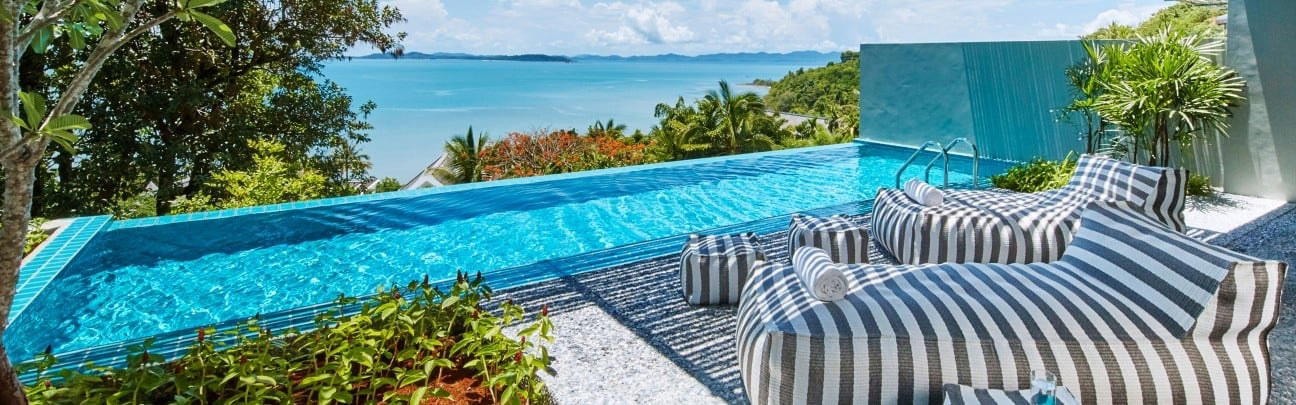
Hotels in Phang Nga
Browse all →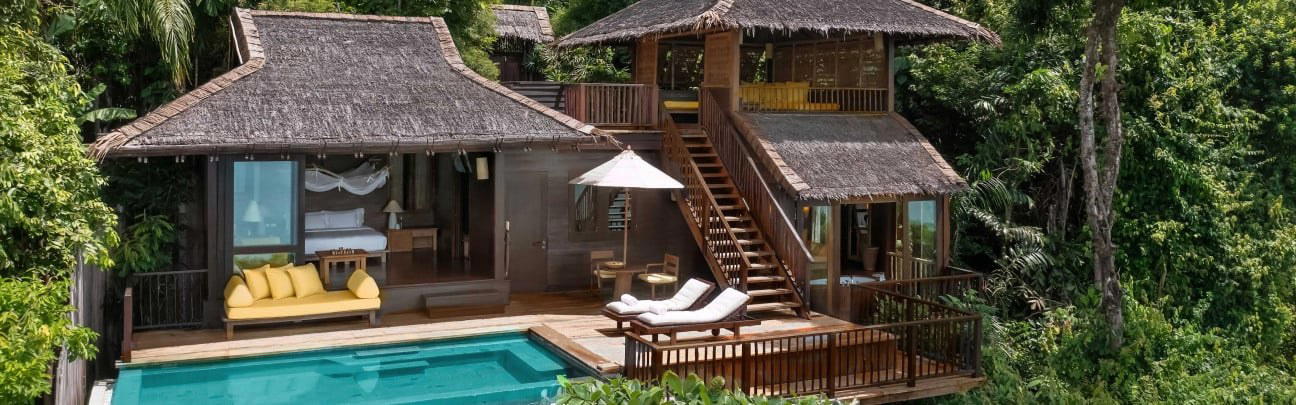
Bars in Phang Nga
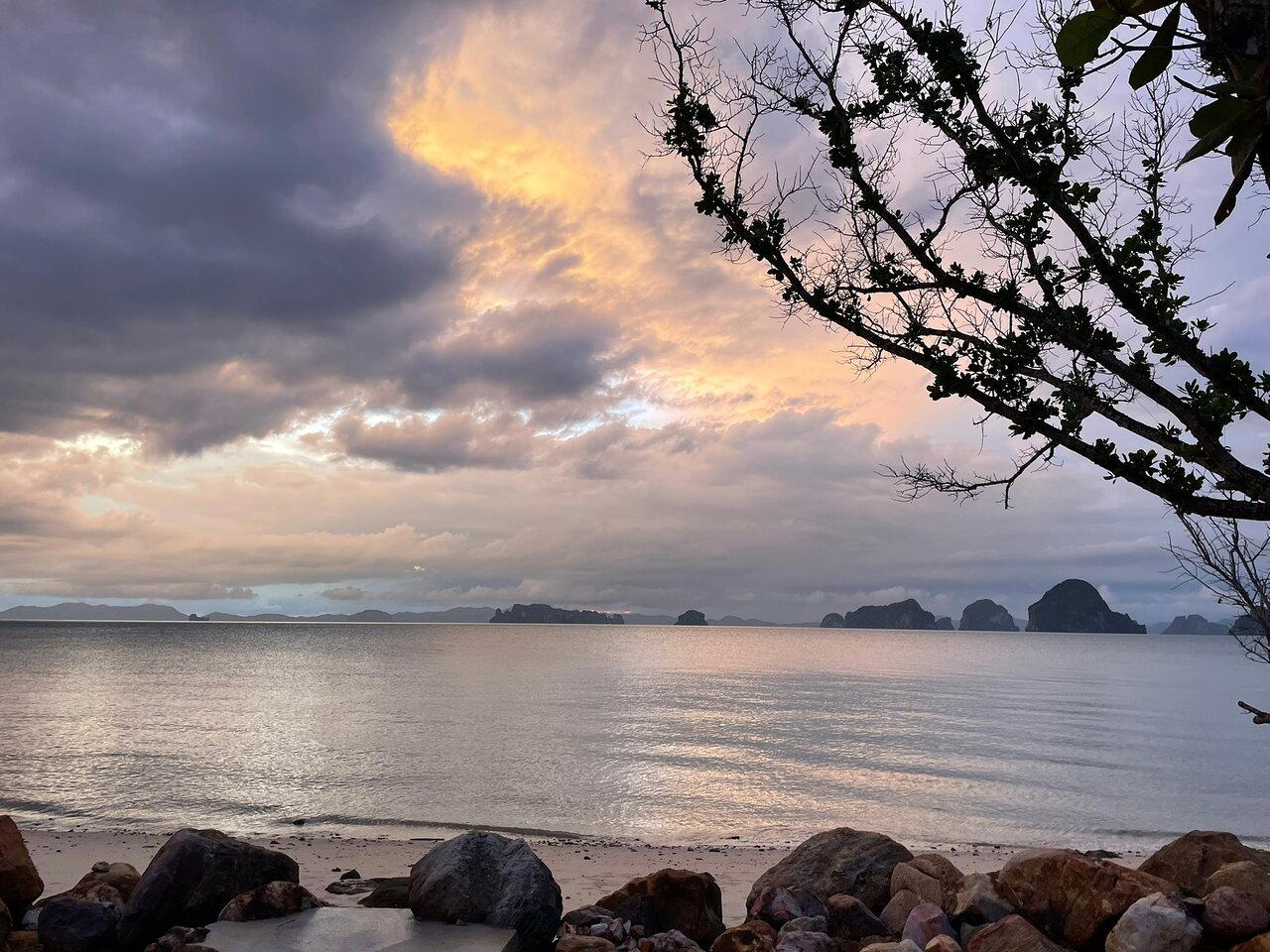
Browse all →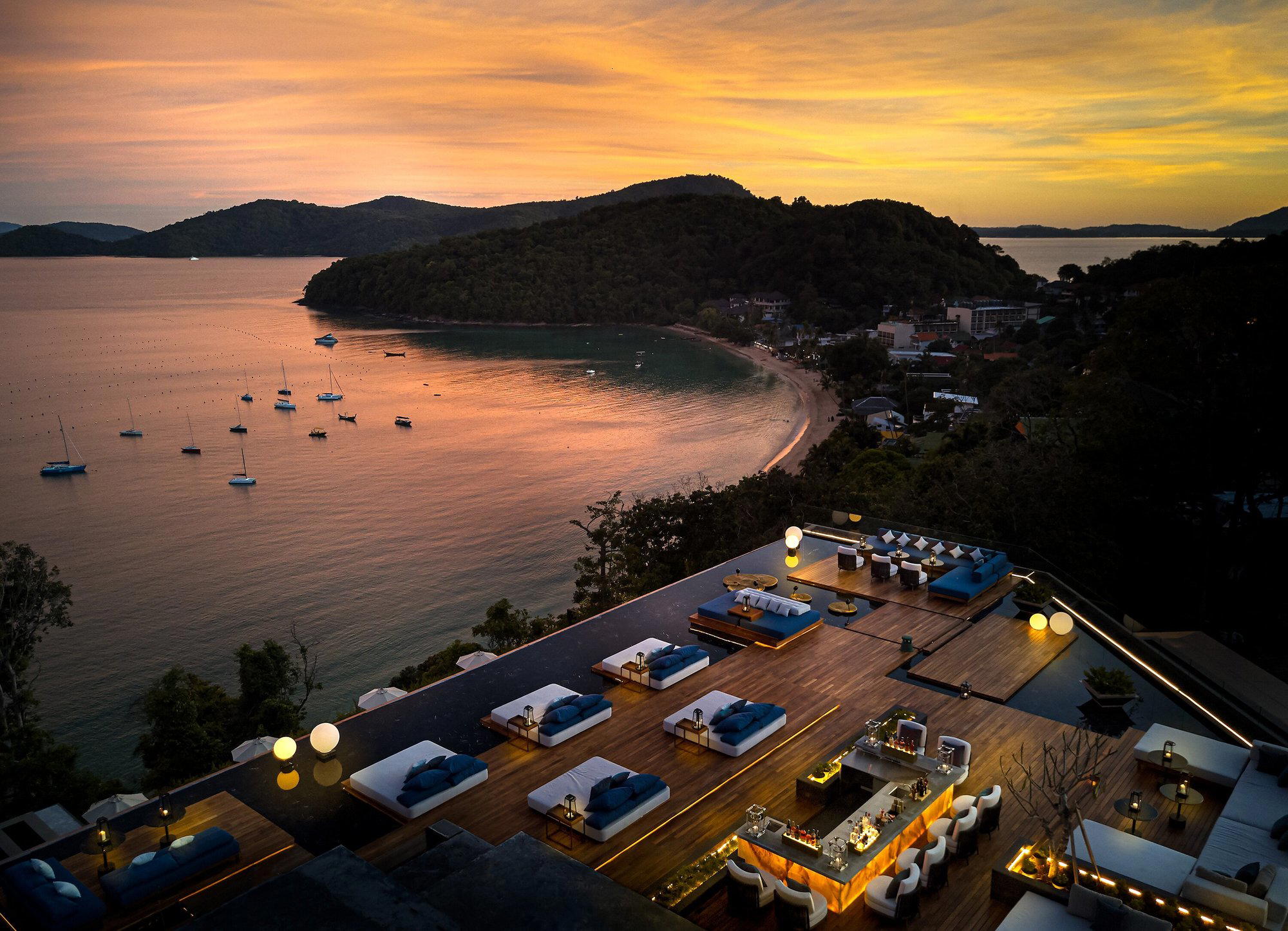
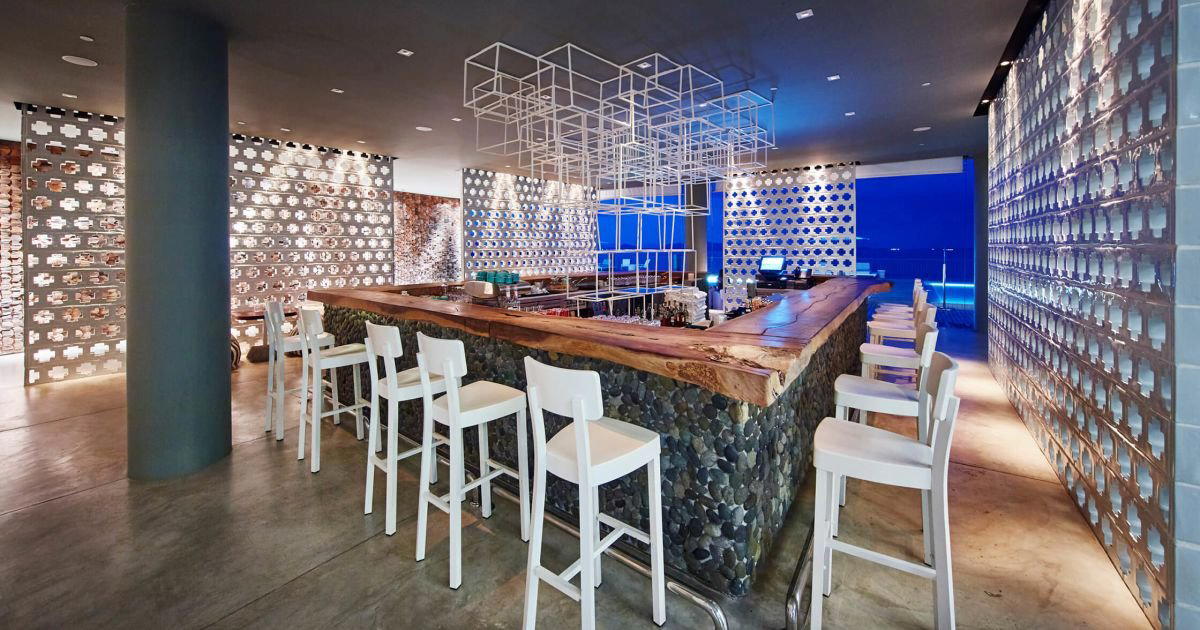
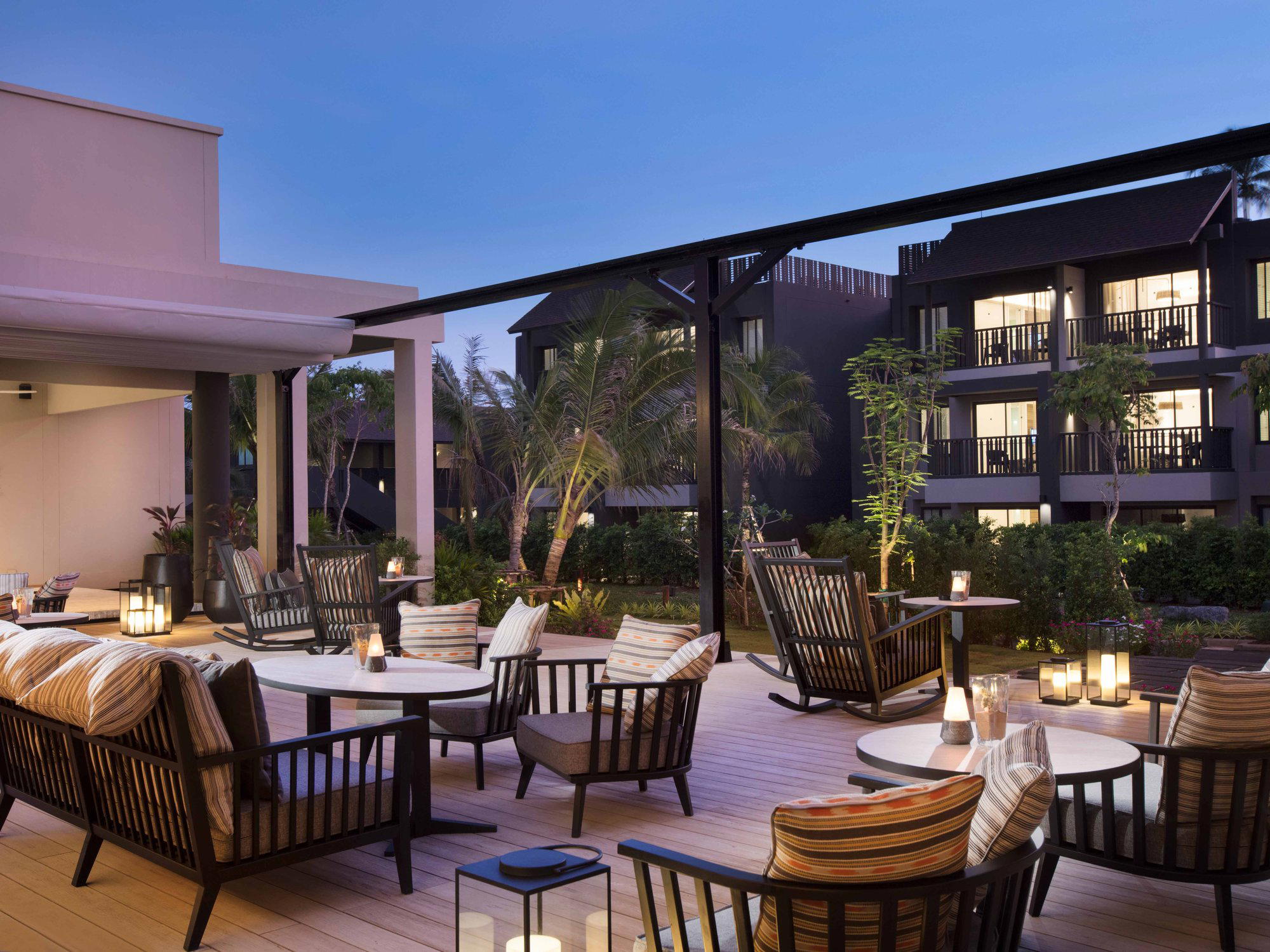
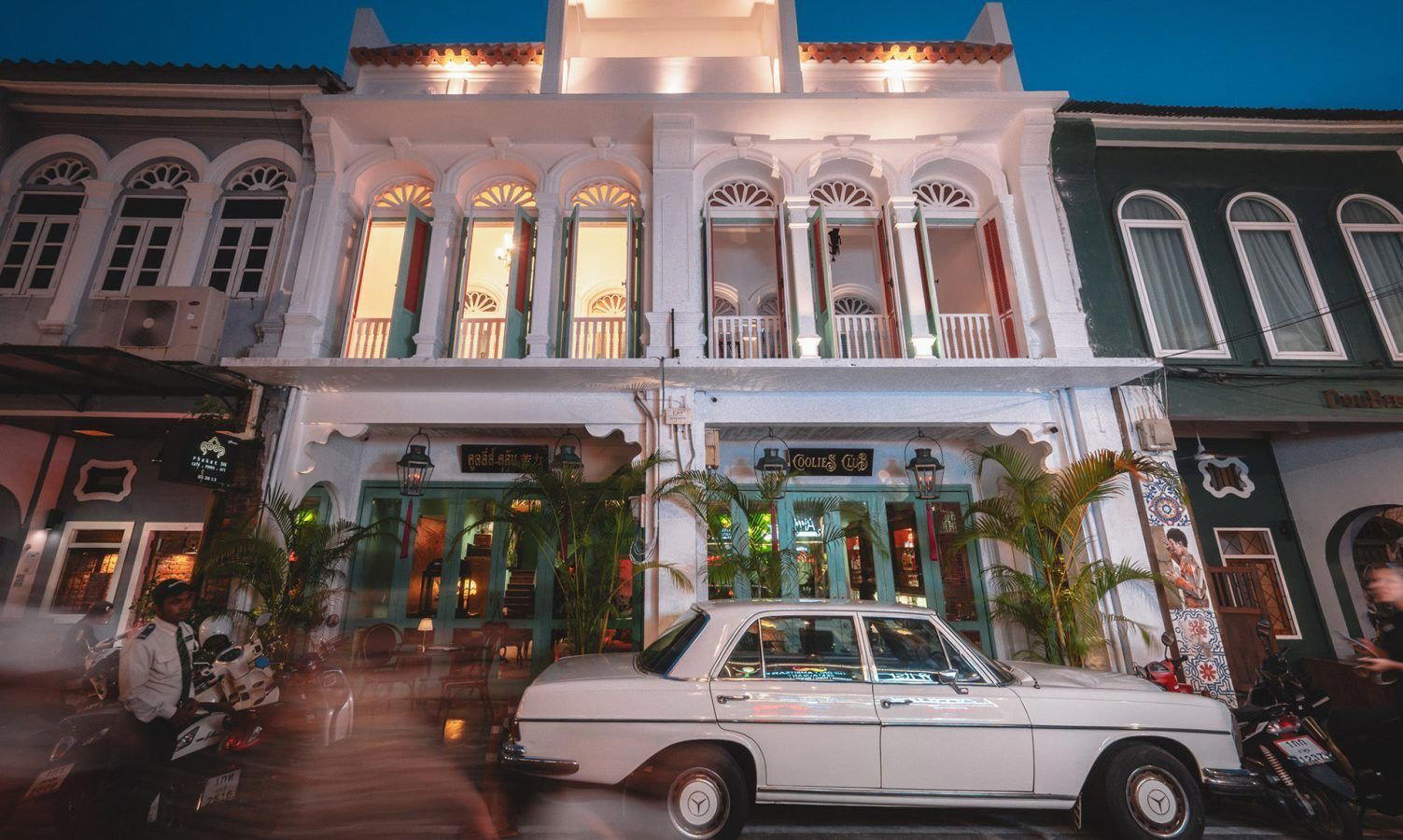
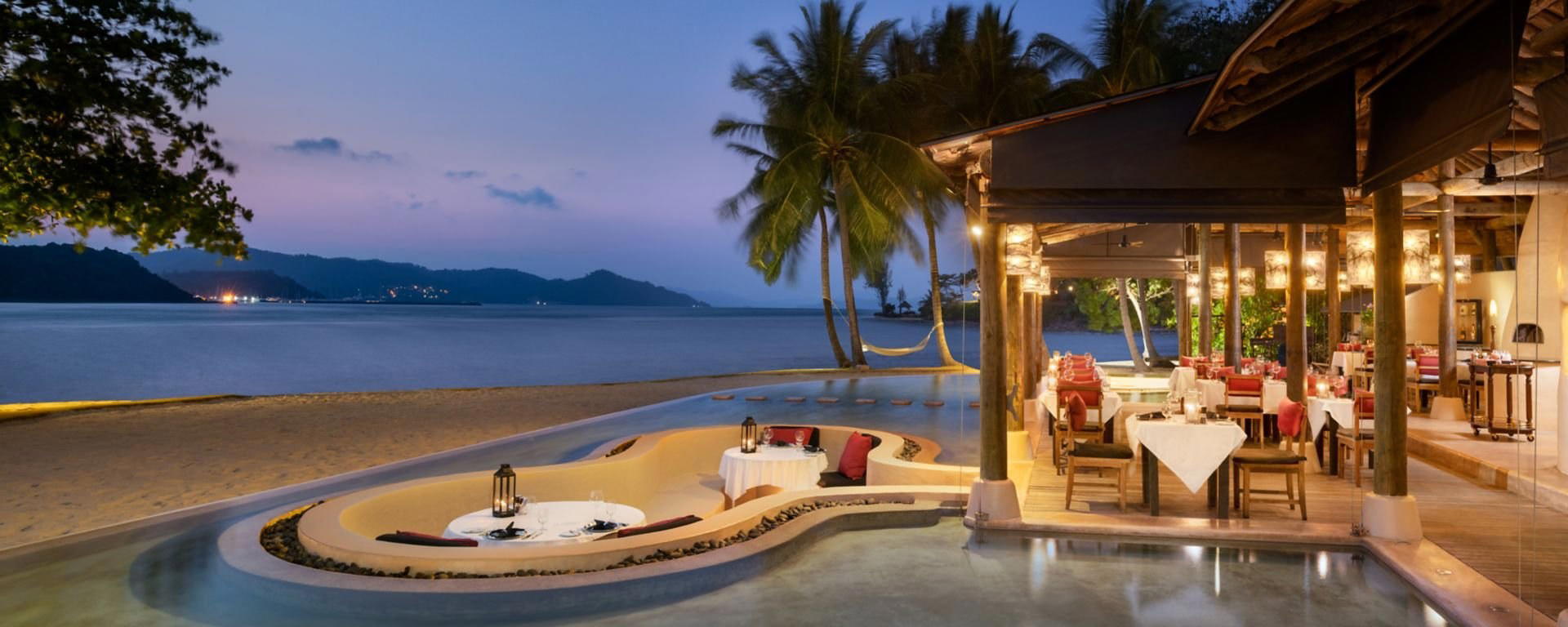
Restaurants in Phang Nga
Browse all →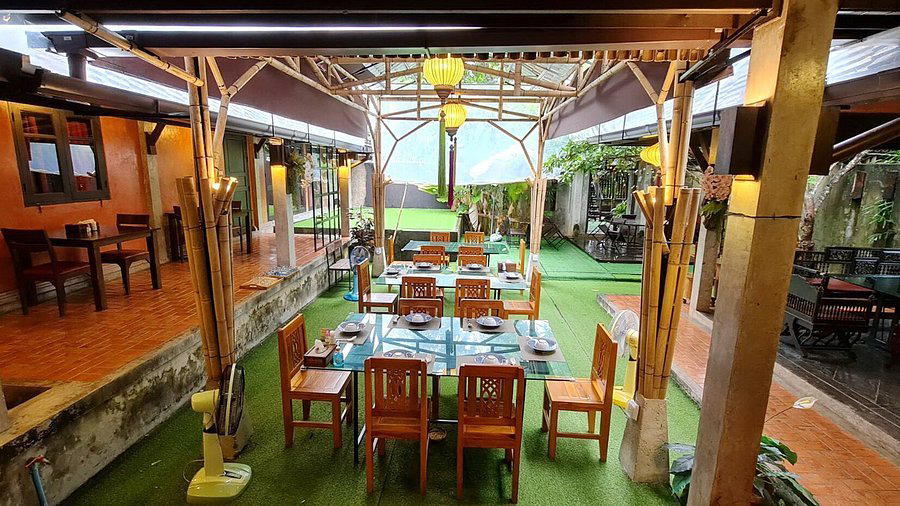
At a Glance
- Quiet
- Scenic
- Romantic
- Elegant
- Intimate
- Romantic Getaway
- Honeymoon
- Wellness Retreat
- Weekend Escape
- Infinity Pool
- Private Villa
- Panoramic View
- Wi Fi
- Pool
- Spa
- Fitness Center
- Room Service
- Concierge
- Restaurant
- Bar
- Waterfront
- Wi Fi
- Pool
- Spa
- Fitness Center
- Room Service
- Concierge
- Restaurant
- Bar
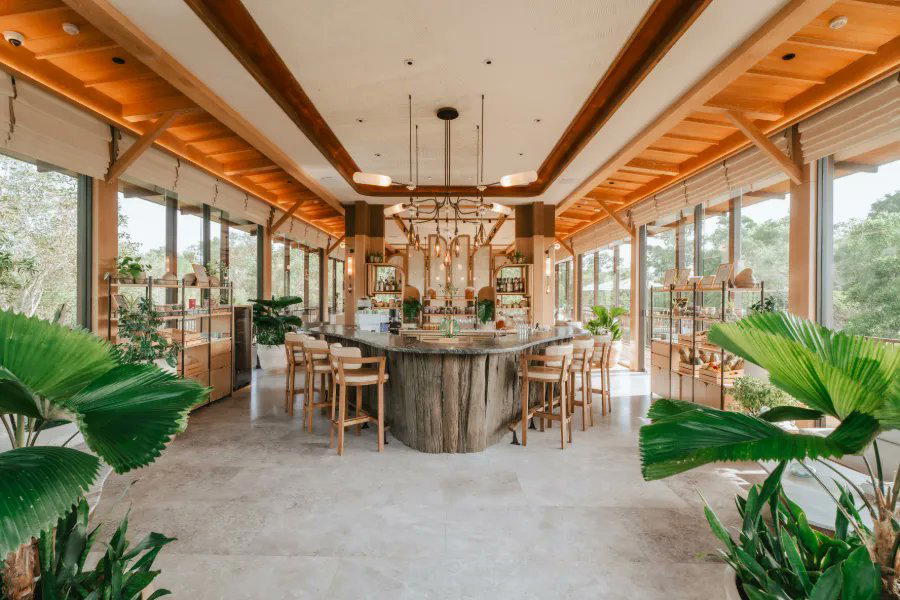
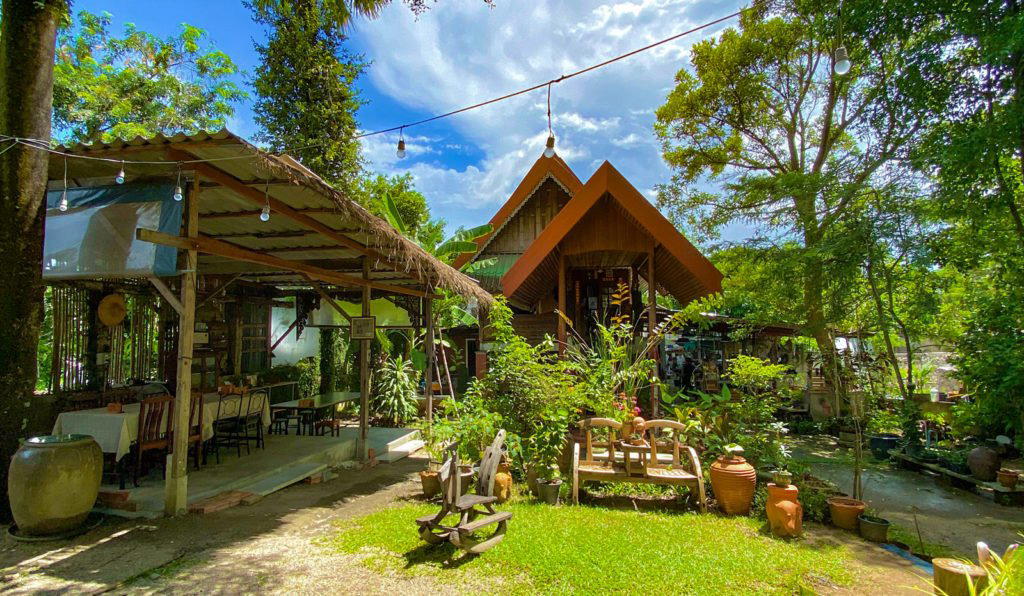
Tranquil and relaxing atmosphere with refined decor, lush tropical greenery, dramatic bay views, and a peaceful island vibe enhanced by guest reviews praising its serenity and natural beauty.