


Michelin Plate · We're Smart World 3 Radishes
Our verdict
Set within the Tri Vananda wellness estate in Thalang, Jampa holds a Michelin Plate and an Opinionated About Dining ranking among Asia's top restaurants. Chef Rick Dingen's plant-forward European Contemporary menu draws directly from an on-site garden, with lunch service, particularly the multi-course Jampa Experience, offering the clearest expression of his seasonal, near-zero-waste approach.

Pearl is the En Primeur Club membership app, where members save venues, book tables and use the concierge.
Where Daytime Dining Has the Edge
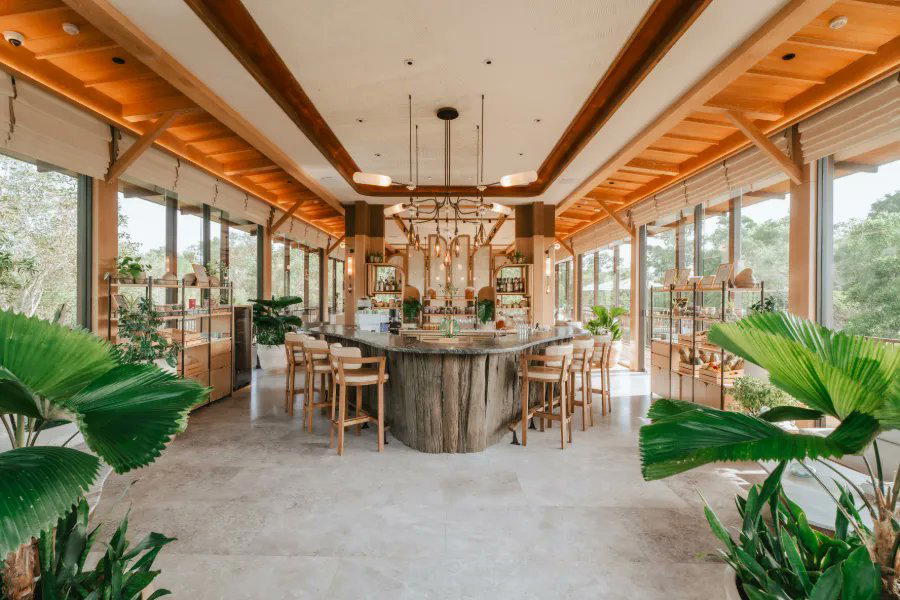
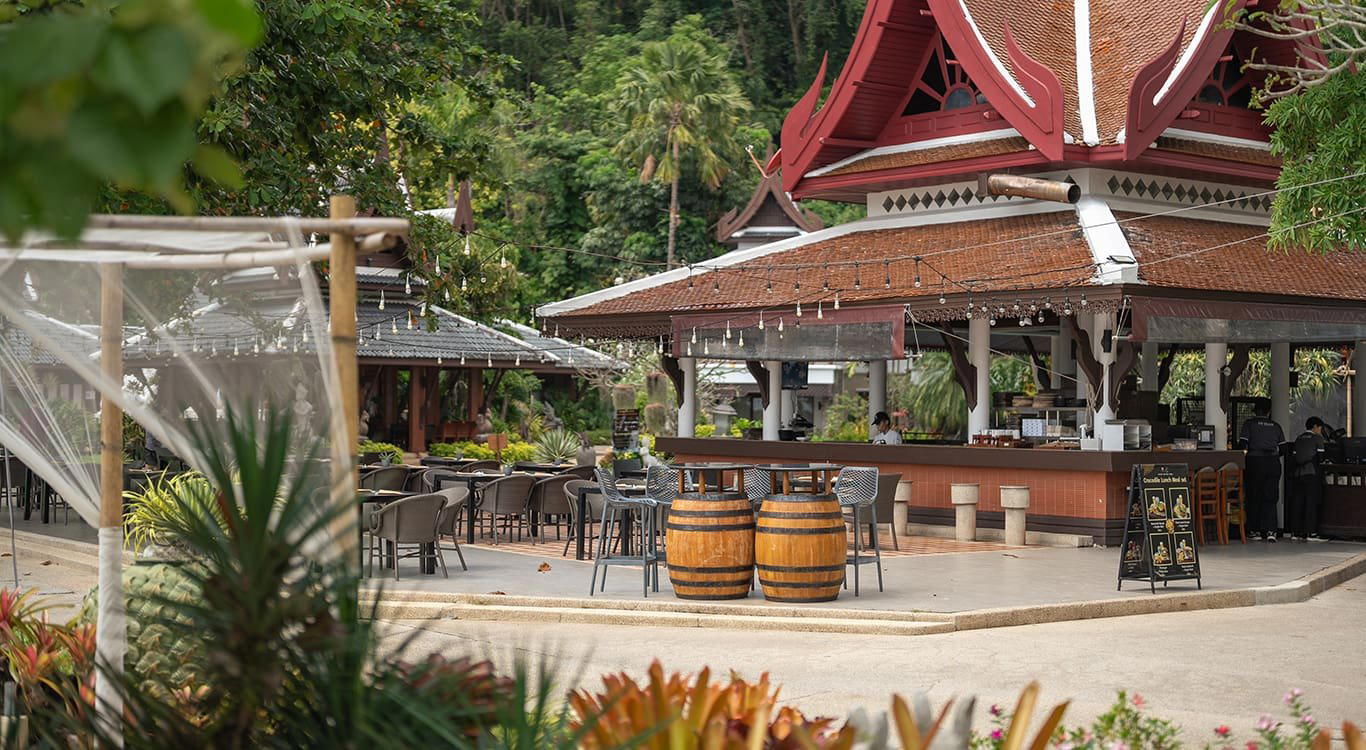
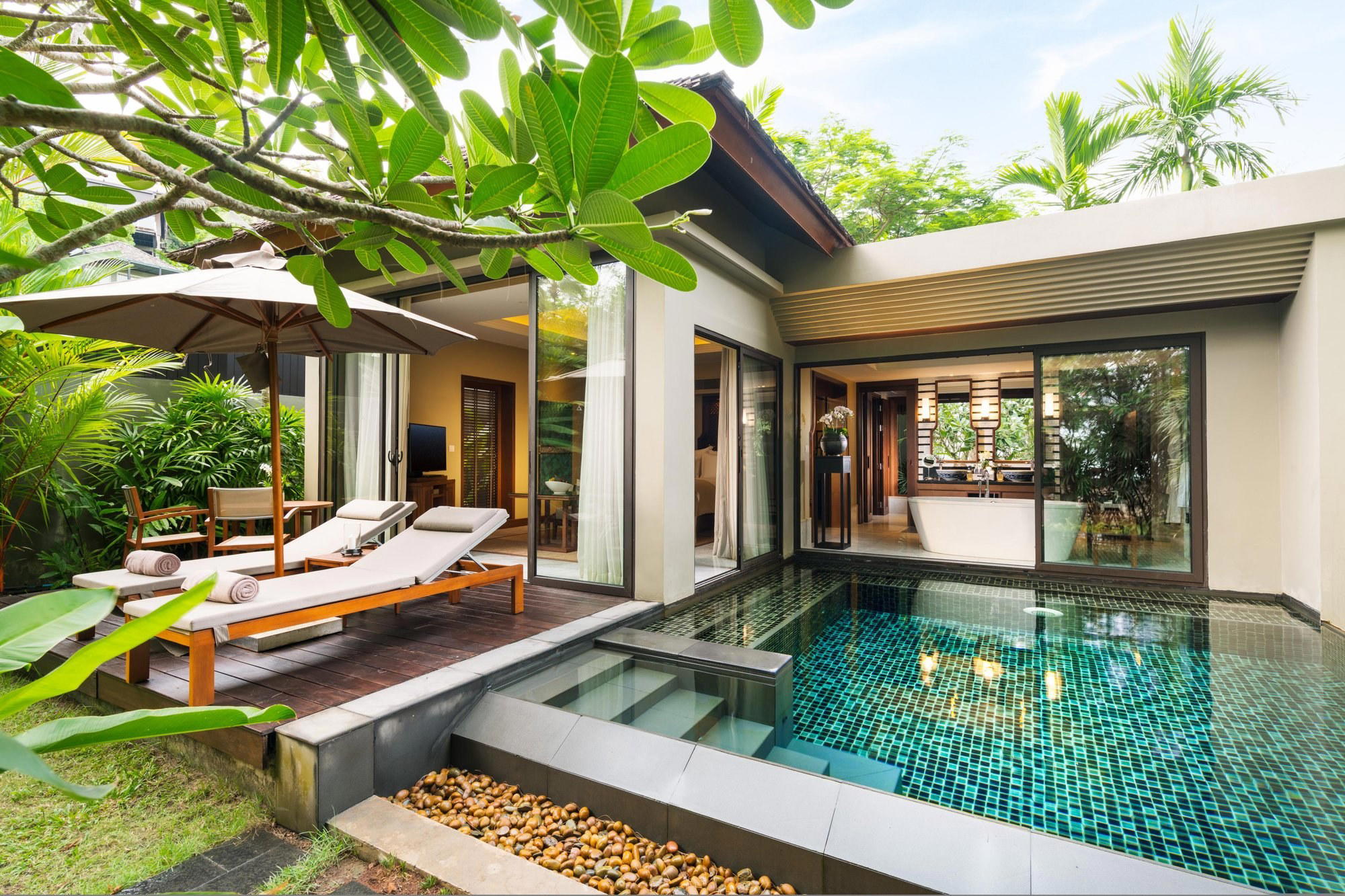
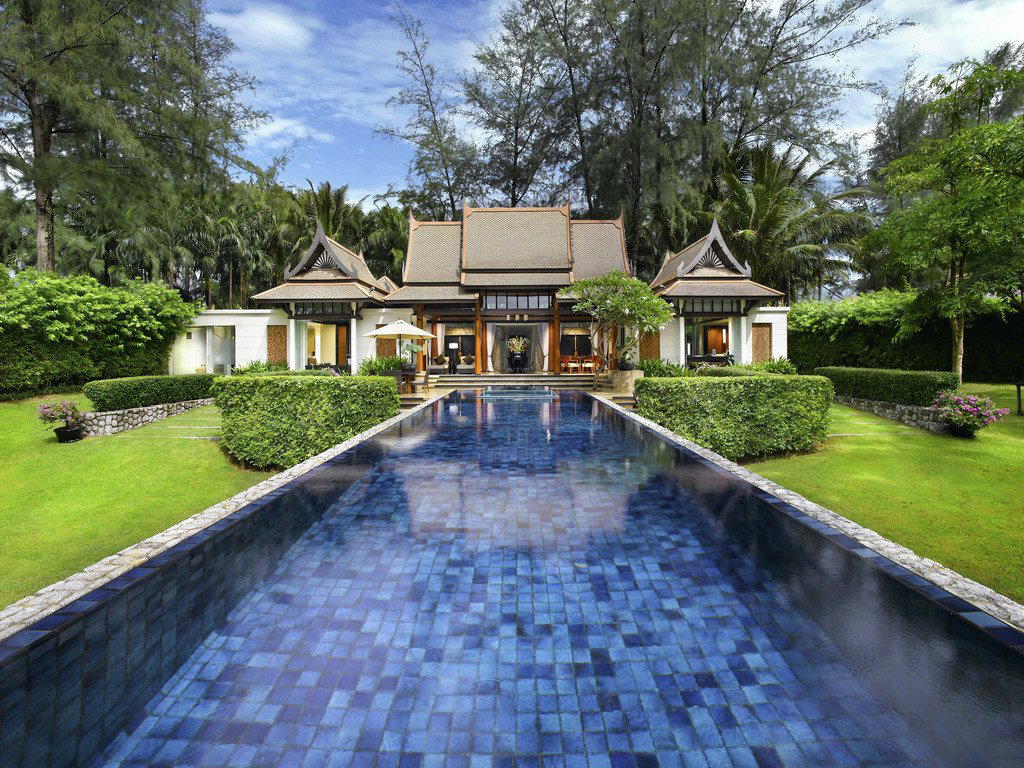
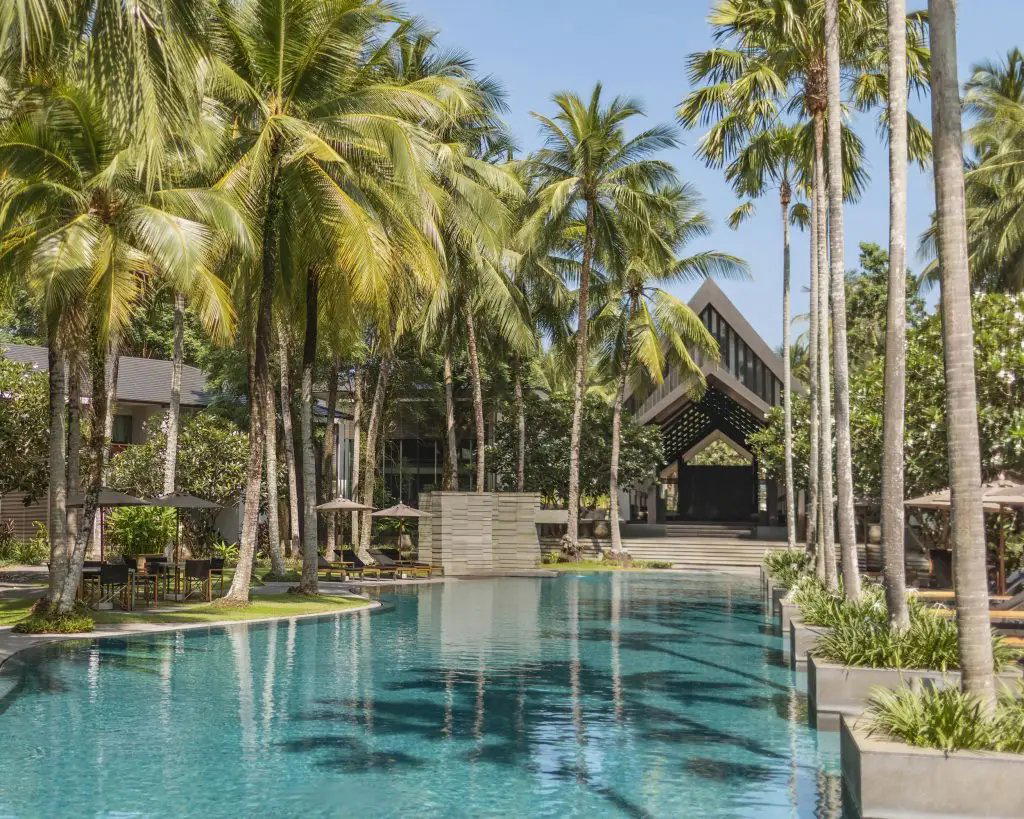
At most restaurants, lunch is the quieter, lesser service, shorter menus, faster tables, less ambition. Jampa inverts that assumption. Situated within the Tri Vananda community estate in Thalang District, roughly thirty minutes north of Phuket Town, the restaurant operates from a setting that rewards slower, daylit eating: open to garden air, surrounded by landscaped grounds, close enough to the estate's lake that the scene changes as light moves across it. The physical environment at noon is not incidental. It is part of the editorial logic of the menu.
This matters because Jampa's cooking is built around ingredients that were, in many cases, growing nearby a day or two earlier. In a tradition where farm-to-table has become a marketing phrase emptied of meaning, the proximity here is structural rather than decorative. Chef Rick Dingen works from what the garden produces, which means the menu shifts by season and by availability. That constraint, followed seriously, shapes what arrives on the plate, and it is the kind of cooking that reads more clearly in daylight, when the colours of plant-forward dishes register fully and the aromatic lift of fresh herbs carries in open air.
The Jampa Experience vs. À La Carte
Jampa runs two distinct formats across its daytime service, and the distinction between them is worth understanding before you book. À la carte is available throughout the day, offering flexibility for those who want to graze or keep the visit shorter. The Jampa Experience, offered at lunch, is the more considered format: a multi-course progression designed to show how seasonal ingredients evolve through different preparations. The Michelin Plate recognition Jampa has held across both 2024 and 2025, combined with its 2025 Opinionated About Dining ranking at number 187 among Asia's leading restaurants, reflects the ambition of that format more than the casual side of the menu. If the à la carte is the everyday expression, the Jampa Experience is the argument.
The menu skews plant-forward without being exclusively vegetarian. Traditional Thai cooking has always been vegetable-rich, an observation Dingen's kitchen appears to take seriously rather than treat as a concession to dietary preference. Many dishes are fully plant-based; others use protein as an accent rather than the centre of the plate. A dedicated vegetarian menu is available for those who want to stay entirely within that register. The kitchen's stated commitment to zero waste means Dingen works creatively with what is available, which tends to produce more inventive results than a fixed menu allows.
Saturday at the Lake: Hideaway's Four-Course Lunch
On Saturdays, a separate format opens at Hideaway, a lakeside setting within the estate. A four-course lunch cooked over a wood fire occupies a different register from the main restaurant service: more elemental, slower in pace, tied explicitly to the estate's wider philosophy around mindful eating and environmental awareness. Wood-fire cooking at this level in Southeast Asia operates in a small peer group, it requires sourcing discipline and technique that open-flame cooking exposes rather than conceals. The lakeside location gives the Saturday format its own character, distinct enough from the midweek Jampa Experience to justify visiting both if your itinerary allows.
The comparison worth drawing here is with PRU (Thai, Modern Cuisine), Phuket's other farm-anchored fine-dining reference point, which operates at a higher price tier (฿฿฿฿) and leans into Thai flavour frameworks more directly. Jampa (฿฿฿) sits at a slightly more accessible price point and brings a European Contemporary sensibility to similar source principles. They occupy different niches within the same broader argument about how Phuket's serious restaurants are positioning themselves relative to the island's ingredient base.
The Broader Phuket Context
Phuket's dining scene has developed a recognisable split between resort-anchored international cuisine, tourist-facing Thai restaurants, and a smaller cohort of independently minded kitchens that treat the island's agricultural and coastal produce as primary material. Jampa sits firmly in that third group. The European Contemporary designation is accurate but slightly reductive: the cooking absorbs Thai ingredient logic even when the technique is European, and the garden sourcing means the menu carries a geographic specificity that generic European Contemporary rarely achieves.
For context across the island's range: Acqua (Italian) operates in fine-dining Italian at ฿฿฿฿; Baan Rim Pa Patong (Thai) represents the traditional Thai end of the mid-to-upper range; Surf & Turf by Soul Kitchen takes a different approach to Western-inflected dining on the island; and A Pong Mae Sunee (Street Food) anchors the street-food end of the register. Jampa's ฿฿฿ positioning and Michelin recognition place it as the more accessible of the island's serious contemporary kitchens, without the price ceiling of its ฿฿฿฿ peers.
Within the European Contemporary category across the region, comparisons might extend to Zén in Singapore, a much higher-formal, Michelin three-star expression of the category, or to Schwarzer Adler in Hall in Tirol, which operates in a similarly garden-rooted European register in an Alpine context. Jampa is neither as formal as Zén nor as Alpine in its reference points, but it belongs to the same broader movement of European Contemporary kitchens anchoring their menus in place rather than in classical repertoire for its own sake.
Across Thailand, the farm-to-table argument is being made at multiple price tiers. Sorn in Bangkok makes it through Southern Thai tradition at the Michelin two-star level; AKKEE in Pak Kret, Aeeen in Chiang Mai, Angeum in Phra Nakhon Si Ayutthaya, Agave in Ubon Ratchathani, and The Spa in Lamai Beach each represent regional variations on the theme. Jampa's position within that national conversation is notable: it is the Phuket entry in a cohort of Thai restaurants making the provenance argument seriously.
Planning a Visit
The estate address, 46/6 Thep Krasatti, Thalang District, places Jampa closer to Phuket International Airport than to the beach resort corridor around Patong or Kata. Visitors staying in the north of the island will find the journey direct; those based in the south should account for travel time and plan accordingly. Given the seasonal, availability-led nature of the menu, the Jampa Experience at lunch is worth reserving in advance rather than walking in speculatively. The Saturday Hideaway format runs one service per week, which makes it the tighter booking of the two. Pricing sits at ฿฿฿, placing a multi-course lunch at a figure below Phuket's ฿฿฿฿ fine-dining ceiling but above casual midrange.
For broader planning: our full Phuket restaurants guide covers the island's dining range; our full Phuket hotels guide, bars guide, wineries guide, and experiences guide cover the rest of the trip.
What Should I Order at Jampa?
The Jampa Experience at lunchtime is the format that leading reflects the kitchen's ambitions: a multi-course progression built around seasonal produce from the estate's own garden, designed to show how plant-forward ingredients carry complexity across different preparations. Chef Rick Dingen's Michelin Plate recognition and Opinionated About Dining ranking among Asia's leading restaurants in 2025 are attached to this kind of cooking, not to the à la carte side of the menu. If you are visiting on a Saturday, the Hideaway four-course wood-fire lunch by the lake is a distinct enough experience to warrant choosing it over the standard service. The vegetarian menu is a considered option rather than an afterthought, given the kitchen's structural commitment to plant-based cooking. In short: commit to a format rather than grazing à la carte, and let the kitchen's seasonal logic run.
| Venue | Cuisine | Price | Awards | Notes |
|---|---|---|---|---|
| JampaThis venue (the venue you are viewing) | Modern European Farm-to-Table | $100–150 | Michelin Plate · We're Smart World 3 Radishes | Not listed |
| PRU | Modern Thai Fine Dining | $200–300 | 1 Michelin Star · Wine Spectator Award of Excellence | Thai, Modern Cuisine, ฿฿฿฿ |
| Blue Elephant | Refined Southern Thai Fine Dining | $50–100 | Michelin Plate | Thai, ฿฿฿ |
| Acqua | Modern Italian Fine Dining | $50–100 | Michelin Plate · La Liste Top Restaurants | Italian, ฿฿฿฿ |
| Baan Rim Pa Patong | Royal Thai Cuisine | Not listed | Wine Spectator Award of Excellence | Not listed |
| Chuan Chim | Thai-Chinese Seafood | $10–20 | Michelin Bib Gourmand | Thai, ฿฿ |
Recognition history
Dated appearances from independent guides and award organizations, with the underlying list record or original source where available.
Michelin Plate
Michelin
Opinionated About Dining Top Restaurants in Asia Recommended
Opinionated About Dining
We're Smart World 3 Radishes
We're Smart World
Full recognition history (6 entries)
Michelin Plate
Michelin
Opinionated About Dining Top Restaurants in Asia Ranked #187
Opinionated About Dining
Michelin Plate
Michelin
Continue exploring
More in Phuket
Restaurants in Phuket
All restaurants in Phuket →
Bars in Phuket
All bars in Phuket →
Details
- Intimate
- Elegant
- Modern
- Cozy
- Sophisticated
- Date Night
- Special Occasion
- Open Kitchen
- Garden
- Craft Cocktails
- Farm To Table
- Local Sourcing
- Zero Waste
- Garden
- Tasting Menu
- Vegetarian Friendly
- Vegan Options
Current opening hours
- Monday
- 12–7 PM
- Tuesday
- Closed
- Wednesday
- Closed
- Thursday
- 12–3 PM, 6–10 PM
- Friday
- 12–3 PM, 6–10 PM
- Saturday
- 12–7 PM
- Sunday
- 12–7 PM
Hours can change for holidays and private events. Hours as of .
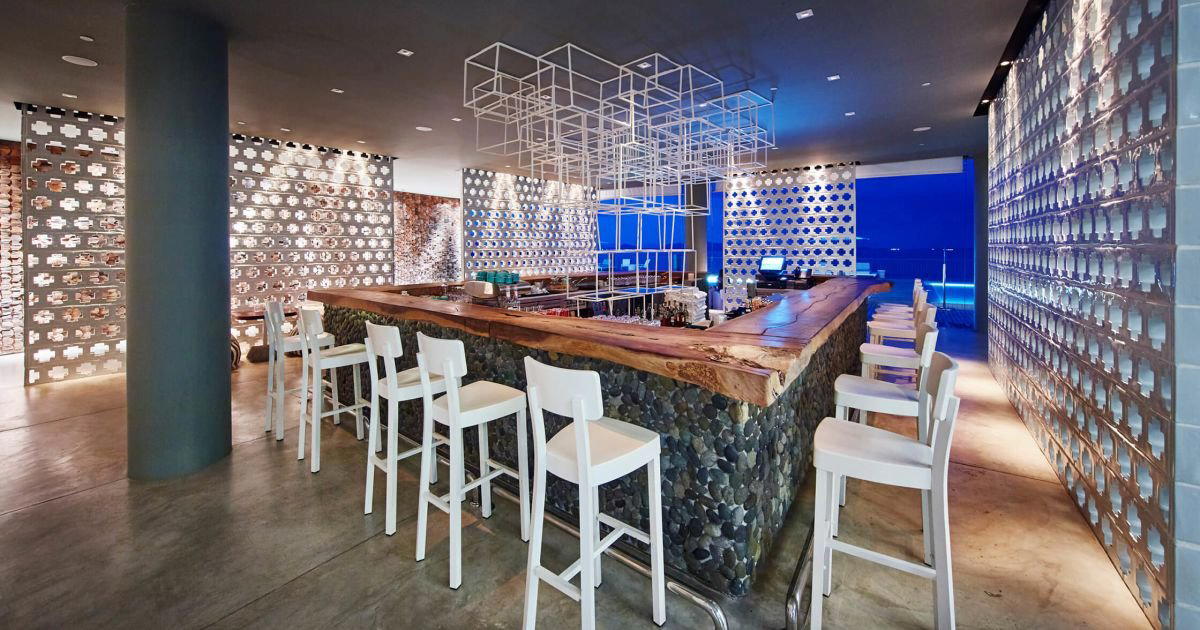
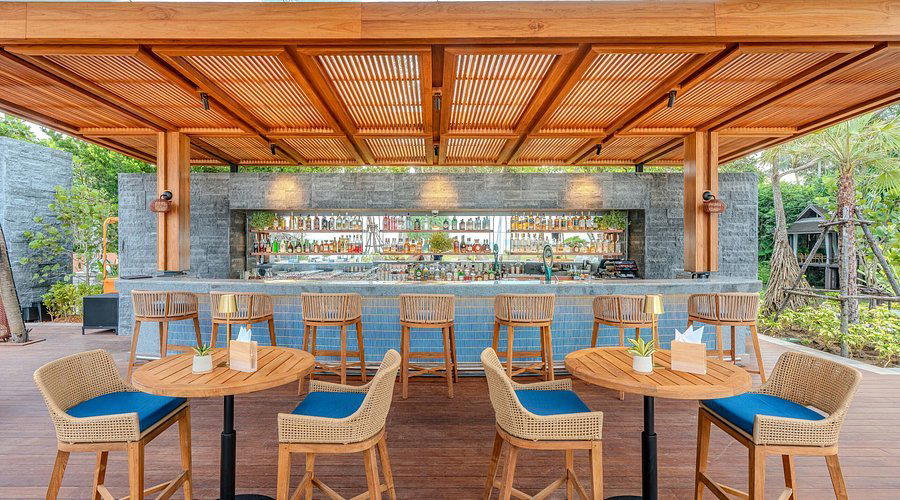
Quiet and romantic atmosphere with light oak woods, floor-to-ceiling windows overlooking rainforest, and a Nordic feel.