The Naka Island, a Luxury Collection Resort & Spa

1 Michelin Key
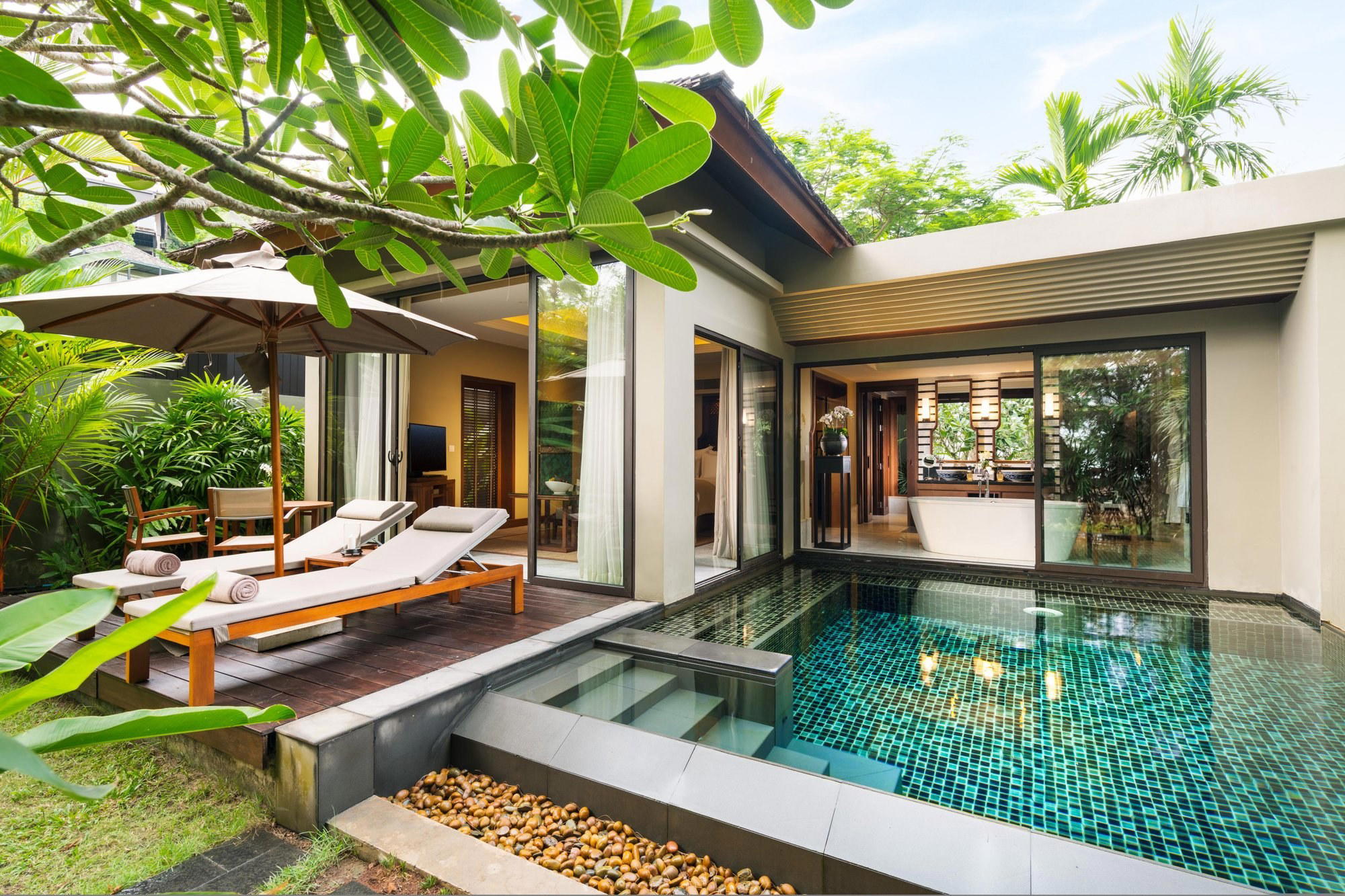
Ten minutes by speedboat from Phuket, The Naka Island occupies its own small isle with more than 70 private-pool villas shaped by curved adobe walls and open-air bathrooms. The Luxury Collection property draws on island spring water for its spa, runs three distinct restaurants, and keeps mainland access easy enough that most guests choose not to bother.

Pearl is the En Primeur Club membership app — saves, bookings, and concierge access live there. Same editors, same standards.
- Address
- 32 Moo 5 Tambol Paklok, Amphur Thalang, Naka Yai Island, Tambon Pa Klok, Phuket, Chang Wat Phuket 83110
- Phone
- +66 76 371 400
- Website
- marriott.com
- Directions
- Get directions
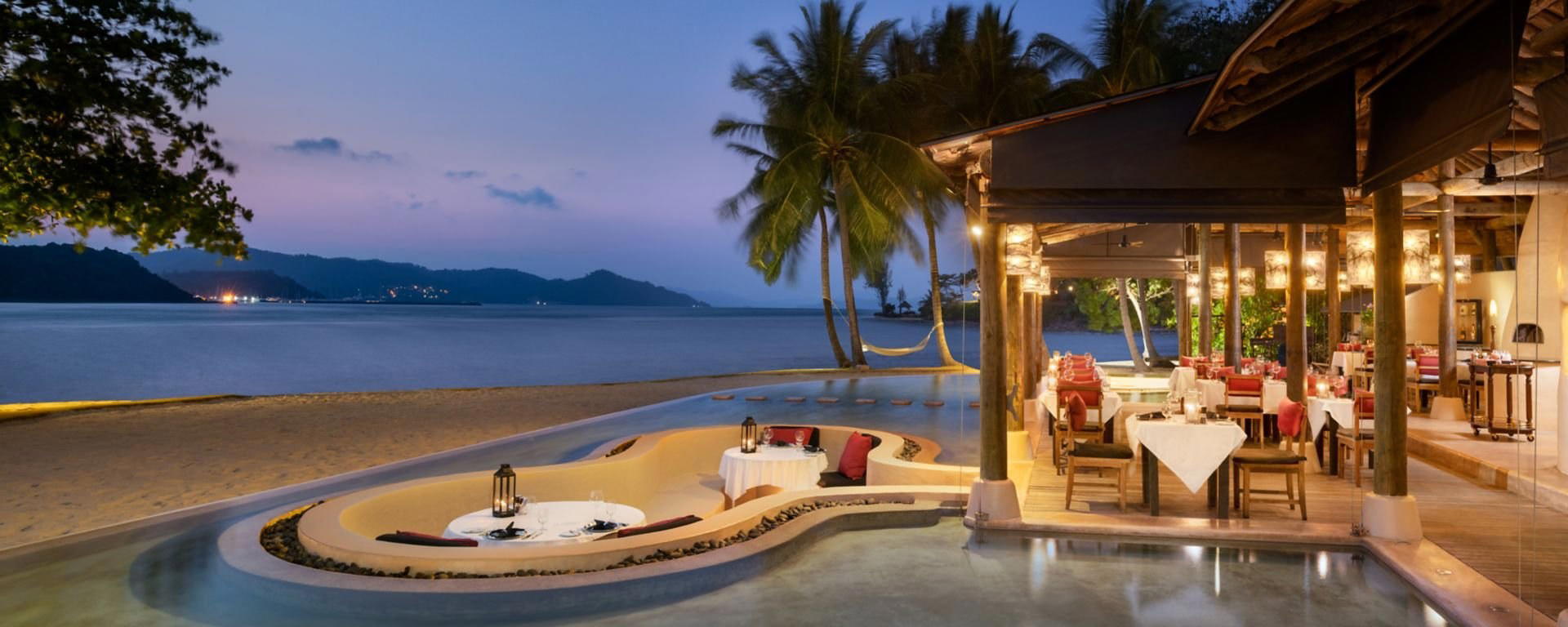
An Island That Keeps Phuket in Reserve
The geography of Thai island luxury has fractured into two distinct models. One puts guests inside a large resort that happens to face the sea. The other removes them from the mainland entirely, trading convenience for a different quality of stillness. The Naka Island, a Luxury Collection Resort & Spa, belongs to the second camp: a private isle off Phuket's northeast coast, reached by a ten-minute speedboat crossing from the main island, that places genuine water separation between its guests and the wider tourist circuit.
That distance matters more than it sounds. Naka Yai Island sits close enough to Phuket to make a day excursion practical, yet the crossing is just sufficient to reset the psychological register. Properties like Amanpuri in Phuket and Six Senses Yao Noi in Phang Nga have built their reputations on a similar premise: physical isolation as the primary amenity.
The Architecture of Arrival
Few resort rituals communicate design philosophy as directly as the arrival sequence, and The Naka Island's is worth reading carefully. Guests strike a bronze gong twice on landing: the first strike to wake the dragon that the island's outline is said to resemble, the second to make a wish. It is the kind of gesture that could read as theatrical contrivance in a lesser property, but here it functions as a spatial pause, a deliberate slowing before the resort proper begins.
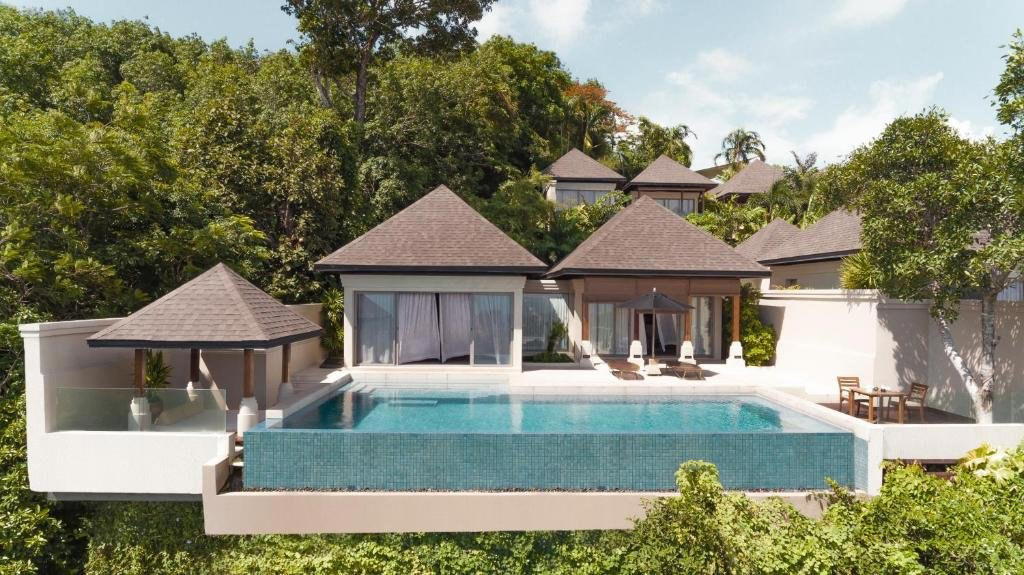
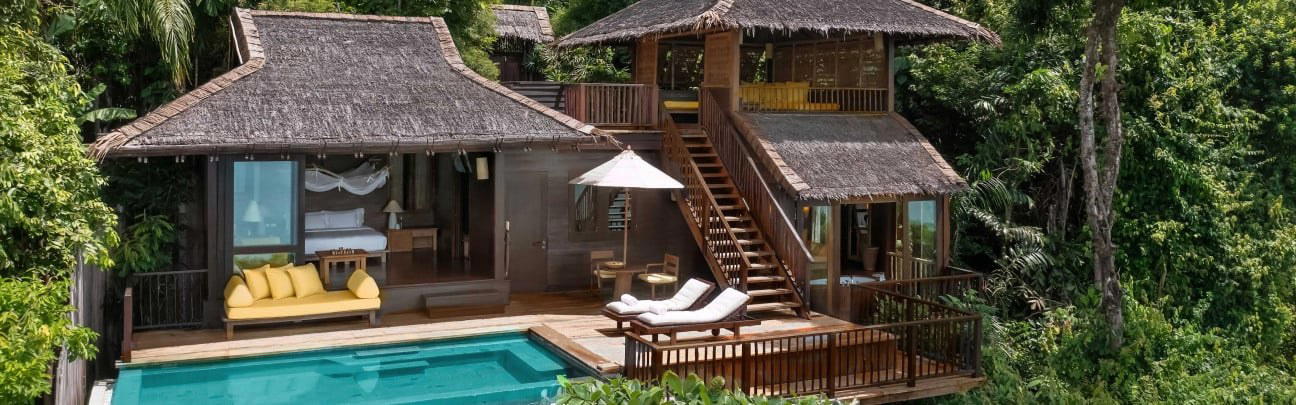
The built environment follows the same logic. More than 70 of the resort's 90 rooms take the form of villas spread across the island's palm-shaded terrain. The design language is organic rather than sharp-edged: curved adobe-style walls that absorb tropical light differently at each hour, structures that read as grown rather than constructed. Open-air bathrooms catch the sea breeze and blur the boundary between interior and landscape in a way that screened-off hotel bathrooms never can. This architectural approach, which connects to a longer tradition of Thai resort design that treats the natural environment as a structural material rather than a backdrop, places The Naka Island in a lineage that runs from Pimalai Resort & Spa in Koh Lanta through to more recent properties like Devasom Khao Lak Beach Resort & Villas.
Private pools attach to each villa, which in the southern Thai market has moved from distinction to baseline expectation among properties at this tier. What differentiates the execution here is the integration: the pools are set within the villa compound rather than appended as an afterthought, which means the relationship between living space and water feels considered rather than added for the brochure. Compare that integration with villa-format properties like Samujana Villas in Koh Samui or Anantara Rasananda Koh Phangan Villas, and the emphasis on spatial cohesion becomes a consistent regional design priority rather than a single property's quirk.
Three Restaurants, One Island Kitchen
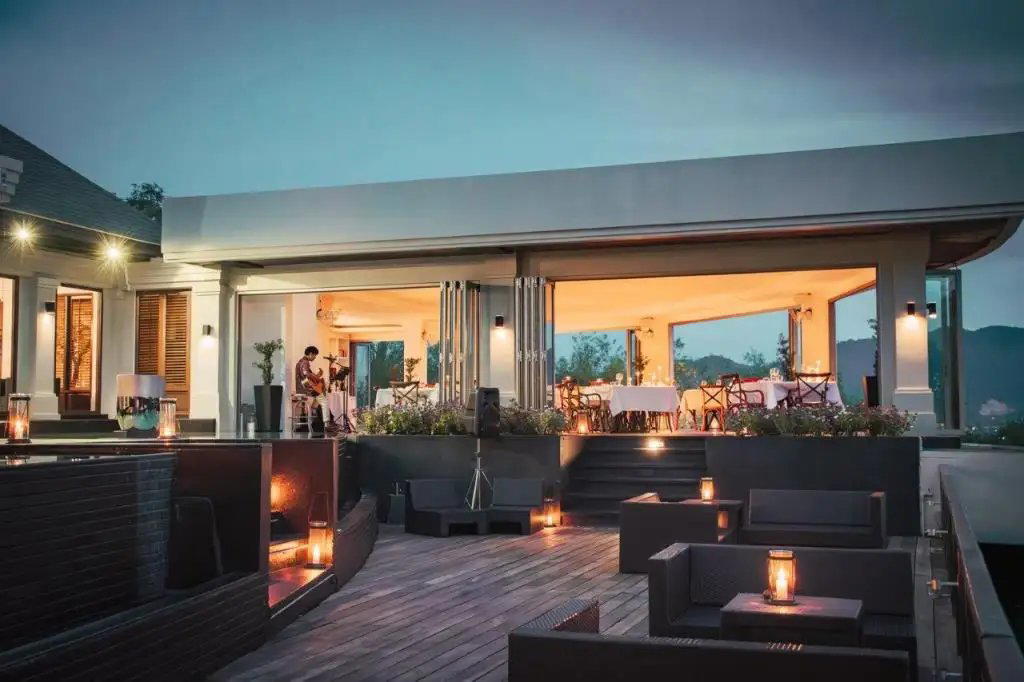
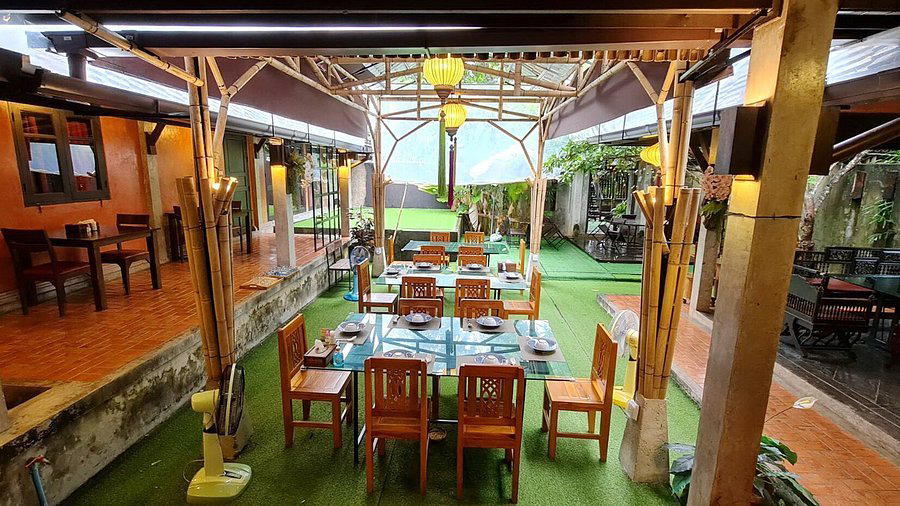
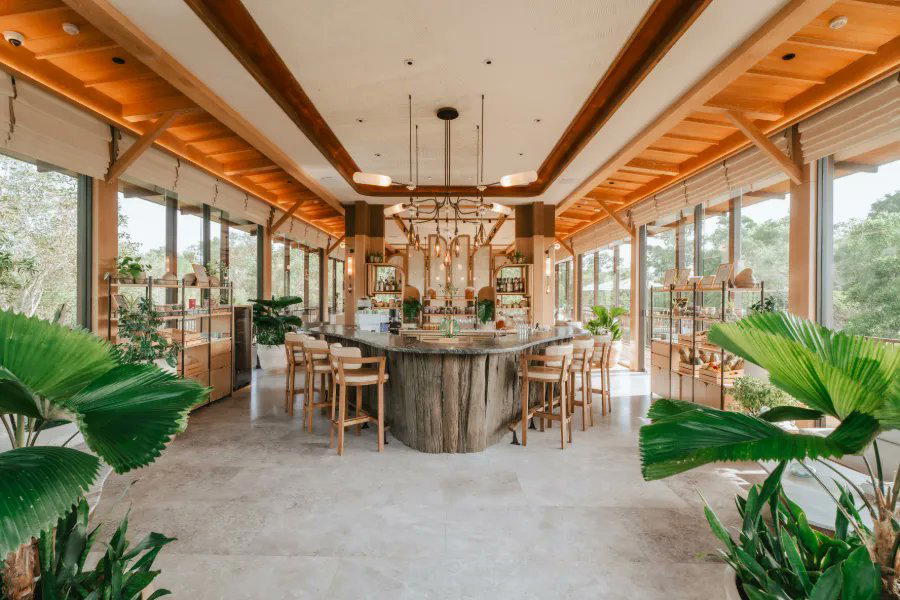
Island resorts face a particular food and beverage challenge: guests who choose not to leave need to eat well every night, which means the dining program carries more weight than at a city hotel where the neighbourhood absorbs the pressure. The Naka Island addresses this with three distinct restaurants, covering a range wide enough to prevent the menu fatigue that sets in at single-dining properties after day three.
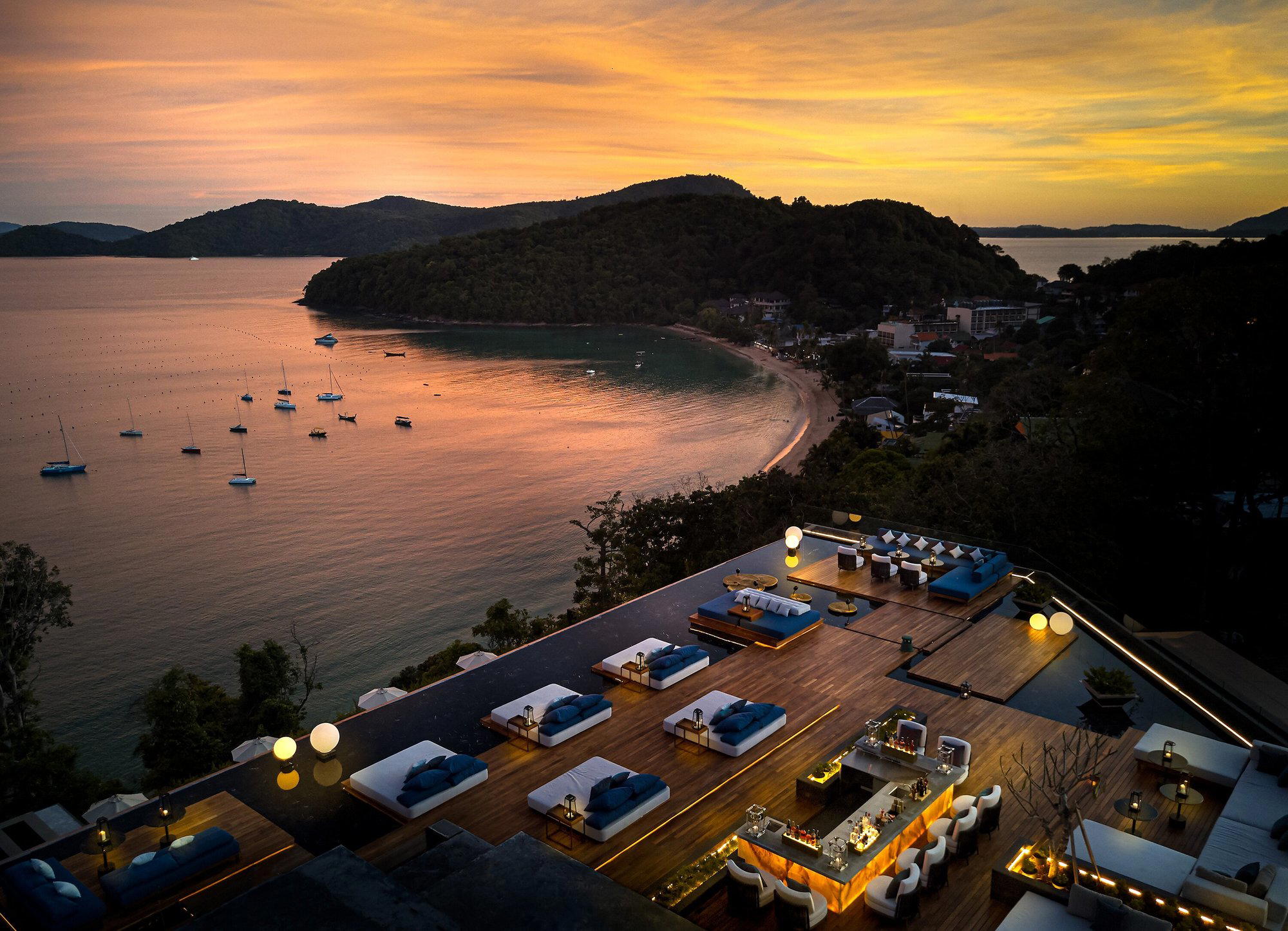
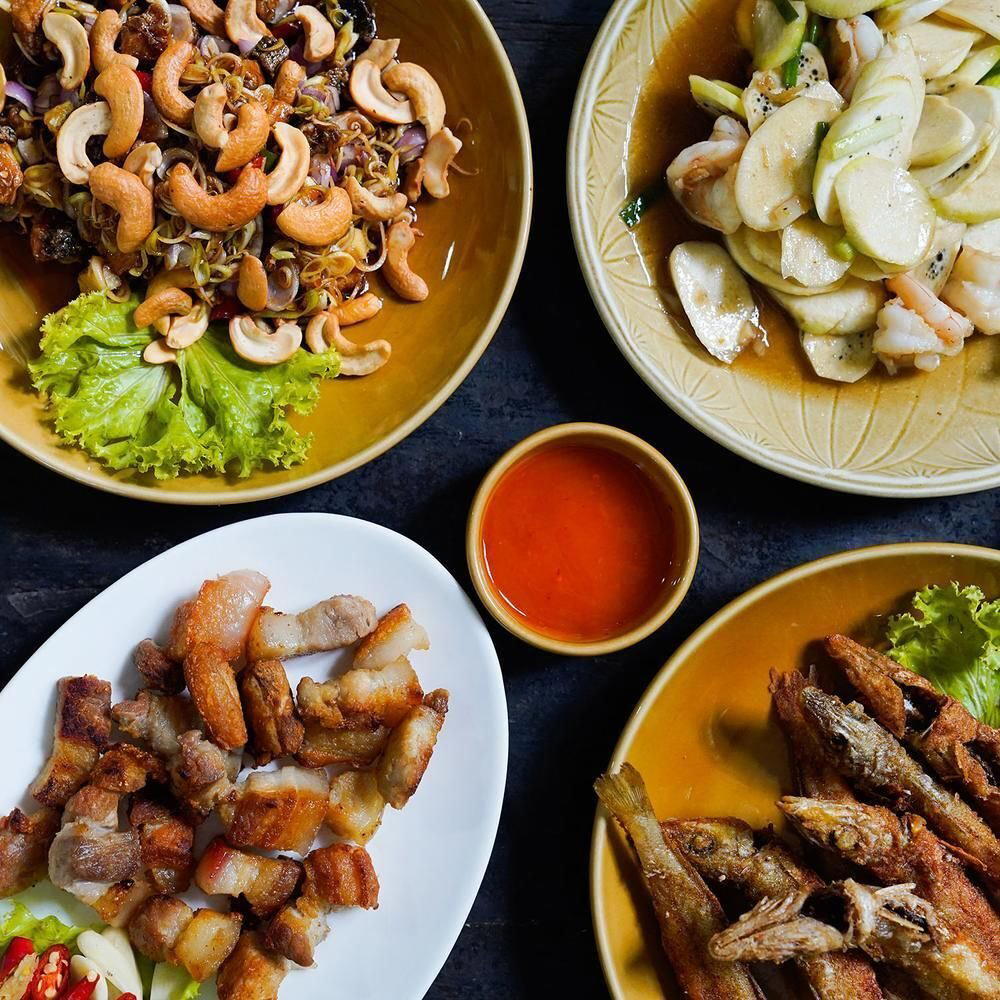
Southern Thai curries appear in the rotation, which is the right call for this location. Southern Thai cooking is sharper, hotter, and more coconut-forward than the central Thai canon that dominates international hotel menus. A property that acknowledges its regional context rather than defaulting to a generic pan-Asian menu is making an editorial choice, and it is the better one. The resort also runs sunset cocktail service, which on a south-facing island with unobstructed water views functions less as a bar program and more as a daily ritual around light and position.
For context on what ambitious island dining can look like elsewhere in the region, Soneva Kiri in Trat has set a high bar with its treehouse dining and organic sourcing infrastructure, while Phulay Bay, a Ritz-Carlton Reserve in Krabi anchors its food program to local coastal produce. The Naka Island's three-restaurant model is a practical solution to an island constraint, structured to cover morning through evening without repetition.
The Spa and the Island's Own Water
Spa programming in Thai luxury resorts has become a category so saturated that differentiation requires a specific material or methodological claim rather than a general promise of wellness. The Naka Island draws its spa on island spring water, which is a sourcing detail that connects the treatment program to the site itself. Water quality varies significantly across the Phuket archipelago, and a resort that uses its own source rather than a generic mineral input is making a localist argument about what the island has to offer beyond its views.
The broader wellness model in this region has moved toward longer, integration-focused programs at properties like Anantara Golden Triangle Elephant Camp & Resort in Chiang Rai and Four Seasons Resort Chiang Mai. The Naka Island's approach is more self-contained: the spa serves the villa-based guest who wants a treatment as punctuation to a beach day rather than as the primary reason for the trip.
Who This Property Is For
The Naka Island is not a property that rewards guests who want a dense activity schedule or a social scene that extends past dinner. Its logic is the opposite: remove friction, reduce decision-making, and let the physical environment carry the weight. The fact that most guests reportedly never leave the island is not a failure of the excursion program; it is the intended outcome of a design philosophy built around sufficiency rather than maximalism.
Within the wider Thai resort market, this sits as a middle position between the high-density programming of large Phuket beach hotels and the more austere, immersive format of properties like Aleenta Resort & Spa, Hua-Hin in Pranburi. The Luxury Collection flag signals that the infrastructure meets a defined international standard, which matters for guests calibrating expectations across a multi-stop Thailand itinerary that might also include Mandarin Oriental Bangkok or Grand Hyatt Erawan Bangkok at either end.
Booking access via Phuket is direct: the resort coordinates speedboat transfers, so the island's apparent remoteness does not translate into logistical complexity. Mainland Phuket remains available when wanted, which means the isolation is elective rather than imposed. See our full Naka Yai Island restaurants guide for broader context on what the island and surrounding waters offer beyond the resort perimeter.
A Quick Peer Check
Comparable venues nearby, for context on price, style, and recognition.
| Venue | Cuisine | Price | Awards | Notes |
|---|---|---|---|---|
| The Naka Island, a Luxury Collection Resort & SpaThis venue — the venue you are viewing | Hanging villas with open-plan design floating above the sea for comprehensive privacy and views | Not listed | 1 Michelin Key | Not listed |
| Trisara | Secluded luxury resort blending Thai heritage with modern privacy | $1,000–1,500 | 2 Michelin Keys · La Liste Top Hotels | Thalang |
| Kimpton Kitalay Samui | Contemporary luxury beachfront resort inspired by local fisherman village charm with modern design elements and natural materials. | $300–500 | 1 Michelin Key · Forbes Recommended | Choeng Mon, Bophut |
| The Racha | Eco-chic luxury all-villa resort in harmony with tropical island nature | Not listed | 1 Michelin Key · Mr & Mrs Smith Seal of Approval | Mueang Phuket |
| Aleenta Resort & Spa, Hua-Hin | Barefoot luxury boutique resort blending contemporary comfort with Thai minimalism, featuring individually designed suites and villas with private pools and direct beach access. | $300–500 | 1 Michelin Key | Pranburi |
| Anantara Hua Hin Resort & Spa | Thai village-style resort with lush gardens and low-rise buildings | $200–300 | 1 Michelin Key · La Liste Top Hotels | Hua Hin |
Recognition history
Dated appearances from independent guides and award organizations, with the underlying list record or original source where available.
Michelin 1 Key
Michelin
Full recognition history (2 entries)
Michelin 1 Key
Michelin
Continue exploring
More in Naka Yai Island
Hotels in Naka Yai Island
Browse all →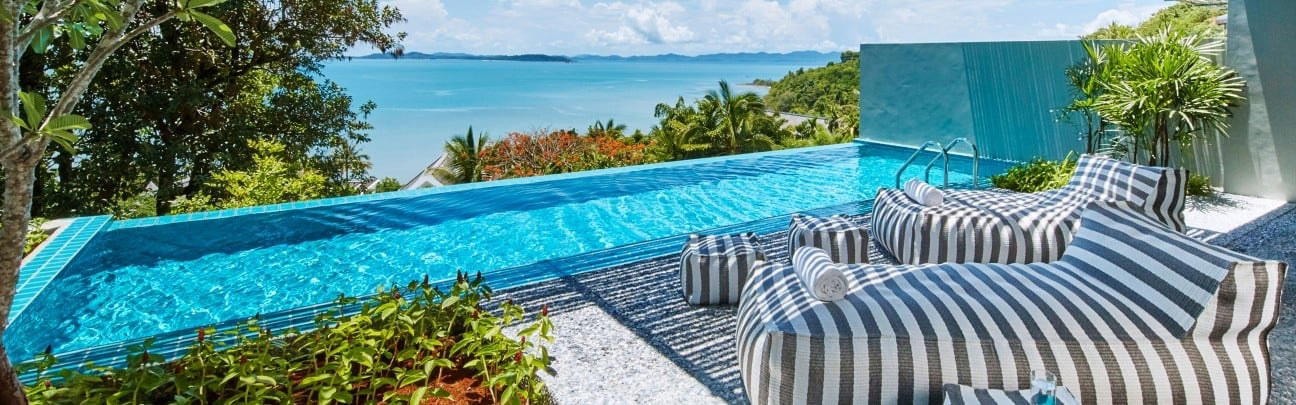
Bars in Naka Yai Island
Browse all →
Restaurants in Naka Yai Island
Browse all →
Details
- Romantic
- Elegant
- Sophisticated
- Scenic
- Quiet
- Ornate
- Honeymoon
- Romantic Getaway
- Wellness Retreat
- Anniversary
- Destination Wedding
- Beachfront
- Infinity Pool
- Private Villa
- Destination Spa
- Panoramic View
- Spa
- Pool
- Fitness Center
- Room Service
- Concierge
- Wi Fi
- Beach Access
- Kids Club
- Waterfront
- Garden
- Wheelchair Accessible
- Step Free Entrance
Tranquil and serene with natural light flooding spacious villas, complemented by sleek minimalist tropical design and relaxing spa spaces.