


1 Michelin Key · Mr & Mrs Smith Seal of Approval · Small Luxury Hotels of the World Member
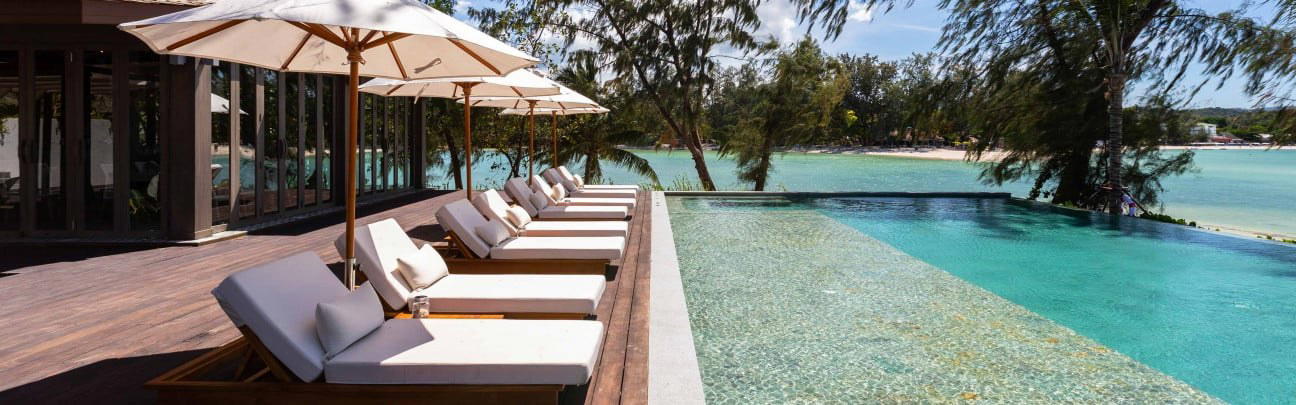
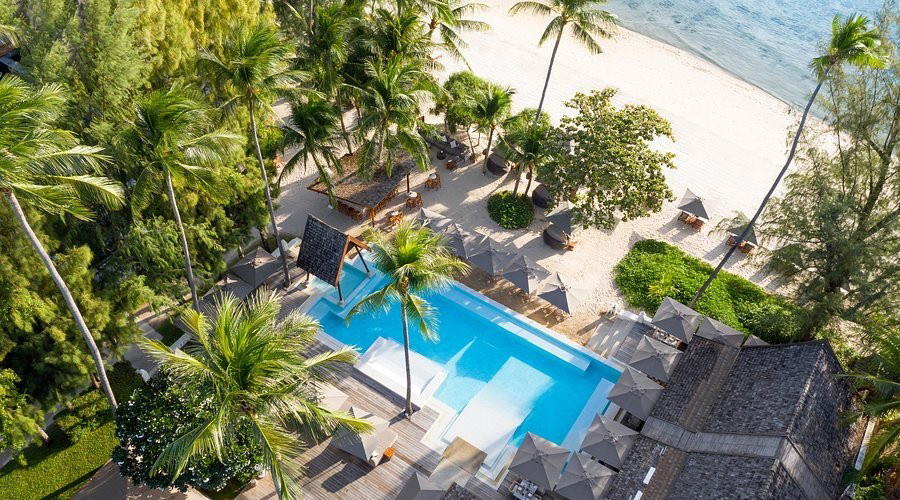
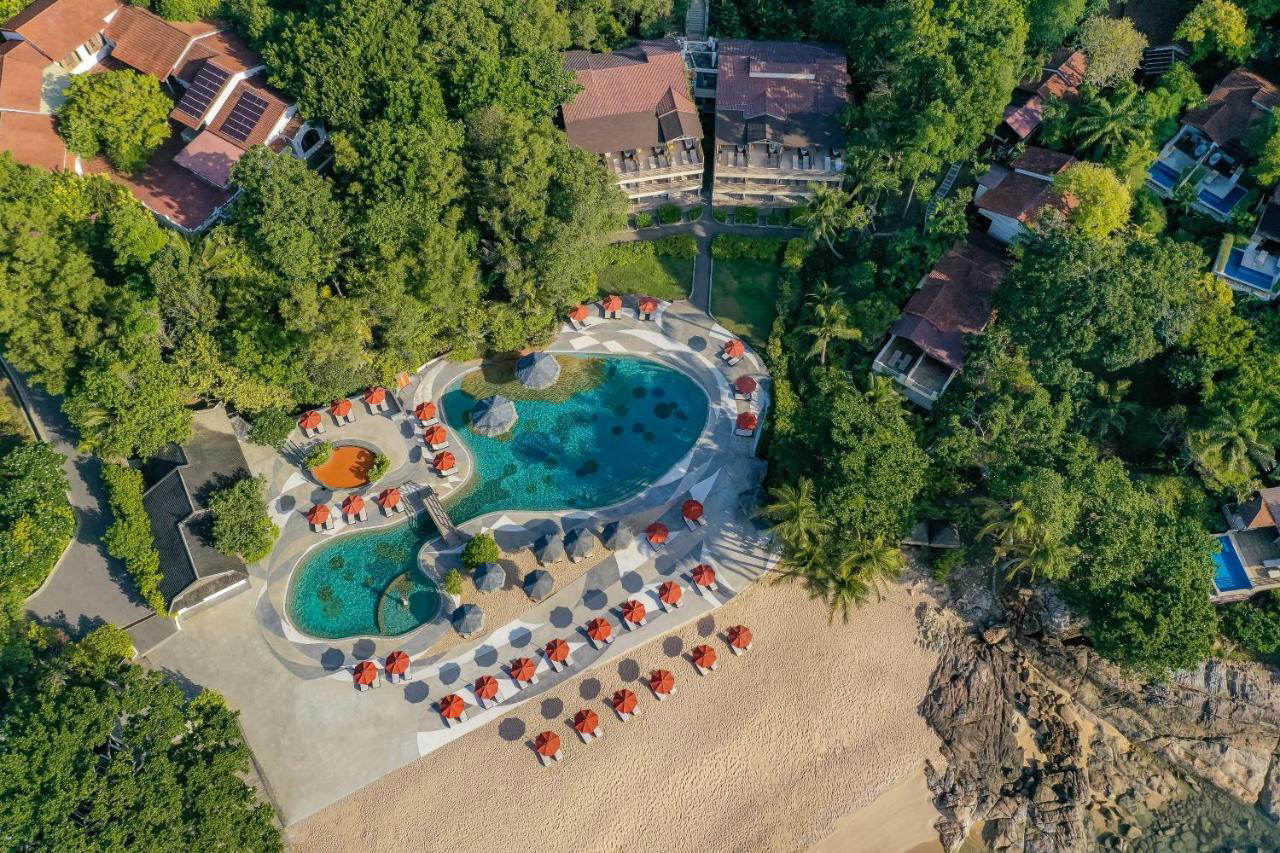
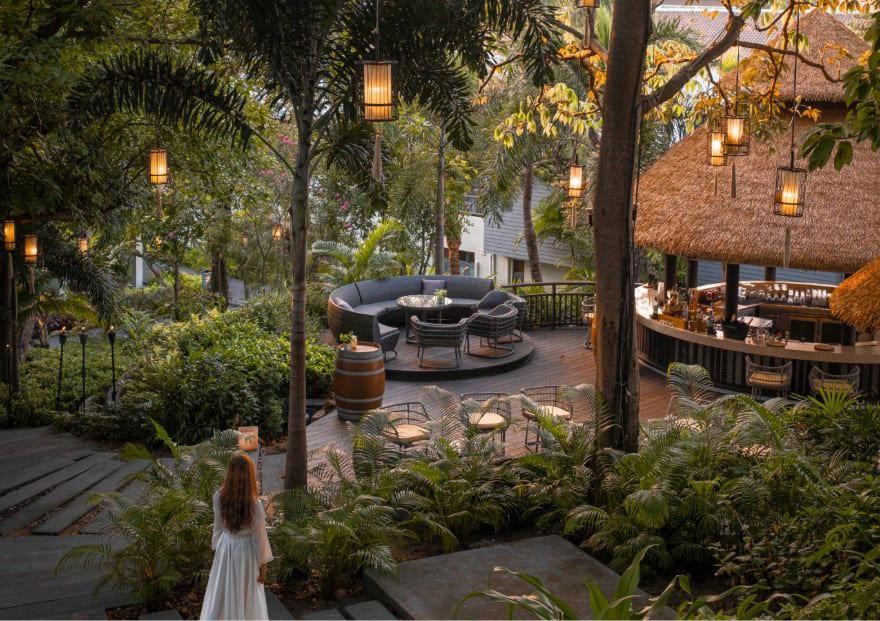
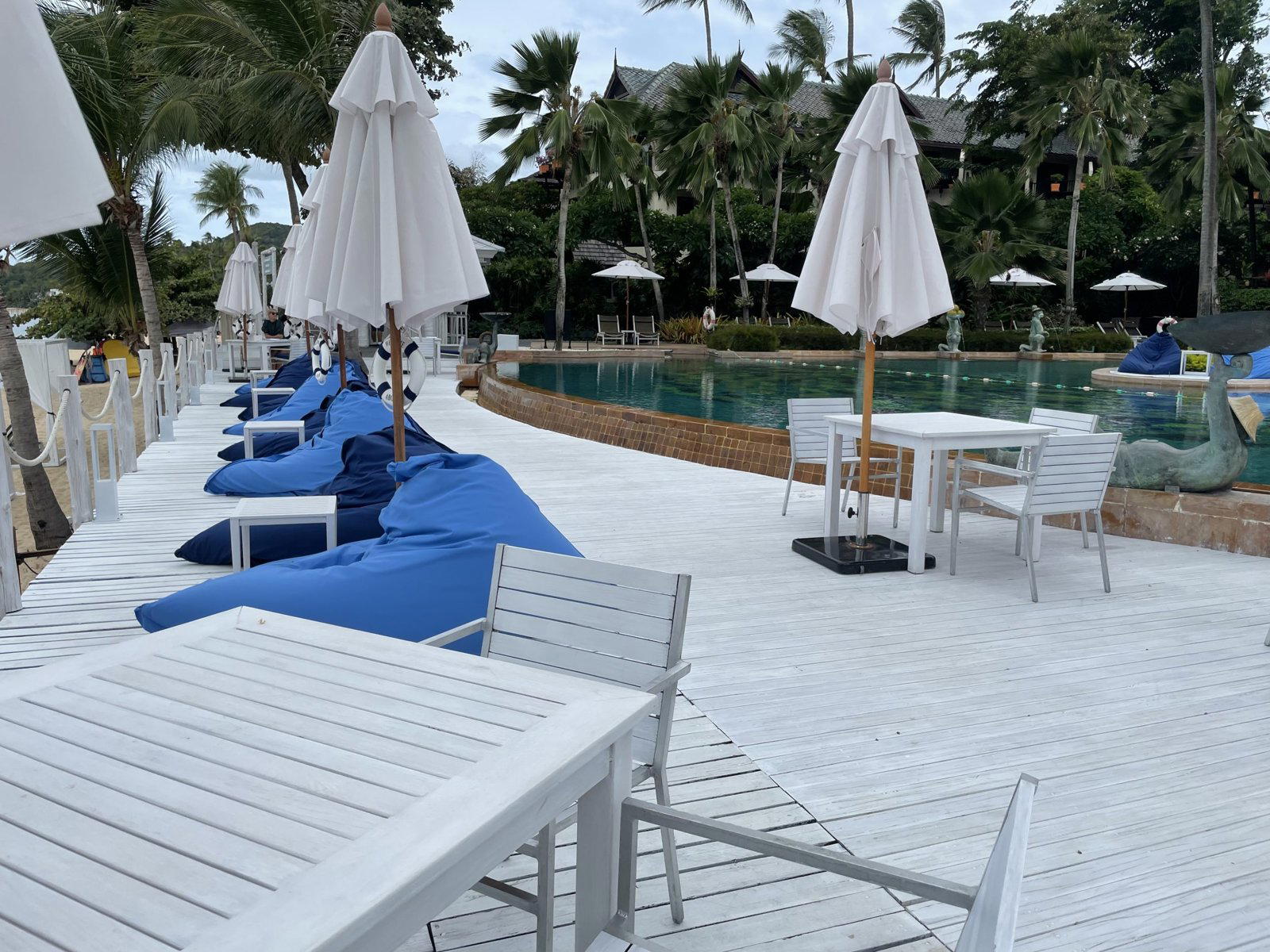
Cape Fahn Hotel occupies its own small private island off Koh Samui's northeastern coast, reached by a short causeway that marks a clear boundary between the island's busier resort strip and something considerably quieter. Villa-only accommodation sits within garden and beachfront settings, with each unit oriented toward the Gulf of Thailand. The format places it firmly in the low-density, privacy-led tier of Samui luxury.

Pearl is the En Primeur Club membership app — saves, bookings, and concierge access live there. Same editors, same standards.
A Private Island in the Gulf of Thailand
Koh Samui's resort strip runs continuous along the eastern and northern coasts: beach clubs stacked against international hotel brands, pool bars audible from the road, the general density of a place that has been popular for decades and developed accordingly. The northeastern corner of the island tells a slightly different story, and just offshore from it, Cape Fahn Hotel occupies a small island connected by causeway — a format that does the editorial work for you. The moment of crossing is deliberate. The low-density, villa-based model that defines this category of Gulf of Thailand luxury depends on perceptible distance from the surrounding bustle, and a private island delivers that distance in concrete terms.
Within Thailand's premium hotel scene, properties split broadly between large-footprint resort complexes with dozens of room types and multiple restaurant concepts, and smaller villa-led properties where the guest count stays low and the experience is configured around that constraint. Cape Fahn belongs to the latter group. The comparison set includes properties like Samujana Villas, Six Senses Hideaway Samui, and Belmond Napasai — properties where the value proposition rests on controlled guest numbers and spatial generosity rather than amenity volume. The structure of the offer at Cape Fahn, villa accommodation distributed across gardens and beachfront, places it squarely in that niche.
The Villa as the Unit of Experience
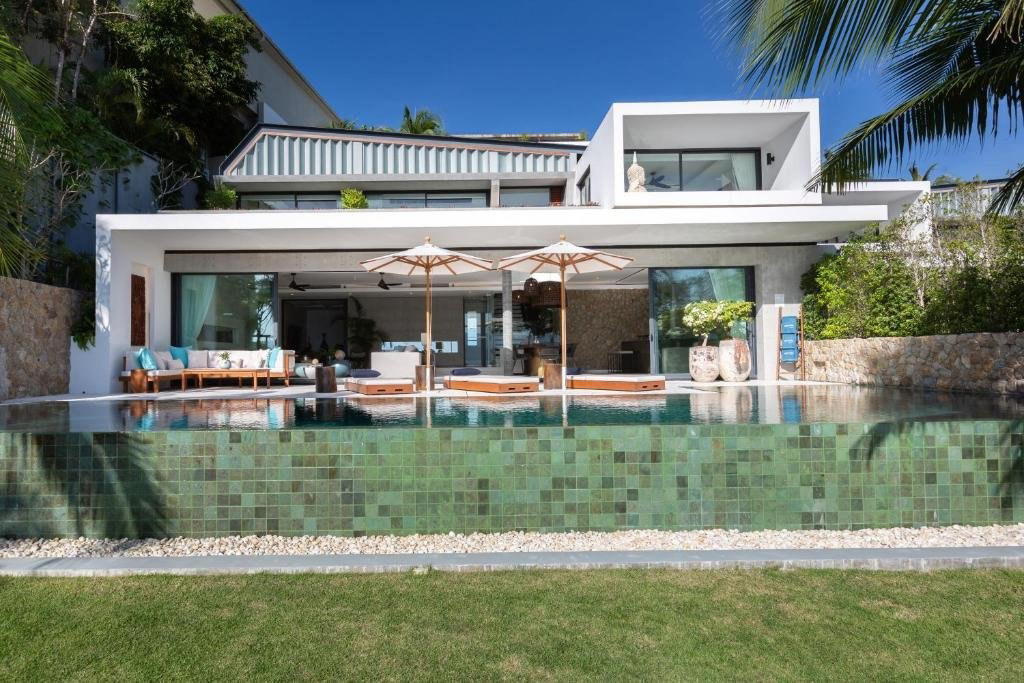
In villa-format hotels across Southeast Asia, the room itself is the principal amenity. Where a conventional hotel room asks guests to share the property's common spaces, pool, restaurant, terrace, in exchange for a compact private space, the villa inverts that logic. The private outdoor area, the personal plunge pool where applicable, the unobstructed sightline to water or garden: these become the primary texture of the stay. Everything else, including food and beverage service, tends to come to the guest rather than requiring the guest to come to it.
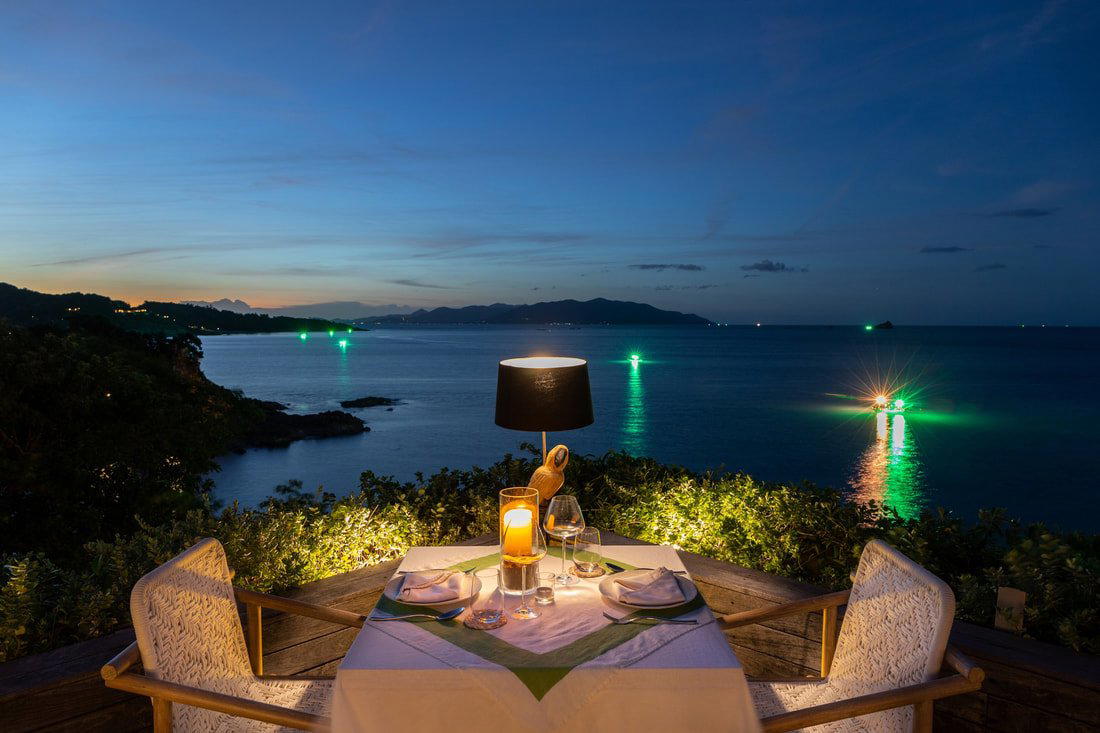
At Cape Fahn, the villas are set within garden plots and along the beachfront, and the island's geography means that the view orientation toward the Gulf of Thailand is consistent across accommodation types. Gulf light at this latitude moves from the pale silver of early morning through to the saturated amber of late afternoon, and villa design in this category is typically arranged to make that progression legible from inside the room, large openings, indoor-outdoor transitions that blur the boundary between sleeping and garden space, bathroom layouts that allow for outdoor bathing. These are not innovations specific to Cape Fahn but structural features of the villa-hotel format as it has evolved across the Samui premium market, from Banyan Tree Samui northward to Anantara Bophut Koh Samui Resort.
What the private island setting adds is a consistency of quiet that garden villas on larger, more accessible properties cannot always guarantee. The causeway crossing functions as a threshold: beyond it, the ambient sound profile of the stay changes. That shift is worth factoring into the accommodation decision, particularly for guests whose Samui itinerary involves Chaweng or Lamai-side activity during the day and a need for genuine stillness in the evening.
Samui's Private-Island Tier in Regional Context
Thailand's premium hotel market is geographically dispersed, with the southern islands, the Andaman coast, and the north each offering distinct formats. In the islands, the private-island or peninsula model has become a recognizable premium signal: Soneva Kiri in Trat operates on its own island in the eastern gulf; Six Senses Yao Noi in Phang Nga works a similar spatial logic on the Andaman side. The proposition in each case is the same: controlled access as a luxury feature in itself. Cape Fahn operates within that tradition on Samui, where the alternative premium formats, hillside infinity-pool properties and beachfront villas on shared land, are well represented by properties including SALA Samui Choengmon Beach and Bo Phut Resort.
Across the wider Thailand premium category, the properties that generate the longest lead times and the most consistent repeat visits tend to be those where the physical setting does structural work: Amanpuri in Phuket, Four Seasons Resort Chiang Mai, Phulay Bay, A Ritz-Carlton Reserve in Krabi. Geography as amenity is not a differentiator limited to the island category, but it is most legible there. The causeway-to-private-island format makes the proposition immediate and physical in a way that a hillside setting or a garden-enclosed villa compound does not.
Reaching Cape Fahn and Planning the Stay
Koh Samui International Airport sits on the northeastern part of the island and handles direct regional routes as well as connections through Bangkok. The drive from the airport to the Cape Fahn causeway is among the shorter transfers on the island given the property's northeastern positioning, making the arrival sequence comparatively contained. The peak season for the Gulf of Thailand coast of Samui runs from roughly December through April, when northeast monsoon conditions have eased and the water is calm. May through October brings the southwest monsoon, which affects the western and southern coasts of the island more directly but can bring intermittent rain to the north as well. Guests traveling primarily for villa-based stays are somewhat buffered from weather variability in a way that beach-activity-dependent itineraries are not, though the shoulder season rate structure often rewards the trade-off.
For visitors building a broader southern Thailand itinerary, Cape Fahn pairs logically with properties on the Andaman side: Anantara Layan Phuket Resort or Pimalai Resort and Spa in Koh Lanta offer a complementary format on a coast that operates on an inverted seasonal calendar. The Gulf and Andaman sides of the Koh Samui to Krabi corridor are different enough in character and weather pattern that combining both in a single trip adds genuine variety rather than repetition. For those extending to the mainland, Mandarin Oriental Bangkok and Grand Hyatt Erawan Bangkok provide urban bookends to a Gulf island stay.
Additional Koh Samui context, including restaurant and activity recommendations, is covered in our full Koh Samui guide. Regional comparisons beyond the island, from Anantara Rasananda Koh Phangan Villas a short ferry ride north to the broader Surat Thani archipelago, round out the Gulf of Thailand planning picture for guests with schedule flexibility.
Fast Comparison
Comparable venues nearby, for context on price, style, and recognition.
| Venue | Cuisine | Price | Awards | Notes |
|---|---|---|---|---|
| Cape Fahn HotelThis venue — the venue you are viewing | Private island luxury villas with traditional Thai influences | Not listed | 1 Michelin Key · Mr & Mrs Smith Seal of Approval | Not listed |
| Vana Belle, a Luxury Collection Resort, Koh Samui | Contemporary Thai luxury resort with private pool accommodations | Not listed | Michelin Selected · World Travel Awards | Chaweng Noi |
| Santiburi Koh Samui | Luxurious Thai-style villas and suites set in expansive tropical gardens on a secluded beach. | Not listed | Michelin Selected | Mae Nam |
| Kamalaya Koh Samui | Wellness sanctuary harmoniously integrated into natural hillside landscape with preserved boulders and tropical vegetation. | Not listed | Virtuoso Luxury Hotel Partner | Laem Set |
| The Library | Minimalist beachfront resort with conceptual design inspired by literature and zen. | $200–300 | Michelin Selected | Chaweng Beach |
| Four Seasons Resort Koh Samui | Contemporary luxury tropical resort with traditional Thai architectural elements and modern amenities. | Not listed | 2 Michelin Keys · La Liste Top Hotels | Ang Thong |
Recognition history
Dated appearances from independent guides and award organizations, with the underlying list record or original source where available.
Michelin 1 Key
Michelin
Mr & Mrs Smith Seal of Approval
Mr & Mrs Smith
Small Luxury Hotels of the World Member
Small Luxury Hotels of the World
Full recognition history (4 entries)
Michelin Selected
Michelin
Continue exploring
More in Koh Samui
Hotels in Koh Samui
All hotels in Koh Samui →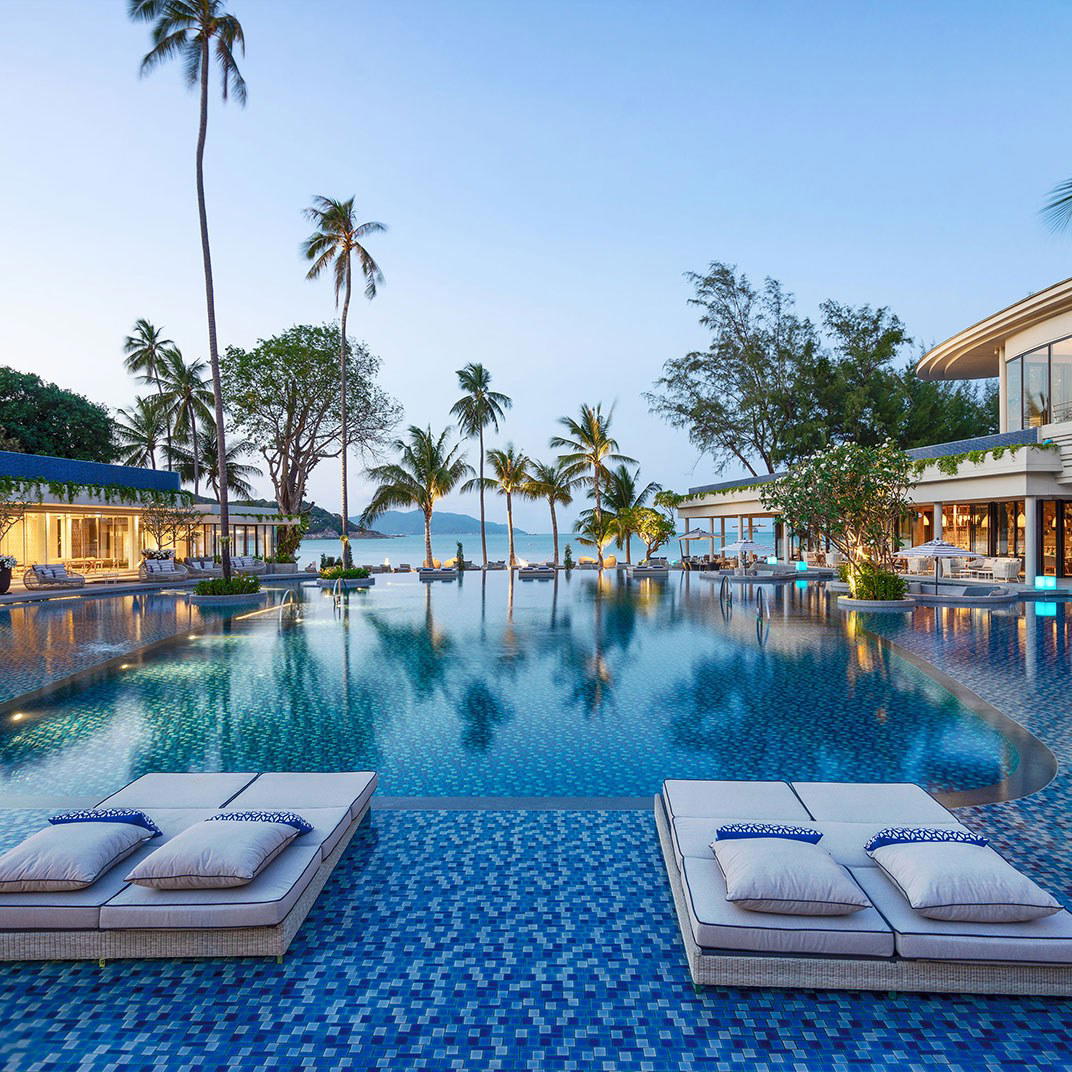
Details
- Romantic
- Quiet
- Elegant
- Scenic
- Intimate
- Sophisticated
- Ornate
- Honeymoon
- Romantic Getaway
- Anniversary
- Wellness Retreat
- Weekend Escape
- Beachfront
- Infinity Pool
- Private Villa
- Panoramic View
- Wi Fi
- Pool
- Spa
- Fitness Center
- Room Service
- Concierge
- Beach Access
- Waterfront
- Step Free Entrance
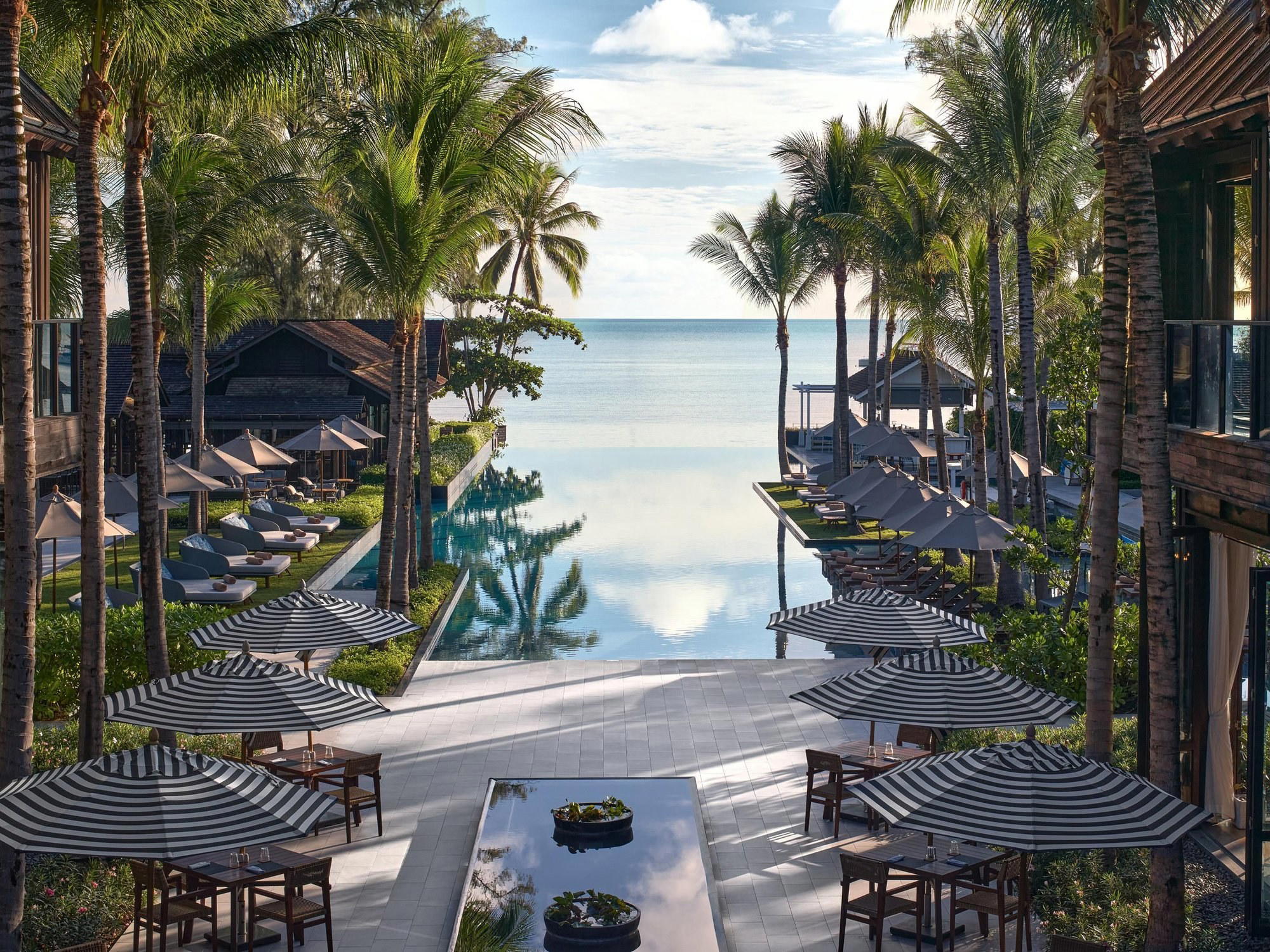
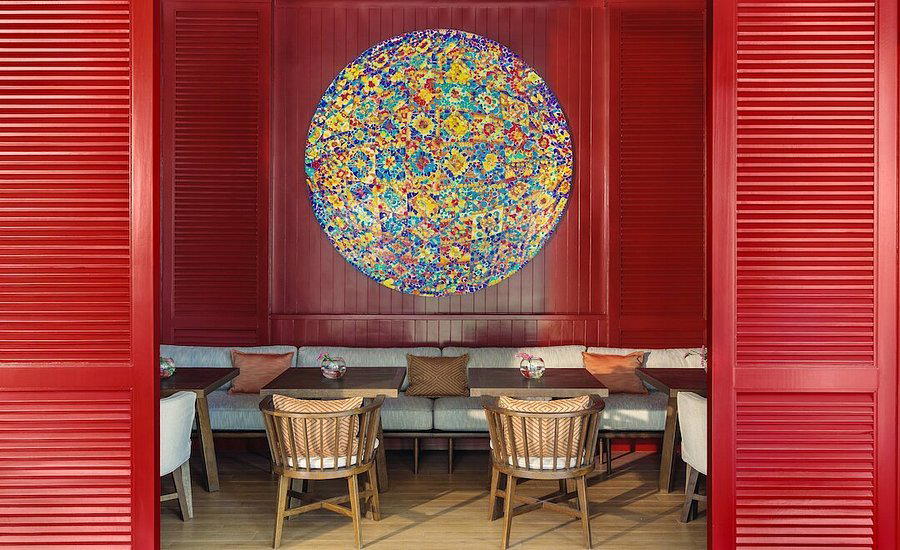
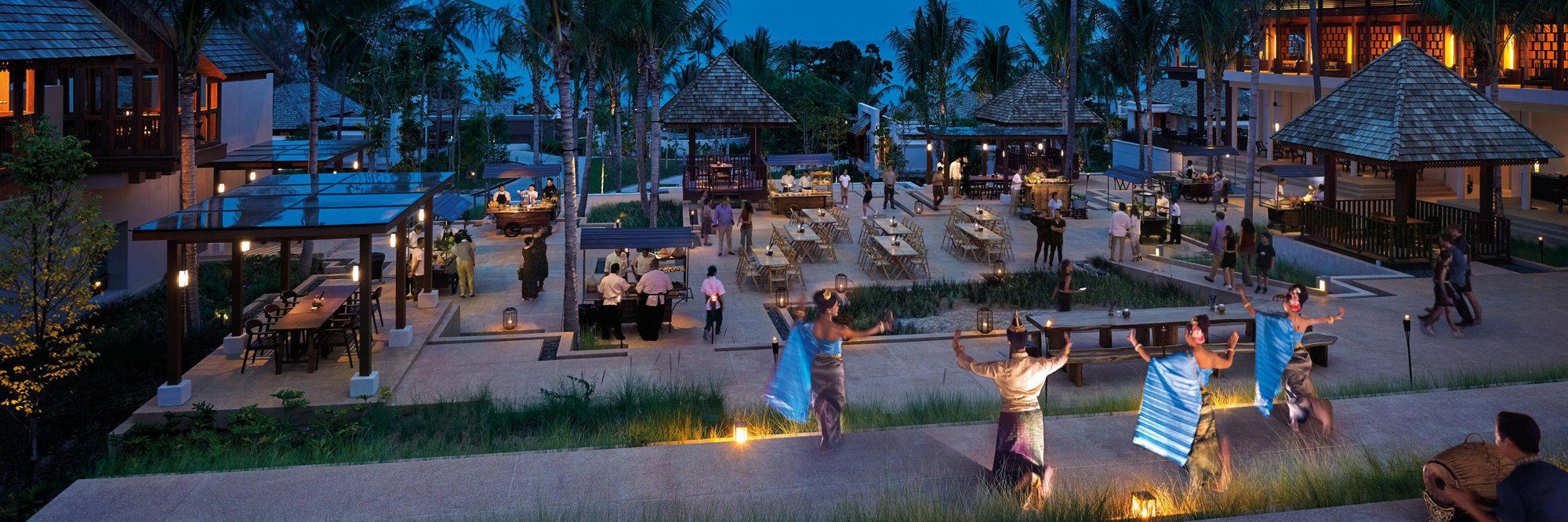
Serene and relaxing with natural light, sea-inspired colors, and dramatic Gulf of Thailand views from private decks and beaches.