A cooking class and workshop space in Barcelona's Ciutat Vella, bcnKITCHEN sits at Carrer de la Fusina 15 in the El Born district, placing participants inside one of Spain's most ingredient-rich urban quarters. The format is hands-on rather than demonstrative, making it a practical entry point into Catalan culinary tradition for visitors who want more than a restaurant seat.
Pearl is the En Primeur Club membership app — saves, bookings, and concierge access live there. Same editors, same standards.
- Address
- Carrer de la Fusina, 15, Ciutat Vella, 08003 Barcelona, Spain
- Phone
- +34 932 68 12 53
- Website
- bcnkitchen.com
- Directions
- Get directions
 Saves & bookings on Pearl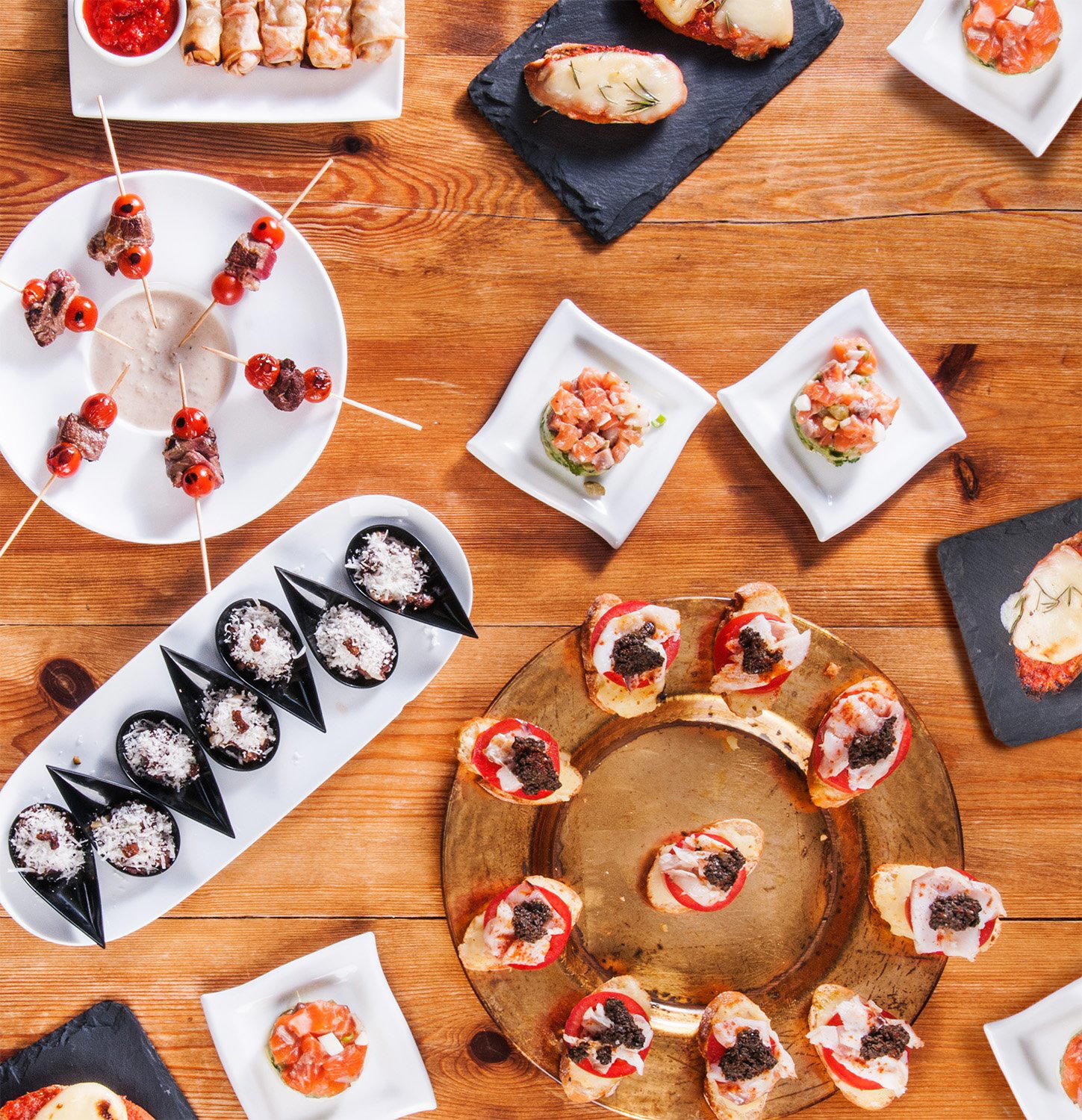
El Born as Classroom: What the Neighbourhood Teaches Before the Session Starts
Barcelona's El Born district has spent the better part of two decades repositioning itself around food provenance. The Mercat de Santa Caterina sits a short walk from Carrer de la Fusina, and the Mercat del Born cultural centre anchors the quarter's identity in trade, goods, and exchange. Cooking schools that operate in this neighbourhood do not have to manufacture a connection to ingredient sourcing, the connection is structural. Markets, specialist importers, and producers with deep Catalan roots are woven into the commercial fabric of the streets themselves. For a venue like bcnKITCHEN - Cursos y talleres de cocina en Barcelona, located at Carrer de la Fusina 15, the address is itself an argument about culinary context.
The broader European cooking-class category has split sharply in recent years between high-volume tourism products and smaller, format-disciplined programs with genuine technical content. El Born sits at the specialist end of that divide. Visitors staying at properties like the Mandarin Oriental Barcelona or the Alma Barcelona and seeking more than passive dining tend to gravitate toward these quarter-specific formats, where the proximity to raw ingredient supply chains gives the sessions their editorial credibility.
Ingredient Sourcing and the Catalan Kitchen
Catalan cuisine operates on a sourcing logic that differs meaningfully from Castilian or Andalusian traditions. The Mediterranean coastline, the Pyrenean hinterland, and the agricultural plains of the Empordà feed a regional larder that prizes freshness over preservation, seasonal availability over year-round standardisation, and local cultivar diversity over commodity produce. This is not marketing language, it is a structural feature of how the region's restaurants and food professionals have historically organised their supply relationships.
Any cooking workshop that engages seriously with Catalan technique must therefore engage seriously with provenance. The question of where the tomatoes come from, which variety of dried pepper goes into a proper romesco, and why locally pressed olive oil differs in flavour profile from Andalusian or Italian alternatives are not incidental to the curriculum, they are the curriculum. The El Born location places bcnKITCHEN in immediate proximity to suppliers who operate at this level of specificity, and that proximity shapes what participants are able to work with in the kitchen.
For international visitors accustomed to cooking demonstrations built around generic supermarket produce, this geographic specificity represents a meaningful shift in what a session can actually teach. Hands-on work with correctly sourced Catalan ingredients produces different results and different understanding than technically identical procedures performed with substituted materials. The difference is legible in the finished dish and in the knowledge the participant carries home.
El Born, Ciutat Vella, and the Urban Food Context
Ciutat Vella is Barcelona's oldest urban core, and El Born is its most food-concentrated sub-district. The neighbourhood's density of specialist food shops, wine bars, and market infrastructure has made it the default reference point for discussions of Barcelona's ingredient culture for at least fifteen years. That concentration did not happen accidentally: El Born rebuilt itself after a long period of commercial decline by attracting independent operators with genuine product expertise, and the result is a quarter where food knowledge is ambient rather than aspirational.
This context matters for anyone evaluating what a cooking class in El Born actually offers versus a similar format conducted in a generic commercial kitchen elsewhere in the city. The session does not begin when you enter the kitchen space. It begins when you arrive in the neighbourhood and start reading the shop fronts, the market stalls, and the daily delivery rhythms of the streets around Carrer de la Fusina. Visitors based at properties like the Mercer Hotel Barcelona or the Almanac Barcelona can reach El Born in under fifteen minutes, making the logistical case for including a session here direct.
Travellers extending their Spain itinerary beyond Barcelona have strong complementary options. The Basque Country's food culture, accessible via Akelarre in San Sebastián, offers a counterpoint to Catalan traditions. For wine-country context, Abadía Retuerta LeDomaine and Terra Dominicata in Escaladei both place production-level food and wine education at the centre of their guest experience. The island properties, Hotel Can Cera in Palma and La Residencia in Mallorca, offer their own Mediterranean ingredient traditions.
Format and Practical Positioning
Barcelona's cooking-class market covers a wide range: short tourist-facing sessions built around paella and sangria, mid-level programs with some market component, and more technically serious formats designed for participants who cook at home regularly and want transferable skills. bcnKITCHEN operates in this city as a workshop-format venue, with the class and tasting-session structure (cursos y talleres de cocina) signalling a hands-on rather than spectator orientation.
For visitors planning around this kind of experience, the El Born location connects naturally to a broader day structure. The Mercat de Santa Caterina opens in the morning, providing an opportunity to walk the stalls before a session. The neighbourhood's wine bars and restaurants are concentrated enough that a post-session meal requires no transport. Properties like the Antiga Casa Buenavista and the Hotel Boutique Mirlo offer accommodation options within the Ciutat Vella perimeter for visitors who want to stay embedded in this quarter throughout their stay.
Those who prefer to base themselves outside the old city centre and commute in have strong options at the ABaC Restaurant & Hotel in the upper city, which carries its own serious culinary credentials for the evenings. The Hotel Arts Barcelona offers a seafront alternative with direct access into El Born by taxi or on foot along the waterfront.
For a complete picture of where bcnKITCHEN sits within Barcelona's broader dining and experience offer,
Planning a Session
Carrer de la Fusina 15 is in the heart of El Born, within the Postal Code 08003 zone that covers the eastern portion of Ciutat Vella. The street runs parallel to the Passeig del Born and sits a short walk from the Arc de Triomf metro station (L1) and the França railway station. For visitors arriving by train from the airport, França is the closest mainline terminus to the venue, making the logistics of arriving directly from the airport and heading straight to a session workable.
Cuisine and Credentials
Comparable venues nearby, for context on price, style, and recognition.
| Venue | Cuisine | Price | Awards | Notes |
|---|---|---|---|---|
| bcnKITCHEN - Cursos y talleres de cocina en BarcelonaThis venue — the venue you are viewing | boutique | $$ | Not listed | Not listed |
| The Hoxton, Poblenou | Mediterranean-inspired open-house hotel reflecting local Poblenou culture | $$$ | Not listed | Poblenou |
| Casa Gràcia | Restored Modernist building blending vintage and modern elements | $$ | Not listed | la Vila de Gracia |
| Magatzem 128 | Industrial warehouse conversion with contemporary boutique positioning | $$ | 3-Star | la Nova Esquerra de l'Eixample |
| Uma House by Yurbban Trafalgar | Urban boutique with rooftop oasis | $$$ | 3-Star | Sant Pere, Santa Caterina i la Ribera |
| The Social Hub Barcelona Poblenou | Hybrid hotel, coworking, and community space | $$ | 4-Star | Poblenou |
Continue exploring
More in Barcelona
Hotels in Barcelona
Browse all →
Bars in Barcelona
Browse all →
Restaurants in Barcelona
Browse all →
At a Glance
- Lively
- Trendy
- Modern
- Historic Building
Current opening hours
- Monday
- 9:30 AM–11 PM
- Tuesday
- 9:30 AM–11 PM
- Wednesday
- 9:30 AM–11 PM
- Thursday
- 9:30 AM–11 PM
- Friday
- 9:30 AM–11 PM
- Saturday
- 9:30 AM–11 PM
- Sunday
- 10 AM–5 PM
Hours can change for holidays and private events. Last verified .
Fun, interactive, and hands-on cooking environment with a focus on gastronomic activities.