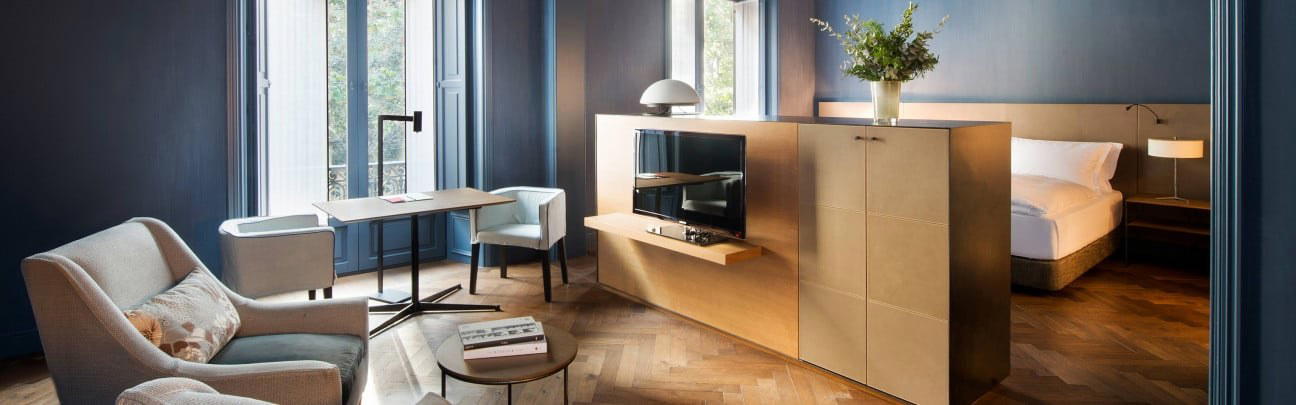
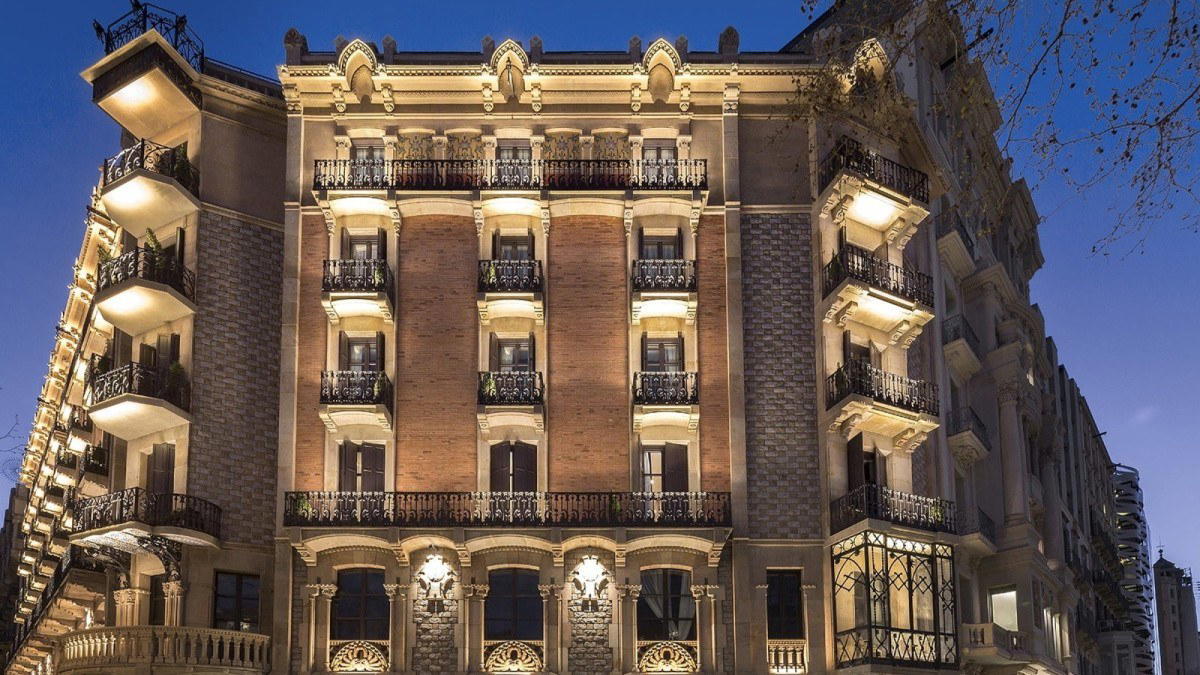
Casa Gràcia occupies a modernista building on Passeig de Gràcia, one of Barcelona's most architecturally charged addresses, where the line between boutique hotel and design-led residence blurs deliberately. Positioned between the grand-scale luxury of the Mandarin Oriental and the neighbourhood intimacy of smaller Eixample properties, it appeals to travellers who want proximity to the city's cultural core without the formality of a five-star tower.
Pearl is the En Primeur Club membership app — saves, bookings, and concierge access live there. Same editors, same standards.
- Address
- Pg. de Gràcia, 116Bis, Gràcia, 08008 Barcelona, Spain
- Phone
- +34 931 74 05 28
- Website
- casagraciabcn.com
- Directions
- Get directions
 Saves & bookings on Pearl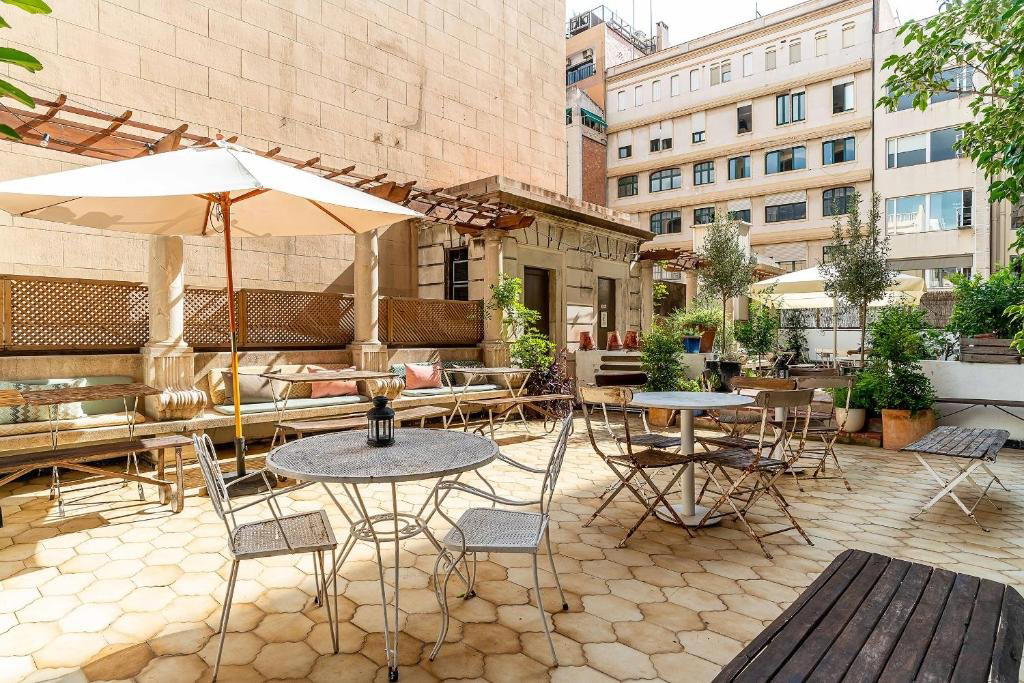
Passeig de Gràcia and the Architecture of Place
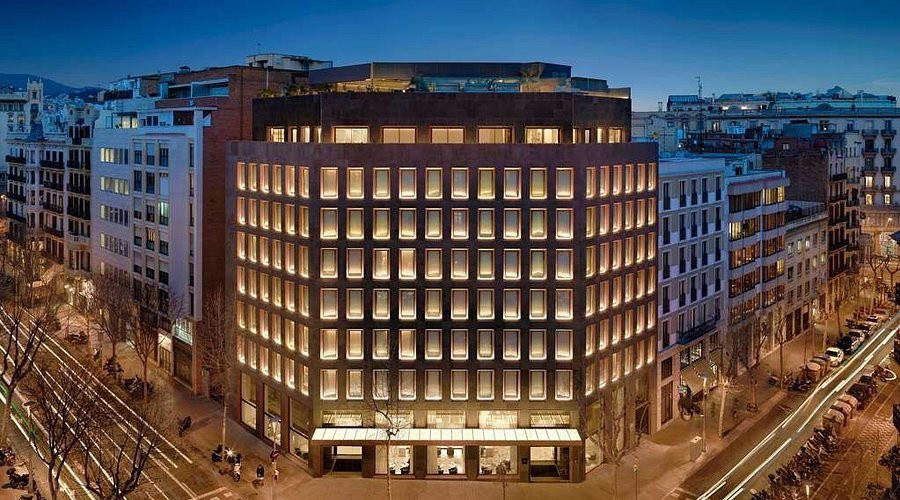
Arriving at number 116Bis on Passeig de Gràcia, the context does most of the work before you step inside. This is the boulevard where Barcelona made its nineteenth-century argument for modernity, lining the pavement with Gaudí's Casa Batlló and Puig i Cadafalch's Casa Amatller within a few hundred metres. A hotel on this street is not just an address, it is a position inside the city's most legible architectural narrative. Casa Gràcia reads as a counterpoint to the grand-lobby formalism that defines some of its neighbours: the building's bones are modernista, but the interior register is closer to a well-curated private apartment than to a traditional five-star property. That tension between inherited grandeur and deliberate informality defines the experience at this end of the Eixample.
Barcelona's hotel market has divided along two clear lines in recent years. On one side sit the internationally flagged properties, the Mandarin Oriental Barcelona and the Hotel Arts Barcelona, that compete on brand recognition, restaurant credentials, and service depth. On the other, a growing cohort of smaller, design-conscious properties operates on the logic that intimacy and neighbourhood specificity are the actual luxury. Casa Gràcia belongs to the second group, occupying Passeig de Gràcia not as an outsider but as a property with a clear architectural inheritance. For the same avenue, that is an unusual positioning, and it is what separates it from both the large flagships and the generic boutique category.
The Eixample Grid and What It Means for a Stay
The Eixample district, designed by Ildefons Cerdà in 1860, was conceived as a rational expansion beyond the old city walls, its characteristic octagonal intersections built to allow light, air, and movement. That original logic still operates as practical information for a guest: the grid means orientation is easy, blocks are consistent, and distances are walkable in a way that Barcelona's Gothic Quarter, with its medieval compression, does not permit. Casa Gràcia sits in the upper stretch of the boulevard, in the section the city informally calls Gràcia, where the Eixample formality begins to soften toward the village-scale neighbourhood immediately to the north.
This position matters for how you use the city. The Sagrada Família is reachable on foot in under twenty minutes. The Gràcia neighbourhood proper, with its independent restaurants and market squares, begins just above the address. For travellers who want to move between the architectural monuments of the Eixample and the more local rhythm of Gràcia without relying on taxis, the location is practical. Compare this to Alma Barcelona or Almanac Barcelona, both of which occupy premium Eixample addresses but at different points along the boulevard, each with their own neighbourhood trade-offs.
Boutique Scale on a Grand Avenue
The boutique hotel format on a major European boulevard carries specific trade-offs that are worth stating plainly. What you gain is architectural character and a pace of service that larger properties cannot replicate at scale, a recognition that comes from limited keys rather than from training manuals alone. What you trade is the breadth of amenity that a full-service hotel delivers: the spa depth of a ABaC Restaurant and Hotel, or the poolside infrastructure of Hotel Arts Barcelona on the waterfront.
Across Spain, the properties that have built durable reputations in this boutique-with-heritage category tend to share a few characteristics: buildings with genuine architectural provenance, interiors that reference local material culture rather than importing a generic contemporary aesthetic, and a room count that keeps the house from feeling like a corridor operation. Mercer Hotel Barcelona, built into Roman walls in the Gothic Quarter, and Antiga Casa Buenavista operate in comparable territory, each trading on a specific building history rather than on brand architecture. Casa Gràcia's modernista address places it in that peer conversation, though at a different price point and neighbourhood register.
Cultural Roots: The Modernista Building as Living Context
To stay on Passeig de Gràcia is to engage with a specific moment in Catalan cultural history. The modernisme movement of the late nineteenth and early twentieth centuries was not simply an aesthetic preference, it was a vehicle for Catalan identity, patronised by an industrial bourgeoisie that wanted architecture to carry cultural and political weight. The buildings that line this boulevard were commissions from a merchant class making an argument about sophistication and distinctiveness. A hotel that inhabits one of these buildings sits inside that argument whether it acknowledges it or not.
This is the cultural context that separates an Eixample address from a hotel in any other European capital. Paris has Haussmann; Vienna has the Ringstrasse. But neither carries the specific layering of regional identity, political history, and artistic ambition that the Barcelona modernista blocks encode. For a traveller paying attention, that context is ambient, legible in the facade details, the courtyard proportions, and the light through original windows. It does not require a guided tour to register.
Spain offers several other properties where architectural heritage functions as the primary experience rather than as backdrop. Atrio Restaurante Hotel in Cáceres works within a UNESCO medieval city. Hotel Can Cera in Palma occupies a seventeenth-century palace. Mercer Hotel Barcelona integrates Roman archaeological remains. The hotel joins that list from a different century and a different regional tradition, but the logic is the same: the building is the argument.
Planning Your Stay
The hotel is on Passeig de Gràcia in the Eixample, a district that functions as the city's primary commercial and architectural spine. The airport (El Prat) connects to the city centre via the Aerobus directly to Plaça Catalunya, roughly twelve minutes' walk from the hotel. Metro lines 3 and 5 run along Passeig de Gràcia, with a stop within a short walk of the address. For travellers arriving by rail, Barcelona Sants is the main terminus, accessible by metro in two stops.
For those considering the hotel alongside other Spanish properties, the comparison set extends beyond Barcelona. Akelarre in San Sebastián and Mas de Torrent Hotel and Spa in Torrent serve different regional itineraries, the former anchored by its restaurant credentials, the latter by rural Catalan landscape.
Travellers who want to extend into Catalonia's wine country will find Terra Dominicata in Escaladei within reasonable driving distance, while those building a wider Spain itinerary might cross-reference Mandarin Oriental Ritz, Madrid for the capital leg. Further afield, Hotel Boutique Mirlo and La Residencia, A Belmond Hotel, Mallorca offer island alternatives for travellers building a Mediterranean arc.
Compact Comparison
Comparable venues nearby, for context on price, style, and recognition.
| Venue | Price | Notes |
|---|---|---|
| Casa GràciaThis venue — the venue you are viewing | $$ | Not listed |
| bcnKITCHEN - Cursos y talleres de cocina en Barcelona | $$ | Sant Pere, Santa Caterina i la Ribera, boutique |
| H10 Catalunya Plaza | $$$ | la Dreta de l'Eixample, Boutique hotel in refurbished 19th-century building |
| Eco Boutique Hostal Grau | $$ | el Raval, Eco-conscious heritage boutique hostal |
| Regina Barcelona | $$$ | la Dreta de l'Eixample, Historic boutique hotel blending Modernisme heritage with modern renovations |
| The Hoxton, Poblenou | $$$ | Poblenou, Mediterranean-inspired open-house hotel reflecting local Poblenou culture |
Continue exploring
More in Barcelona
Hotels in Barcelona
Browse all →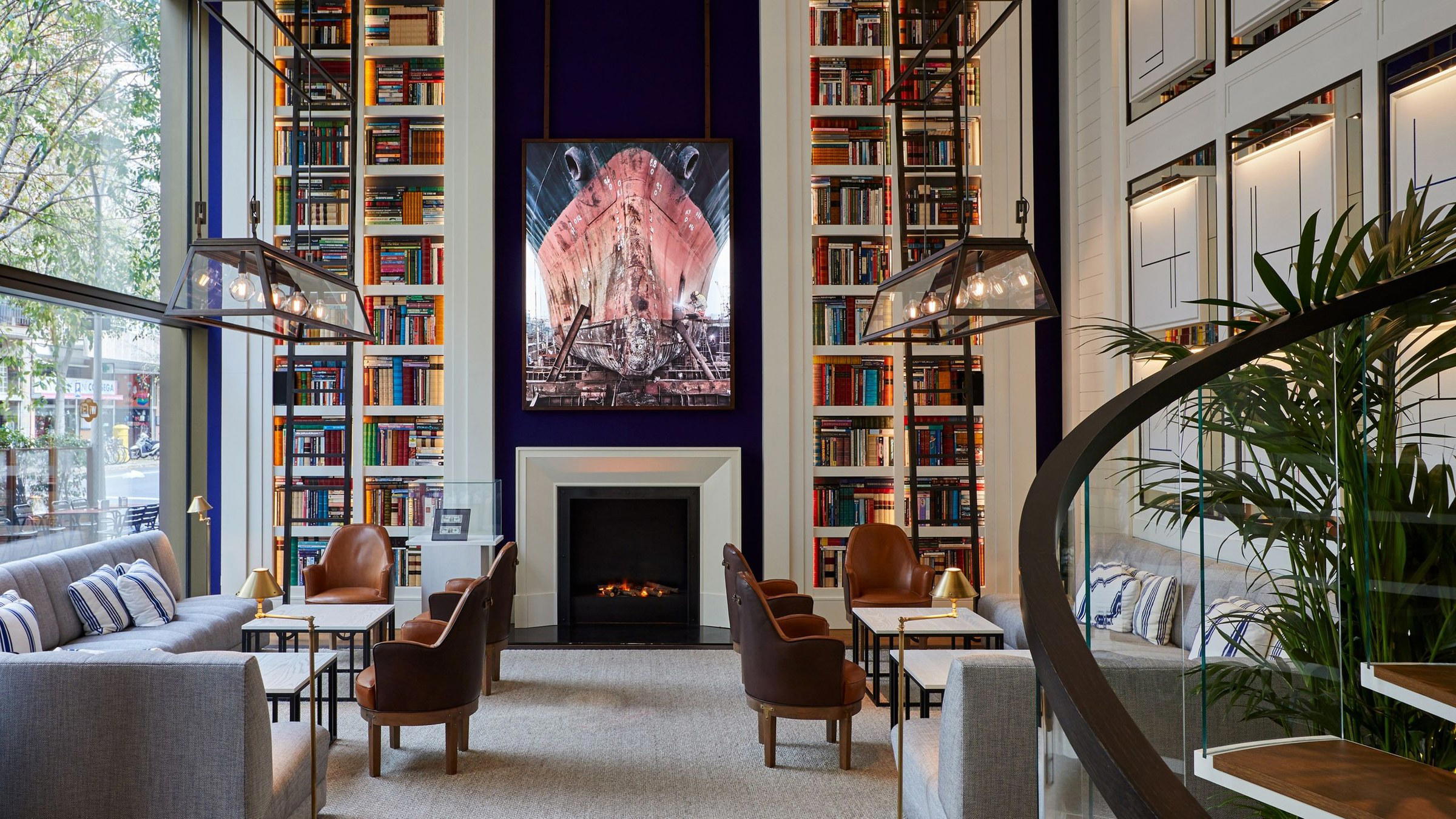
Bars in Barcelona
Browse all →

Restaurants in Barcelona
Browse all →
At a Glance
- Trendy
- Modern
- Cozy
- Lively
- Weekend Escape
- Terrace
- Historic Building
- Wi Fi
- Bar
- Restaurant
- Concierge
- Laundry Service
- Air Conditioning
- Street Scene
- Wi Fi
- Bar
- Restaurant
- Concierge
- Laundry Service
- Air Conditioning
Bright and stylish rooms with modern and classical decor, convivial communal lounges, lounge, and patio fostering a sociable yet relaxed atmosphere.