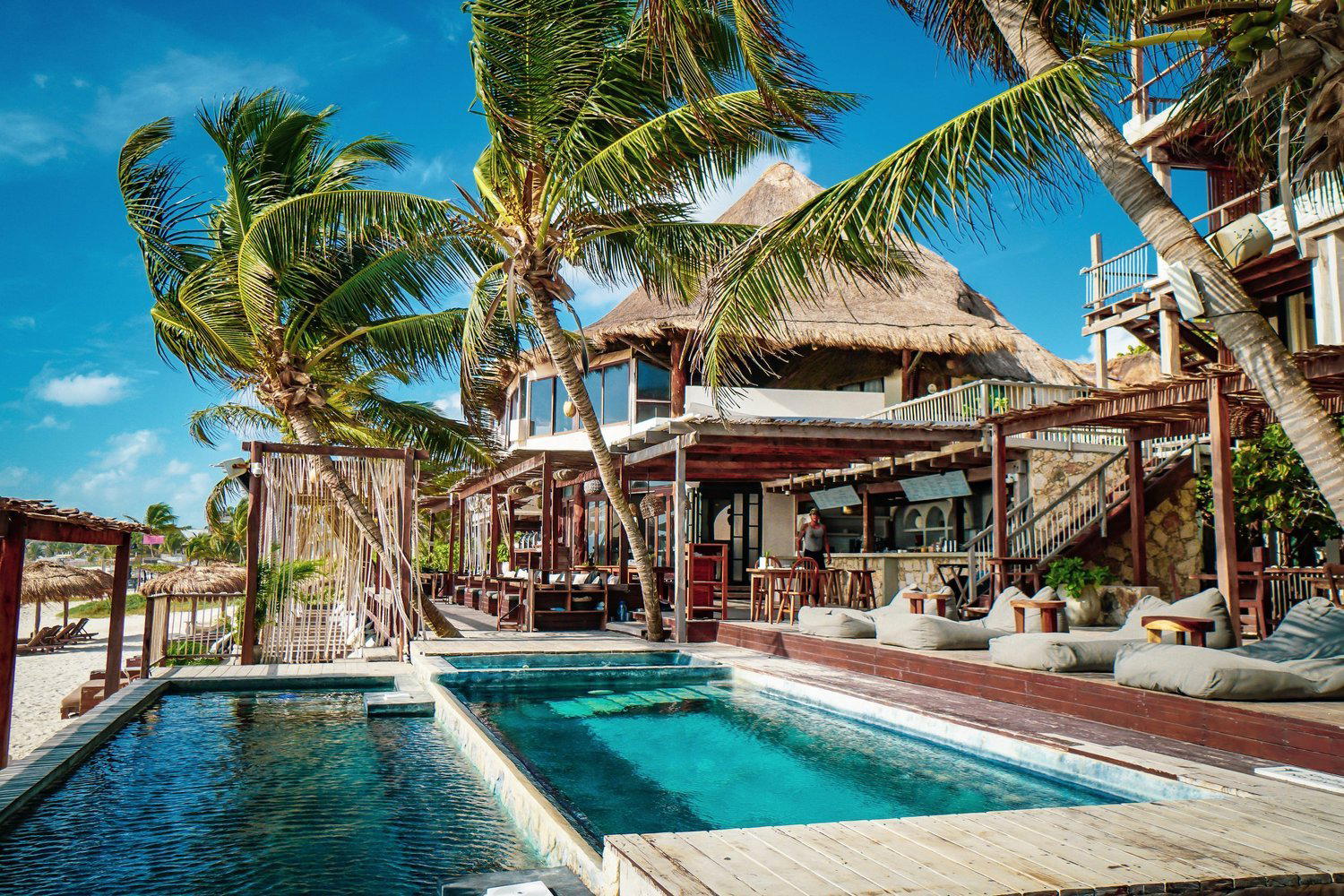
At Km 8.1 on the Tulum-Cancún corridor, Sanara Hotels & Residences occupies a position in Tulum's hotel zone that suits guests who want proximity to the beach road without the density of the town center. The property sits within a stretch of the Caribbean coast where sustainability-oriented design has become the area's defining architectural register, placing Sanara alongside a cohort of properties where ecological commitments shape the guest experience as much as the room program does.
Pearl is the En Primeur Club membership app — saves, bookings, and concierge access live there. Same editors, same standards.
- Address
- Km 8.1 Carretera Tulum - Cancún BOCA PAILA, 77760 Tulum, Q.R., Mexico
- Phone
- +52 310 933 6408
- Website
- sanaraway.com
- Directions
- Get directions
 Saves & bookings on Pearl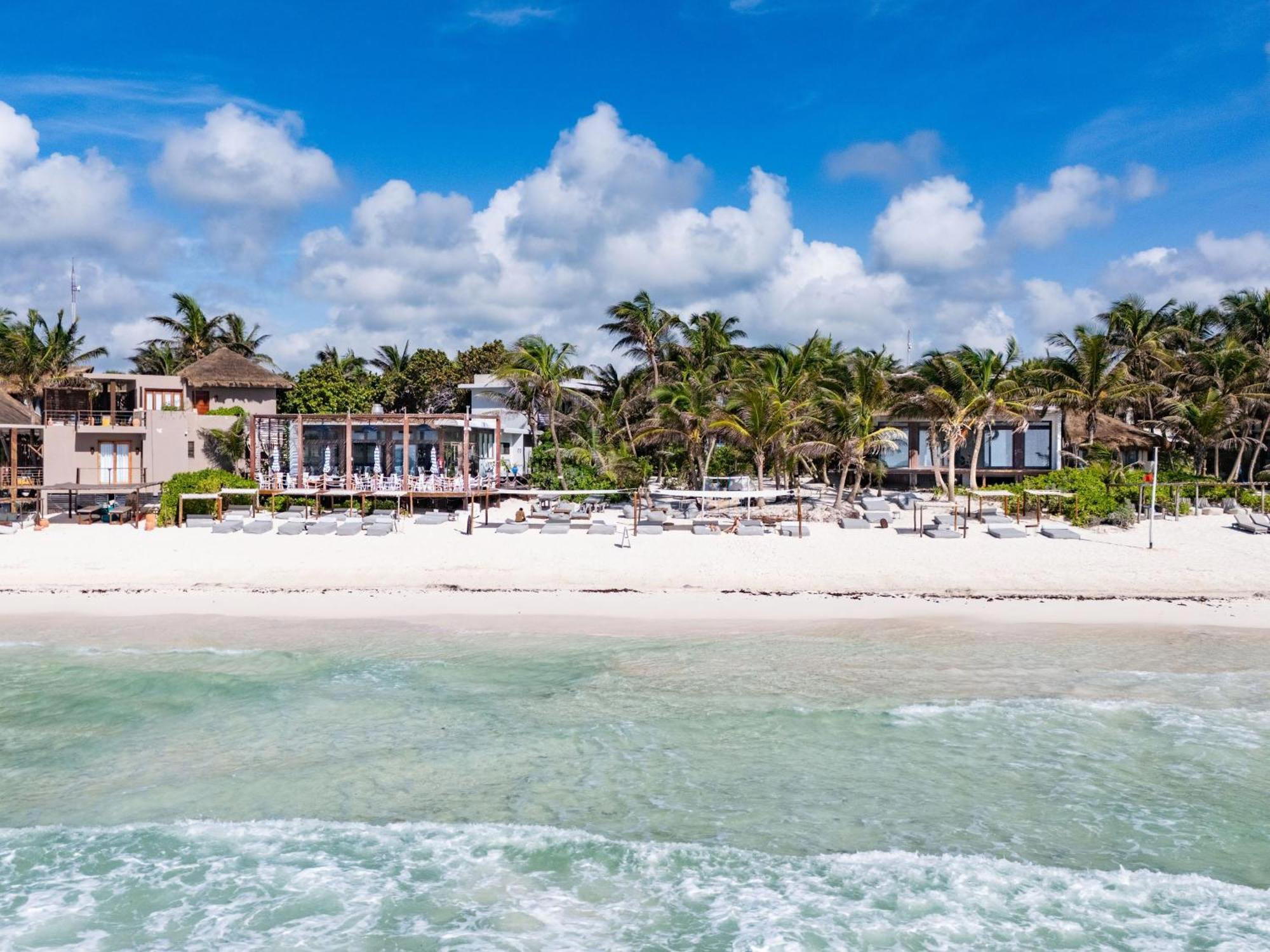
Where the Tulum Hotel Zone Meets Environmental Intention
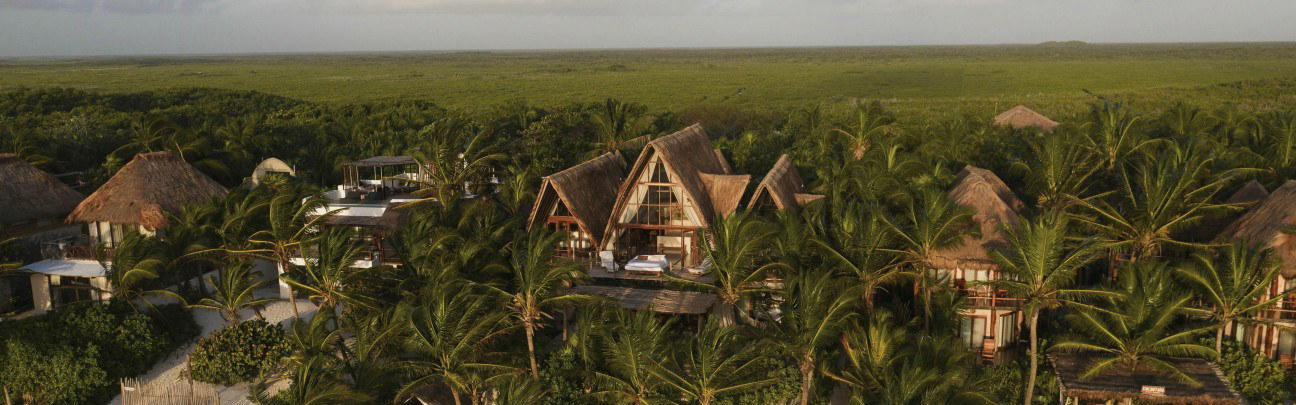
The road that runs south from Tulum town toward Boca Paila shifts character around Km 7 or 8. The density of beach clubs and taco stands gives way to something quieter: gated entrances set back from the road, jungle vegetation pressing against perimeter walls, the occasional solar panel visible above a roofline. At Km 8.1, Sanara Hotels & Residences is a 4-star hotel with 17 rooms, a position that matters more than it might initially appear. In Tulum, location on the hotel zone continuum signals something about priorities. Properties at this kilometer range tend to operate at lower density and with greater attention to site ecology than those closer to the town grid.
This section of the Riviera Maya coastline has become one of the more consequential testing grounds for sustainable hospitality in Latin America. Unlike properties in Chablé Yucatán in Merida or One&Only; Mandarina in Riviera Nayarit, which operate in relatively undisturbed natural contexts with the infrastructure budgets to match, Tulum's hotel zone properties must work against the pressure of rapid overdevelopment, fragile cenote systems, and the contested relationship between tourism revenue and reef protection. The properties that have earned sustained attention here are those that treat those constraints as design parameters.
The Sustainability Register in Tulum's Hotel Zone
Tulum's ecological reputation is both earned and contested. The Sian Ka'an Biosphere Reserve begins just south of Boca Paila, and the Mesoamerican Barrier Reef runs offshore. Both ecosystems are sensitive to the wastewater, construction footprint, and resource demands that hotel development brings. Mexico's environmental agency SEMARNAT has imposed restrictions on new construction in the zone, and properties that opened before the tightening of those rules often operate under legacy permissions that newer projects cannot replicate. This means the current generation of premium guests is choosing between a finite set of established properties, each representing a different point on the spectrum between genuine environmental integration and greenwash-adjacent positioning.
Within that spectrum, properties in Tulum's premium tier have moved toward a loosely shared set of practices: solar or hybrid energy systems, on-site water treatment, locally sourced food programs, and design vocabularies that reference Mayan material traditions. Azulik has pushed furthest into the theatrical end of that register, with its treehouse-style structures and no-electronics policy becoming a recognizable brand position. Hotel Esencia takes a more restrained approach, with a spa and wellness program that grounds the sustainability story in bodily practice rather than architectural statement. Sanara's positioning on this spectrum, given its address on the Boca Paila road and its residential component, suggests an orientation toward longer-stay guests for whom ecological integration is a baseline expectation rather than a novelty.
Residences Within the Hotel Zone: A Distinct Category
The inclusion of residences in Sanara's name places it in a specific sub-category of Tulum hospitality that has grown considerably since the mid-2010s. Hybrid hotel-residence developments appeal to a guest cohort that extends beyond the week-long visitor: investors, seasonal residents, and remote workers who want the service infrastructure of a hotel with the spatial autonomy of a private home. This model has precedent elsewhere in Mexico's premium coastal markets. Las Ventanas al Paraíso, A Rosewood Resort in San José del Cabo and Montage Los Cabos in Cabo San Lucas both operate residence programs alongside traditional hotel keys, and the model has proven durable in markets where land values and short-term rental yields make ownership economically interesting.
In Tulum specifically, the residence component carries additional significance because of the town's trajectory as a destination. The guests arriving today are often repeat visitors who have outgrown the backpacker circuit and are considering longer-term relationships with the place, whether through property ownership or extended seasonal stays. Properties like Bespoke Tulum and Encantada Tulum serve similar guests with boutique hotel formats; Sanara's hybrid structure speaks to a guest who wants something closer to domesticity.
Approaching the Property and Planning Your Stay
The address at Km 8.1 on the Tulum-Cancún road (known locally as the Boca Paila road) puts Sanara within reach of both the town's commercial strip and the quieter stretches of coast that edge toward the reserve. Guests flying into Cancún International Airport face roughly a two-hour drive south on the federal highway, a journey leading made with a pre-arranged transfer given the limited taxi availability at this end of the zone.
For guests comparing properties in this part of the hotel zone, Copal Tulum Hotel, Casa Malca, and Hotel Bardo each occupy adjacent or nearby positions on the road and represent a range of price points and stylistic approaches. Amansala Resort sits further south and has historically attracted a wellness-focused guest, while Etéreo, Auberge Resorts Collection in Punta Maroma operates at the northern end of the Riviera Maya with a different price tier and brand infrastructure altogether.
Both represent the same broader turn in Mexican premium hospitality toward smaller footprints and ecological accountability that Tulum's hotel zone has made its defining characteristic.
Peers You’d Cross-Shop
Comparable venues nearby, for context on price, style, and recognition.
| Venue | Cuisine | Price | Notes |
|---|---|---|---|
| Sanara Hotels & ResidencesThis venue — the venue you are viewing | eco-boutique holistic retreat | $$$$ | Not listed |
| La Valise Tulum | Artisanally-crafted beachfront villas blending jungle and sea. | $$$$ | Tulum |
| Majaró Tulum | Small luxury hotel in residential neighborhood south of Tulum center | $$$$ | Tulum |
| Nômade Temple Tulum | Jungle-integrated eco-boutique with treehouses and private pool suites | $$$$ | Tulum |
| Hotel Nerea Tulum | Boutique beachfront wellness retreat with indoor-outdoor flow. | $$$ | Tankah |
| Alila Mayakoba | Sustainable luxury resort with Mayan cultural integration | $$$$ | Mayakoba |
At a Glance
- Quiet
- Bohemian
- Scenic
- Minimalist
- Wellness Retreat
- Romantic Getaway
- Honeymoon
- Beachfront
- Infinity Pool
- Destination Spa
- Wi Fi
- Spa
- Pool
- Beach Access
- Restaurant
- Waterfront
- Garden
- Wi Fi
- Spa
- Pool
- Beach Access
- Restaurant
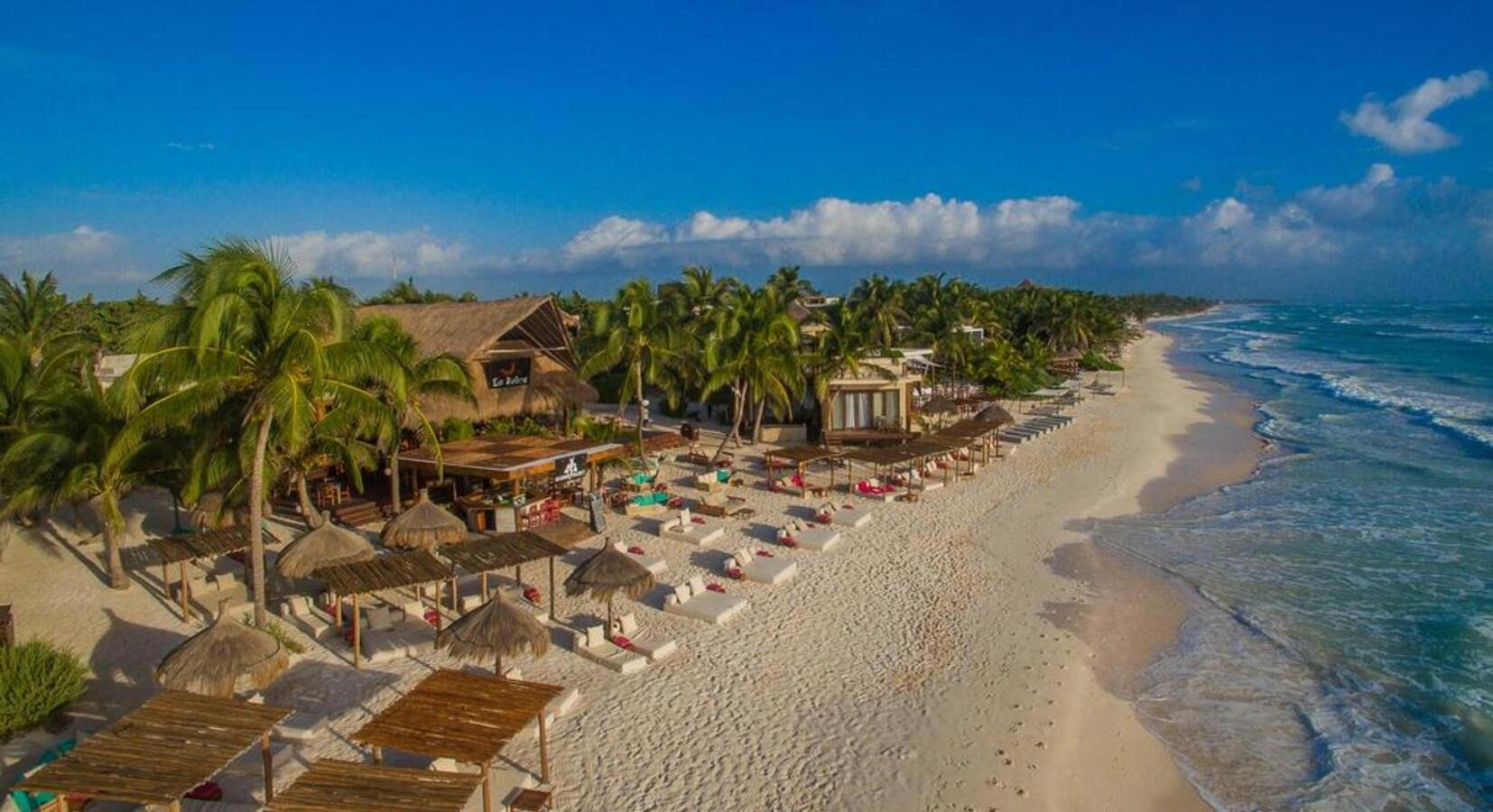
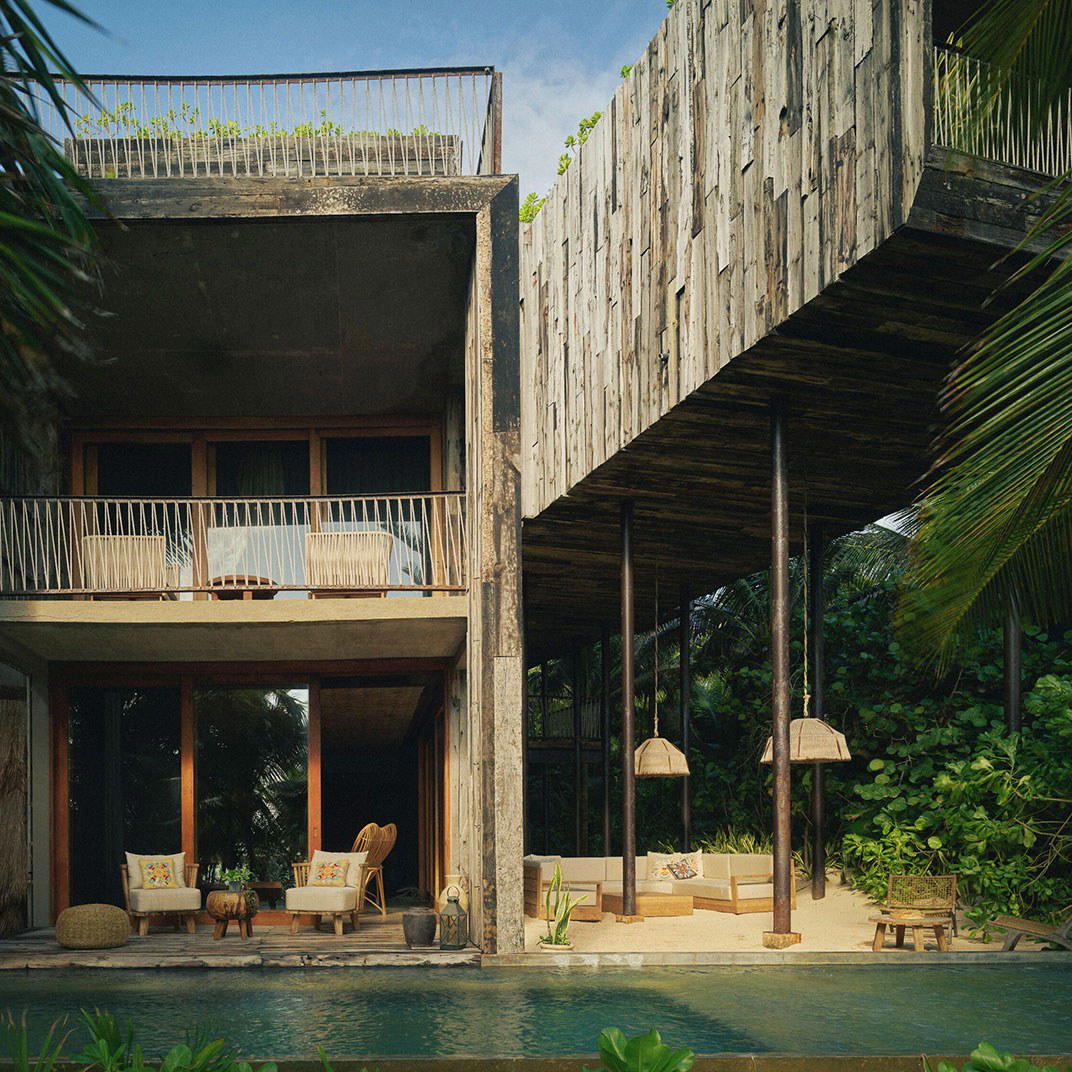
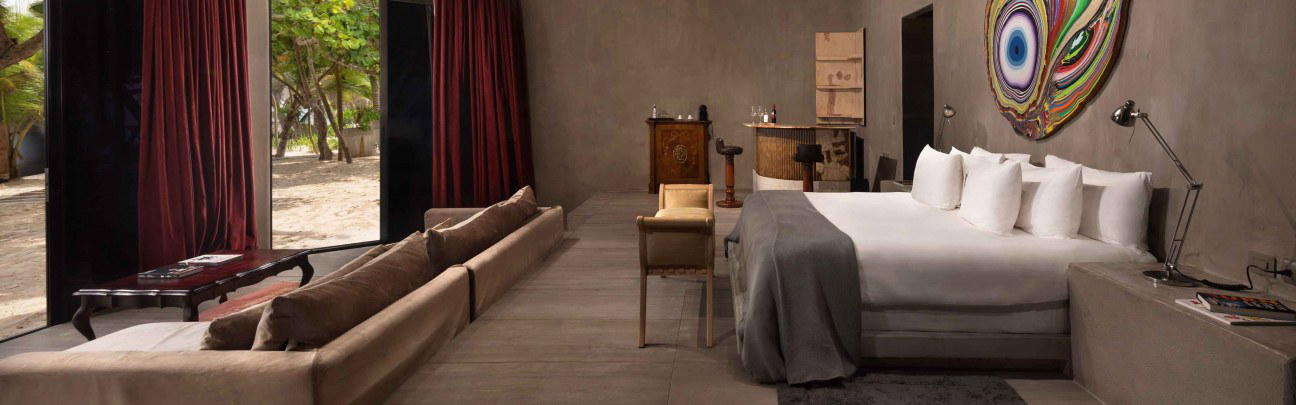
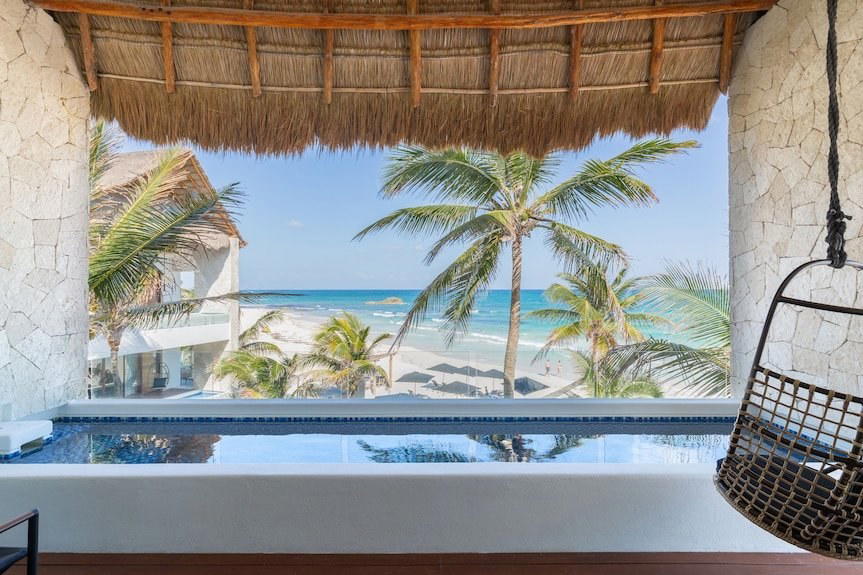
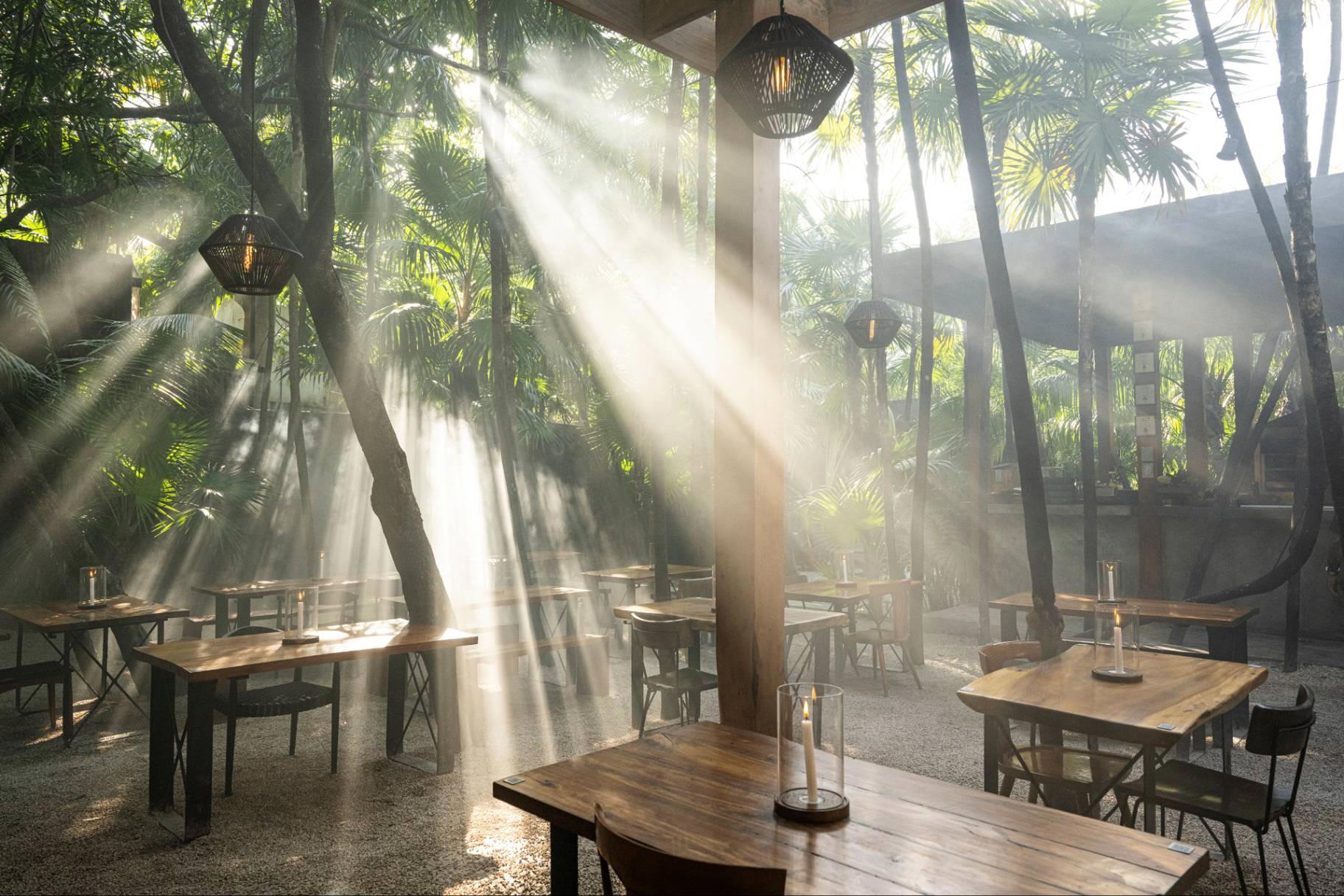
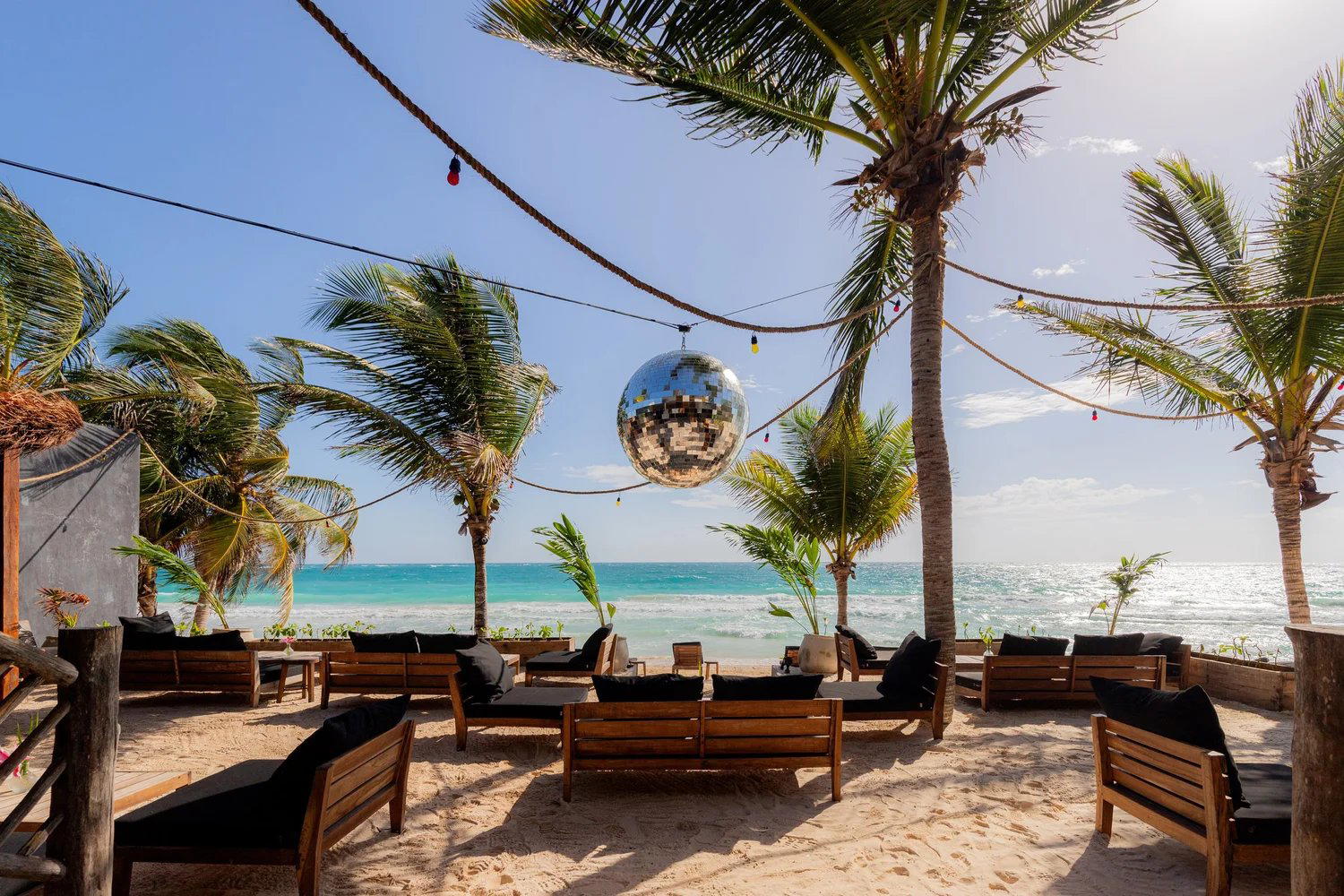
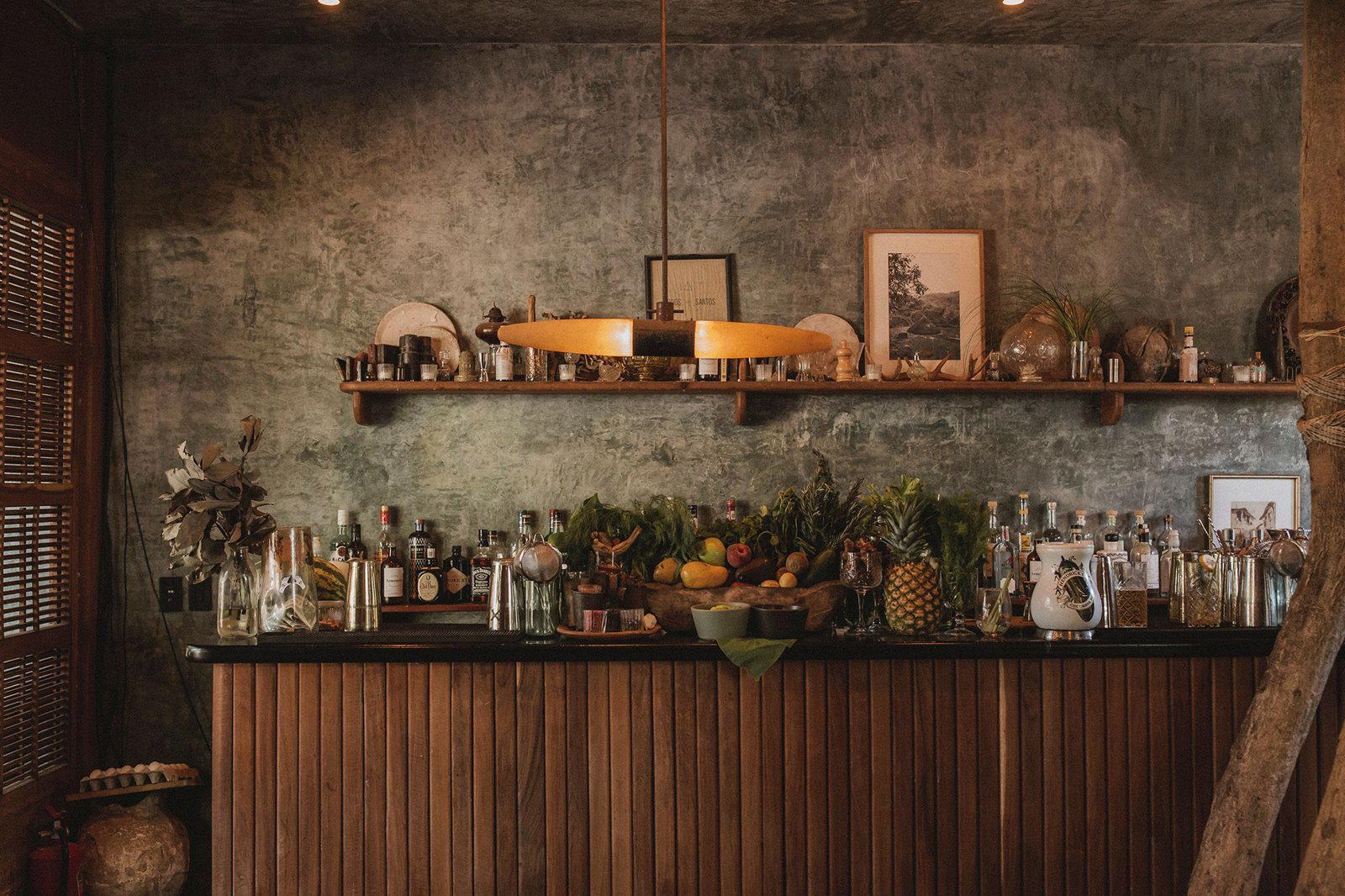
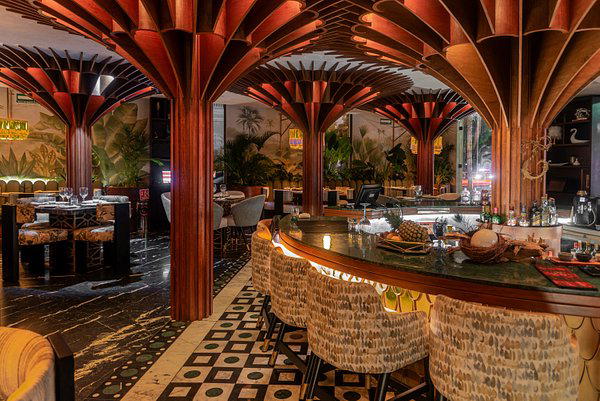
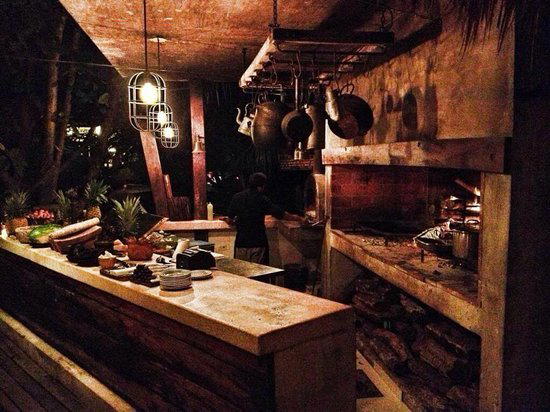
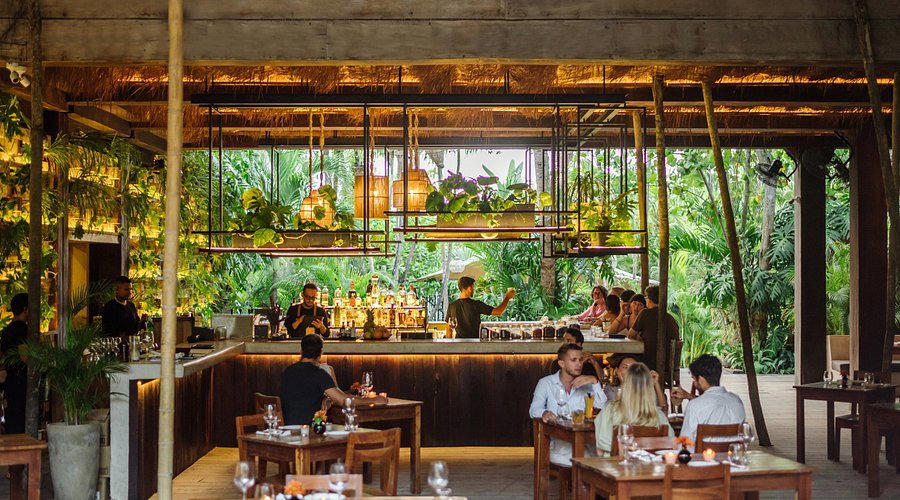
Peaceful and serene with natural materials, open-air spaces, and ocean views creating a barefoot minimalist atmosphere.