
Casa Lavanda sits in the forest village of Ulupelit near Şile, about an hour from Istanbul, and operates on a scale that most boutique properties only claim: 12 rooms, each named after a tree, a biodynamic farm, and a family-run kitchen. The property began as a hand-built family home and has expanded without losing that quality of being a place someone actually lives in and cares for.
Pearl is the En Primeur Club membership app — saves, bookings, and concierge access live there. Same editors, same standards.
- Address
- Lavanda Hotel, Ulupelit, Seçilmiş Sok No:2, 34980 Şile/İstanbul
- Phone
- +90 216 736 56 40
- Website
- casalavanda.com.tr
- Directions
- Get directions
 Saves & bookings on Pearl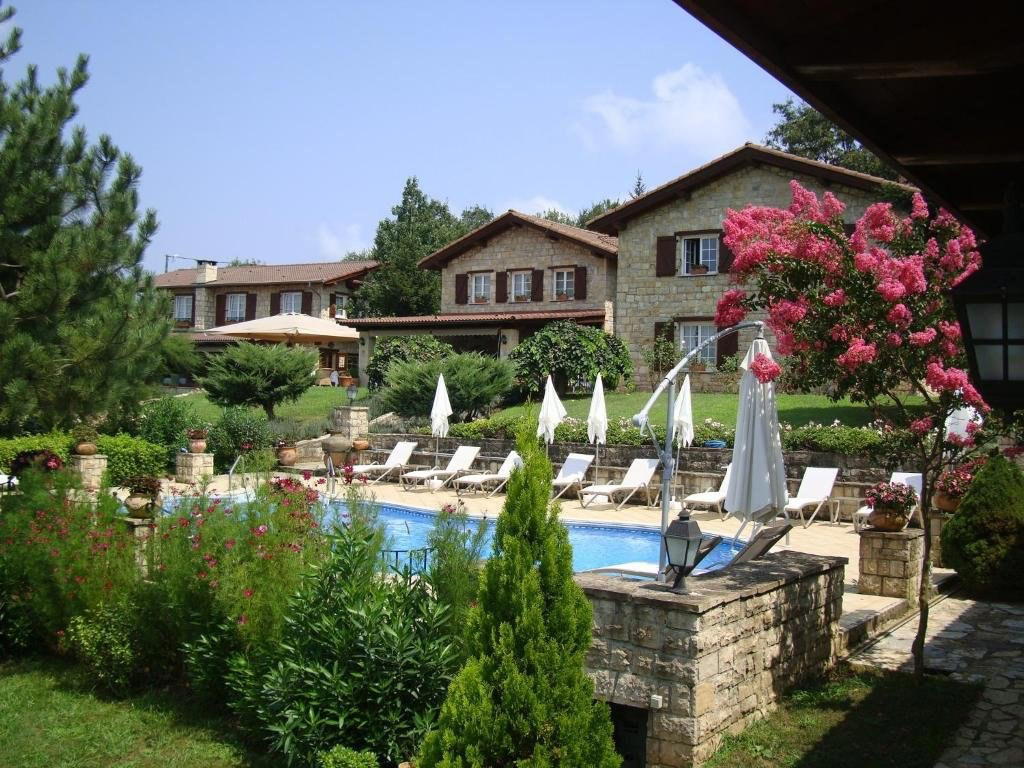
Forest, Handcraft, and the Architecture of a Family Home
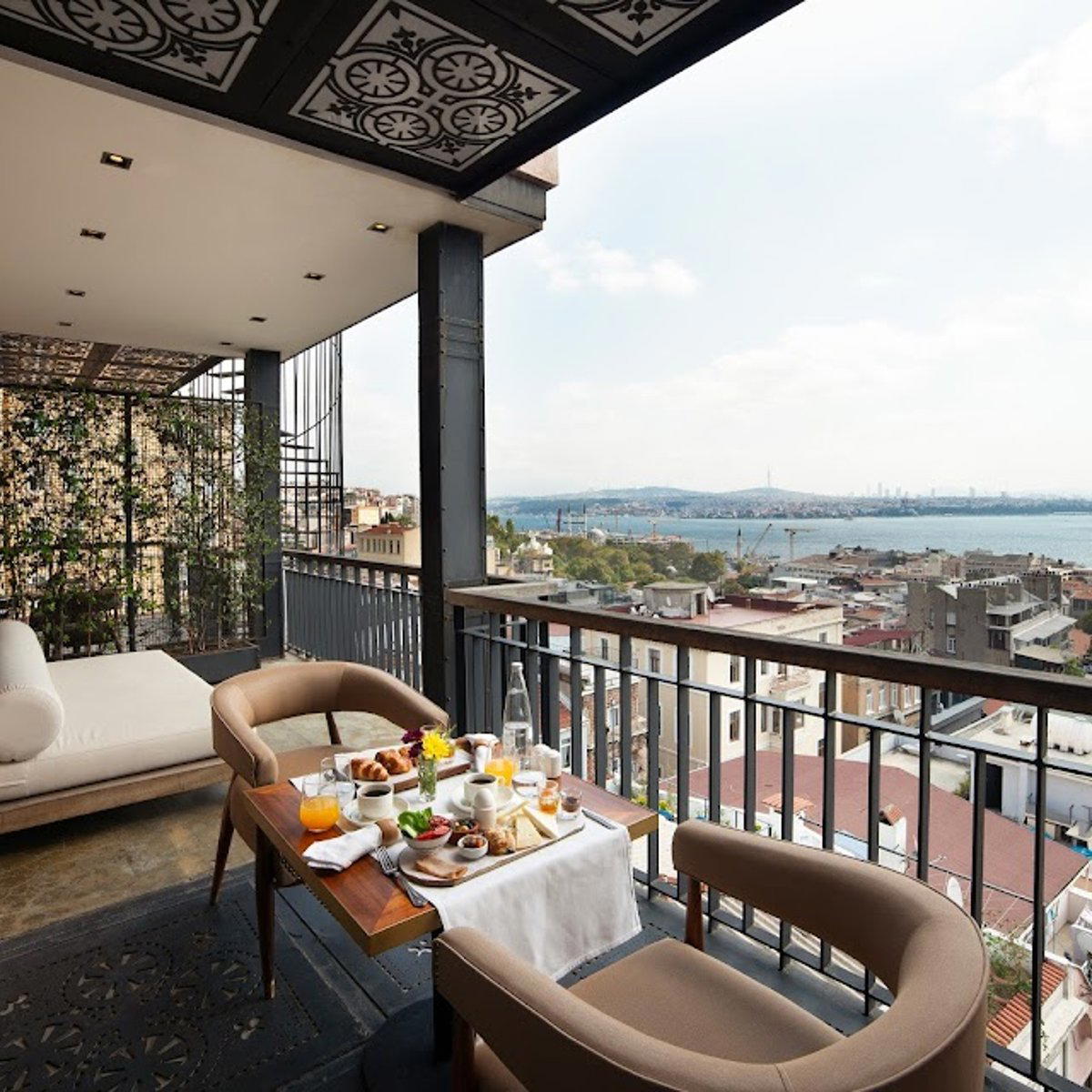
Turkey's boutique hotel scene has split sharply in recent years between properties that deploy the visual language of slow living as an aesthetic strategy and those where the physical environment genuinely reflects how the place was built and by whom. Casa Lavanda, in the village of Ulupelit outside Şile, belongs to the second category. The building began as a family home, constructed by hand, and the rooms, corridors, and garden areas carry that origin in ways that are structural rather than decorative. Stone, timber, and handmade furnishings are the base materials throughout, not accent pieces applied over a developer's shell.
Ulupelit sits in forested terrain roughly an hour northeast of Istanbul, in a part of İstanbul province that most visitors travelling for a Bosphorus view or an Aegean escape never reach. Şile itself is a Black Sea coastal town with a modest domestic tourism profile; the surrounding forest and village hinterland attract a quieter, more deliberately paced traveller. For those arriving from Istanbul, the drive east along the D020 passes from urban sprawl into pine-covered hills, and the transition is abrupt enough to feel like a genuine geographical shift, not just a change of postcode.
Twelve Rooms, Each Named After a Tree
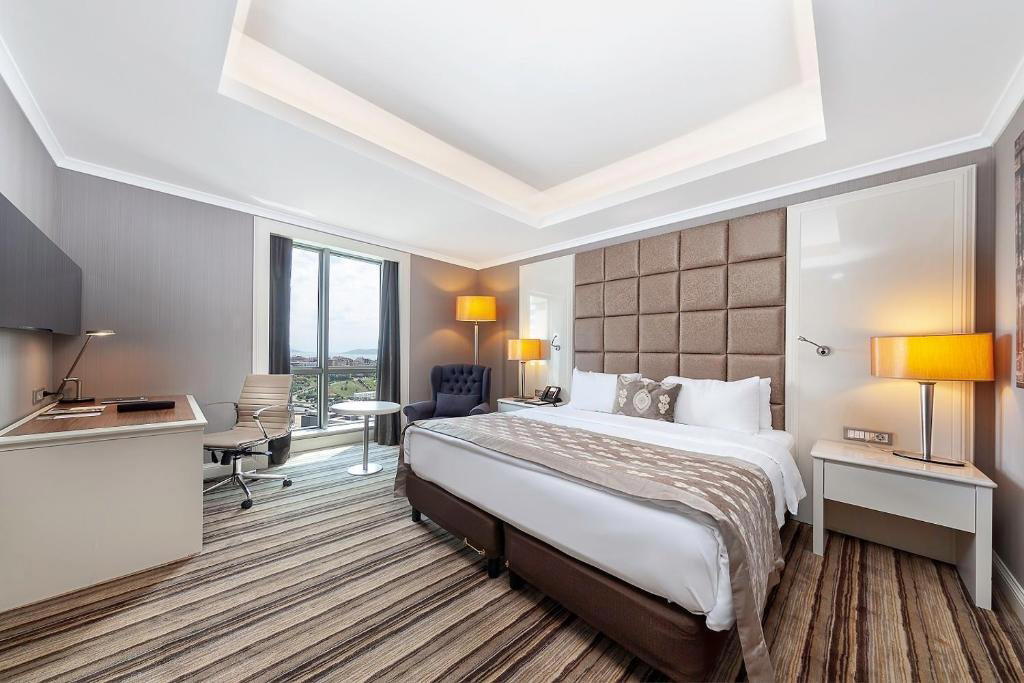
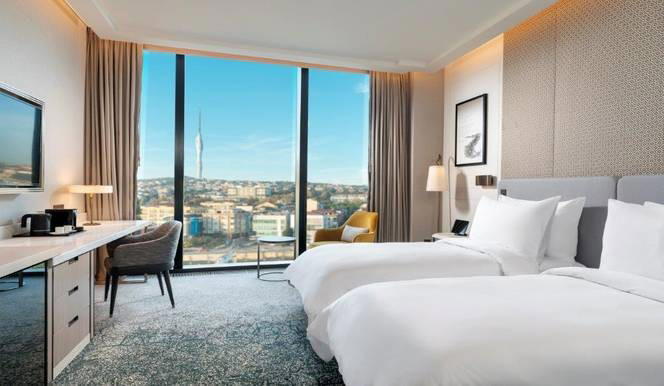
In either case, the scale places Casa Lavanda firmly in the low-capacity specialist tier, where what happens inside each room matters more than the aggregate guest count. Every room carries the name of a tree: a naming system that signals something specific about the design brief. Room identity at this kind of property is not branding exercise; it is a commitment to differentiated furnishing, layout, and atmosphere across a small inventory, which is considerably harder to execute than standardised hotel-room design at higher room counts.
Handmade furnishings appear throughout, and garden views are listed as a consistent feature. In forest and village contexts, this matters in practical terms: the orientation of a room relative to the tree canopy, the morning light direction, and the proximity to garden paths all vary enough at this scale to make room selection worth thinking through before booking. Properties in comparable village settings across Turkey, including Alavya in Alaçatı and KestelINN in Alaçatı, have shown that individually styled rooms in boutique village properties tend to have significant variation in character even within the same property. At Casa Lavanda, asking directly about room orientation and proximity to the spa or farm areas before confirming a booking is advisable.
The Biodynamic Farm and the Kitchen It Feeds
The presence of a biodynamic farm on the property is one telling structural detail about how Casa Lavanda operates. Biodynamic agriculture is a more demanding standard than organic certification: it treats the farm as a self-contained ecosystem, follows a planting calendar tied to lunar and astronomical cycles, and prohibits inputs that organic standards sometimes permit. Running a biodynamic operation at the scale of a 12-room property is not a commercial decision; it reflects a set of priorities about what the kitchen serves and where it comes from.
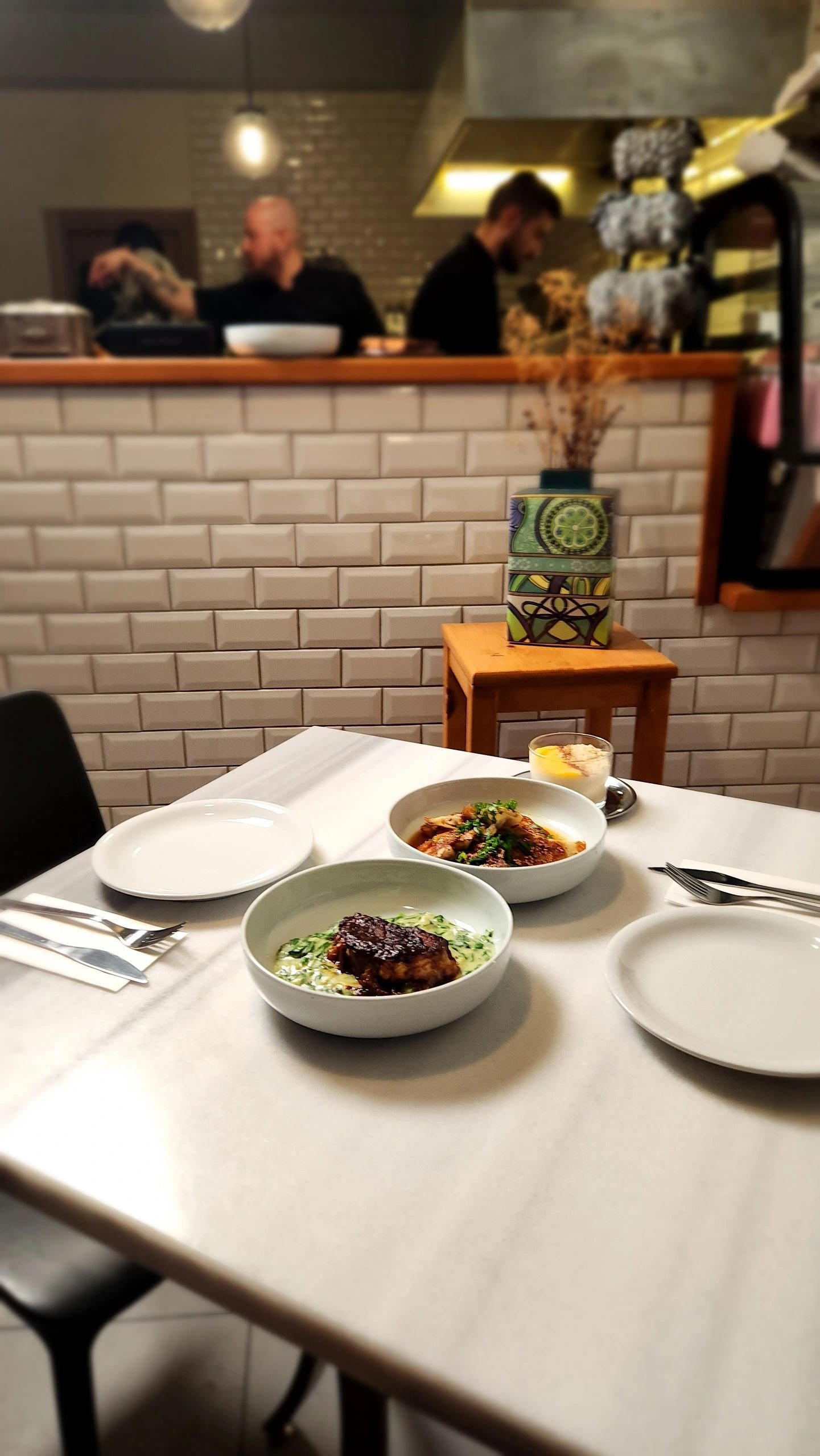
The restaurant is led by a member of the Şen family, a trained chef, which means kitchen decisions sit within the same family structure that built the property and manages the farm. This is a different arrangement from the increasingly common boutique hotel model where a farm is a design element and the kitchen is run by an independent contractor. Here, the supply chain from soil to table is controlled by the same people who built the building. In terms of how kitchen-to-farm relationships function in practice across Turkish boutique hospitality, this is an unusual degree of integration. Comparable farm-to-table coherence at the property level can be found at places like Ahãma in Göcek, though the specific biodynamic commitment at Casa Lavanda is a narrower specialisation.
The Spa and the Forest Context
Spa includes saunas that face the forest, a design choice that locates the wellness offering within the natural environment rather than insulating guests from it. In the broader Turkish boutique spa segment, forest-facing treatment spaces are rare; most wellness facilities at smaller properties are interior rooms that could be transposed to any location. At Ulupelit, where the forested terrain is the defining characteristic of the setting, building the sauna experience around that view is a coherent architectural decision, not an add-on. Properties that have made similarly site-specific wellness choices include Hu of Cappadocia in Uçhisar and Argos in Cappadocia, both of which integrate the specific geological landscape into the spa design rather than defaulting to a generic wellness template.
Where Casa Lavanda Sits in the Turkish Boutique Market
Turkey's premium small-hotel segment covers a wide range of settings and approaches. On the Aegean and Bodrum coasts, properties like MACAKIZI BODRUM and Allium Bodrum Resort & Spa compete on beach access and sea views. Cappadocia's boutique tier, represented by Ajwa Cappadocia and Hu of Cappadocia, is defined by cave architecture and landscape drama. The İstanbul province has its own distinct boutique character, with urban properties like Akbıyık Cd. operating in the historic peninsula and island options like Princes' Palace Resort in Büyükada serving a short ferry-hop escape market. Casa Lavanda occupies a quieter position in this map: a forest-and-village stay within the administrative bounds of İstanbul province but behaviorally closer to an inland retreat than to any coastal or urban alternative. Its comparable set is not the Bodrum design hotel or the Cappadocia cave property; it is the small number of Turkish properties where the building, the food supply, and the land around it are managed as a single project by a single family.
Planning Your Stay
Şile is reachable from Istanbul in approximately one hour by car, travelling northeast via the D020. Public transport options exist but involve multiple connections; for most international or domestic visitors arriving by air or into central Istanbul, a private transfer or rental car is the practical choice. The keyword data shows peak search interest in April through June, aligning with spring conditions in the forest; summer months bring warmth but also higher domestic tourism pressure across the Şile coast. A stay timed to April or May balances comfortable temperatures, the forest in full growth, and lower competition for rooms at a property of this size. Given the 12-room capacity, advance booking is advisable, particularly for weekends when Istanbul-based travellers can reach Ulupelit easily. Our full Şile guide covers the broader area context for those building a longer itinerary around the Black Sea coast.
In Context: Similar Options
Comparable venues nearby, for context on price, style, and recognition.
| Venue | Cuisine | Price | Awards | Notes |
|---|---|---|---|---|
| Casa Lavanda Boutique HotelThis venue — the venue you are viewing | rustic stone houses blending tradition with bespoke handmade furnishings in a nature-integrated setting | $$$ | Michelin 1 Key | Not listed |
| BIJAL | Luxury villa-only Mediterranean retreat with neo-deco design and playful sophistication | $$$$ | 5-Star | Sorgun |
| Sacred House | Historic boutique mansion with neo-classical and Gothic restoration | $$$$ | 5-Star | Dutlu Cami |
| Sofa Hotel Istanbul, Autograph Collection | Trendy boutique in fashion district | $$$$ | 5-Star | Harbiye |
| Louis Appartements Galata | Boutique serviced apartments in historic building | $$$ | 4-Star | Sahkulu |
| Scorpios Bodrum | Modern Mediterranean beach club with private bungalows | $$$$ | 5-Star | Golkoy |
Recognition history
Dated appearances from independent guides and award organizations, with the underlying list record or original source where available.
Michelin 1 Key
Michelin
At a Glance
- Romantic
- Quiet
- Rustic
- Elegant
- Cozy
- Scenic
- Romantic Getaway
- Honeymoon
- Wellness Retreat
- Anniversary
- Weekend Escape
- Panoramic View
- Garden
- Terrace
- Pool
- Spa
- Sauna
- Massage
- Wi Fi
- Room Service
- Concierge
- Garden
- Mountain
- Pool
- Spa
- Sauna
- Massage
- Wi Fi
- Room Service
- Concierge
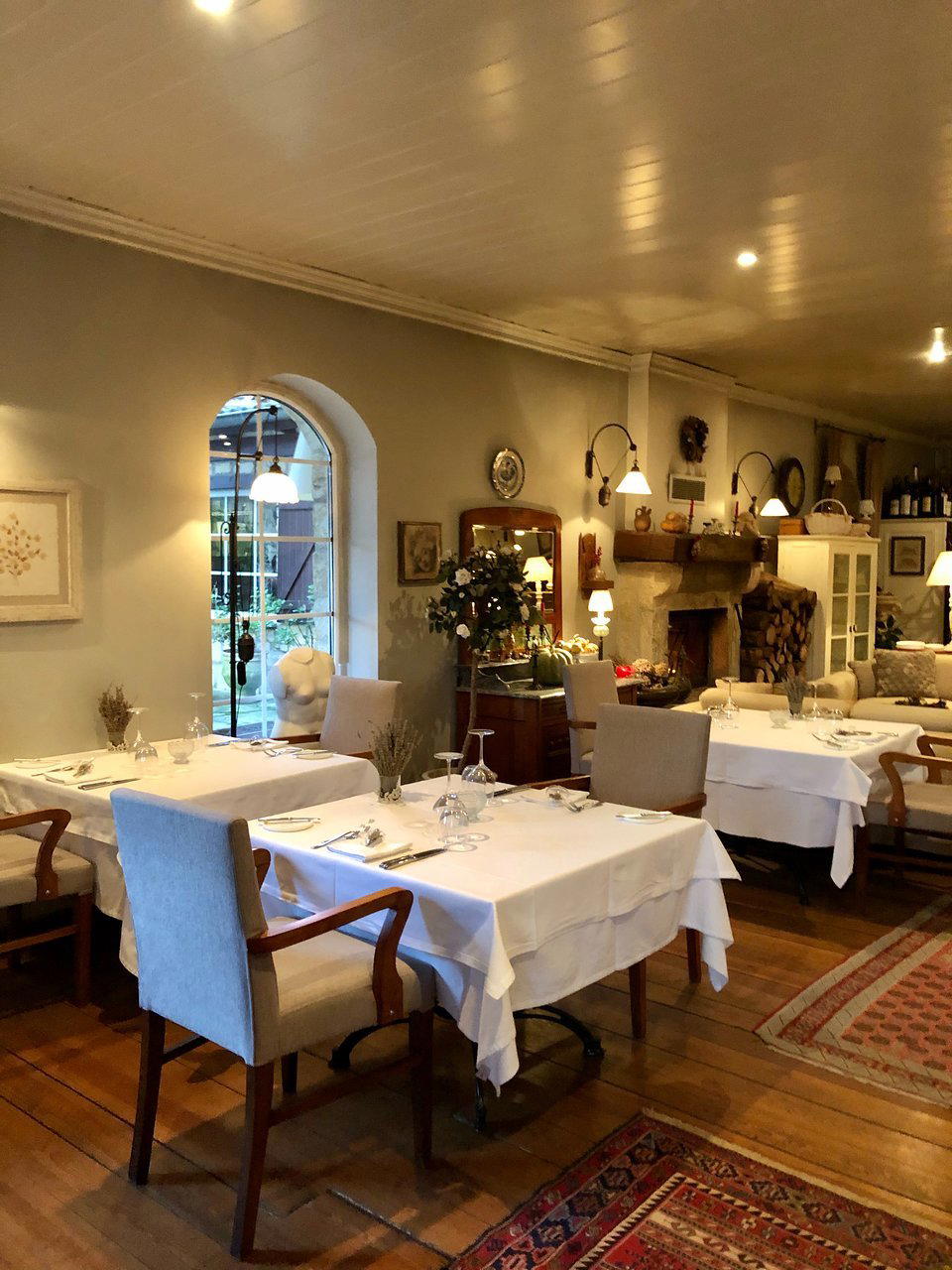
Tranquil and serene with harmonious lighting in stone buildings, forest-facing saunas, and a calming lavender scent enhancing the peaceful, nature-immersed atmosphere.