Hotel Ballard
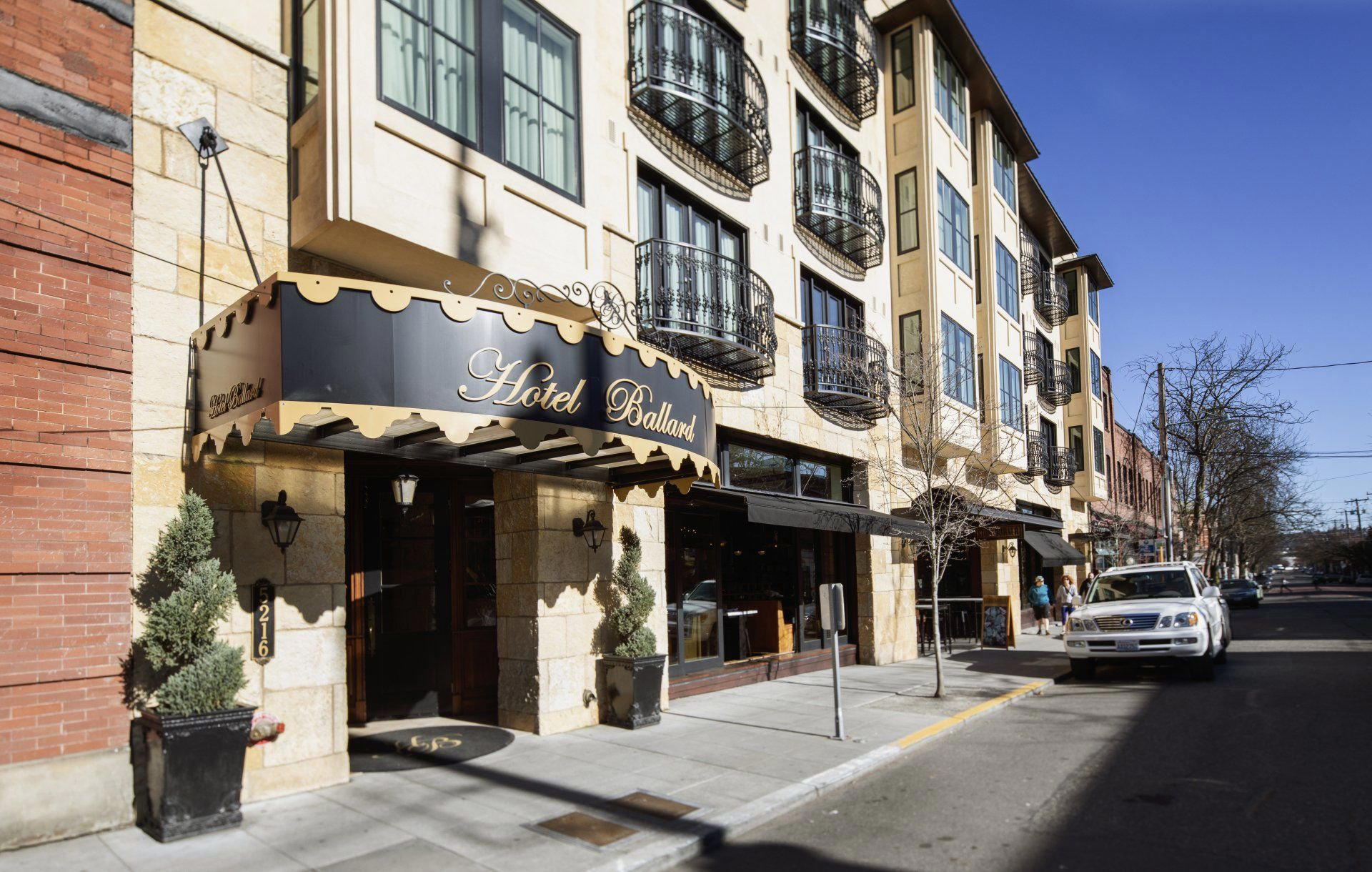
Hotel Ballard occupies a restored Craftsman-era building on Ballard Avenue NW, placing guests at the centre of one of Seattle's most architecturally coherent commercial strips. The property operates as a boutique hotel within a neighbourhood defined by its Scandinavian heritage and independent character, offering a grounded alternative to the convention-district towers that dominate Seattle's downtown accommodation market.

Pearl is the En Primeur Club membership app, where members save venues, book tables and use the concierge.
Ballard Avenue and the Architecture of Staying Local
Ballard Avenue NW is one of the few stretches in Seattle where the built environment has held its shape across more than a century of change. The low-scale brick and timber commercial buildings that line the avenue were constructed during Ballard's years as an independent Scandinavian fishing town before annexation by Seattle in 1907, and many survive largely intact. Staying here rather than downtown is a spatial decision as much as a logistical one: the neighbourhood reads differently at street level, with a density of independent businesses, weekend farmers markets, and working maritime infrastructure that the waterfront tourist corridors cannot replicate.
Hotel Ballard sits on that avenue at 5216 Ballard Ave NW, within walking distance of the Ballard Locks, the Sunday farmers market, and the concentration of restaurants and bars that have made the neighbourhood a consistent reference point in Seattle's dining conversation. For travellers whose itinerary bends toward food, drink, and neighbourhood character rather than convention centres or stadium proximity, the address functions as a practical anchor. For context on what else the city offers, our full Seattle restaurants guide maps the broader dining scene across neighbourhoods.
The Physical Character of the Property
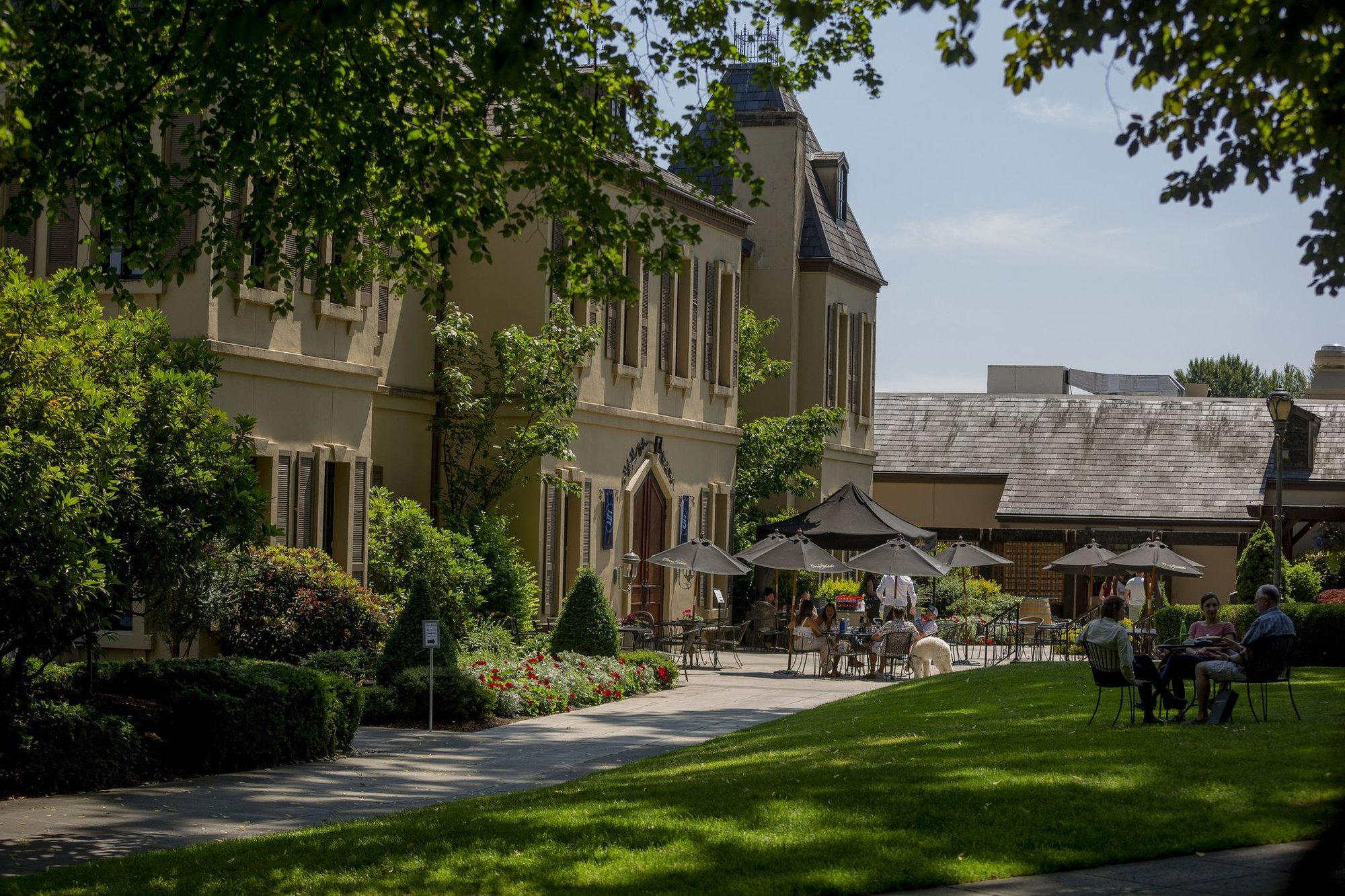
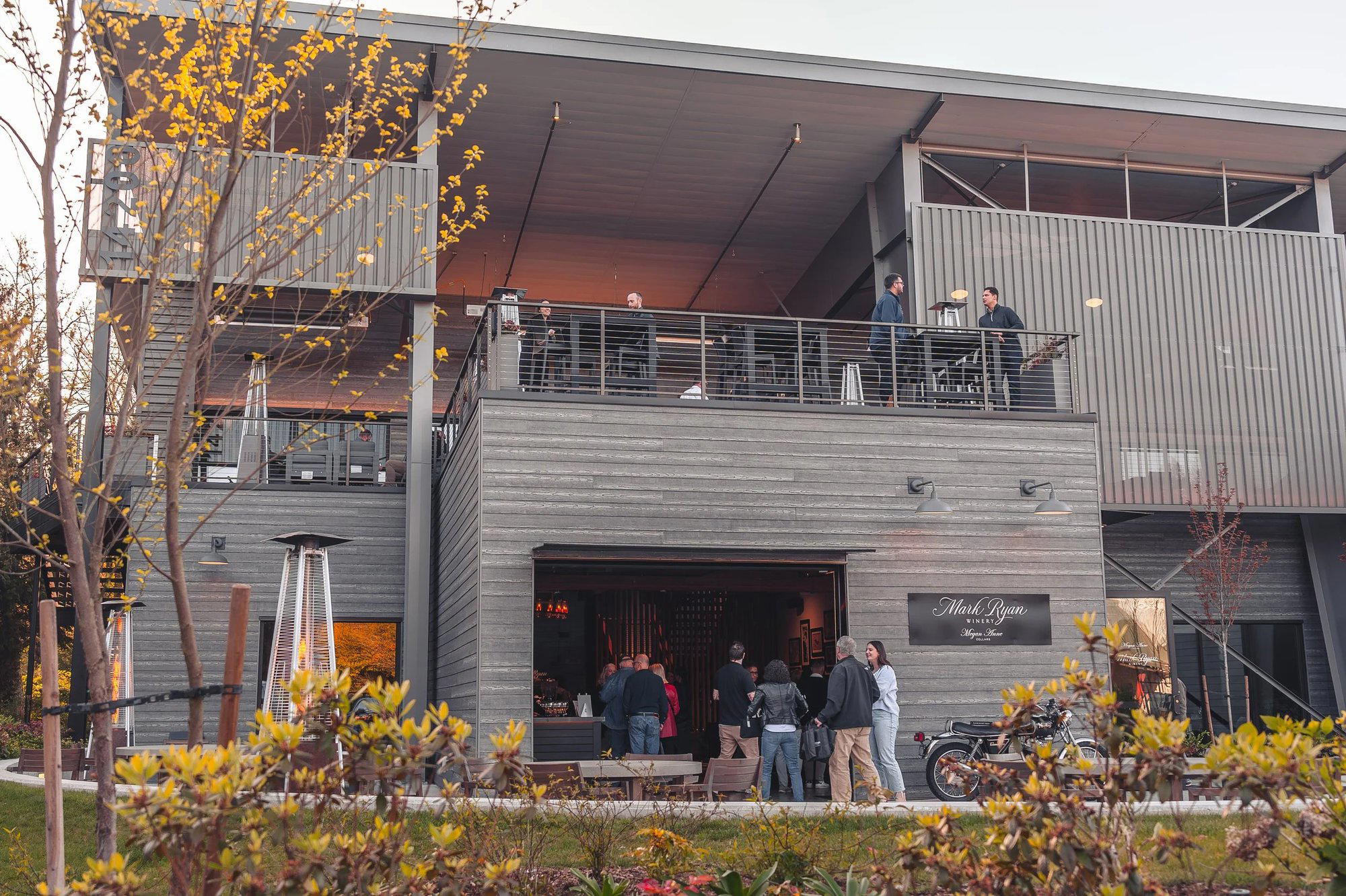
The building's Craftsman-influenced exterior aligns with Ballard Avenue's designated historic commercial district, where facade consistency is maintained through local preservation standards. This places Hotel Ballard in a different architectural register from Seattle's downtown hotel stock, which skews toward contemporary glass construction or early-twentieth-century grand hotel formats. The distinction matters to a specific traveller: those who find context in the physical fabric of a neighbourhood and prefer accommodation that reinforces rather than abstracts from it.
Boutique properties in historic structures carry inherent trade-offs. Room configurations tend to be less standardised than purpose-built towers, and the building envelope sets limits on soundproofing and modern infrastructure that newer constructions avoid. At the same time, the ratio of character to square footage tends to run higher, and the immediate walkability in Ballard's case is difficult to replicate from a downtown address. The Sunday Ballard Farmers Market, one of Seattle's year-round outdoor markets, operates within walking distance and draws producers from across the Puget Sound region.
Within the broader category of neighbourhood-anchored boutique hotels in American cities, Hotel Ballard belongs to a cohort that competes less on amenity stack and more on location specificity. Properties like Ace Hotel Seattle occupy a comparable position in terms of design-led, neighbourhood-first lodging, while Hotel Sorrento represents an older historic-property tradition on First Hill. Downtown options including Four Seasons Hotel Seattle, Hotel 1000, and Lotte Hotel Seattle serve a different use case, prioritising waterfront and business-district access over neighbourhood immersion.
Placing Hotel Ballard in Seattle's Accommodation Spectrum
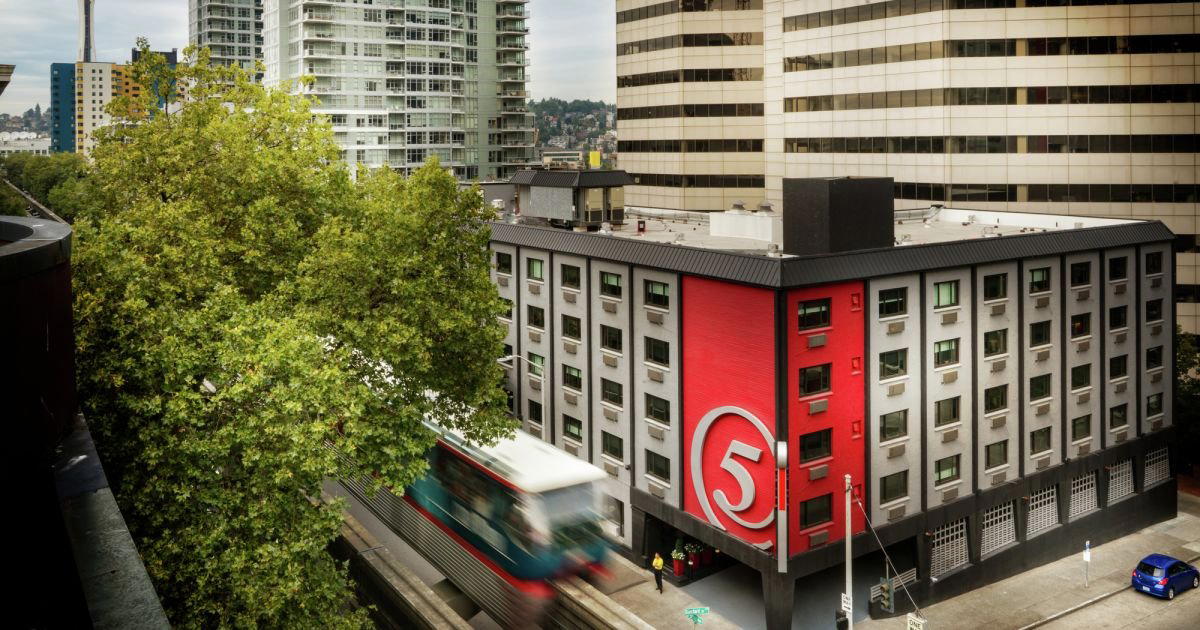
Seattle's hotel market has stratified noticeably over the past decade. At the upper end, properties like the Fairmont Olympic Hotel and Four Seasons Hotel Seattle anchor the luxury tier with full-service amenities, landmark status, and proximity to Pike Place and the financial district. Mid-market options including Hotel Five and 11th Avenue Inn Bed and Breakfast serve Capitol Hill and First Hill respectively. Hotel Ballard's position in this spectrum is defined by geography as much as category: Ballard is a 20-to-30-minute drive or bus ride from Sea-Tac Airport and approximately 15 to 20 minutes from downtown Seattle by car, depending on traffic, which is a meaningful variable in a city with significant congestion.
For travellers whose primary reference points are Seattle's food and drink scene, the Ballard address compresses distance to the neighbourhood's own restaurant concentration while keeping the broader city accessible. Those with business requirements in South Lake Union or downtown will encounter a commute that neighbourhood guests in purpose-built urban hotels avoid. The calculus is direct for leisure travellers with a clear neighbourhood preference and more complicated for mixed-purpose trips.
Across the United States, the category of design-led boutique hotels in historic commercial buildings has produced some of its strongest examples in food-destination neighbourhoods: Troutbeck in Amenia, SingleThread Farm Inn in Healdsburg, and Auberge du Soleil in Napa each anchor a specific food geography in ways that properties isolated from their local context cannot. Hotel Ballard operates on a version of that principle, though at a neighbourhood scale within a major city rather than a destination-resort scale.
For travellers calibrating where Hotel Ballard sits relative to properties in other cities, comparable neighbourhood-anchored boutique formats appear in The Fifth Avenue Hotel in New York City, Raffles Boston, and Hotel Bel-Air in Los Angeles, each of which trades on architectural identity and location specificity rather than amenity volume alone. At the resort scale, properties including Amangiri in Canyon Point, Post Ranch Inn in Big Sur, Kona Village in Kailua Kona, and Little Palm Island Resort in Little Torch Key represent the far end of the design-led, place-specific spectrum. Internationally, Aman Venice, Badrutt's Palace Hotel in St. Moritz, and Aman New York illustrate how far the architecture-first hotel model extends when budget and location converge.
Planning a Stay
The property sits on Ballard Avenue NW, accessible from downtown Seattle via the 17 or 18 bus lines or by rideshare. Ballard's peak periods align with the broader Seattle visitor calendar: summer months bring extended daylight and the full outdoor programme of the farmers market and waterfront activity, while autumn and winter compress the crowds without eliminating the neighbourhood's character. The Ballard Locks operate year-round, and the salmon runs in late summer and autumn draw visitors specifically to that attraction.
Travellers with wellness-focused itineraries may find more structured amenity programmes at properties like Canyon Ranch Tucson or Sage Lodge in Pray. Those prioritising resort-scale luxury should look at Four Seasons at The Surf Club in Surfside. Hotel Ballard's argument is a different one: it is a neighbourhood property in a neighbourhood worth spending time in, and the architecture of the building and the avenue it sits on are part of what makes that case.
A Quick Peer Check
A quick peer list to put this venue’s basics in context.
| Venue | Price | Awards |
|---|---|---|
| Hotel BallardThis venue (the venue you are viewing) | $200–300 | Not listed |
| Four Seasons Hotel Seattle | Not listed | Michelin Guide New Hotels New Hotel · Michelin Selected |
| Hotel 1000 | $300–500 | 1 Michelin Key |
| Lotte Hotel Seattle | Not listed | 1 Michelin Key · Virtuoso Luxury Hotel Partner |
| Thompson Seattle | Not listed | Michelin Selected · Forbes Recommended |
| Tulalip Resort Casino | $100–200 | Forbes Recommended |
Continue exploring
More in Seattle
Hotels in Seattle
All hotels in Seattle →
Bars in Seattle
All bars in Seattle →
Restaurants in Seattle
All restaurants in Seattle →
Details
- Modern
- Elegant
- Cozy
- Sophisticated
- Romantic Getaway
- Weekend Escape
- Business Trip
- Terrace
- Historic Building
- Wi Fi
- Fitness Center
- Concierge
- Room Service
- Waterfront
- Street Scene
- Wheelchair Accessible
- Elevator
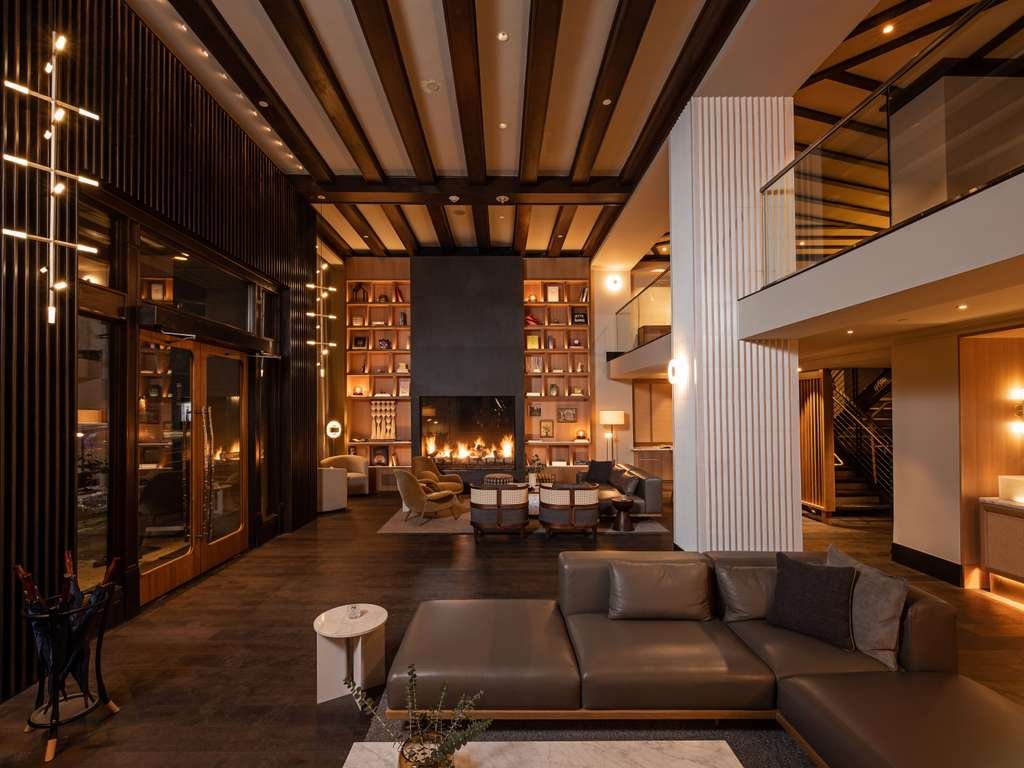
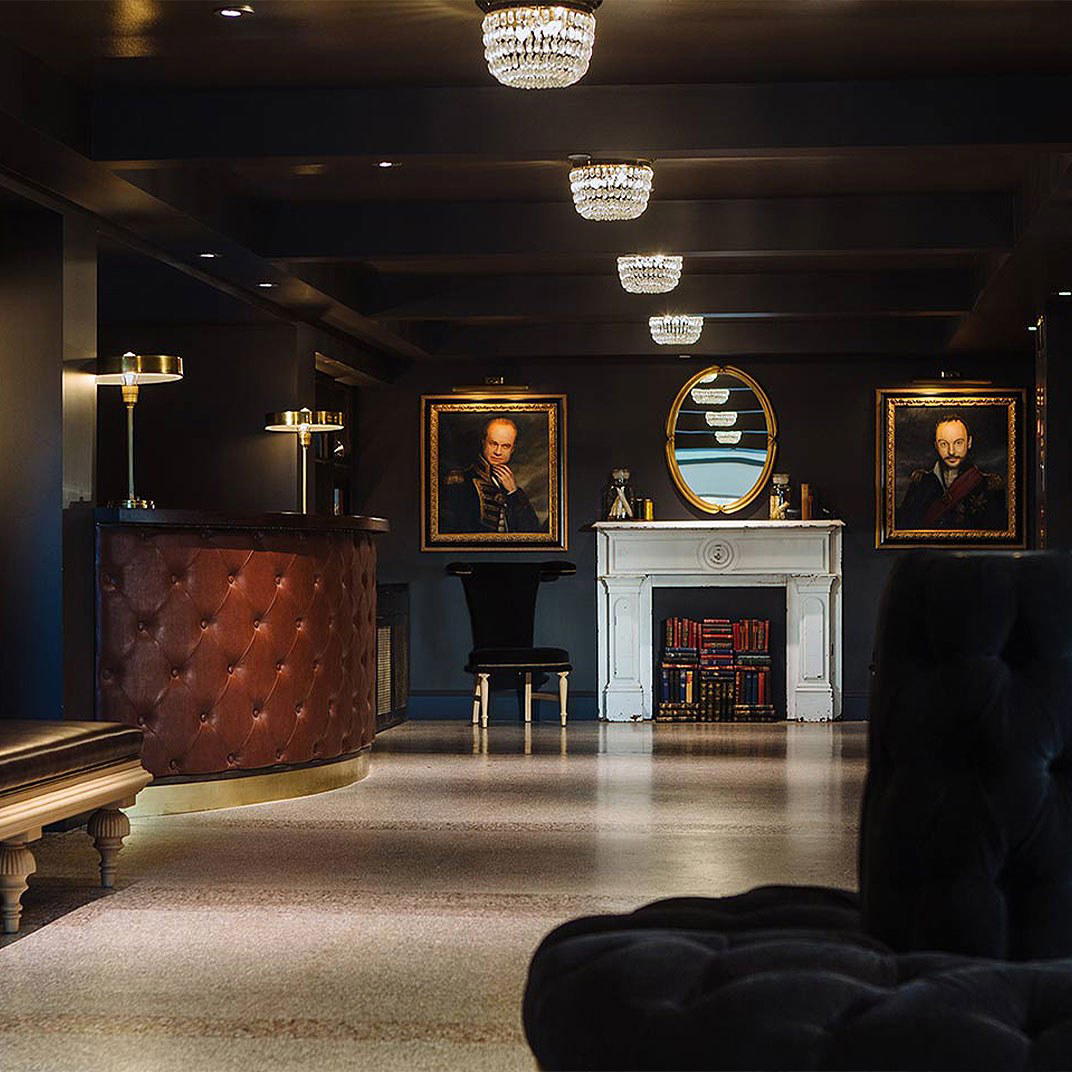
Classically current with sleek grey walls, plush bedding, fireplaces, and a grand lobby featuring oversized art.