← Guides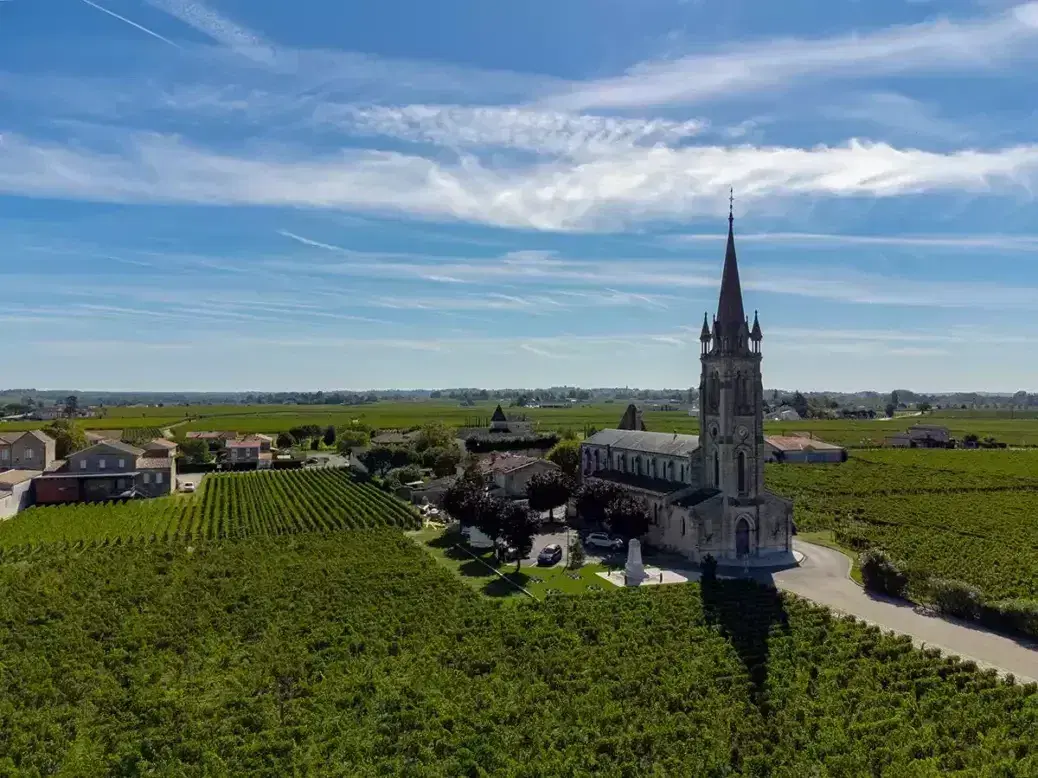
From Pomerol's iron-rich clay to Hawke's Bay's gravelly fans, six terroirs reveal how differently Merlot expresses itself across the globe.
From Pomerol's iron-rich clay to Hawke's Bay's gravelly fans, six terroirs reveal how differently Merlot expresses itself across the globe.
Pétrus grows on roughly 11.4 hectares of almost pure Pomerol clay, and for decades, that single estate set the standard by which the entire grape was judged. Merlot deserves better than to be defined by one address, however brilliant. From the iron-rich crasse de fer subsoils of the Right Bank to the free-draining Gimblett Gravels of Hawke's Bay, the grape performs with a range that few varieties can match: plush and generous in warm climates, surprisingly structured and long-lived where soils and altitude keep yields in check.
What follows is a map of the regions where Merlot earns its place, not as a blending workhorse, but as the reason you open the bottle.
The Right Bank is where Merlot's argument is most persuasive. In Pomerol, the appellation covers just 800 hectares, smaller than many single estates in the Médoc, and the soils shift almost block by block: gravel over sand near the Barbanne stream, then blue and grey clay as you move toward the plateau where Pétrus, Lafleur, and Le Pin sit. That clay retains water through dry summers and gives the wines a density and iron-edged minerality that Merlot rarely achieves elsewhere.
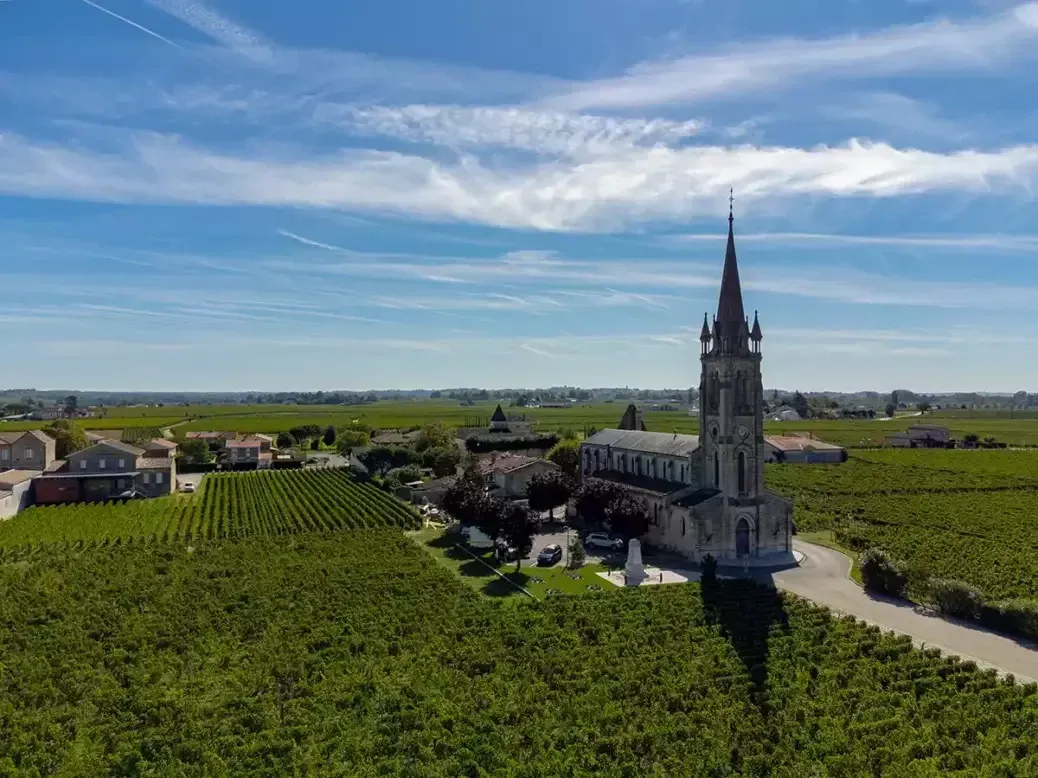
Saint-Émilion adds limestone to the conversation. On the côtes, the slopes below the town, estates like Ausone and Canon anchor their vines in fractured limestone and clay. The plateau calcaire produces wines with more structure and lift, often built for decades rather than years. The 2019 and 2020 vintages from both appellations are drinking beautifully now but have years ahead of them; the 2022s, tasted en primeur, showed a ripeness balanced by genuine freshness that the vintage's heat might have otherwise precluded.
If you're visiting, the town of Saint-Émilion itself, a UNESCO World Heritage site, is worth building an itinerary around. Tastings at Château Figeac, which straddles the gravel and clay boundary, or at Château Troplong Mondot high on the plateau, offer two different expressions of the same appellation within a short drive.
Merlot arrived in northeastern Italy in the mid-nineteenth century, and in the right hands it has become something entirely local. In Collio, the hilly strip that runs along the Slovenian border, the ponca soils (a compressed flysch of marl and sandstone) strip Merlot of the excess flesh it can carry in warmer, richer ground and give it a savoury, almost Cabernet Franc-like precision. Livio Felluga and Vie di Romans both produce single-vineyard Merlots here that read as unmistakably Italian: mid-weight, herb-edged, built for the table.
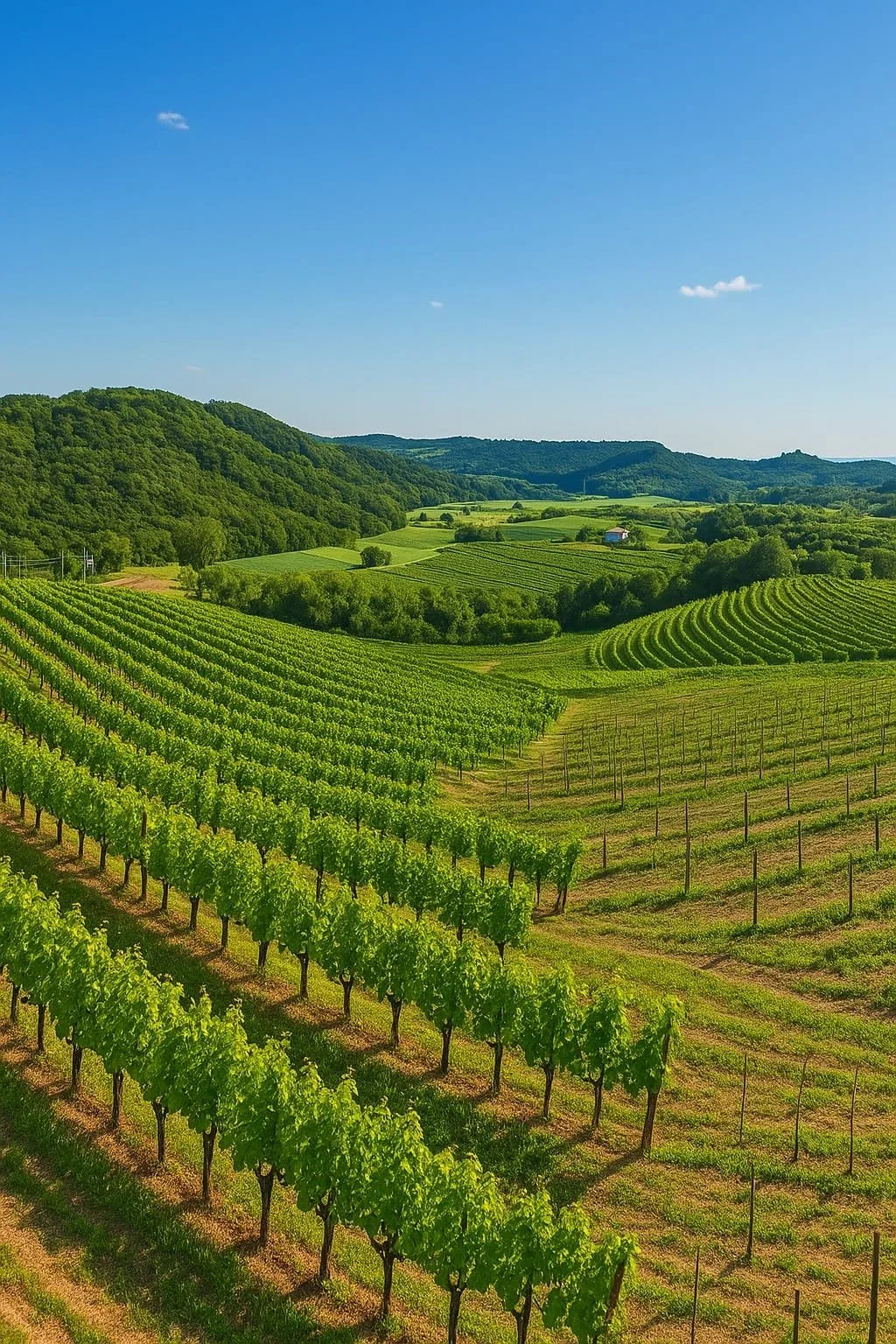
Across the border in Colli Orientali, the soils shift to more calcareous marl, and producers like Miani, Enzo Pontoni's tiny, obsessively farmed estate, craft wines from old-vine Merlot that age with the patience of a serious Burgundy. Allocations are tiny and largely absorbed by Italian restaurants and long-standing private clients, but if you encounter a bottle, the case for Friulian Merlot makes itself without any assistance.
Washington has always understood Merlot better than its reputation suggests. In the Columbia Valley, the combination of volcanic basalt soils, intense summer sun, and cold nights that drop temperatures by as much as 50°F preserves the acidity that Merlot loses in warmer climates. The result is a style that sits between Bordeaux structure and New World generosity, neither one nor the other, but distinctly Washingtonian.
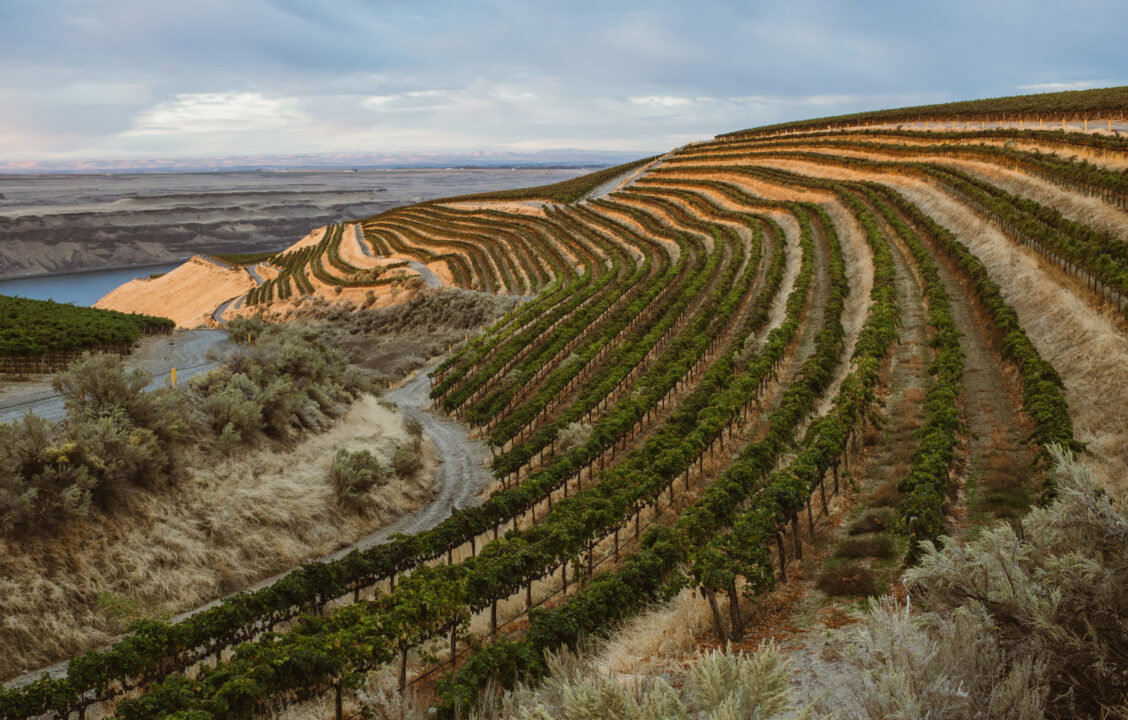
The Horse Heaven Hills AVA, perched above the Columbia River, benefits from Paterson winds that keep yields modest and skins thick. Leonetti Cellar and L'Ecole No. 41 have been building the case for Washington Merlot since the 1980s; Andrew Will's Sheridan Vineyard Merlot, sourced from the Yakima Valley, shows what the grape does with 30-year-old vines and careful barrel selection, 18 months in a mix of French oak, with roughly 40% new wood, enough to frame without overwhelming.
Napa's Merlot story is partly one of misidentification, many vines planted as Merlot in the 1970s and '80s turned out to be other varieties entirely, which clouded the appellation's early reputation for the grape. The serious work began when producers started treating Merlot as a primary rather than a blending component, and matched it to the sub-appellations where it performs rather than planting it everywhere.
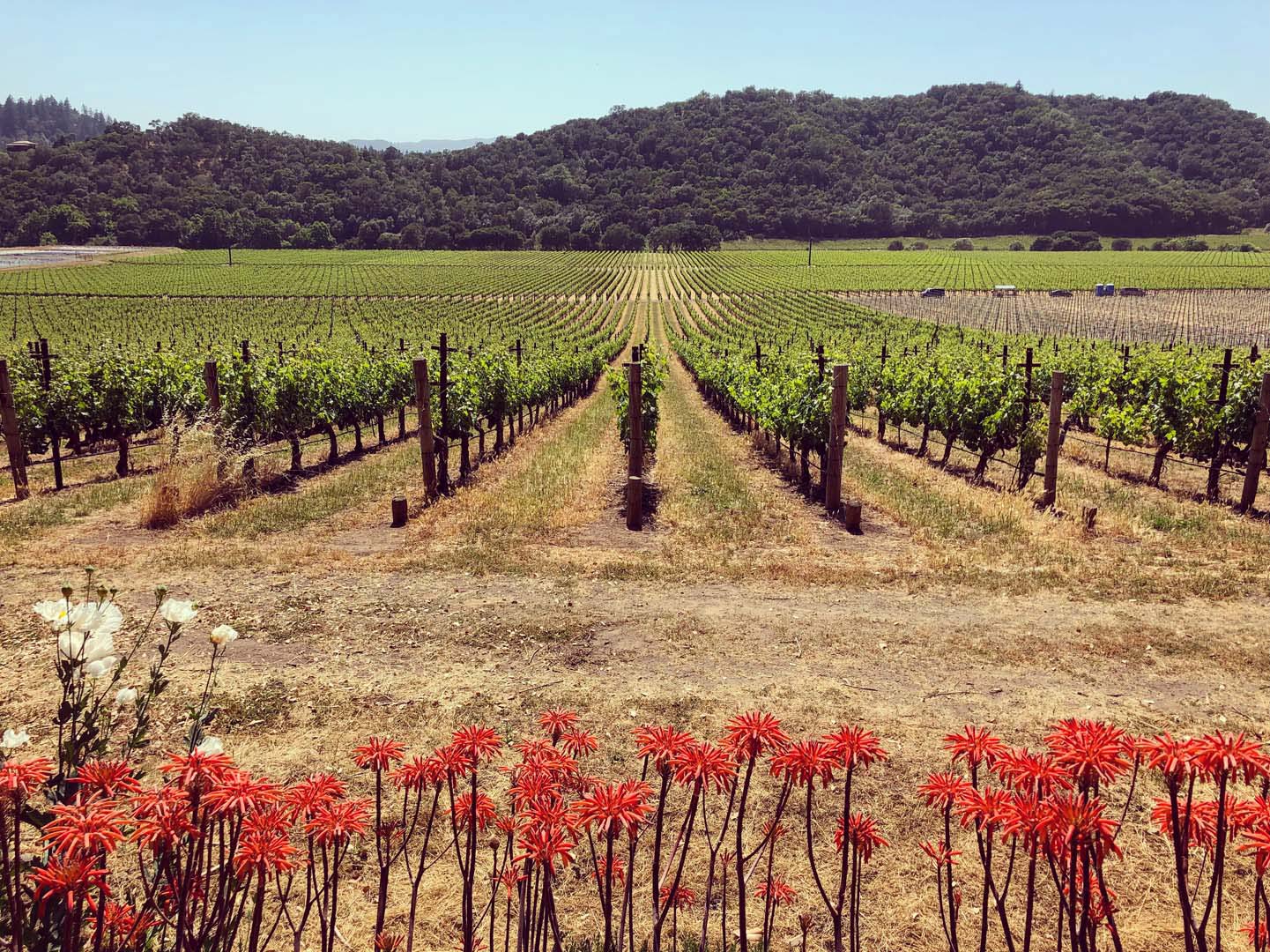
Howell Mountain, at elevations above 1,400 feet, gives Merlot a structure it rarely finds at valley floor: the volcanic soils drain freely, keeping vigour in check, and the cooler temperatures extend hang time into October. Duckhorn Vineyards, which has championed Napa Merlot since 1978, sources from both mountain and valley floor sites, blending for complexity rather than consistency. In the Stags Leap District, the volcanic palisades act as a heat sink after sunset, and the resulting wines, from estates like Shafer and Pine Ridge, carry a dark plum and mocha profile that's unmistakable.
The Gimblett Gravels is 800 hectares of former riverbed on the North Island, deep, free-draining alluvial shingle over a sand and silt base, and it produces some of the Southern Hemisphere's most convincing Merlot-based reds. The stones absorb heat during the day and release it overnight, pushing phenolic ripeness in a climate that would otherwise struggle to achieve it. Yields are naturally low; the soils are so poor that vines have to work hard for everything they get.
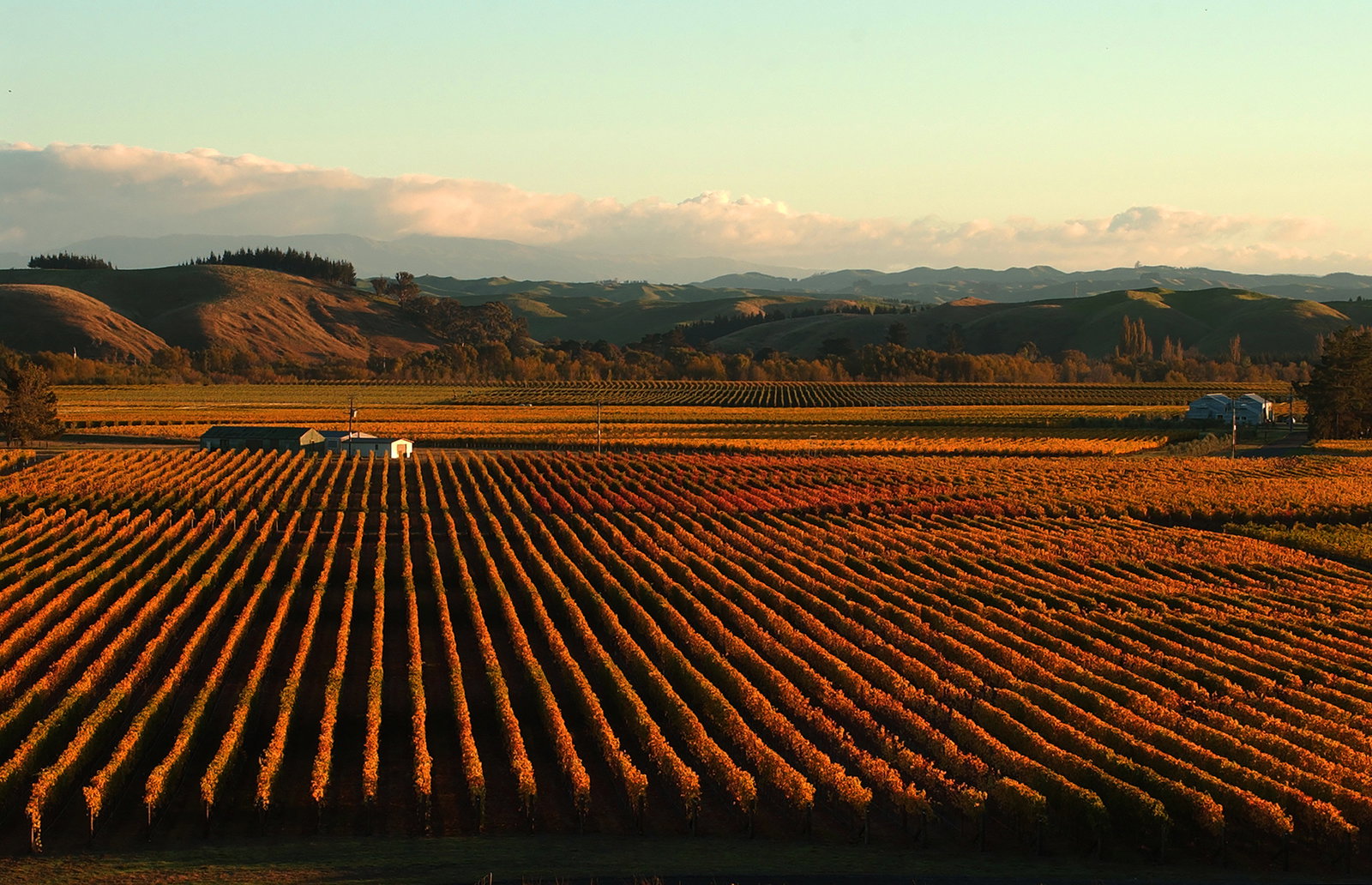
Craggy Range's Sophia, a Merlot-dominant blend with Cabernet Franc and Malbec, is the benchmark here, but Trinity Hill and Te Awa also produce single-vineyard Merlots that show the site's character with less blending complexity. The 2019 vintage across the Gravels was the kind of year where everything aligned: warm, dry ripening season, cool harvest nights, fruit picked at exactly the right moment. Those bottles are worth seeking out now.
Long Island's North Fork sits at roughly the same latitude as Rome, and the Atlantic on three sides moderates temperatures in a way that keeps the growing season long and gradual, the kind of slow ripening that builds complexity rather than just sugar. The soils are sandy loam over a gravel subsoil, well-drained and low in nutrients. Merlot thrives here in a way it doesn't in many other American appellations.
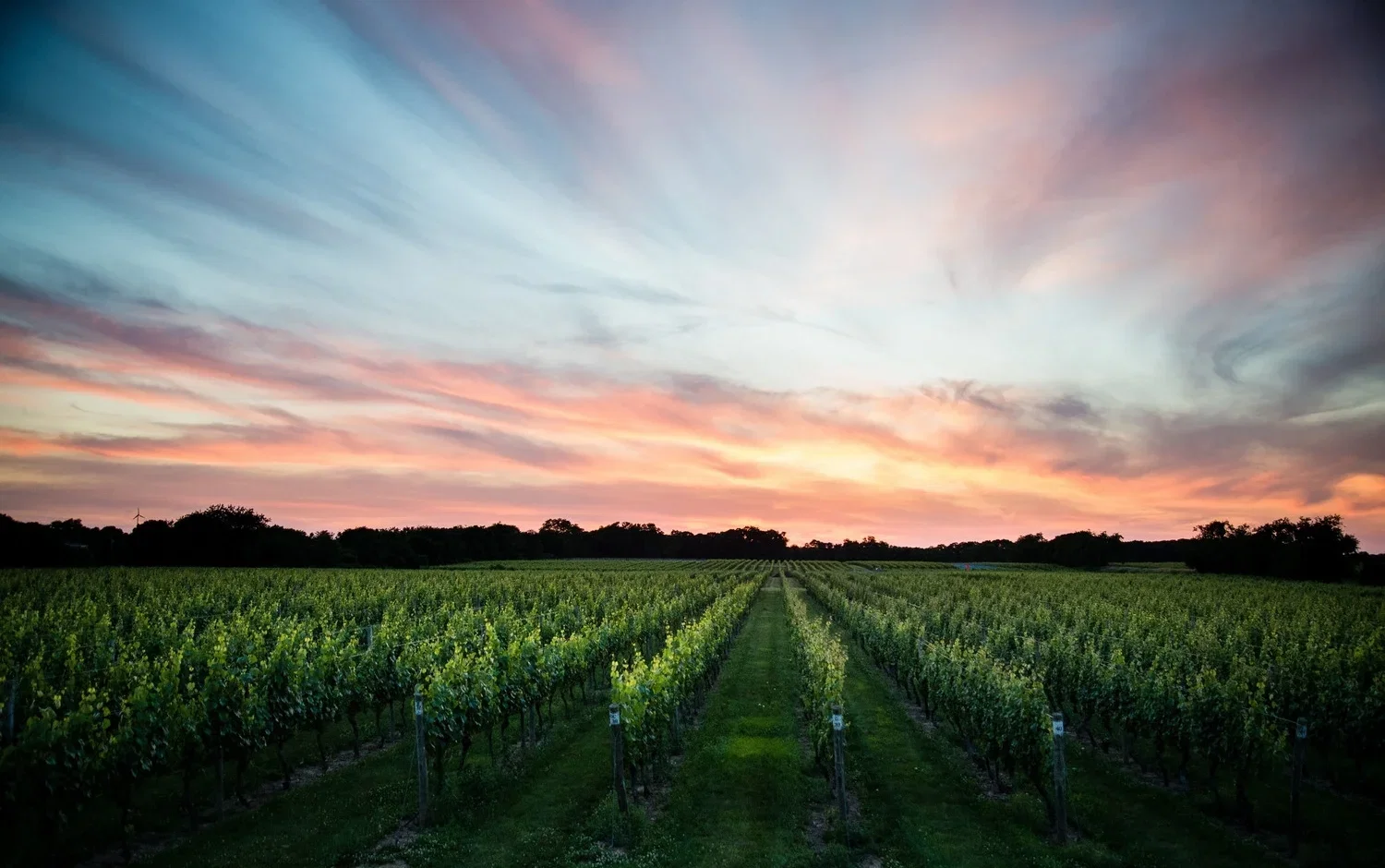
Bedell Cellars, which has been farming the North Fork since 1980, treats Merlot as the appellation's signature grape, and their single-vineyard bottlings, aged 14 months in French oak with a modest percentage of new wood, have the kind of restraint and site specificity that forces a reassessment of what American Merlot can be. Paumanok Vineyards and Macari Estates make equally compelling cases. The tasting rooms along Route 25 are open year-round, and the North Fork in late October, harvest done, vines turning gold, is a trip worth planning.
Region | Country | Key Soils | Style | Producers to Know |
|---|---|---|---|---|
Pomerol | France | Clay, gravel, crasse de fer | Dense, iron-edged, long-lived | |
Saint-Émilion | France | Limestone, clay, gravel | Structured, lifted, age-worthy | Figeac, Troplong Mondot, Canon |
Collio / Colli Orientali | Italy | Ponca (marl/sandstone flysch) | Savoury, mid-weight, food-driven | Miani, Vie di Romans, Livio Felluga |
Horse Heaven Hills / Columbia Valley | USA (WA) | Volcanic basalt, sandy loam | Structured, fresh, dark-fruited | Leonetti, L'Ecole No. 41, Andrew Will |
Napa Valley | USA (CA) | Volcanic, well-drained mountain soils | Rich, plush, dark plum and mocha | Duckhorn, Shafer, Pine Ridge |
Gimblett Gravels, Hawke's Bay | Deep alluvial shingle and gravel | Concentrated, warm, structured | Craggy Range, Trinity Hill, Te Awa | |
North Fork, Long Island | USA (NY) | Sandy loam over gravel | Restrained, site-specific, elegant | Bedell Cellars, Paumanok, Macari |
If you're building a case around Merlot specifically, rather than treating it as a component in a broader cellar, the Right Bank is the obvious anchor. A 2019 Saint-Émilion Grand Cru Classé alongside a Gimblett Gravels bottle from the same year makes the case for the grape's range without any further argument. Add a Friulian example from Miani or Vie di Romans and the picture shifts again: here's a grape that changes almost beyond recognition depending on what's under its roots.
That, more than any single estate or vintage, is what makes Merlot worth following closely.
Get the App
Take the shortlist into the En Primeur Club app for concierge access, saved places, and the next step after discovery.
Get Exclusive AccessMore from the editors