← Guides
The 2024 Hawke's Bay Chardonnay vintage — low yields, well-suited ripening — is the clearest signal yet that this region belongs among the world's great white wine addresses.
The 2024 Hawke's Bay Chardonnay vintage — low yields, well-suited ripening — is the clearest signal yet that this region belongs among the world's great white wine addresses.
Cyclone Gabrielle tore through Hawke's Bay in February 2023, flooding vineyards and stripping canopies across the region. Eighteen months later, the vines answered back. The 2024 harvest delivered what viticulture consultant Ollie Powrie called an incredible season from a quality point of view, tempered, he noted, by the fact that yields were so low. That combination of scarcity and precision is exactly what collectors wait for. And for Hawke's Bay Chardonnay specifically, 2024 may be the vintage that finally closes the gap between what the region has long been capable of and how the wider wine world perceives it.
The low yields were not accidental. Disrupted flowering during the growing season, combined with what many in the region suspect was a delayed vine response to Cyclone Gabrielle's extreme conditions, meant that crops came in well below average across the board. What remained on the vine ripened with unusual precision, fruit reaching full physiological maturity without the acidity collapsing, which is the tightrope every Chardonnay region walks in warmer seasons.
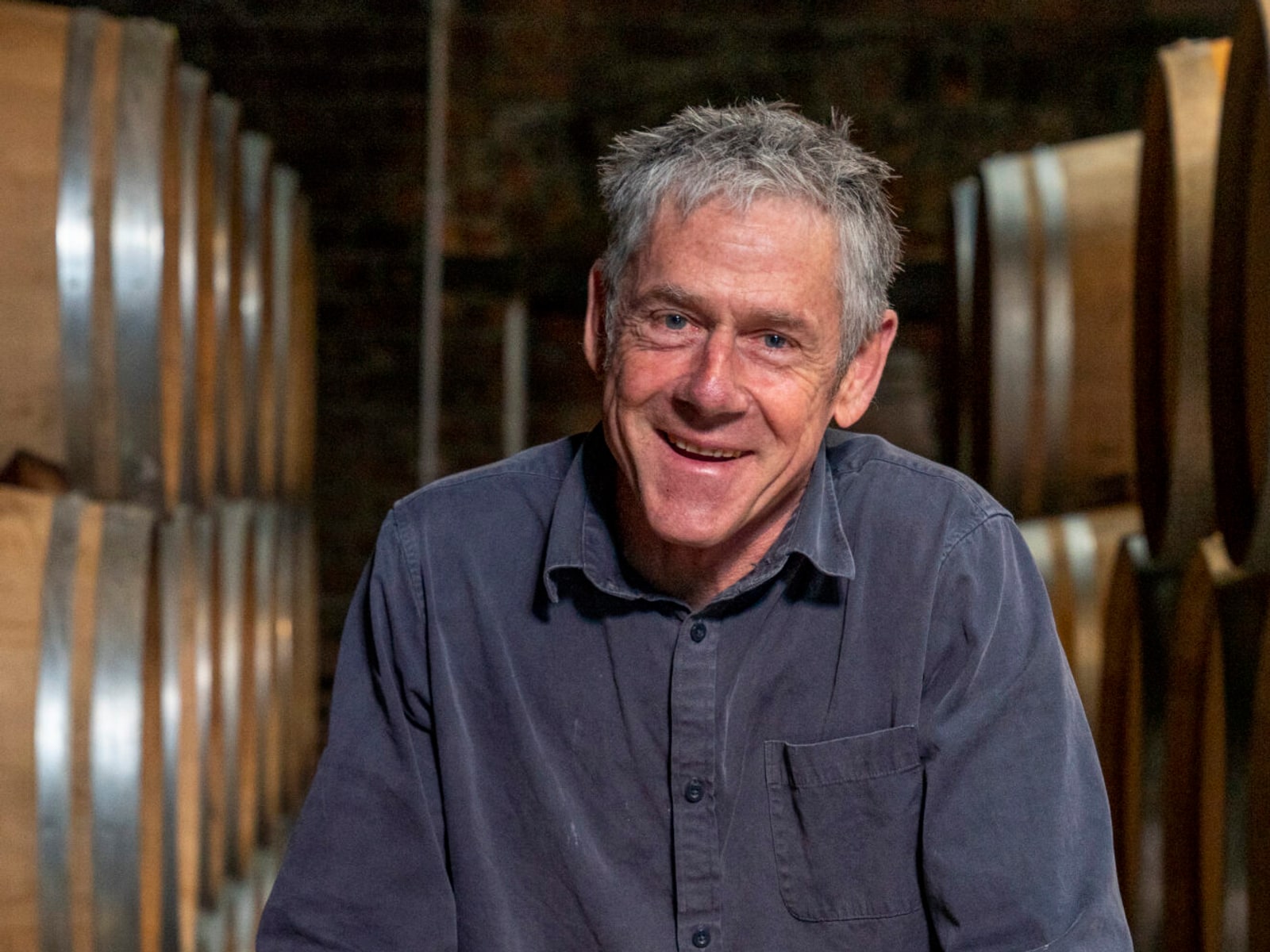
Matt Kirby, chief winemaker at Clearview Estate, drew the comparison collectors want to hear: "2024 reminded me of 2021, smaller crops, but great brightness and intensity." Phil Brodie, senior winemaker at Te Mata Estate, went further, placing 2024 alongside 2021, 2014, and 2007 as the region's standout Chardonnay vintages. His description of that peer group, "rich wines with focusing acidity that gives tension, energy and the ability to age gracefully", tells you exactly what to expect in the glass over the next decade.
The timing matters beyond the vintage itself. Hawke's Bay Chardonnay has spent years quietly shedding its early identity, ornate, golden, heavily oaked, in favour of something more precise and site-driven.
Whole-bunch pressing, high solids, indigenous yeasts, and French oak maturation have become the regional template, with winemakers increasingly moving toward older and larger oak formats, concrete eggs, and clay vessels to preserve freshness.
Malolactic fermentation is used, but with restraint, enough to soften the region's bright acidity without erasing it. The result is a style that sits closer to white Burgundy in structure than to the broad, tropical Chardonnays that once defined New Zealand's reputation with the variety.
Chardonnay now accounts for 1,034 hectares of Hawke's Bay's 4,574 hectares of vineyards, the region's single most planted white variety, and the institutional commitment is deepening. Hawke's Bay now hosts a semi-annual symposium dedicated to the grape. Steve Smith MW, viticulturist and co-owner of AONZ, put it plainly: "Hawke's Bay has not owned its Chardonnay story until now.
For collectors, the pricing remains among the more compelling arguments in the room. Phil Brodie acknowledged the asymmetry with characteristic candour: "The stronger wines are so undervalued, great as a wine drinker, but tough as a producer." Compared to equivalent-quality white Burgundy or top Chardonnay from the Mornington Peninsula or Sonoma Coast, Hawke's Bay is still priced as though the world hasn't noticed. The 2024 vintage, with its constrained supply and documented quality, is the kind of moment that tends to accelerate that reckoning.
Vintage | Yield Level | Key Characteristic | Winemaker Assessment | Ageing Potential |
|---|---|---|---|---|
2024 | Well below average | Full physiological maturity with retained acidity | Placed alongside 2021, 2014, and 2007 as a standout by Phil Brodie | Decade-plus |
2021 | Below average | Smaller crops with brightness and intensity | Compared directly to 2024 by Matt Kirby at Clearview Estate | Decade-plus |
2014 | Normal | Rich with focusing acidity and tension | Named by Phil Brodie as part of the region's elite peer group | Still drinking well |
2007 | Normal | Rich wines with energy and graceful ageing ability | Named by Phil Brodie as a benchmark Hawke's Bay Chardonnay vintage | Mature, peak drinking |
Understanding why Hawke's Bay Chardonnay can produce such stylistic range, and why the 2024 vintage expressed it so cleanly, starts with the soil. Four major river systems criss-cross the region's subregions, depositing radically different substrates across a relatively compact area. The result is a harvest that stretches across a couple of months as each subregion reaches ripeness on its own schedule.
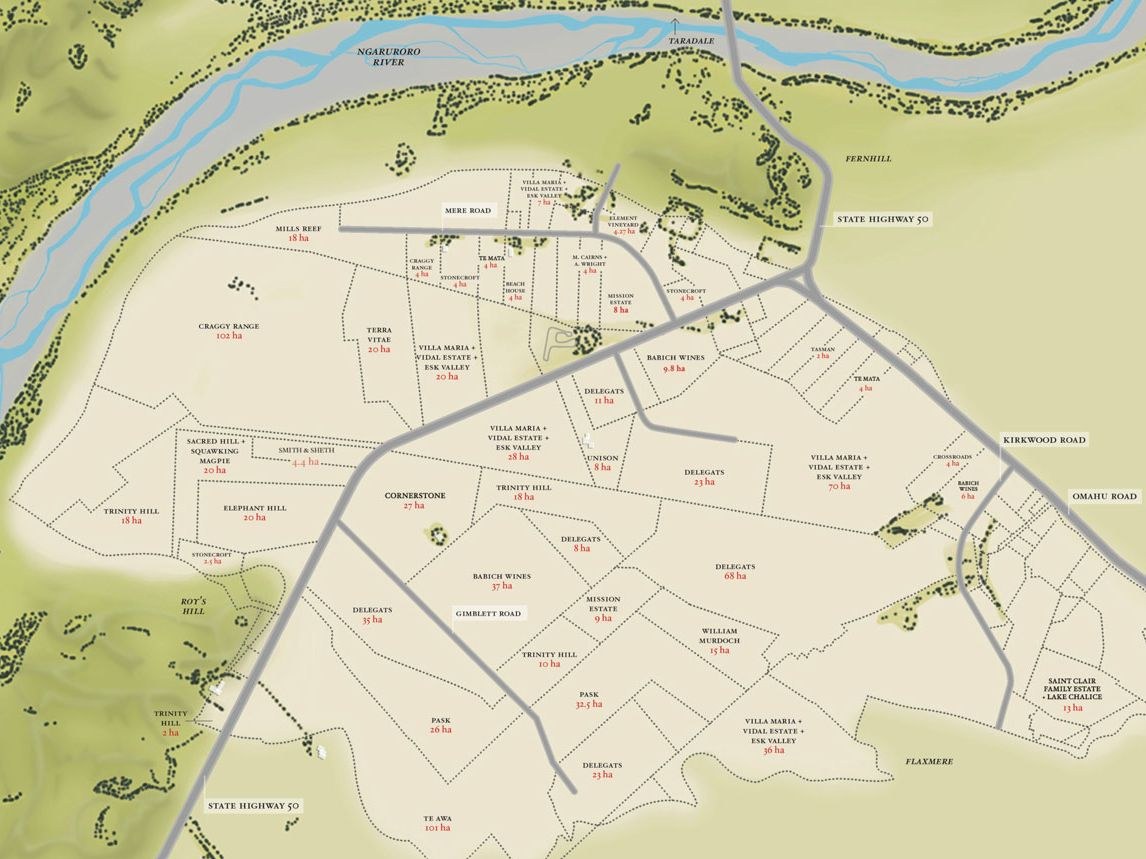
The Gimblett Gravels Wine Growing District sits on free-draining, heat-retaining riverbed soils that push Chardonnay toward weightier, more structured expressions, yellow-flesh stone fruit, generous texture, and the kind of mid-palate density that suits extended cellaring.
The Bridge Pa Triangle, just nearby, runs cooler and heavier, with red clay-loam that tends to produce more restrained, mineral, and textural wines. Closer to the coast, the limestone and clay soils around Havelock North and Te Awanga add chalky grip and savoury complexity.
Inland at Mangatahi, cooler temperatures shift the profile toward white-flesh stone fruit, citrus, and silky texture. Further south, the limestone hills of Central Hawke's Bay are only beginning to be explored seriously for Chardonnay.
Many producers blend across these subregions to build complexity, but the number of single-subregion and single-vineyard bottlings is growing, and it is in those site-specific wines that the 2024 vintage's precision shows most clearly. When yields are low and ripening is even, the differences between a Gimblett Gravels block and a Bridge Pa parcel become sharper, not blurred.
Bilancia produces a suite of Hawke's Bay Chardonnays, but it is Tiratore that draws greater attention from those who follow the region closely. The wine comes from Bilancia's Roy's Hill home block, planted in 2001, relatively young vines by the standards of the world's great Chardonnay sites, but already producing fruit of genuine complexity and definition.
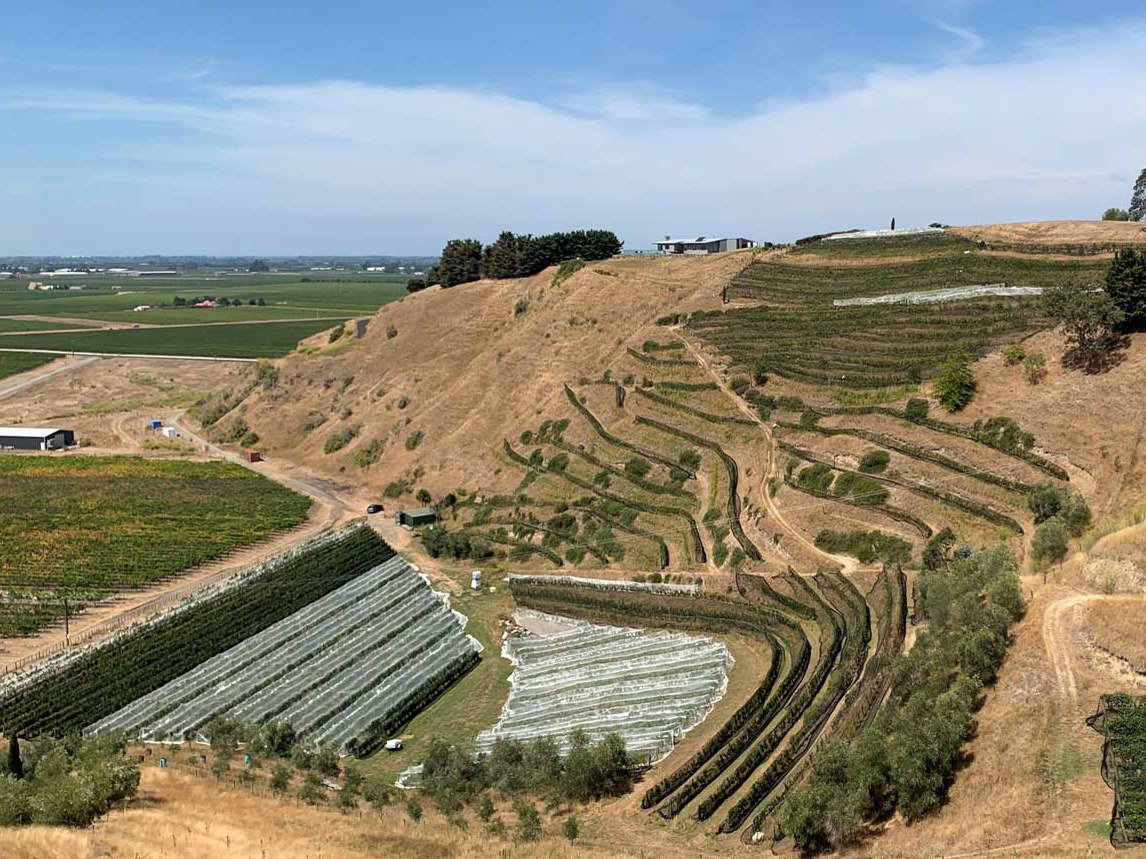
The Roy's Hill block sits within a subregion whose soils and aspect give Tiratore its particular character: subtly fragrant on the nose, building to something more complex and layered with time in the glass. The 2001 planting date is worth holding in mind, these vines are now in their early twenties, entering the phase where root systems have pushed deep enough to begin expressing site rather than simply variety. In a vintage like 2024, where low yields concentrated what the vines produced, that shift in vine maturity becomes audible in the wine.
Bilancia's approach fits the regional template: hands-off winemaking that defers to the vineyard, with French oak used to frame rather than dominate. For collectors tracking the 2024 releases, Tiratore is one of the wines to prioritise, the combination of a maturing block, a precision vintage, and limited case production makes it a wine that will be harder to find once the initial allocation moves through.
Clearview Estate's reserve Chardonnay is built on vines that are 30 years old or older, a meaningful foundation in a region where the oldest plantings date back only a few decades. Vine age alone doesn't guarantee quality, but it does tend to produce lower natural yields and more concentrated, complex fruit, which in 2024 aligned precisely with what the season was already delivering.
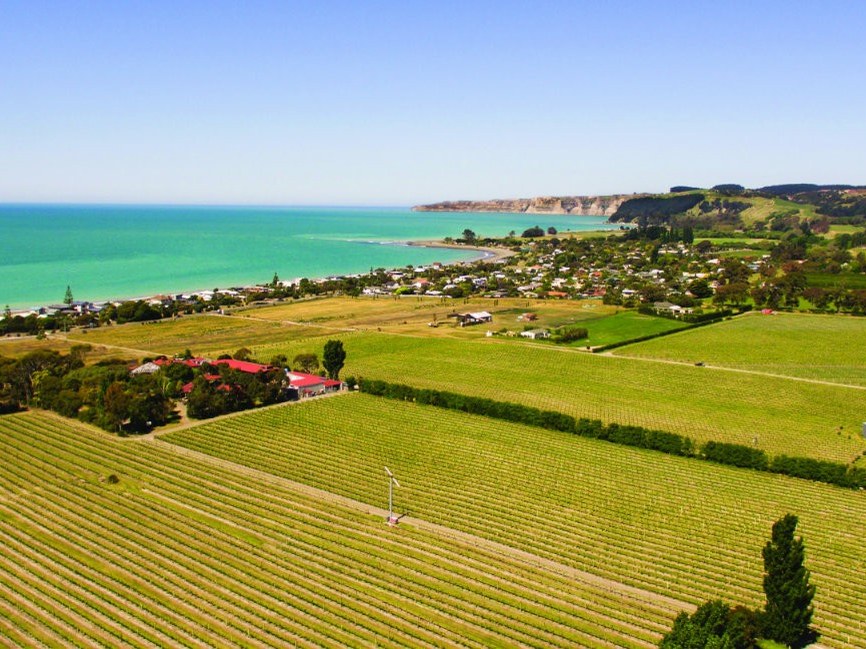
Matt Kirby, Clearview's chief winemaker, has watched enough Hawke's Bay vintages to calibrate 2024 with authority. His comparison to 2021, smaller crops, great brightness and intensity, reflects a winemaker who values precision over volume. The reserve Chardonnay from these older vines carries a density and persistence that younger plantings rarely match.
In 2024, with yields already compressed by the season's disrupted flowering, that concentration is compounded further. The result is a wine that rewards patience: drink it young for the primary citrus and stone fruit, or hold it for the toasty, savoury complexity that emerges around the decade mark.
Clearview's philosophy sits squarely within the regional consensus: whole-bunch pressing, indigenous yeasts, French oak maturation, and a light hand with malolactic fermentation. What distinguishes the reserve is the vine age, fruit from 30-plus-year-old vines carries a density and persistence that the season's low yields only amplify. For visitors to Hawke's Bay, Clearview Estate is one of the region's more welcoming cellar door experiences, combining the winery with a restaurant and coastal setting near Te Awanga. The 2024 reserve, when released, will be the wine to ask for.
Elston Chardonnay from Te Mata Estate was first made in 1984, which makes it not just one of New Zealand's longest-running prestige Chardonnays, but one of the few wines in the country with a track record long enough to tell a genuine vintage story. Phil Brodie, Te Mata's senior winemaker, is the custodian of that legacy, and his perspective on 2024 carries the weight of someone who has watched the wine evolve across four decades of Hawke's Bay seasons.
Brodie's placement of 2024 alongside 2021, 2014, and 2007 is especially precise vintage calibration available from any producer in the region. Those are not arbitrary years, they are the vintages that Elston collectors return to when they want to understand what the wine can become with time. The common thread, as Brodie describes it, is rich fruit with focusing acidity that gives tension, energy, and the ability to age gracefully. In 2024, with yields down and ripening precise, that profile arrived with unusual clarity.
Elston is made in the regional style, whole-bunch pressing, indigenous yeasts, French oak, but its 40-year track record gives it something no younger wine can claim: a documented cellaring arc. The primary citrus and stone fruit that defines the wine in its youth gives way, around the decade mark, to toasty, savoury complexity. Collectors who have followed Elston through the 2007 and 2014 vintages know what the 2024 will become. Those who haven't should start here.
Te Mata Estate's winery and cellar door sit in the Havelock North foothills, within easy reach of Napier and Hastings. The estate's broader portfolio spans Bordeaux reds and other whites, but Elston remains the wine that defines Te Mata's place in the New Zealand fine wine conversation, and in 2024, it arrives at a vintage that matches its ambitions.
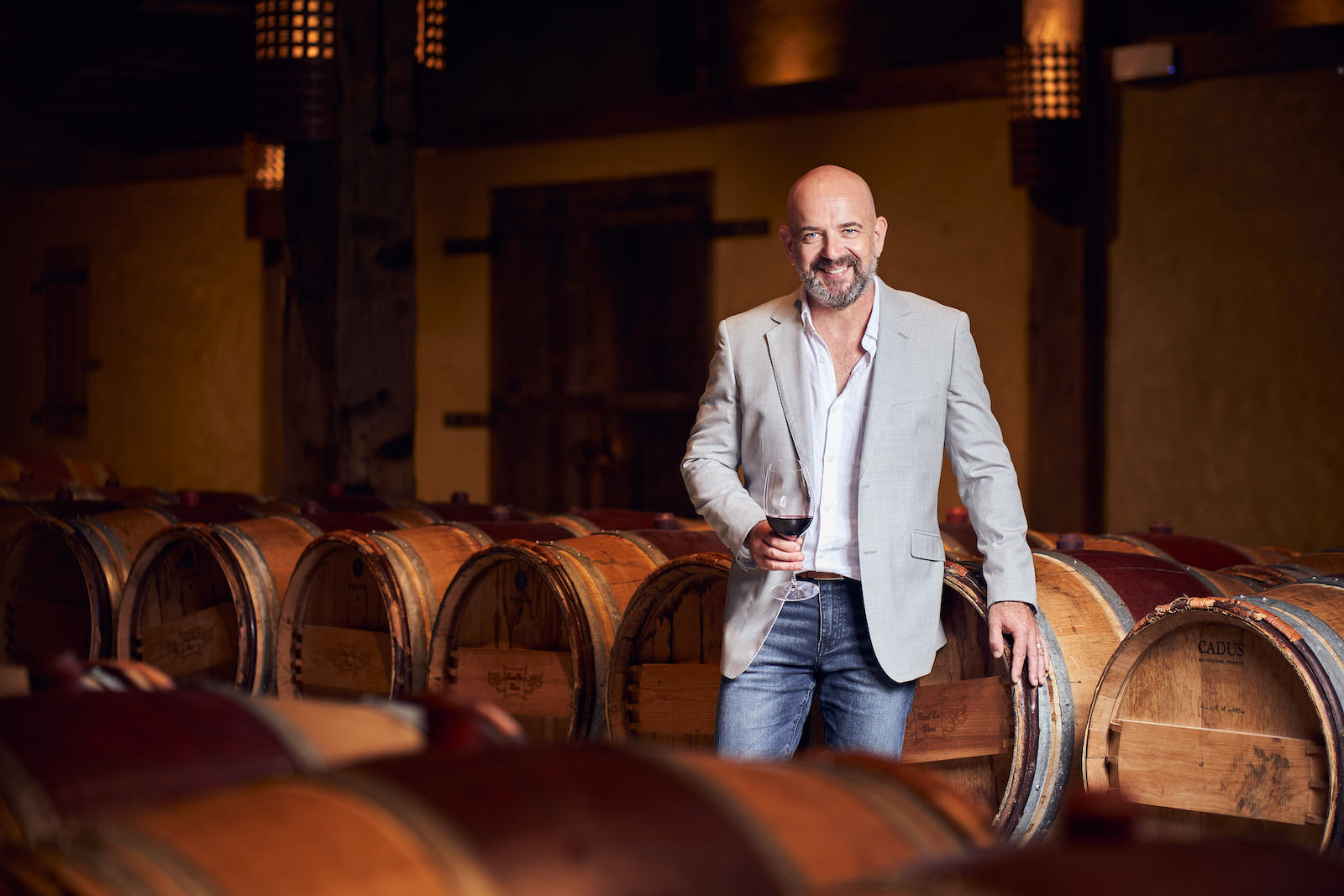
Church Road is one of Hawke's Bay's larger and more historically rooted producers, and Chris Scott, its chief winemaker, has become one of the clearest voices articulating what makes the region's Chardonnay distinct. His position is direct: "Chardonnay, more so than any other variety in Hawke's Bay, makes itself as long as you look after it in the vineyard."
That conviction shapes Church Road's approach. The winery draws fruit from across Hawke's Bay's subregions, giving Scott the ability to blend for complexity or to isolate specific sites for single-vineyard expressions. In a vintage like 2024, where the season's low yields and precise ripening did much of the winemaker's work in the vineyard, Scott's philosophy is validated by the fruit itself, the winery's role becomes one of preservation rather than intervention.
Church Road's Chardonnay range spans multiple tiers, from approachable early-drinking styles to more serious, oak-matured expressions built for the cellar. The 2024 vintage across that range will reflect the season's signature: concentrated fruit from compressed yields, acidity that holds the wine's shape over time, and the kind of textural density that comes when vines produce less and ripen slowly. For collectors new to Hawke's Bay Chardonnay, Church Road offers a useful entry point, the wines are well-distributed internationally and the quality-to-price ratio across the range is among the more consistent in the region.
The winery itself, located in Taradale on the outskirts of Napier, is one of the region's most visited cellar doors, with a restaurant and heritage buildings that make it a natural stop on any Hawke's Bay wine itinerary. The 2024 releases, when they arrive, will be worth tasting across the full range to understand how the vintage expressed itself at different price points and vineyard sources.
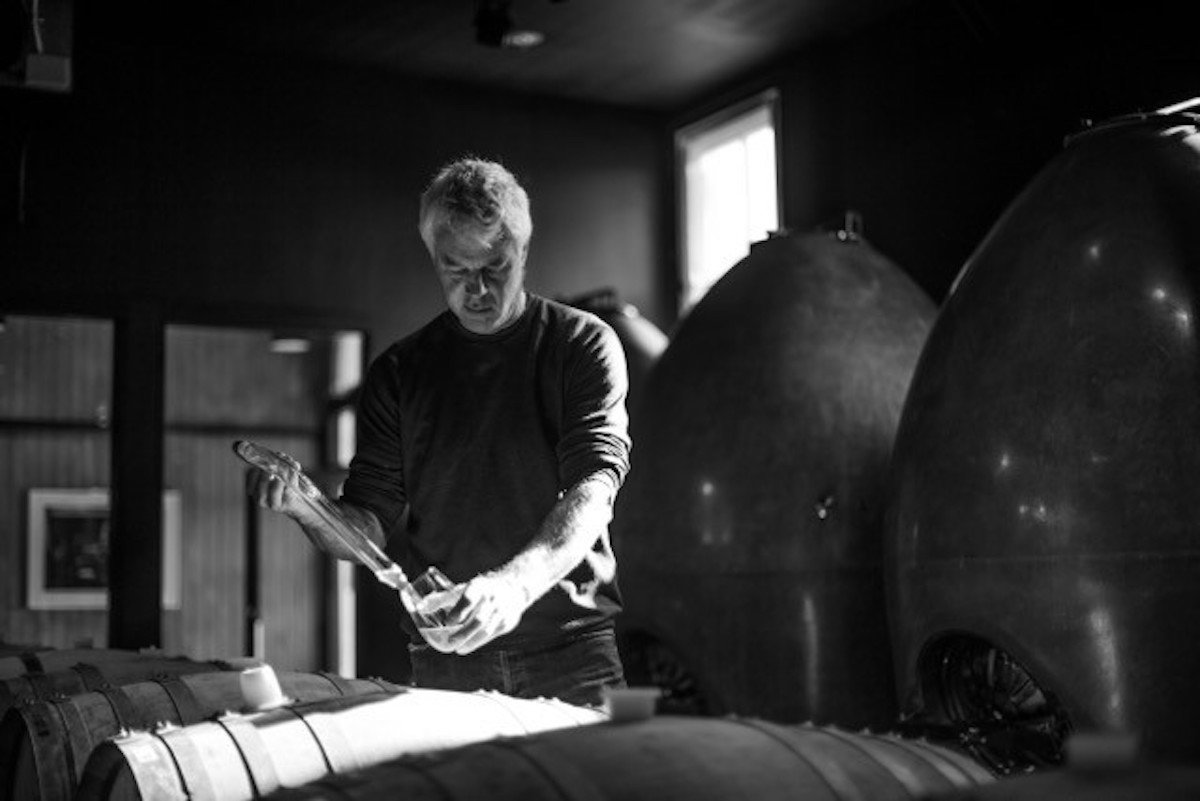
No one in Hawke's Bay has spent longer thinking about Chardonnay than Tony Bish. More than 40 years of making the variety in the region gives him a longitudinal perspective that no younger winemaker can match, and his commitment to the grape is total. At his eponymous urban winery, Bish makes only Hawke's Bay Chardonnay. Not Syrah, not Bordeaux blends, not Sauvignon Blanc. Chardonnay, from Hawke's Bay, exclusively.
That focus is itself a statement about where the region's white wine identity is heading. Bish has watched Hawke's Bay Chardonnay move through its heavily oaked phase, through the reductive period that briefly made struck-match characters fashionable, and into its current expression, precise, site-driven, built for the cellar. His endorsement of 2024 carries the authority of someone who has seen every vintage the region has produced in the modern era.
His observation about the variety's resilience is among the more practically useful things said about Hawke's Bay Chardonnay: "You can consistently make good Chardonnay; even in difficult years such as 2023, the wines still looked great, whereas the trickier years can punish the reds." For collectors building a cellar around Hawke's Bay, that consistency argument matters. The region's Syrah and Bordeaux-style reds are genuinely impressive in the right vintages, but Chardonnay is the variety that delivers across the full range of seasons, and in notable years like 2024, it delivers something more.
Bish's urban winery format, producing Chardonnay without the overhead of a large estate, allows him to source fruit selectively from across Hawke's Bay's subregions, working with growers whose vineyards he has known for decades. The wines are produced in small quantities, which means 2024 allocations will move quickly. His releases are the kind that reward being on a mailing list rather than waiting for retail availability.
The practical implications of the 2024 vintage are direct: low yields mean limited case production across every producer named here, and the wines will not sit on shelves waiting. Elston, Tiratore, and Clearview's reserve are all made in quantities that reflect their single-vineyard or old-vine origins, add the season's compressed yields and you have allocations that will be absorbed quickly by the producers' existing mailing lists and trade channels.
The cellaring argument is equally clear. Phil Brodie's peer group for 2024, alongside 2021, 2014, and 2007, are vintages that have rewarded patience. A leading Hawke's Bay Chardonnays have a documented sweet spot around a decade, where primary citrus and stone fruit gives way to toasty, savoury complexity. Buying 2024 now and opening it in 2033 or 2034 is not speculation, it is following a track record that Elston alone has been building since 1984.
For those planning a visit to the region, Hawke's Bay is one of New Zealand's most rewarding wine destinations precisely because of its diversity. The drive from Napier through Havelock North to the Gimblett Gravels takes less than an hour but passes through multiple distinct terroir expressions.
Clearview Estate near Te Awanga offers coastal dining alongside its cellar door. Te Mata Estate sits in the Havelock North foothills with views across the bay. Church Road's heritage buildings in Taradale provide context for the region's winemaking history.
And Tony Bish's urban winery format offers something different again, a producer whose entire focus is the single variety that is increasingly defining the region's identity.
Steve Smith MW's observation that Hawke's Bay has not owned its Chardonnay story until now is one honest summary of where the region stands. The 2024 vintage is the clearest argument yet that the story is worth owning, and that the window to acquire it at current prices, before the wider wine world catches up, is narrower than it has ever been.
Why is the 2024 Hawke's Bay Chardonnay vintage considered so special?
The 2024 vintage produced unusually low yields due to disrupted flowering and the delayed vine response to Cyclone Gabrielle, meaning the remaining fruit ripened with notable precision, full physiological maturity without losing acidity. Senior winemakers have placed it alongside 2021, 2014, and 2007 as one of the region's standout Chardonnay vintages.
What does Hawke's Bay Chardonnay taste like now compared to older styles?
The modern style has moved decisively away from the ornate, heavily oaked Chardonnays that once defined the region, toward something more precise and site-driven. Winemakers now use whole-bunch pressing, indigenous yeasts, and restrained malolactic fermentation, producing wines that sit closer to white Burgundy in structure than to broad, tropical New Zealand Chardonnay.
How much Chardonnay is planted in Hawke's Bay?
Chardonnay covers 1,034 hectares of Hawke's Bay's 4,574 total vineyard hectares, making it the region's single most planted white variety. The institutional commitment is deepening further, with Hawke's Bay now hosting a semi-annual symposium dedicated to the grape.
Is Hawke's Bay Chardonnay good value compared to other top regions?
According to Te Mata Estate senior winemaker Phil Brodie, the stronger wines are 'so undervalued', a situation he described as great for wine drinkers but tough for producers. Compared to equivalent-quality white Burgundy, Mornington Peninsula, or Sonoma Coast Chardonnay, Hawke's Bay is still priced as though the wider wine world hasn't fully taken notice.
Which producers are leading the Hawke's Bay Chardonnay revival?
Clearview Estate and Te Mata Estate are among the key voices shaping the 2024 narrative, with chief winemaker Matt Kirby and senior winemaker Phil Brodie both publicly endorsing the vintage's quality. Steve Smith MW of AONZ has also been instrumental in articulating the region's Chardonnay identity, arguing that Hawke's Bay is only now beginning to own its Chardonnay story.
Get the App
Take the shortlist into the En Primeur Club app for concierge access, saved places, and the next step after discovery.
Get Exclusive AccessMore from the editors