← Guides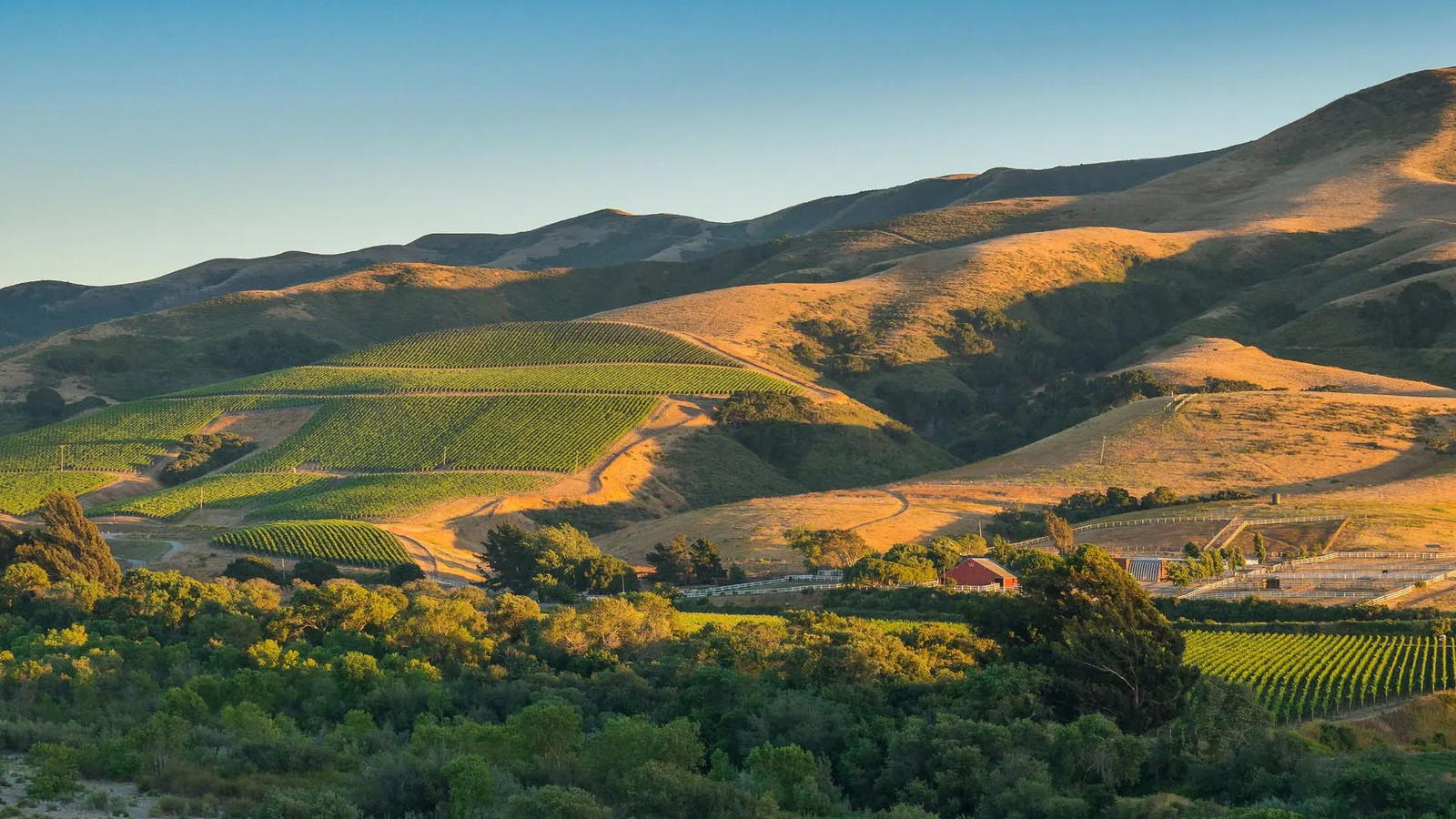
At 400-600m elevation on basalt and granite, Côtes du Forez produces Gamay with mineral tension and structural complexity, yet the 150-hectare appellation remains virtually unknown outside France.
At 400-600m elevation on basalt and granite, Côtes du Forez produces Gamay with mineral tension and structural complexity, yet the 150-hectare appellation remains virtually unknown outside France.
While collectors chase Beaujolais crus and sommeliers debate Loire Cabernet Franc, a volcanic appellation at the Loire's headwaters produces Gamay with mineral tension that rivals Morgon, yet remains virtually unknown outside France.
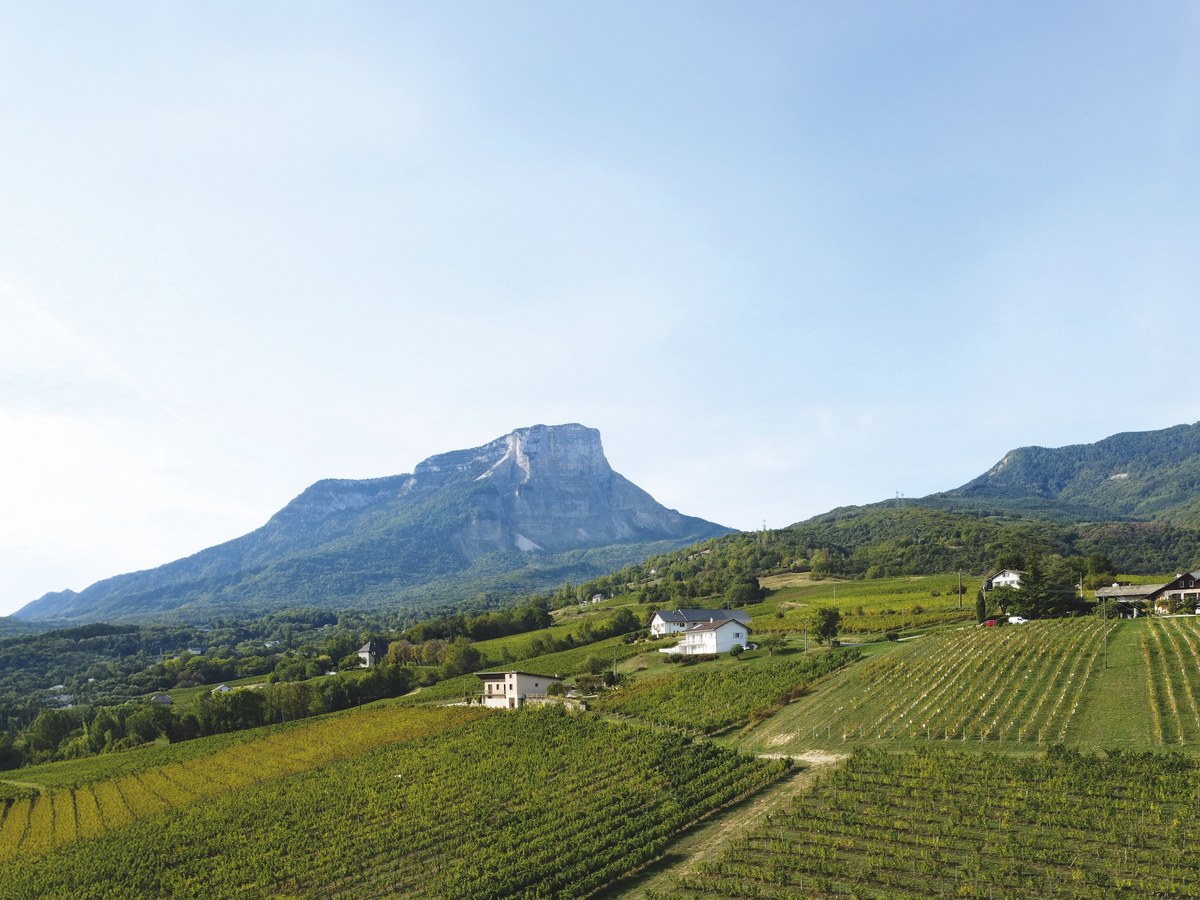
Côtes du Forez sits on the slopes of the Massif Central, where France's longest river bends sharply south to its origins in volcanic terrain. The appellation covers just 150 hectares of vines at elevations of 400m-600m, on granite and basalt soils derived from volcanic activity millions of years ago.
Gamay is the sole grape permitted under the Forez AOC, and the 11 domaines within the appellation mostly work with Gamay St Romain, a local biotype adapted to this upland terrain over centuries.
The eye traces the Loire from its mouth in Muscadet to Sancerre in the east. Pulled into Burgundy's current, we're soon adrift in Beaujolais, forgetting that France's longest river bends sharply south to its origins in the volcanic heart of the Massif Central. Most vineyard maps of the Loire display a tidy horizontal axis beginning in Sancerre and ending in Muscadet, where the river surrenders to the Atlantic. They leave out the four appellations several hundred kilometers southeast of Sancerre: Côtes d'Auvergne, Côte du Forez, Côte Roannaise, and Saint-Pourçain.
Loire Volcanique is a collective made up of four appellations. The collective originated from a 2014 tasting entitled Ici Commence La Loire ('Here the Loire Begins'). The name is literal, these vineyards sit above the headwaters, where the Loire actually starts. Côtes du Forez is the smallest of the four appellations that make up Loire Volcanique, covering just 150 hectares of vines. Narrow river-carved valleys, les gouttes, divide Forez into a patchwork of scattered hillside vineyards, mixed with pasture and forest.
The appellation gained AOC status in 2000, a relatively recent elevation from VDQS that reflects both the quality of the wines and the persistence of the region's small grower base. For collectors, Côtes du Forez offers an arbitrage opportunity: volcanic Gamay with structural complexity comparable to top Beaujolais crus, yet priced well below them and consumed almost entirely within France.
Côtes du Forez lies on the slopes of the Massif Central, an ancient volcanic region that shaped the soils millions of years ago. The vineyards sit at elevations of 400m-600m on granite and basalt soils derived from that volcanic activity.
The appellation is tucked between the Loire and Allier rivers in the center of France, some see it as the furthest southeastern reach of the Loire Valley, others consider it part of the northwestern region of the Rhône-Alpes known as Auvergne, while yet others find the wines reflect an identity closer to nearby Beaujolais.
Ultimately, the Côtes du Forez hillsides are their own thing: foothills of volcanic mountains with soils of granite and volcanic composition, presenting a distinctive terroir unlike anywhere else in France.
The volcanic soils impart a mineral signature to the wines, graphite, crushed stone, black pepper, that distinguishes Forez Gamay from the granite-driven Beaujolais crus. The elevation and shorter growing season produce wines with fine tannins, spiced red fruit, pepper, and smoky minerality. The St Romain biotype of Gamay, adapted to this upland terrain over centuries, contributes to the wines' structural precision and tension.
The region's remoteness has preserved its character. Vineyards are few and far between, scattered across hillsides in a patchwork that resists industrial-scale production. The 11 domaines within the appellation work small parcels, often organically, with a focus on expressing the volcanic terroir rather than chasing volume.
Domaine Verdier-Logel is a leading estate of the small and obscure Côtes du Forez appellation. Odile Verdier and her husband Jacky Logel arrived at the domaine in 1992 and immediately began vinifying their own fruit and bottling their own wines. In 1997 they began to transition their vineyards to organic, and they gained an additional boost in 2000 when Côtes du Forez was given AOC status. The estate now farms 18 hectares under organic cultivation, a significant holding in an appellation where vineyards are scattered and small-scale production is the norm.
More recently, their daughter Julie and nephew Maxime have taken charge of planting new, diverse varietals such as Riesling, Gewurztraminer, and Côt (Malbec) that are bottled as Vins de France. This diversification reflects the estate's willingness to experiment beyond the AOC's Gamay-only mandate, exploring the potential of the volcanic terroir with other varieties.
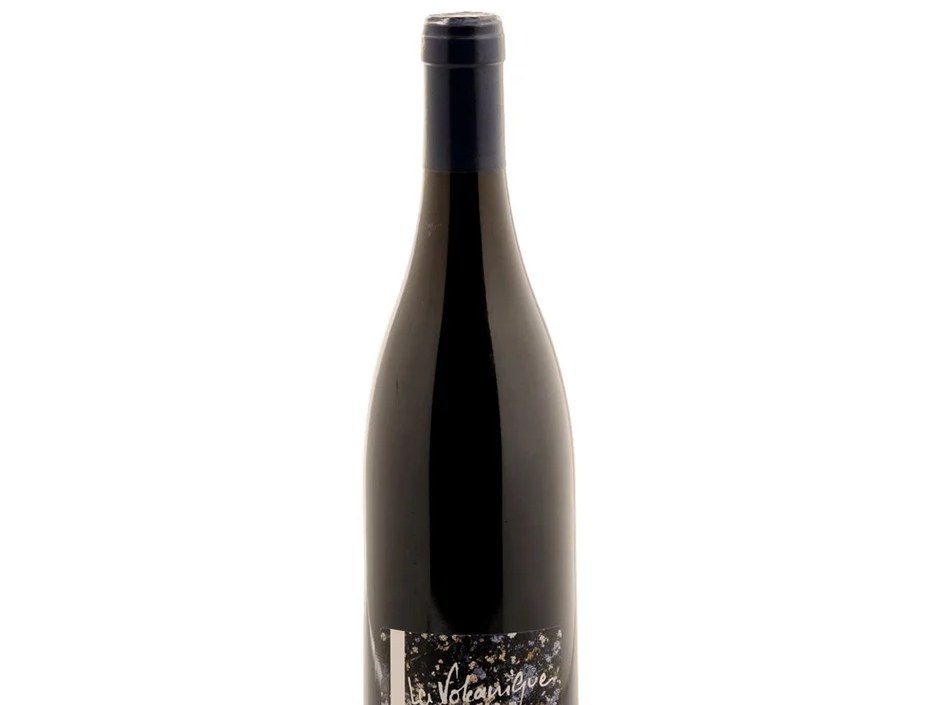
The estate's flagship cuvée, La Volcanique, is a pure Gamay bottled under the Côtes du Forez AOC. The wine is made with indigenous yeast and unfined, reflecting the estate's commitment to minimal intervention and terroir expression. The volcanic soils, granite and basalt, impart a mineral signature that distinguishes the wine from Beaujolais Gamay. The elevation and organic farming contribute to the wine's fine tannins, spiced red fruit, pepper, and smoky minerality. La Volcanique is a benchmark for the appellation, demonstrating the quality ceiling of Forez Gamay when farmed organically and vinified with precision.
Verdier-Logel's wines are imported to the US by Convivium Imports, though distribution remains limited. For collectors seeking access, direct domaine contact is often one reliable route.
Loire Volcanique is not an official appellation or sub-region but the name chosen by an association of 35 domaines plus one cooperative to brand the wines of Côtes d'Auvergne, Côte du Forez, Côte Roannaise, and Saint-Pourçain. The collective's origins date back to a 2014 tasting entitled Ici Commence La Loire ('Here the Loire Begins'), which brought together vignerons from the four remote appellations to assert their place in the Loire narrative. The collective officially formed on March 9, 2020, in the village of Ambierle.
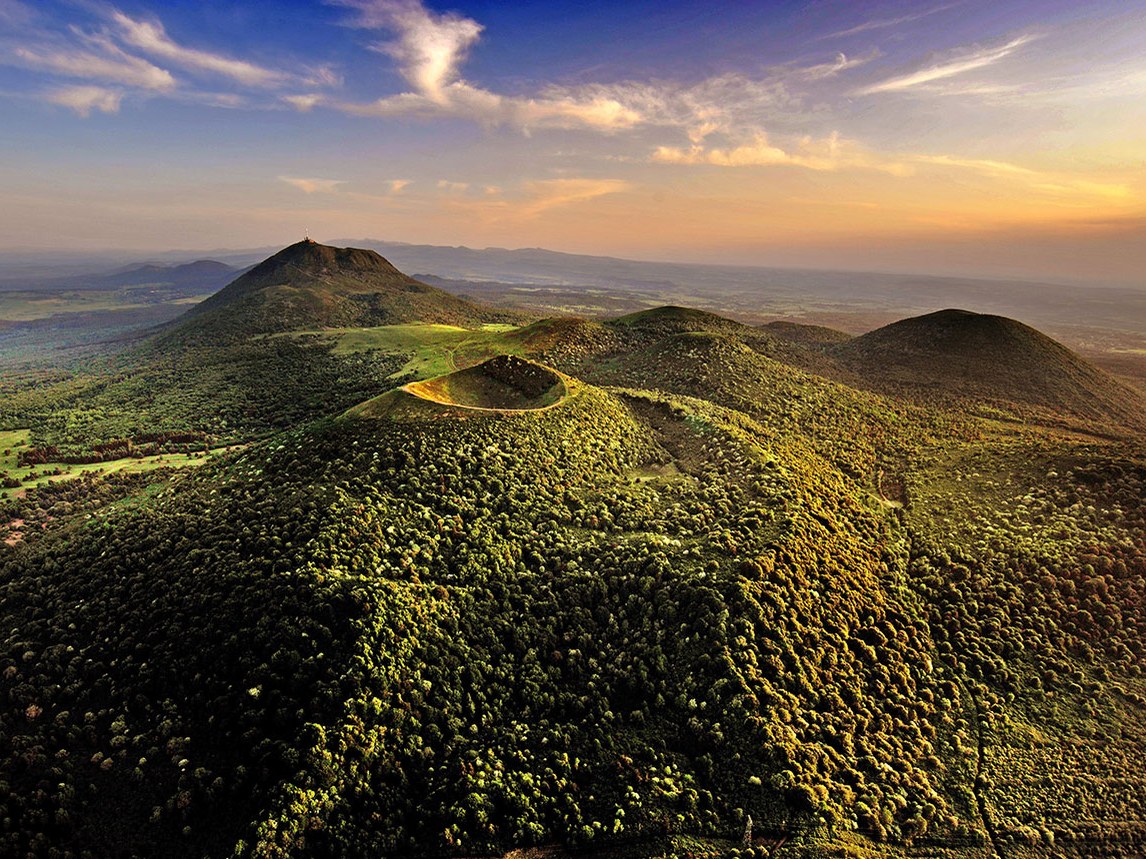
The Loire Volcanique branding is a strategic move to position the four appellations as a coherent wine region with a shared geological identity. The volcanic soils, granite, basalt, and other volcanic derivatives, are the unifying thread, distinguishing these wines from the limestone-driven Loire appellations to the west and the granite-driven Beaujolais to the east. By banding together under the Loire Volcanique banner, the four appellations present a more compelling narrative: volcanic terroir at the Loire's source, producing wines with mineral tension and structural complexity.
For collectors, the Loire Volcanique collective offers a framework for understanding the region's wines. The four appellations share volcanic soils and elevation, but each has its own character. Côtes du Forez, the smallest at 150 hectares, produces Gamay with fine tannins and smoky minerality. The collective's formation in 2020 also reflects a broader trend in French wine: the rise of regional branding initiatives that seek to sharpen lesser-known appellations through collective marketing and storytelling.
The 11 domaines within the Côtes du Forez appellation mostly work with Gamay St Romain, a local biotype adapted to this upland terrain over centuries. The St Romain variant is distinct from the Gamay Noir à Jus Blanc planted in Beaujolais, with differences in cluster size, berry size, and ripening profile that reflect its adaptation to the Massif Central's volcanic soils and higher elevation. The biotype produces wines of fine tannins, spiced red fruit, pepper, and smoky minerality, a profile that distinguishes Forez Gamay from the floral, fruit-forward character of Beaujolais crus.
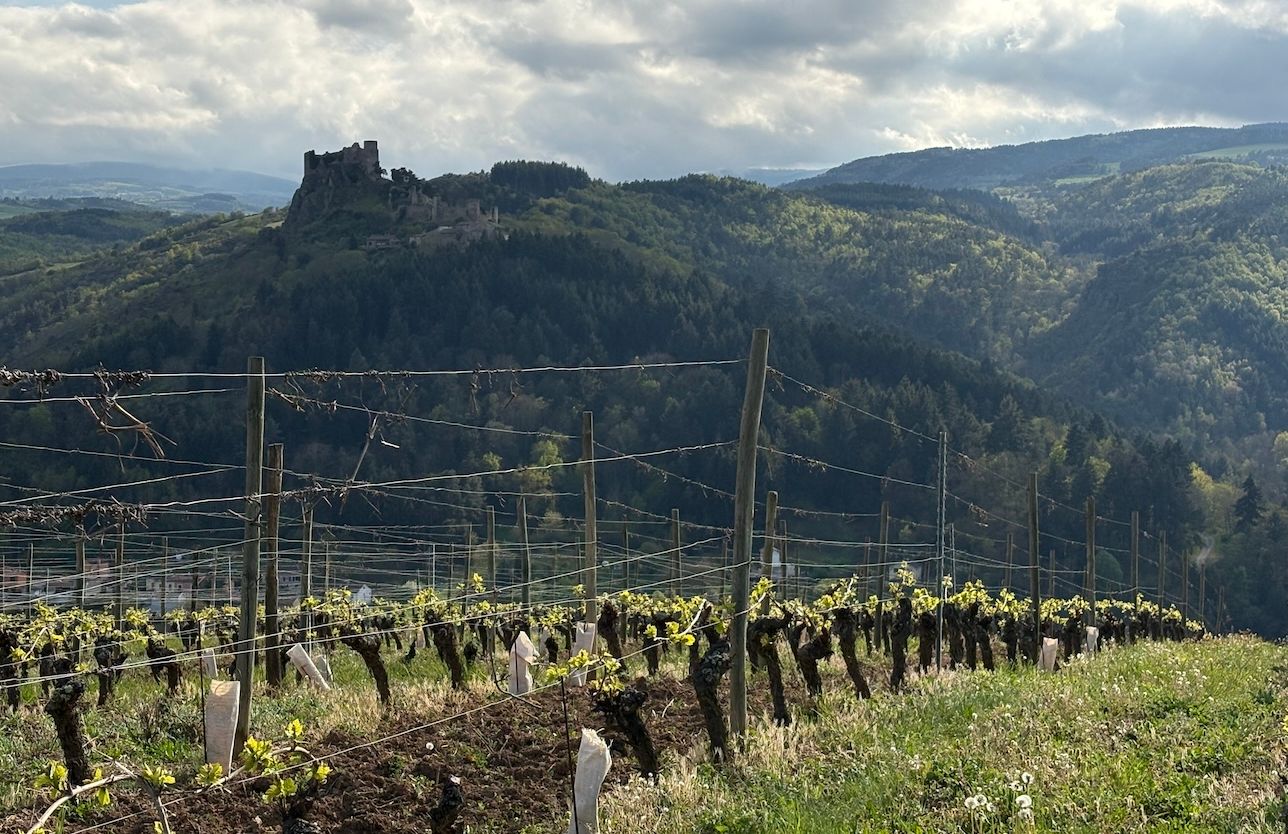
The St Romain biotype's adaptation to the region's terroir is a key factor in the wines' distinct identity. The shorter growing season at 400-600m elevation requires a Gamay variant that ripens reliably in cooler conditions, and the volcanic soils, granite and basalt, demand a rootstock and vine selection that can extract nutrients and water from the mineral-rich substrate. The result is a Gamay that produces smaller berries with thicker skins, contributing to the wines' tannic structure and mineral signature.
For collectors, the St Romain biotype adds a layer of specificity to Côtes du Forez wines. This is not generic Gamay transplanted to volcanic soils, it is a local variant that has co-evolved with the terroir, producing wines that could not be replicated elsewhere. The biotype's rarity, it is planted almost exclusively in Côtes du Forez, adds to the wines' scarcity premium and collector appeal.
For collectors seeking terroir-driven Gamay outside the Beaujolais mainstream, Côtes du Forez offers a compelling alternative with a distinct mineral signature and structural complexity. The volcanic soils, granite and basalt, impart a mineral tension that distinguishes Forez Gamay from the floral, fruit-forward character of Beaujolais crus. The elevation and shorter growing season produce wines with fine tannins, spiced red fruit, pepper, and smoky minerality. The St Romain biotype, adapted to the upland terrain over centuries, contributes to the wines' structural precision and aging potential.
The appellation's small size, 150 hectares total, means production is inherently limited, and the wines carry the scarcity premium of a region that has resisted homogenization. The appellation's remoteness and domestic French consumption also mean that most of the wines never leave the region. This scarcity adds to the wines' collector appeal, Côtes du Forez is not a region you stumble upon at your local wine shop. Sourcing the wines requires effort: tracking down importers like Convivium, contacting domaines directly, or visiting the region in person.
The Loire Volcanique collective's formation in 2020 also signals that the region is on the cusp of broader recognition. The collective's branding effort, combined with increasing interest from US importers and sommeliers, suggests that Côtes du Forez may not remain obscure for long. For collectors, this is the moment to establish positions in the appellation, before pricing catches up to quality and before the wines become harder to source.
Sourcing Côtes du Forez wines in the US requires effort, but the payoff is access to an undervalued appellation with volcanic terroir and structural complexity. Domaine Verdier-Logel is imported by Convivium Imports, though distribution remains limited to select markets. Collectors can contact Convivium directly to inquire about availability and retail accounts carrying the wines. The estate's website also offers direct contact information for case purchases, and many small French domaines are willing to ship internationally for collectors willing to work through the logistics.
For collectors planning a trip to France, visiting the Côtes du Forez region in person is a reliable way to source the wines and build relationships with producers. The appellation's remoteness means it is not a typical wine-tourism destination, but that remoteness is also part of its appeal. The region offers the opportunity to taste wines that are consumed almost entirely within France, to meet the vignerons who farm the volcanic soils, and to experience the terrain that shapes the wines' mineral signature.
Collectors should also watch for Loire Volcanique wines at natural wine bars and restaurants with adventurous wine programs. Sommeliers who focus on lesser-known regions and terroir-driven wines are increasingly sourcing from the collective, and Côtes du Forez is starting to appear on wine lists in major US cities. The wines' mineral signature and structural complexity make them compelling by-the-glass pours, and the appellation's obscurity gives sommeliers a story to tell.
The Loire Volcanique collective's formation in 2020 marked a turning point for Côtes du Forez and the three other appellations under the banner. The collective's branding effort has begun to raise the region's profile, and increasing interest from US importers and sommeliers suggests that the wines may not remain obscure for long.
The next generation of vignerons merits attention. At Domaine Verdier-Logel, daughter Julie and nephew Maxime have taken charge of planting new varietals and experimenting with the volcanic terroir beyond the AOC's Gamay-only mandate.
This generational shift is happening across the appellation, as younger winemakers bring new ideas and a willingness to push boundaries while respecting the region's viticultural heritage.
Côtes du Forez wines are grown on volcanic basalt and granite soils at elevations of 400-600m in the Massif Central, compared to Beaujolais' lower-altitude granite. This volcanic terroir imparts distinctive mineral signatures, graphite, crushed stone, black pepper, and produces wines with fine tannins and smoky minerality that distinguish them from typical Beaujolais crus.
Only 11 domaines produce wines within the Côtes du Forez appellation, working across just 150 hectares of scattered hillside vineyards. This small grower base reflects the region's remoteness and focus on small-parcel, often organic viticulture rather than industrial-scale production.
Loire Volcanique is a collective formed in March 2020 by vignerons from four remote appellations at the Loire's headwaters: Côtes d'Auvergne, Côte du Forez, Côte Roannaise, and Saint-Pourçain. It was created to promote these virtually unknown volcanic wine regions that sit hundreds of kilometers southeast of Sancerre, where the Loire River actually begins.
Côtes du Forez gained AOC status in 2000, a relatively recent elevation from VDQS classification. This recognition reflects both the quality of the region's volcanic Gamay wines and the persistence of its small grower base in maintaining viticultural traditions.
Gamay is the sole grape permitted under the Forez AOC, specifically the Gamay St Romain biotype. This local variant has adapted to the upland volcanic terrain over centuries and contributes to the wines' structural precision, mineral tension, and distinctive character.
Get the App
Take the shortlist into the En Primeur Club app for concierge access, saved places, and the next step after discovery.
Get Exclusive AccessMore from the editors