Duckhorn Vineyards


Founded in 1978 and ranked No. 44 on the World's Best Vineyards 2024 list, Duckhorn Vineyards in St. Helena has spent nearly five decades refining its position among Napa Valley's established estates..
Pearl is the En Primeur Club membership app — saves, bookings, and concierge access live there. Same editors, same standards.
- Address
- 1000 Lodi Ln, St Helena, CA 94574
- Phone
- +1 707-963-7108
- Website
- duckhorn.com
- Directions
- Get directions
 Saves & bookings on Pearl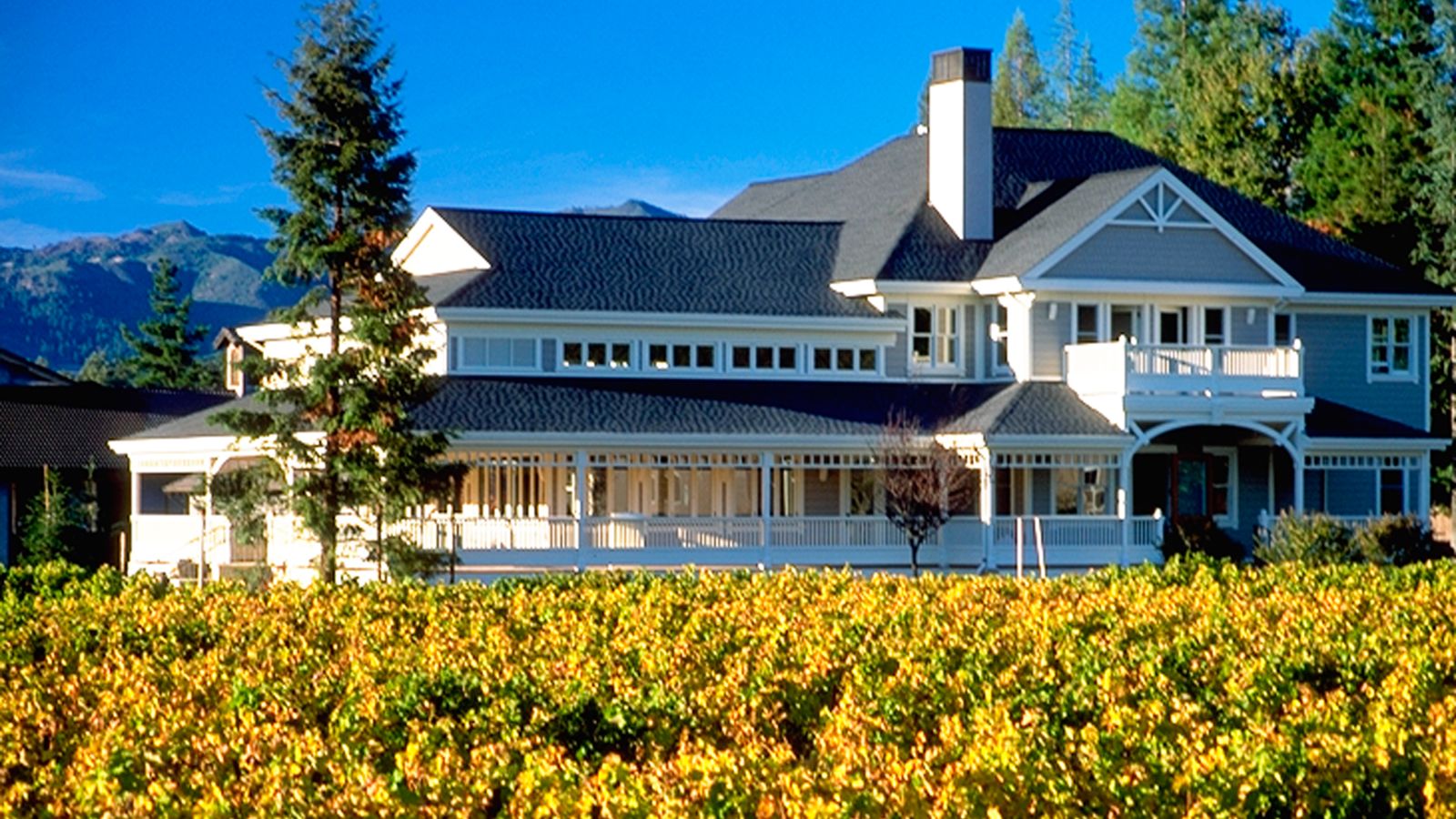
Lodi Lane and the Napa Estate That Grew Into Its Reputation
Drive north on Highway 29 past the familiar procession of tasting rooms and vineyard signage, turn onto Lodi Lane in St. Helena, and the character of the valley shifts slightly. The road is narrower, the crowds thinner, and the sense of arrival at 1000 Lodi Lane carries a different weight than at the more trafficked stops further south. Duckhorn Vineyards occupies this quieter corridor with the assurance of an estate that has been here since 1978, long enough to have watched the broader Napa scene transform around it while holding a clear stylistic course.
That longevity is part of what makes Duckhorn a useful lens for understanding how Napa's premium tier has evolved. The valley's identity is now almost inseparable from Cabernet Sauvignon, yet Duckhorn built its early reputation on Merlot at a time when that grape was taken far more seriously in California. The estate's continued commitment to that variety, alongside a broader portfolio, places it in an interesting position: established enough to be a reference point, yet working in a category that the wider market has treated unevenly since the mid-2000s.
From 1978 to Now: The Arc of a Napa Estate
few Napa wineries operating today trace their founding to 1978. That vintage predates the wave of investment and international attention that reshaped the valley through the 1980s and 1990s, which means Duckhorn's institutional memory runs deeper than most of its current comparable set. What began as a focused Merlot and Cabernet Sauvignon project has grown across decades into a multi-label operation with fruit sourced from multiple appellations, though the St. Helena estate remains the anchor and the address most associated with the Duckhorn name.
The evolution here is not one of dramatic reinvention but of steady accumulation, which is its own kind of discipline in a market that frequently rewards novelty. Napa's premium tier has consolidated around a handful of estates whose reputations predate the current cycle of high-scoring, allocation-driven releases, and Duckhorn sits comfortably in that group. The 2024 ranking of No. 44 on the World's Leading Vineyards list reflects the kind of sustained recognition that comes from consistency over time rather than a single breakthrough vintage. For context within the region, properties like Accendo Cellars in St. Helena and Alpha Omega Winery in Rutherford occupy neighbouring rungs of Napa's prestige ladder, each with their own approach to the valley's Cabernet-dominant identity.
Renée Ary and the Winemaking Continuity Question
One of the more consequential decisions any established estate makes is how it manages winemaking transitions. Duckhorn's current winemaker, Renée Ary, holds a role that carries significant institutional responsibility: translating a style built over nearly five decades into each new vintage without losing what made the estate recognisable in the first place. That kind of continuity is not incidental. It is the mechanism by which a 1978 founding vintage and a 2025 prestige rating connect.
Across Napa, the question of winemaker succession sits at the centre of how estates maintain or shift their positioning. Some properties use transitions as opportunities to chase higher scores or align with current critical preferences. Others treat the handoff as a preservation exercise. Duckhorn's trajectory suggests the latter orientation, which aligns with how the broader St. Helena corridor has tended to approach its established names. Compare this with properties like Artesa Vineyards and Winery or Darioush Winery, each of which has taken distinct paths in defining its stylistic identity relative to the valley's dominant conventions.
Positioning Within the Napa comparable set
Napa's tasting room and estate experience market has stratified significantly over the past decade. At one end sit single-variety cult producers with appointment-only visits and allocation lists measured in years. At the other, larger operations built around volume and visitor throughput. Duckhorn occupies a middle position that is increasingly difficult to hold: established enough to carry genuine prestige credentials, accessible enough to receive visitors without the friction of a years-long waitlist.
That positioning is reflected in its competitive context. Within St. Helena and the immediate corridor, properties like Blackbird Vineyards and Ashes and Diamonds Winery represent different approaches to the estate experience, with Ashes and Diamonds in particular leaning into a midcentury design sensibility that contrasts with Duckhorn's more traditional Napa idiom. Further afield in the valley, Clos Selene Winery offers another reference point for how Napa estates with long histories manage the relationship between their founding era and current market expectations.
The Merlot dimension of Duckhorn's identity deserves specific mention here. In the broader California context, the grape has never fully recovered its pre-2004 critical standing, yet Duckhorn has maintained it as a signature variety. This is a meaningful commitment at a time when most Napa estates have re-centred entirely around Cabernet Sauvignon. Whether that represents a contrarian position or simply a refusal to abandon what worked is a question the wines answer more clearly than any statement of intent would.
Planning a Visit to the St. Helena Estate
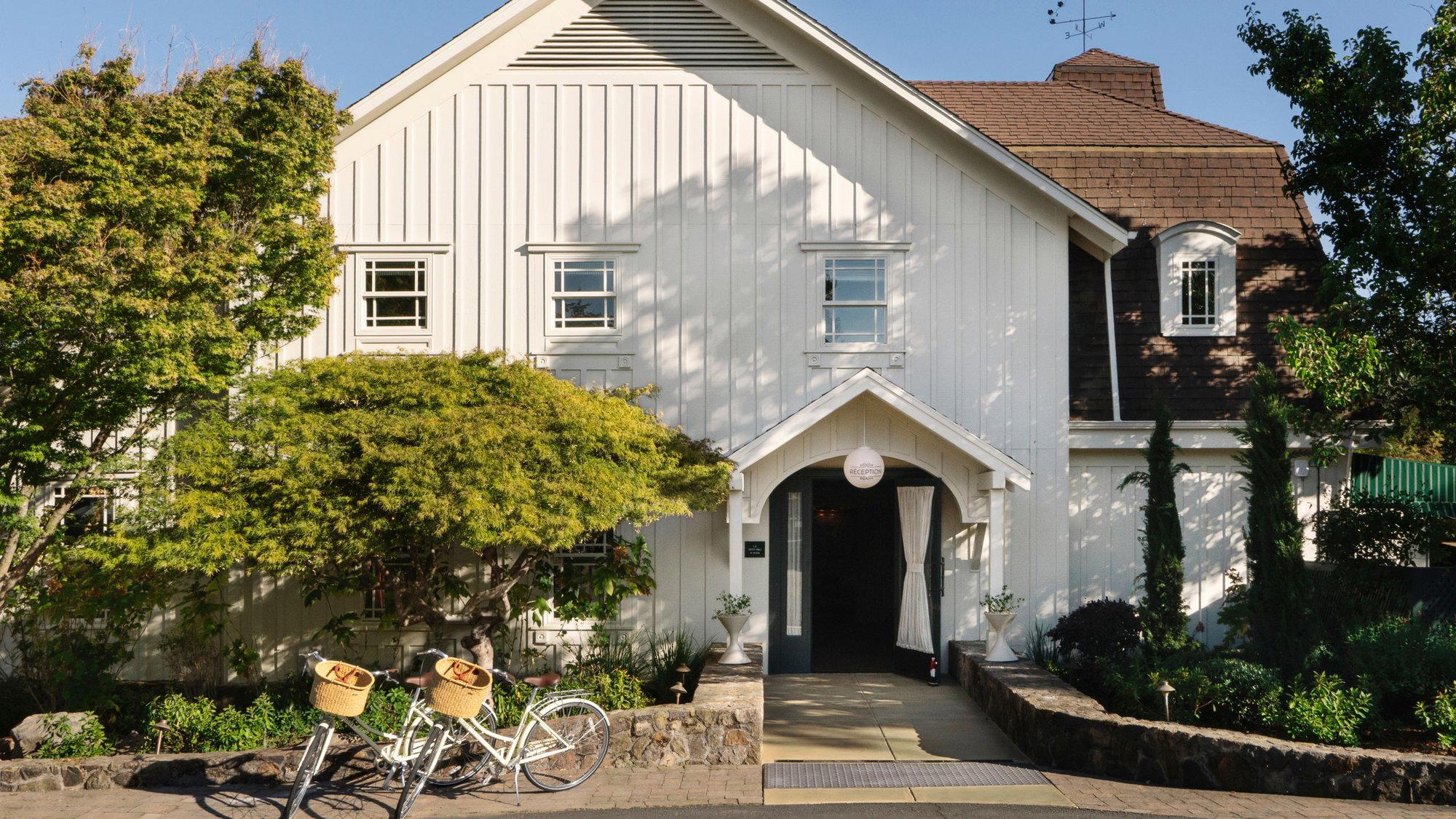
Duckhorn Vineyards sits at 1000 Lodi Lane in St. Helena, in the upper Napa Valley where the pace of the wine country experience tends to be more measured than at the busier southern entry points around Napa city. Visitors approaching from Highway 29 will find the property accessible without the congestion that clusters around some of the valley's more heavily trafficked destinations. For those building a broader St. Helena itinerary, Accendo Cellars operates in the same immediate vicinity.
Planning ahead is advisable, and the estate's own booking channels should be consulted directly for current availability and tasting formats.
For those using St. Helena as a base to range across the wider California wine map, the reach of regional exploration is considerable. Adelaida Vineyards in Paso Robles, Alban Vineyards in Arroyo Grande, and Andrew Murray Vineyards in Los Olivos each represent how differently California's premium wine identity plays out once you move south of the Bay Area. In the opposite direction, Adelsheim Vineyard in Newberg and Alexander Valley Vineyards in Geyserville show how the northern California and Oregon coastal corridor diverges from Napa's concentrated prestige model.
A Lean Comparison
Comparable venues nearby, for context on price, style, and recognition.
| Venue | Price | Notes |
|---|---|---|
| Duckhorn VineyardsThis venue — the venue you are viewing | $$$$ | Not listed |
| Stag's Leap Wine Cellars | $$$$ | Stags Leap District, Cabernet Sauvignon, Merlot |
| Joseph Phelps Vineyards | $$$$ | St. Helena, Cabernet Sauvignon, Petit Verdot |
| Beringer Vineyards | $$$ | St. Helena, Cabernet Sauvignon, Chardonnay |
| Pym Rae and Tesseron Estate | $$$$ | Mt. Veeder, Cabernet Sauvignon, Merlot |
| Lewis Cellars | $$$$ | Stags Leap District, Cabernet Sauvignon, Chardonnay |
Recognition history
Dated appearances from independent guides and award organizations, with the underlying list record or original source where available.
Falstaff Winery - Listed
Falstaff
World's 50 Best Best Vineyards #44
World's 50 Best
Continue exploring
More in Napa
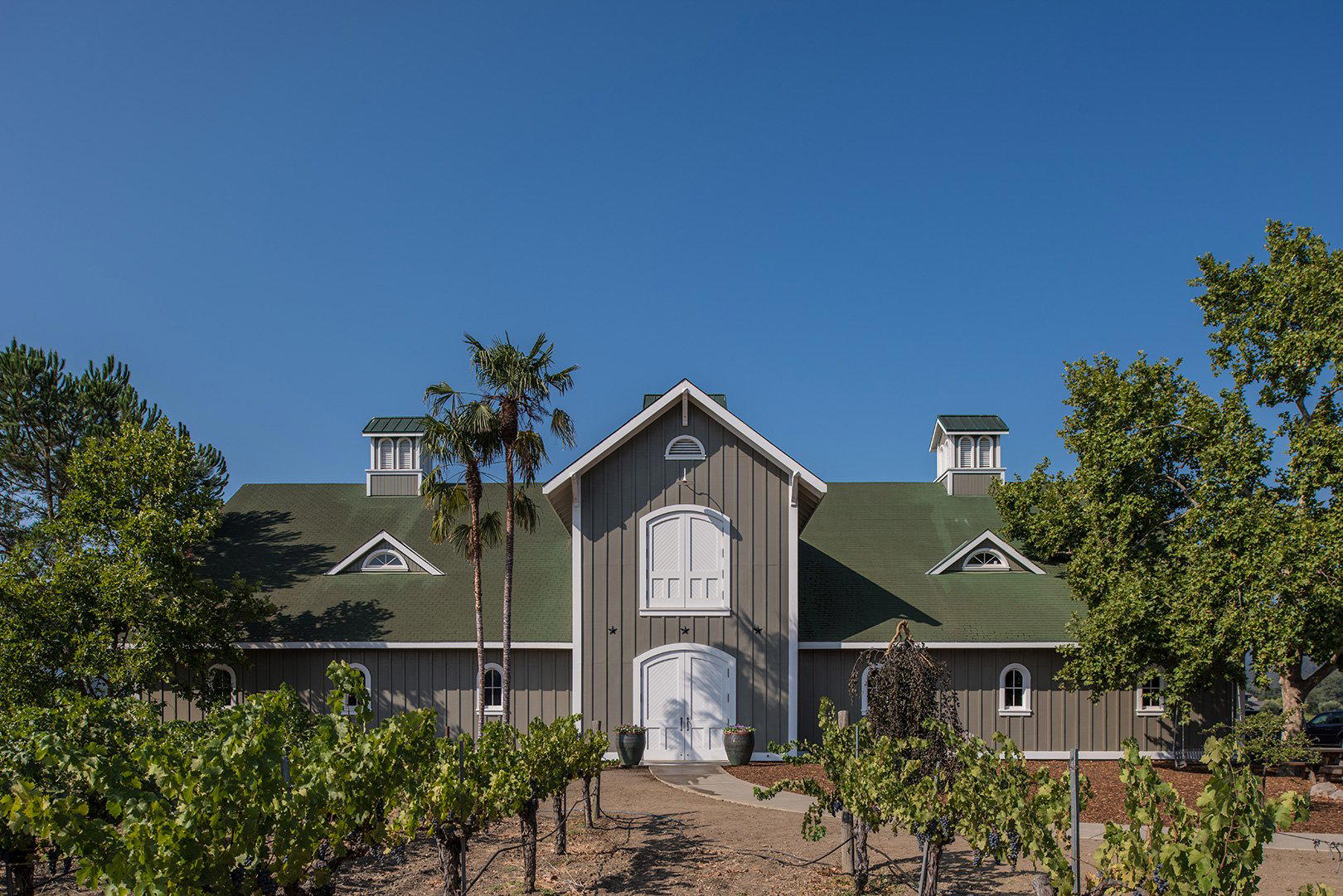
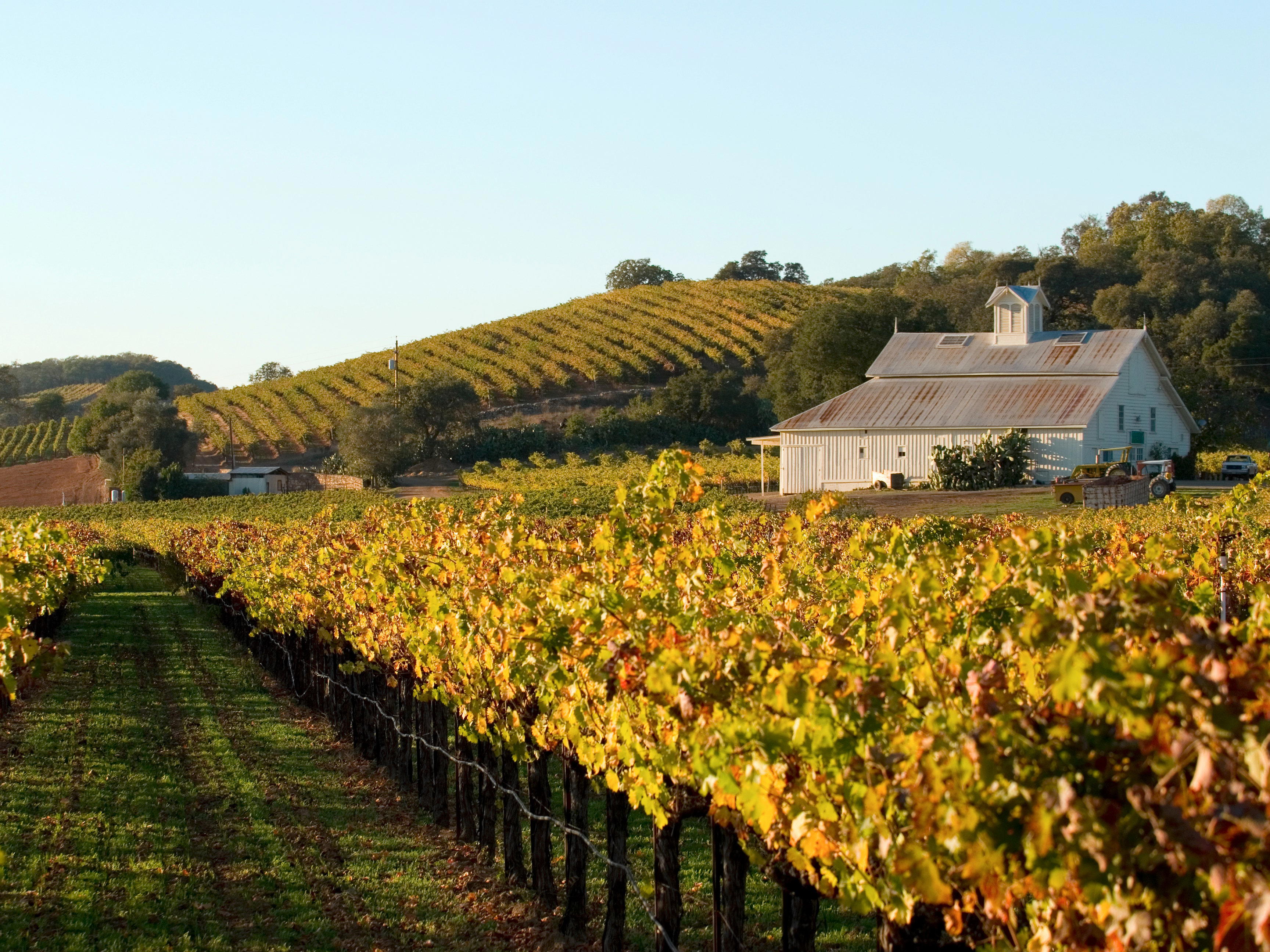
Wineries in Napa
Browse all →
Bars in Napa
Browse all →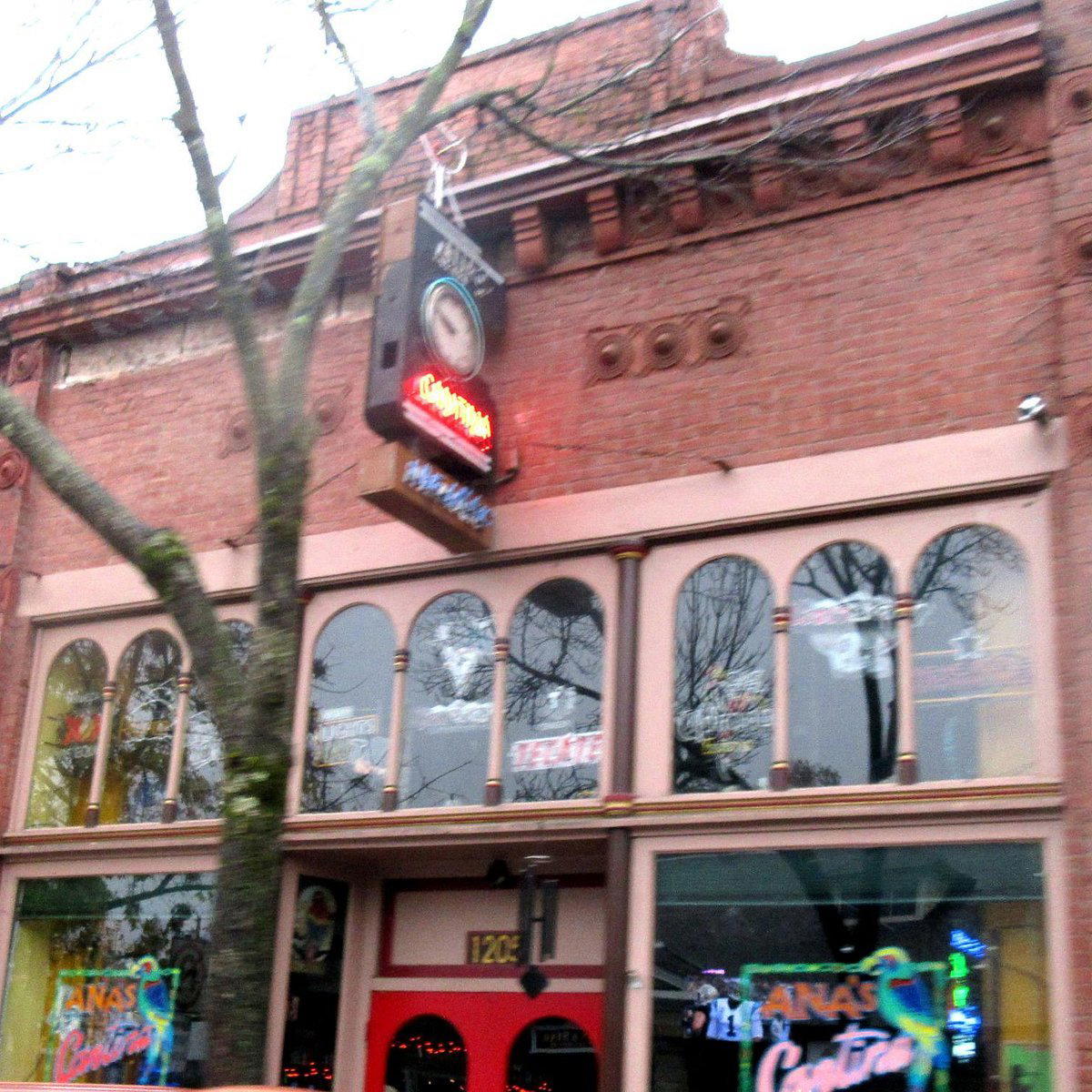
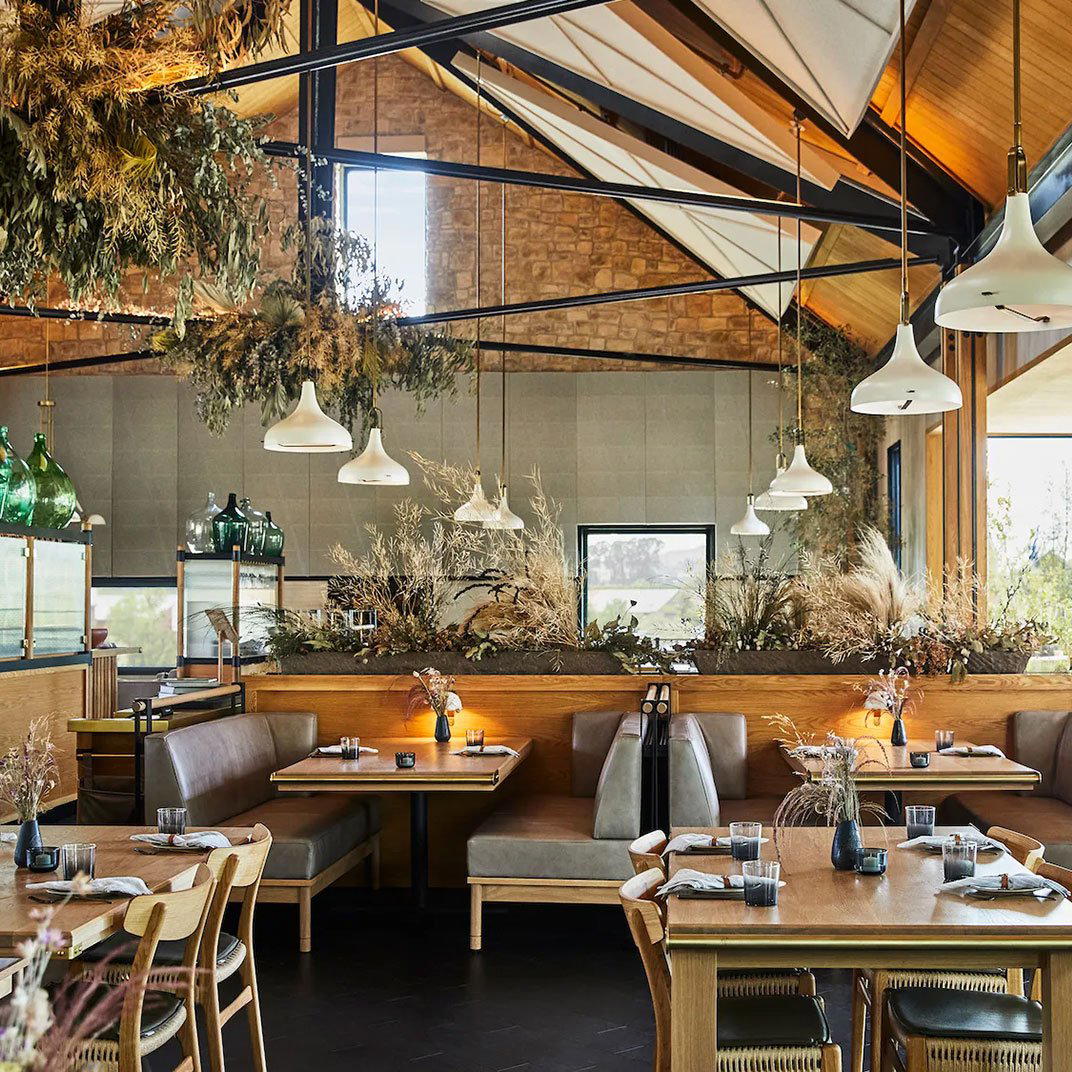
Restaurants in Napa
Browse all →
At a Glance
- Elegant
- Sophisticated
- Scenic
- Classic
- Intimate
- Romantic Getaway
- Special Occasion
- Wine Education
- Estate Grounds
- Garden
- Panoramic View
- Sustainable
- Vineyard
- Garden
- Napa Valley AVA
- Merlot
- Cabernet Sauvignon
- Sauvignon Blanc
- Sémillon
- Chardonnay
- Cabernet Franc
- Petit Verdot
- Still Red
- Still White
- Seated Tasting
- Portfolio Tasting
- Polished Tasting
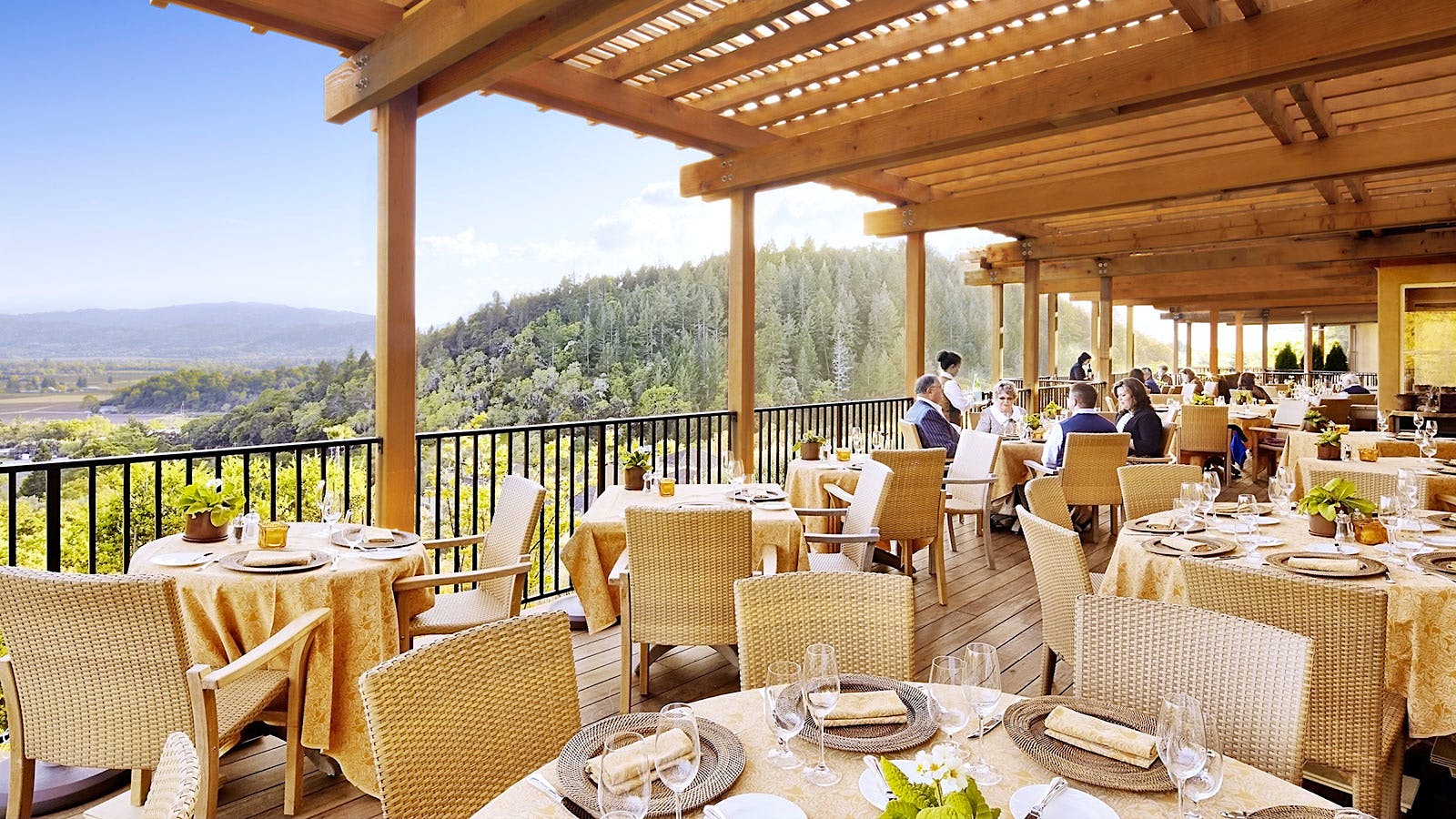
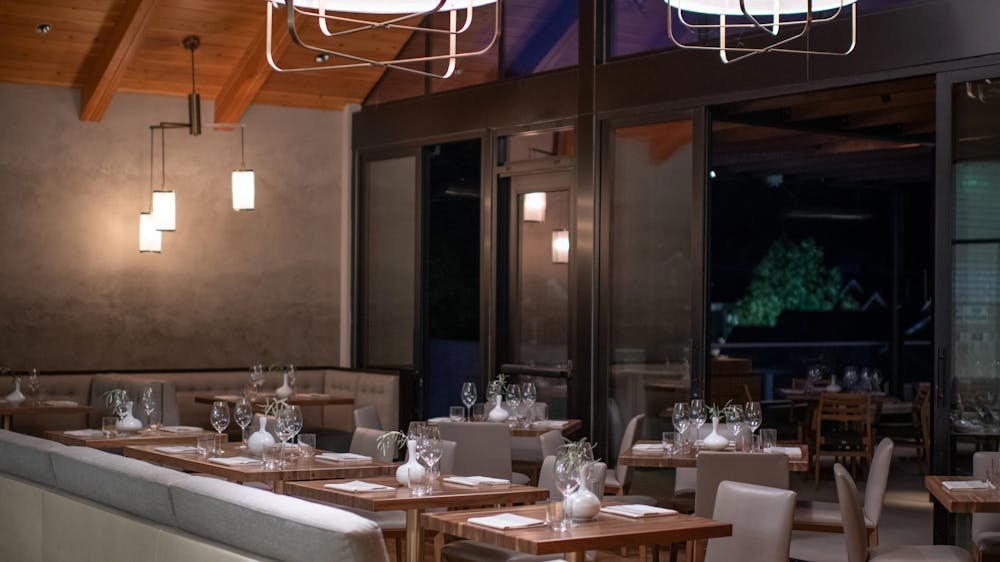
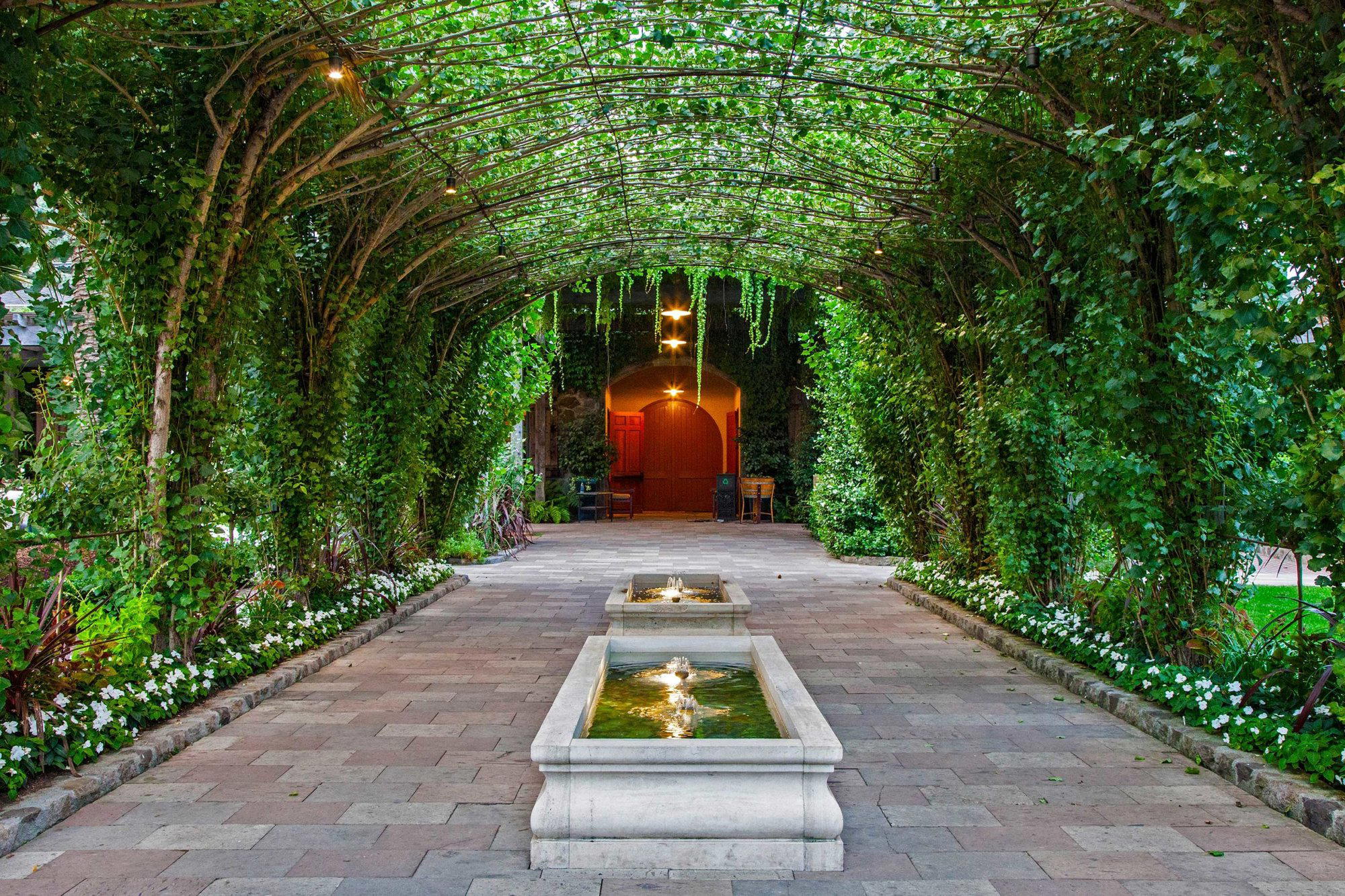
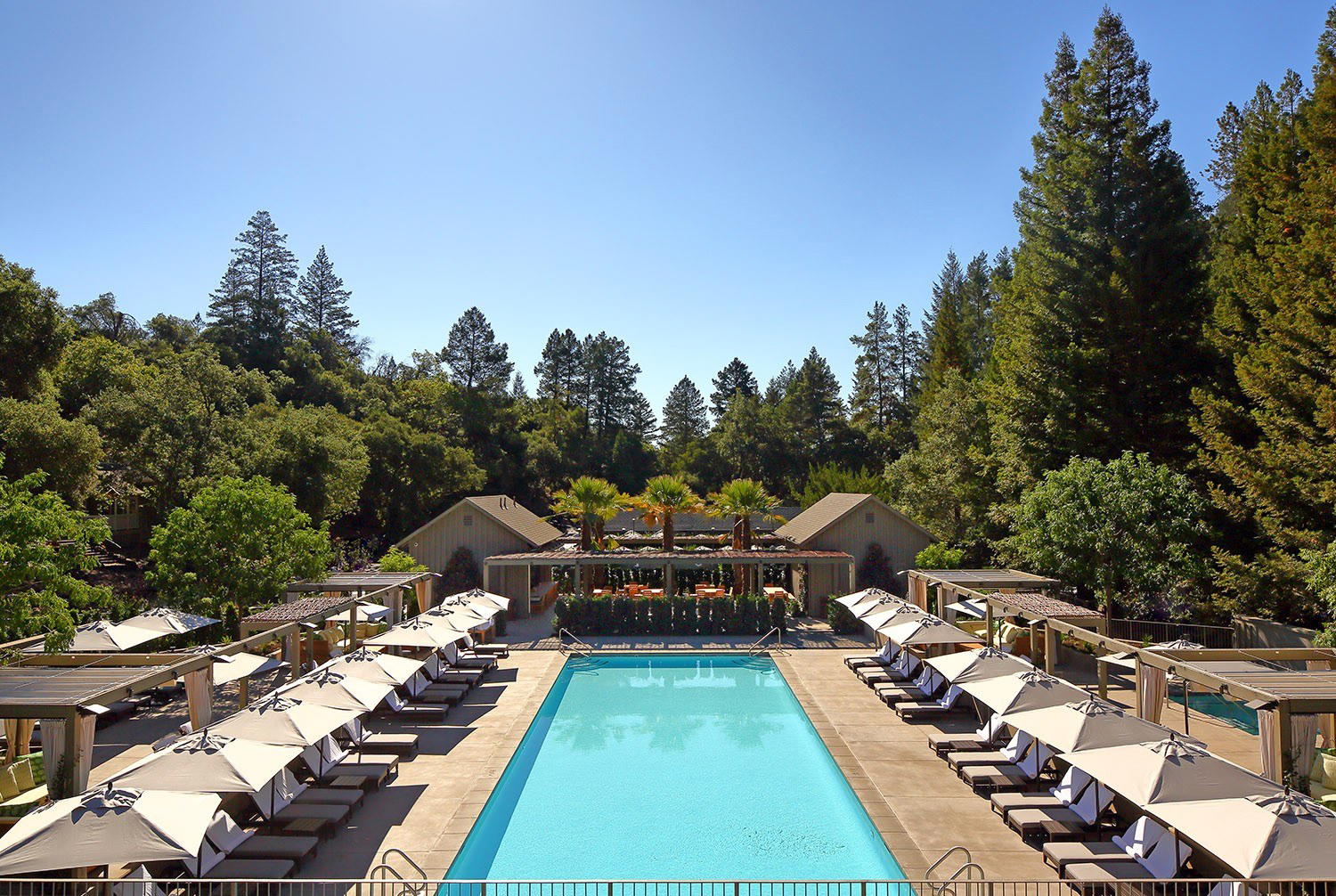
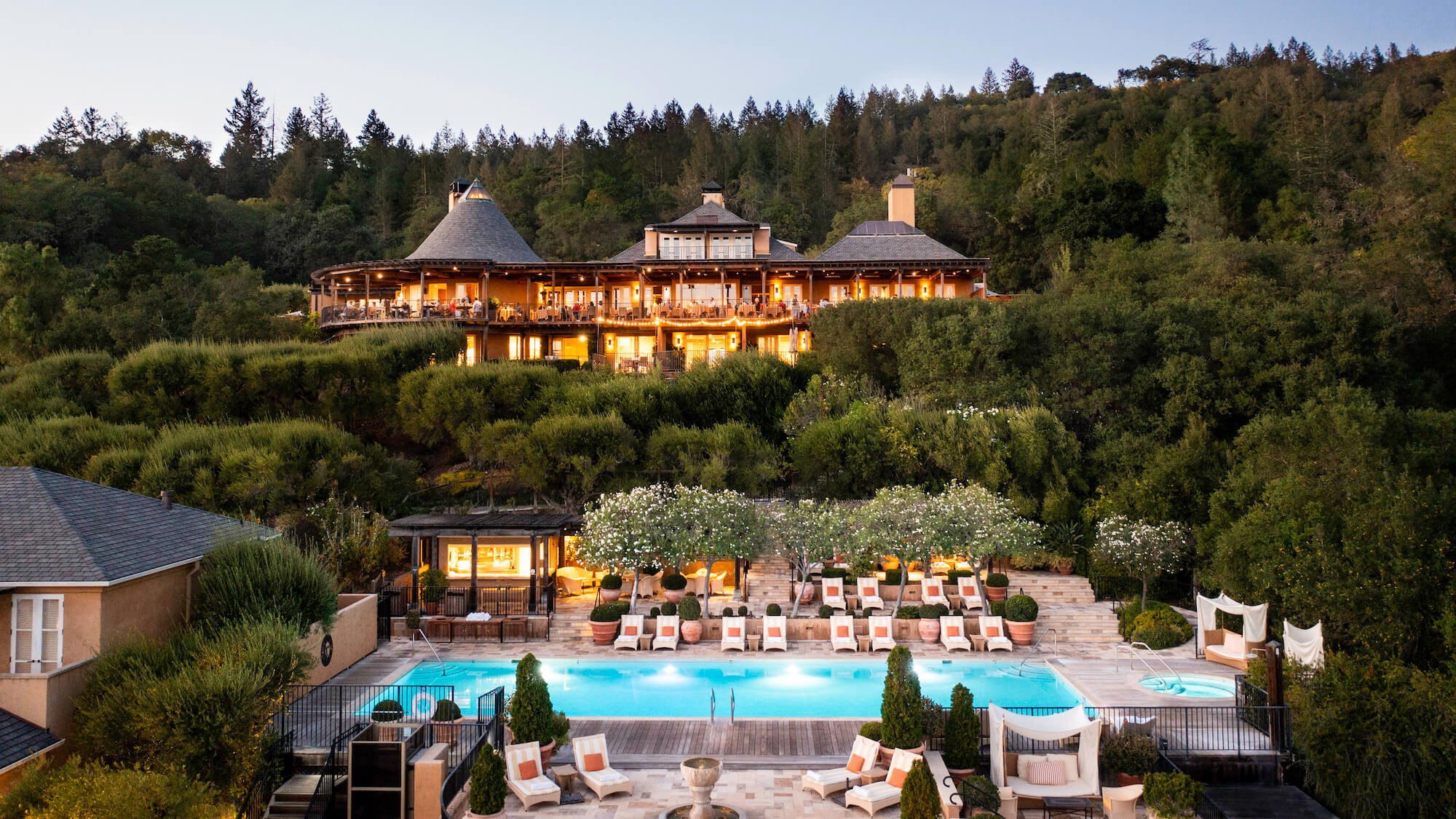
Sophisticated and refined atmosphere with tableside wine service, natural light from surrounding windows, and serene garden views from the wrap-around veranda.